Toothed whales vs. Baleen whales
April 13, 2026
BWB – Madeira’s weather
April 14, 2026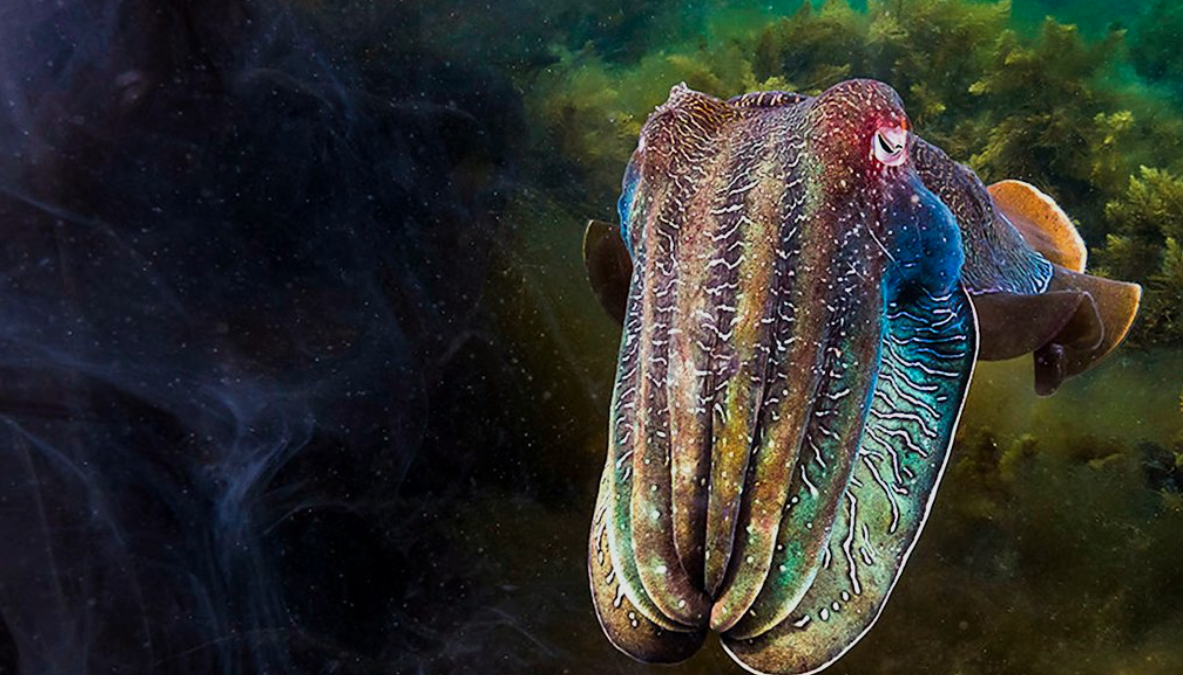
Image credit: bbc.co.uk
The Blue Planet II series has the power to marvel anybody about the wonders of our oceans, but it particularly touches the heart of those who are already obsessed with marine life, like myself. After watching the series one episode particularly stuck and I remember being surprised that it was the Green Seas episode. I’ve always found Kelp forests fascinating but always found most documentaries involving them less enchanting than those on coral reefs or open oceans. If you feel the same, this documentary is for you.
From the bountiful kelp forests off the tip of southern Africa, to the seagrass prairies off Western Australia up to the vast algal blooms in Monterey Bay California, this episode explores where our oceans photosynthetic organisms provide their most visible contributions and this is accompanied by incredible stories. We watch sea otters gorge on urchin swarms in vast numbers, a population control that has been recovered through more extensive protection of the otters in the region. In the shark ridden waters, we see an octopus use incredibly intelligent ways to hide itself from its looming predators. In Western Australia grazing turtles and their nemesis, the Tiger shark, roam the seagrass prairies. These grasslands are overrun annually by a swarm of spider crabs that pile on top of each other to moult. Along the coastline the green seas show the importance of the areas for mating, like for giant cuttlefish and sea dragons, and for nurseries like those of baby fish ion mangrove forests. The documentary concludes in large feeding situations of dolphins, sea lions, whales and other predators that all meet to gorge on the planktivorous anchovies, a situation that only exists because of phytoplankton.
If our newsletter has still not convinced you of the importance of Green Seas, then this documentary definitely will.
By Paula Thake