The point of no return
May 11, 2026
Meet Sr. Luís
May 11, 2026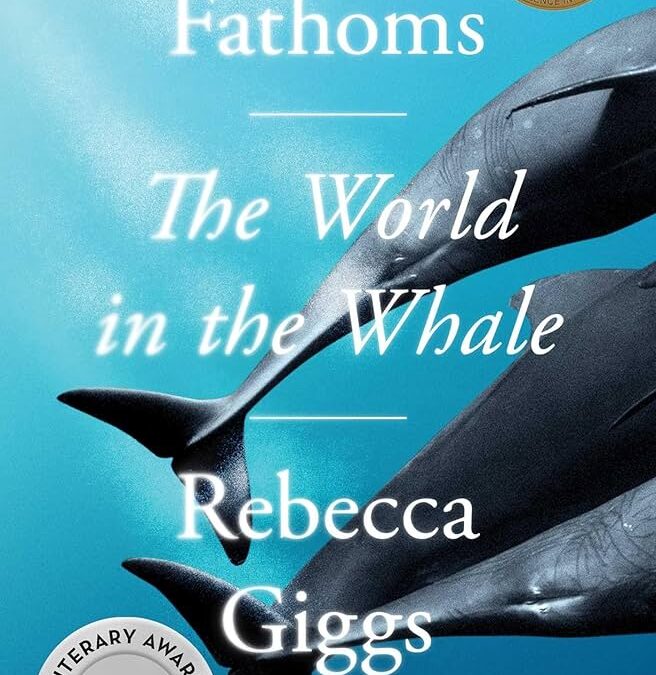
From this deeply affecting scene, the book expands into a broader exploration of humanity’s relationship with whales and the oceans they inhabit. Blending natural history, philosophy, science, and environmental writing, Giggs examines how whales experience ecological change, how technology may reshape our understanding of these creatures, and what whales reveal about the complexity and fragility of life on Earth. She writes about whales so rare they remain unnamed, whale songs that spread across oceans like cultural trends, and the surprising role whales play in shaping the planet’s atmosphere.
The book also confronts the destructive impact of human activity on marine ecosystems. Giggs explores the growing presence of plastic pollution in the oceans, documenting how whales ingest waste such as bags, wrappers, and abandoned fishing gear, often becoming more polluted than the waters surrounding them. She travels to Japan to examine contemporary whaling practices and reflects on environmental disasters, climate change, and the consequences of consumer culture on sea life.
Written in lyrical and richly detailed prose, Fathoms avoids becoming overly didactic while still raising urgent environmental questions. In the spirit of Rachel Carson and Rebecca Solnit, Giggs offers both a meditation on whales and a profound reflection on humanity’s uncertain relationship with the natural world during a time of ecological crisis.
By Eva Koehle