23.10.2026 – A Special Encounter
October 29, 2026
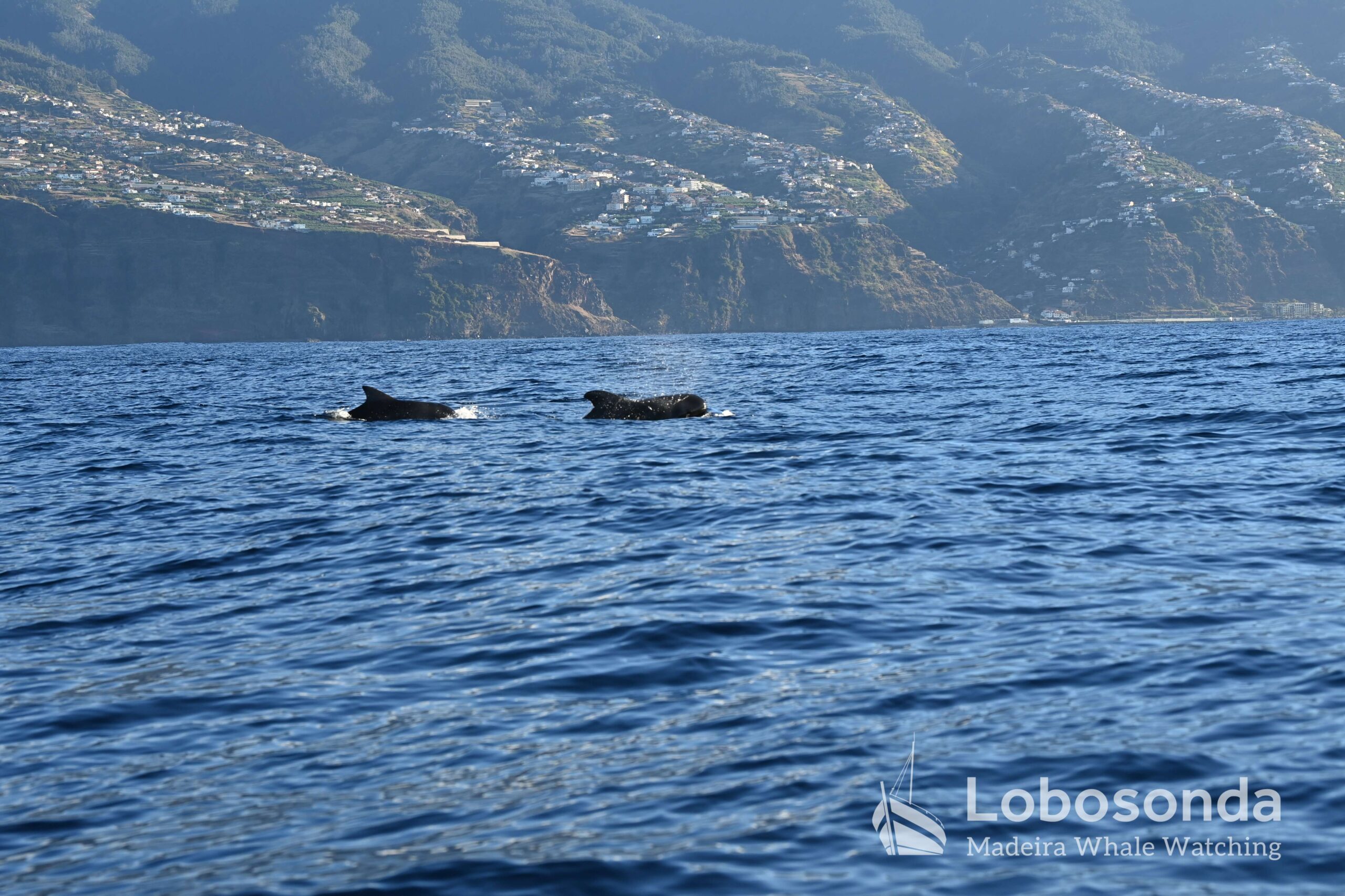
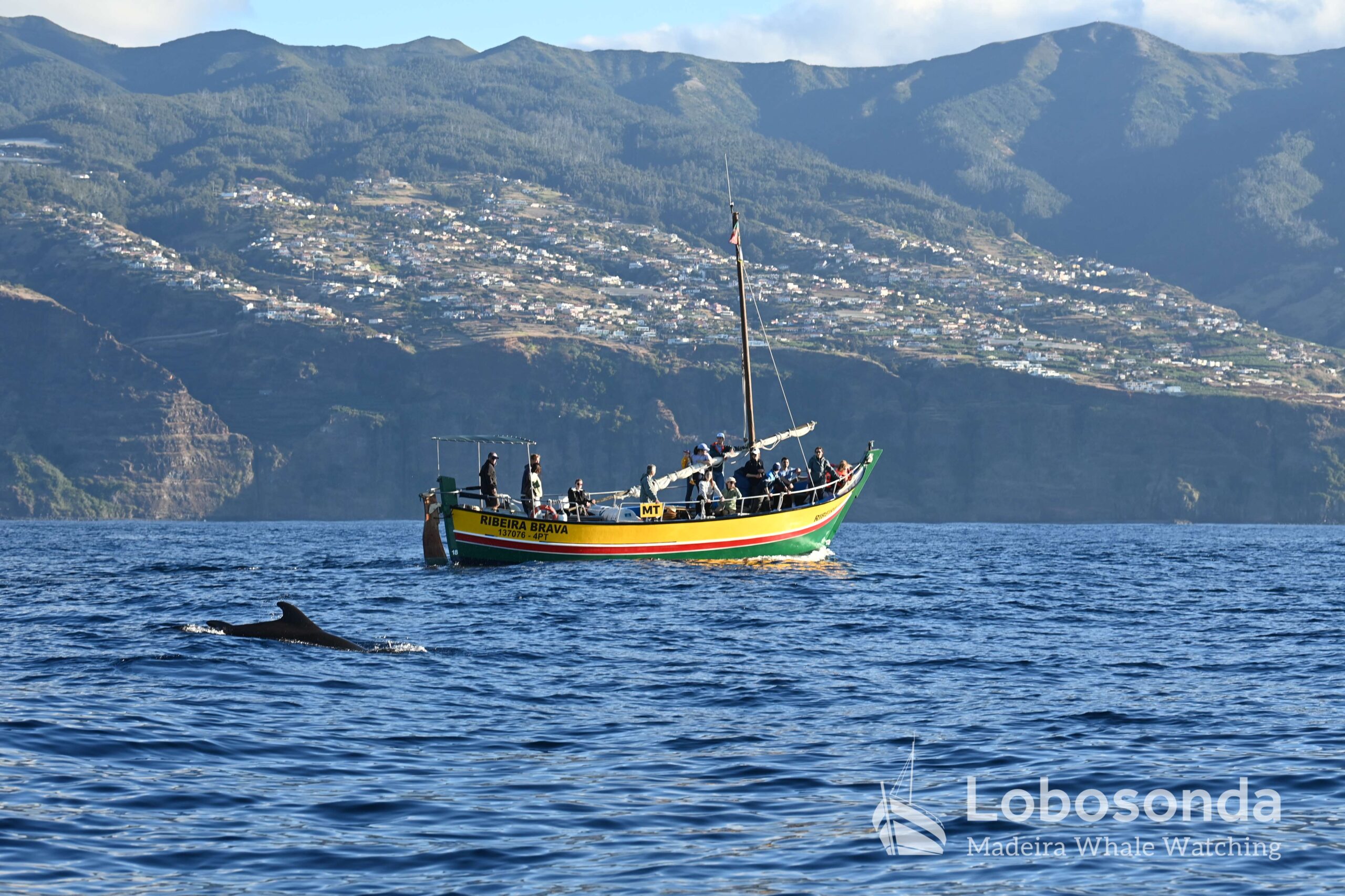
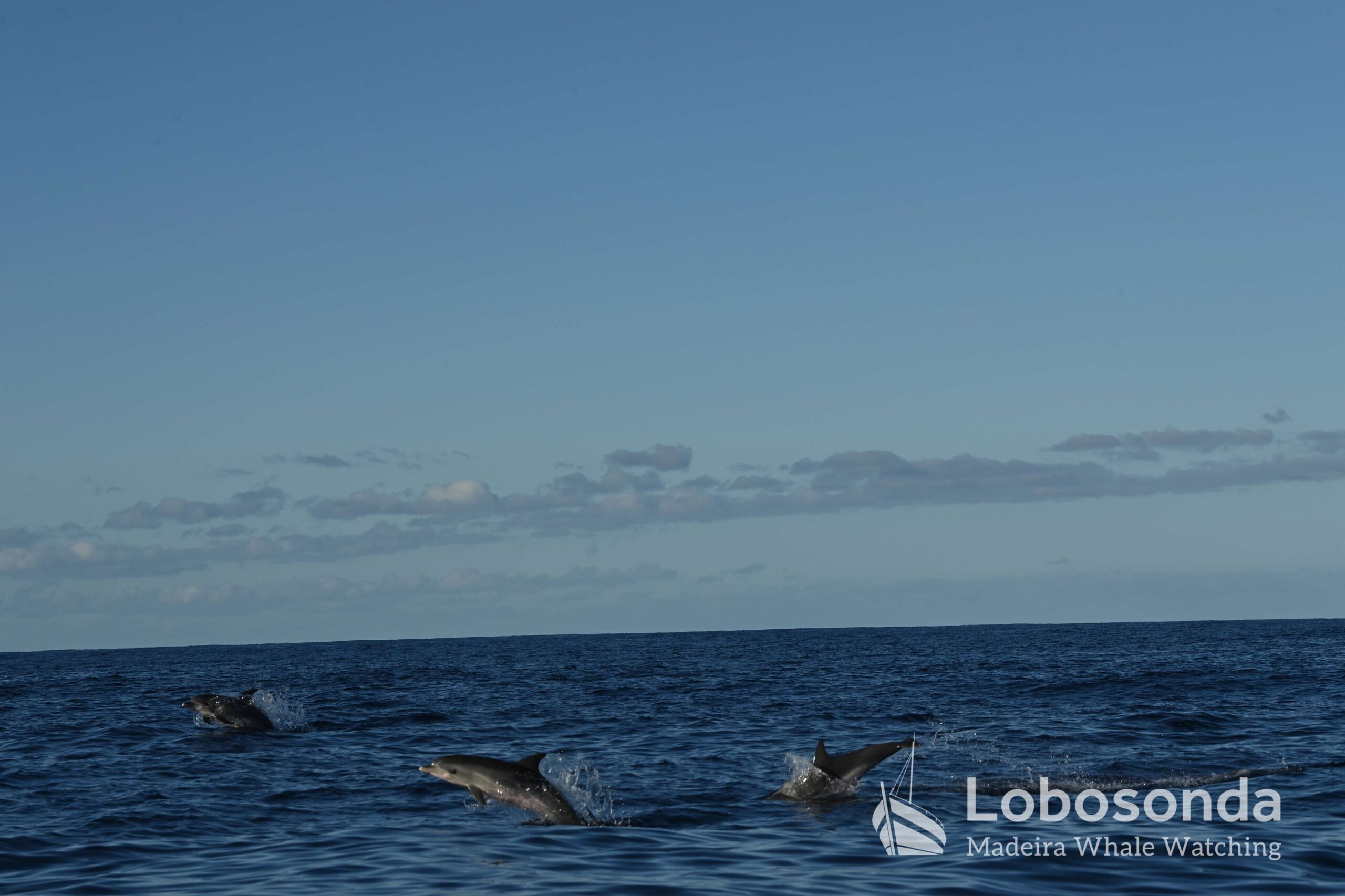
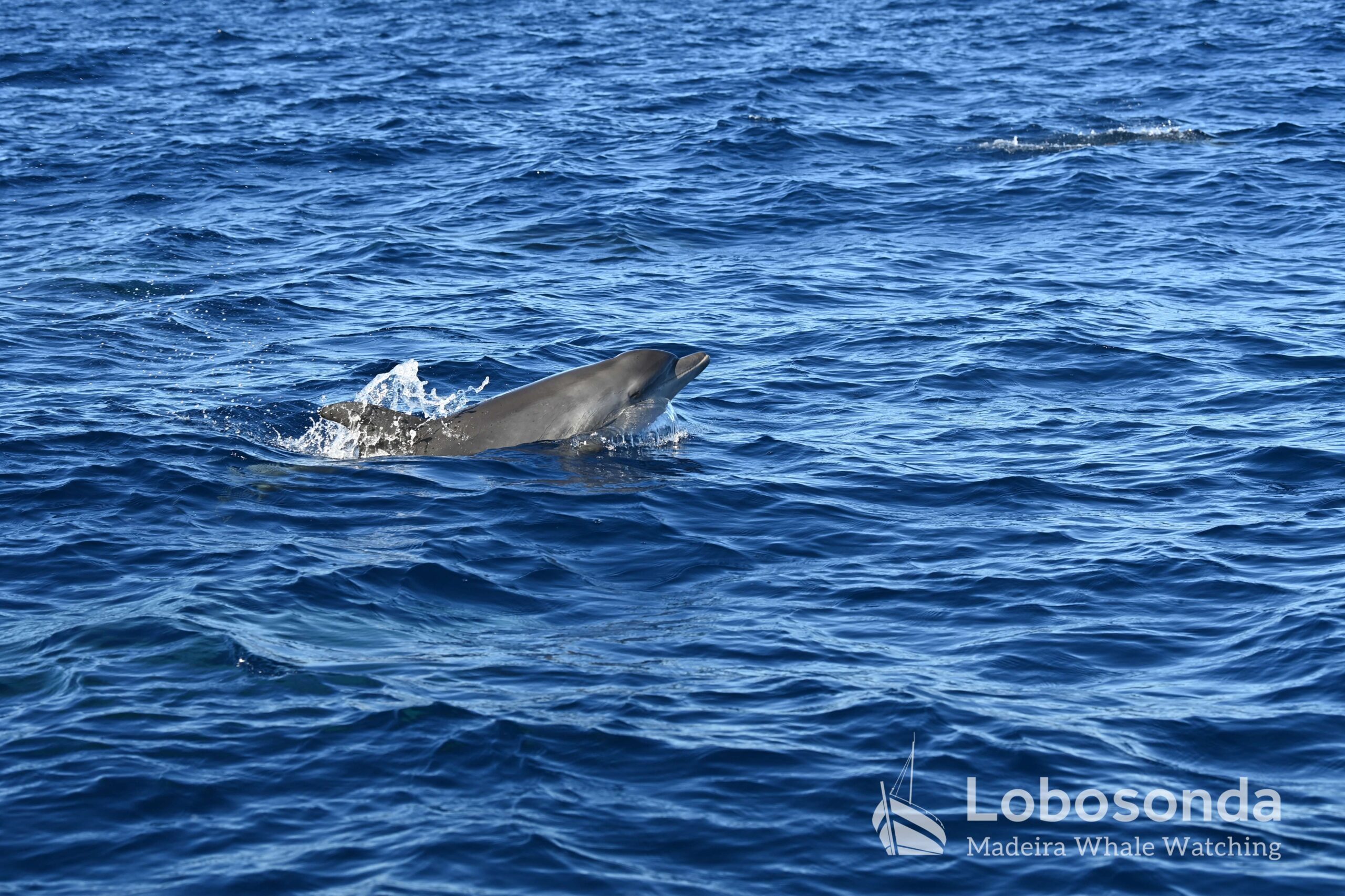
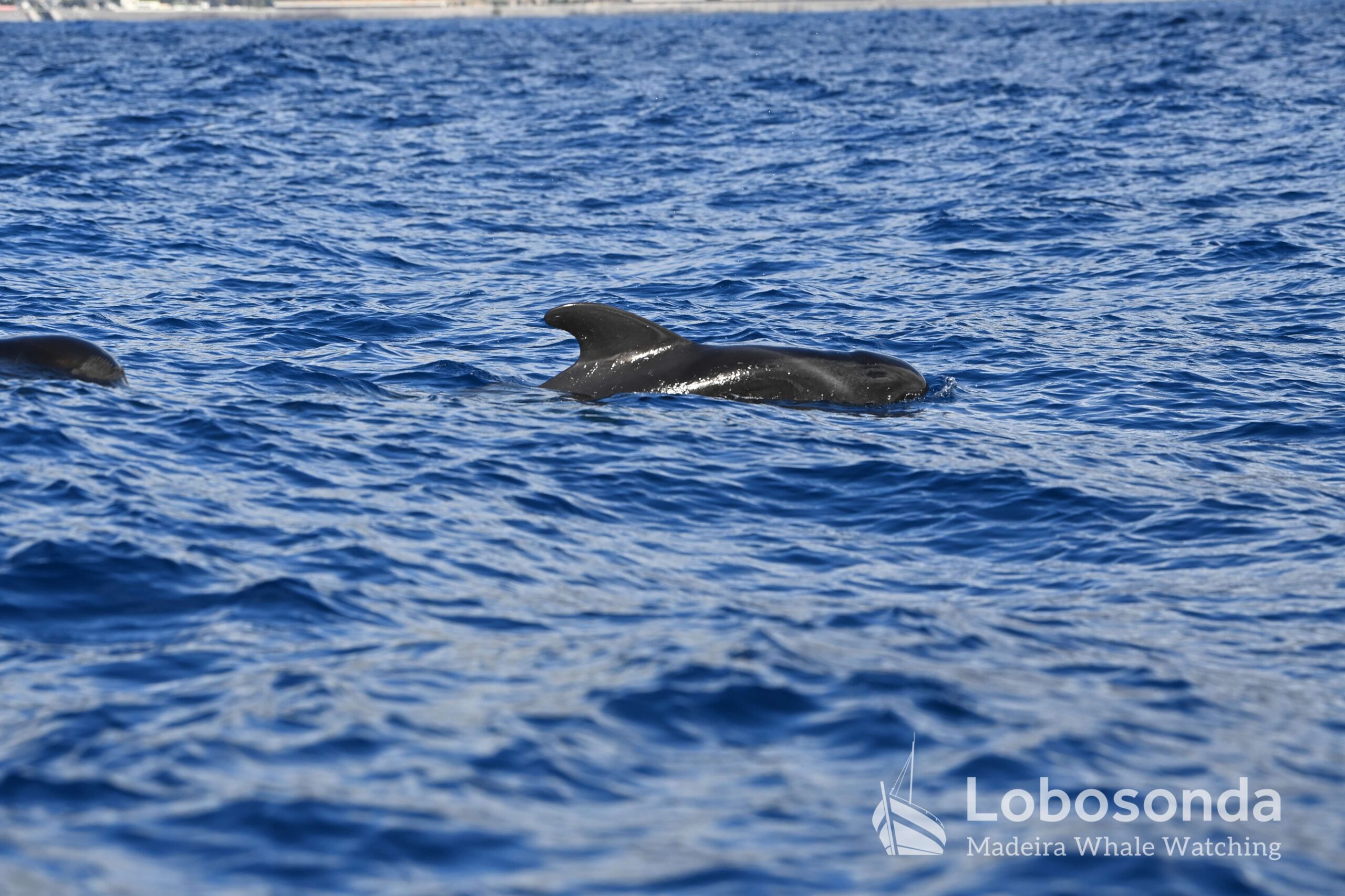
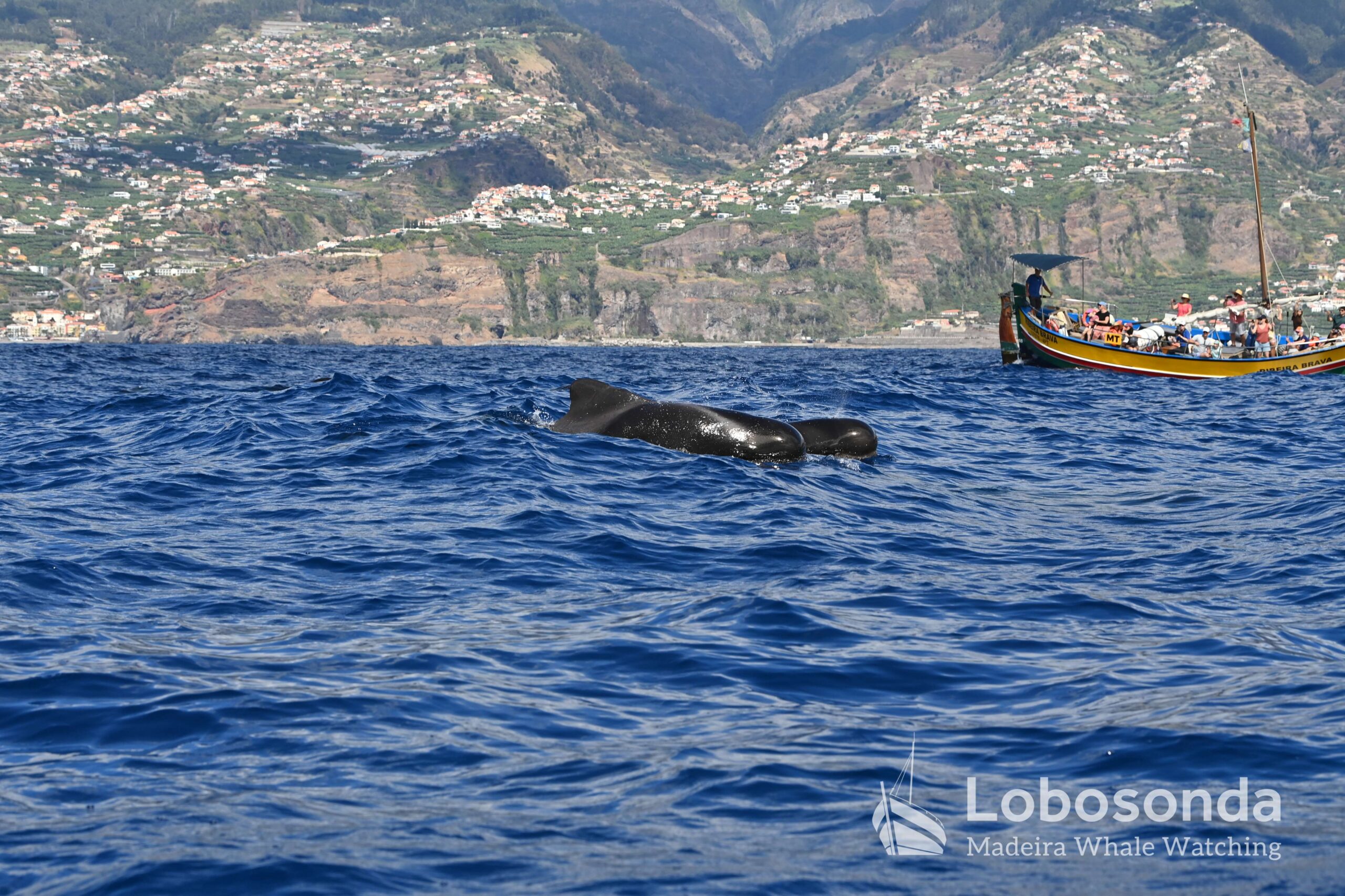
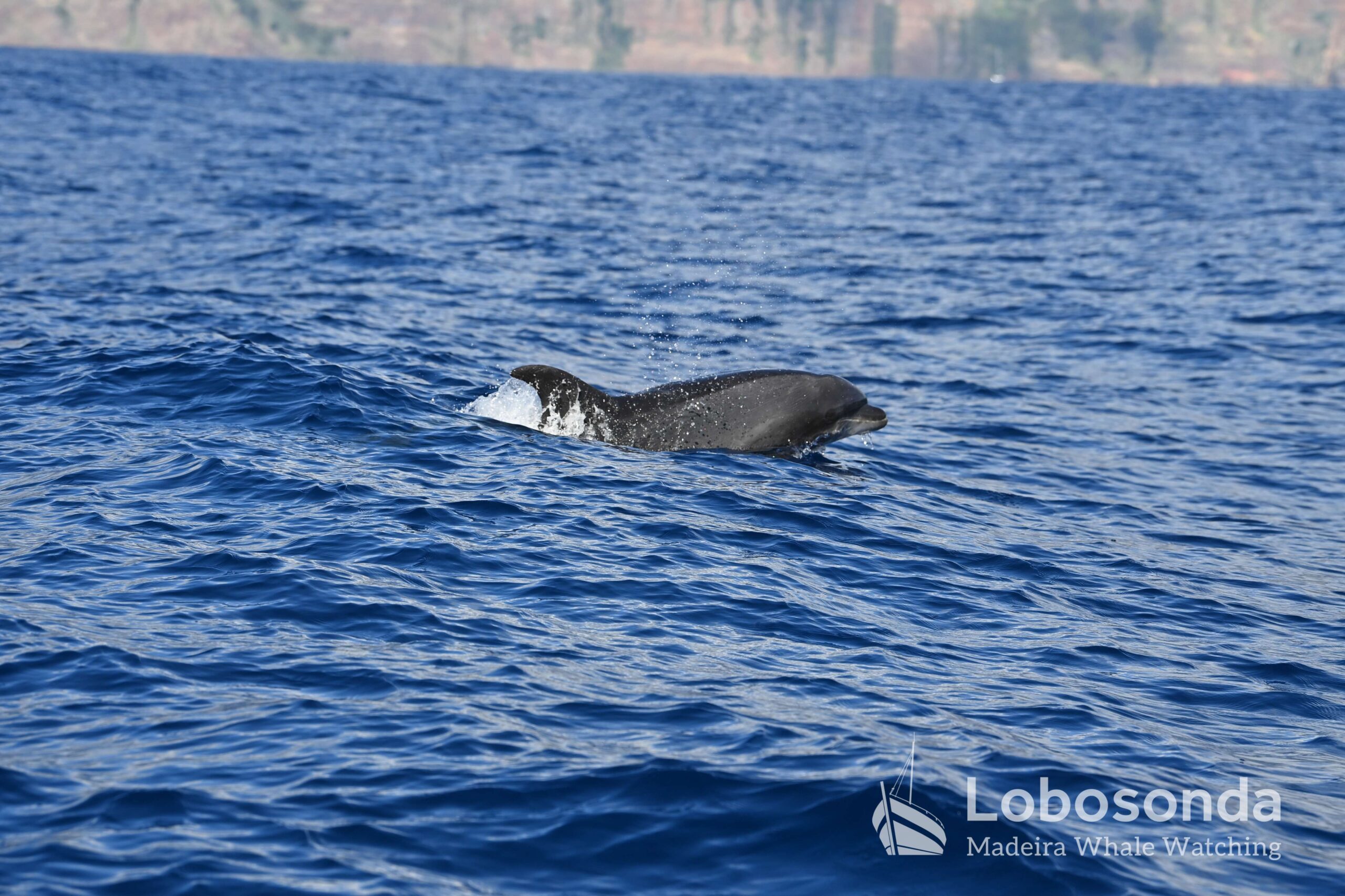
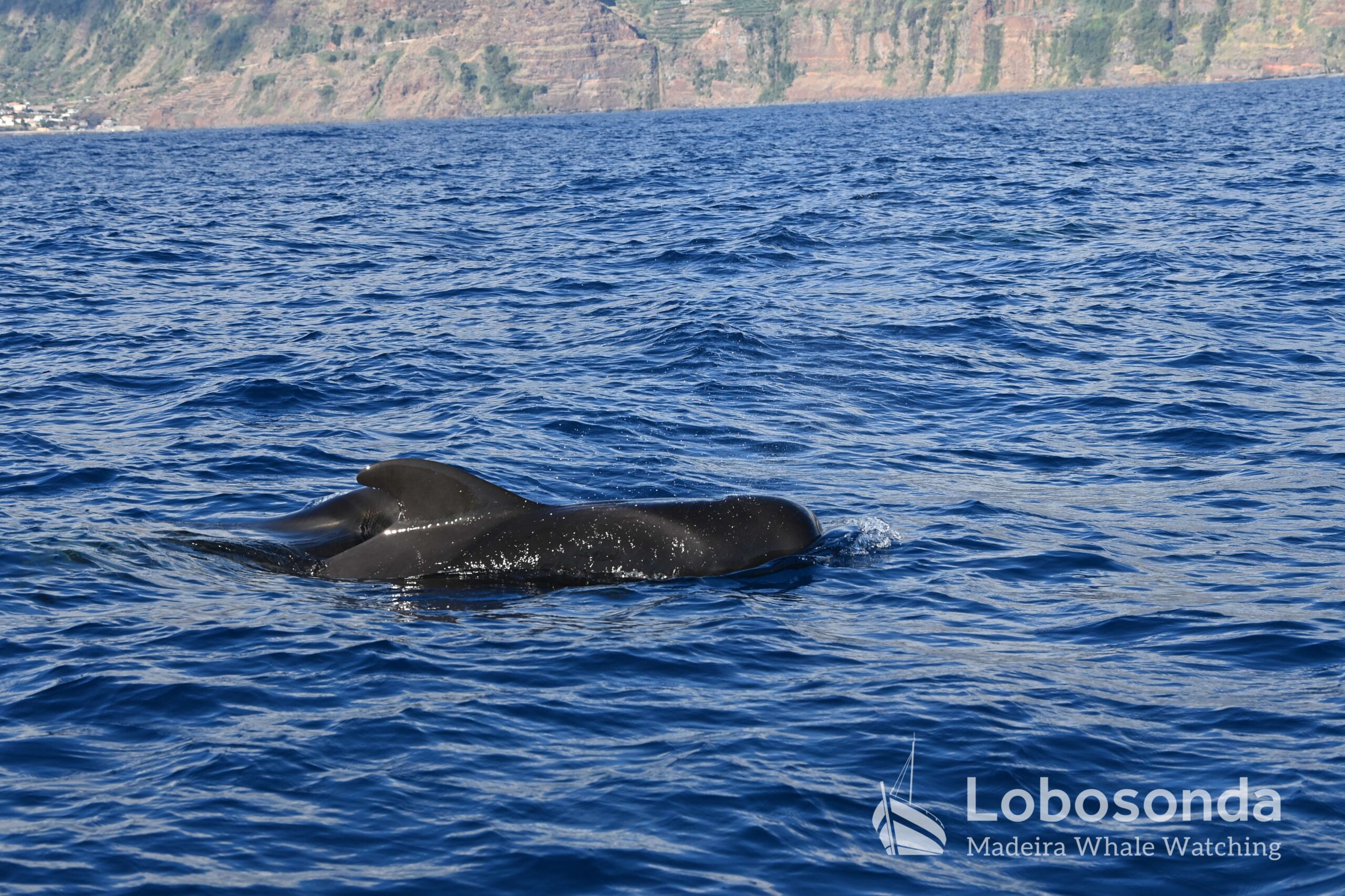
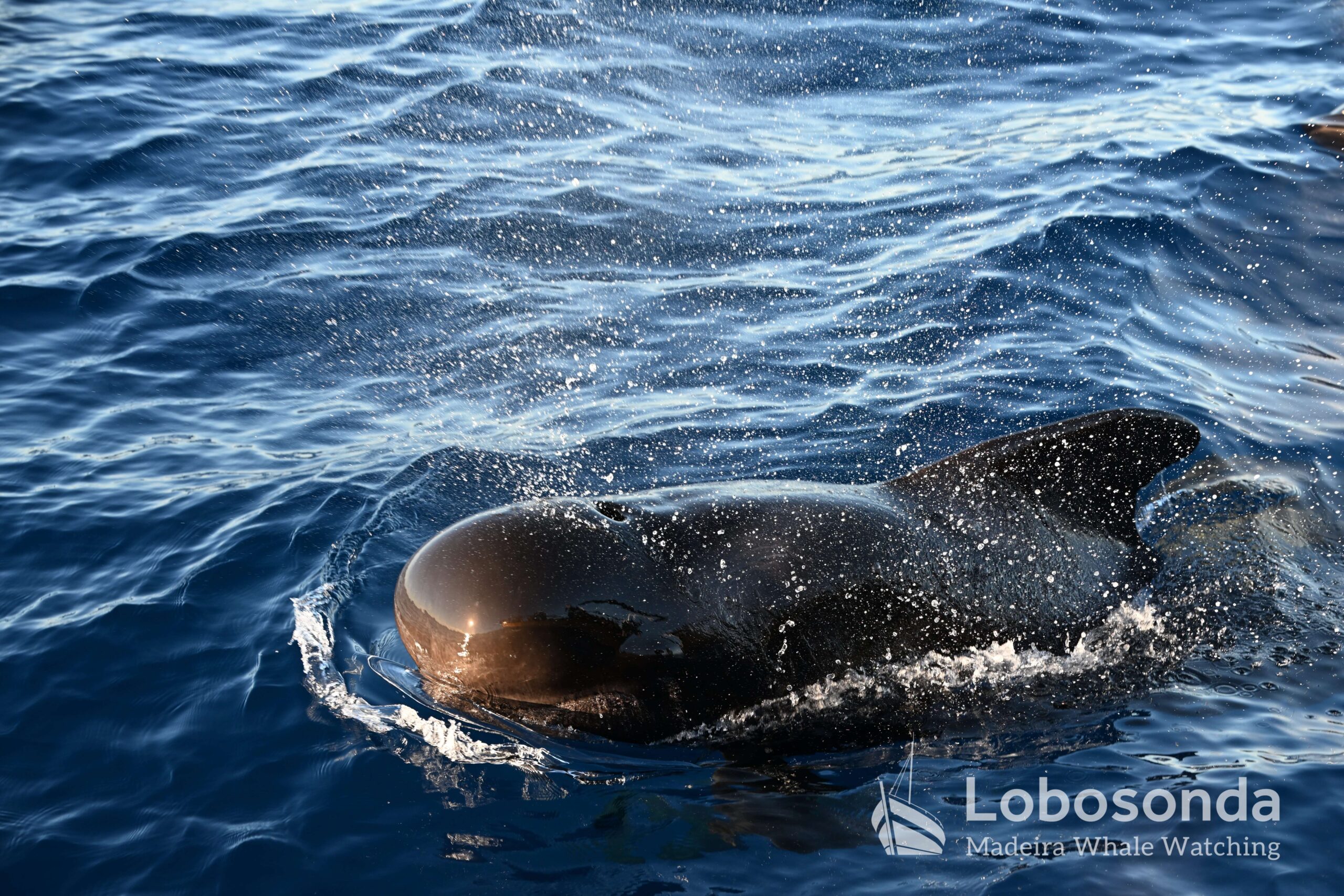
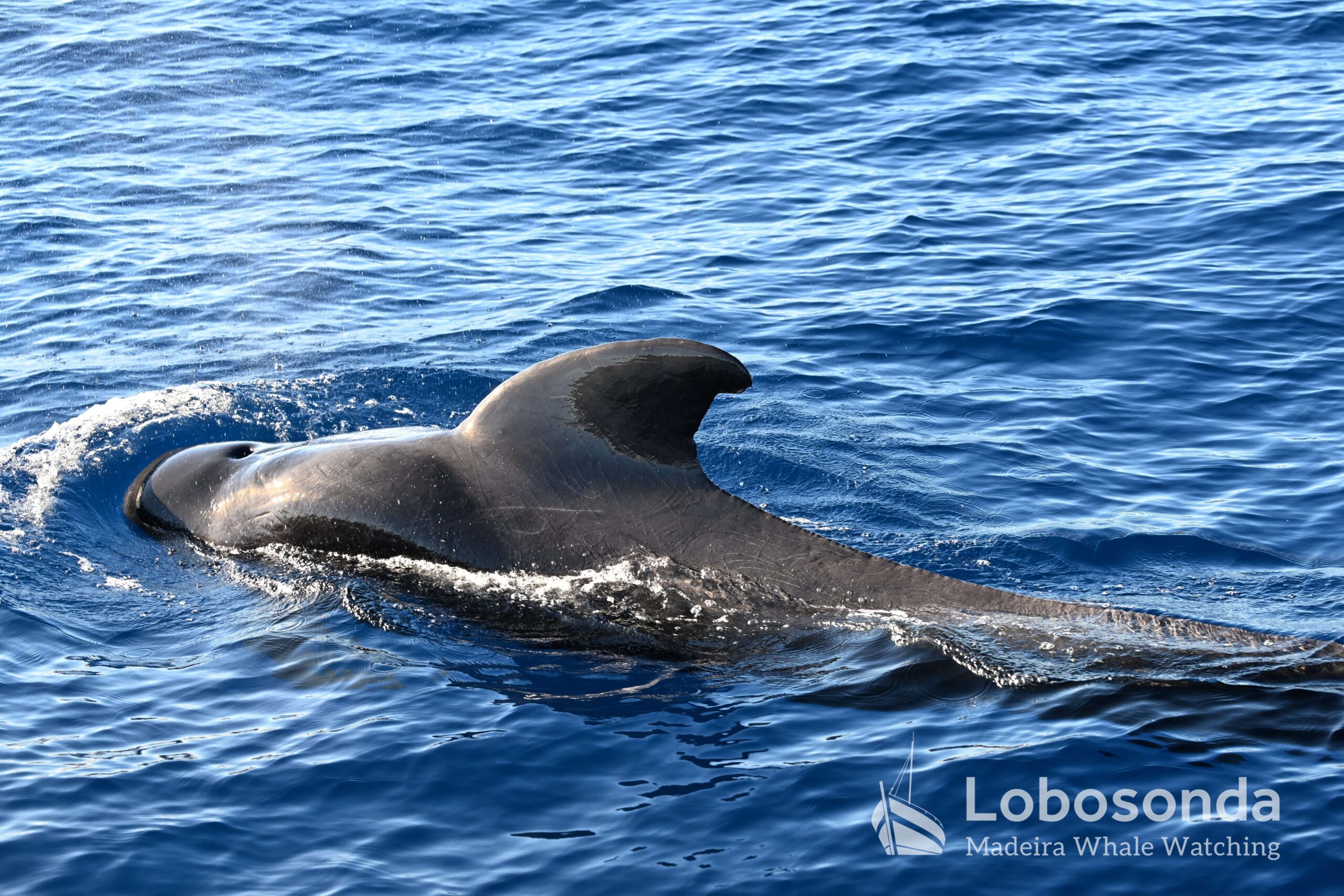
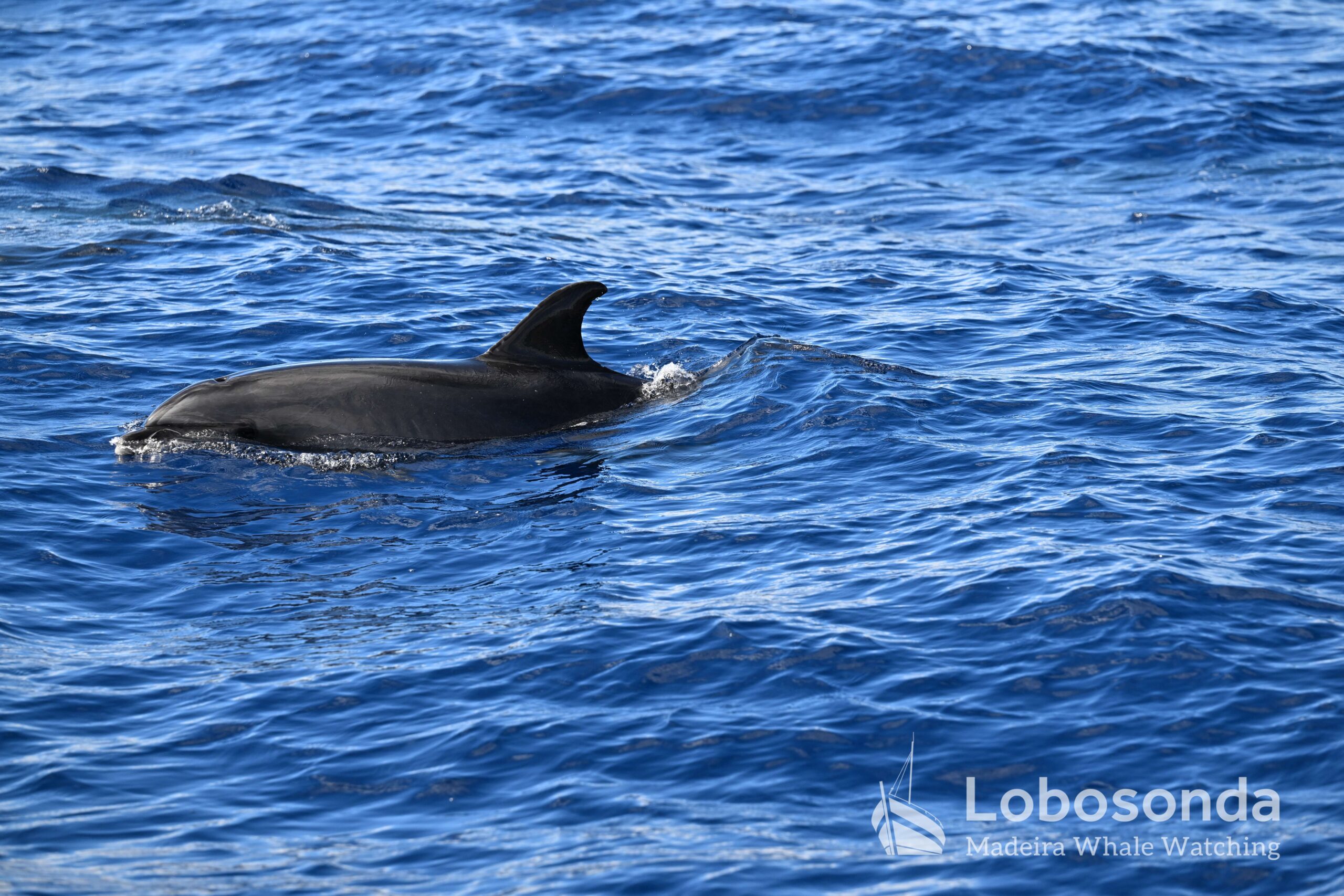
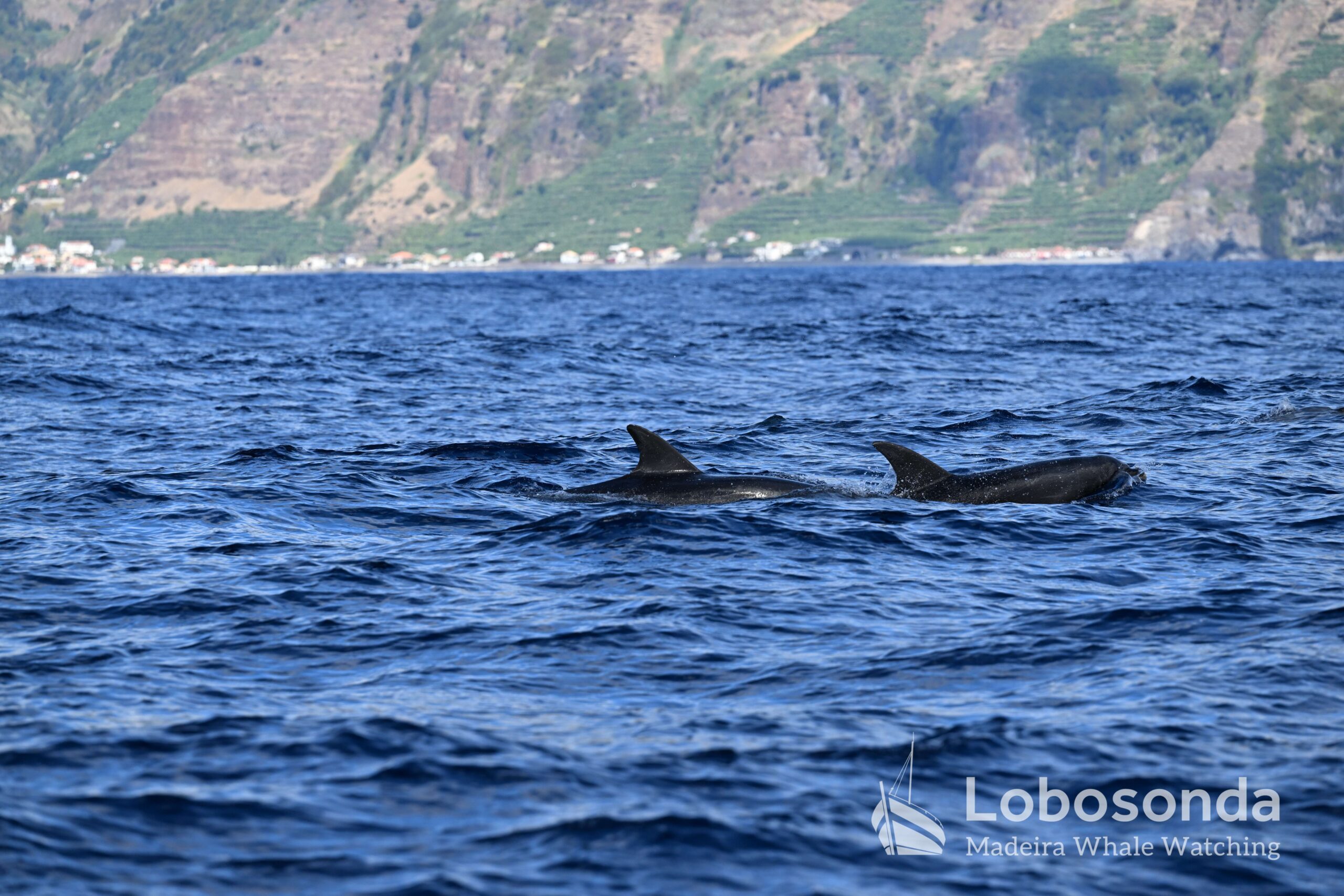
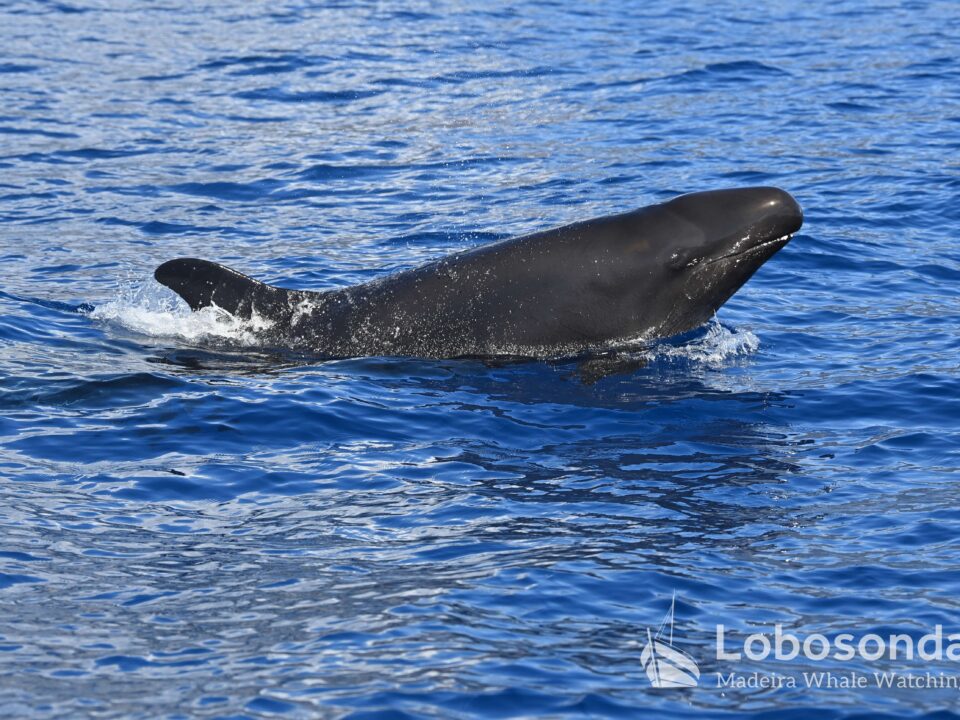
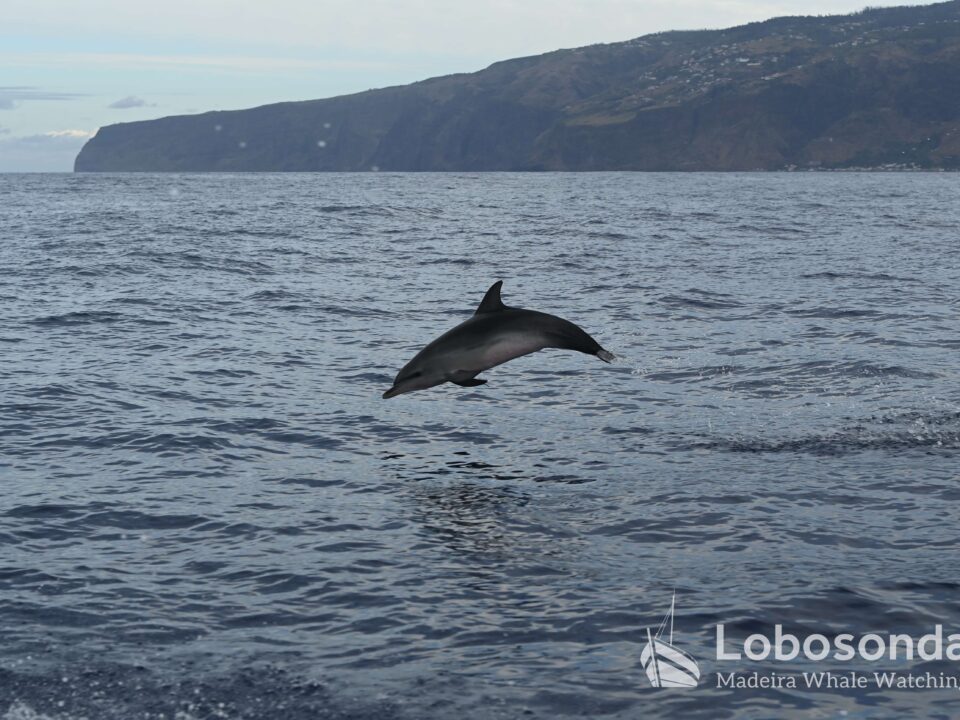
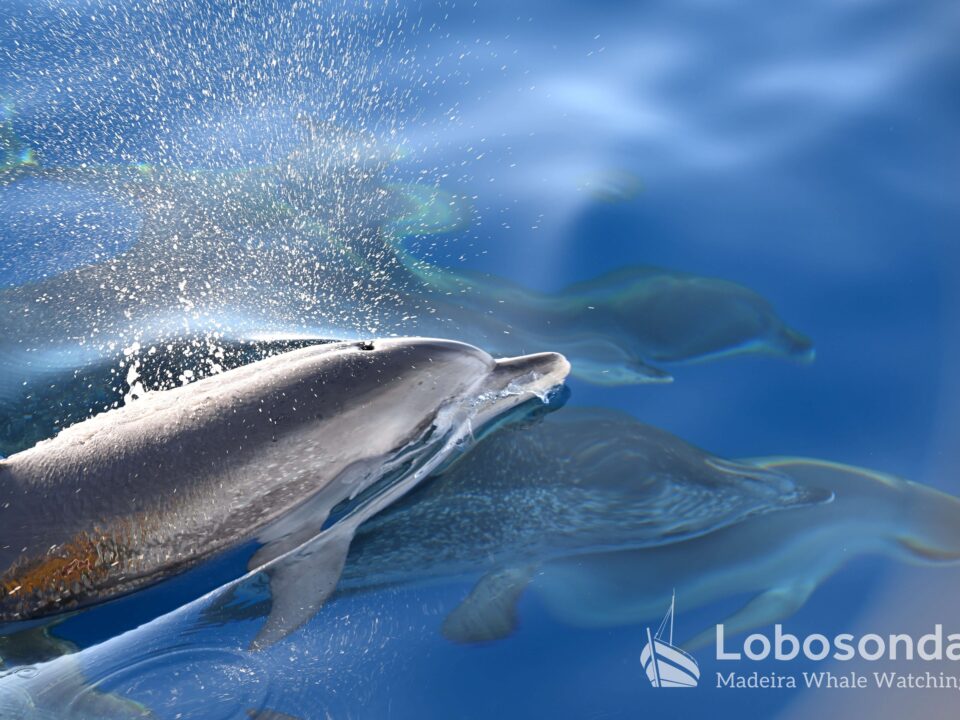
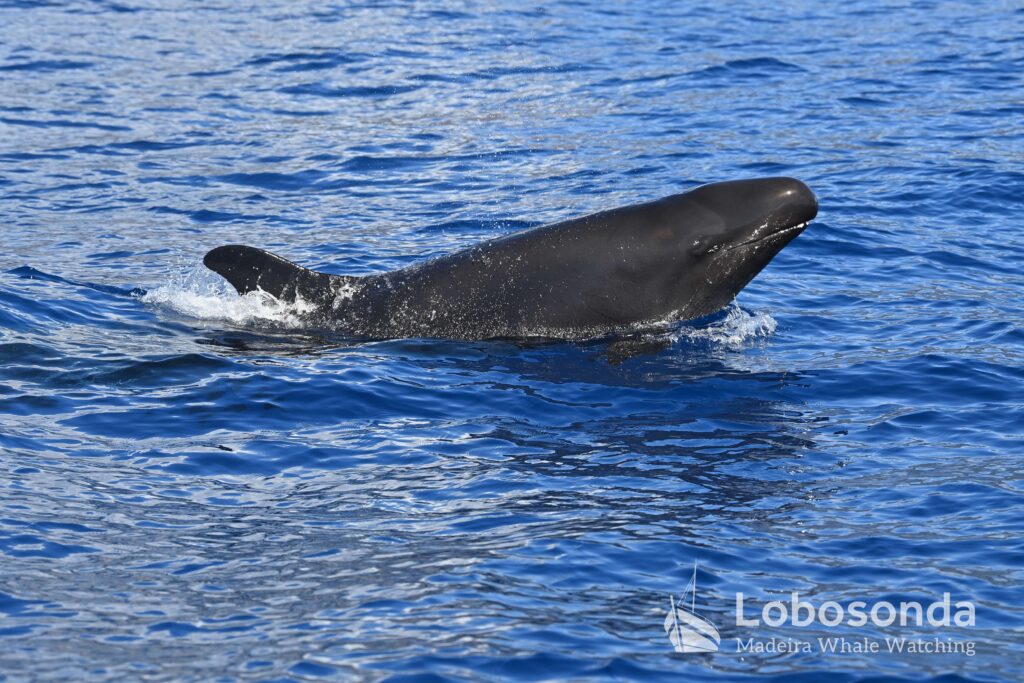
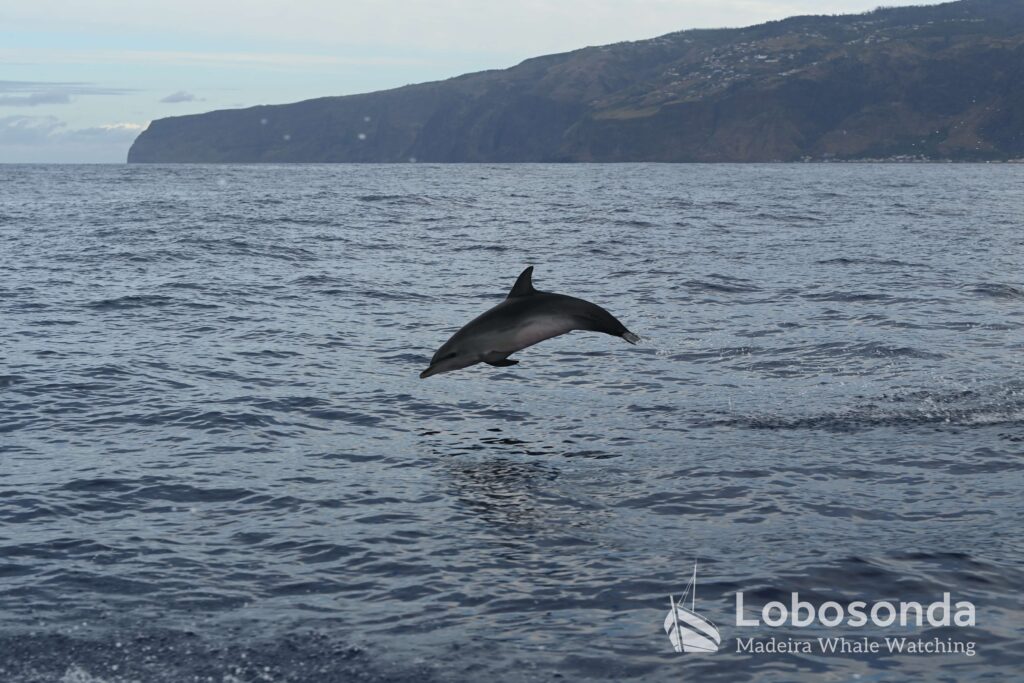
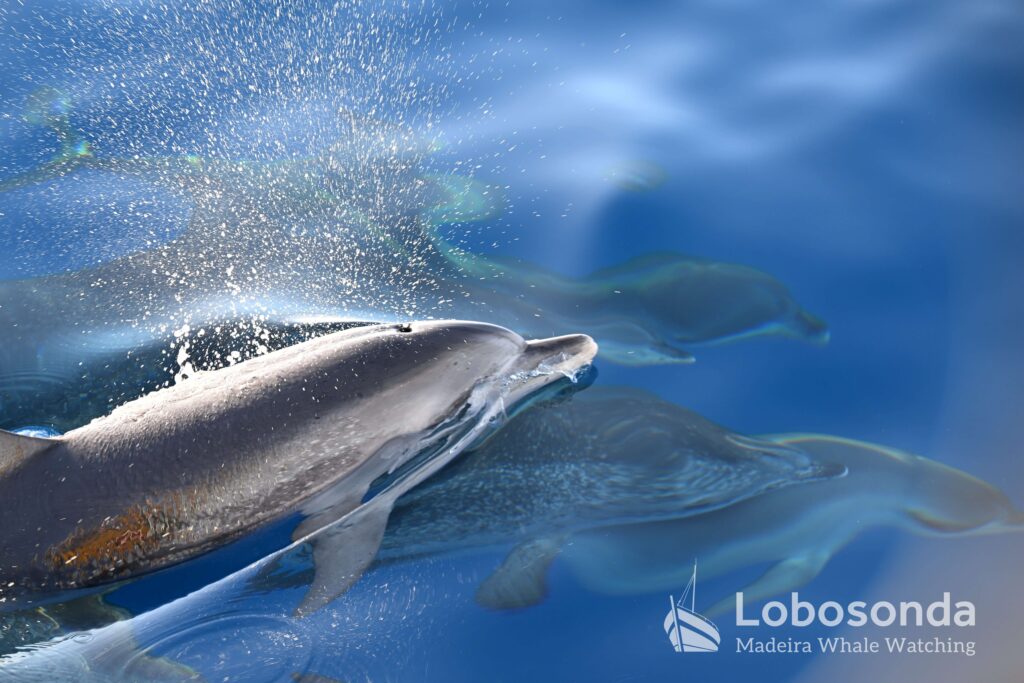
The Atlantic waters off Madeira offered a remarkable encounter with three cetacean species: bottlenose dolphins (Tursiops truncatus), short-finned pilot whales (Globicephala macrorhynchus) and Atlantic spotted dolphins (Stenella frontalis). These encounters provide a fascinating glimpse into the complex ecological relationships between marine mammals sharing the same ocean environment. Particularly interesting was the repeated presence of bottlenose dolphins travelling alongside short-finned pilot whales throughout the day.
The repeated association between bottlenose dolphins and pilot whales raises important ecological questions about why these different cetaceans come together. One possible explanation is opportunistic foraging. Both species may exploit the same prey-rich areas, even though their diets and feeding strategies differ. Madeira’s deep offshore waters and underwater topography can influence prey distribution, potentially attracting several predator species to the same location.
Another possibility lies in the social behaviour of bottlenose dolphins. These dolphins have a flexible fission–fusion social structure, meaning that individuals can form groups, separate and rejoin others depending on social relationships and environmental conditions. When bottlenose dolphins travel alongside pilot whales, they may be taking advantage of shared feeding opportunities or responding to the same environmental cues. Pilot whales are highly social animals themselves, and their movements may coincide with areas that bottlenose dolphins also find profitable.
Importantly, repeated proximity does not necessarily indicate active cooperation. The dolphins could be following the same prey distribution, moving through suitable habitat or associating temporarily without forming a stable mixed-species group. To determine whether the relationship involves coordinated feeding or social interaction, researchers would need to observe details such as synchronised movements, changes in swimming direction, diving patterns and feeding behaviour. Photo-identification would also help establish whether the same individuals repeatedly associate.
The Atlantic spotted dolphins were recorded during the morning encounter but not in the later reported sightings. This may reflect changes in distribution or differences in detectability. Further observations could help establish whether these encounters represent temporary ecological associations or more persistent interspecific relationships.
Overall, today’s repeated sightings of bottlenose dolphins and short-finned pilot whales highlight the dynamic nature of cetacean communities around Madeira. Shared foraging opportunities, habitat overlap and behavioural flexibility are plausible explanations for their association, although further evidence is needed to determine the precise mechanisms involved.
By Gemma Stockmans
Sightings of the day
Ribeira Brava
09:00 Short-finned pilot whales
13:00 Short-finned pilot whales, Bottlenose dolphins
Steno
09:30 Bottlenose dolphins, Short-finned pilot whales, Atlantic spotted dolphins
13:30 Short-finned pilot whales, Bottlenose dolphins
16:00 Short-finned pilot whales, Bottlenose dolphins