20.10.2026 – New additions to the family
October 26, 2026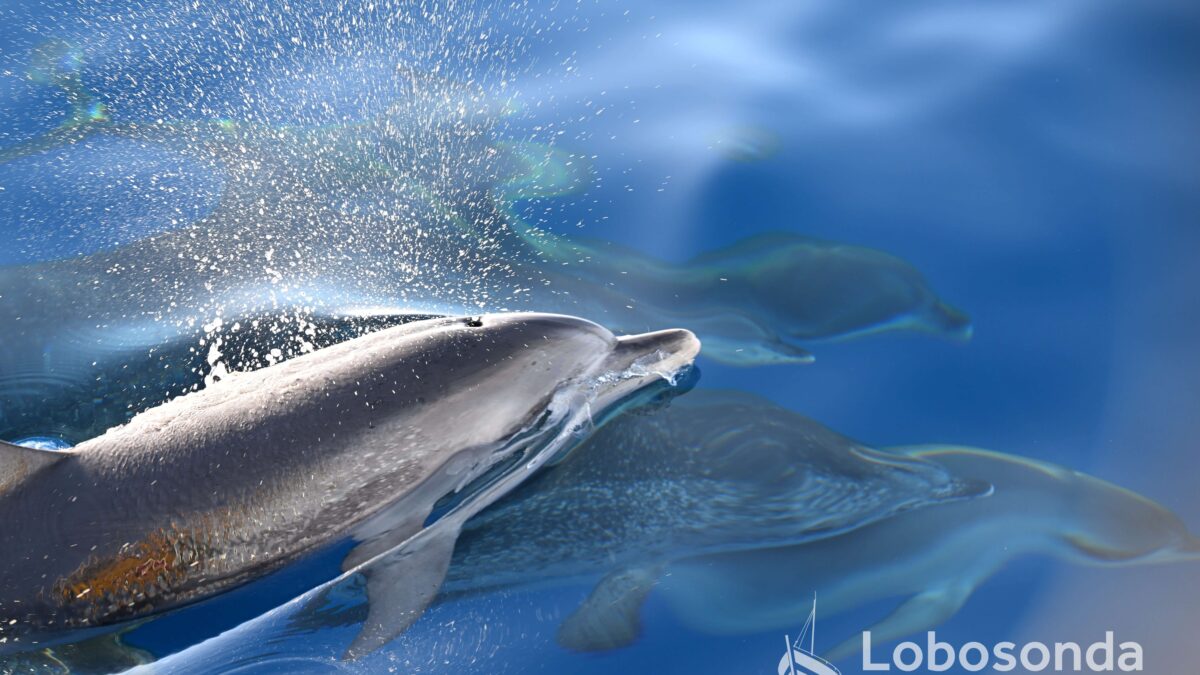
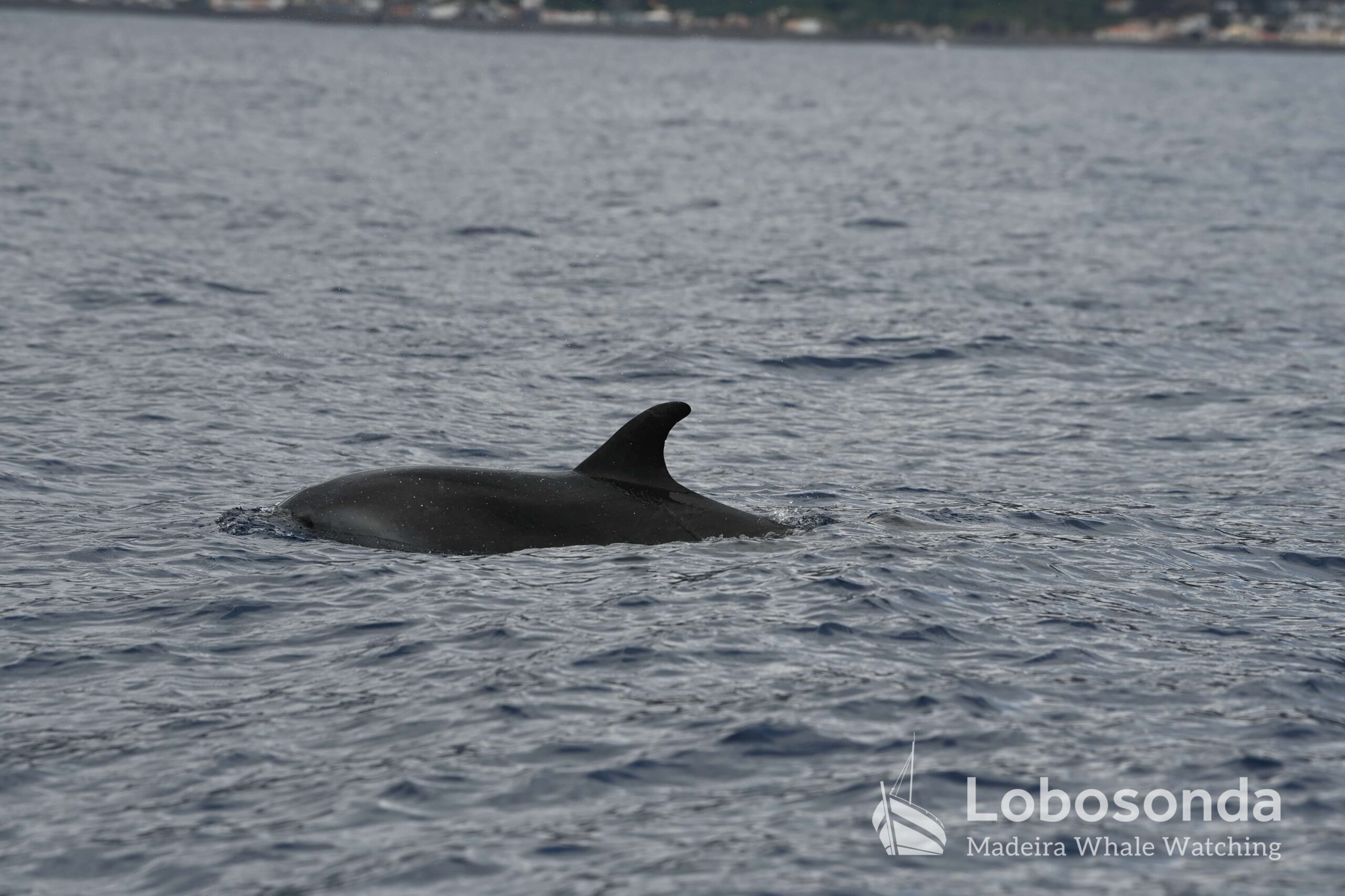
Us humans tend to associate scratches on the skin with an injury – which definitely applies in our case but it is not necessarily the same for dolphins. Scratches may be caused by social behaviour as dolphins love to engage in a lot of body contact and swim alongside one another. Such small superficial scratches on the dorsal fins of species such as the Bottlenose dolphin (Tursiops truncatus) and the Atlantic spotted dolphin (Stenella frontalis) serve as long-term markings that allow scientists to identify individual animals. They therefore provide a non-invasive manner of studying distribution, association and social behaviour patterns, acting as a central tool in research and conservation of cetacean species even here in Madeira.
Deeper wounds that penetrate beyond the epidermis can also act as ID features if they end up as scars – but the quick healing properties of dolphin skin don’t make this easy. Apart from their protective layer of blubber, dolphin skin is loaded with antibodies and generates extremely quickly, often preventing the scarring known to terrestrial animals. This superpower is essential to their survival in the ocean – open wounds fester much quicker underwater which can obviously lead to more grievous injuries. Despite this, we do occasionally see some animals with scars that help us instantly recognise them.
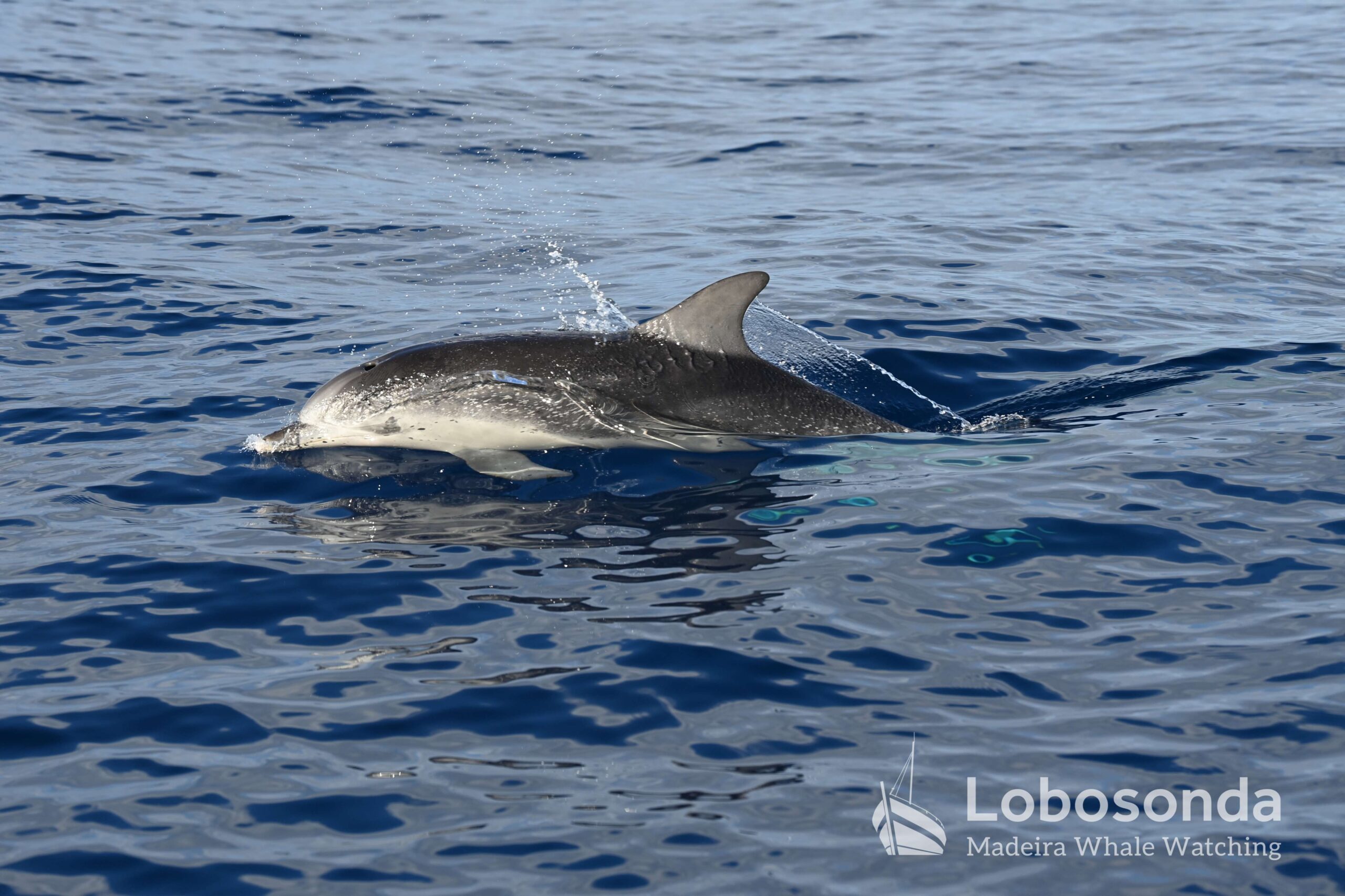
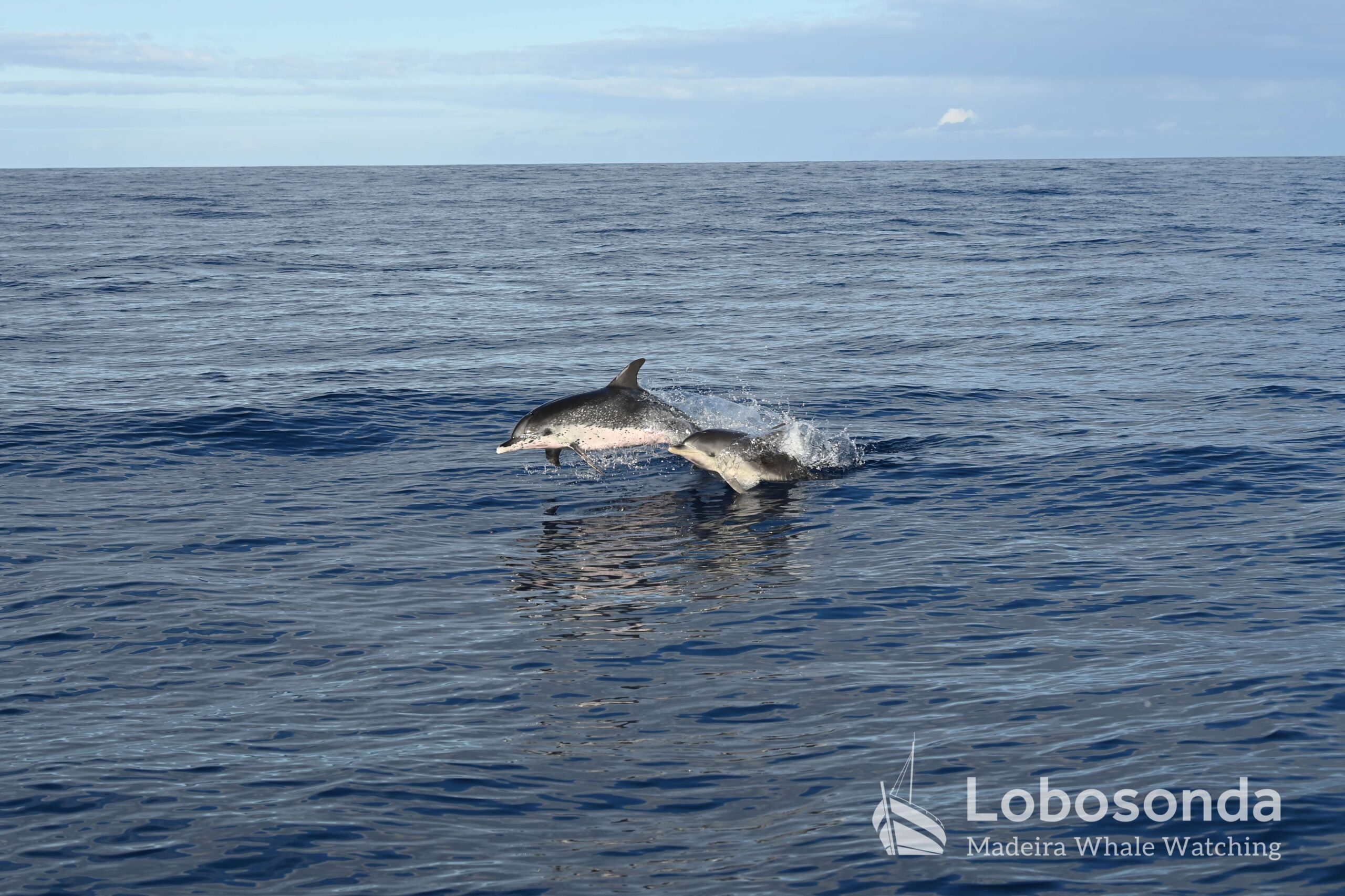
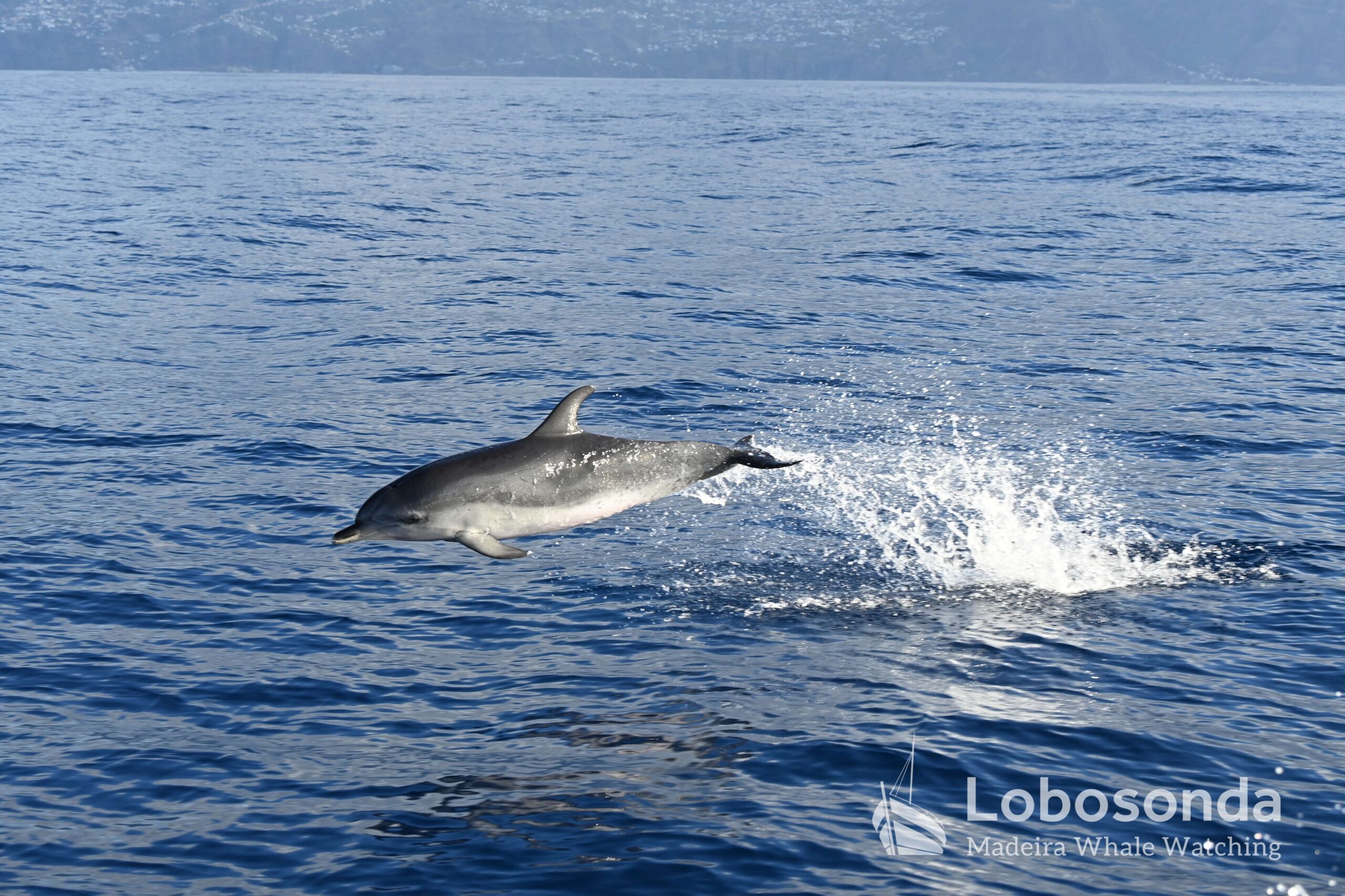
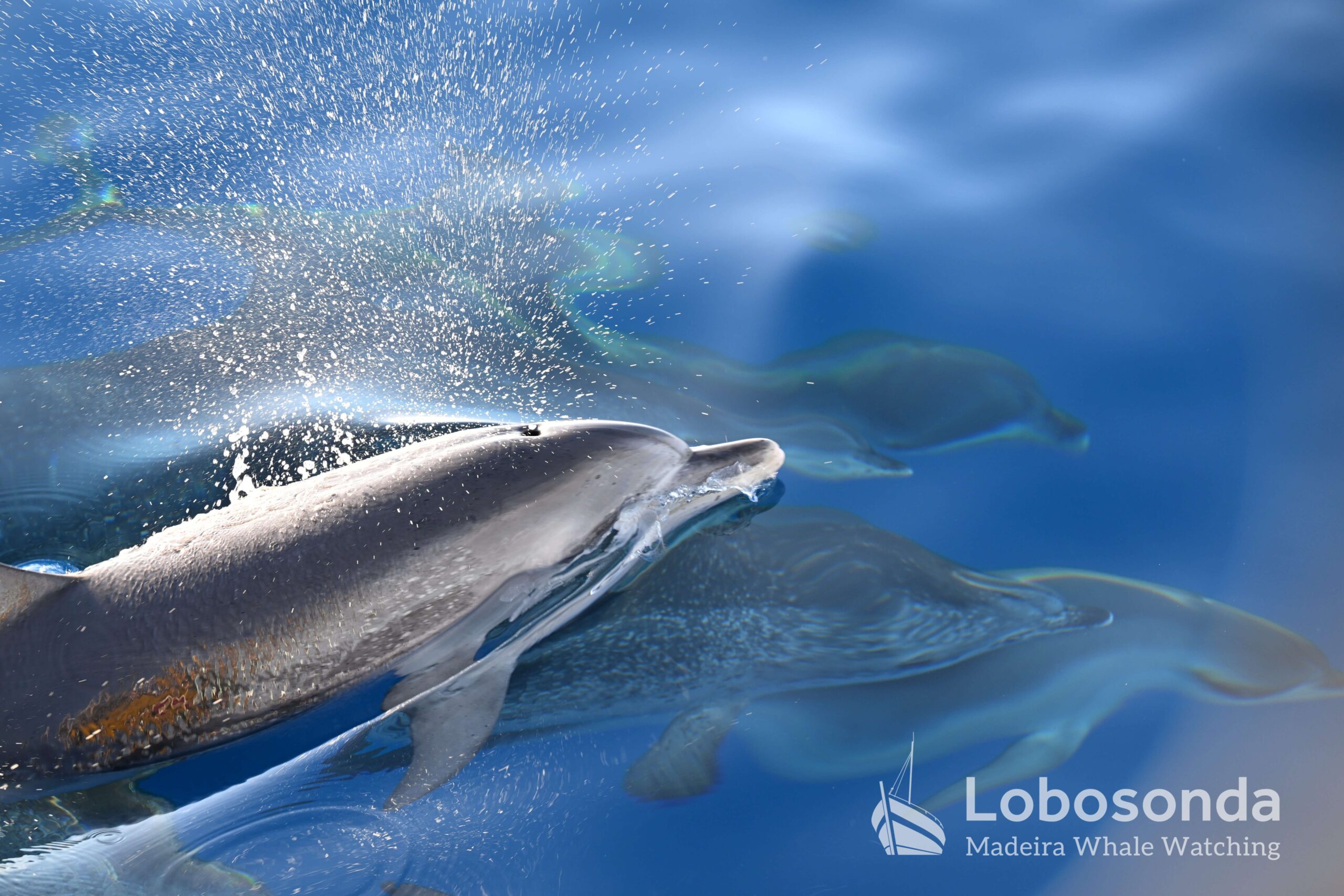
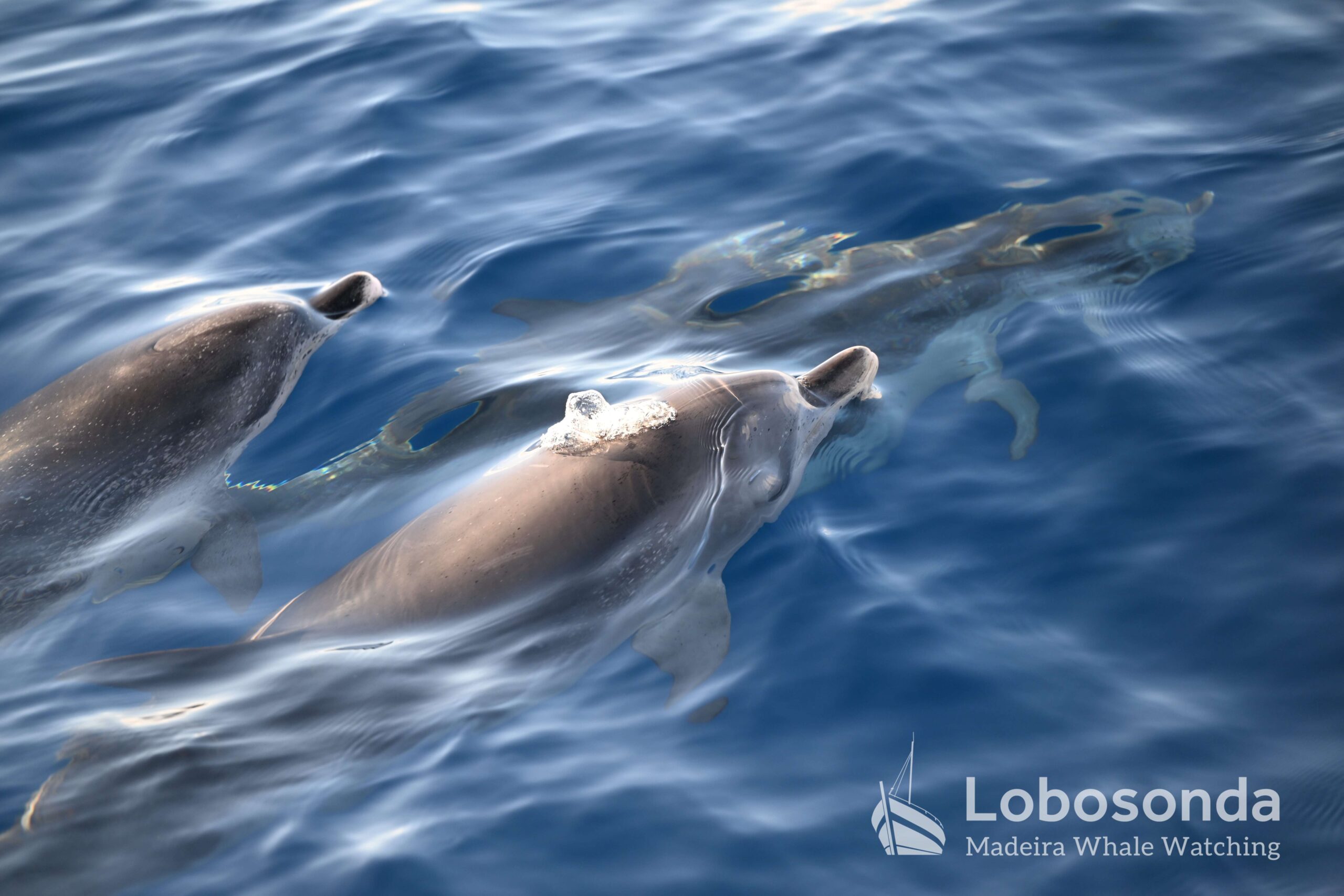
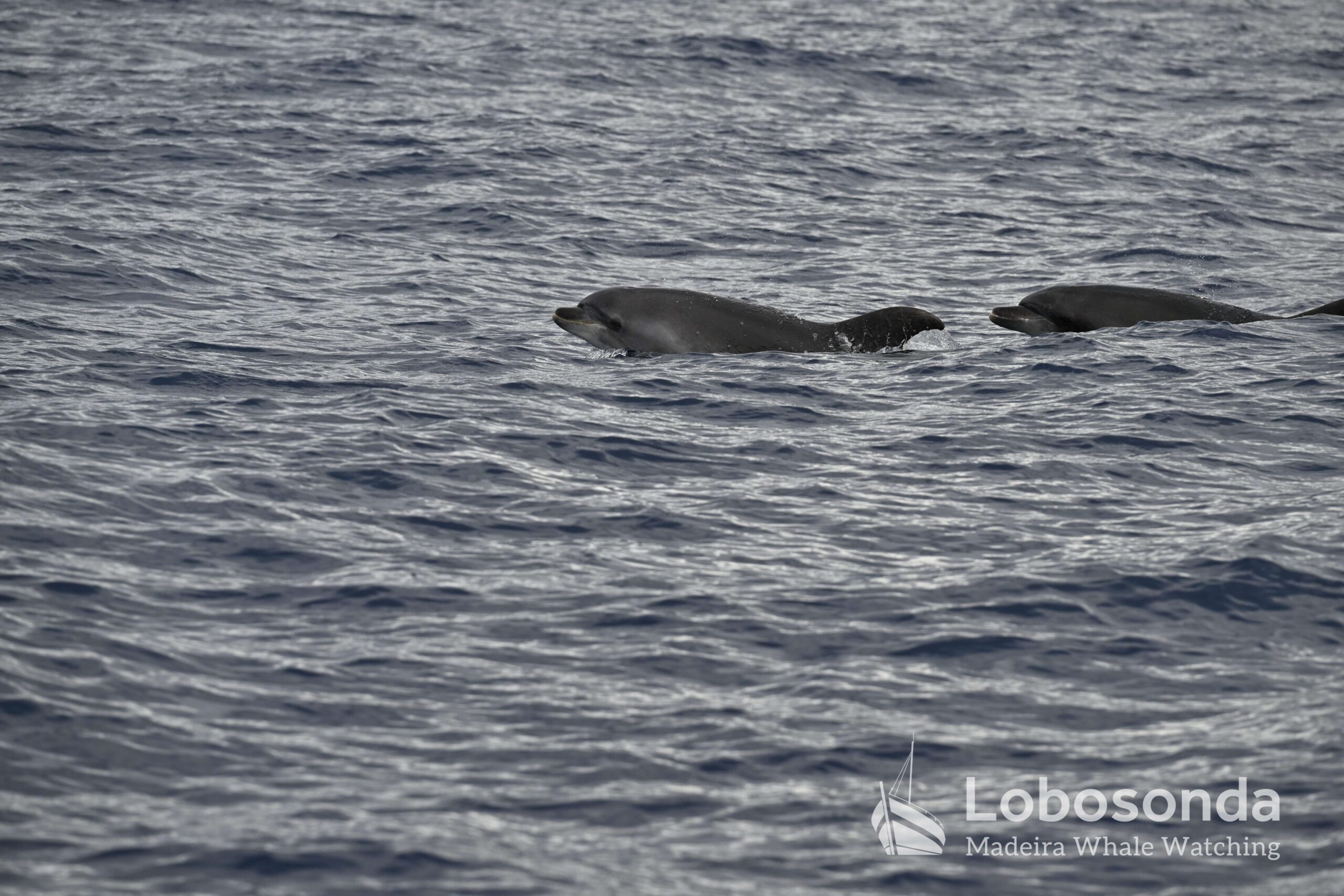
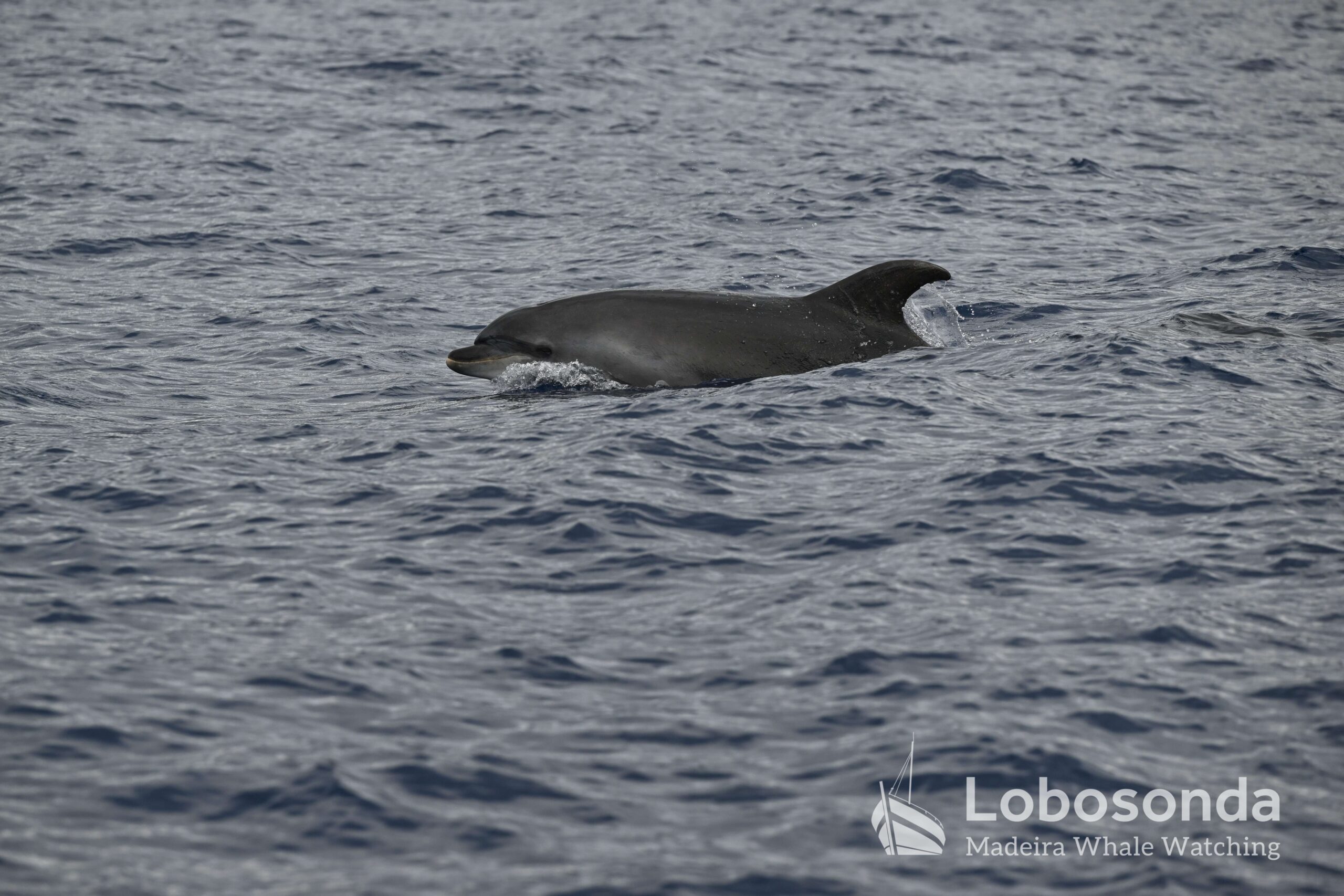
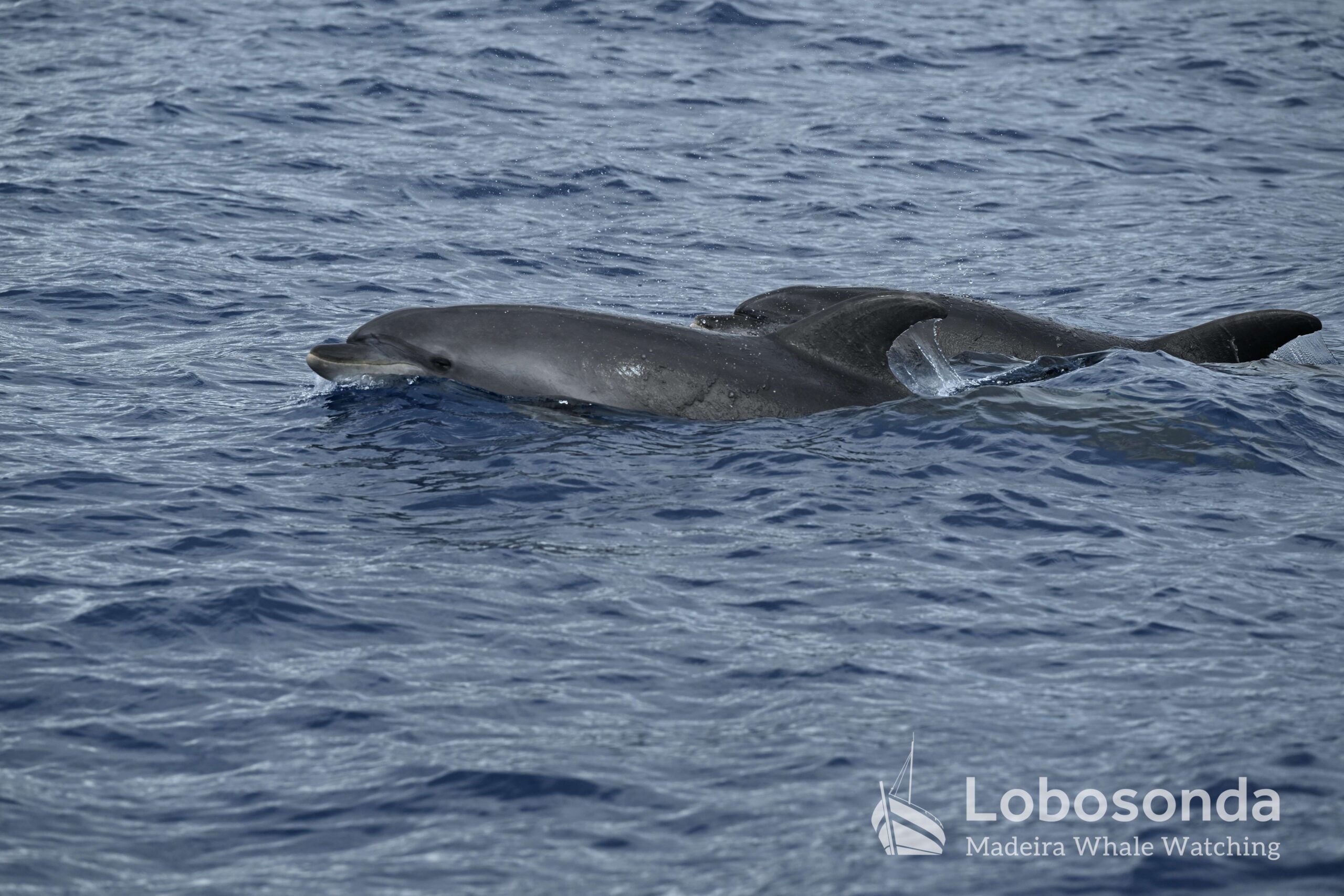
As for the species we saw today; features on dorsal fins on both the Atlantic spotted dolphins and the Bottlenose dolphins are used for ID. In fact, the fins of some animals today were so distinctly marked that our crew recognised them from the boat.
By Paula Thake
Sightings of the day
Ribeira Brava
09:00 Atlantic spotted dolphins, Bottlenose dolphins
13:00 Bottlenose dolphins
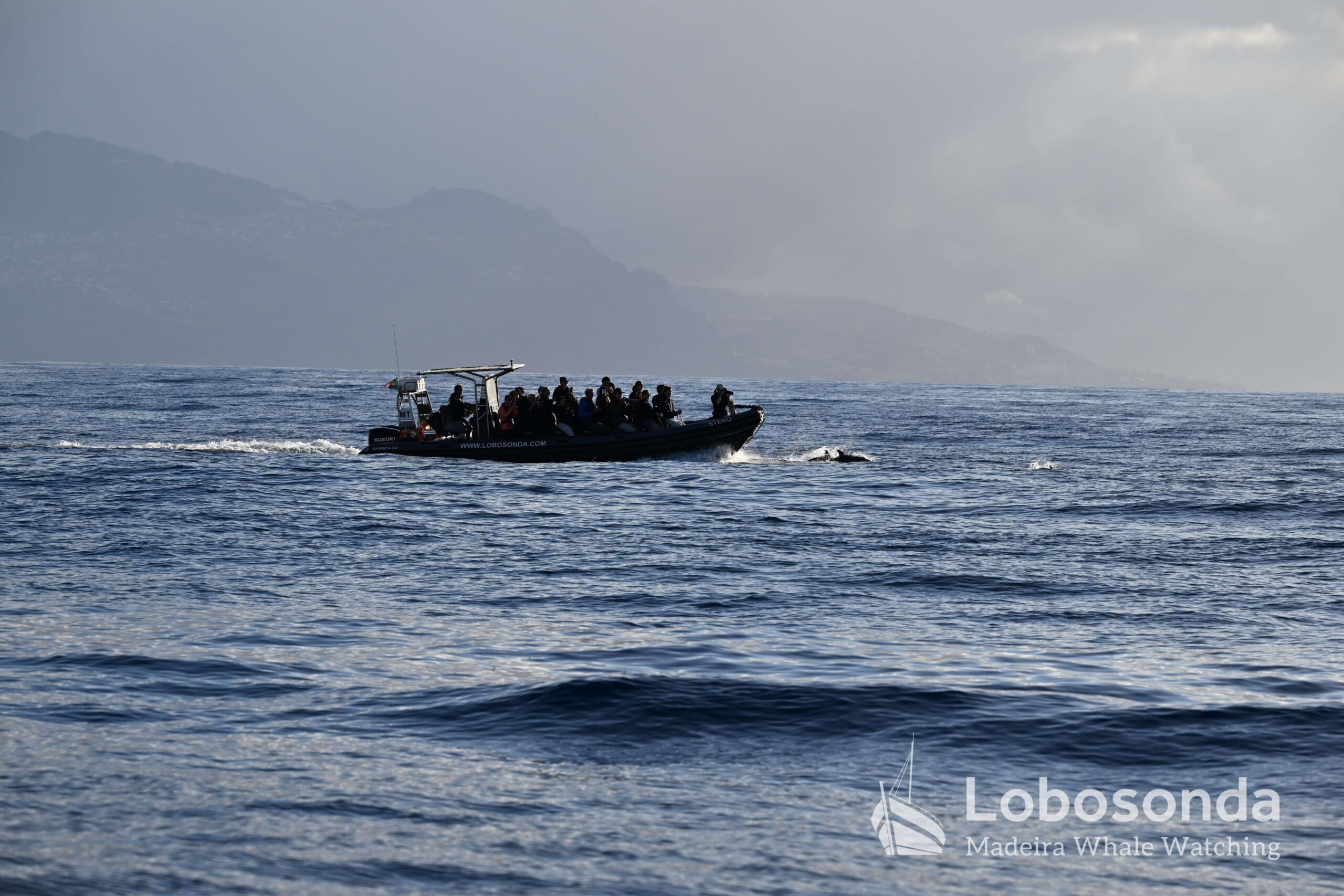
Steno
09:30 Atlantic spotted dolphins, Bottlenose dolphins
13:30 Bottlenose dolphins