17.10.2026 – Cooperative care
October 24, 2026
Madeira is practically deep sea. The waters around the island plunge into 4000m depth, along a seascape that reflects the same dynamic nature as the landscape of our beautiful island. Little is known about the depths of Madeira and about the deep sea on a global level..and this although it represents the largest habitat on earth!
Beyond housing a variety of organisms, the deep also regulates everything that happens at the surface. Currents from the deep are saturated with nutrients that lay an important foundation for life at the surface. The deep is also the basin of our ocean – everything that enters our oceans eventually ends up there, including pollutants.
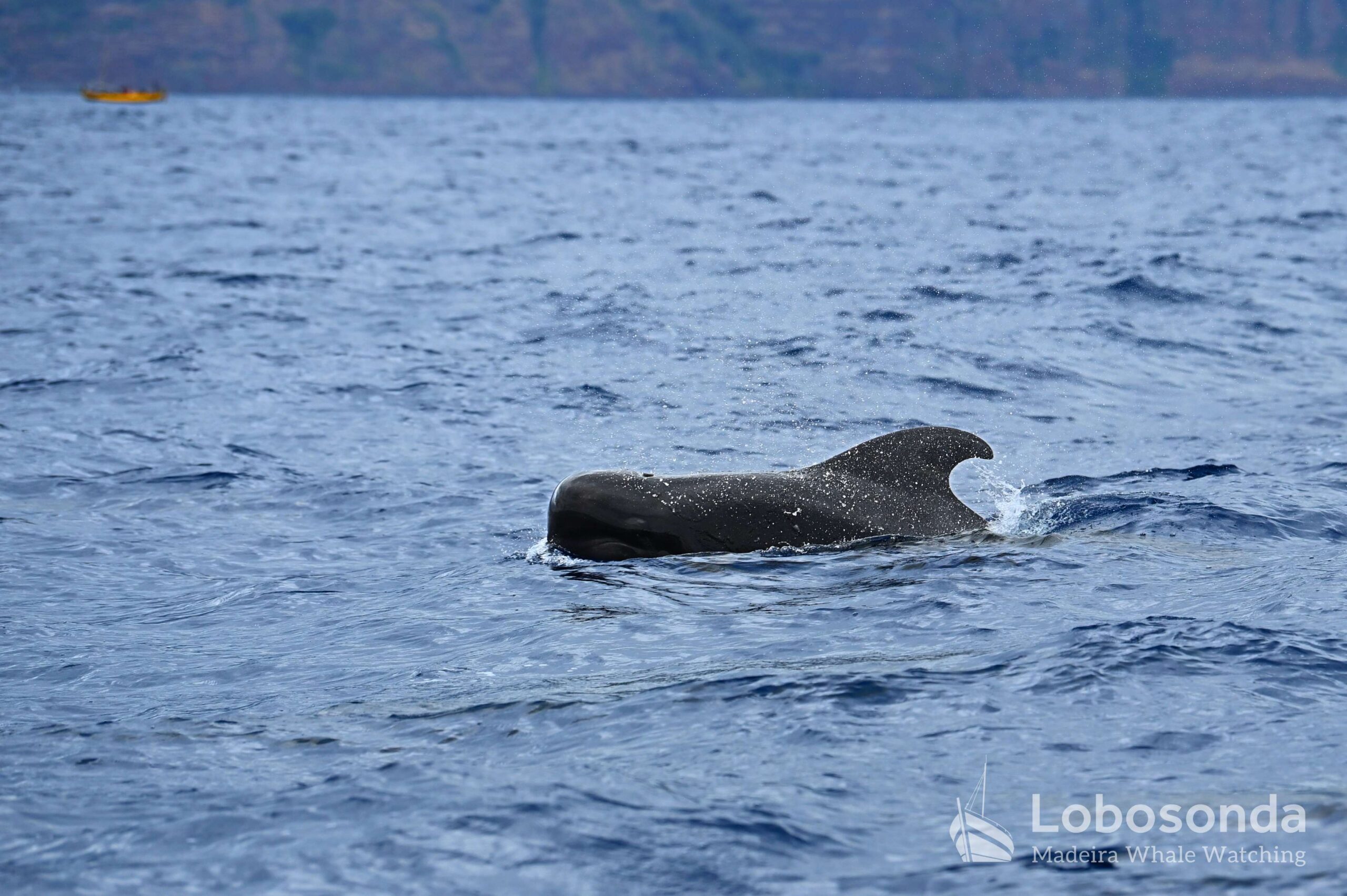
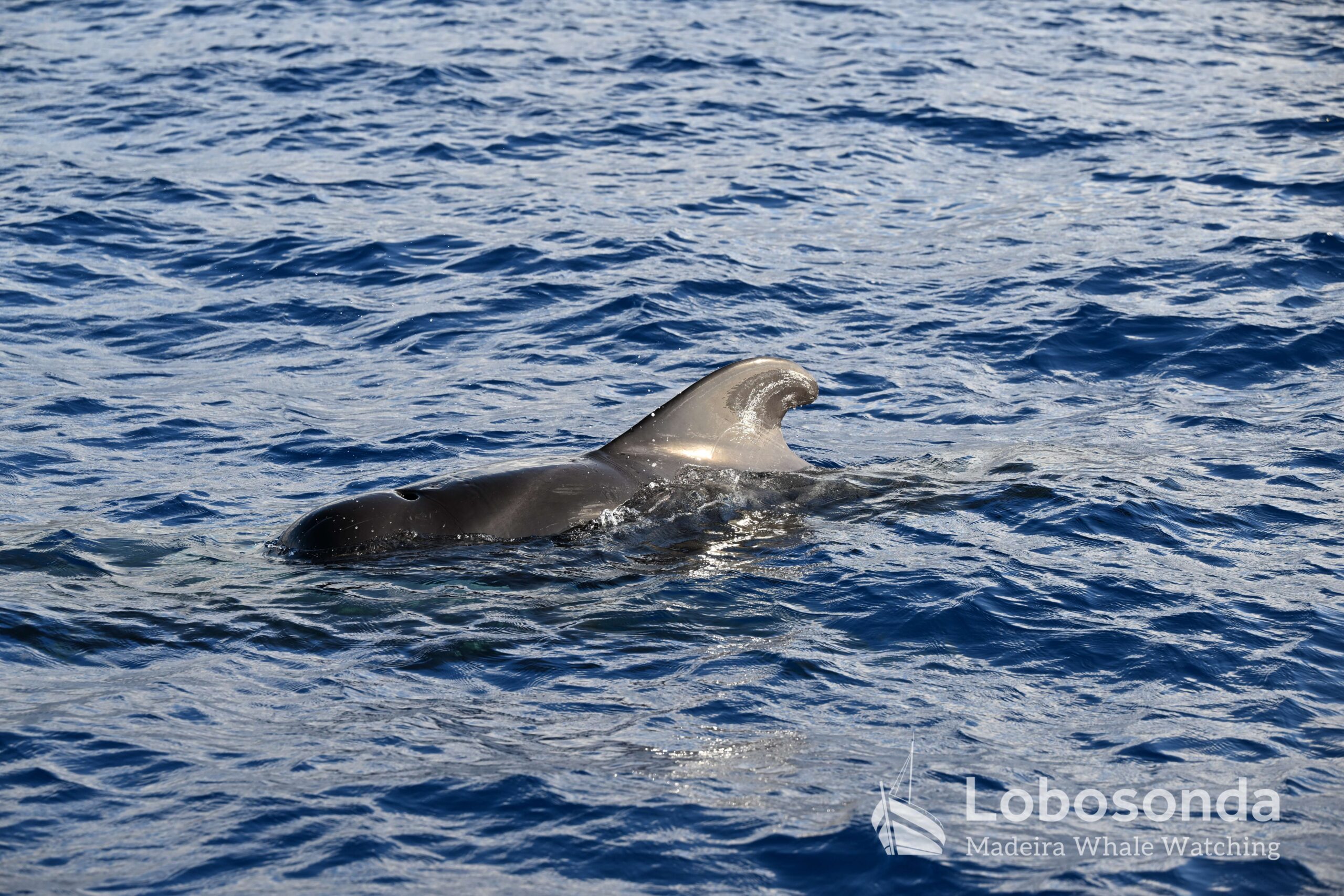
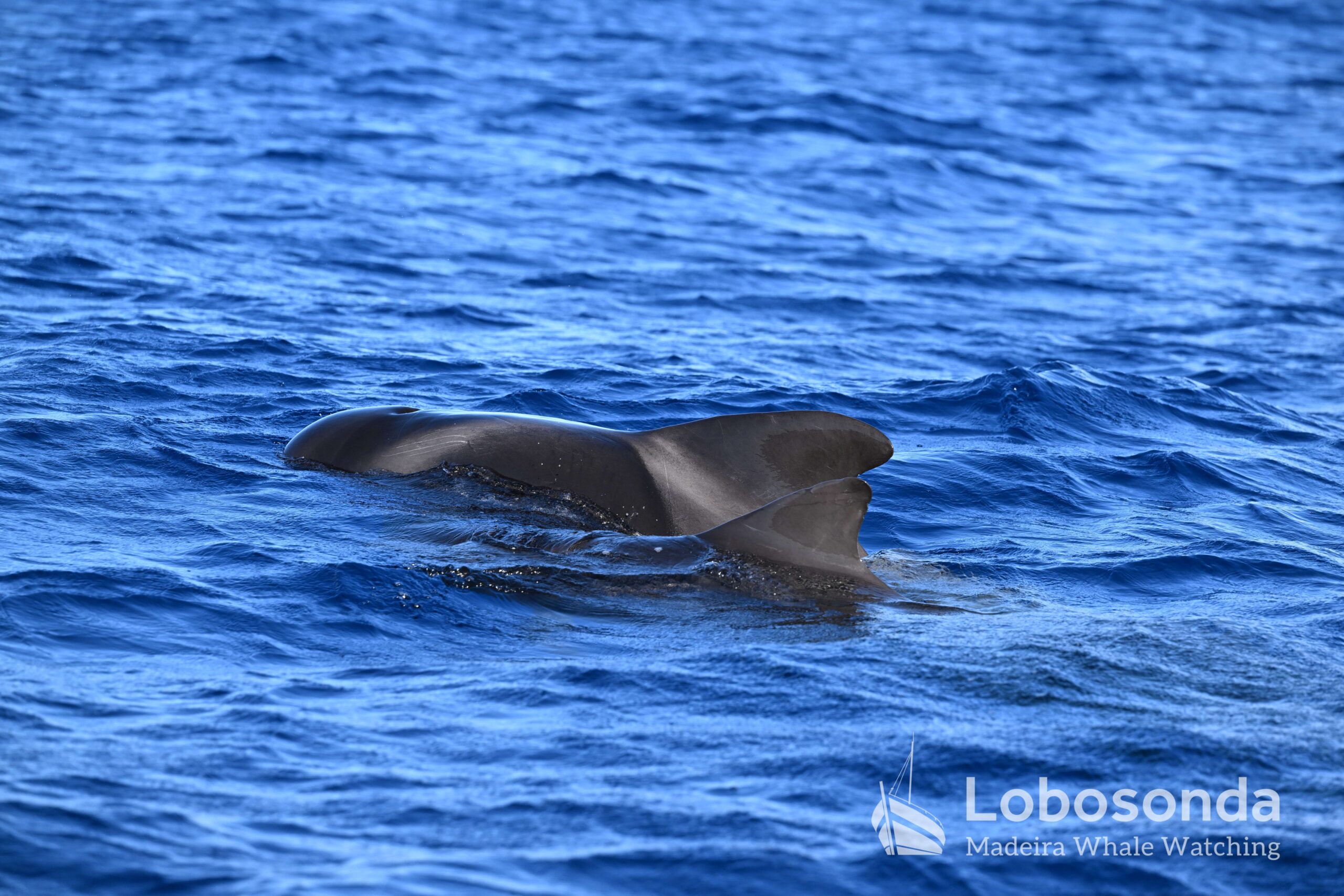
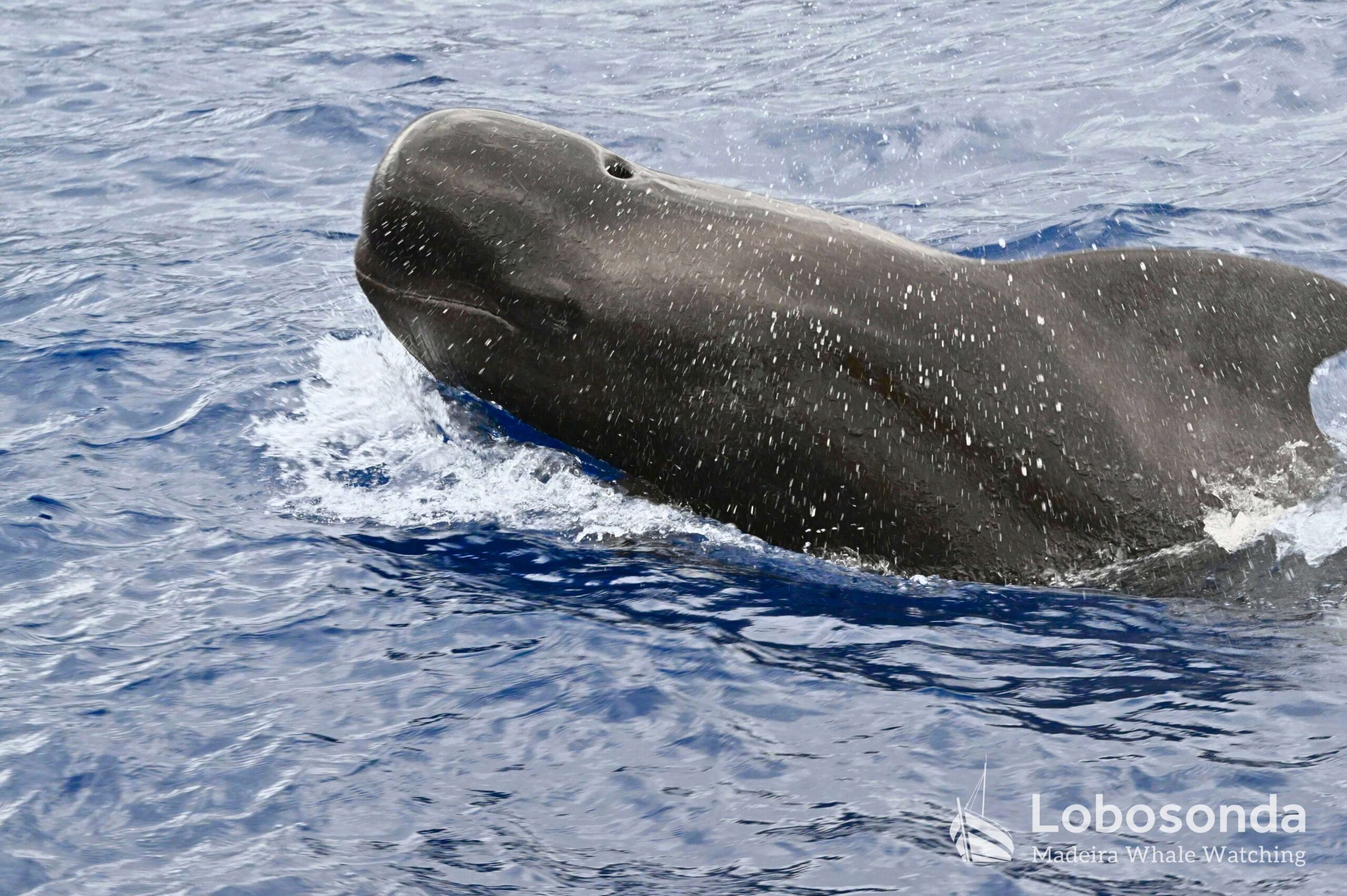
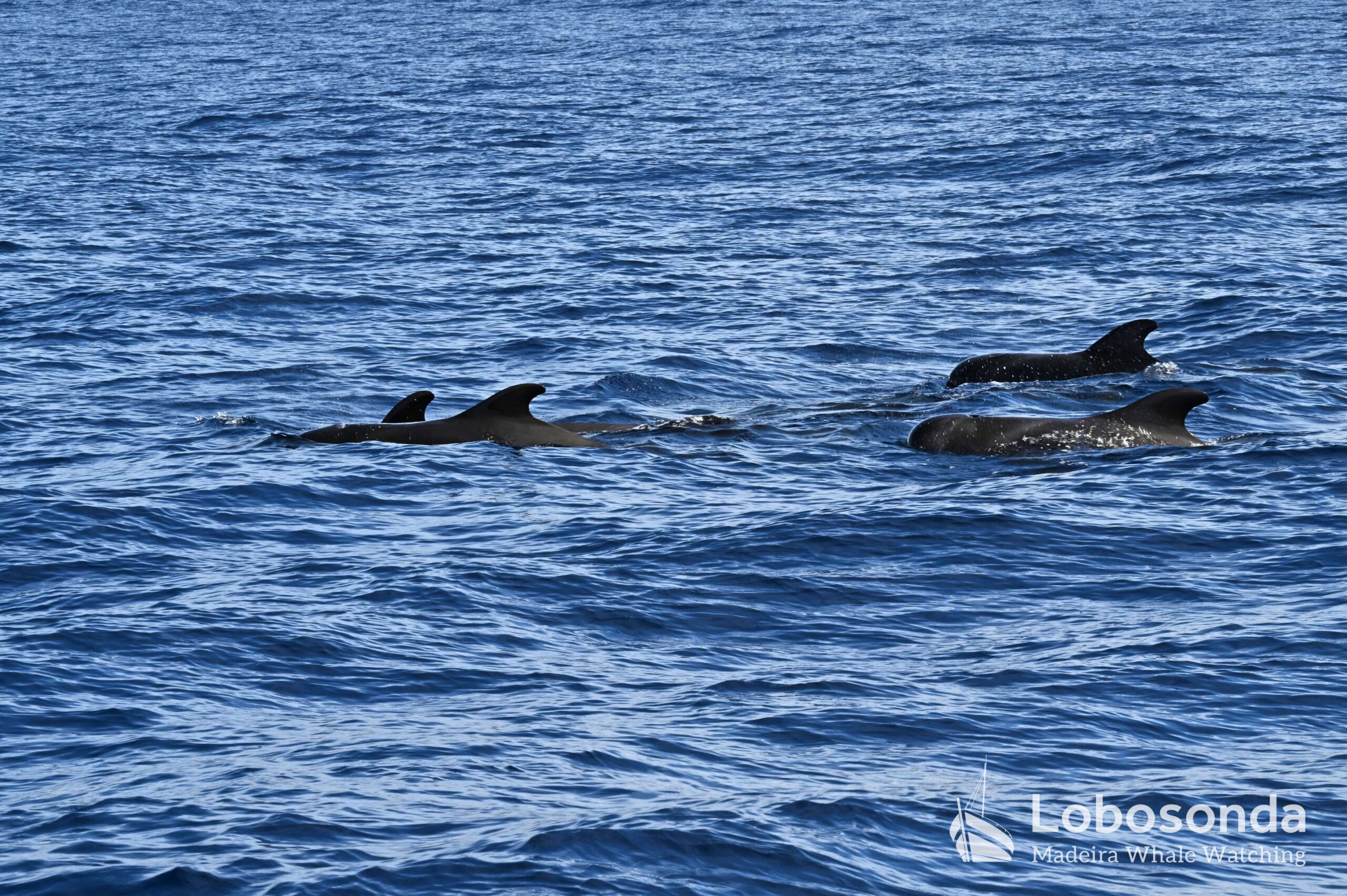
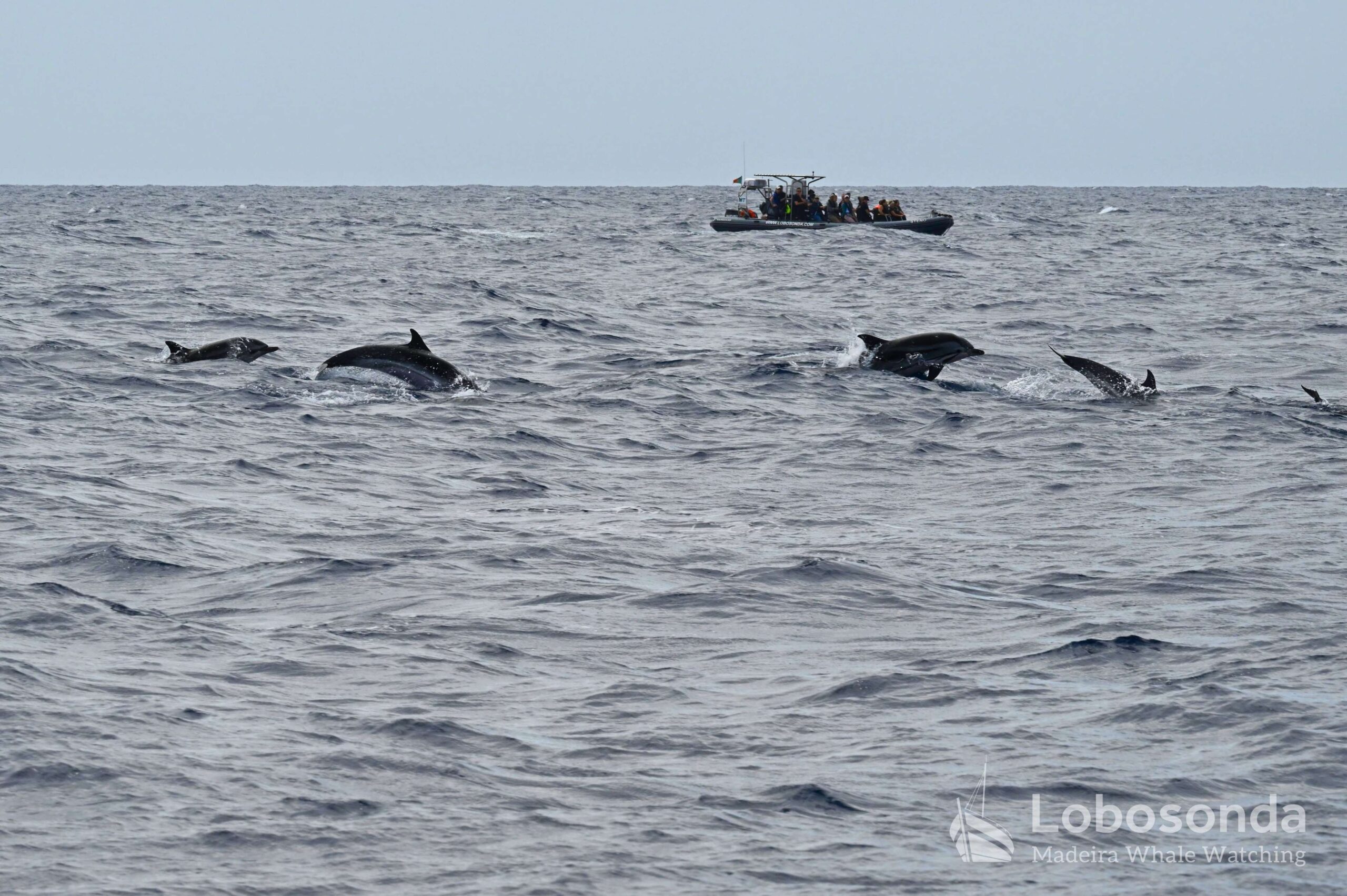
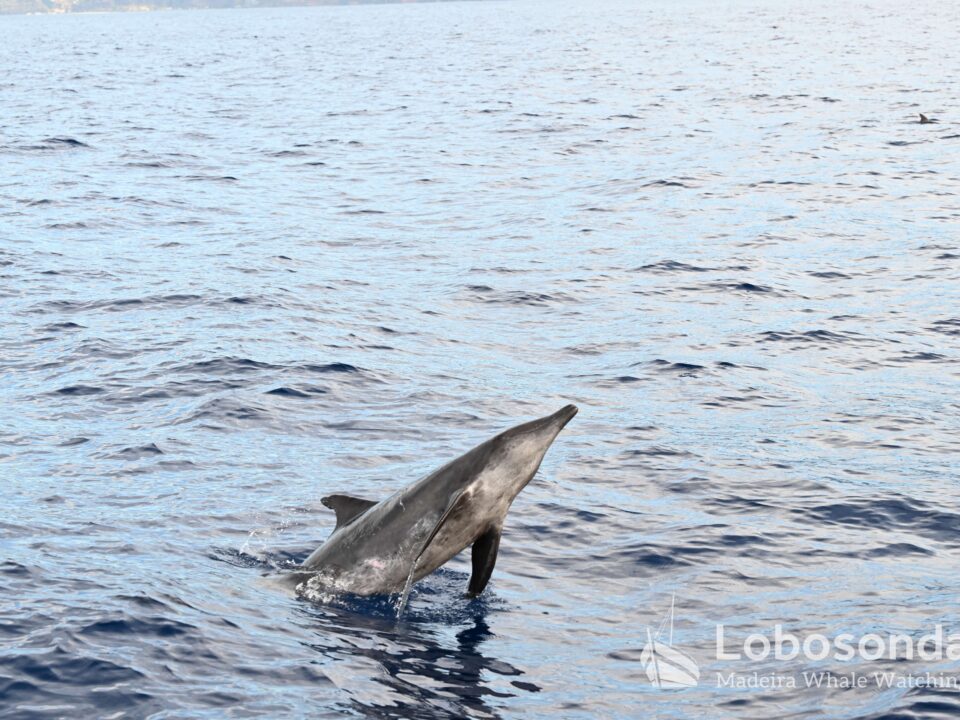
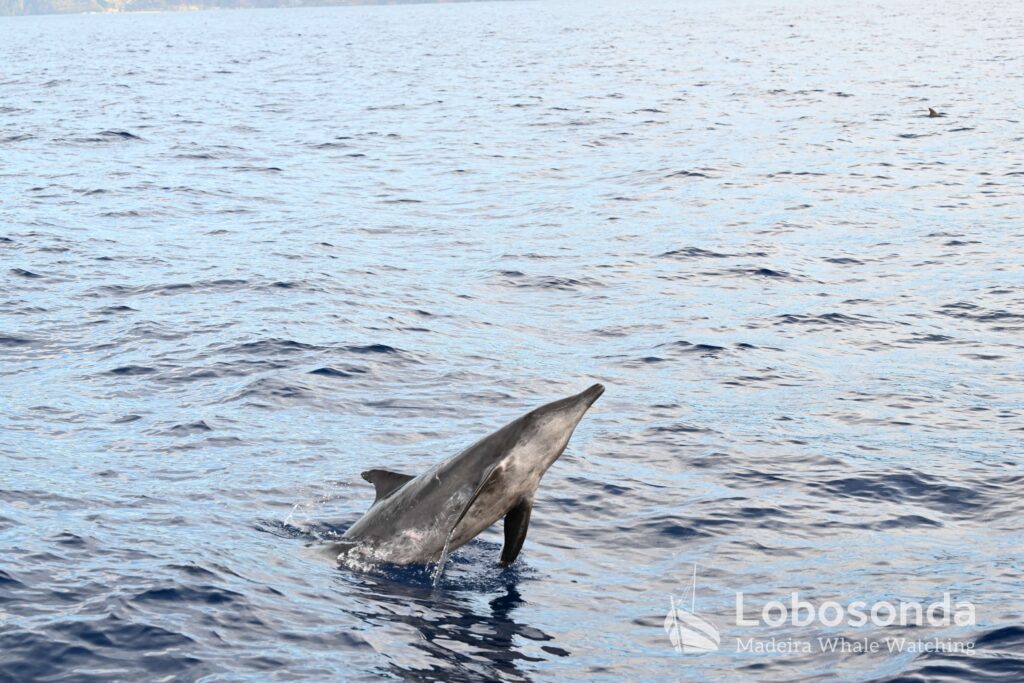
Chemical pollutants like microplastic and heavy metals are especially damaging here. These contaminants accumulate up the food chain in the tissues of deep sea animals, with the highest concentration occurring in top predators like cetaceans. This often leads to poisoning, particularly in unborn young. Stillborn calves are especially common with Short-finned pilot whales (Globicephala macrorhynchus), a species of dolphin that frequently forages in the dark ocean but such contaminants also affect other dolphins that also rely on prey from the deep sea like Bottlenose dolphins (Tursiops truncatus), Striped dolphins (Stenella coeruleoalba) and Atlantic spotted dolphins (Stenella frontalis).
By Paula Thake
Sightings of the day
Ribeira Brava
09:00 Atlantic spotted dolphins, Bottlenose dolphins, Short-finned pilot whales
13:00 Short-finned pilot whales, Striped dolphins
Steno
09:30 Atlantic spotted dolphins, Bottlenose dolphins, Short-finned pilot whales
13:30 Short-finned pilot whales, Striped dolphins
16:00 Short-finned pilot whales, Striped dolphins