LogotipoLogotipoLogotipoLogotipo
  • Home
  • Tours
    • Ribeira Brava whale watching tour
    • Stenella whale watching tour
    • Snorkeling with Dolphins
  • Whale Watch
    • Sightings
    • Marine Life
    • Marine Protection
  • Madeira Island
    • All About Madeira Island
    • Macaronesia
    • Fauna and Flora
    • Local Trips
  • Our Approach
    • About Us
    • Crew
  • Contact
  • Blog
  • English
  • Deutsch
✕
            No results See all results
            14.10.2026 – Speed limits
            October 21, 2026
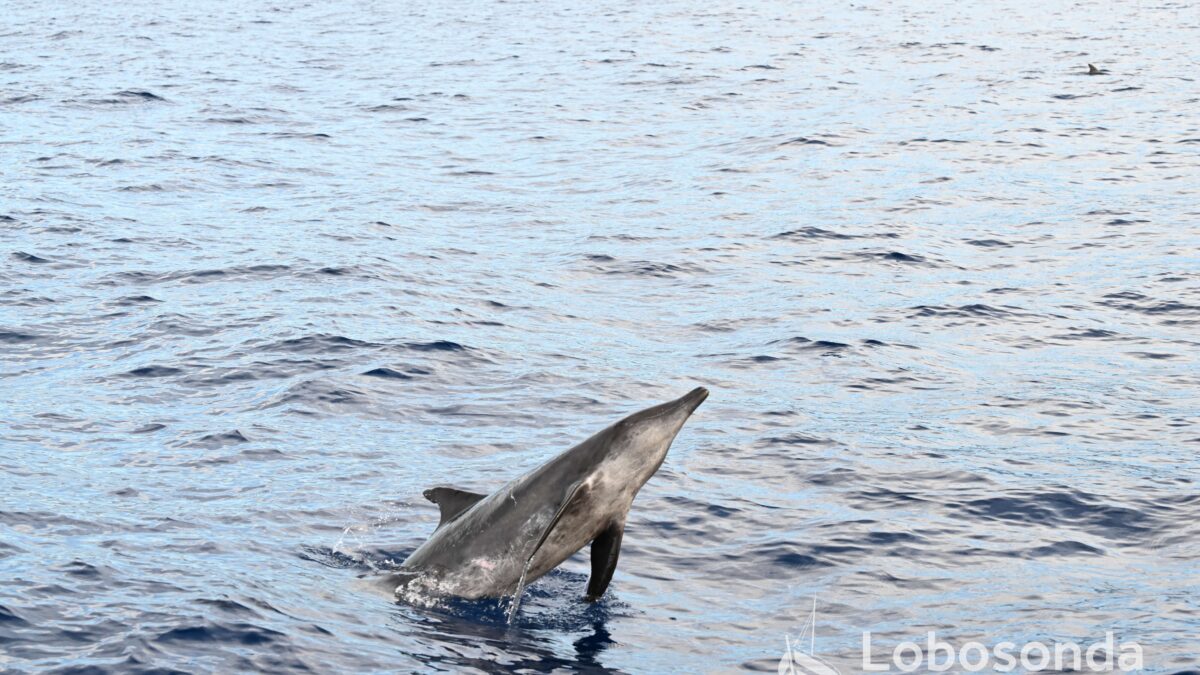
            15.10.2026 – Ocean sentinel

            Published by Juliette Colançon on October 22, 2026

            Cetaceans are found in every oceans of our planet and studying them help scientific communities to monitor ocean health, help to understand the entire marine ecosystem. Many marine mammals can serve as biological sentinels : their health, behaviour and population trends give early warning signs of broader marine ecosystem damage. They sit near the top of the marine food web and so they accumulate a lot of toxins from what they eat, like chemical pollutants, pesticides and so. Some variations in individual body condition can reflect changes in prey availability, food web structure, and pathogen transmission. 

            Cetaceans are ecosystem engineers for our oceans: they help maintain healthy marine ecosystems by supporting biodiversity and habitat productivity. Through a process known as the “whale pump”, whales bring nutrients from deeper waters to the surface, where they release them through their feces. Nutrients such as iron and nitrogen support the growth of phytoplankton, helping sustain the marine food web and contributing to productive ocean ecosystems.

            But how to study cetaceans? Different technologies are now used to understand them better and to help understand and protect our oceans better. Scientists undertake boat and aerial surveys. They use photo-identification to compare natural scars, dorsal fin shapes and fluke patterns to track individual animals over decades. Drones are used to measure body condition, assess physical health, to collect air and water droplets from a whale’s blowhole, extracting hormones, DNA, and lung microbiota. Satellite tags are also used on some animals to get more knowledge of their large-scale migratory routes, trans-oceanic geographic positions, long-term habitat use, and environmental data like water temperature and salinity.

            By Juliette Colançon 

            Sightings of the day

            Ribeira Brava

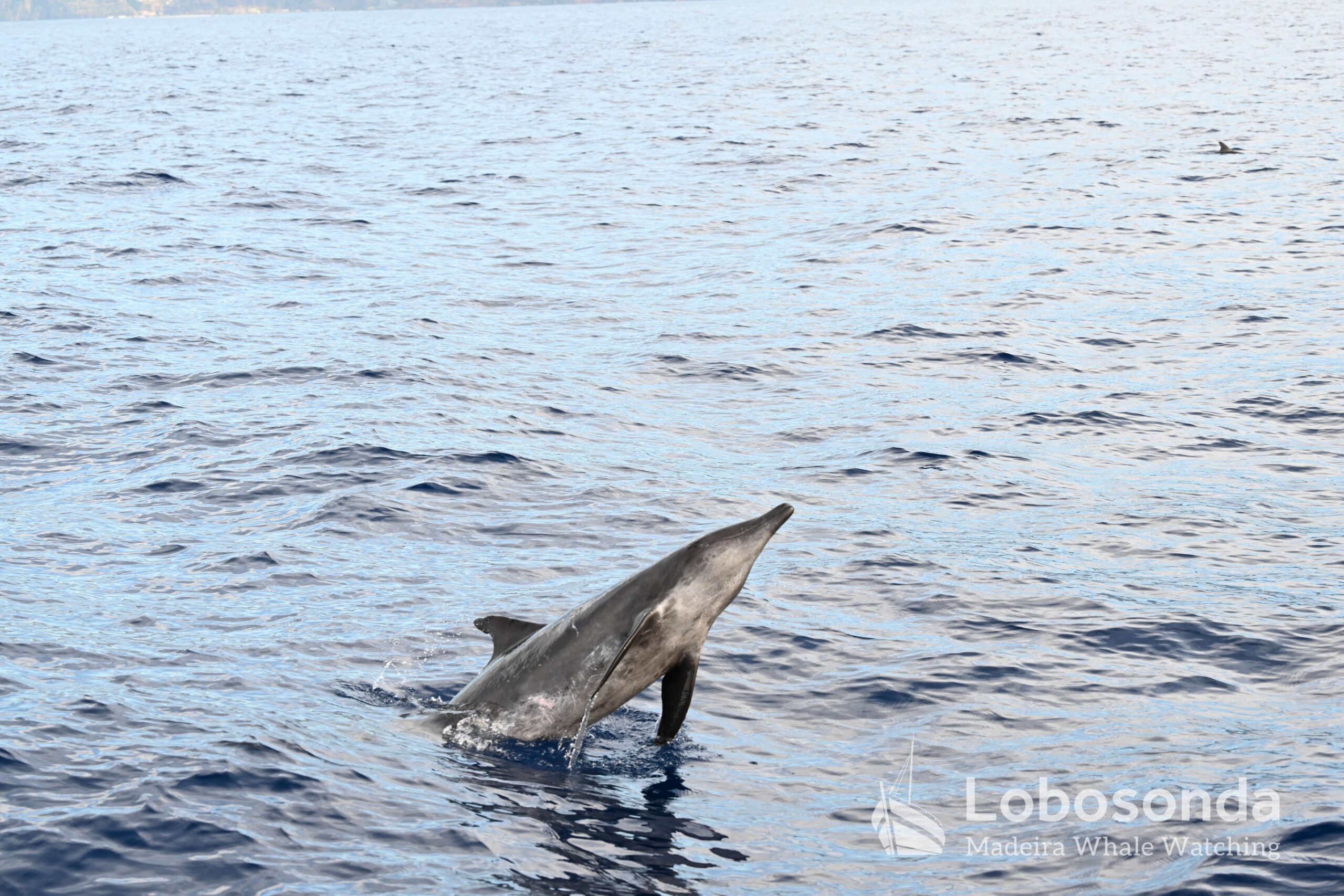
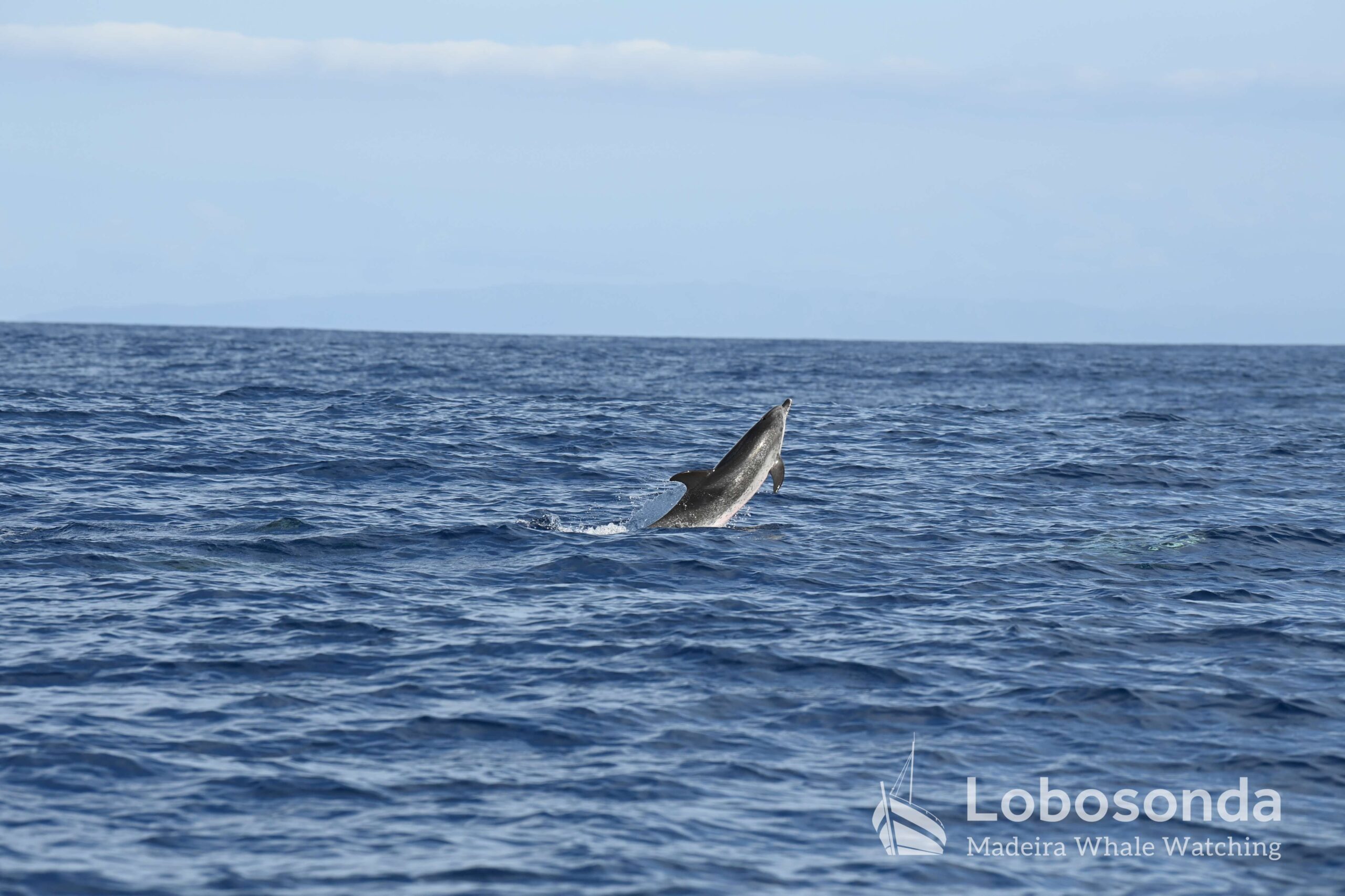
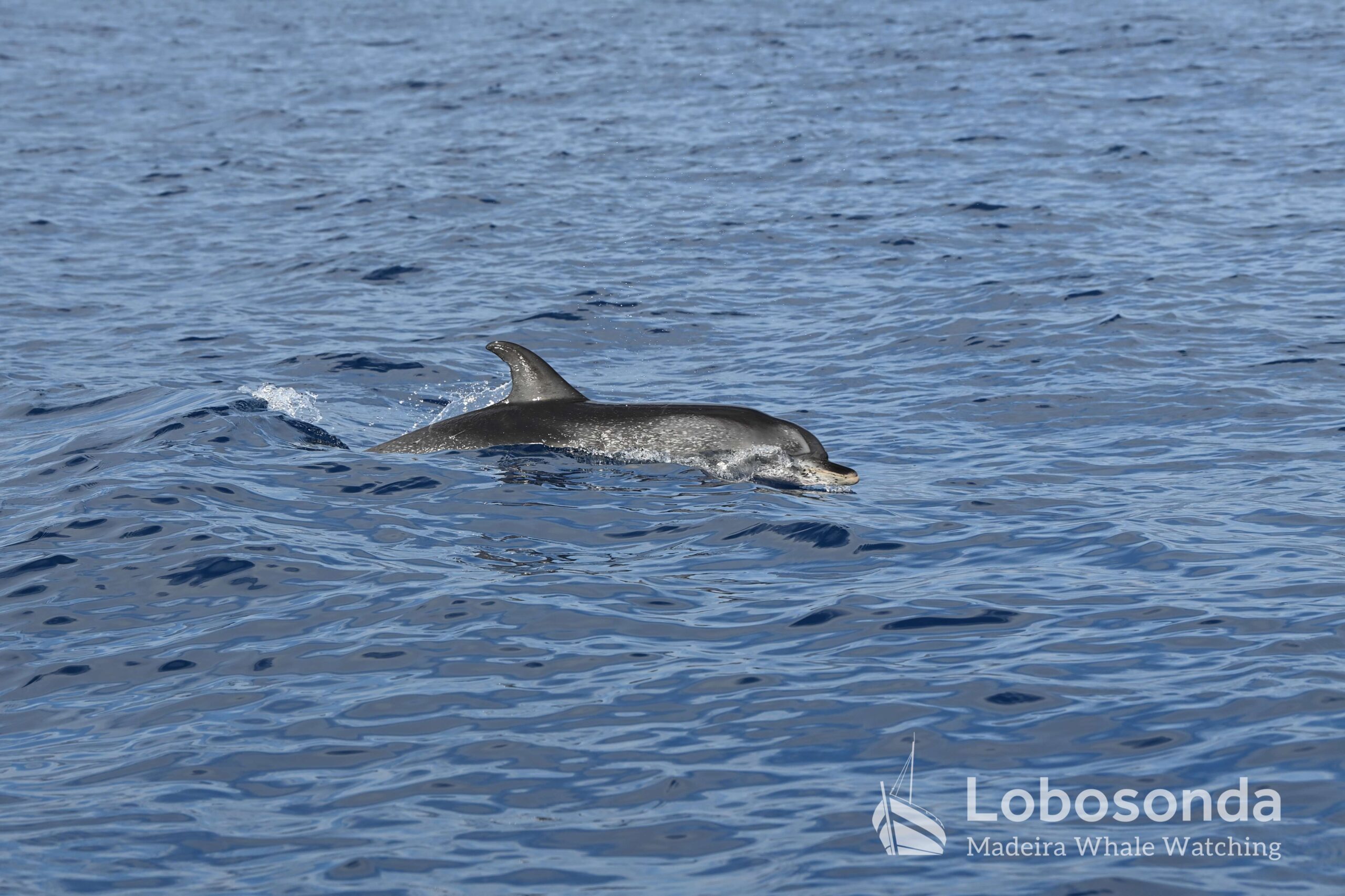
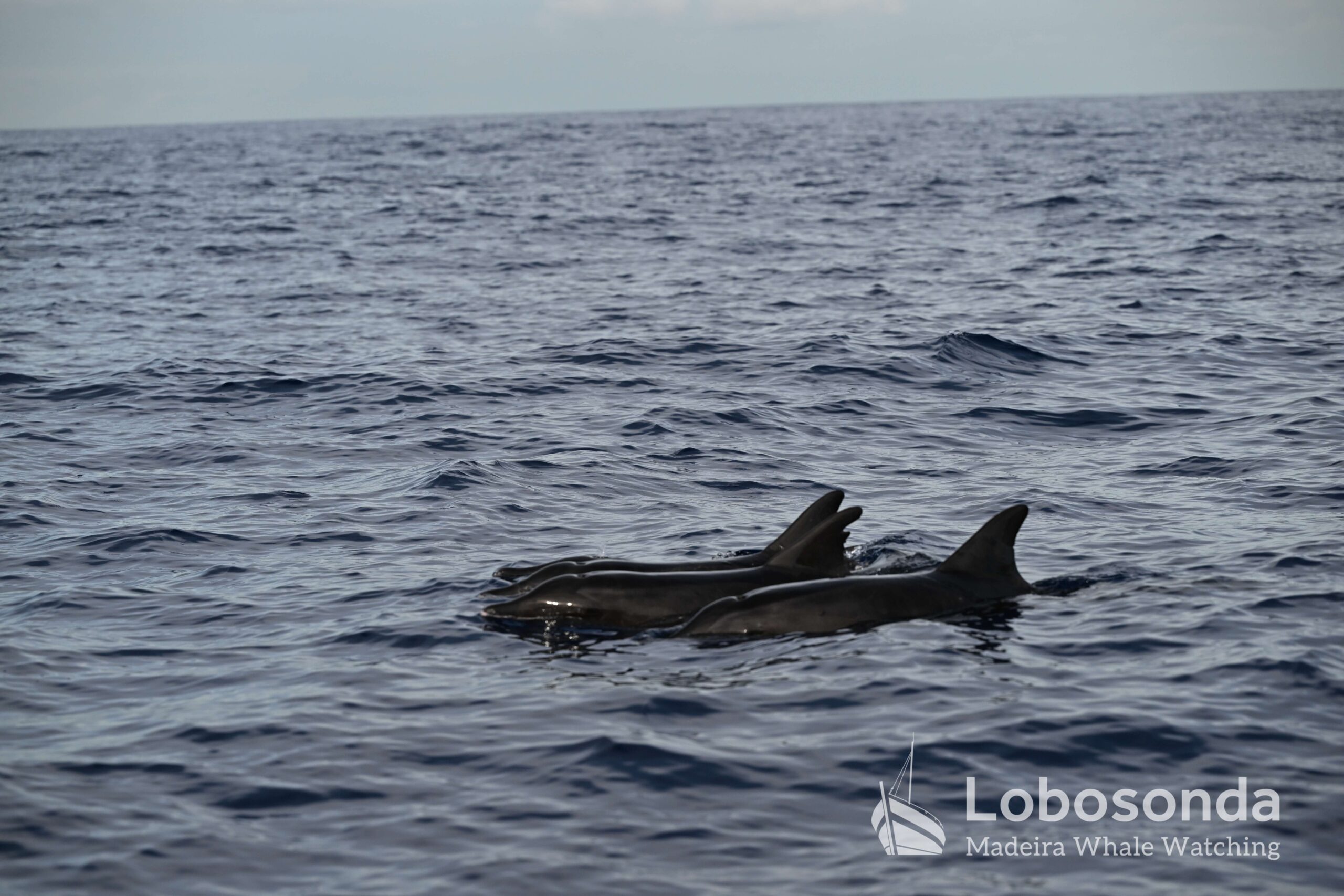
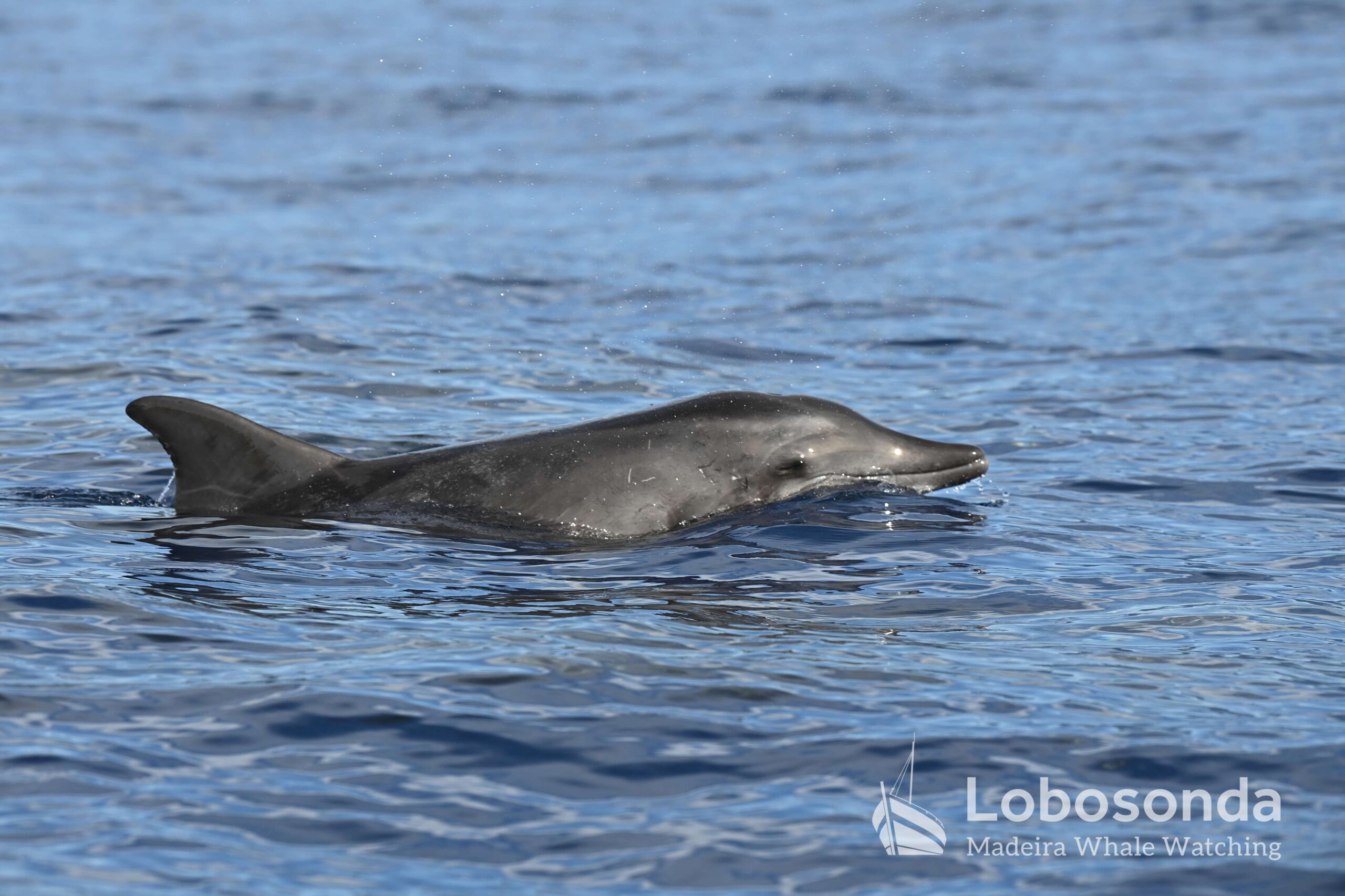
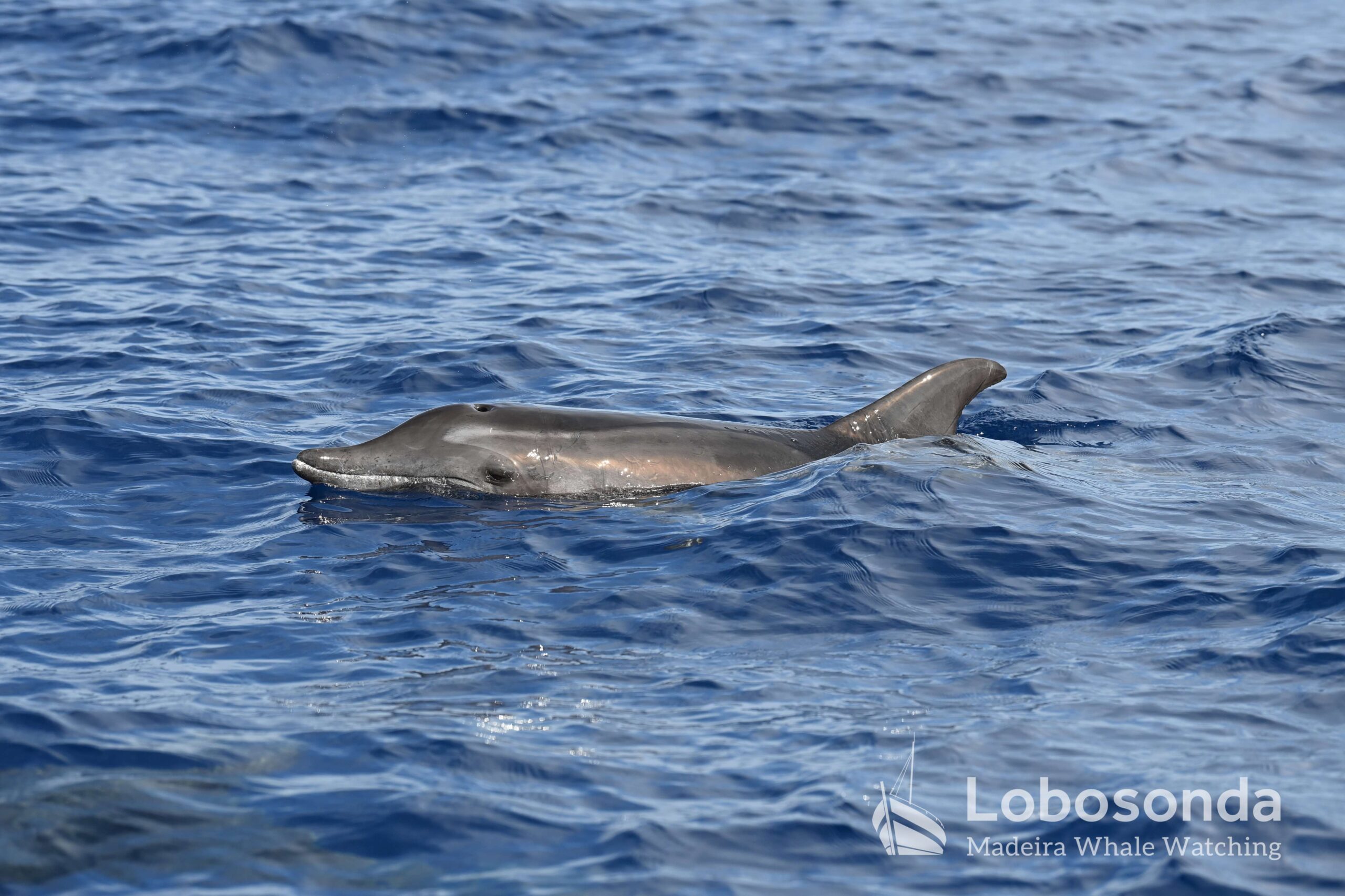
            09:00 Rough-toothed dolphin

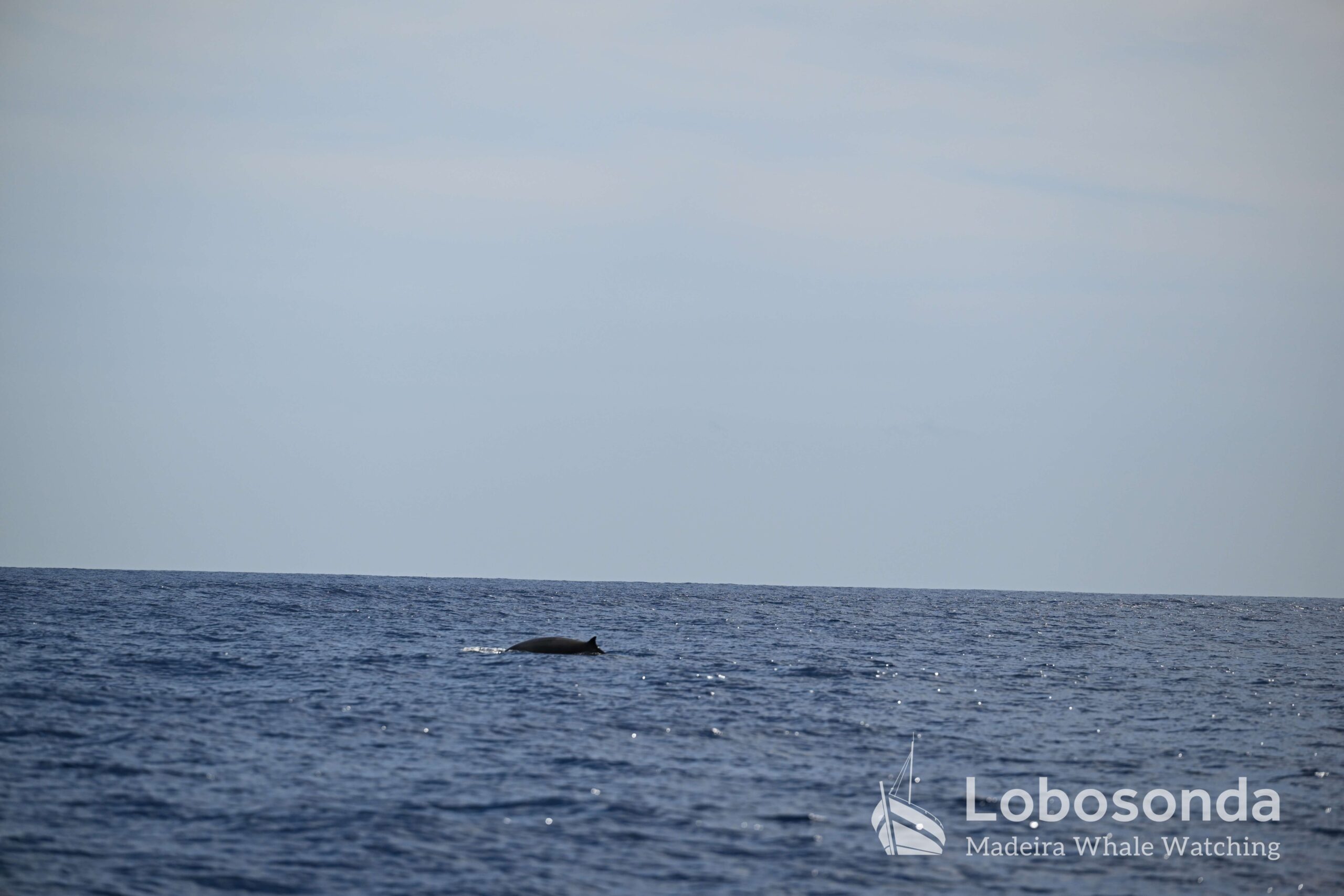
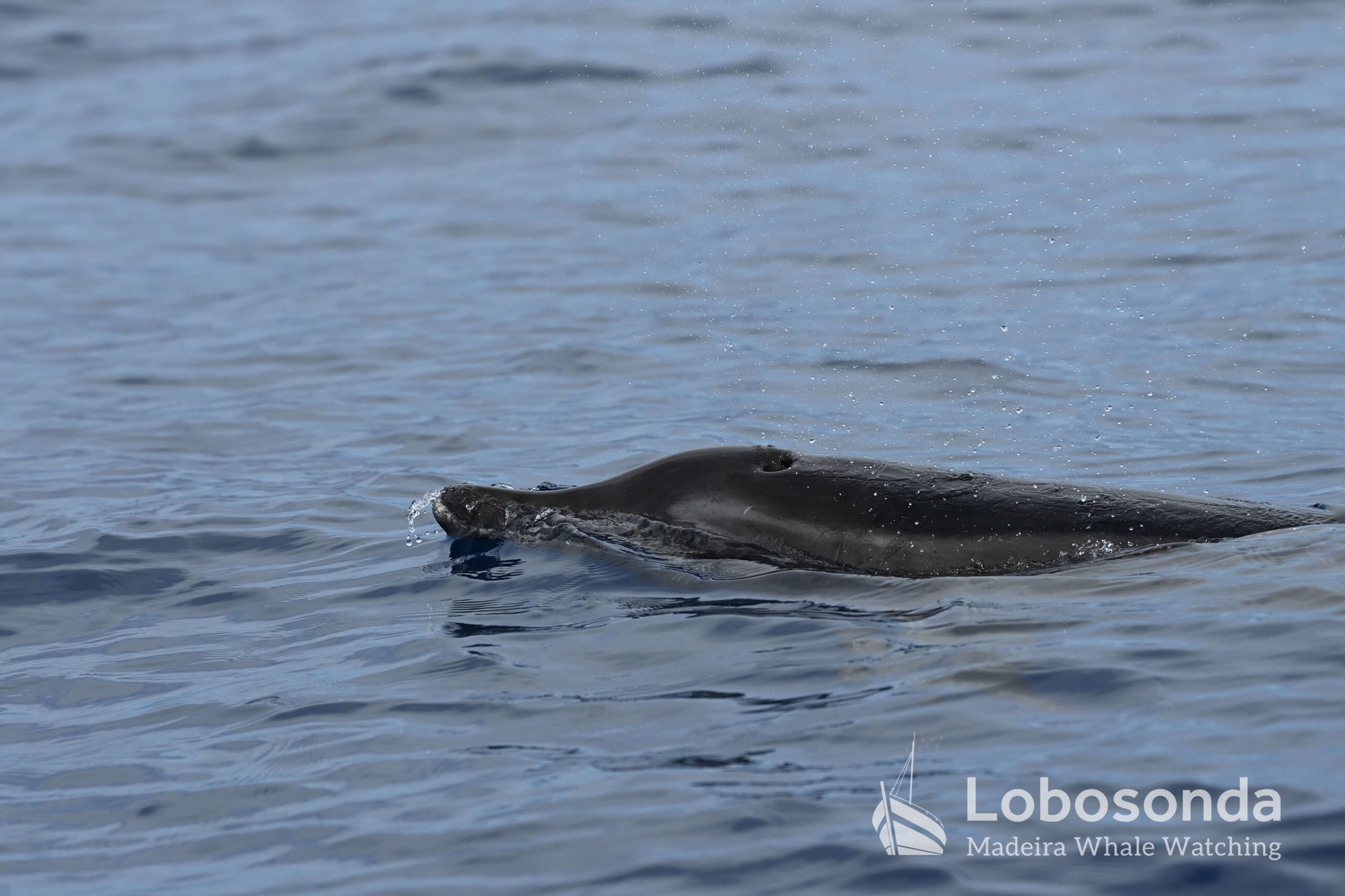
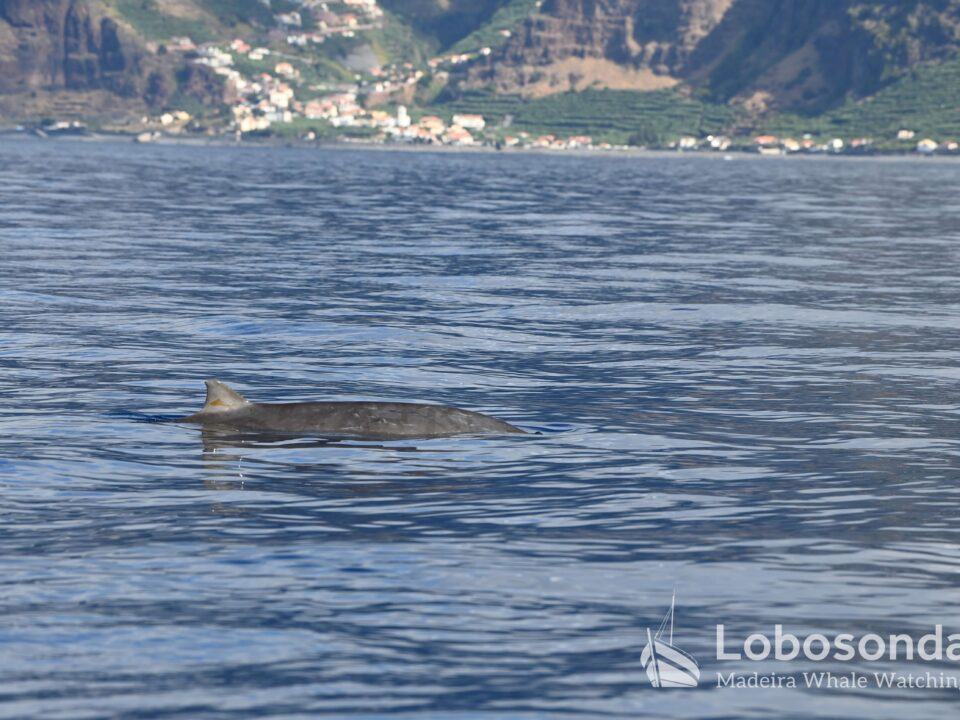
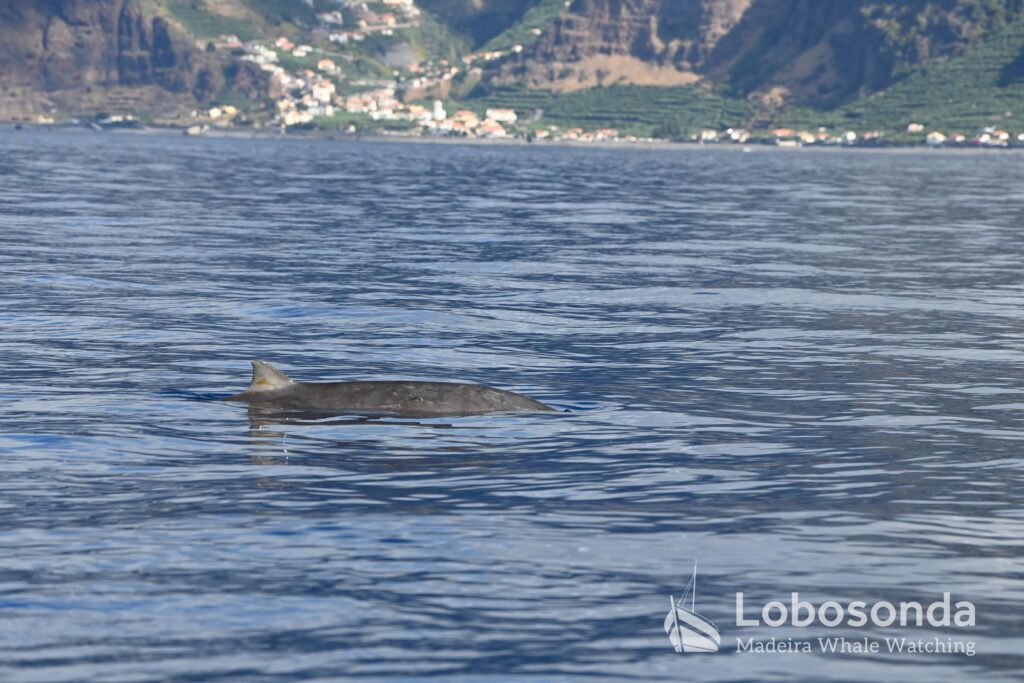
            13:00 Blainville’s beaked whale

            Steno 

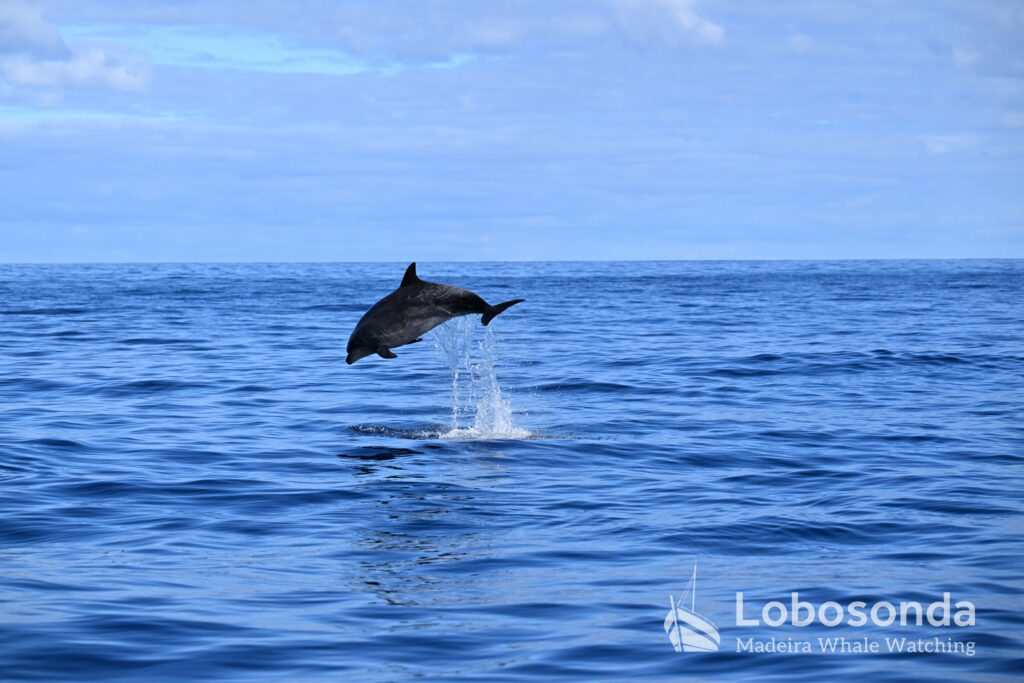
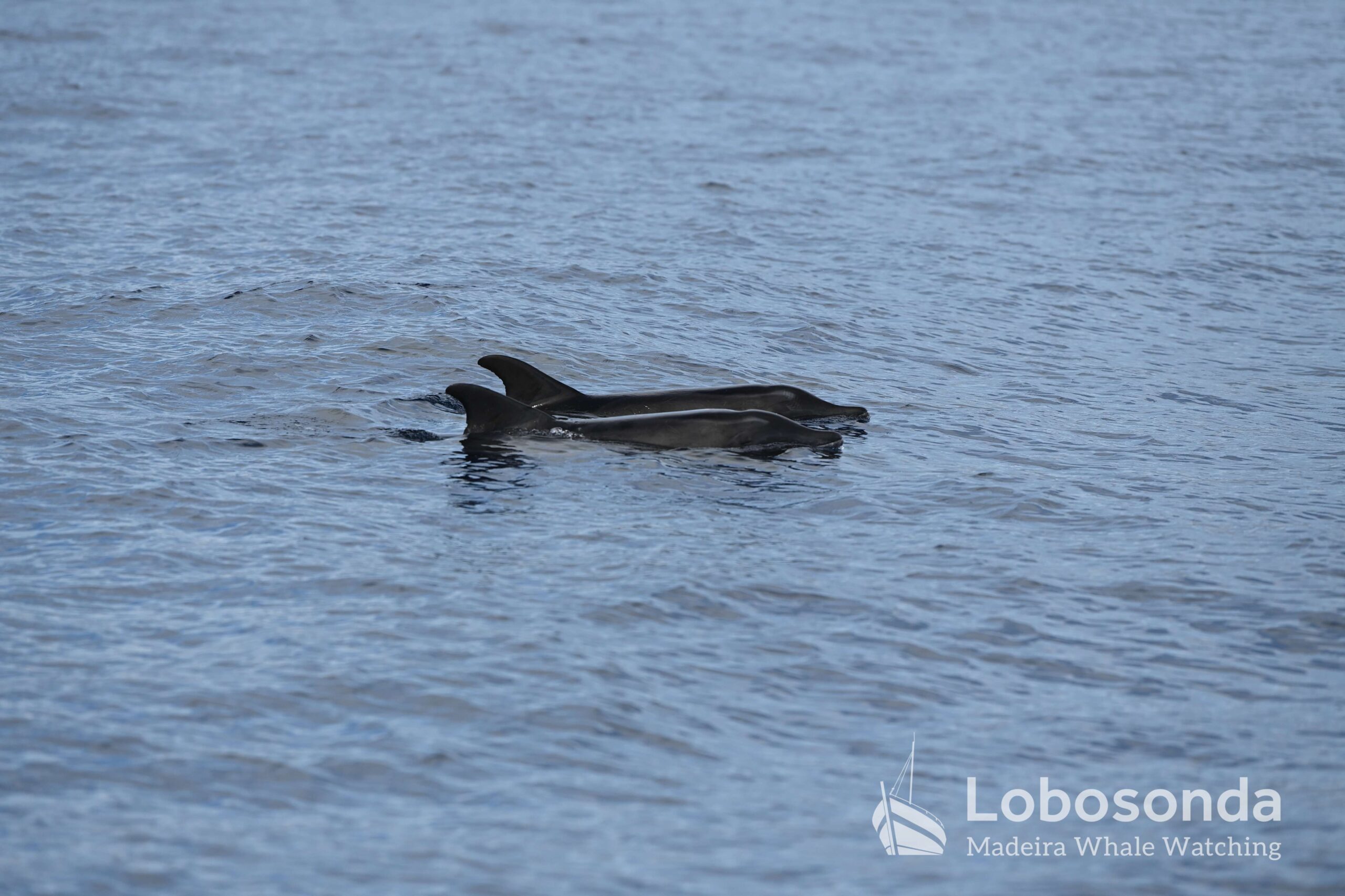
            09:30 Rough-toothed dolphin

            13:30 Rough-toothed dolphin

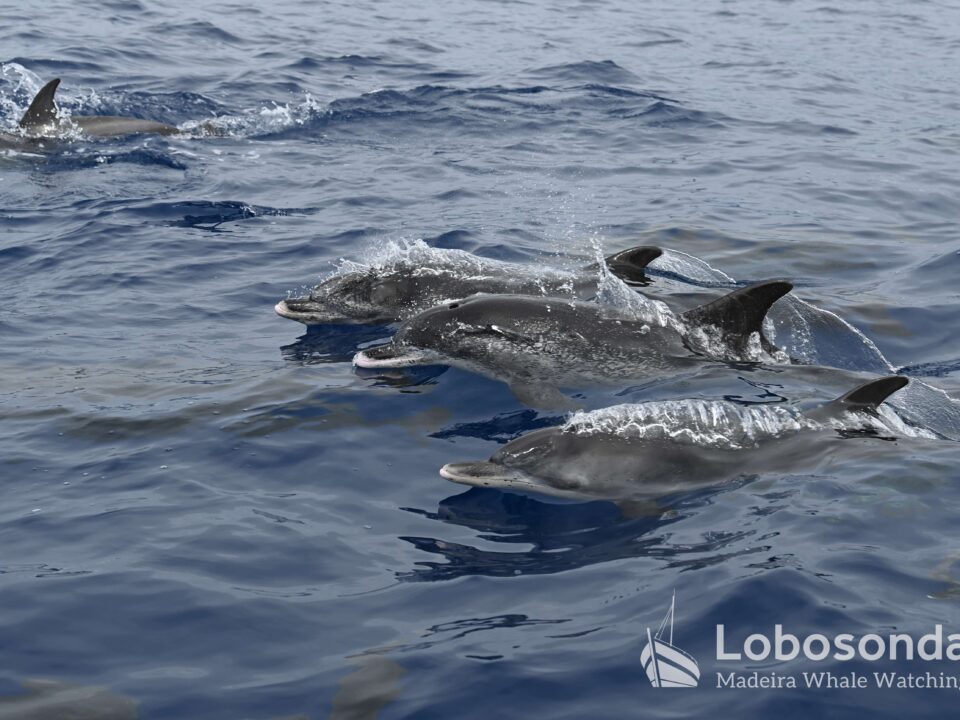
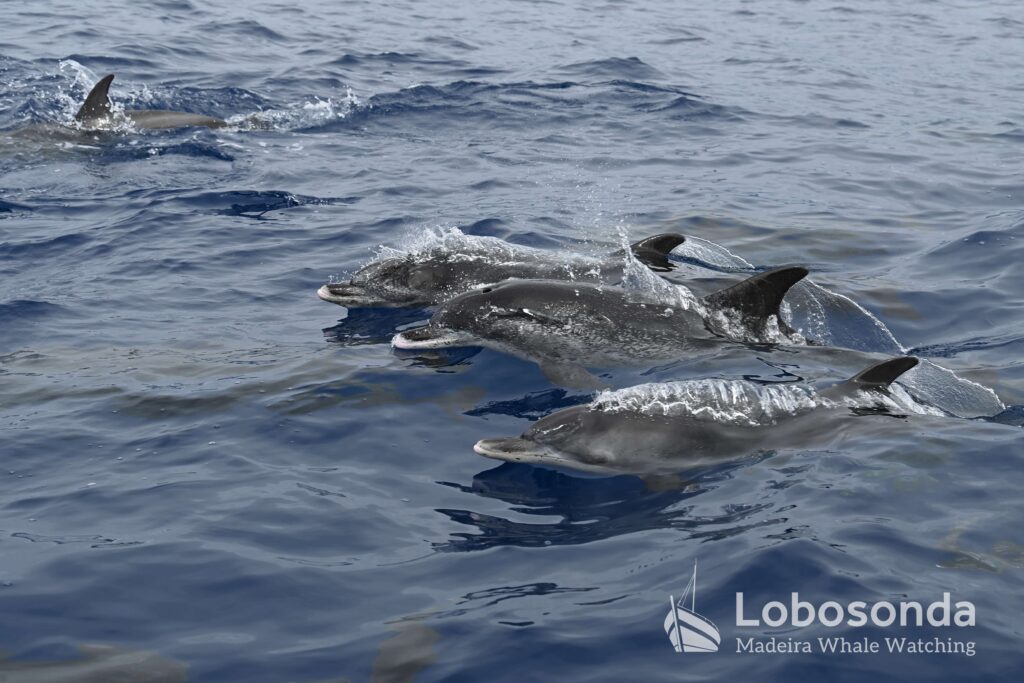
            16:00 Atlantic spotted dolphin, Rough-toothed dolphin


            Share this:

            • Share
            • Facebook
            • LinkedIn
            • Twitter

            Like this:

            Like Loading...
            Share
            Juliette Colançon
            Juliette Colançon

            Related posts

            October 21, 2026

            14.10.2026 – Speed limits


            Read more
            October 20, 2026

            13.10.2026 – It’s a hard knock life


            Read more
            October 19, 2026

            12.10.2026 – Mysterious Deep-Sea Divers


            Read more

            Leave a Reply Cancel reply

            Your email address will not be published. Required fields are marked *

            This site uses Akismet to reduce spam. Learn how your comment data is processed.

            Lobosonda Whale Watching Madeira

            Booking: (+351) 968 400 980
            (Jun – Sep: 08:00h – 20:00h . Oct – May: 09:00h – 19:00h)

            Contact us directly via email:
            info@lobosonda.com

            Av. D. Manuel I, Porto da Calheta
            9370-133 Calheta, Madeira – Portugal

            Social


            Quick Links

            Startseite
            Ausflüge
            Über uns
            Crew
            Häufig gestellte Fragen
            Kontakt

            Projetado por OurStudio, desenvolvido por Thinksolutions.pt
              English
                        No results See all results
                        • English
                        • Deutsch
                          %d