22.10.2026 – Evolution is amazing
October 28, 2026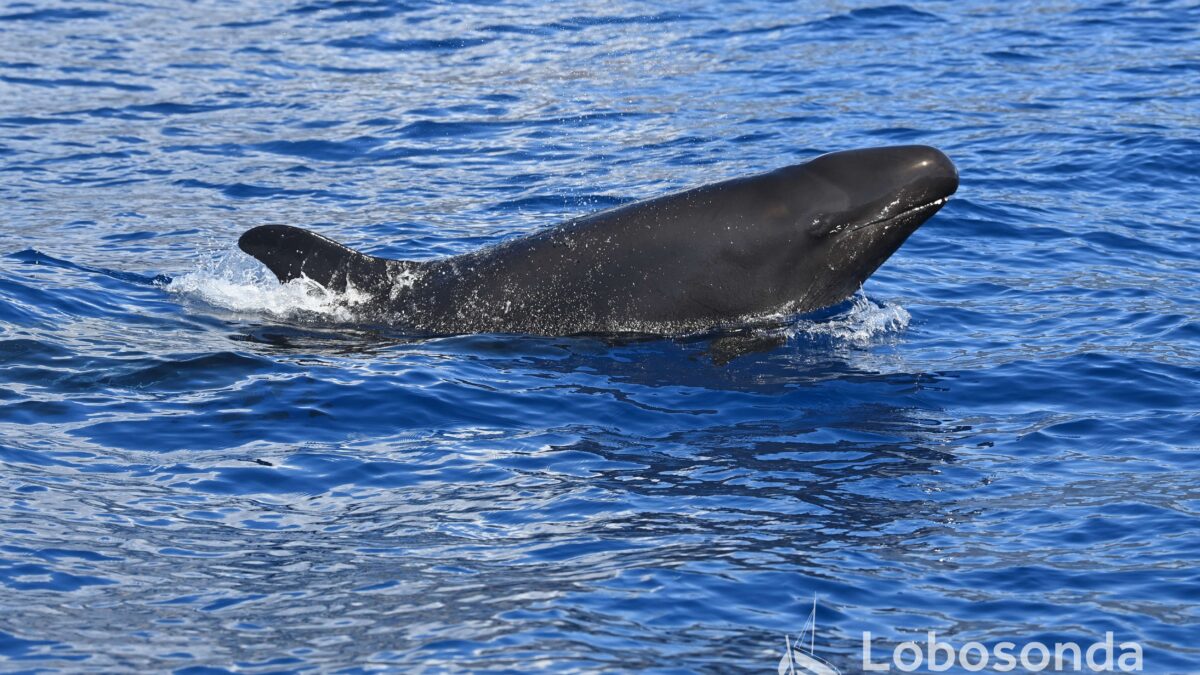
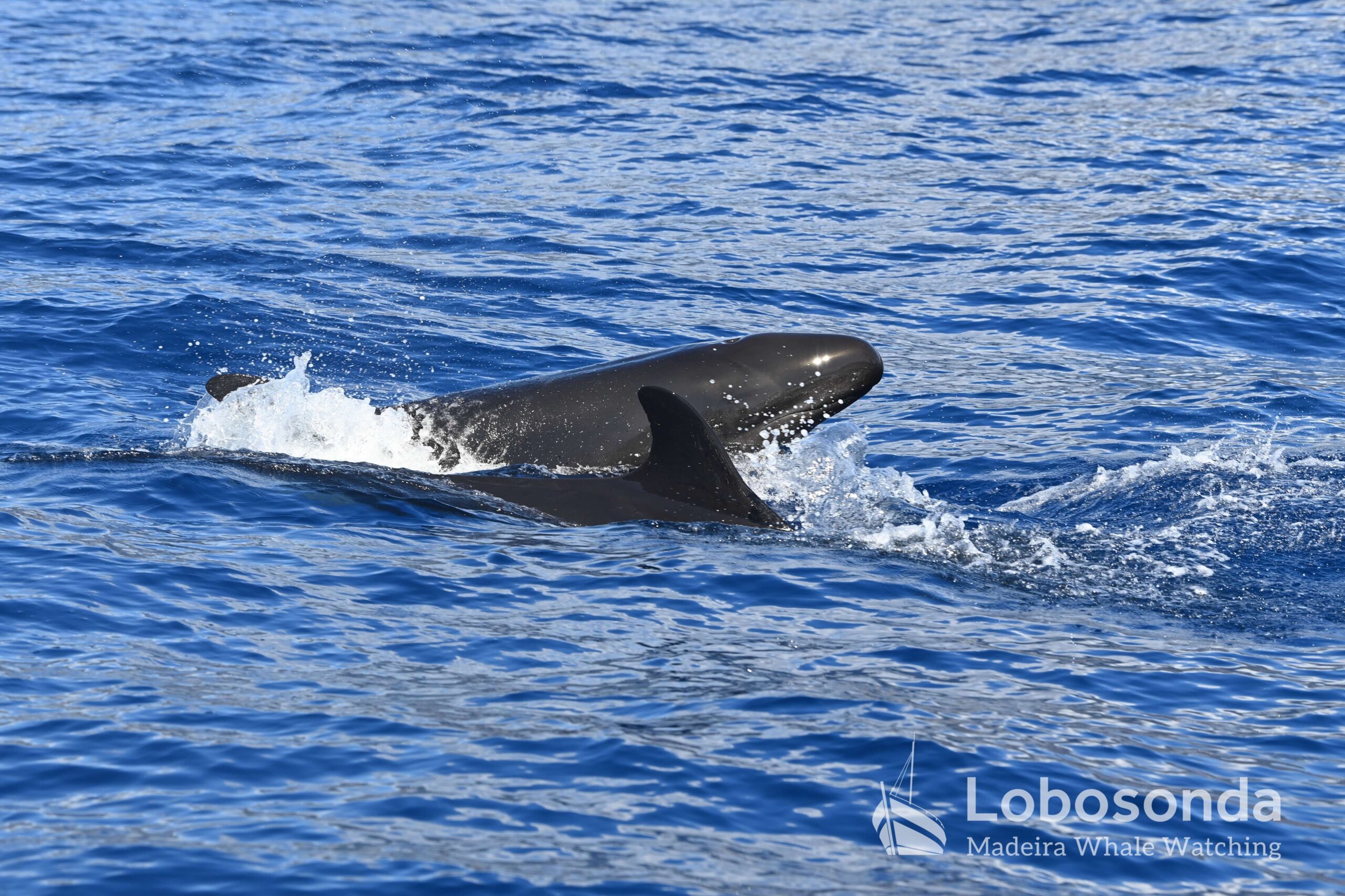
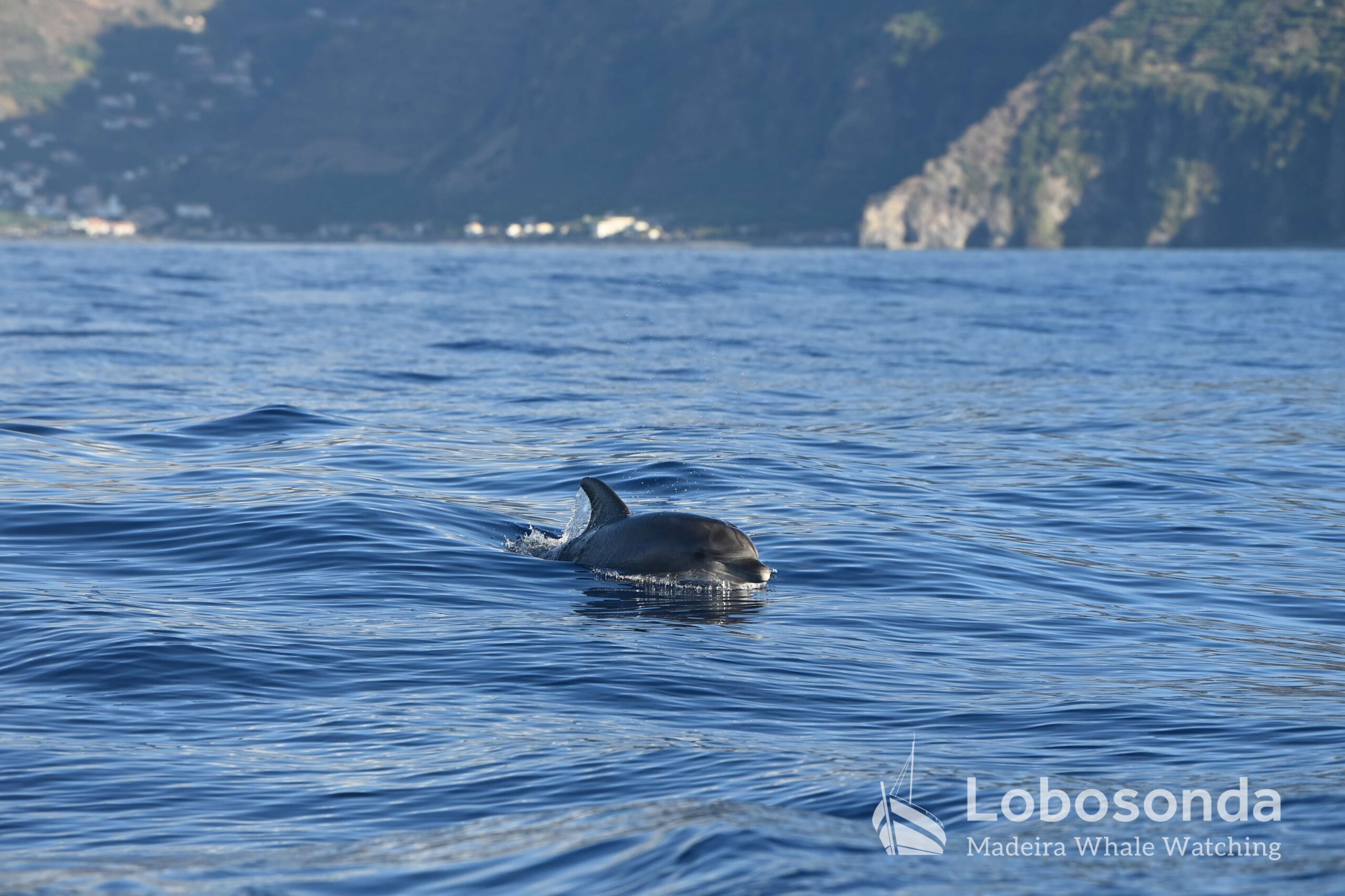
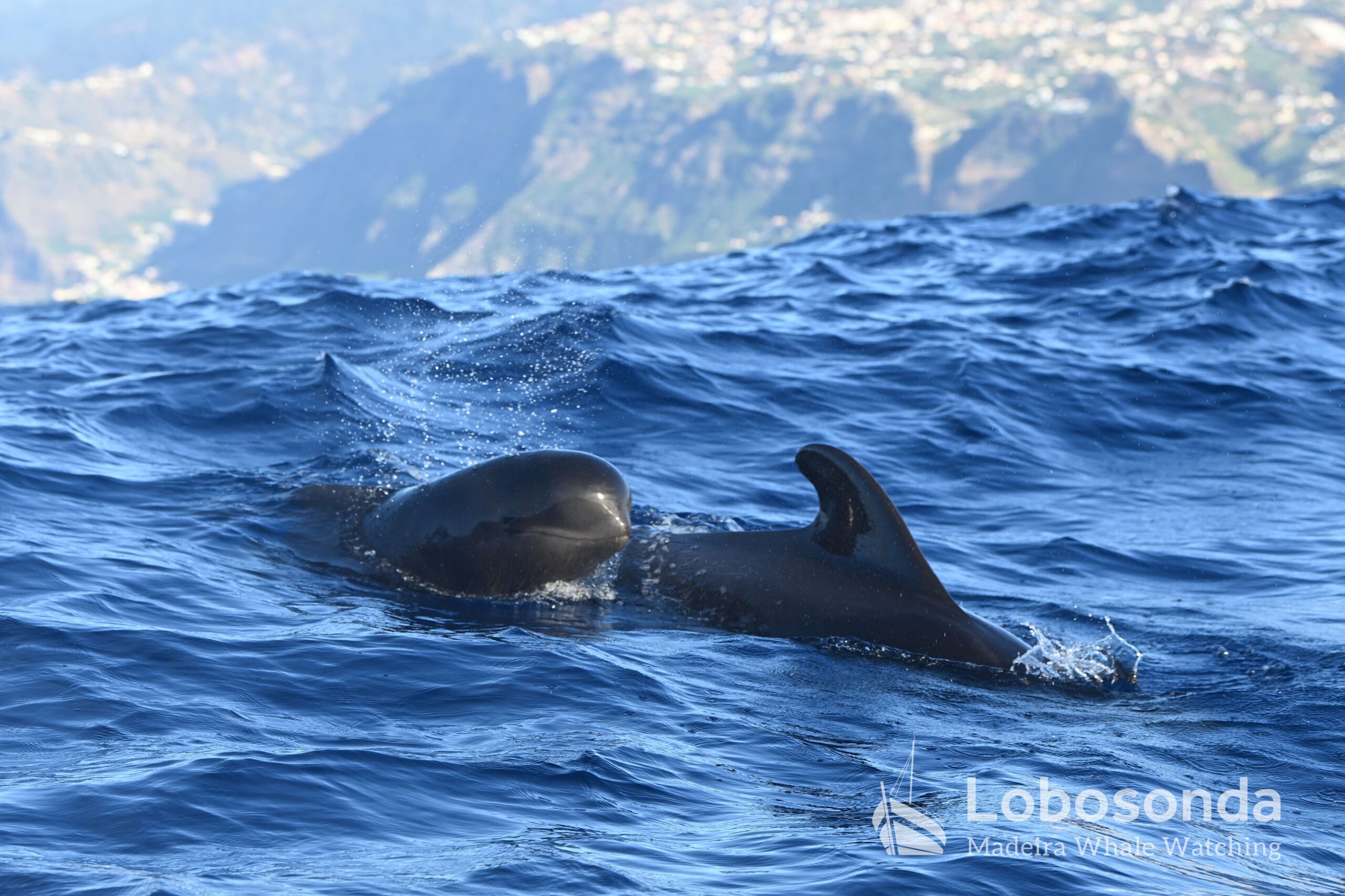
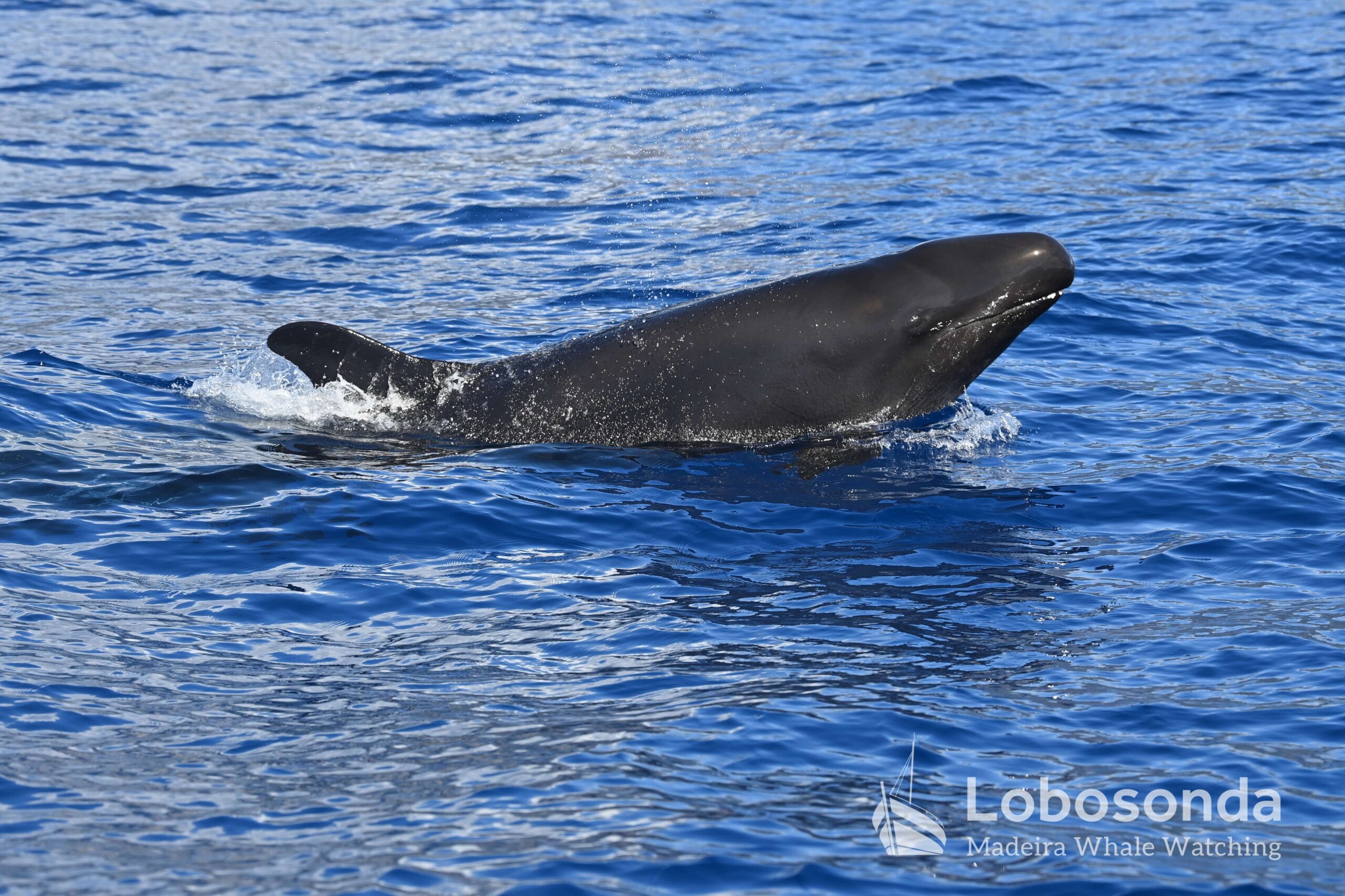
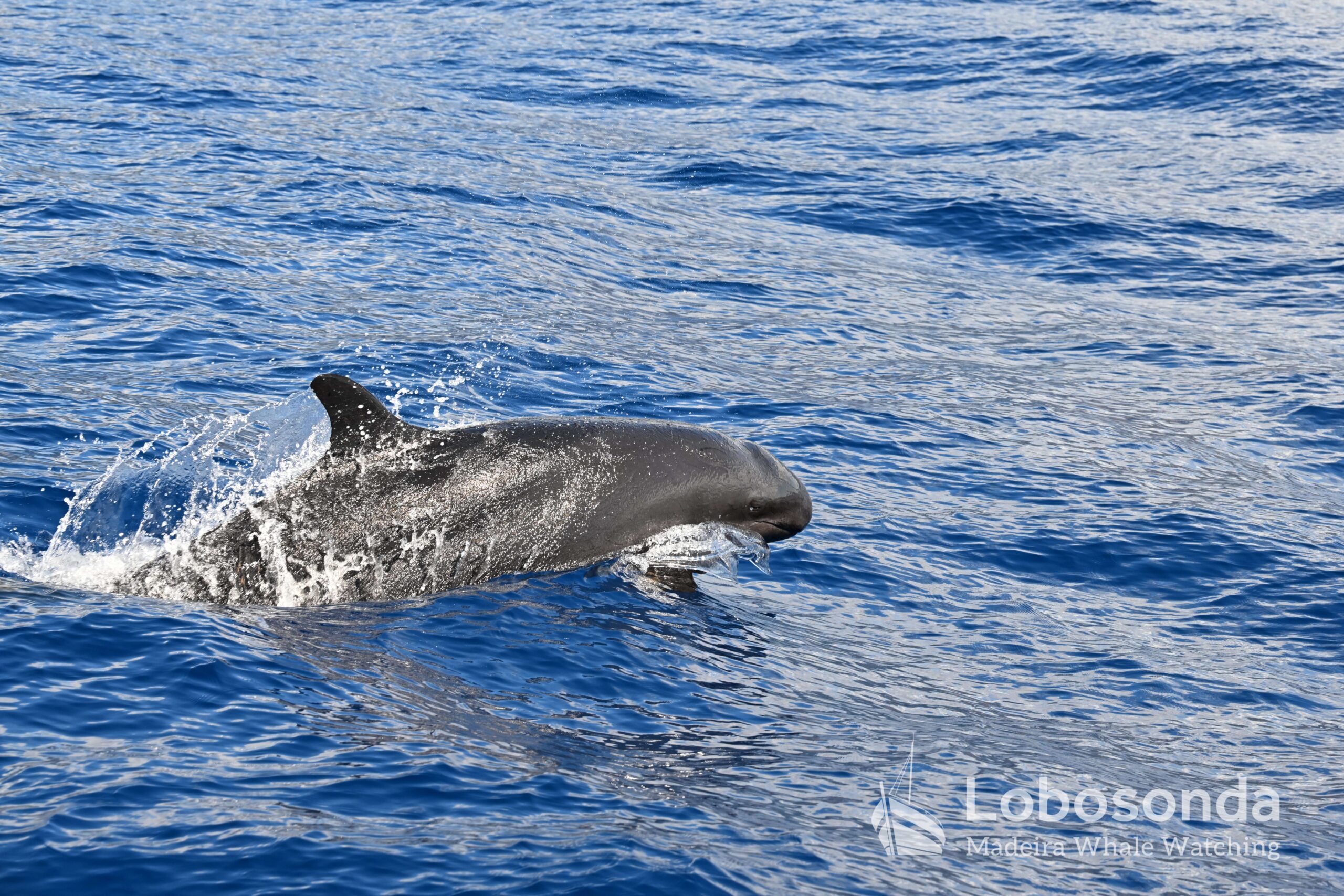
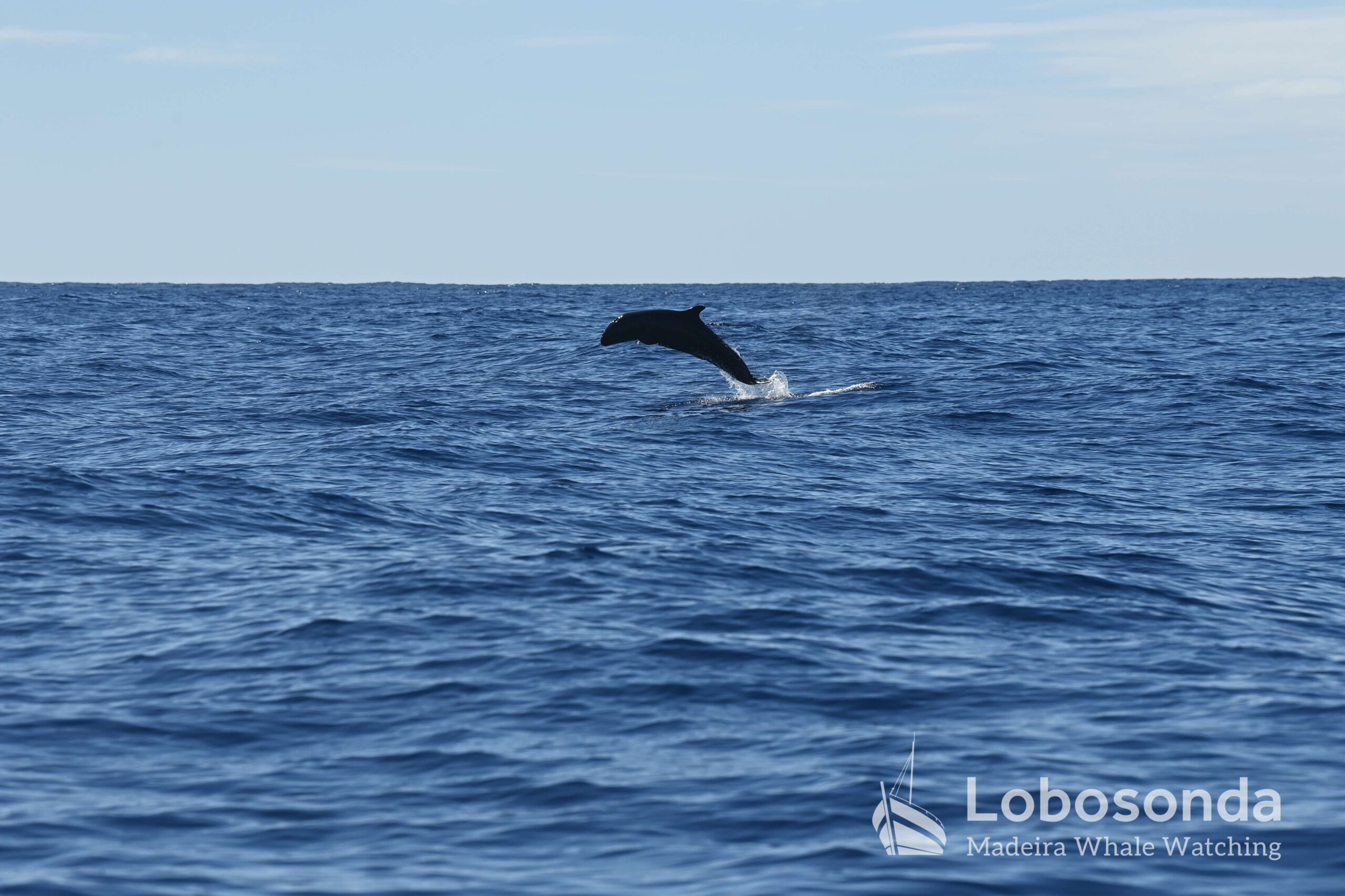
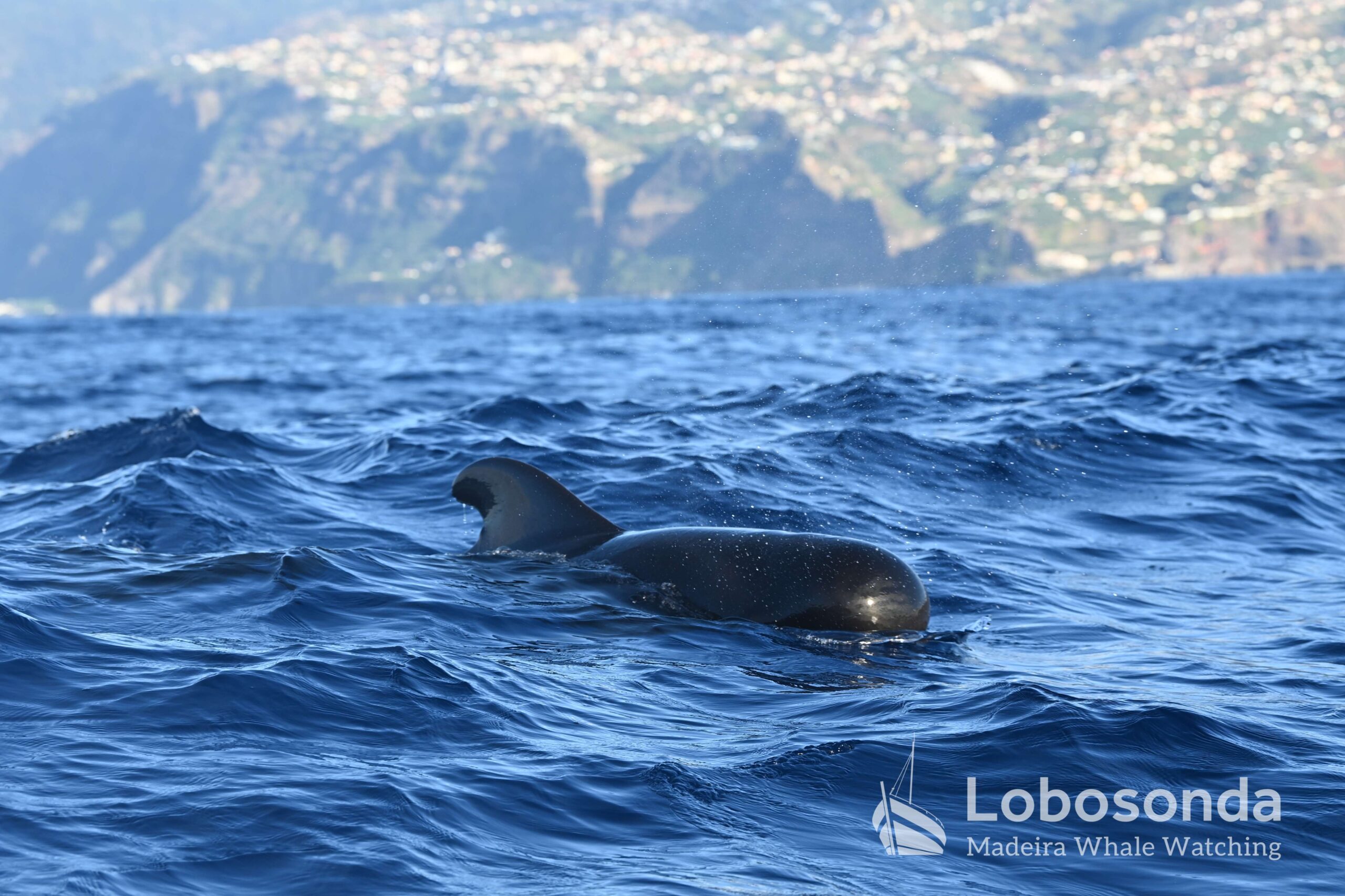
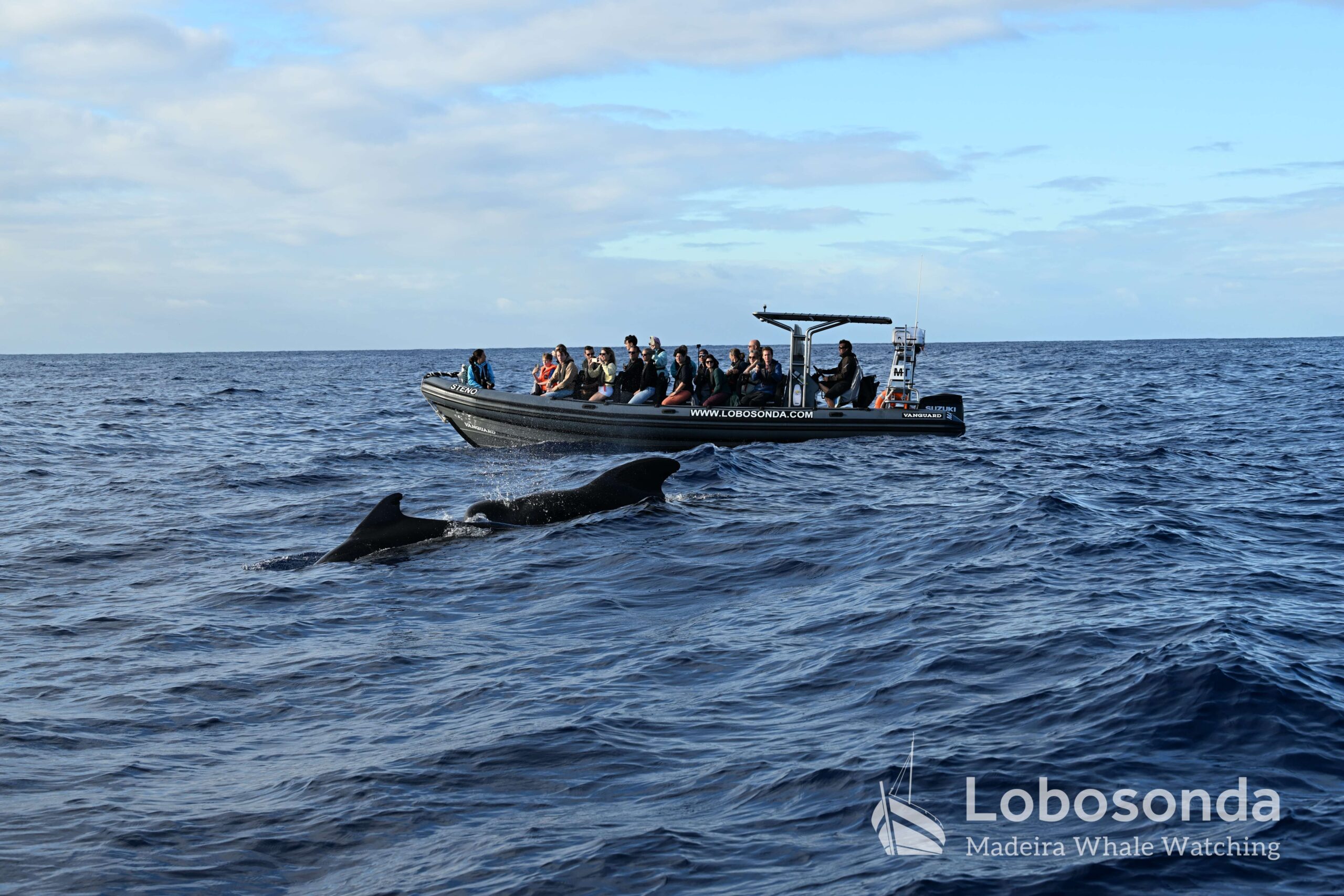
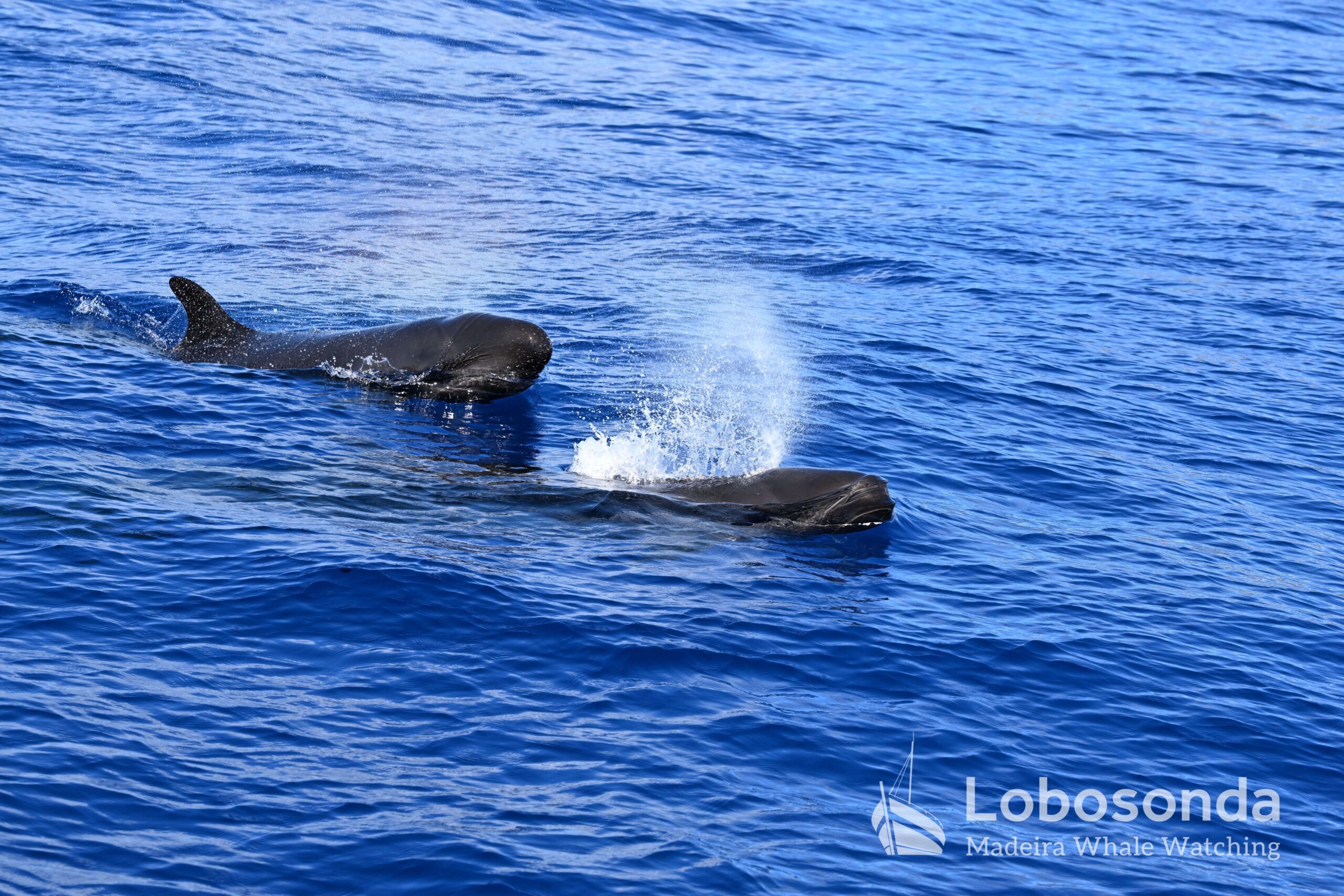
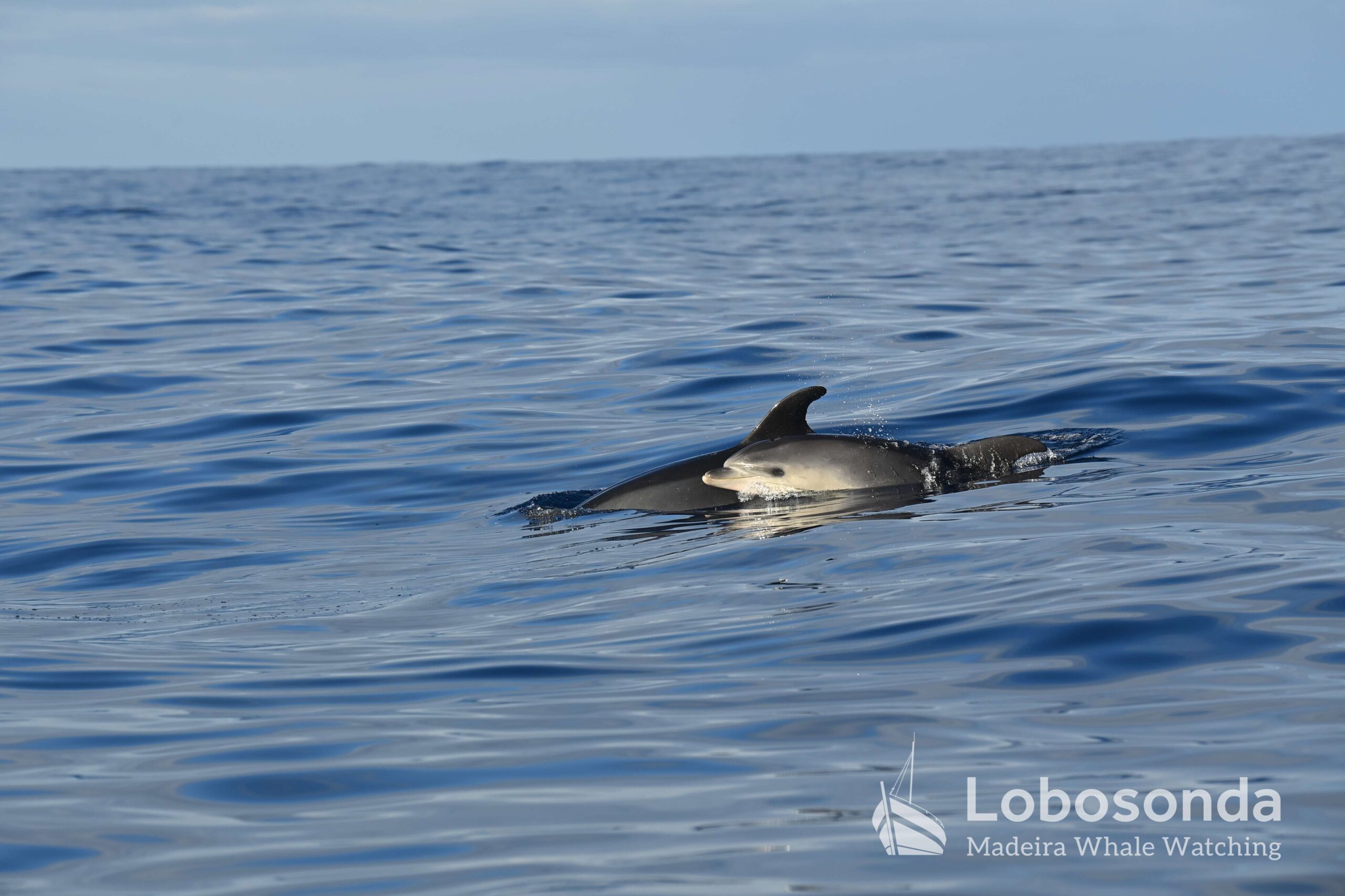
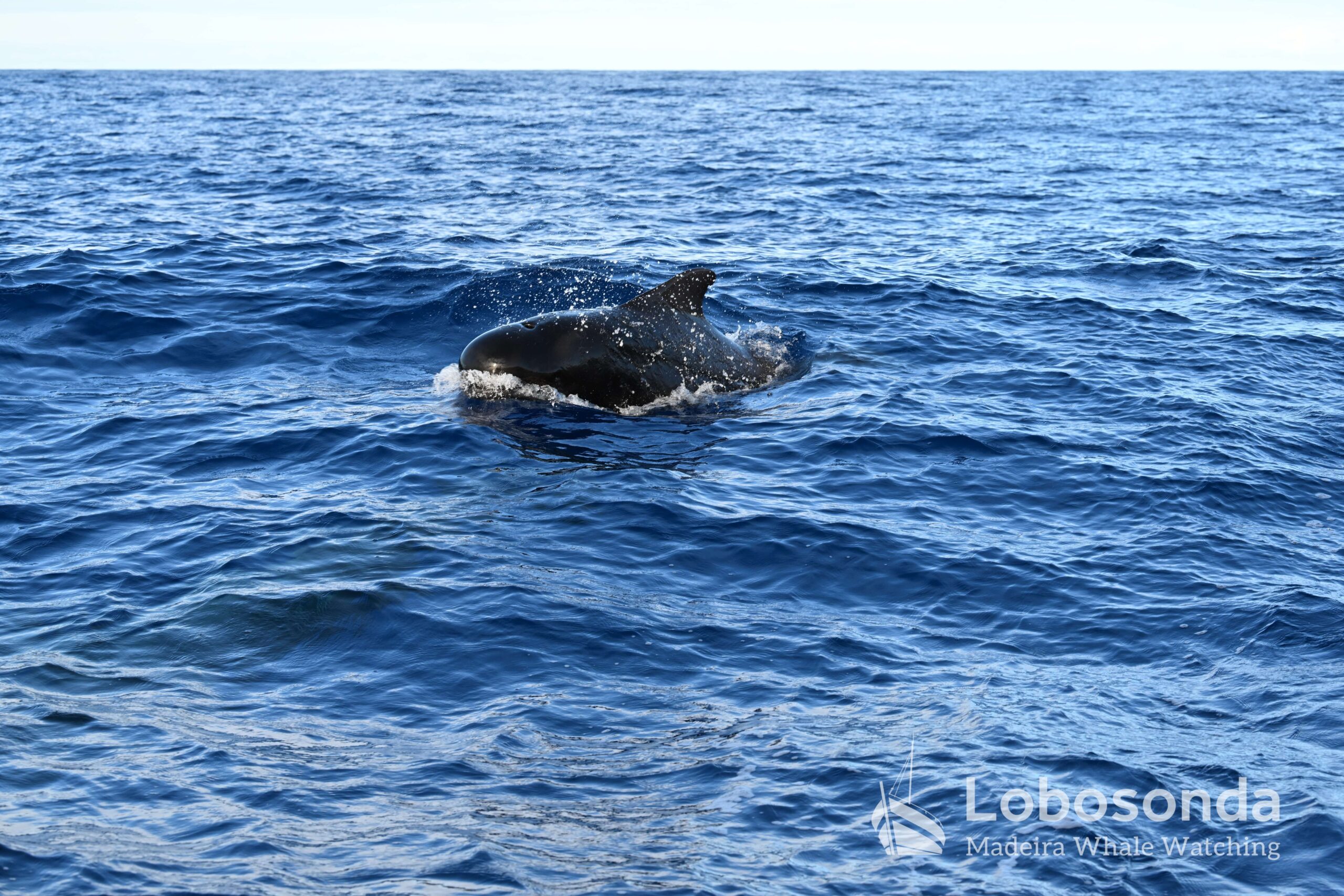
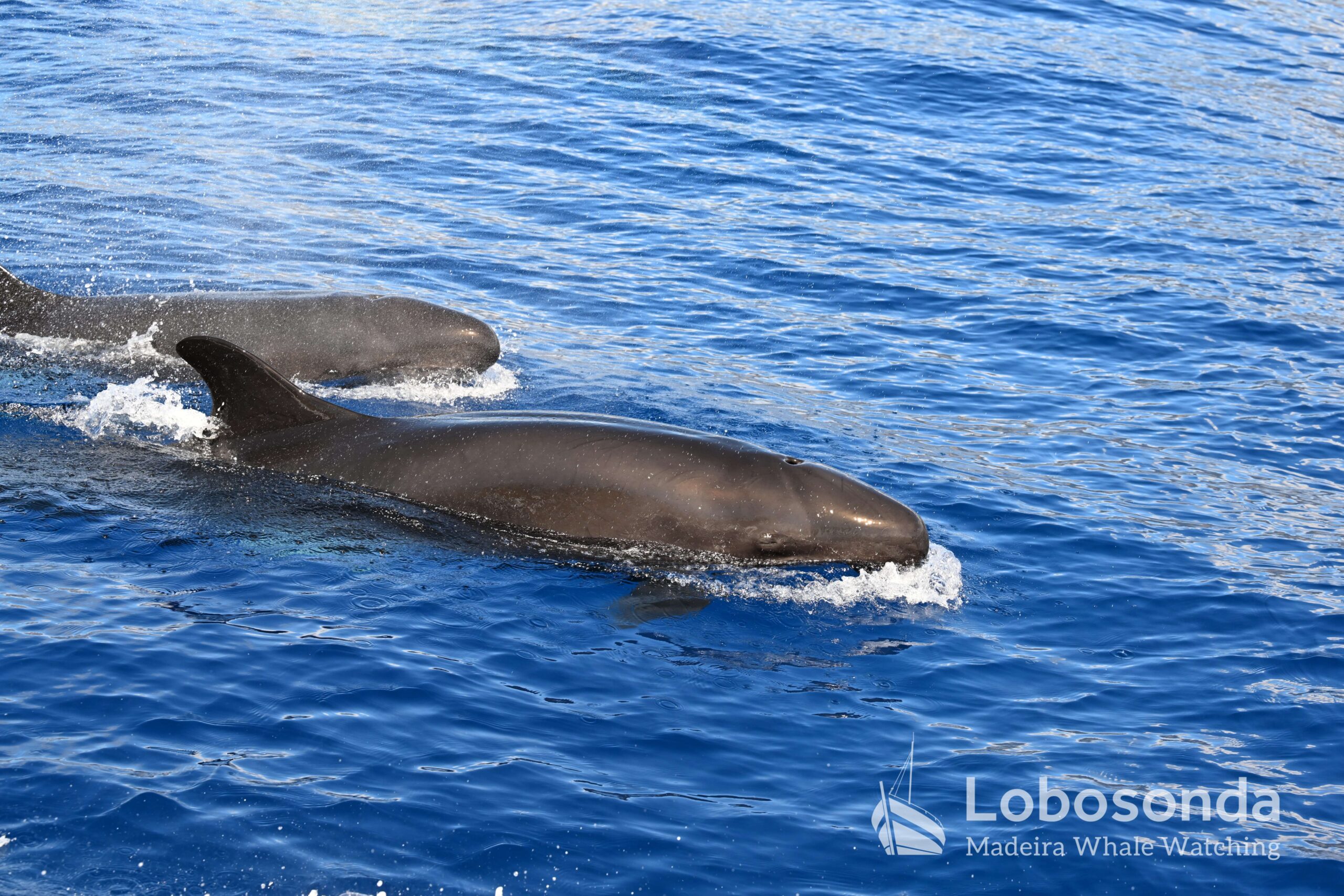
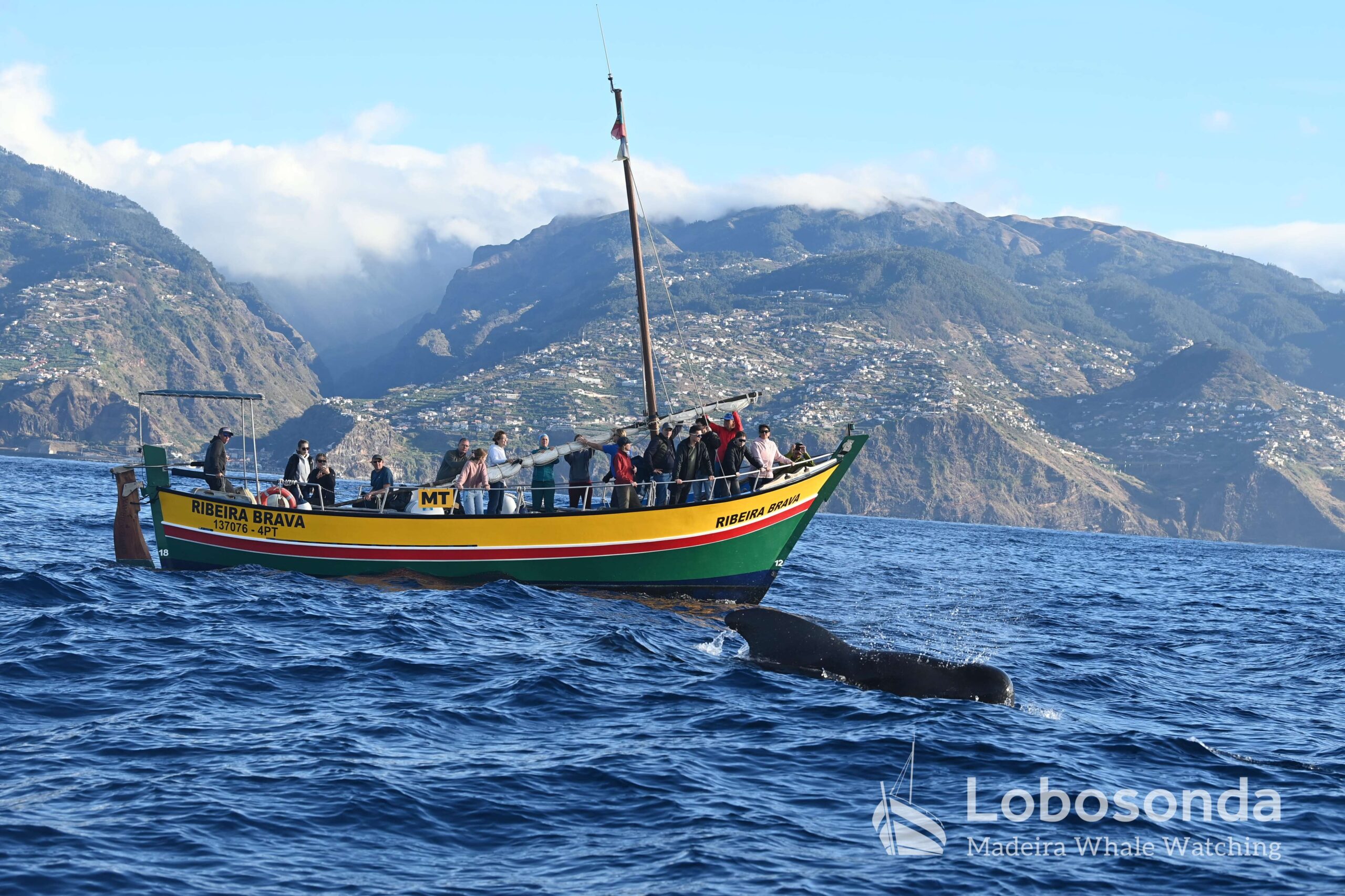
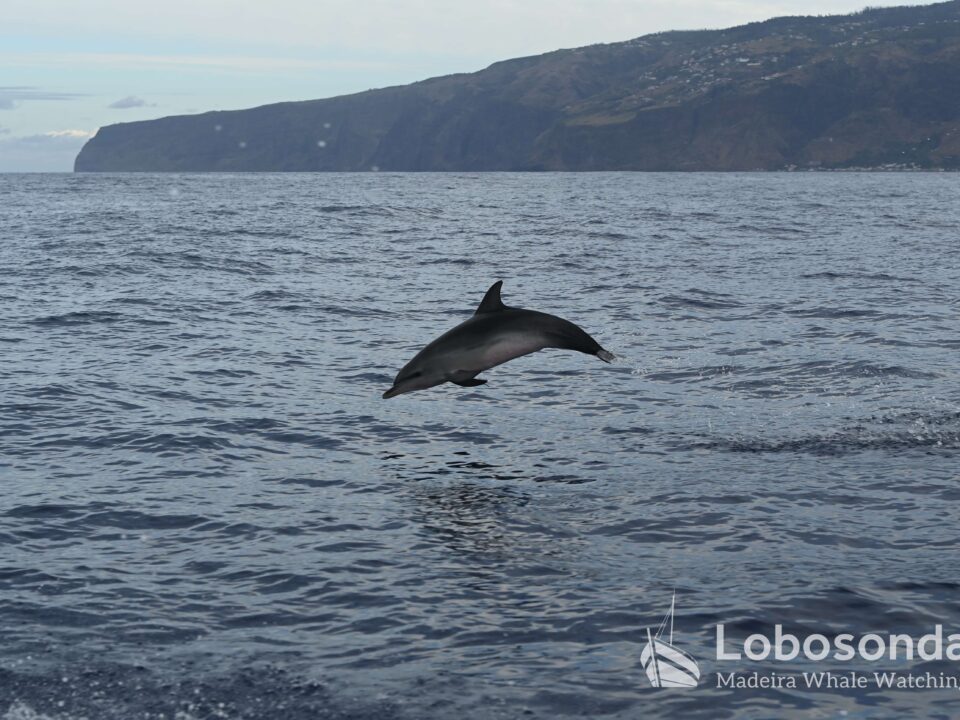
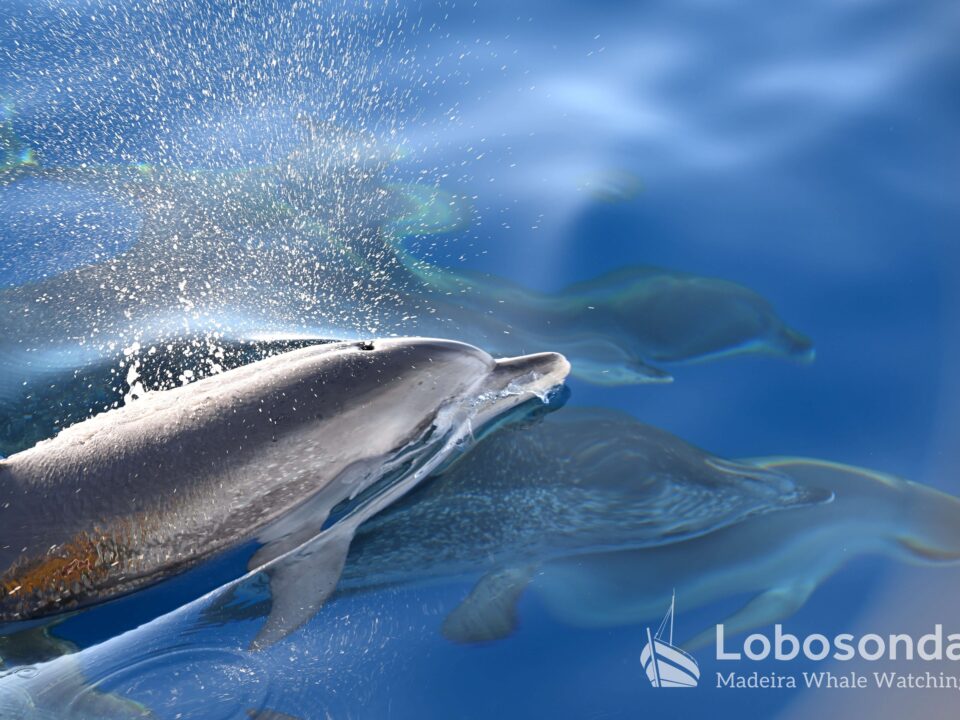
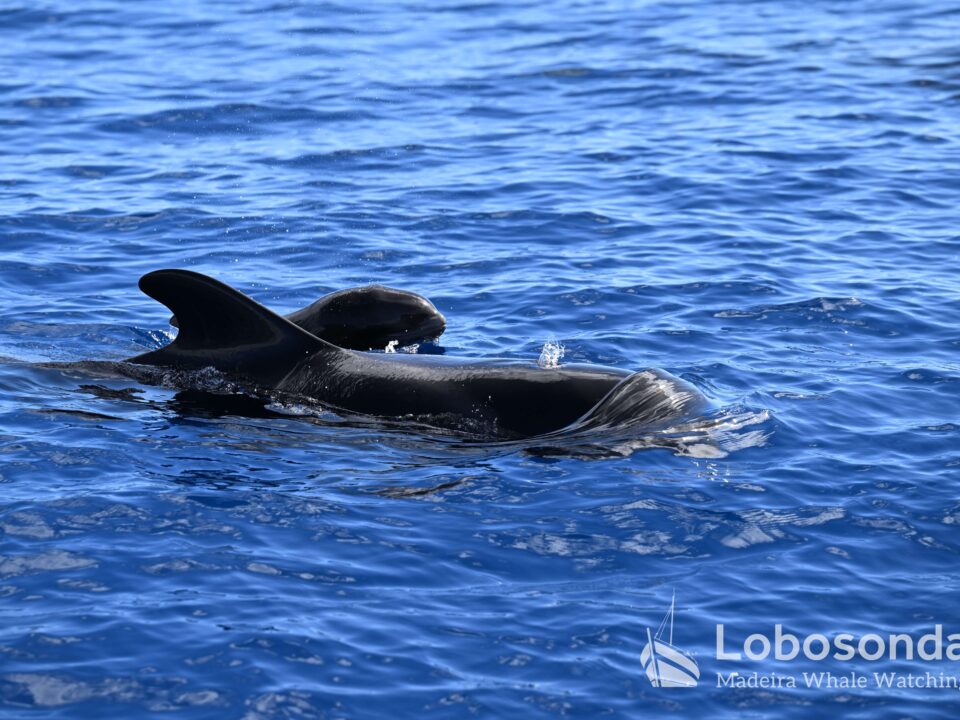
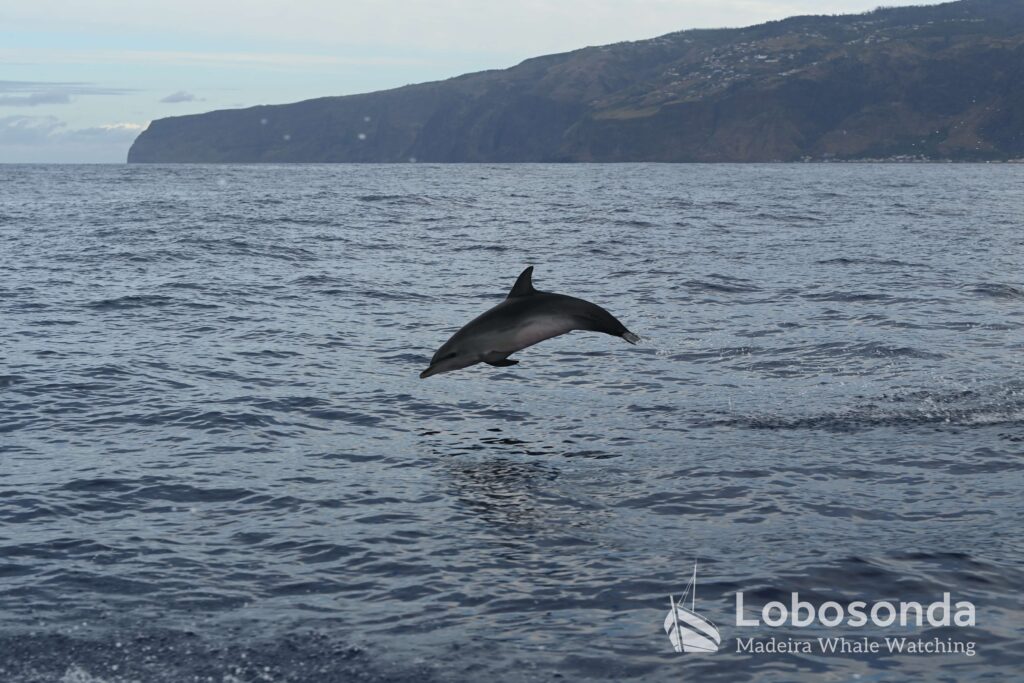
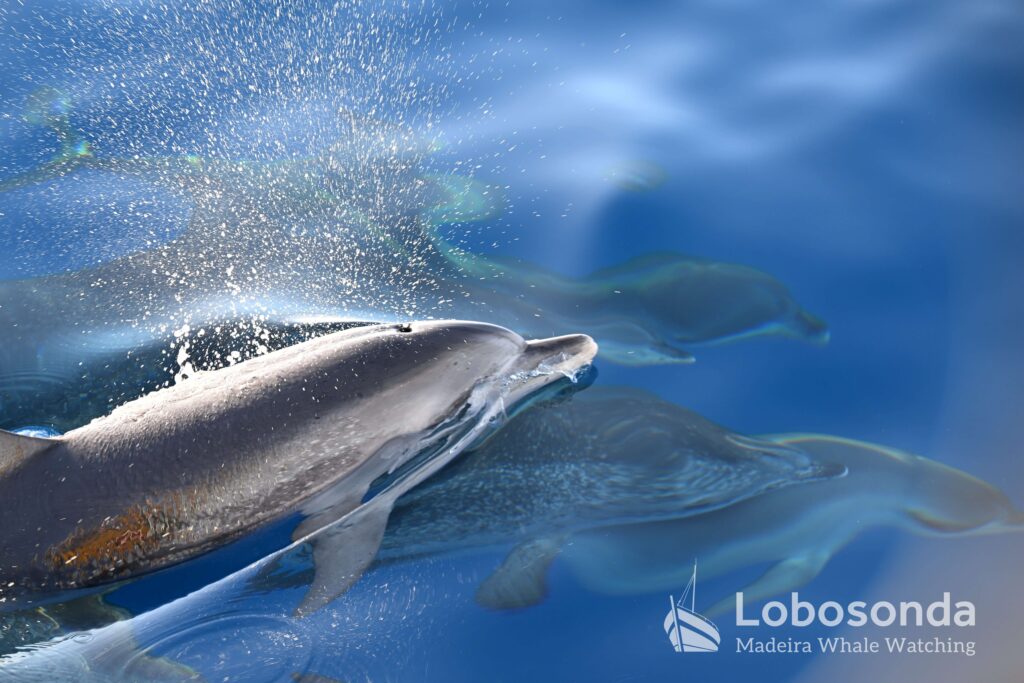
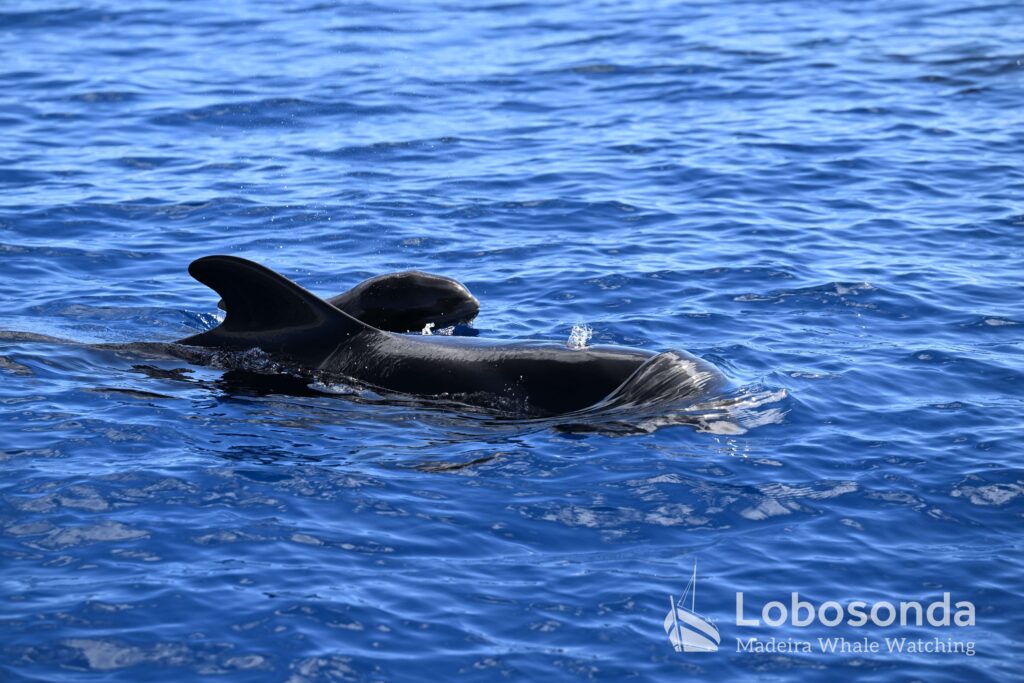
Our morning trip brought us two fascinating cetacean species: bottlenose dolphins (Tursiops truncatus) and short-finned pilot whales (Globicephala macrorhynchus).
Seeing these two species during the same trip was a wonderful start to our day on the Atlantic waters around Madeira, offering a glimpse of the remarkable marine wildlife that inhabits this region.
Our afternoon trip brought us another fascinating encounter: the false killer whale (Pseudorca crassidens), a large and highly social member of the oceanic dolphin family, (Delphinidae).
Despite its name, the false killer whale is not a true whale. It has a long, slender, dark-coloured body and can reach around 4–6 metres in length. It inhabits tropical and temperate waters worldwide, generally favouring the open ocean.
False killer whales are active predators, feeding mainly on fish and cephalopods, including large pelagic fish such as tuna. Like other toothed whales, they use echolocation to locate prey and navigate underwater through sound.
They are known for their strong social bonds, often travelling in groups and maintaining long-term relationships with other individuals. Cooperative hunting and food sharing have also been documented, making them an interesting species for scientists studying social behaviour in cetaceans.
Madeira’s deep Atlantic waters provide suitable habitat for offshore cetaceans such as false killer whales. However, sightings can be unpredictable, as their movements depend on prey availability and ocean conditions.
The species faces threats including accidental capture in fishing gear, marine pollution, and underwater noise. Responsible whale-watching helps minimise disturbance and supports greater awareness of the importance of protecting these remarkable animals and their ocean habitat.
Encountering false killer whales is a special reminder of the rich marine biodiversity surrounding Madeira and how much there is still to learn about life in the open Atlantic.
By Gemma Stockmans
Sightings of the day
Ribeira Brava
09:00 Bottlenose dolphins, Short-finned pilot whales
13:00 False killer whales
Steno
09:30 Bottlenose dolphins, Short-finned pilot whales
13:30 False killer whales