27.03.2026 – A sense for the ocean
April 2, 2026
30.03.2026 – Human watcher
April 5, 2026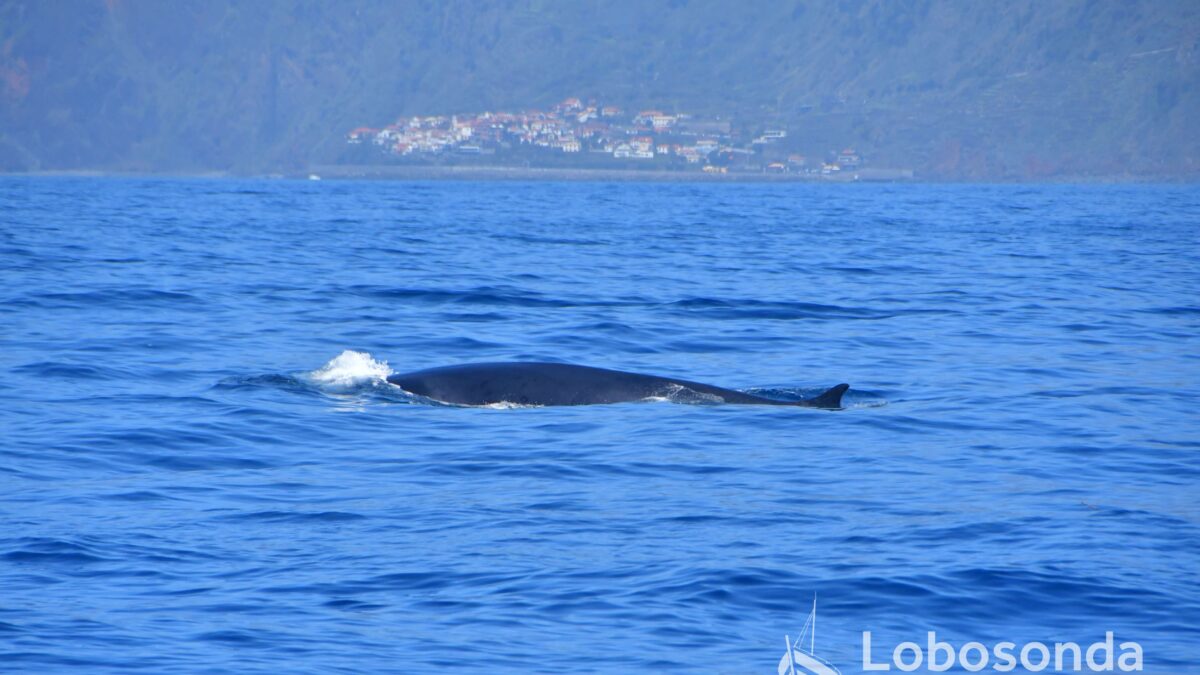
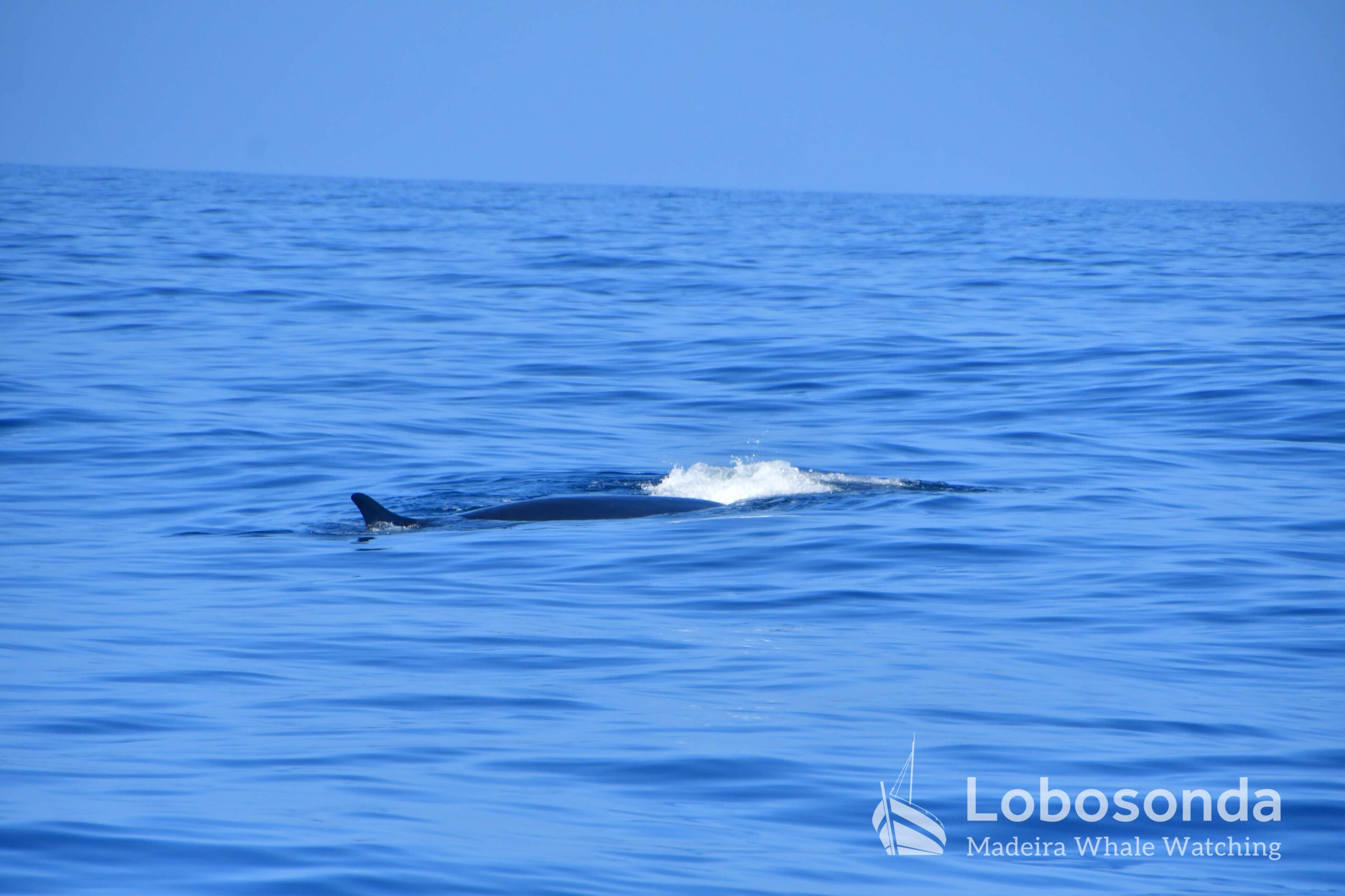
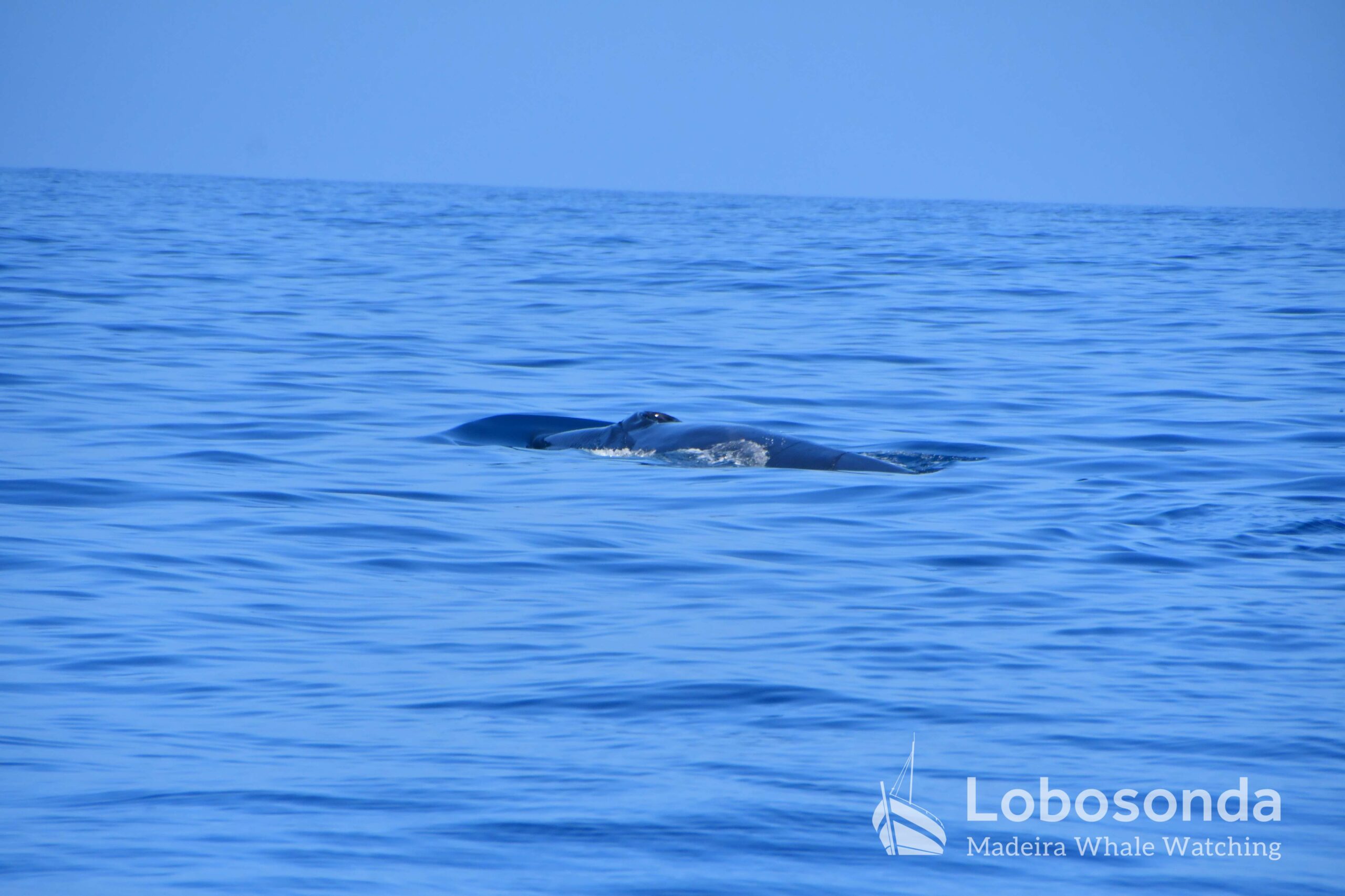
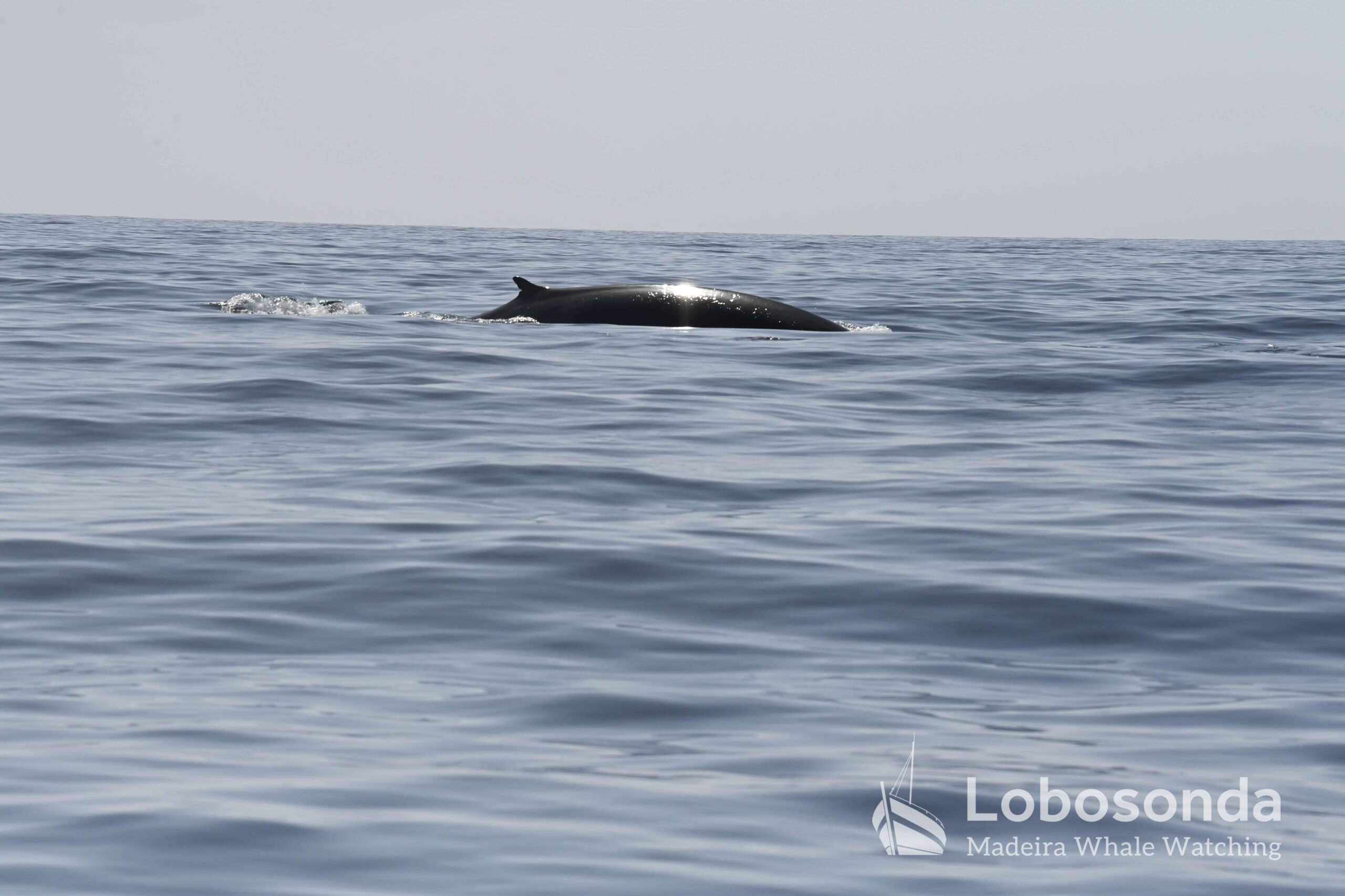
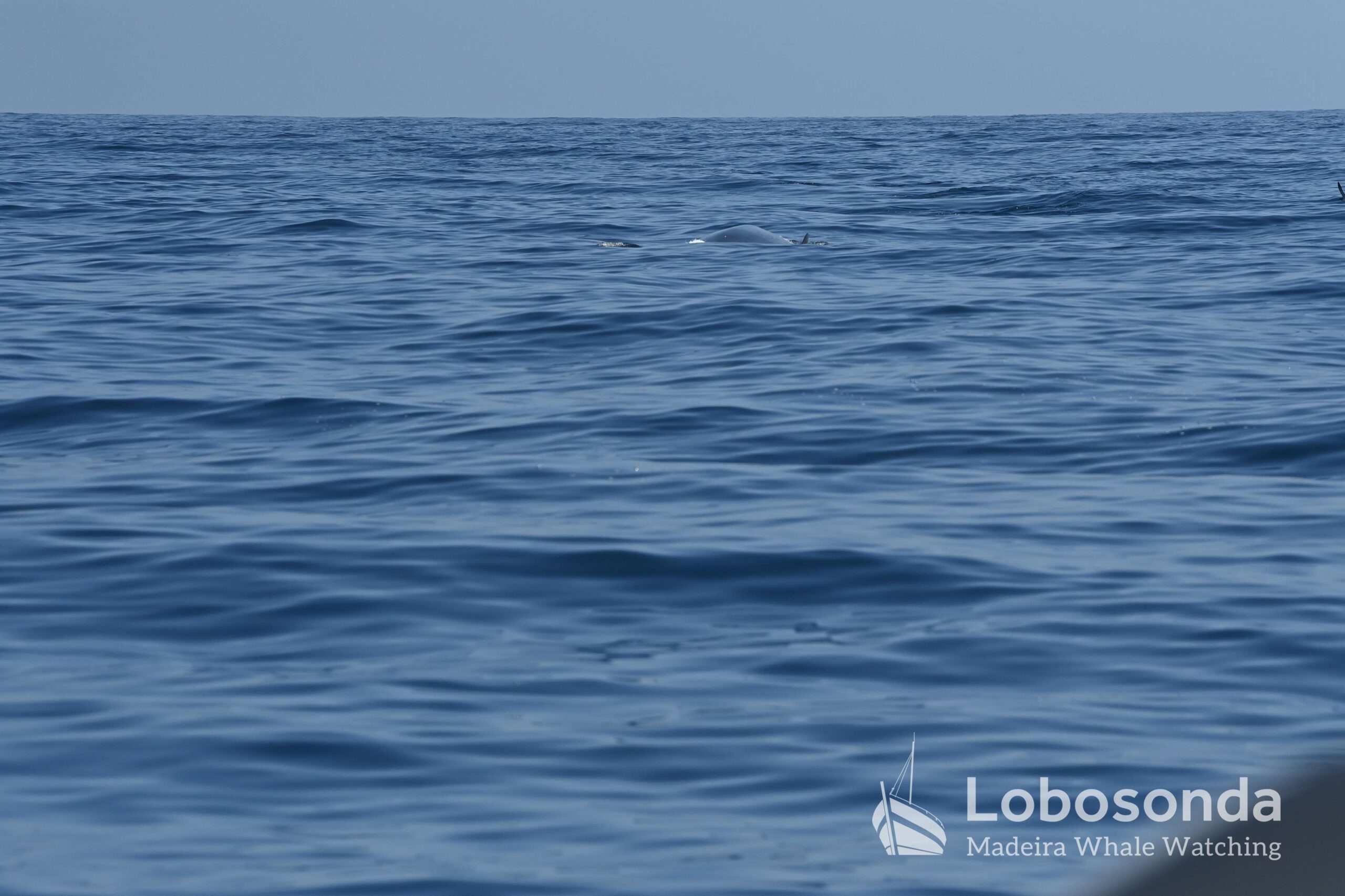
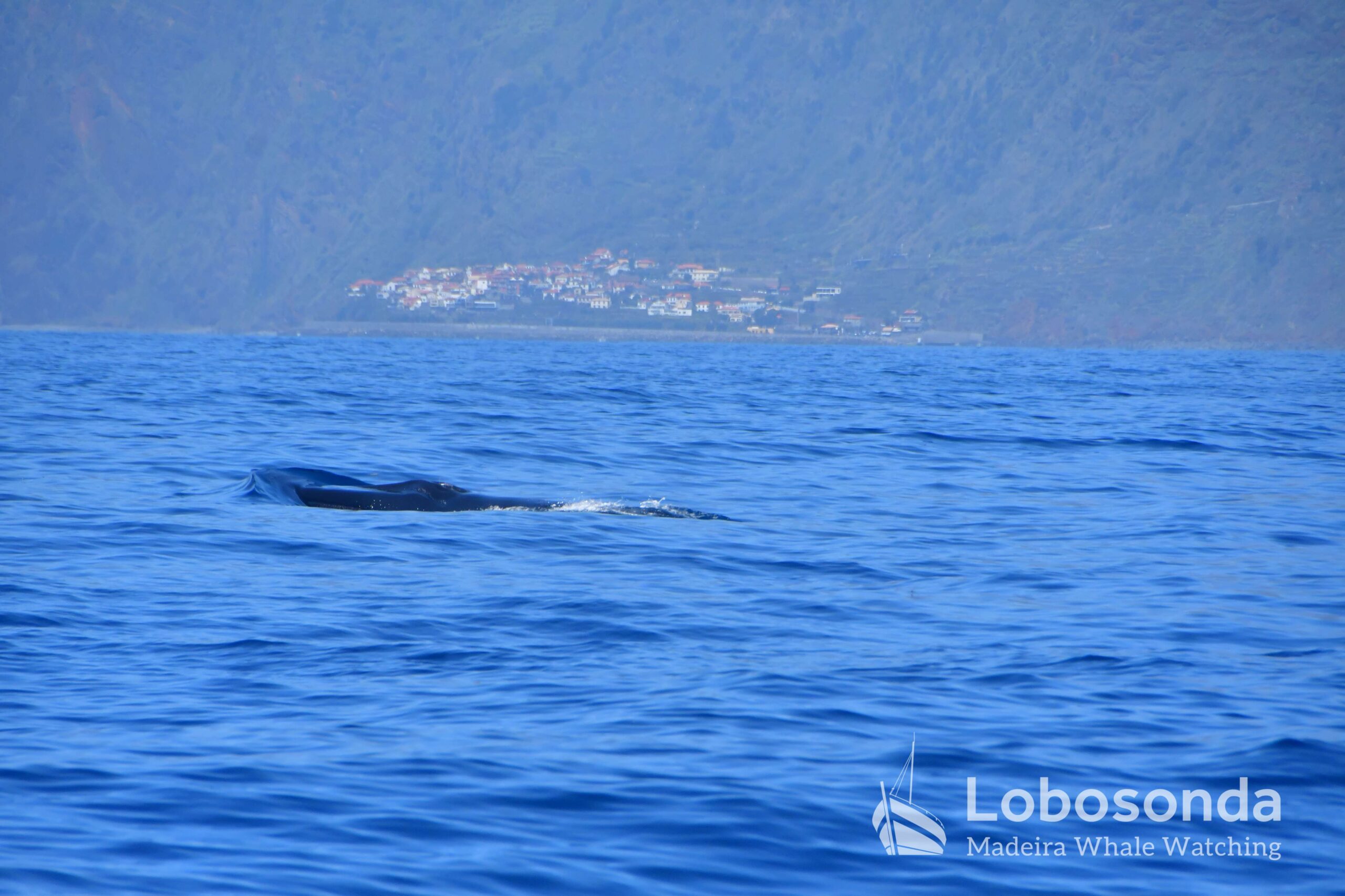
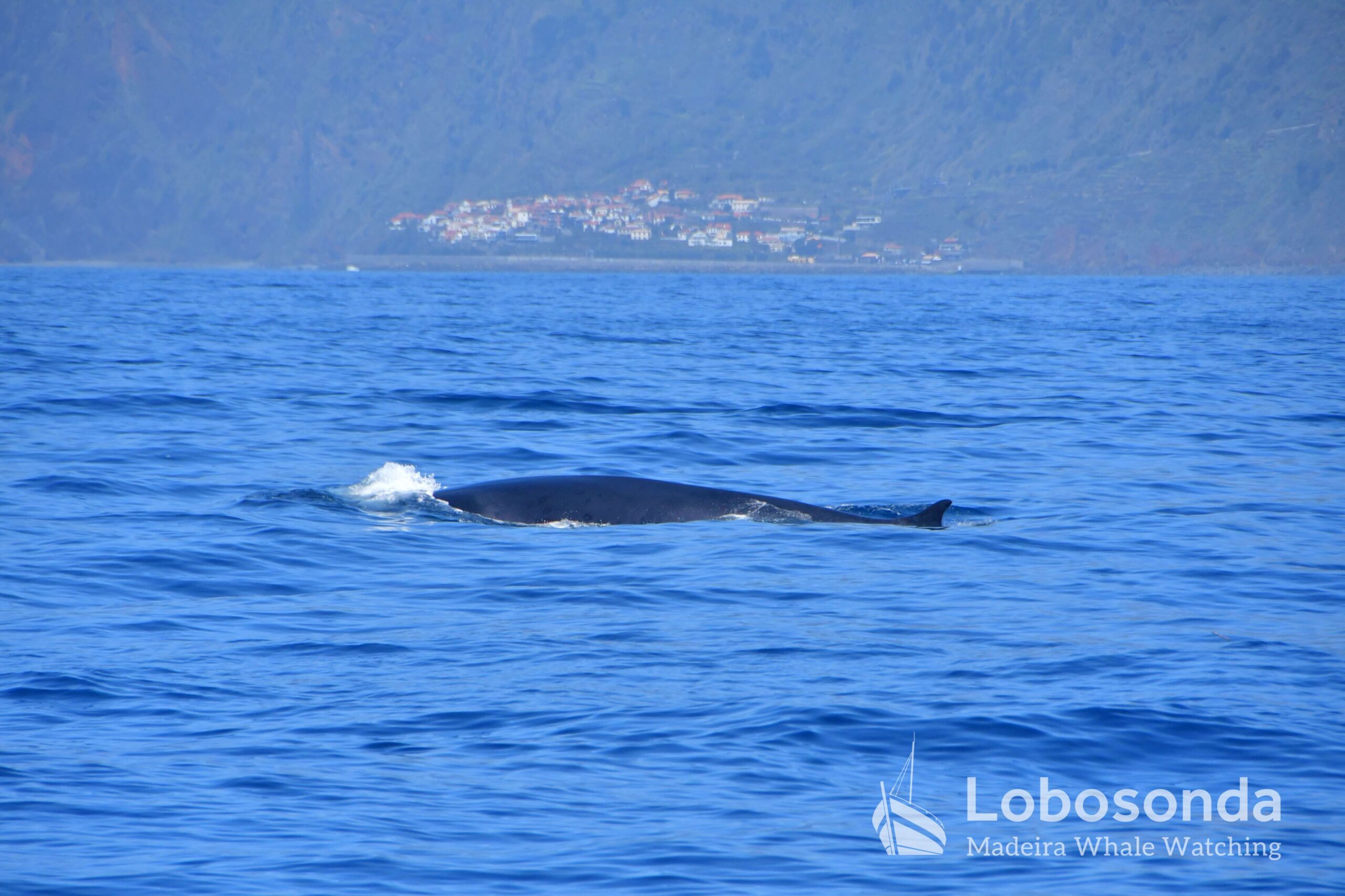
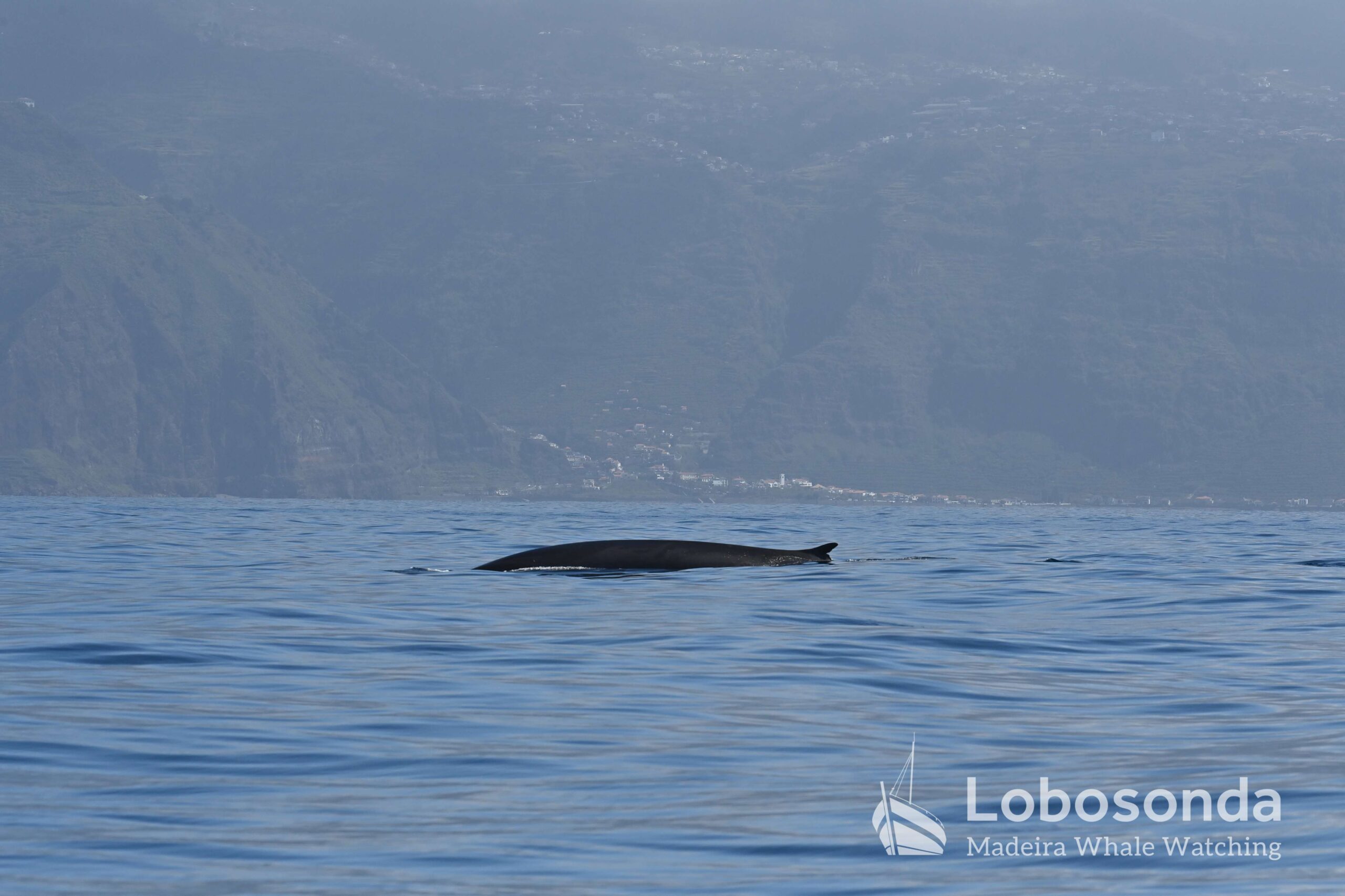
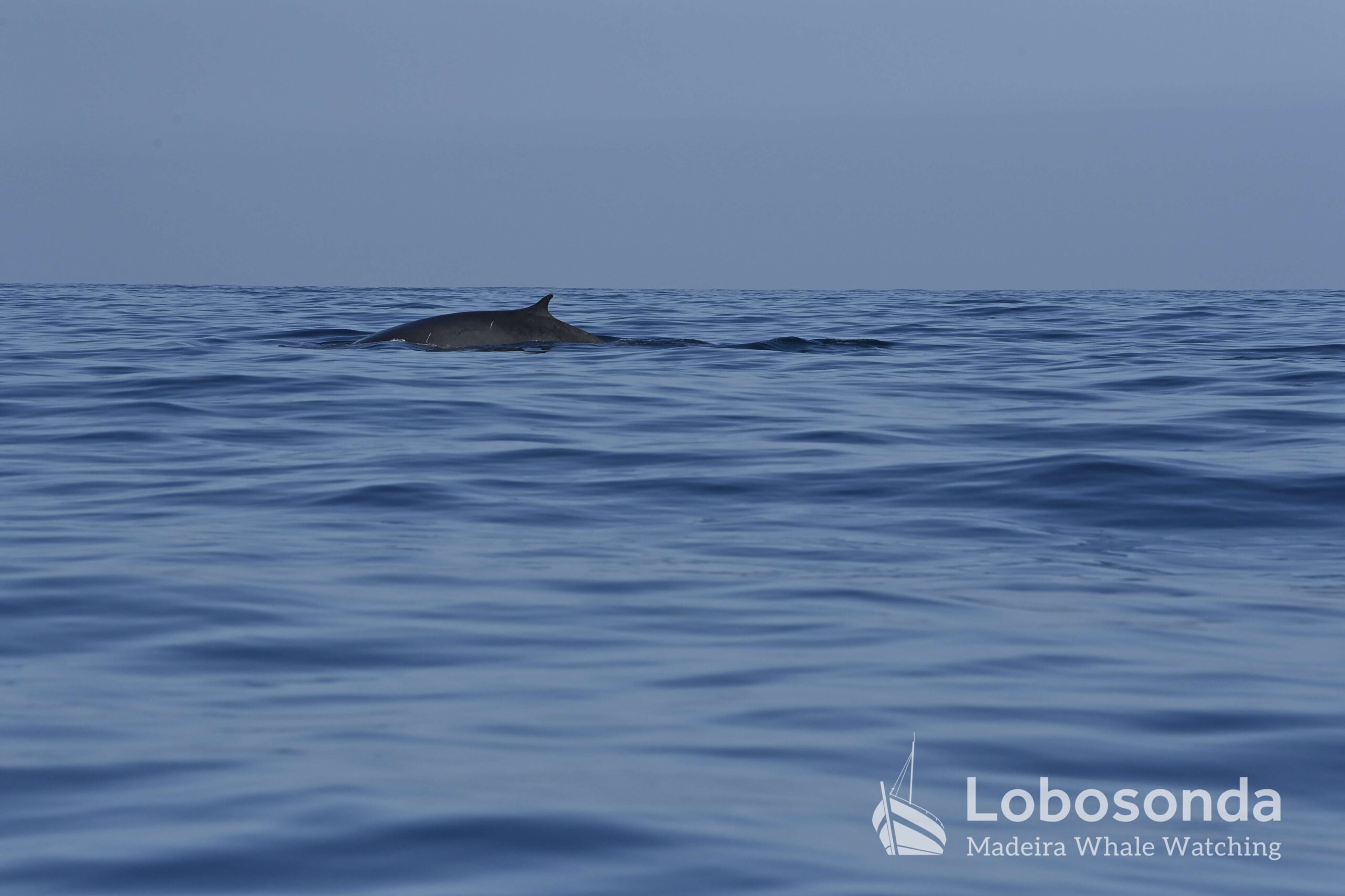
Today was an incredibly lucky day. We encountered the second-largest animal on the planet — the Fin whale (Balaenoptera physalus) — and not just one, but two: a mother and her calf.
With only around 100,000 individuals left worldwide, this was a truly special sighting. Carlos, our spotter, first located them during our morning trip, and we were fortunate enough to see them again in the afternoon.
It turned into an exciting waiting game, watching and wondering when and where they would surface next. For such enormous animals, moments like this really remind you just how vast the ocean is – big enough for them to play hide and seek with ease.
Fin whales produce some of the lowest-frequency sounds among animals. Recent research in the Antarctic is even exploring the idea of using their natural vocalisations as an alternative to seismic airguns for mapping the seabed – a promising direction, as noise pollution remains a major threat to whales and dolphins.
These marine mammals rely heavily on acoustic communication—not only to stay in contact, but also for navigation, feeding, and reproduction. Because they are widely dispersed across the vast global ocean, this long-distance communication is essential. Evolution has fine-tuned their low-frequency calls to travel enormous distances—potentially hundreds of kilometers under favorable conditions. However, increasing human-made noise from shipping, military sonar, and industrial activity is disrupting this acoustic environment, interfering with their ability to communicate effectively.
By Eva Köhle
Sightings of the day
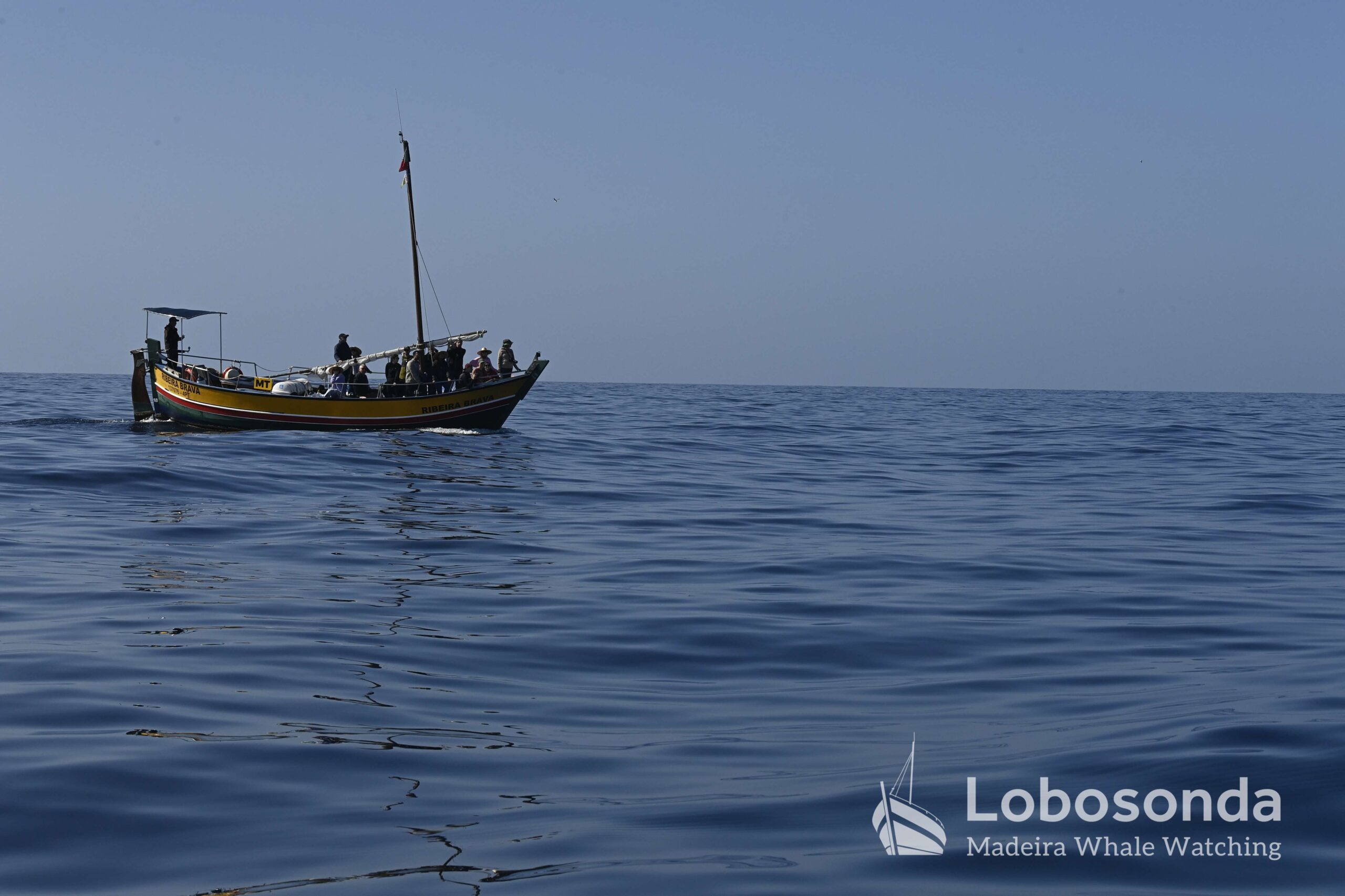
Ribeira Brava
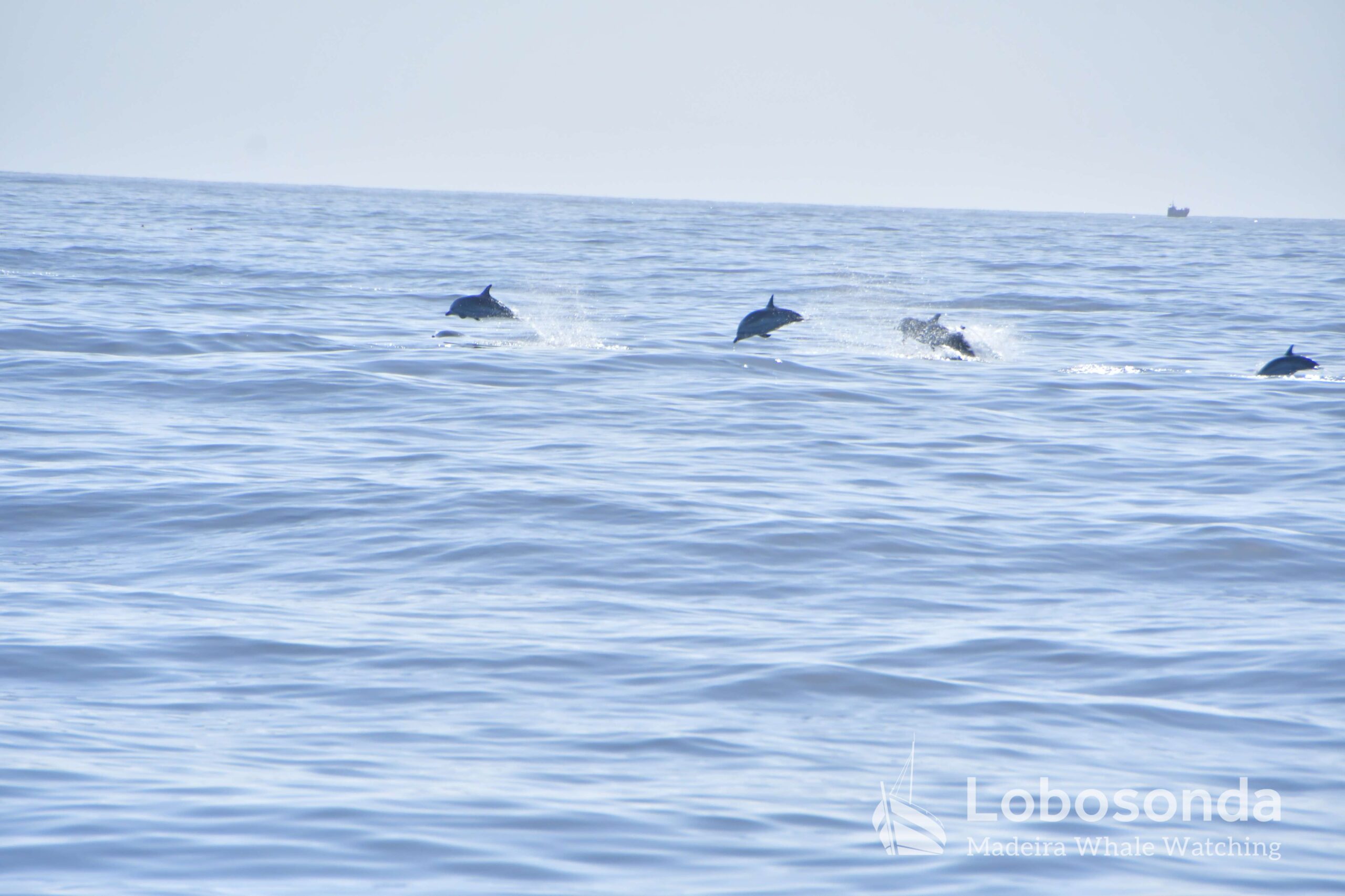
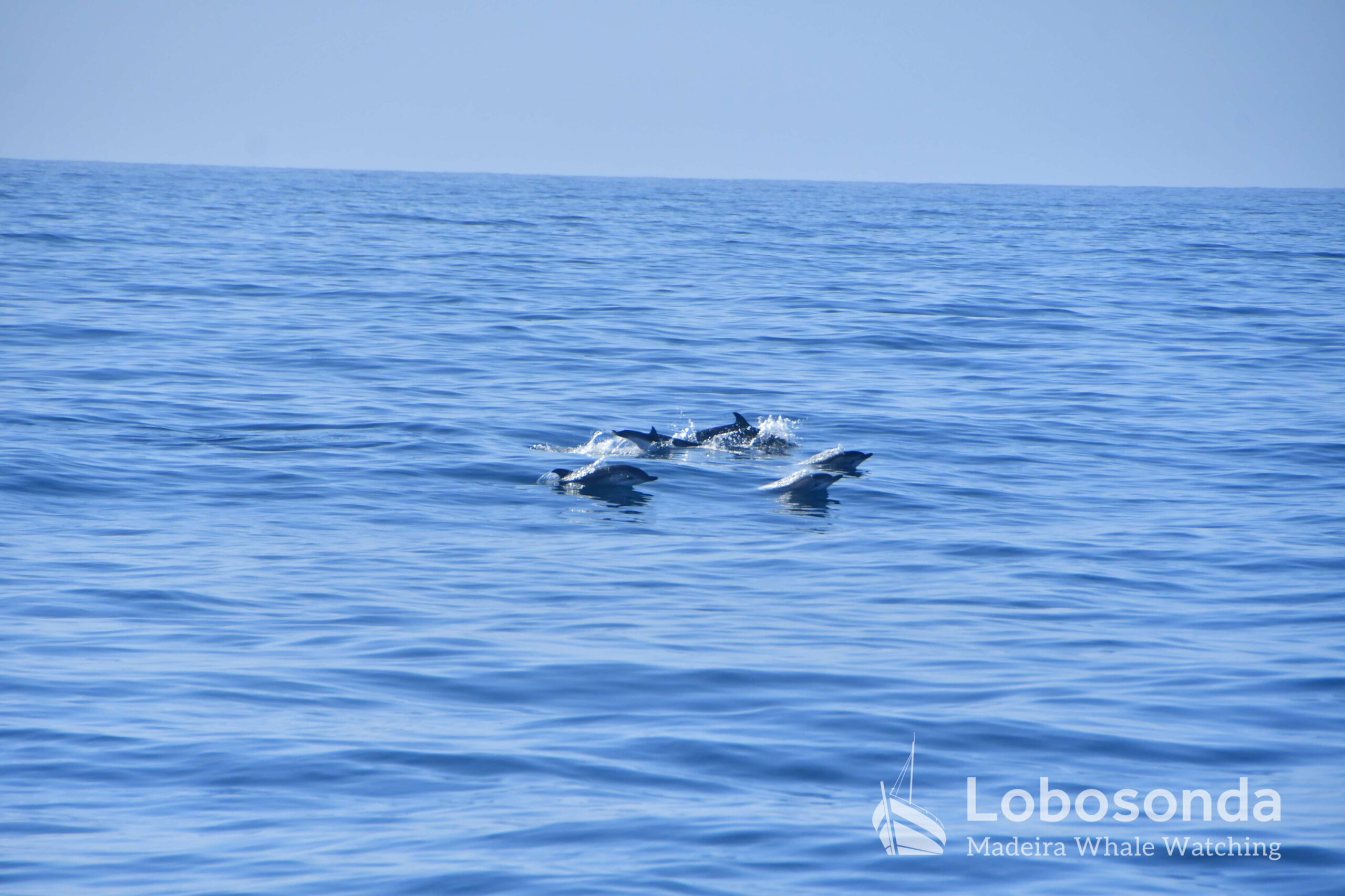
09:00 Fin Whale, Striped Dolphins
13:00 Fin Whale
Stenella
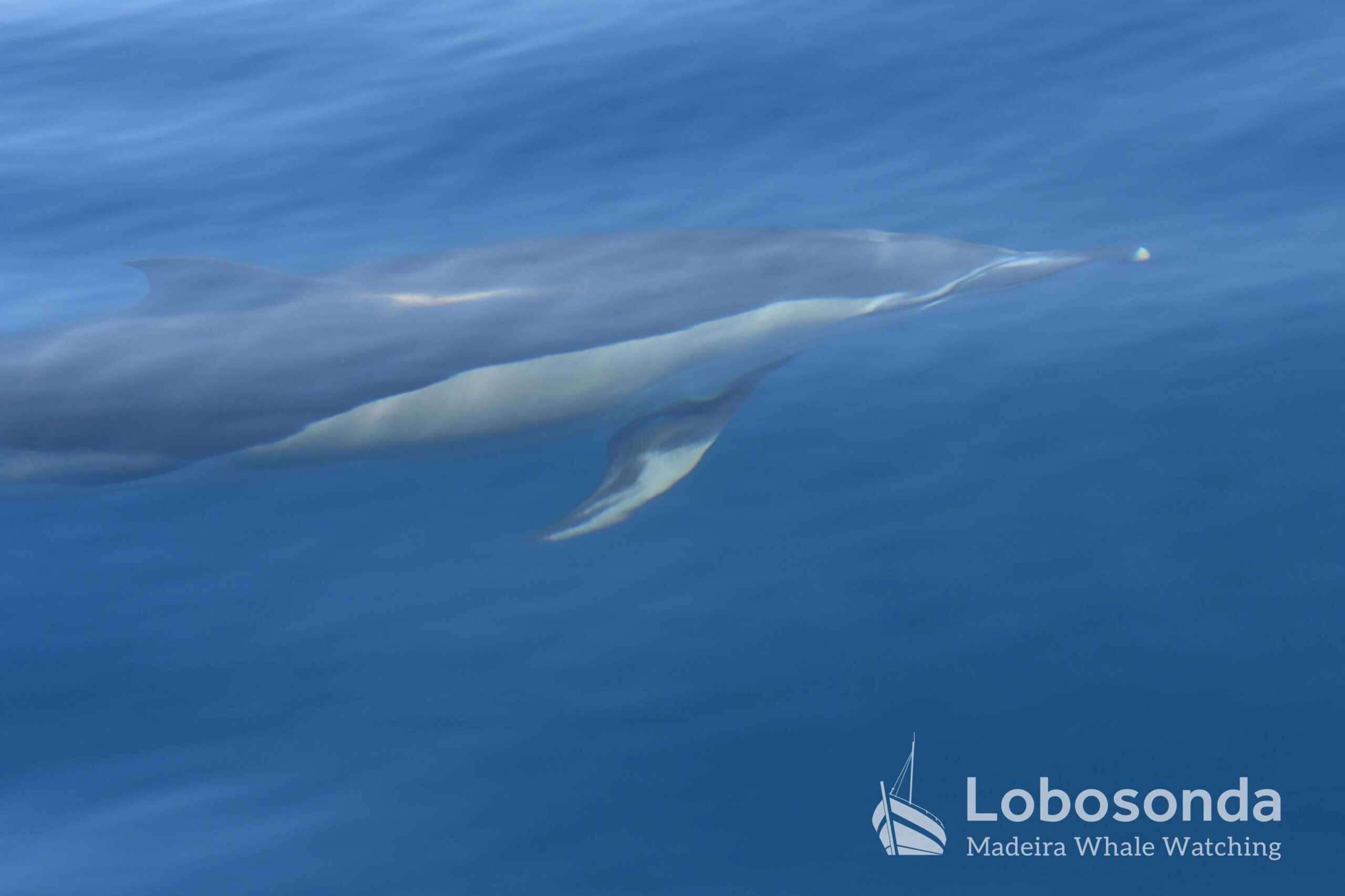
09:30 Fin Whale, Short-beaked common dolphins, Striped Dolphins
13:30 Fin Whale