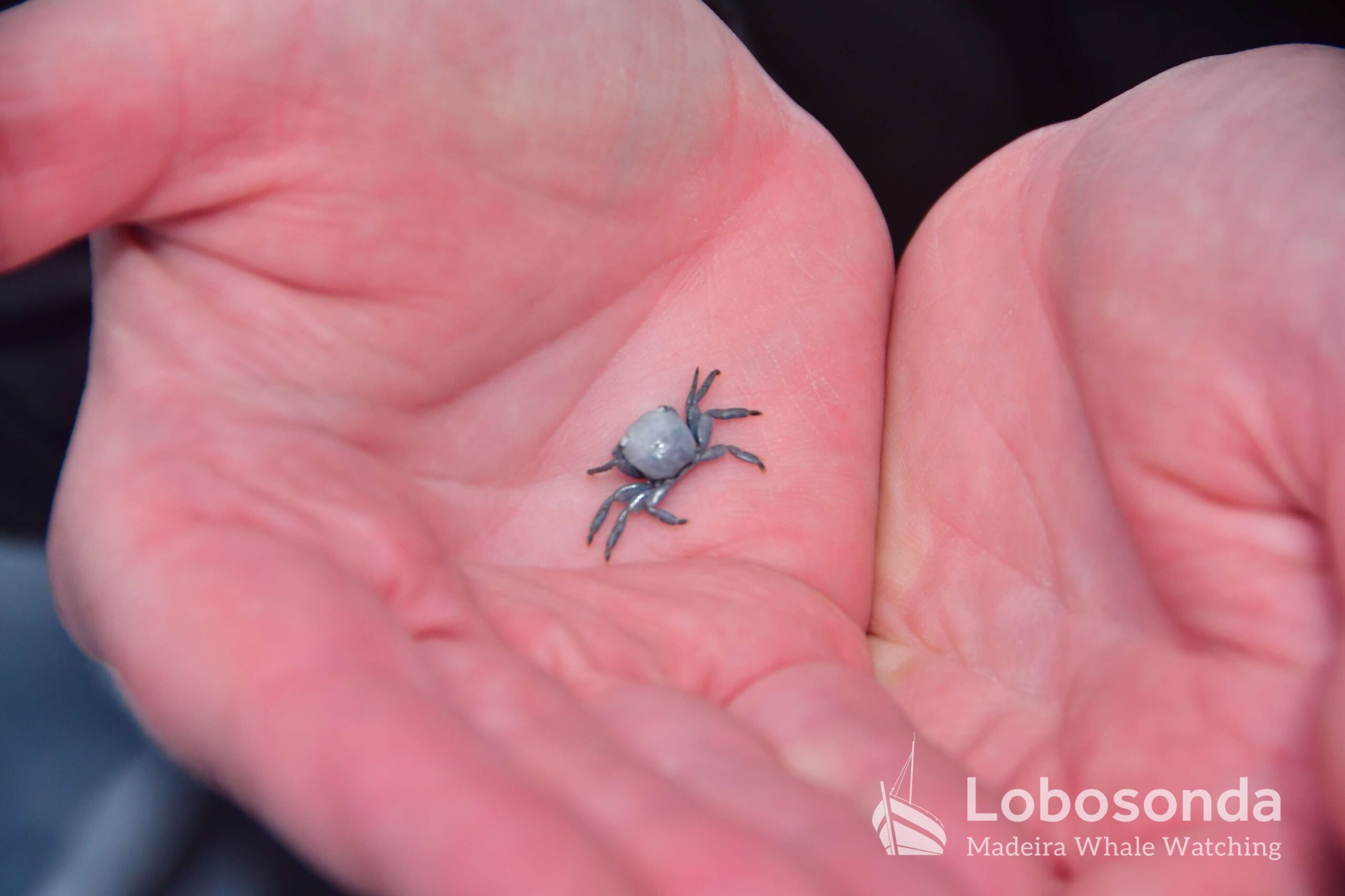
26.03.2026 – Marine Kindergarten
April 1, 2026
28.03.2026 – Sounding the Ocean
April 3, 2026
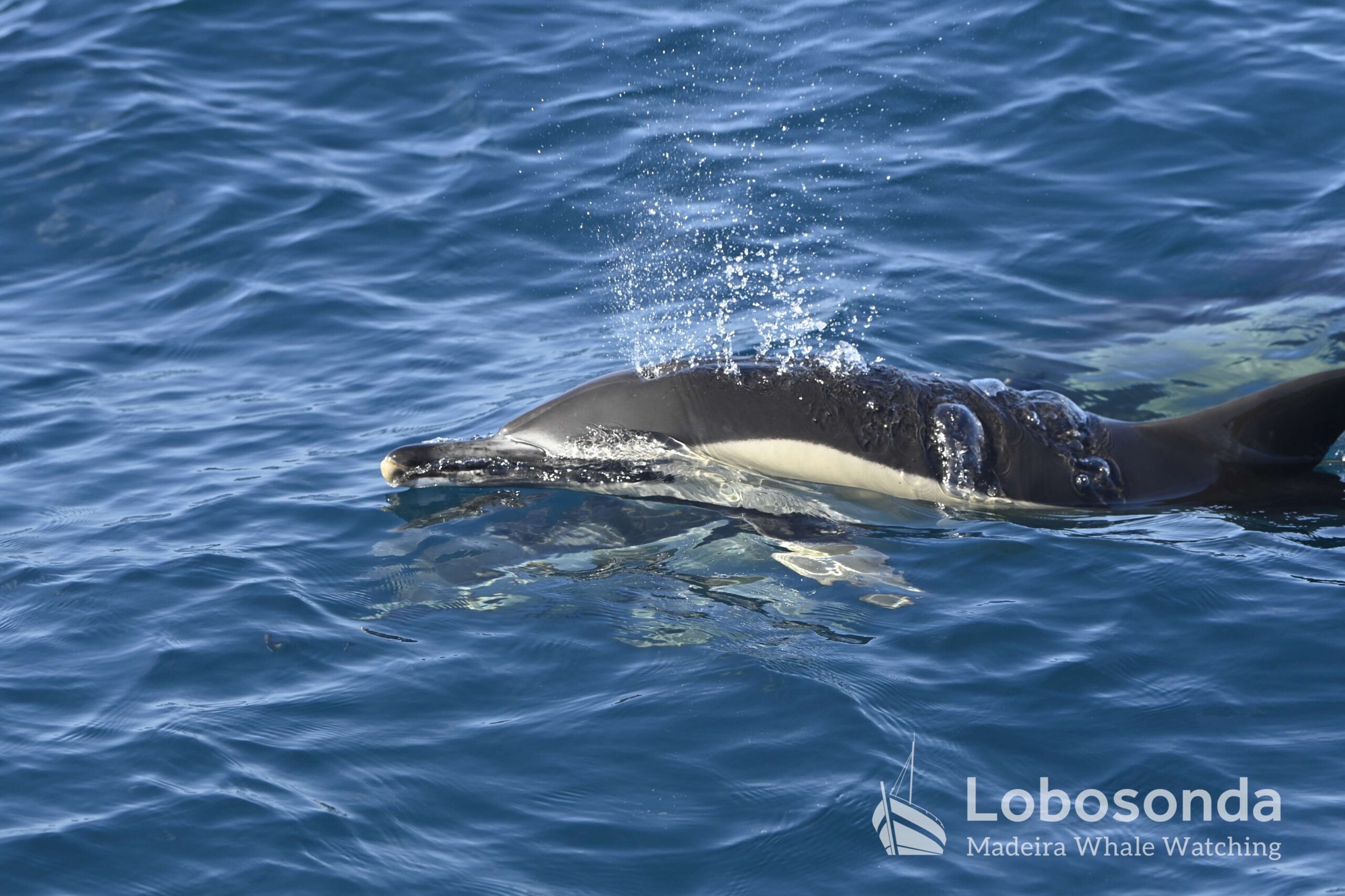
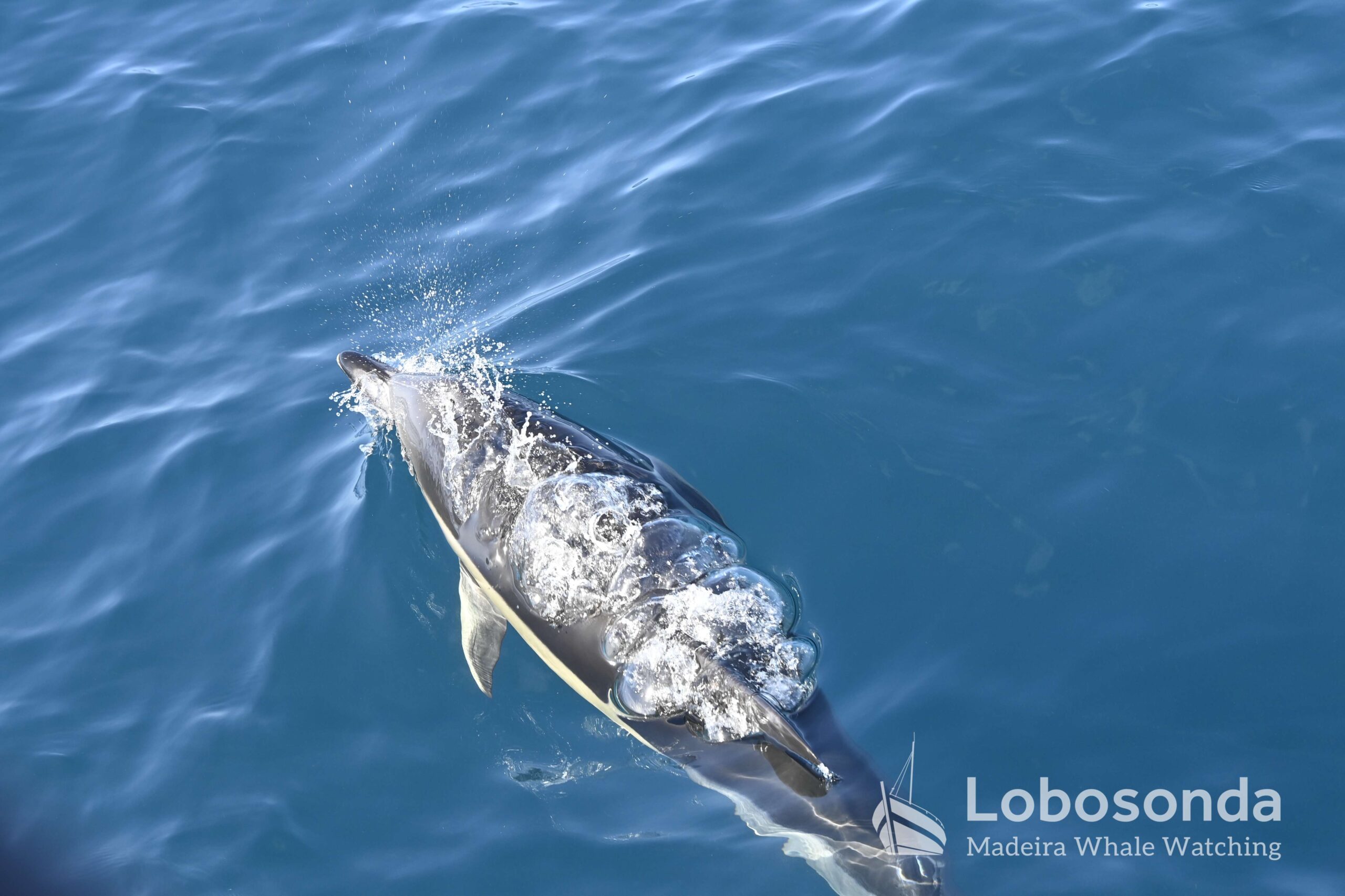
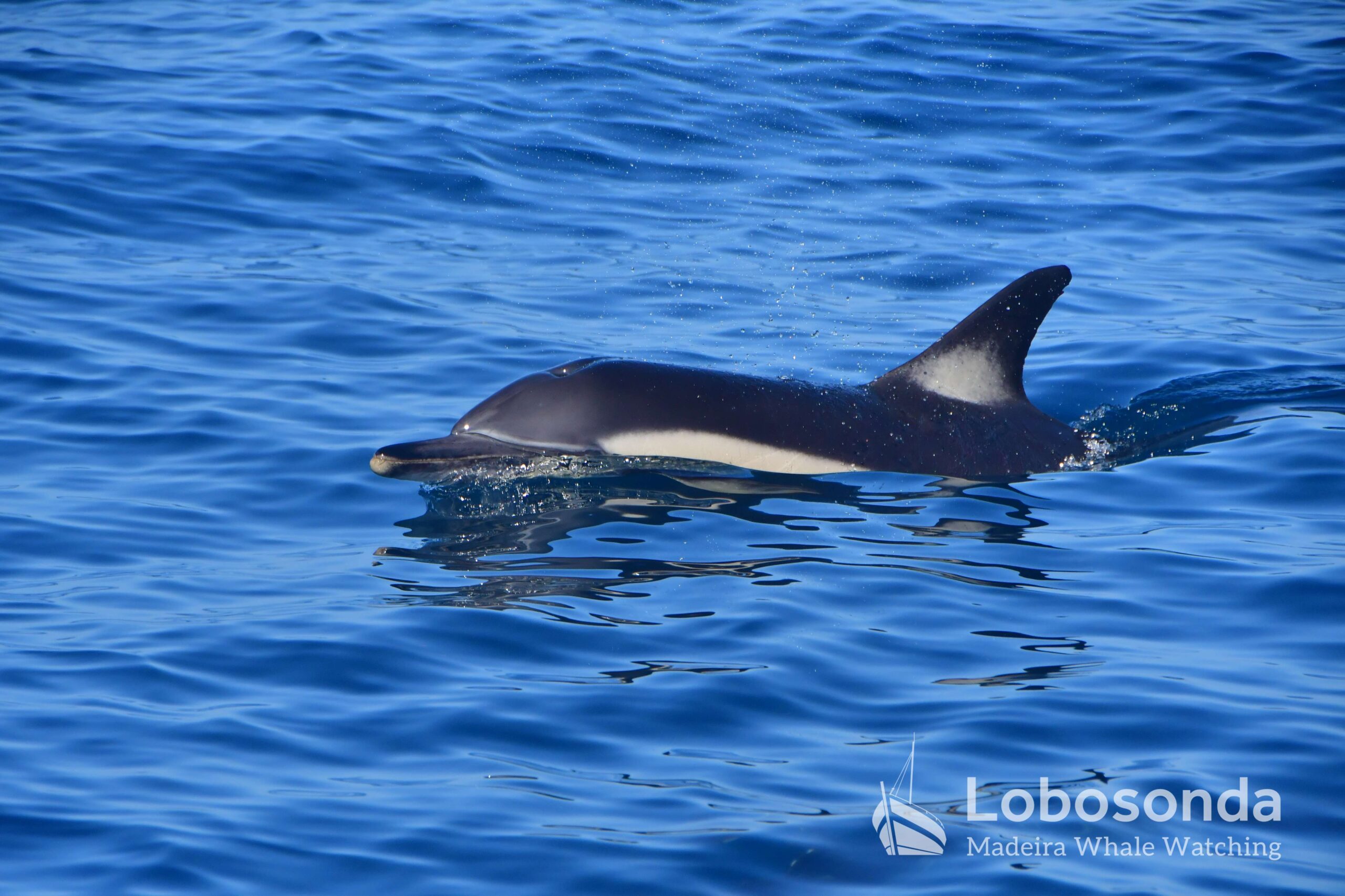
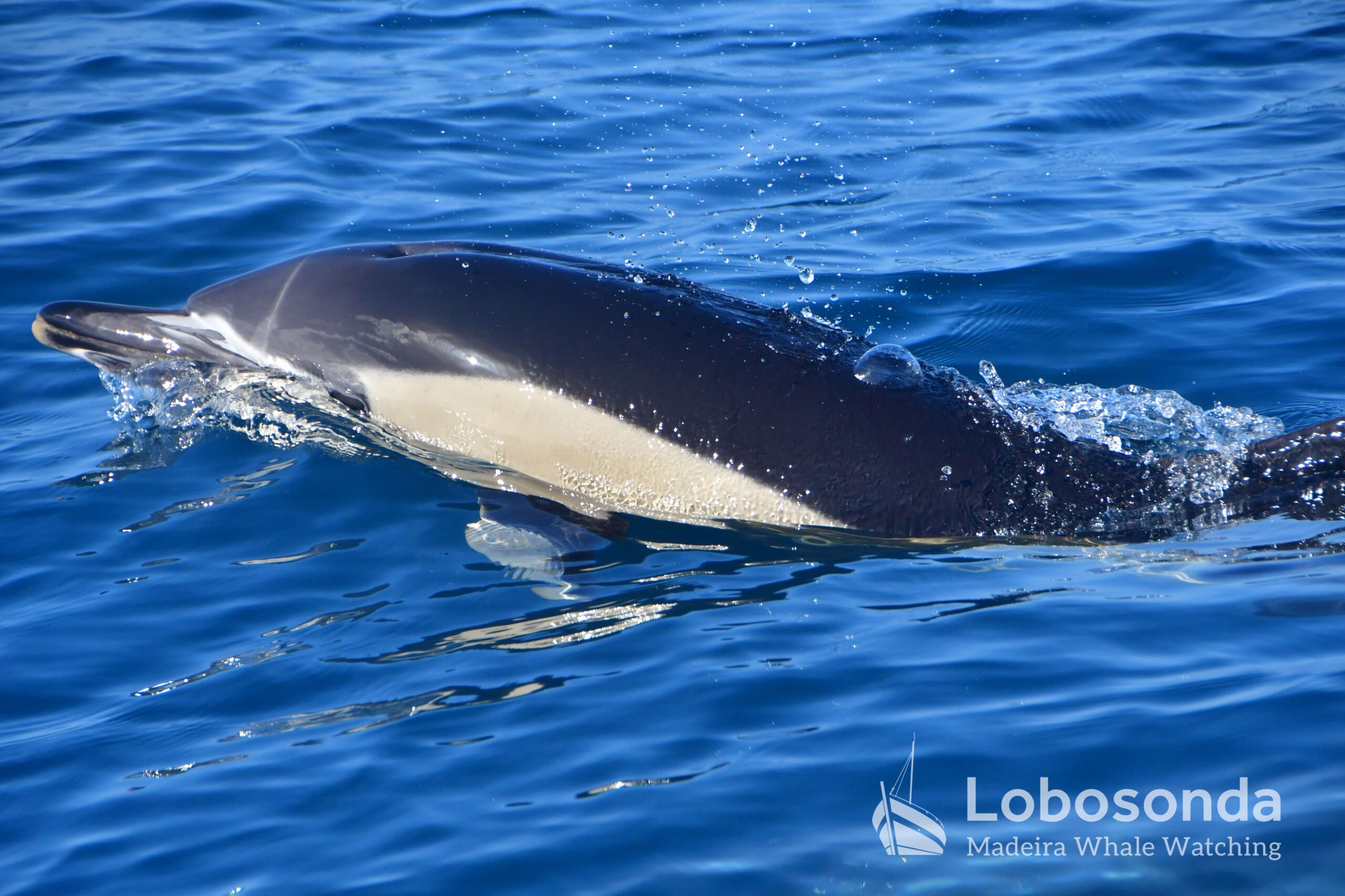
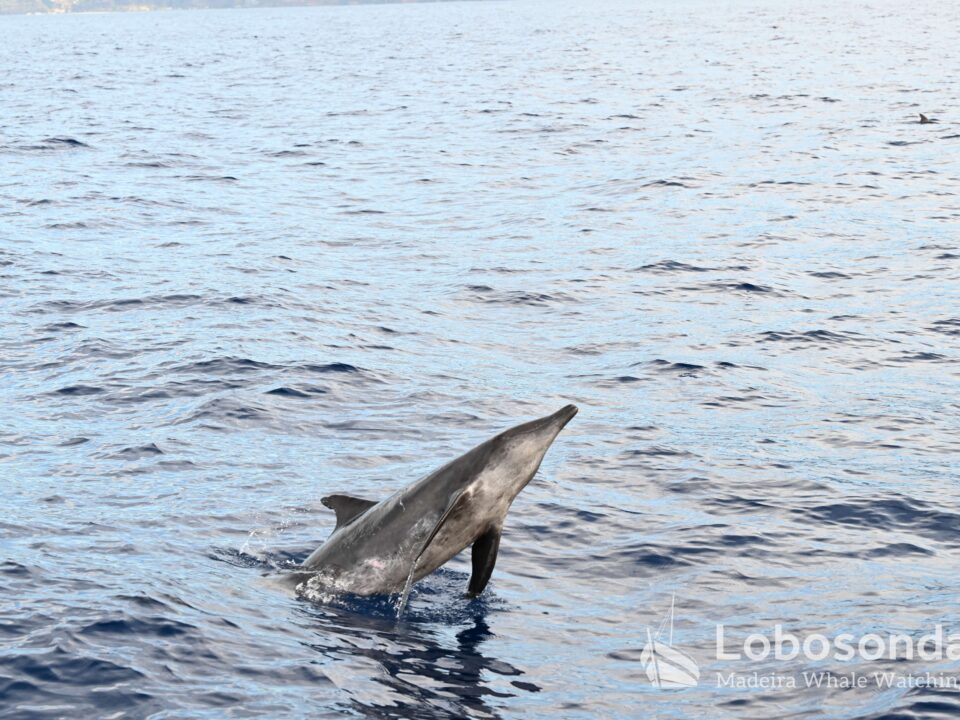
I’ve said this a few times to our guests – vision is probably the most disadvantageous sense out on the ocean, that is if it is the primary sense. While marine mammals, birds and even fish do rely on their vision, their primary sense is usually another. All dolphins and other toothed whales rely more on their acoustic hardware which makes sense in a medium like water as here the soundwaves travel much faster and further than in the air. This allows the animals to easily track prey, communicate and navigate irrespective of the ocean conditions and depth. This is easily imaginable during sightings like those involving the Short-beaked common dolphins (Delphinus delphis), the species that we saw today. During a hunt, dolphins actively communicate with each other to coordinate their attacks and then use their sonar to zap the lateral line organ of the fish they are pursuing, ion an attempt to separate the groups of their prey. They then continue their travels and use their sonar to navigate though the oceans.
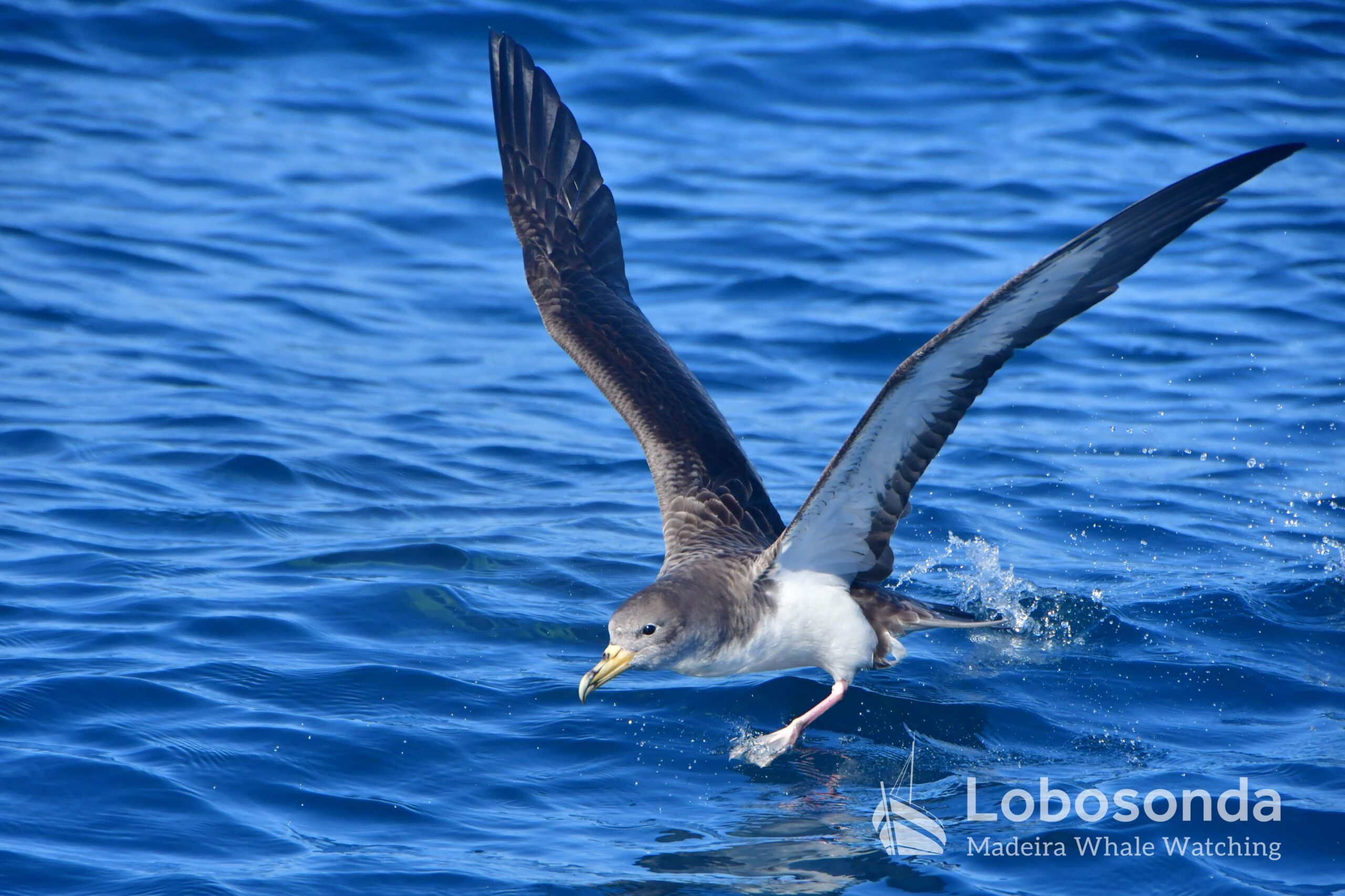
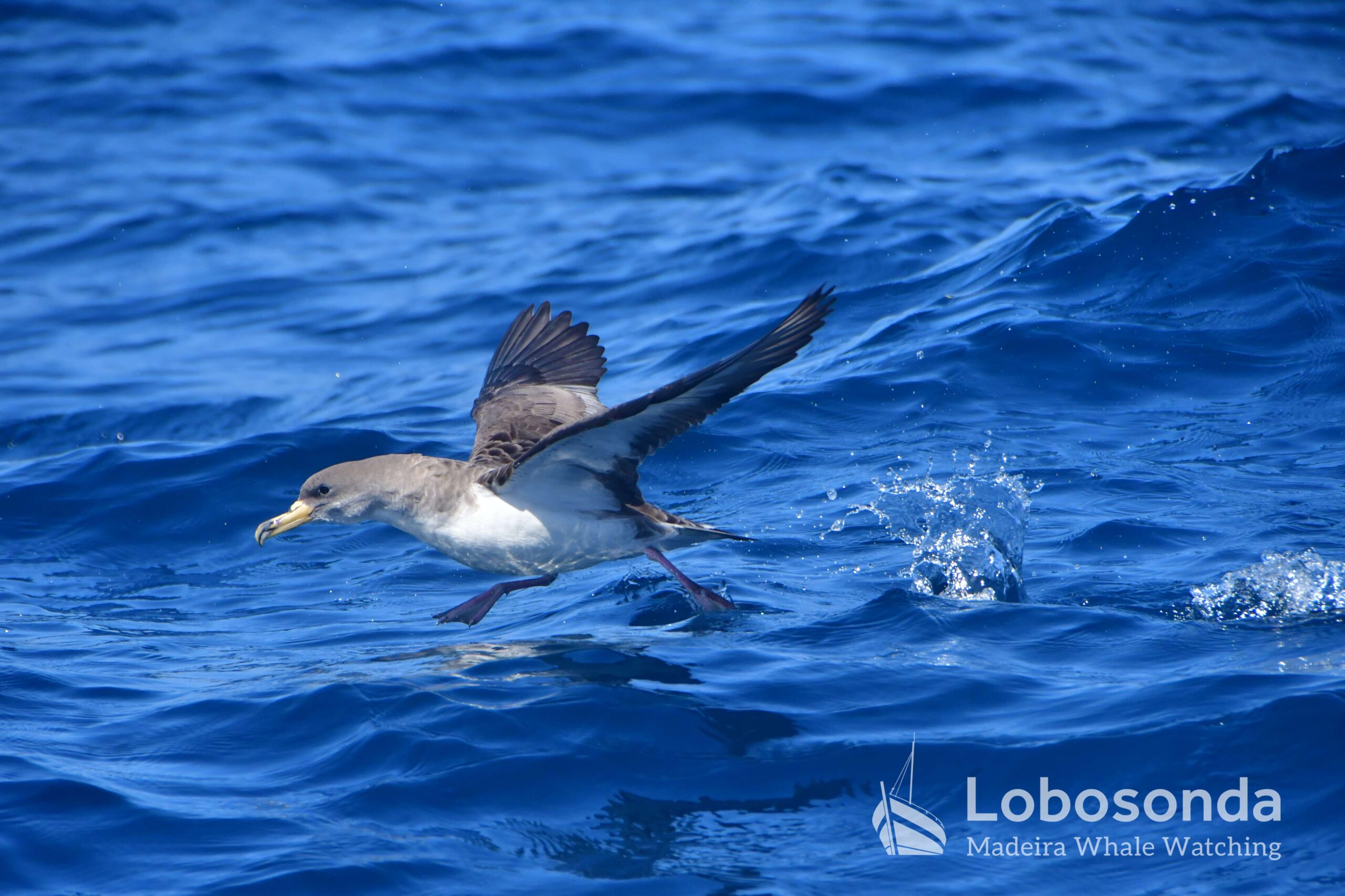
Birds and fish often use chemoreception, that is the sense of chemicals dissolved in the water. With marine birds like the Cory’s shearwater (Calonectris borealis) the sense of smell is what guides them through the oceans to potential hunting situations and what helps them find their way back to their colony. Shearwaters specifically track DMS (dimethylsulfide) a chemical bond that is abundant in areas where plankton flourish. These plumes do not easily go into solution and remain in the air long enough to allow the birds to use them as landmarks during travels and as reference points for hunts, often arriving at feeding situations before the other predators do.
By Paula Thake
Sightings of the day
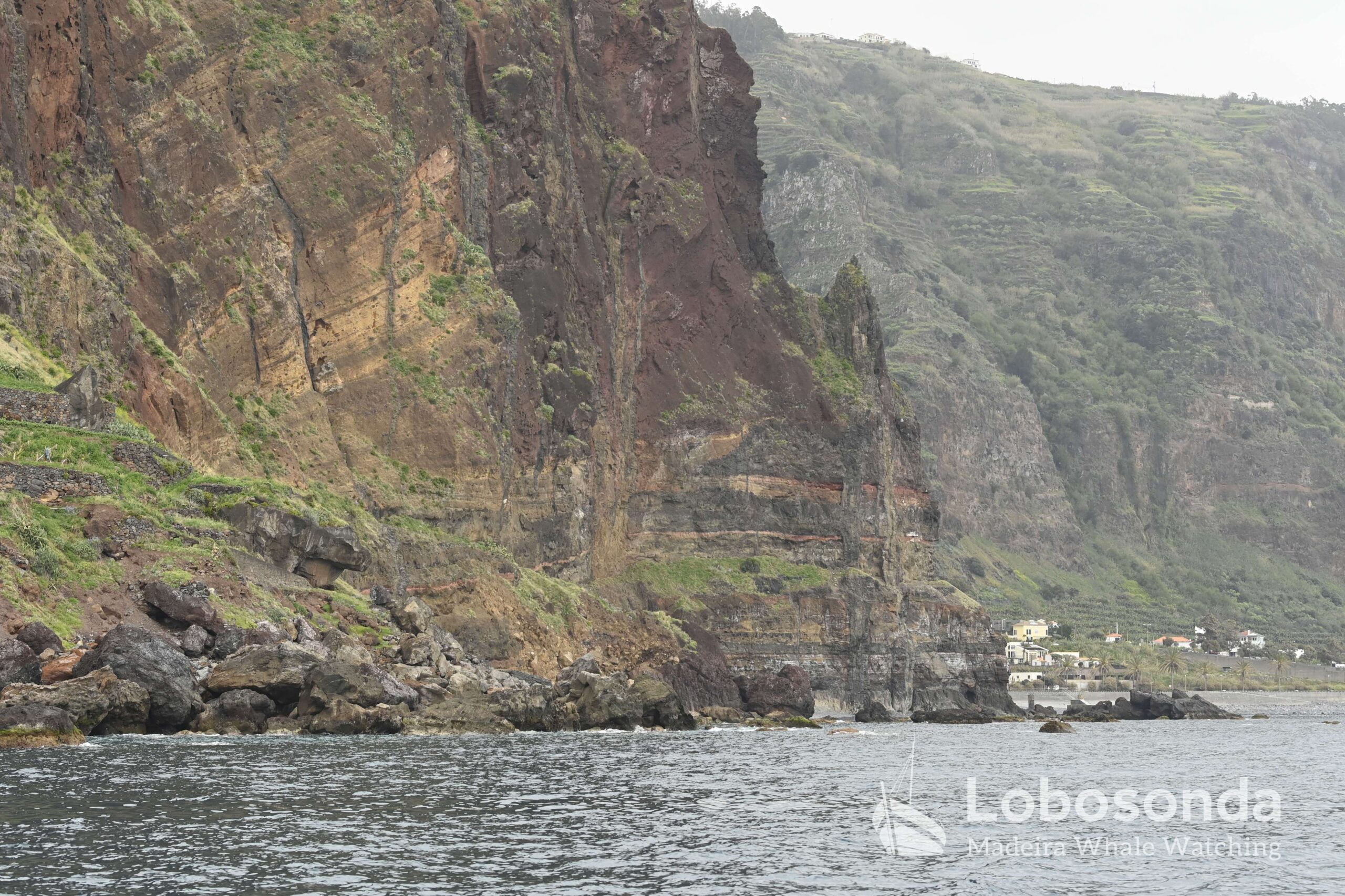
Ribeira Brava
09:00 Short-beaked common dolphins
13:00 No sightings
Stenella
09:30 Short-beaked common dolphins
13:30 Short-beaked common dolphins