29.07.2026 – Majestic giants
August 4, 2026
31.07.2026 – Small and large dolphins
August 6, 2026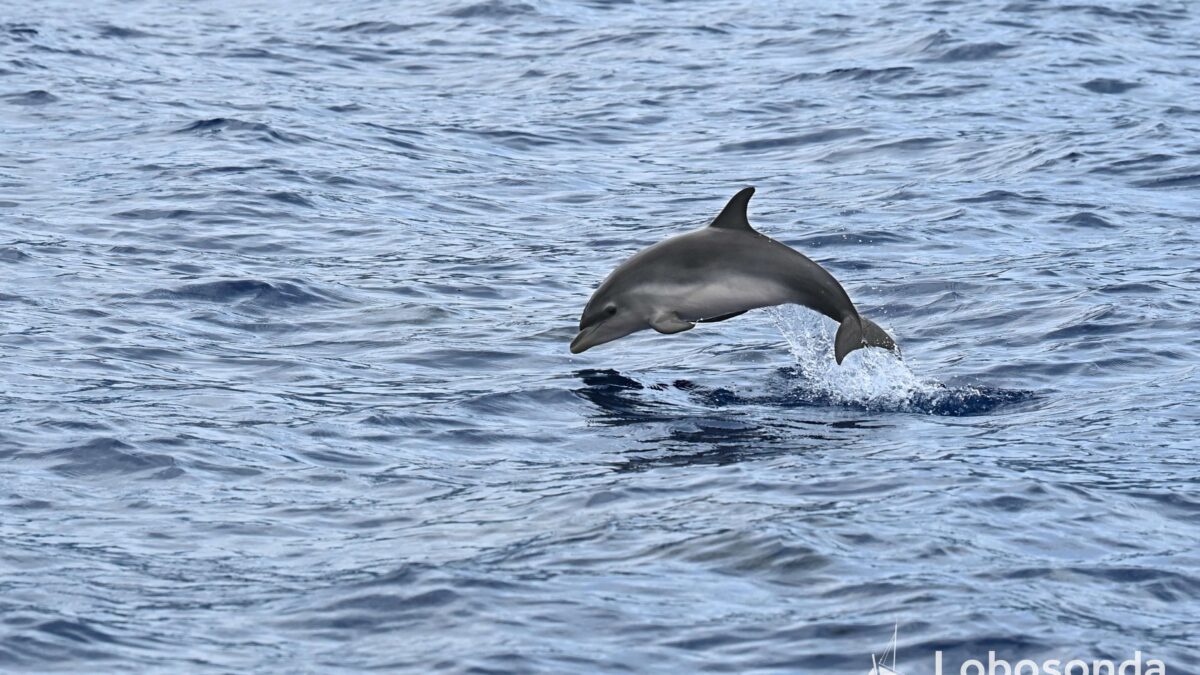
It isn’t a rarity to encounter young calves (or “potatoes” as one of our guide Juliette likes to call them) around our beautiful island. Oceanic islands like Madeira generally serve as a safe resting and feeding area for marine animals travelling through the ocean – upwelling along the submarine slope extending into the deep makes nutrients accessible at the surface and the deep waters allow vulnerable marine mammals to enjoy these in the safety of the coastline.
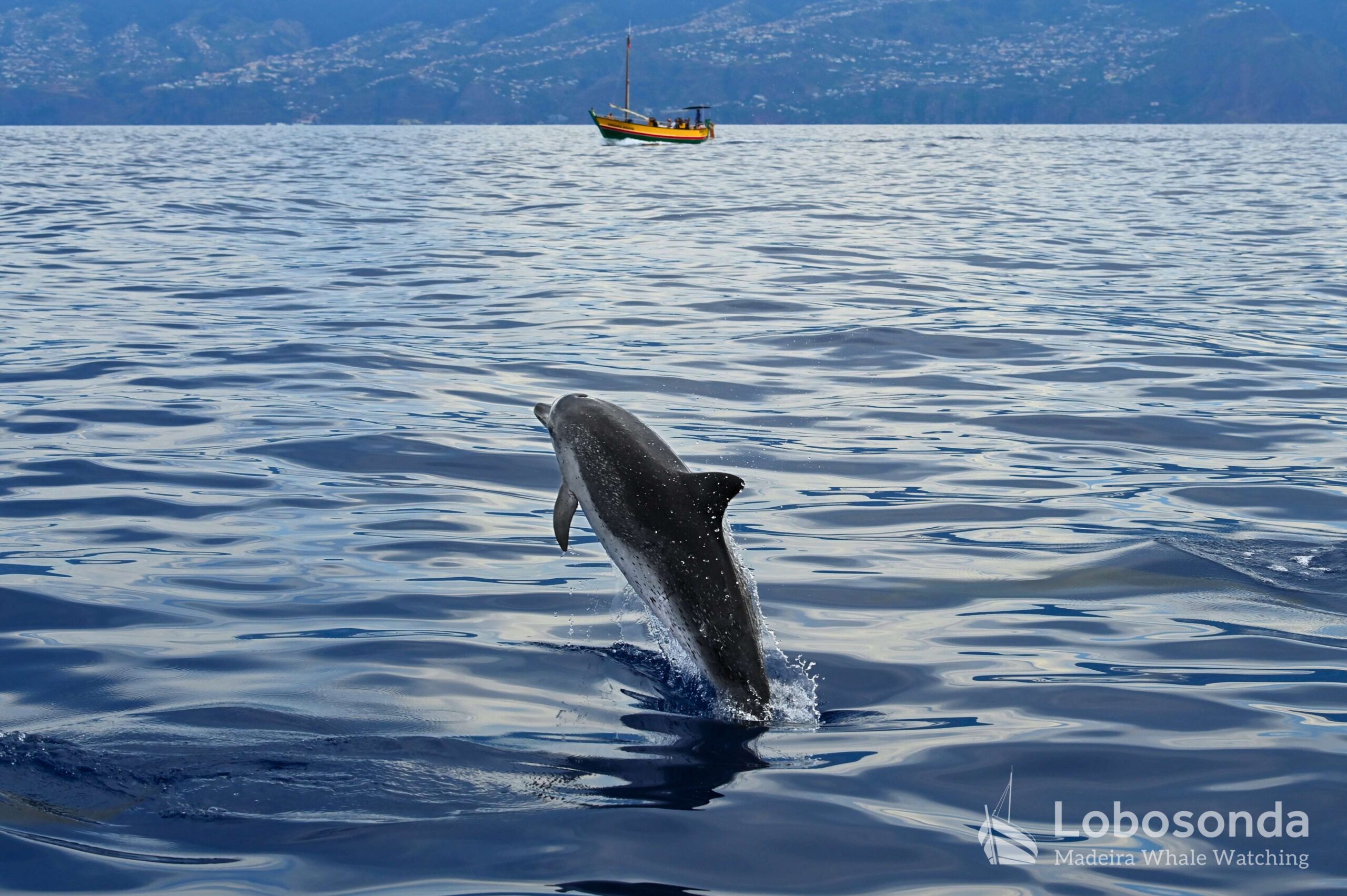
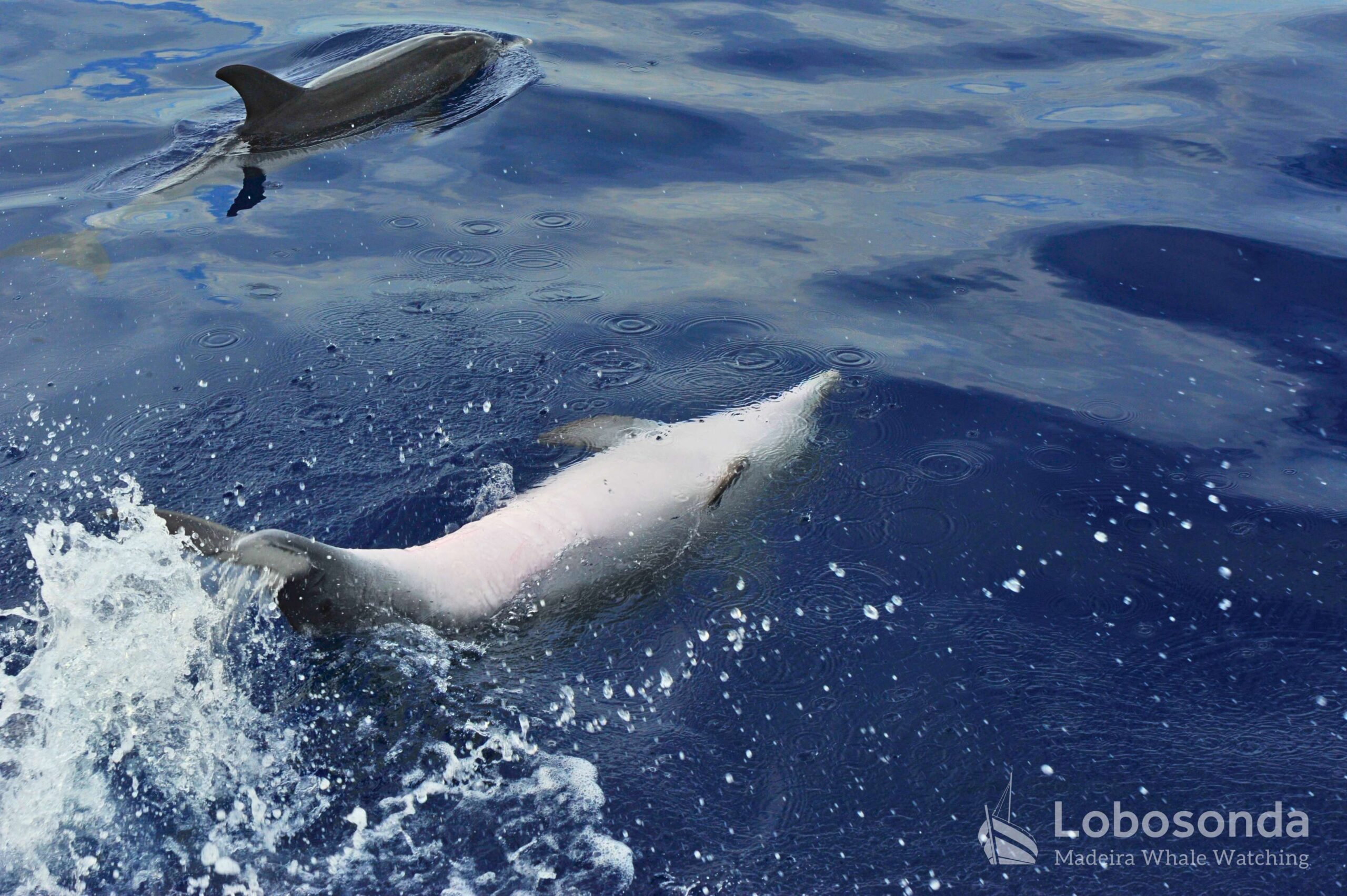
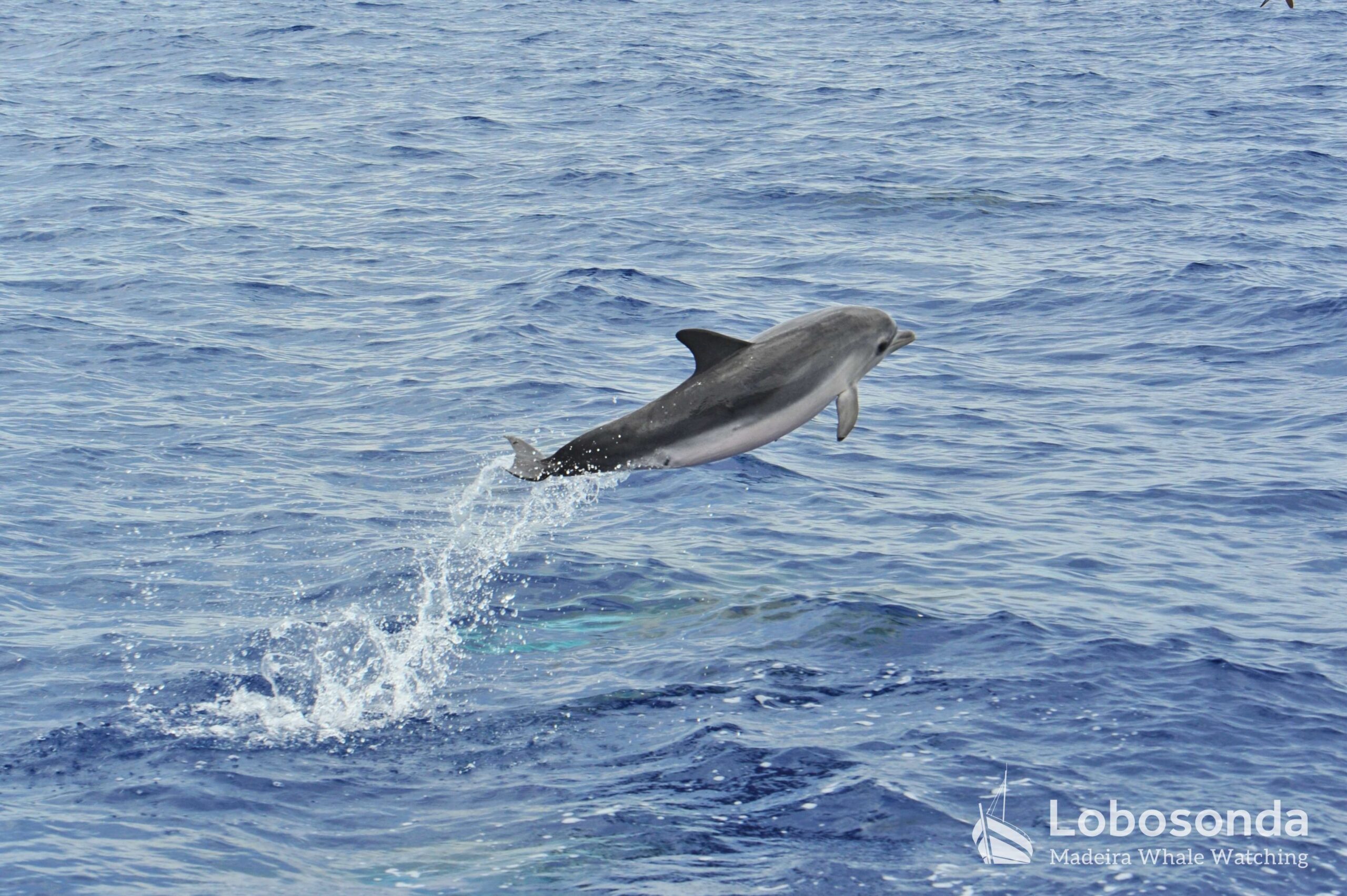
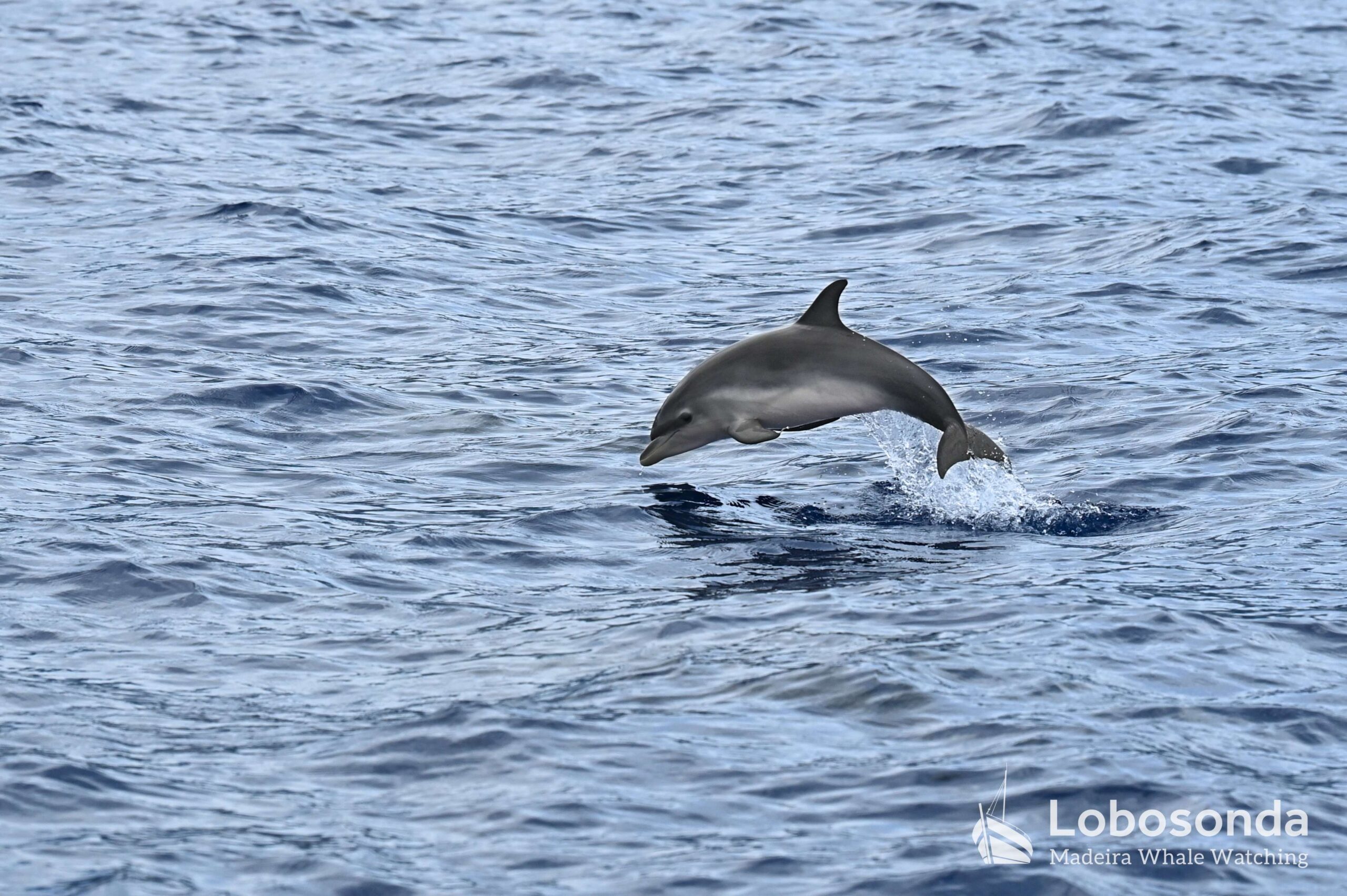
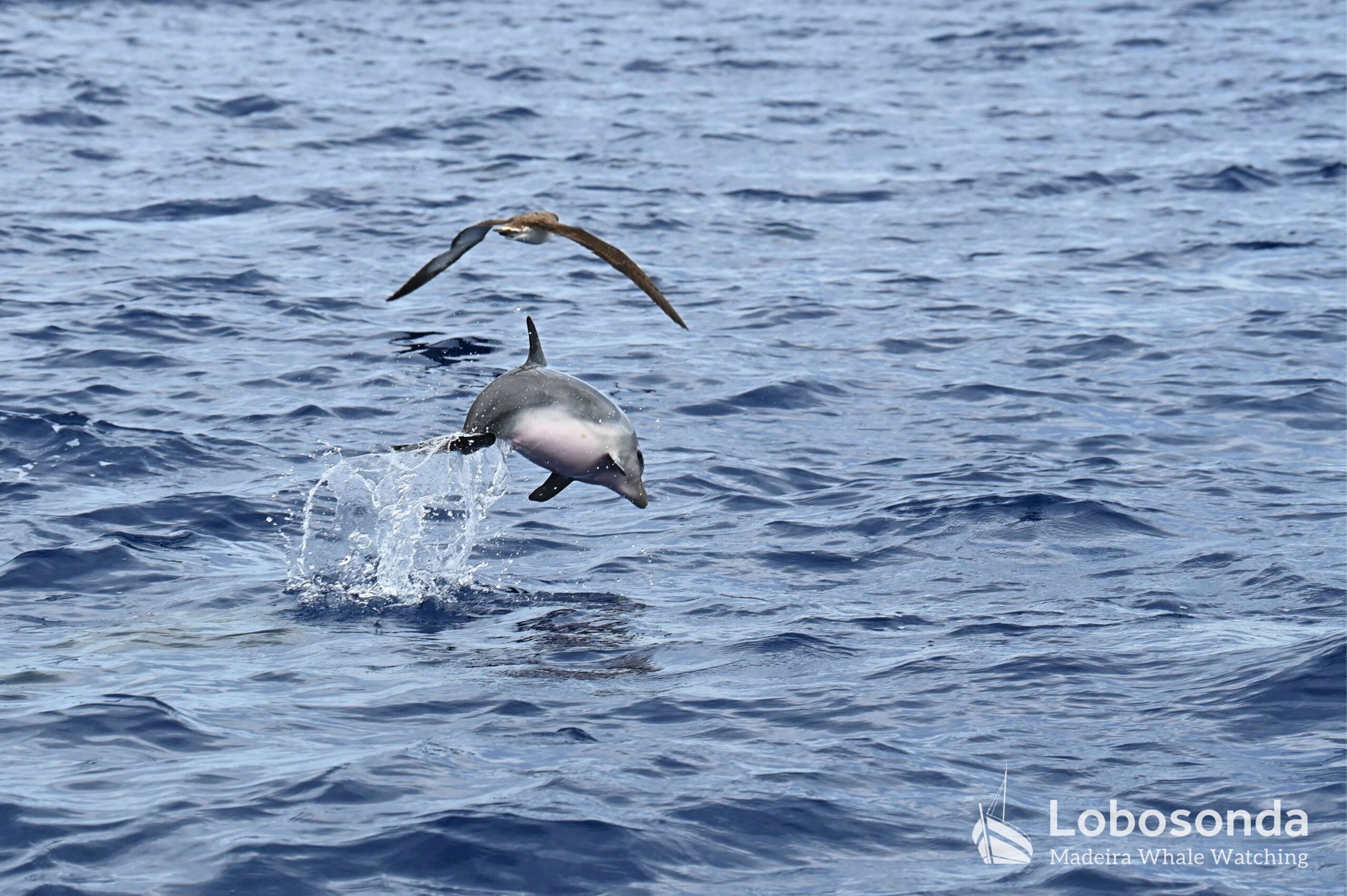
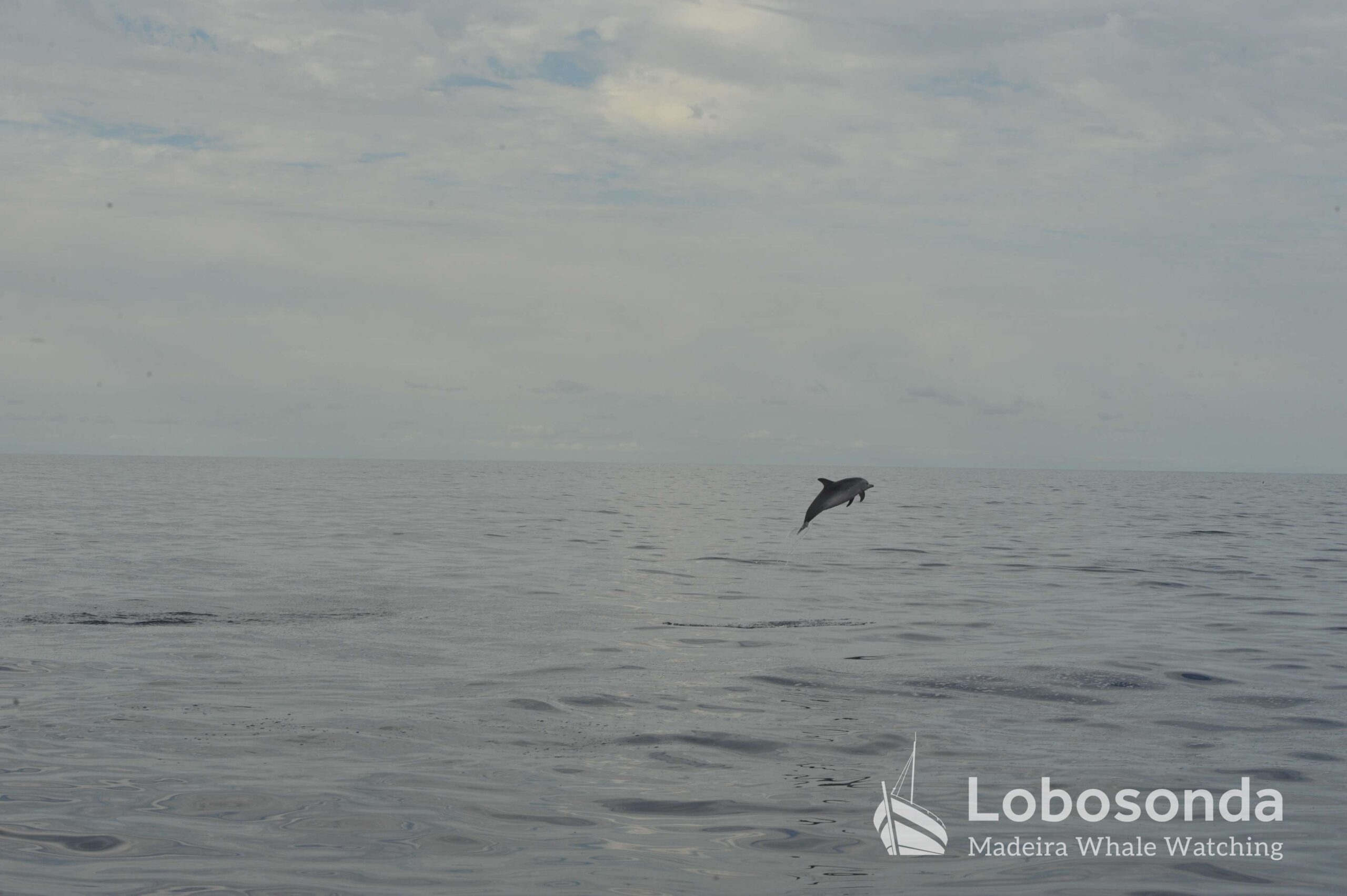
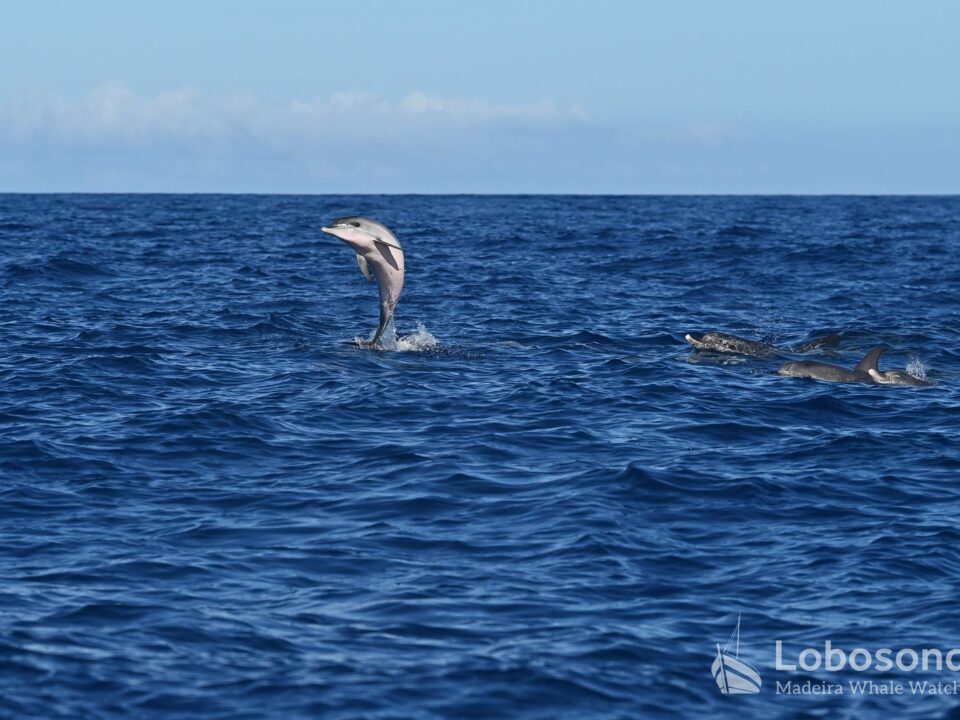
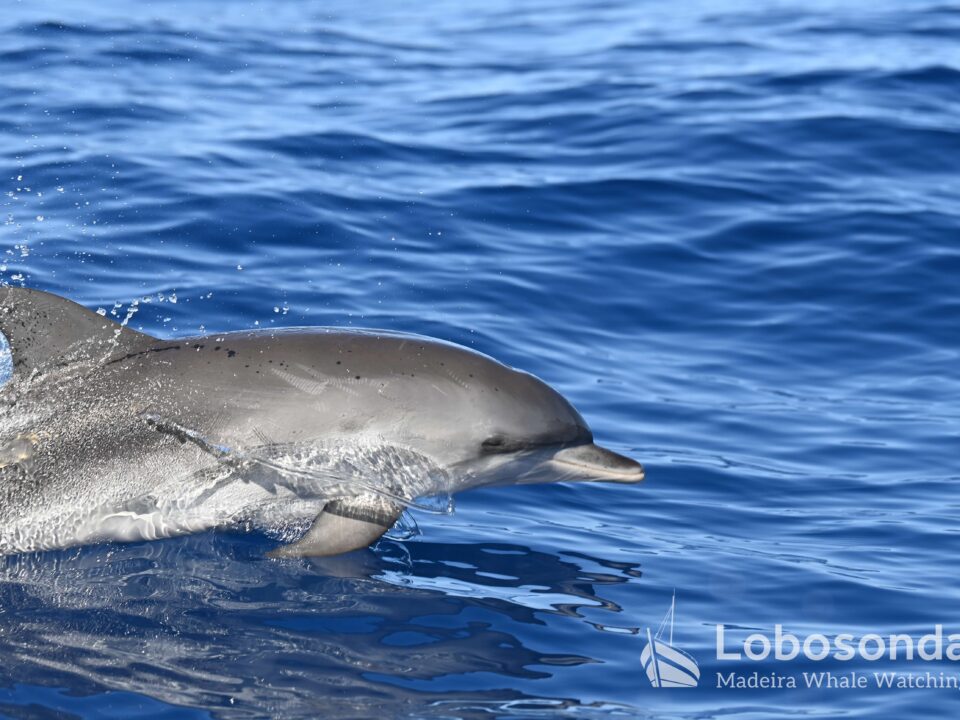
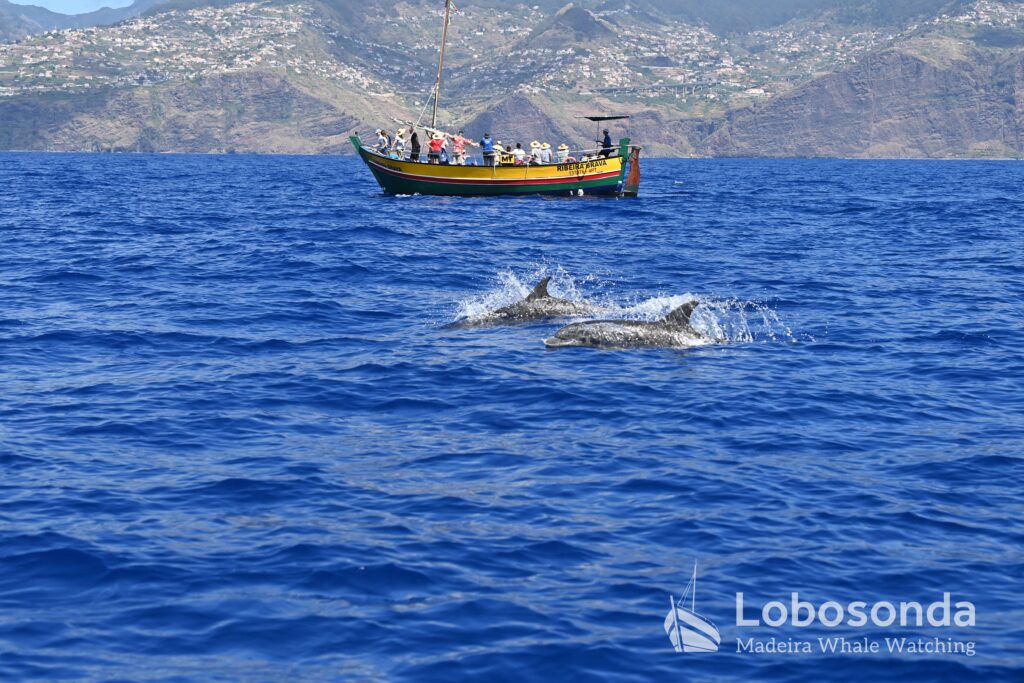
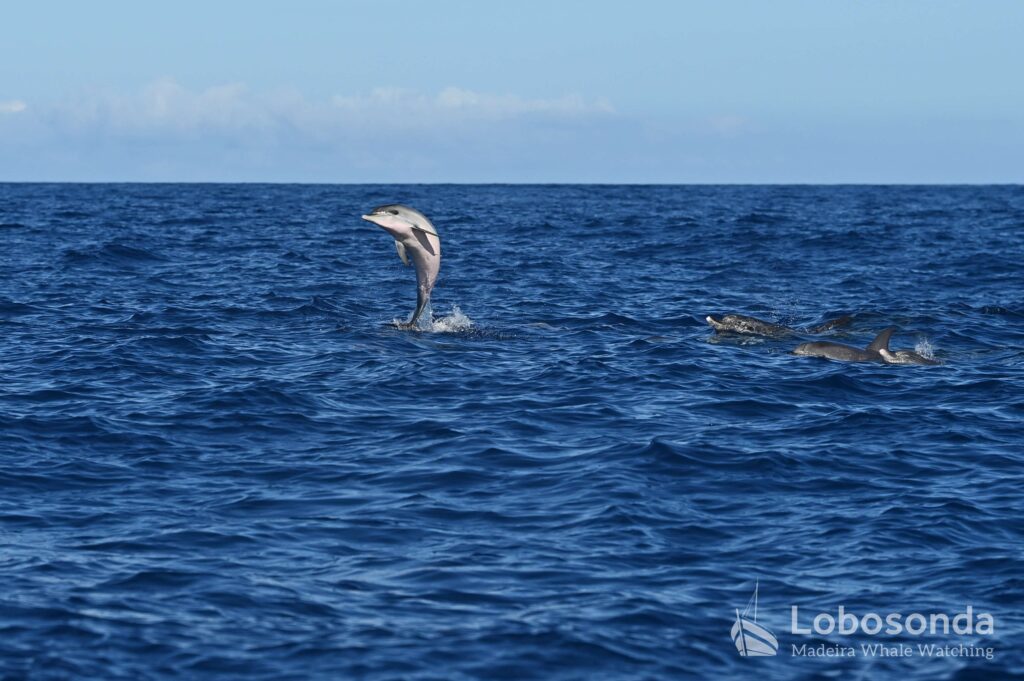
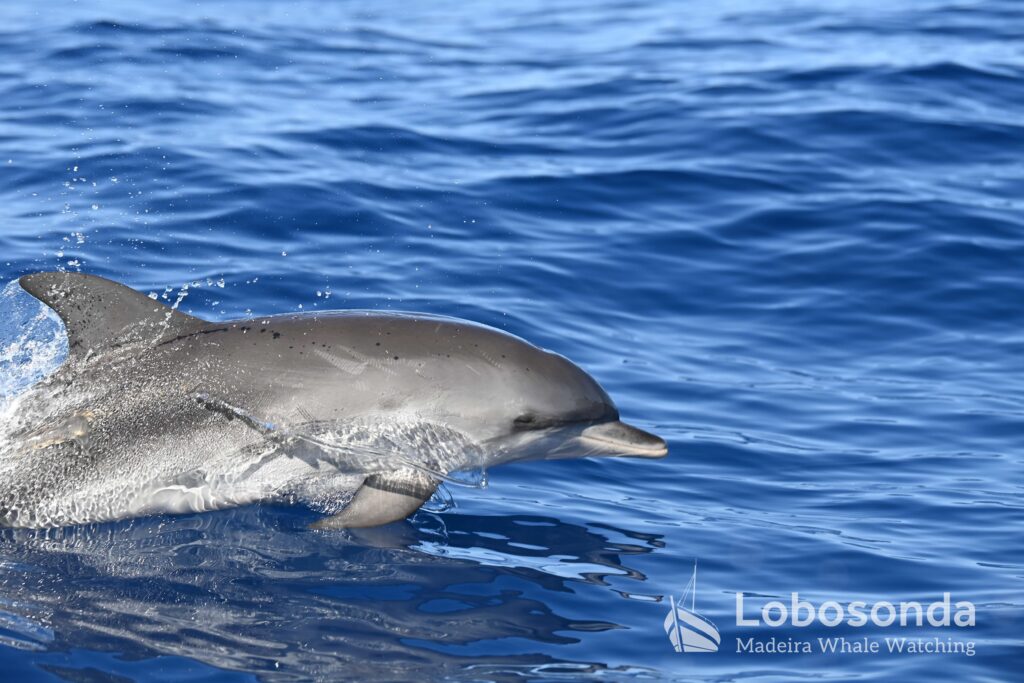
In the morning our boats found a group of Atlantic spotted dolphins (Stenella frontalis) far offshore. This group contained many little calves leaping clumsily alongside their mothers, making all our guests melt in admiration. Spotted dolphin babies are tiny and these must’ve been newborns as they still had the birth marks and slightly squashed heads from birth. These little acrobats were just a couple of days old but they will spend up to 3 years by their mother’s side.
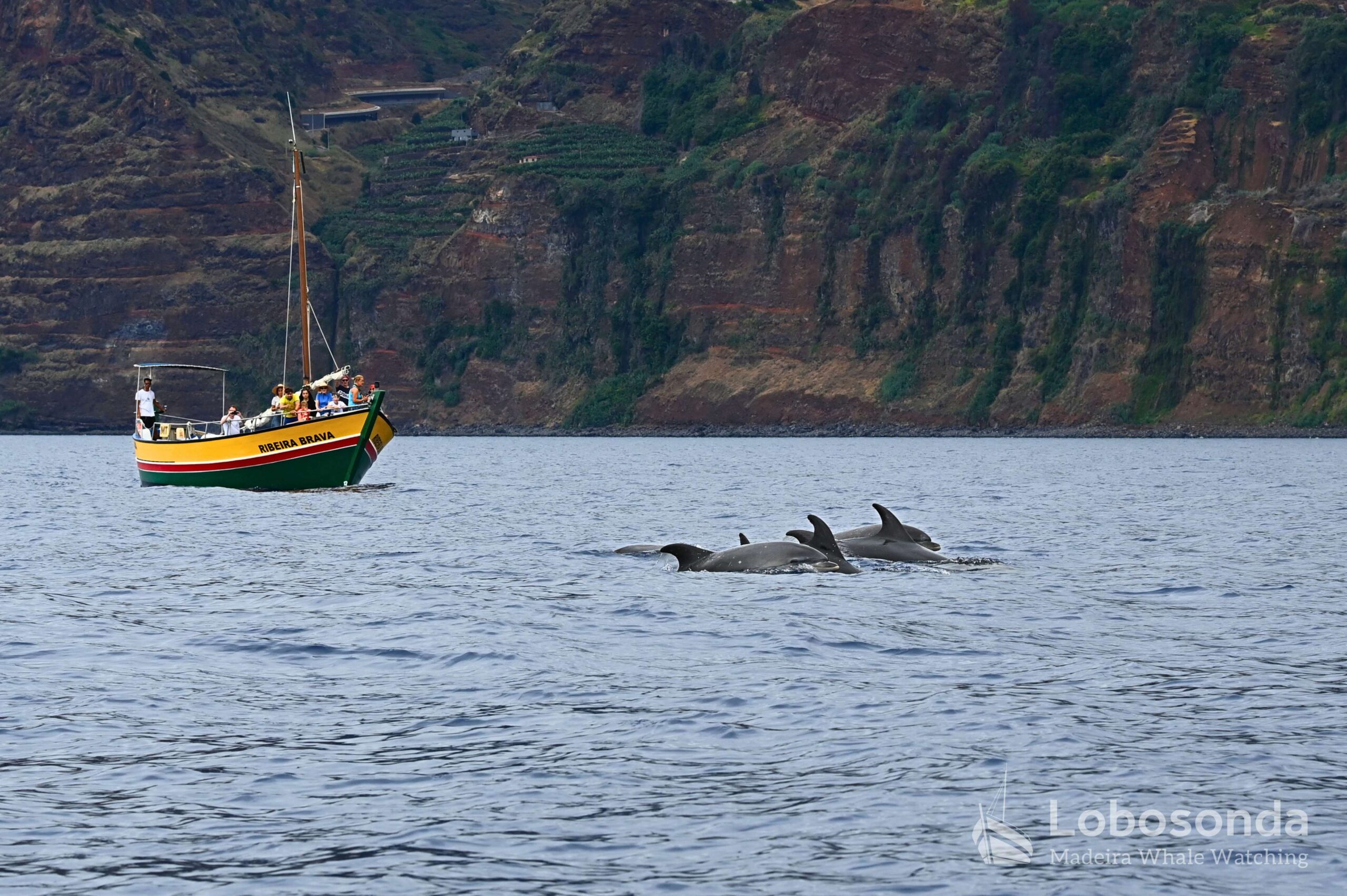
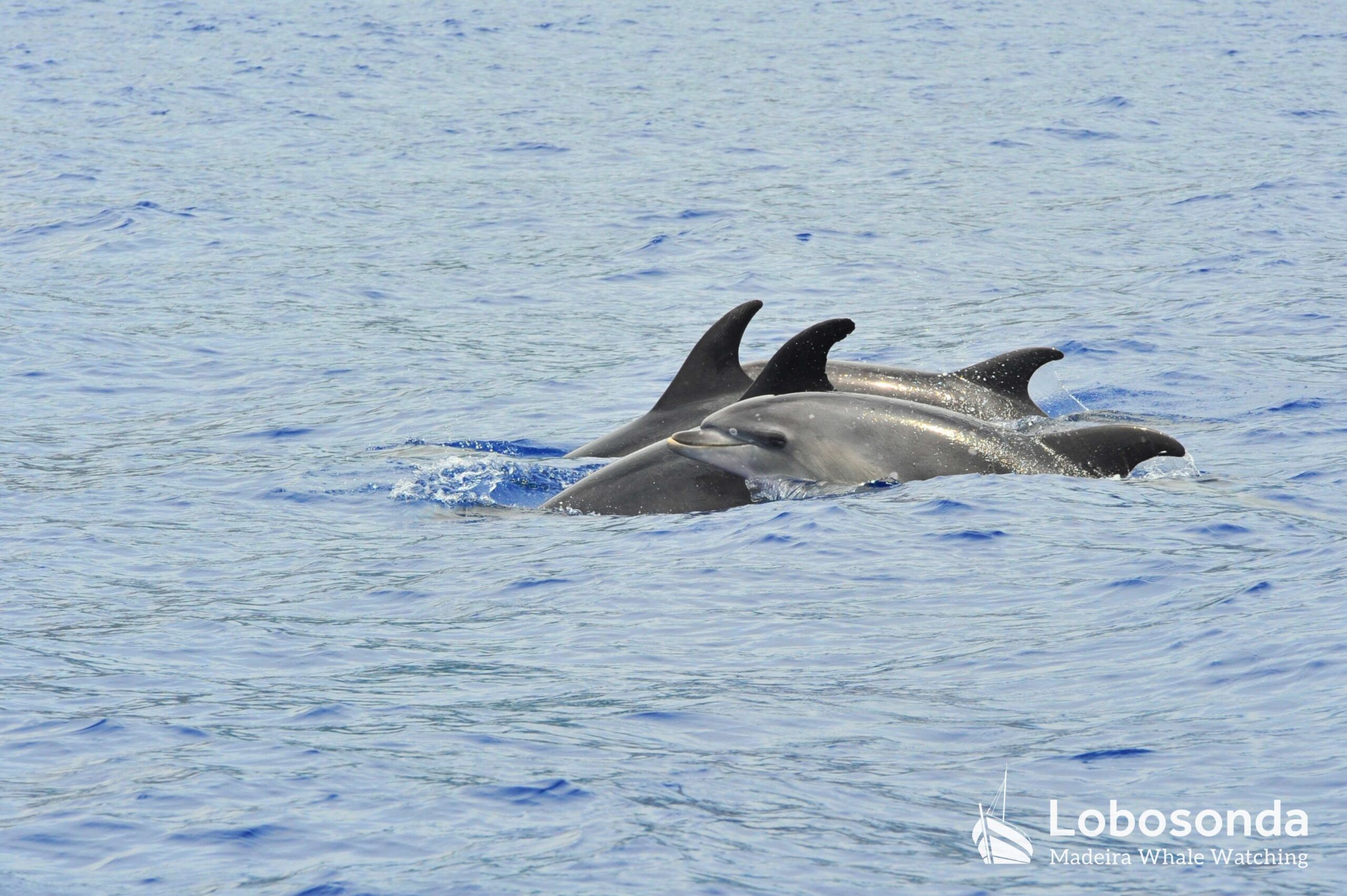
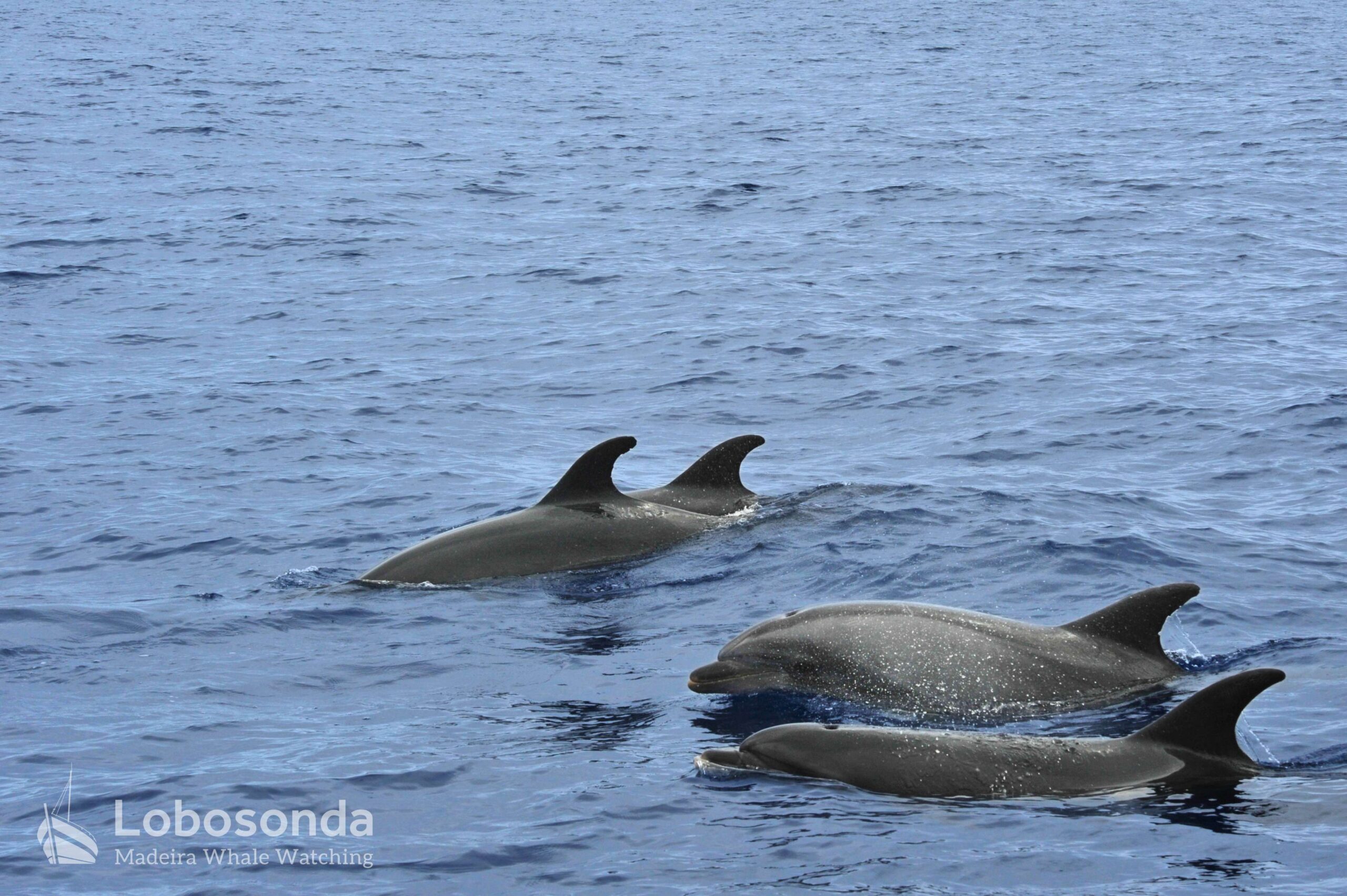
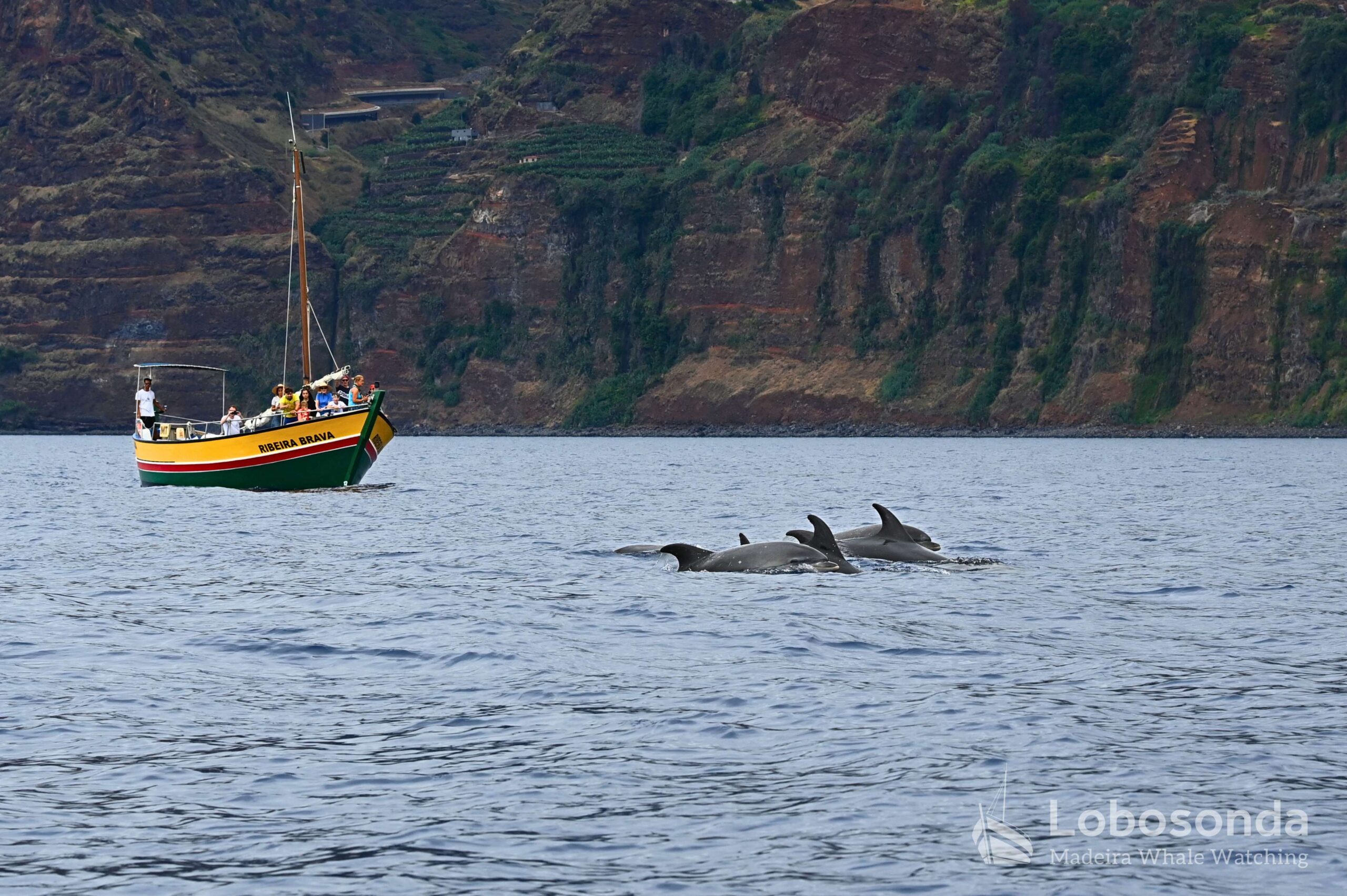
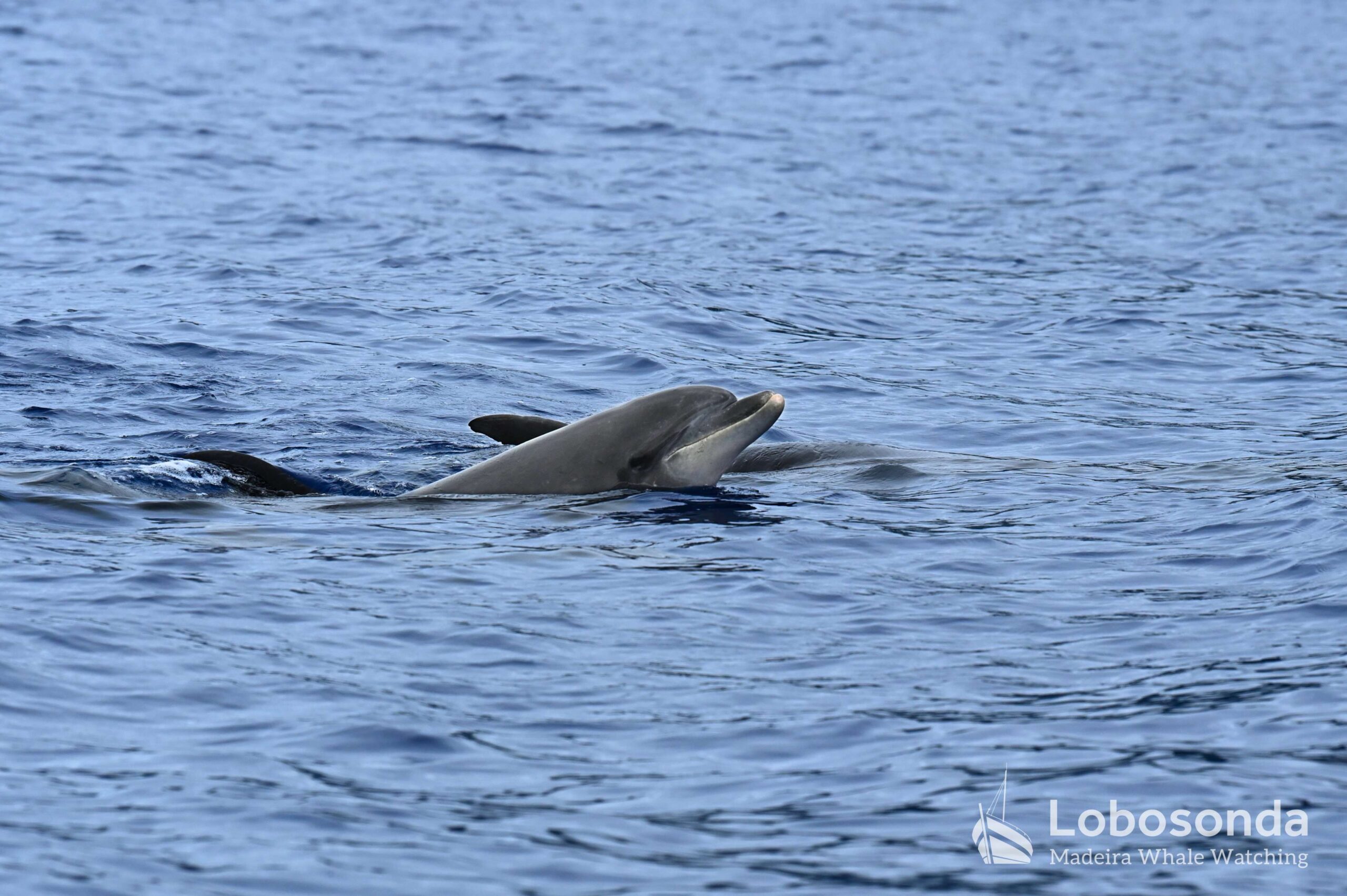
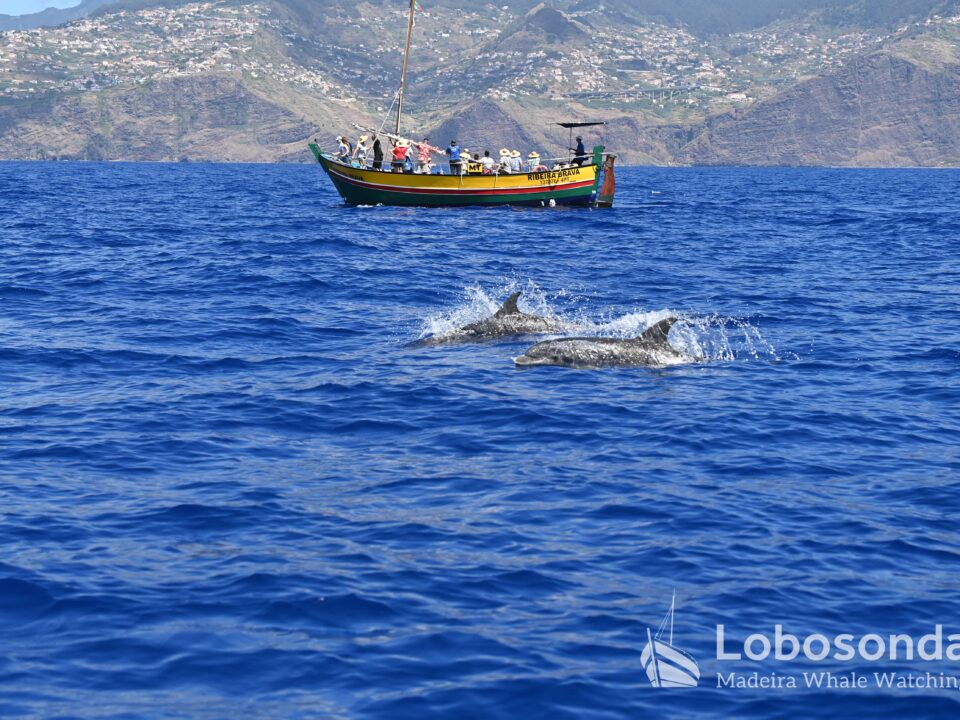
Bottlenose dolphin (Tursiops truncatus) calves can stay up to five years with their mothers, with some even staying up to 8 years at their mother’s side. These little ones are equally cute but less acrobatic. Luckily, these calves like to take a sneak peek at whale watching boats and they did this on today’s tours.
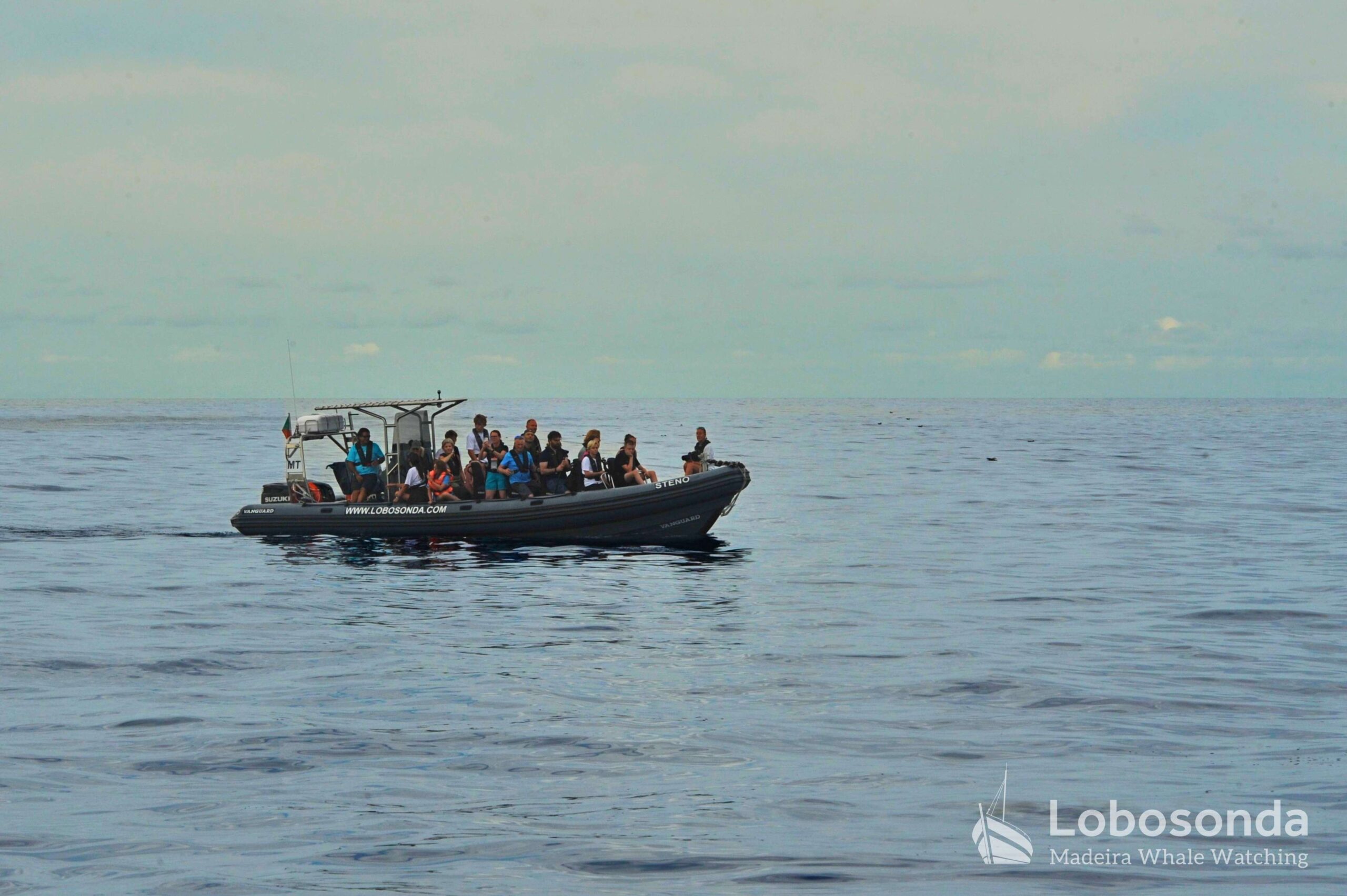
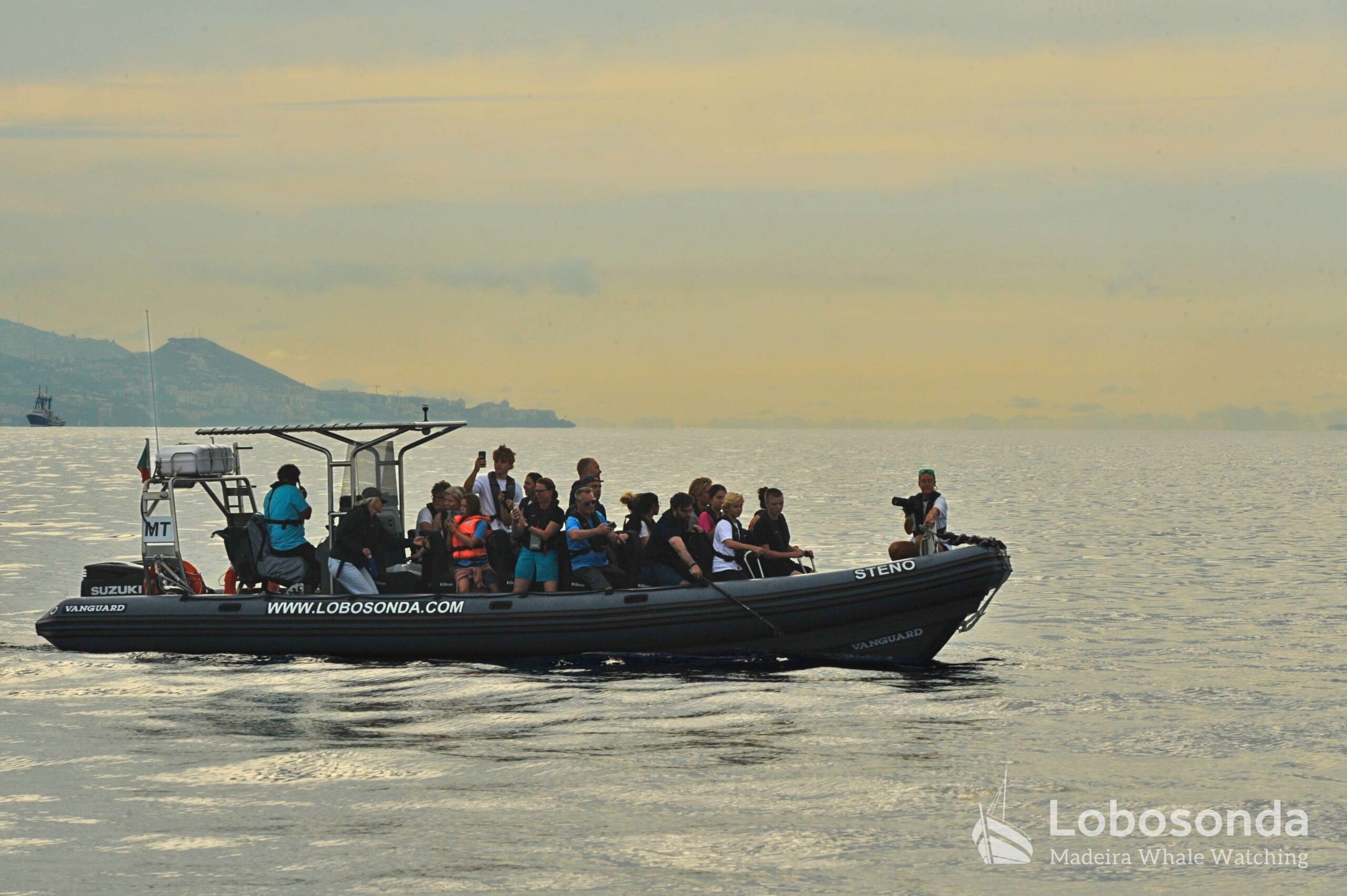
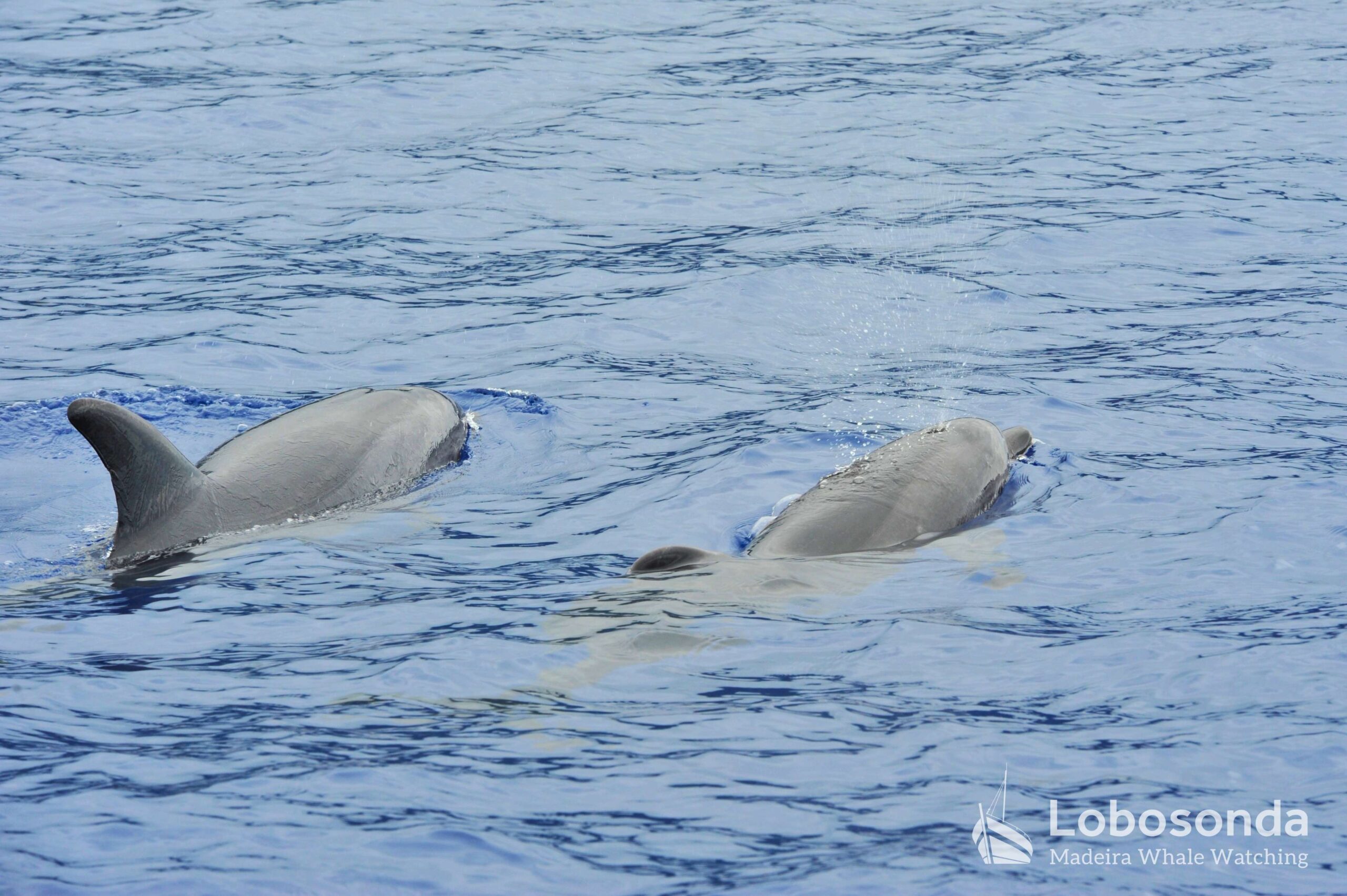
On the last tour our Steno team got lucky with a pod of Rough-toothed dolphins (Steno bredanensis), oceanic dolphins that often turn up with potatoes in tow here in Madeira.
The tours (and all associated potatoes) left both guests and crew smiling today, to us that’s mission accomplished!
By Paula Thake
Sightings of the day
Ribeira Brava
09:00 Atlantic spotted dolphins
13:00 Atlantic spotted dolphins, Bottlenose dolphins
16:30 Atlantic spotted dolphins, Bottlenose dolphins
Steno
09:30 Atlantic spotted dolphins
13:30 Atlantic spotted dolphins, Bottlenose dolphins
16:30 Atlantic spotted dolphins, Bottlenose dolphins, Rough-toothed dolphins