27.10.2026 – A refuge for predators
November 2, 2026
29.10.2026 – For the love of interaction
November 4, 2026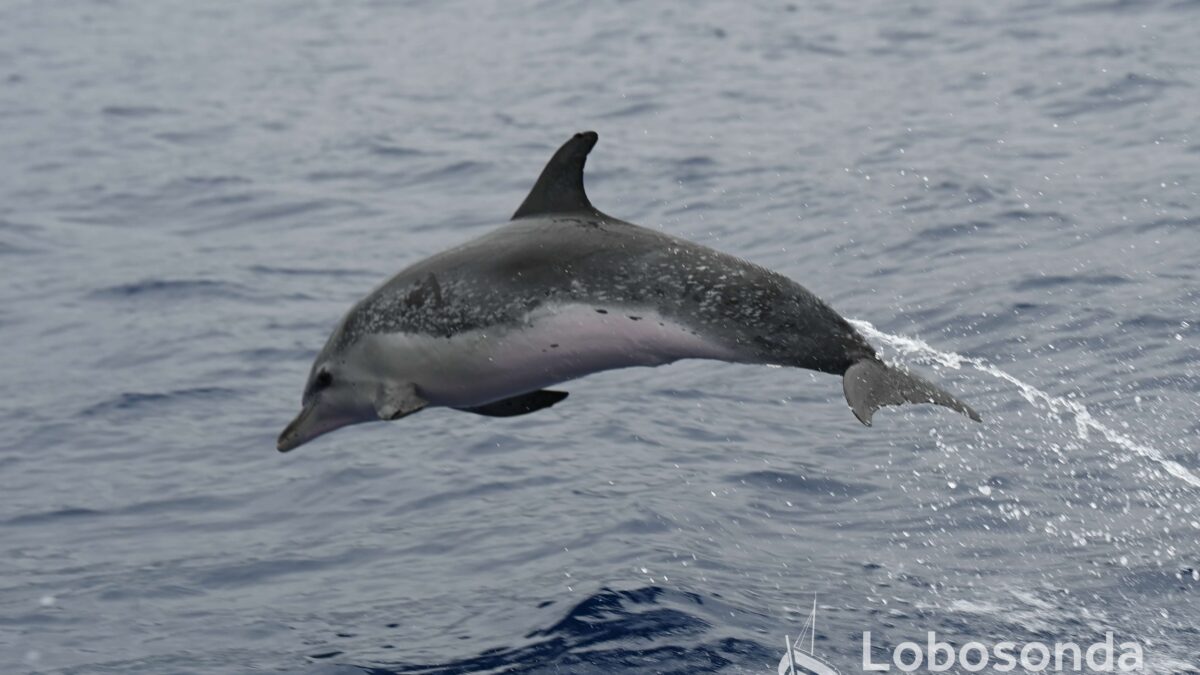
During today’s tours off Madeira, one of our guests asked a fascinating question: How do whales and dolphins manage to withstand the enormous pressure of the deep ocean?
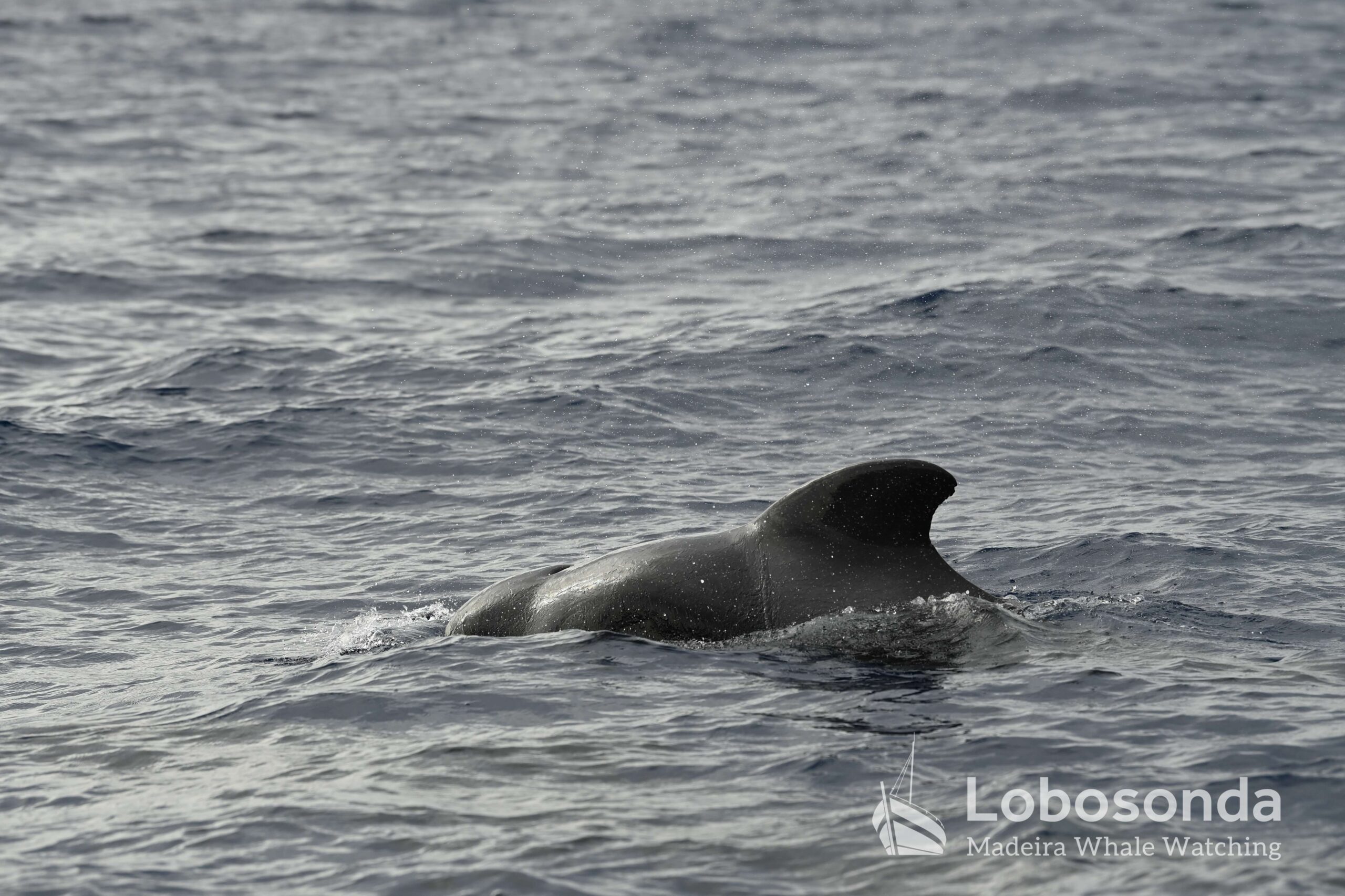
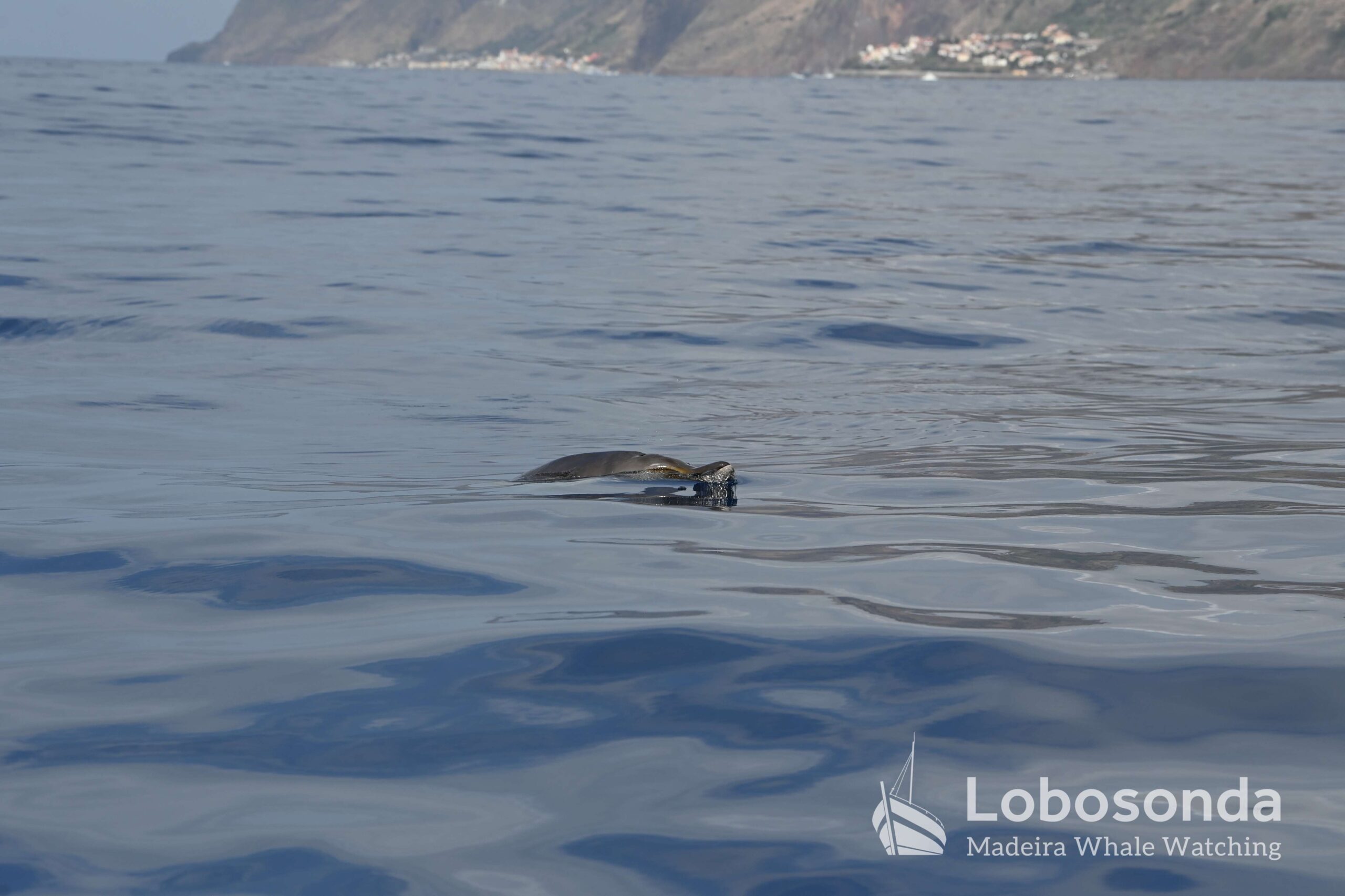
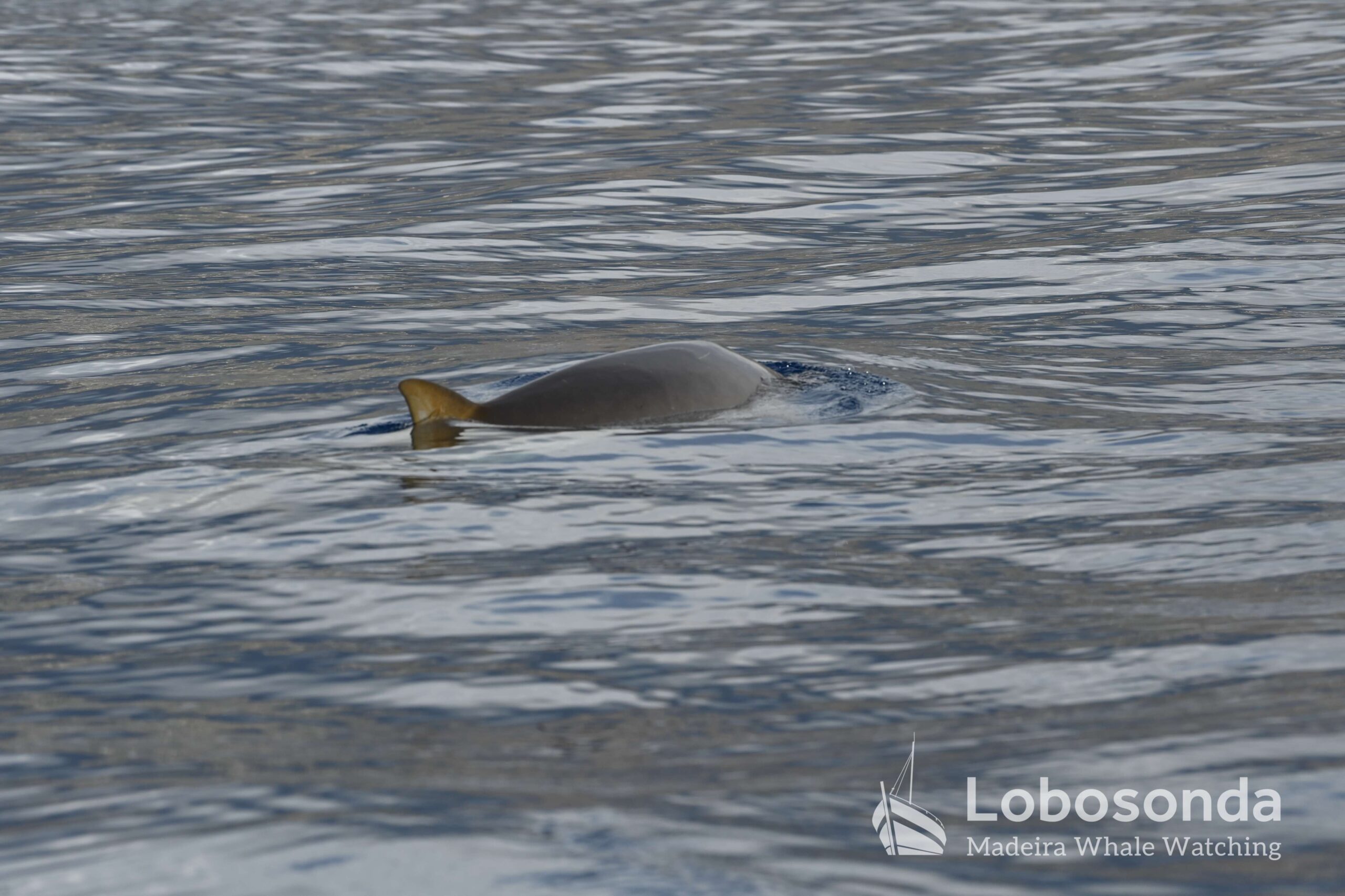
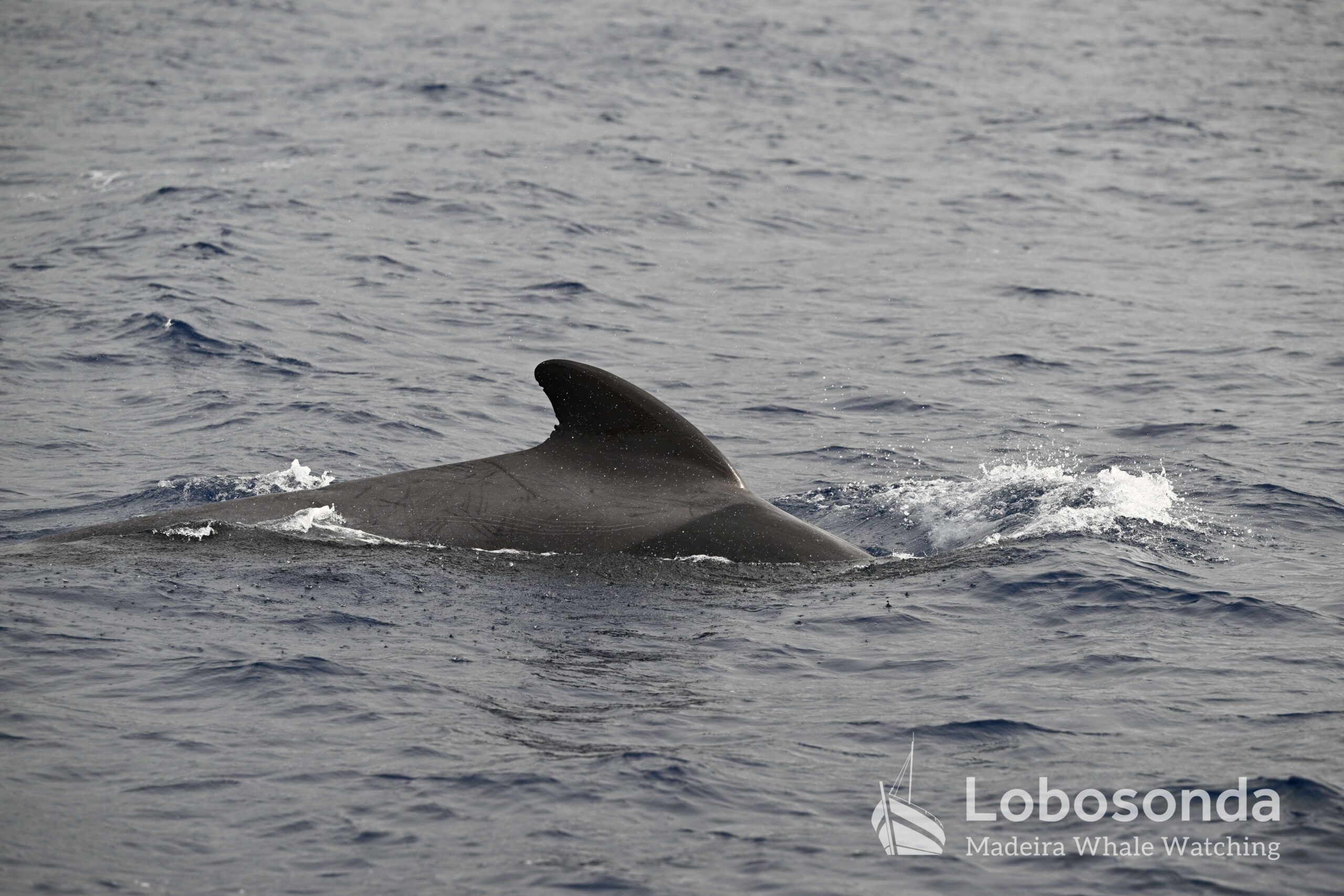
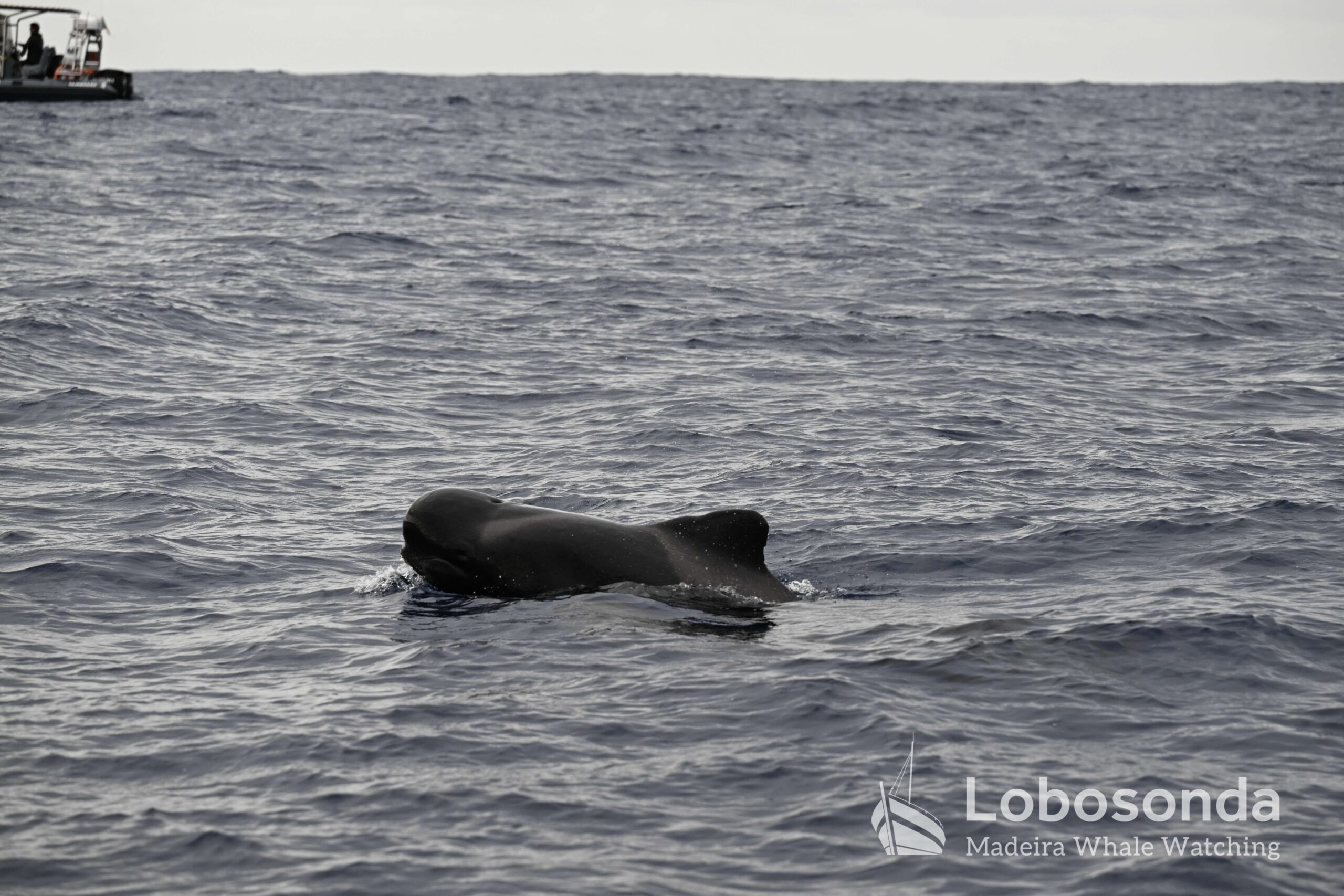
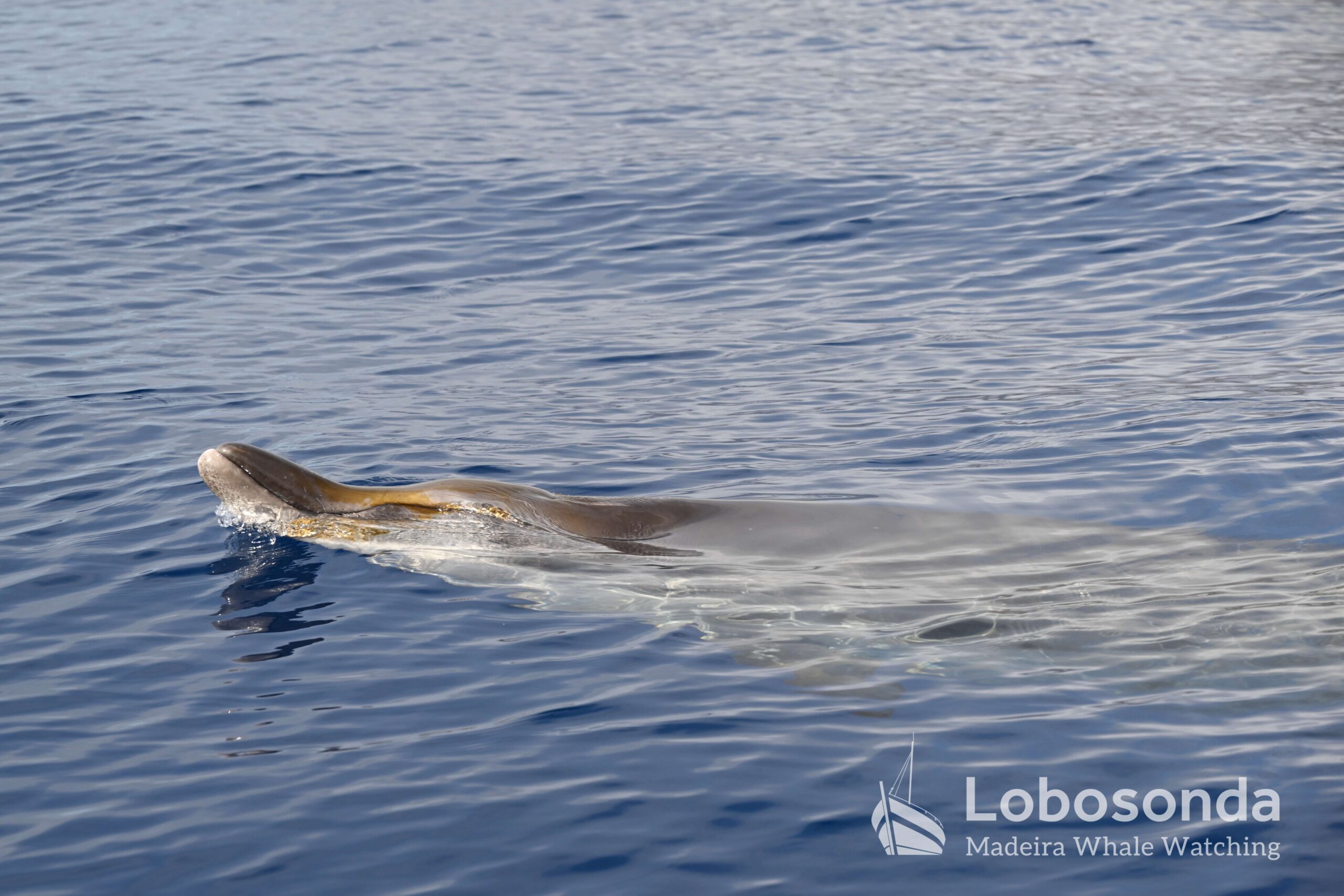
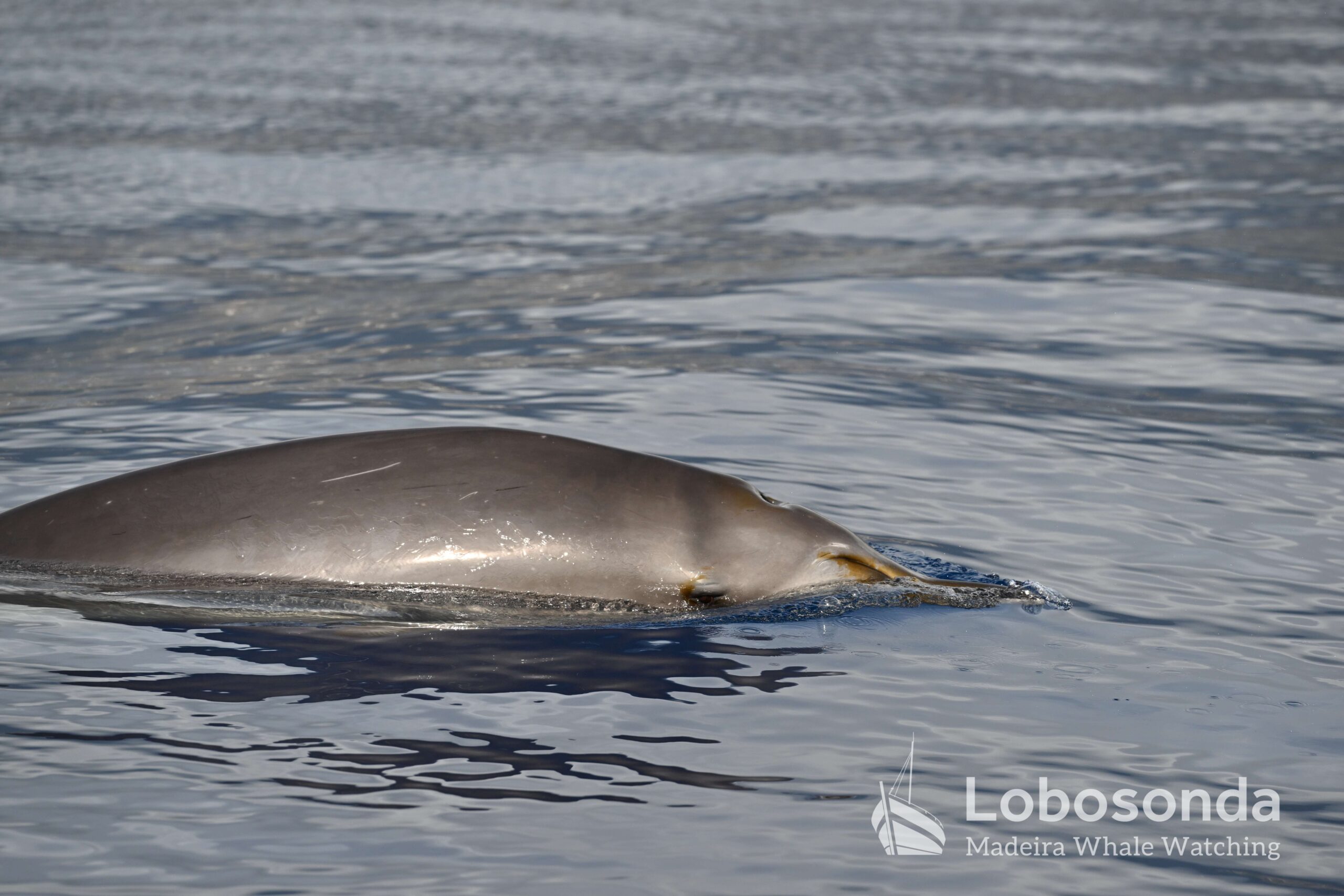
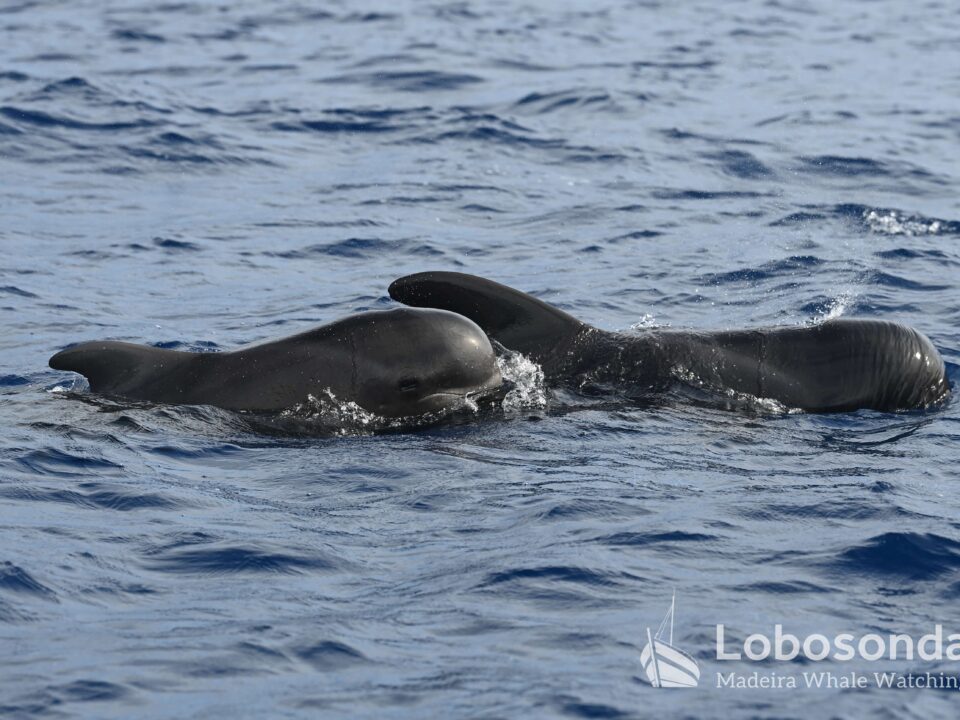
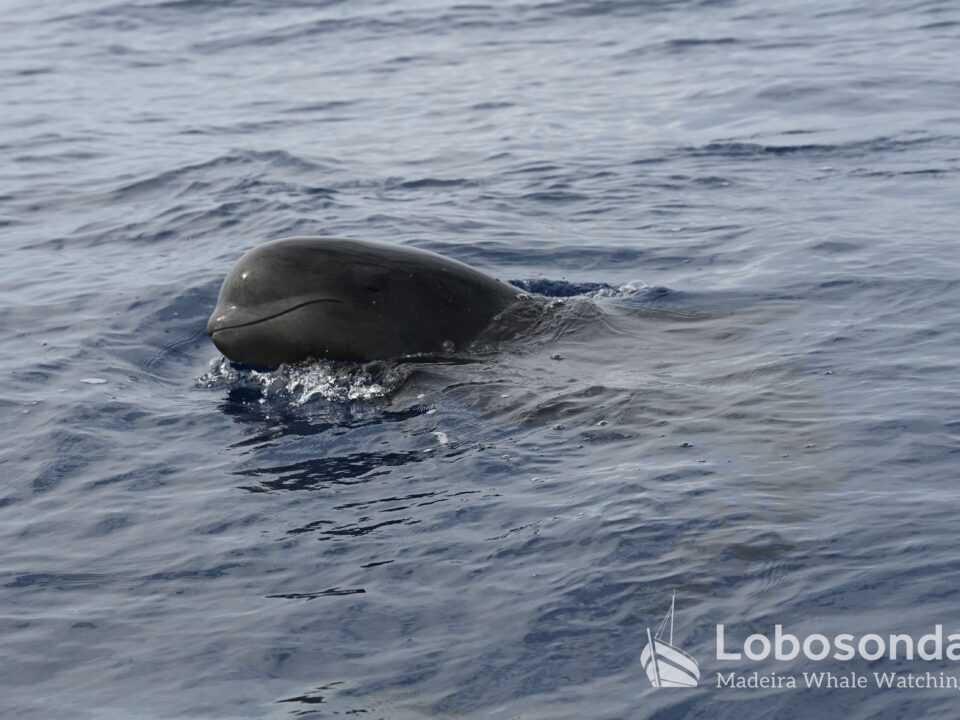
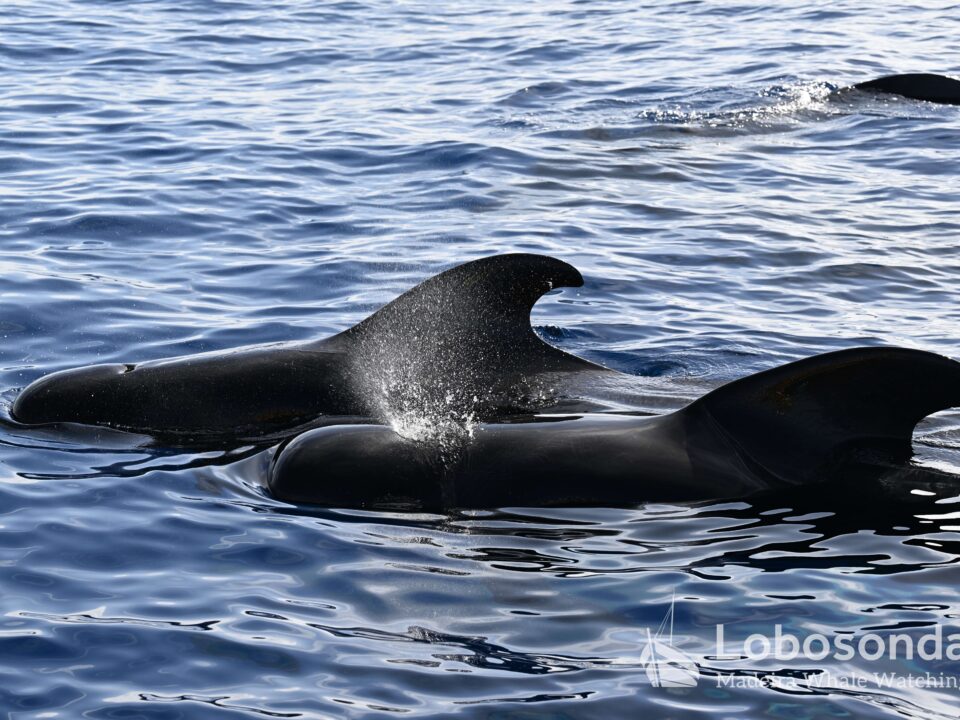
It is a great question, especially when observing species such as Blainville’s beaked whales (Mesoplodon densirostris) and short-finned pilot whales (Globicephala macrorhynchus), which are capable of diving to impressive depths.
As cetaceans descend, the surrounding hydrostatic pressure increases by approximately one atmosphere (1 bar) for every 10 metres. At 1,000 metres, the pressure reaches around 101 atmospheres. For humans, such conditions would be extremely challenging, but cetaceans have evolved remarkable physiological adaptations to cope with this environment.
One of their most important adaptations is the flexibility of their rib cage and lungs. During deep dives, the rib cage compresses, allowing the lungs to partially collapse. This moves air away from the alveoli and into the more rigid upper respiratory passages, reducing gas exchange and limiting nitrogen absorption into the bloodstream. This helps minimise the risk of decompression sickness, commonly known as the bends.
Another essential adaptation is their impressive oxygen storage capacity. Cetaceans have high concentrations of myoglobin in their muscles, a protein responsible for binding and storing oxygen. Their blood also contains high concentrations of haemoglobin, allowing them to transport substantial amounts of oxygen throughout the body. These adaptations are particularly important for deep-diving species such as Mesoplodon densirostris.
They also have a specialised physiological mechanism known as the mammalian dive response. During a dive, their heart rate decreases, a process called bradycardia. At the same time, peripheral vasoconstriction reduces blood flow to less essential tissues, prioritising oxygen delivery to vital organs such as the brain and heart. This allows them to conserve their limited oxygen reserves while underwater.
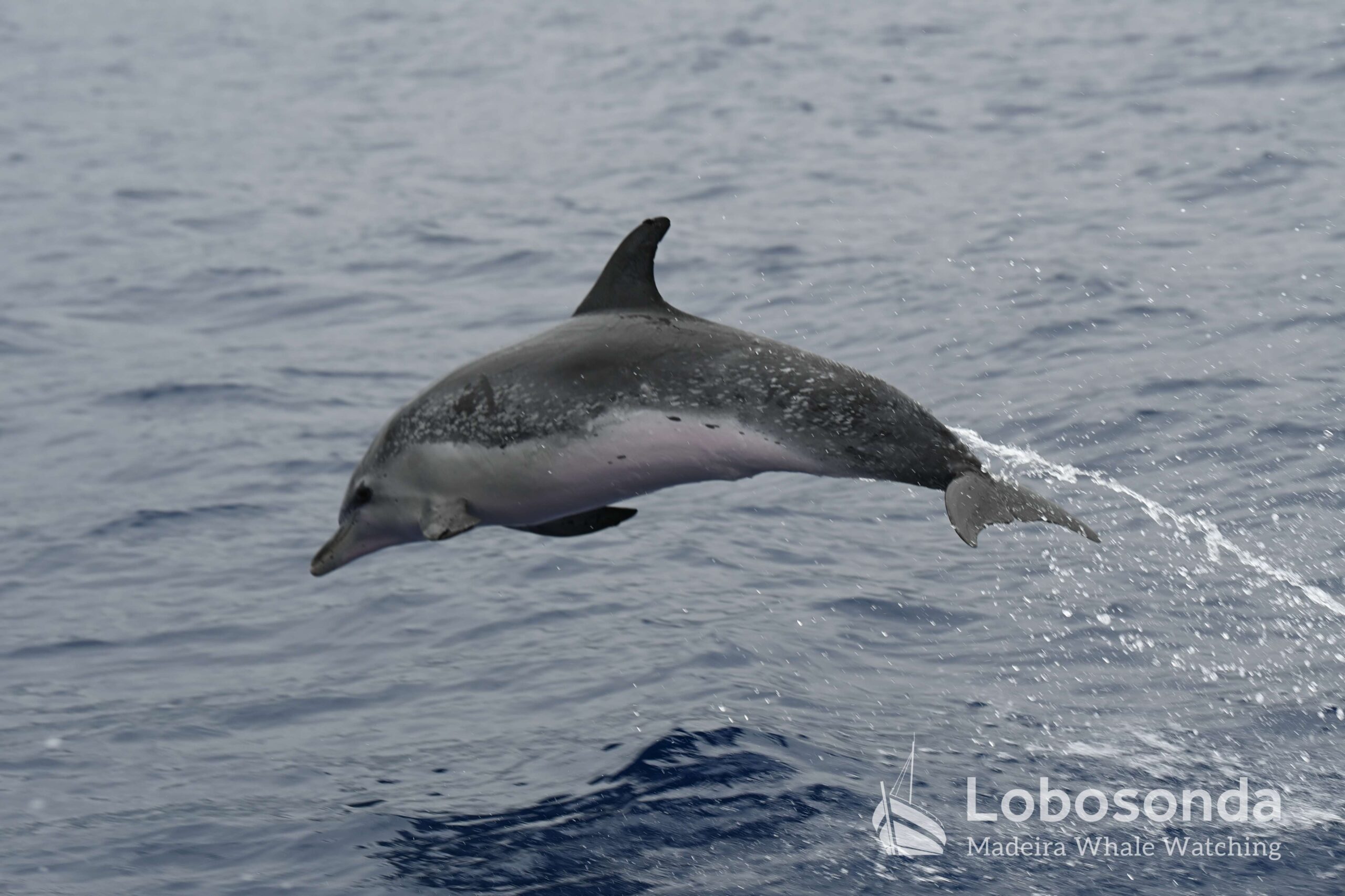
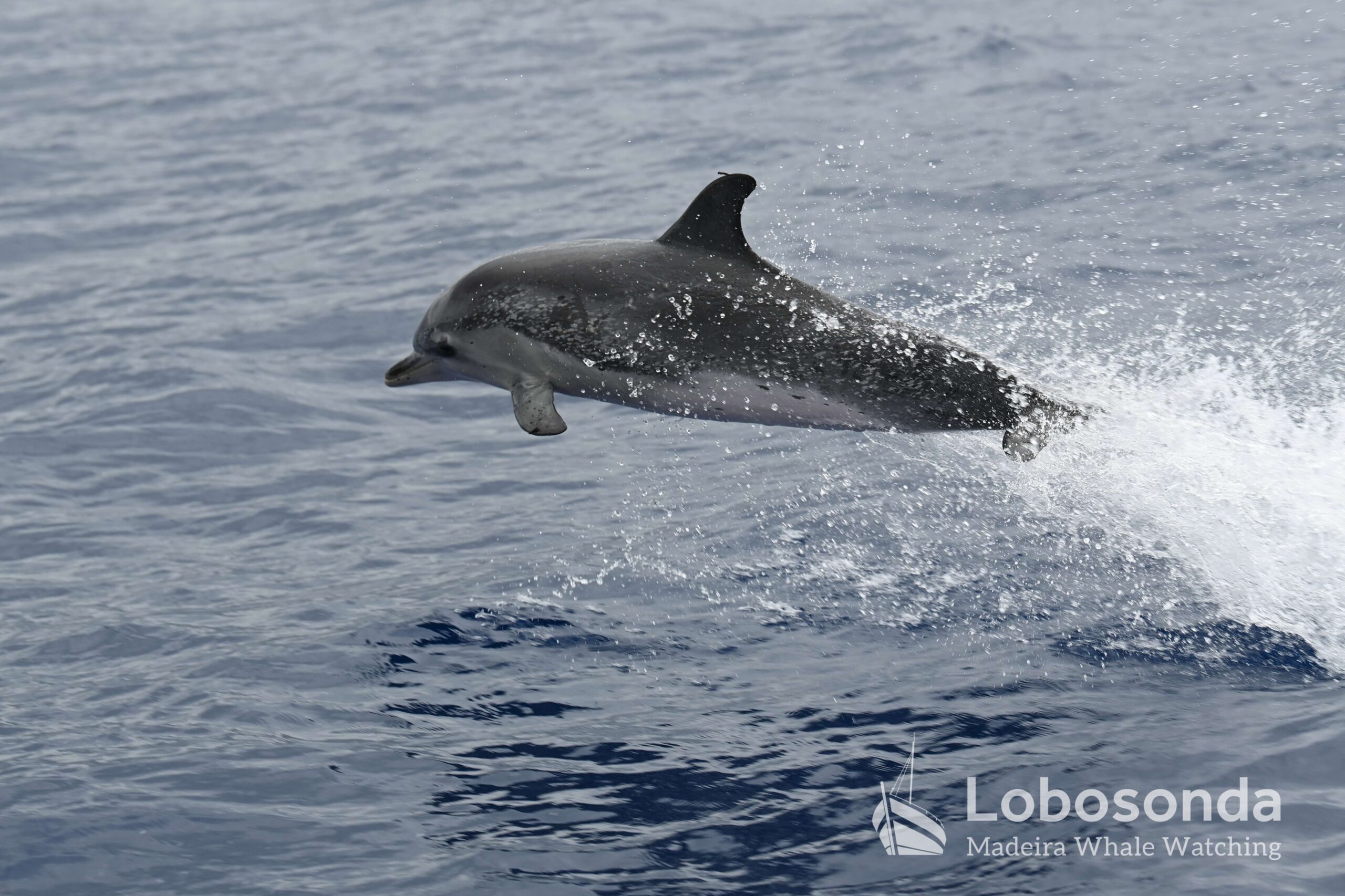
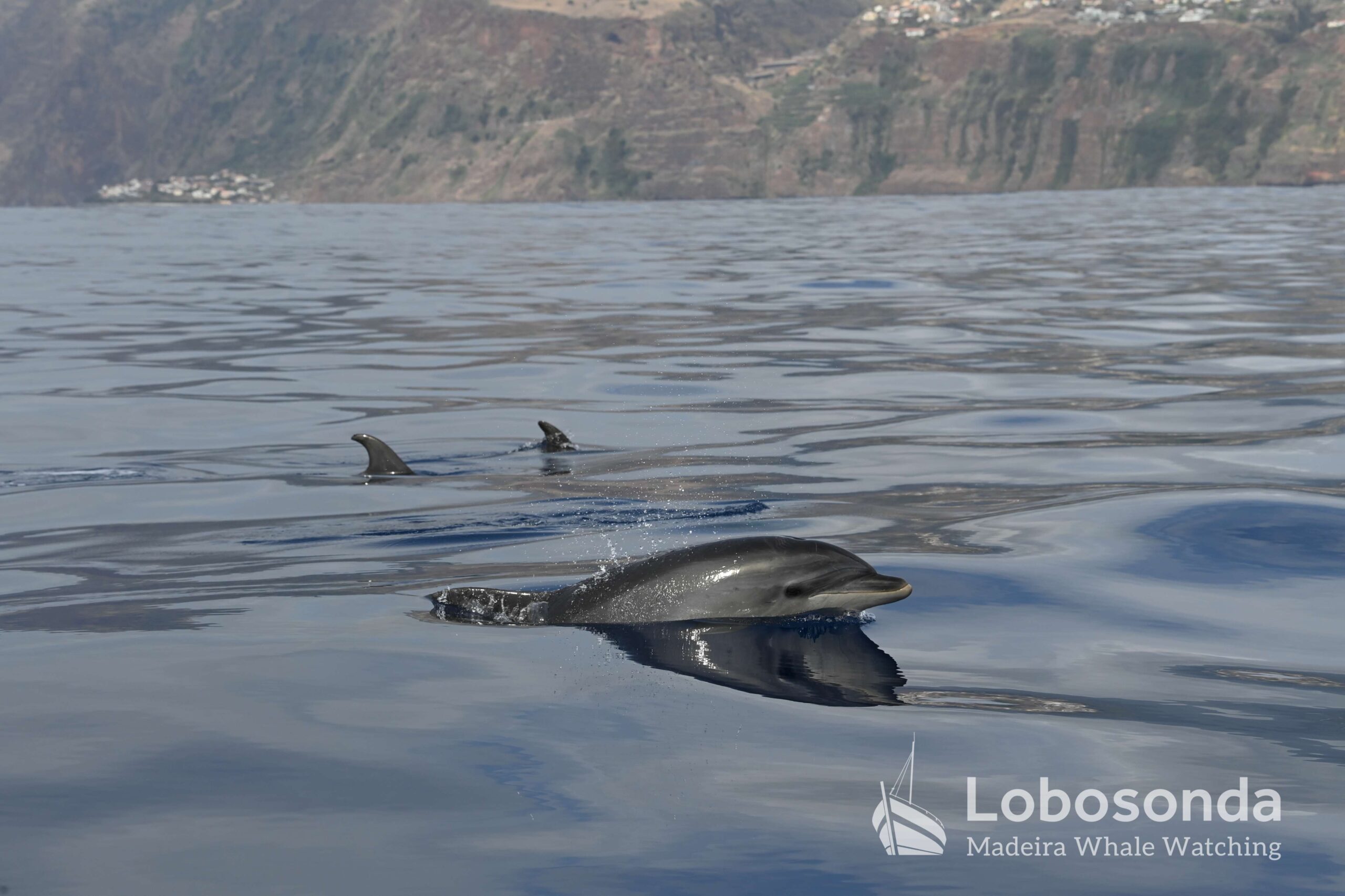
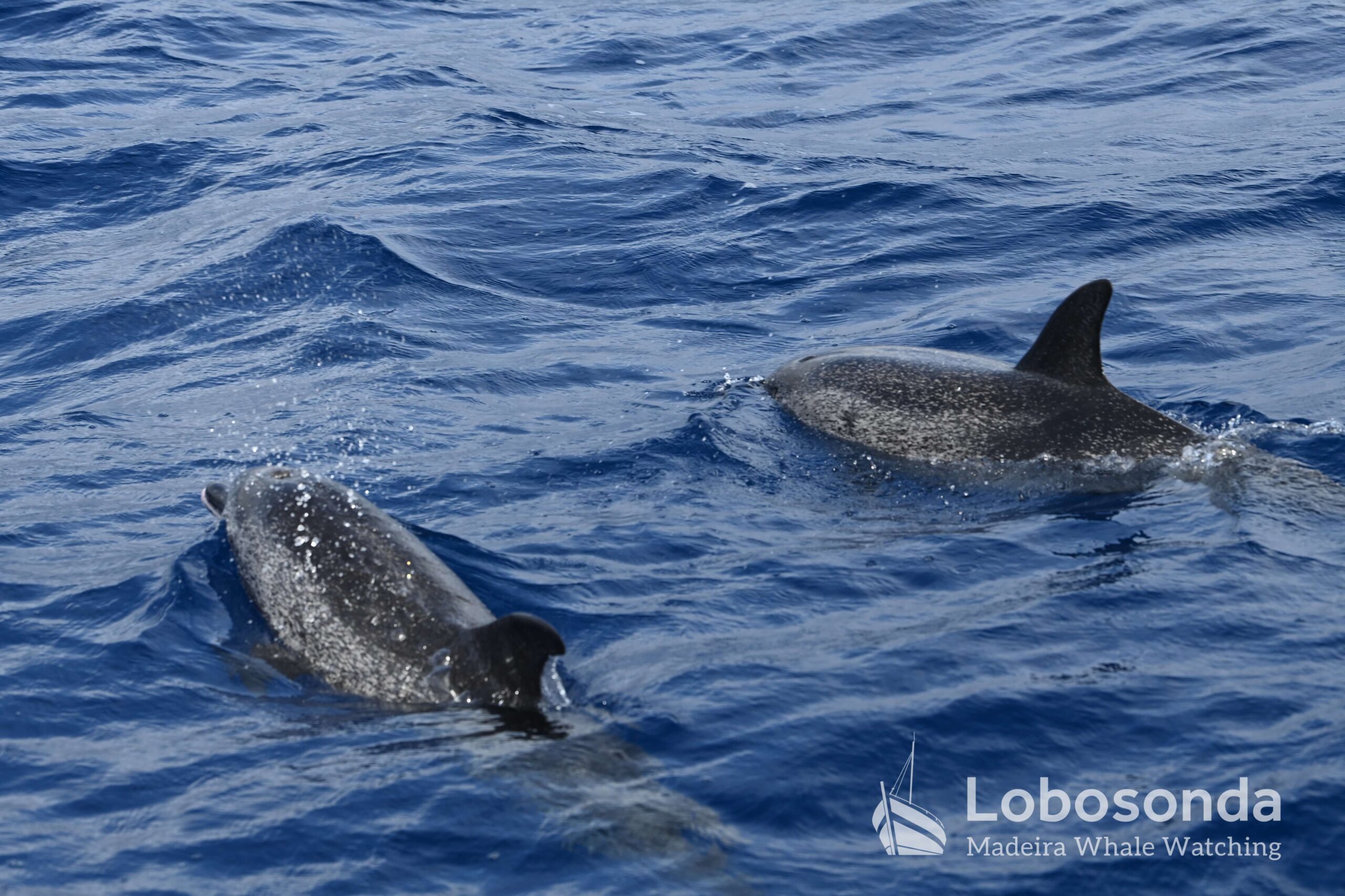
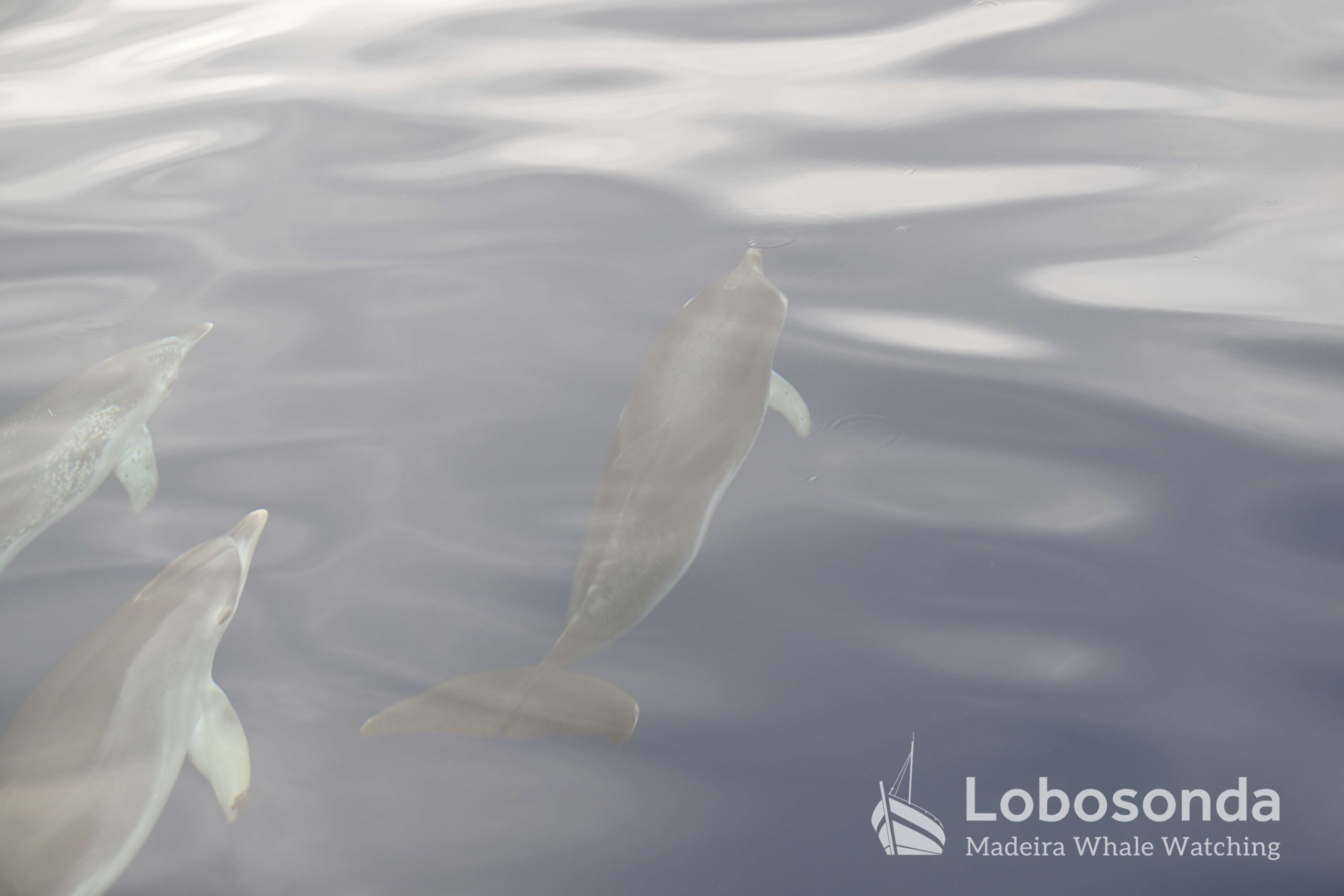
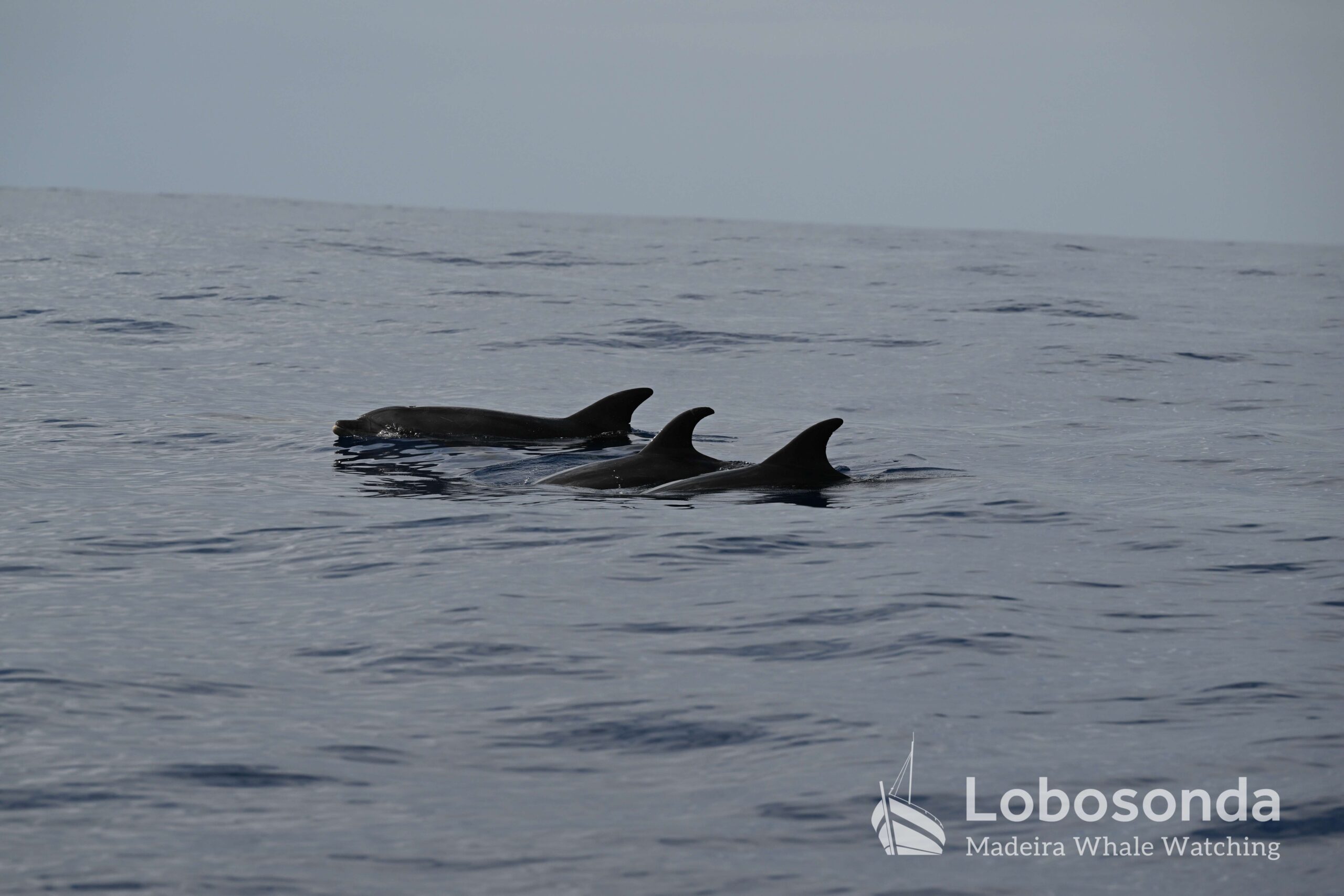
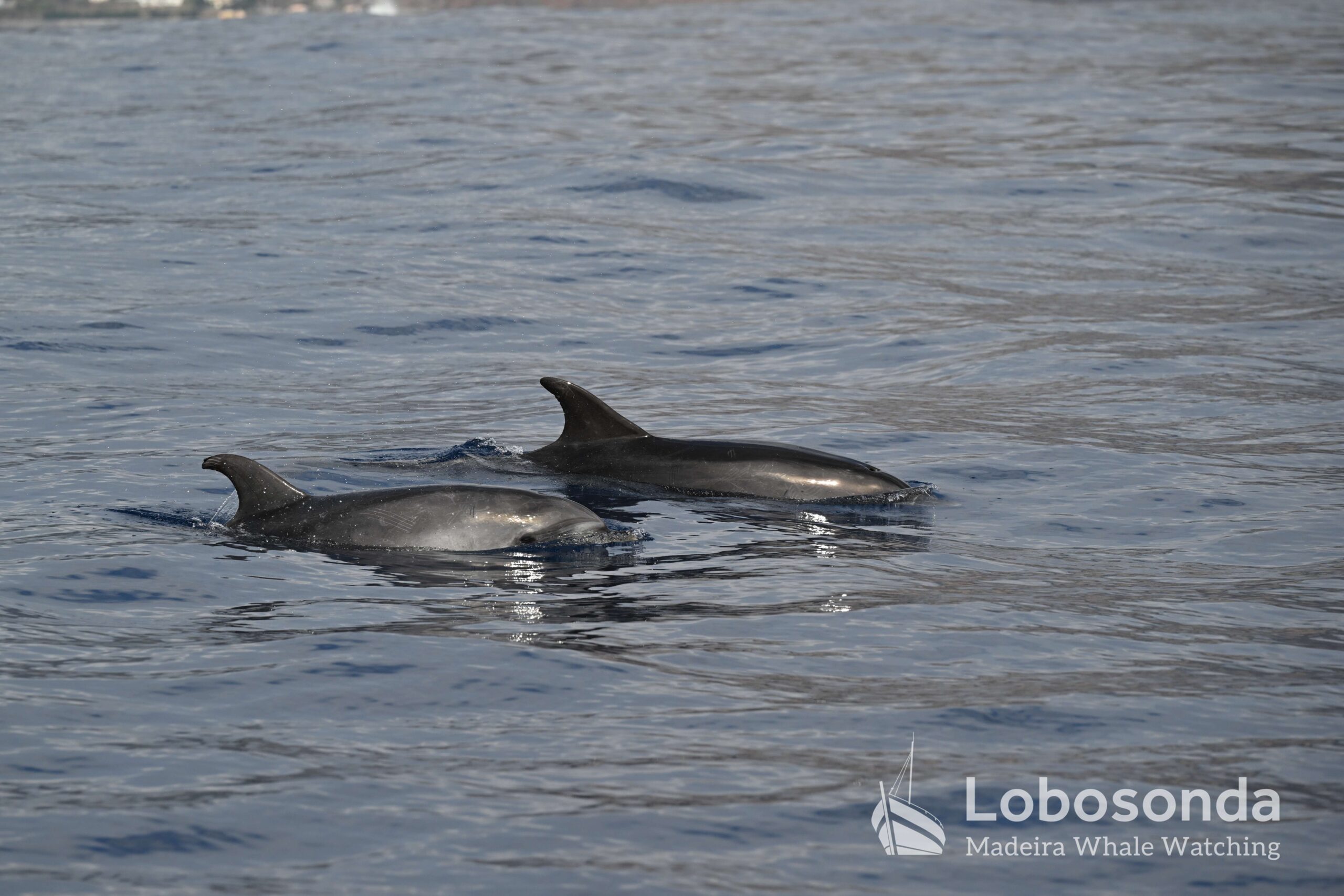
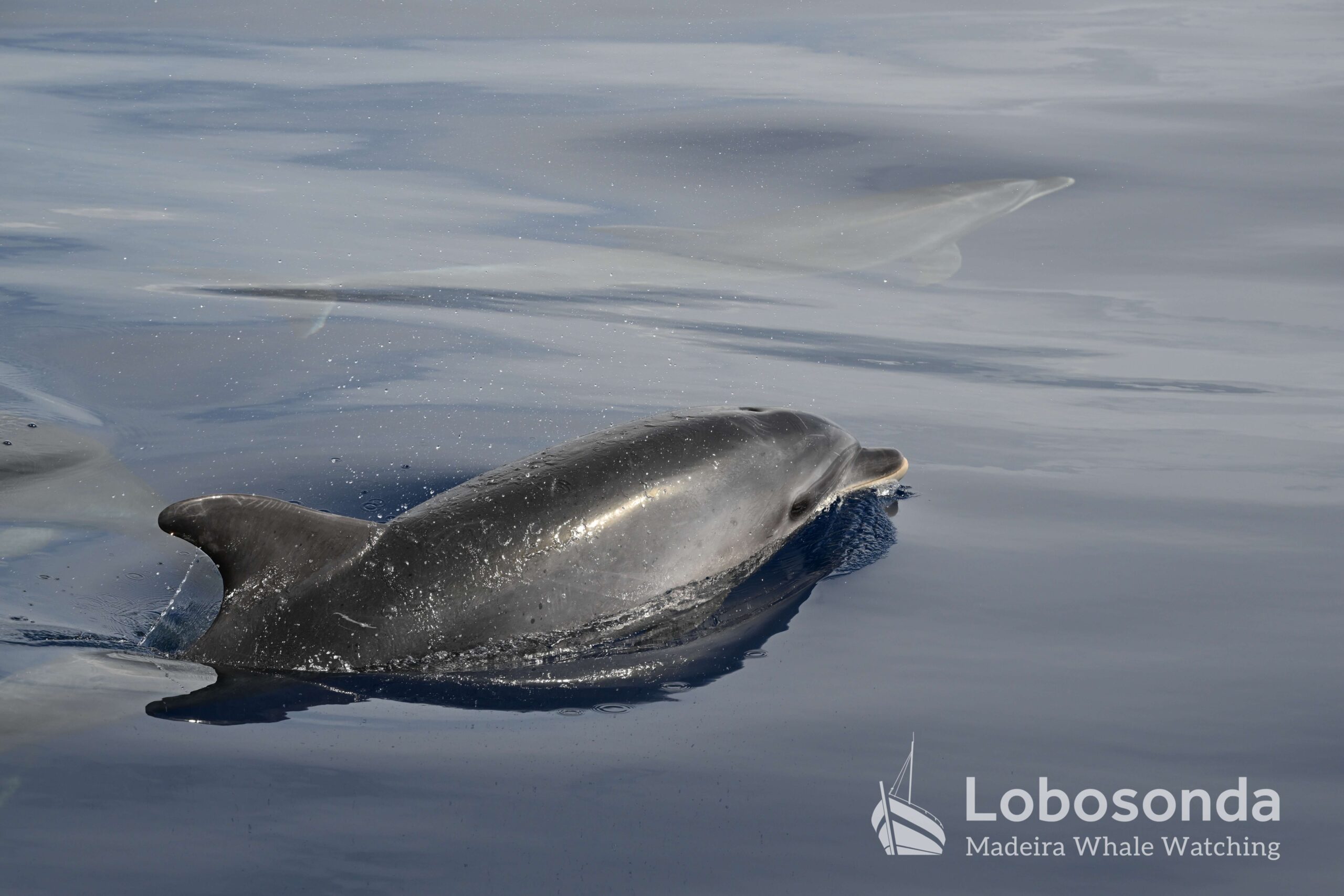
These adaptations are not exclusive to deep-diving whales. Even species such as bottlenose dolphins (Tursiops truncatus) and Atlantic spotted dolphins (Stenella frontalis) benefit from similar physiological mechanisms, although their diving patterns and maximum depths differ considerably.
Ultimately, cetaceans are perfectly adapted to their aquatic environment through millions of years of evolution. Their flexible bodies, specialised oxygen storage systems and remarkable dive response allow them to explore the deep ocean, forage for food and withstand pressures that would be impossible for humans without specialised equipment.
A simple guest question turned into a fascinating reminder of just how extraordinary these animals are and how much there is still to learn about life beneath the surface of the Atlantic.
By Gemma Stockmans
Sightings of the day
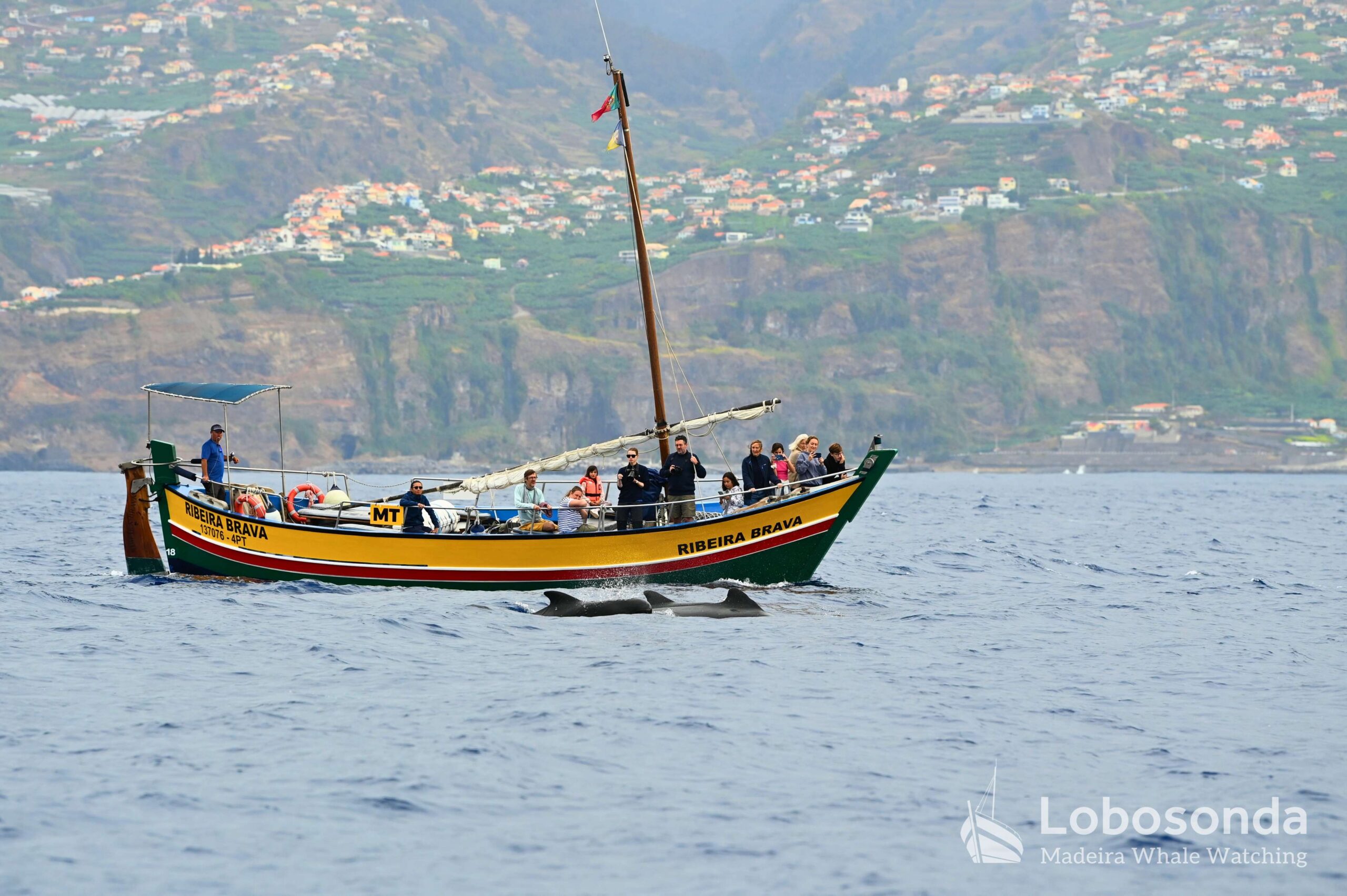
Ribeira Brava
09:00 Short-finned pilot whales, Atlantic spotted dolphins
13:00 Blainville’s beaked whales, Bottlenose dolphins
Steno
09:30 Bottlenose dolphins, short-finned pilot whales, Atlantic spotted dolphins
13:30 Bottlenose dolphins, Atlantic spotted dolphins, Blainville’s beaked whales