16.07.2026 – Clique
July 22, 2026
18.07.2026 – Ghosts of Madeira
July 24, 2026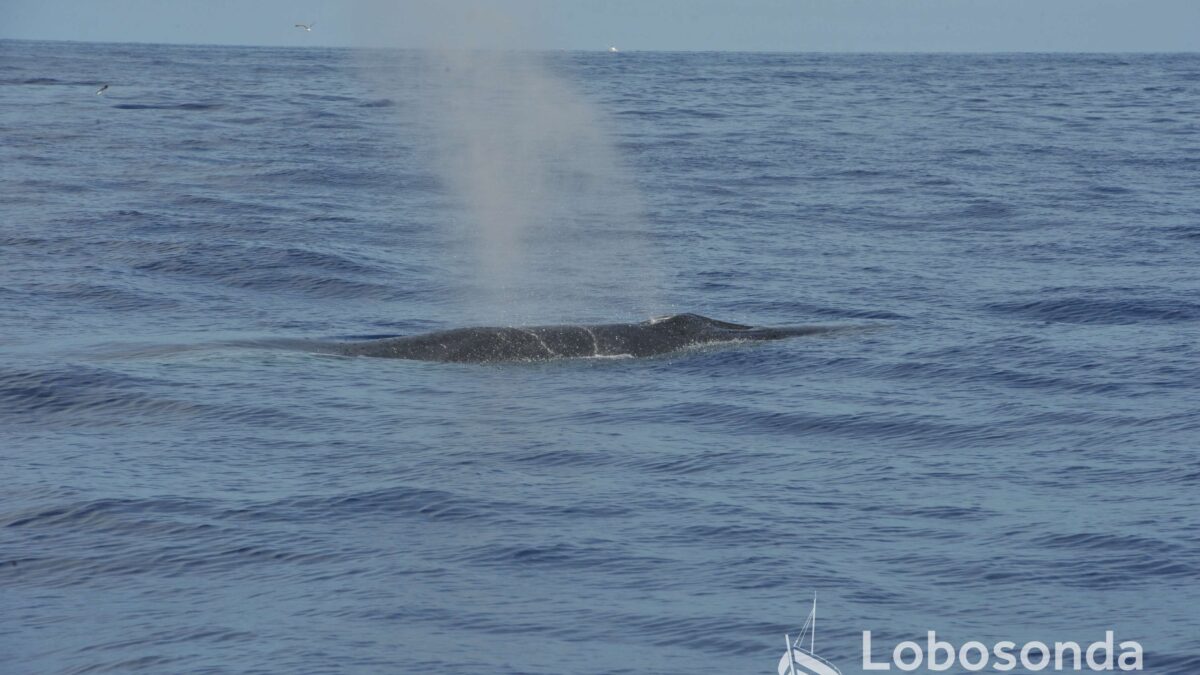
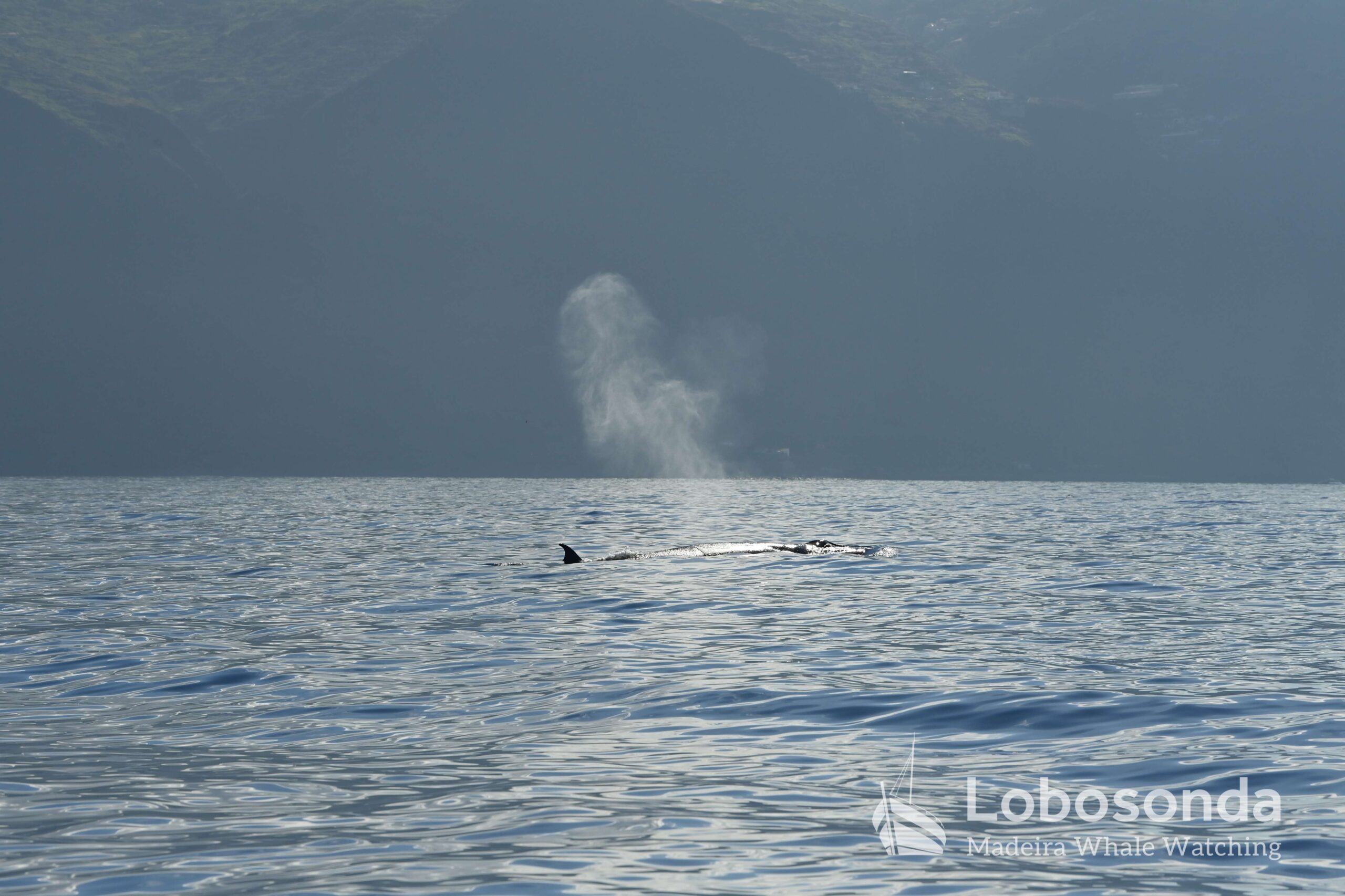
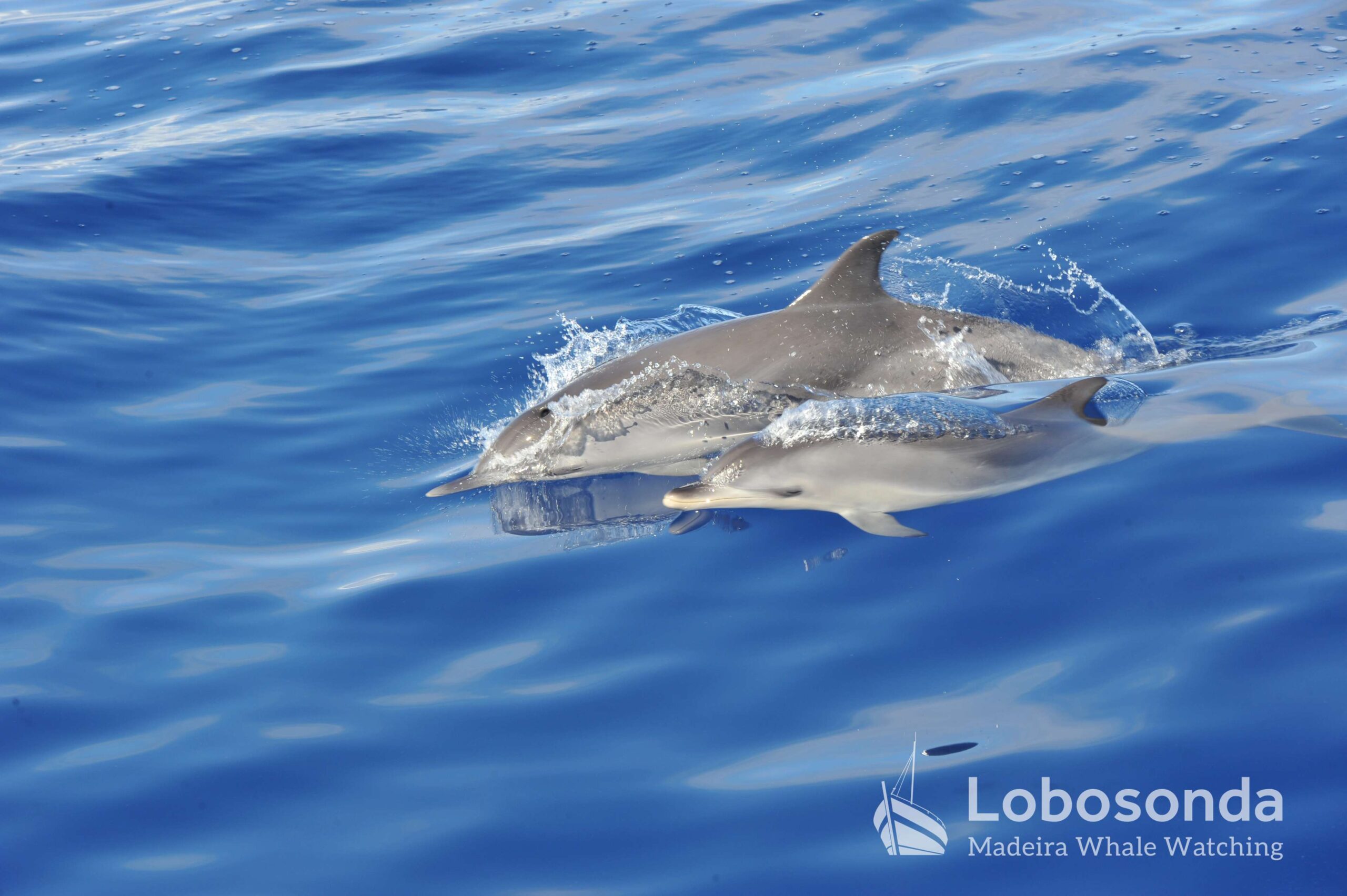
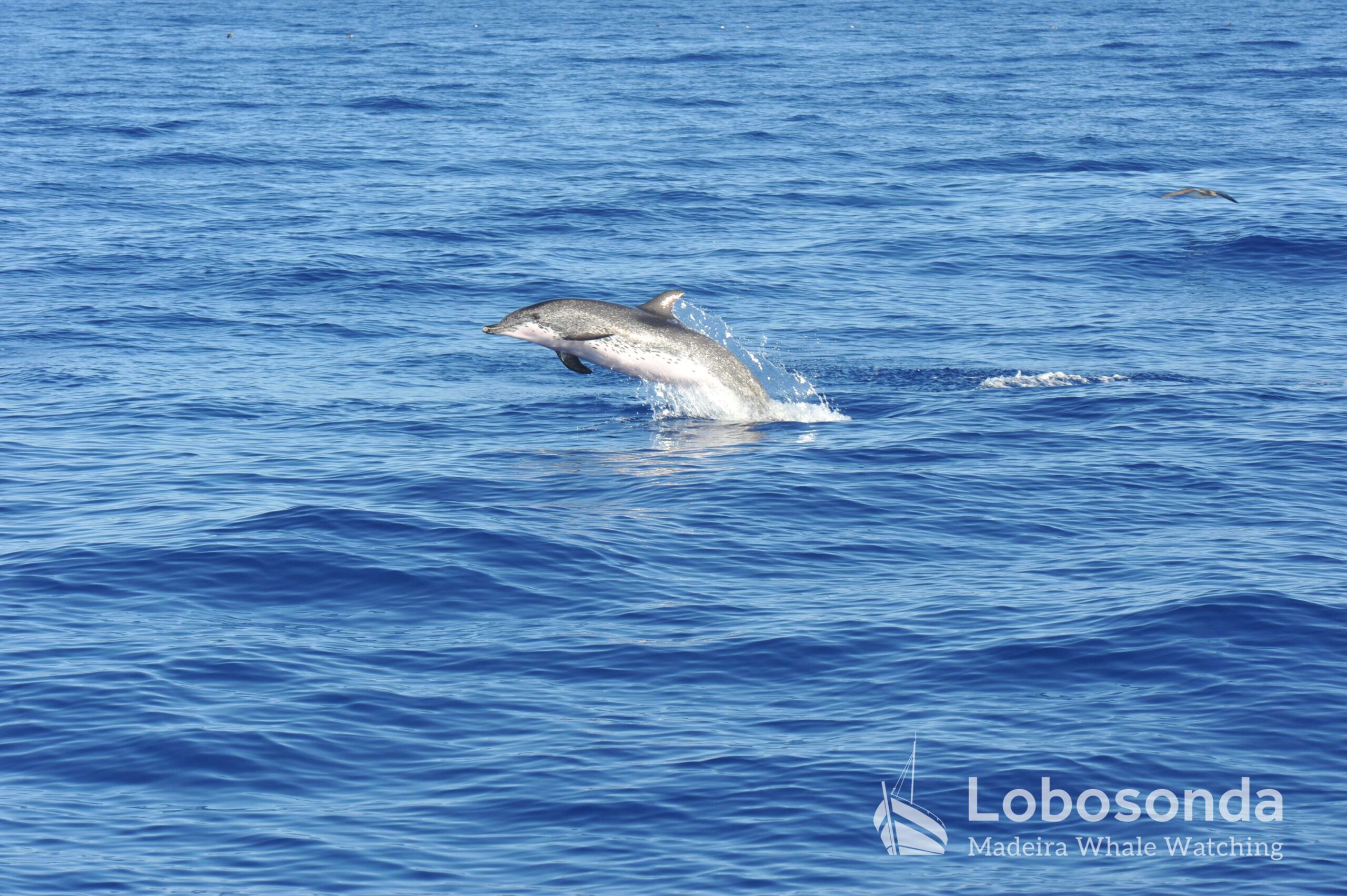
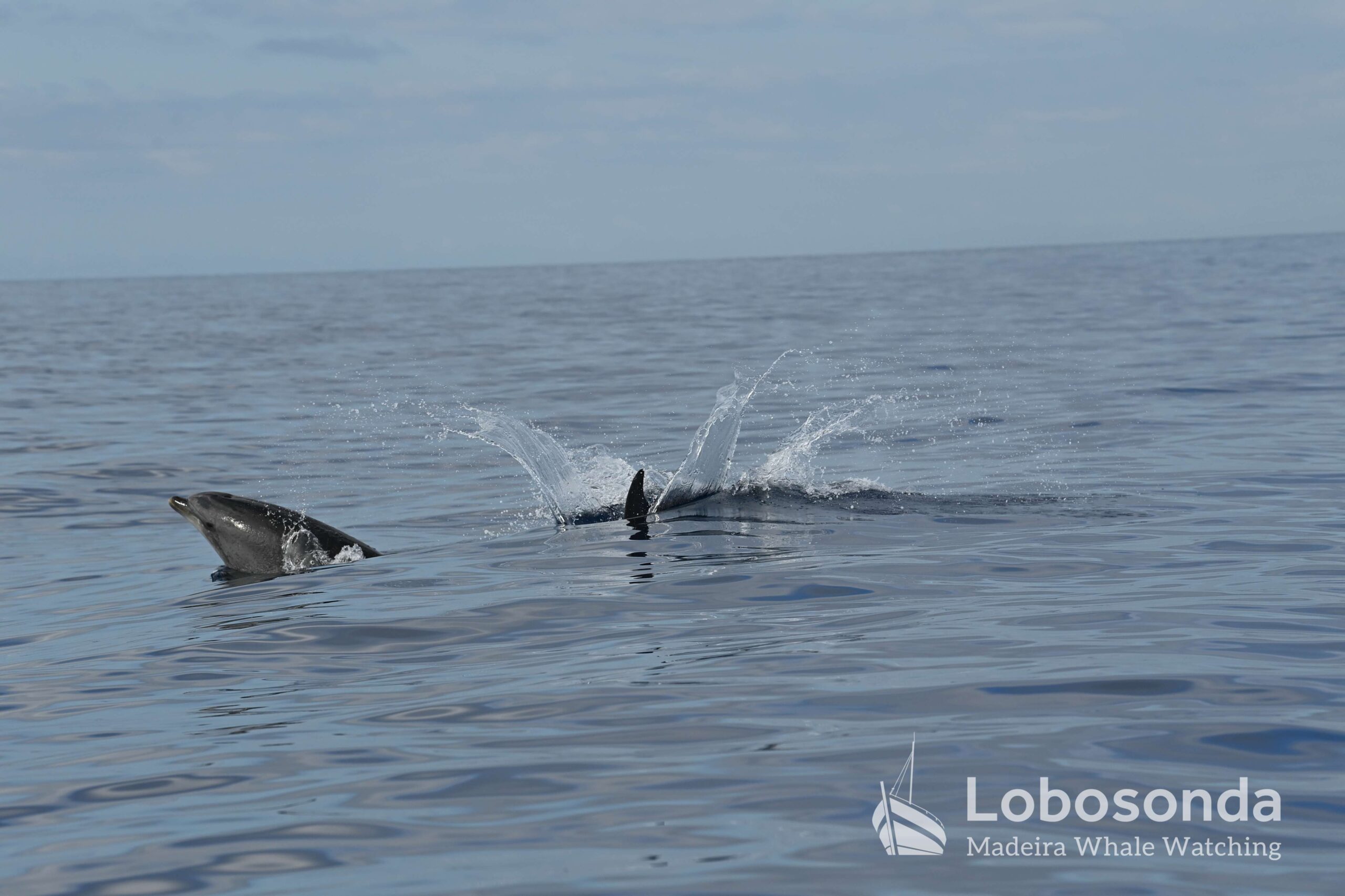
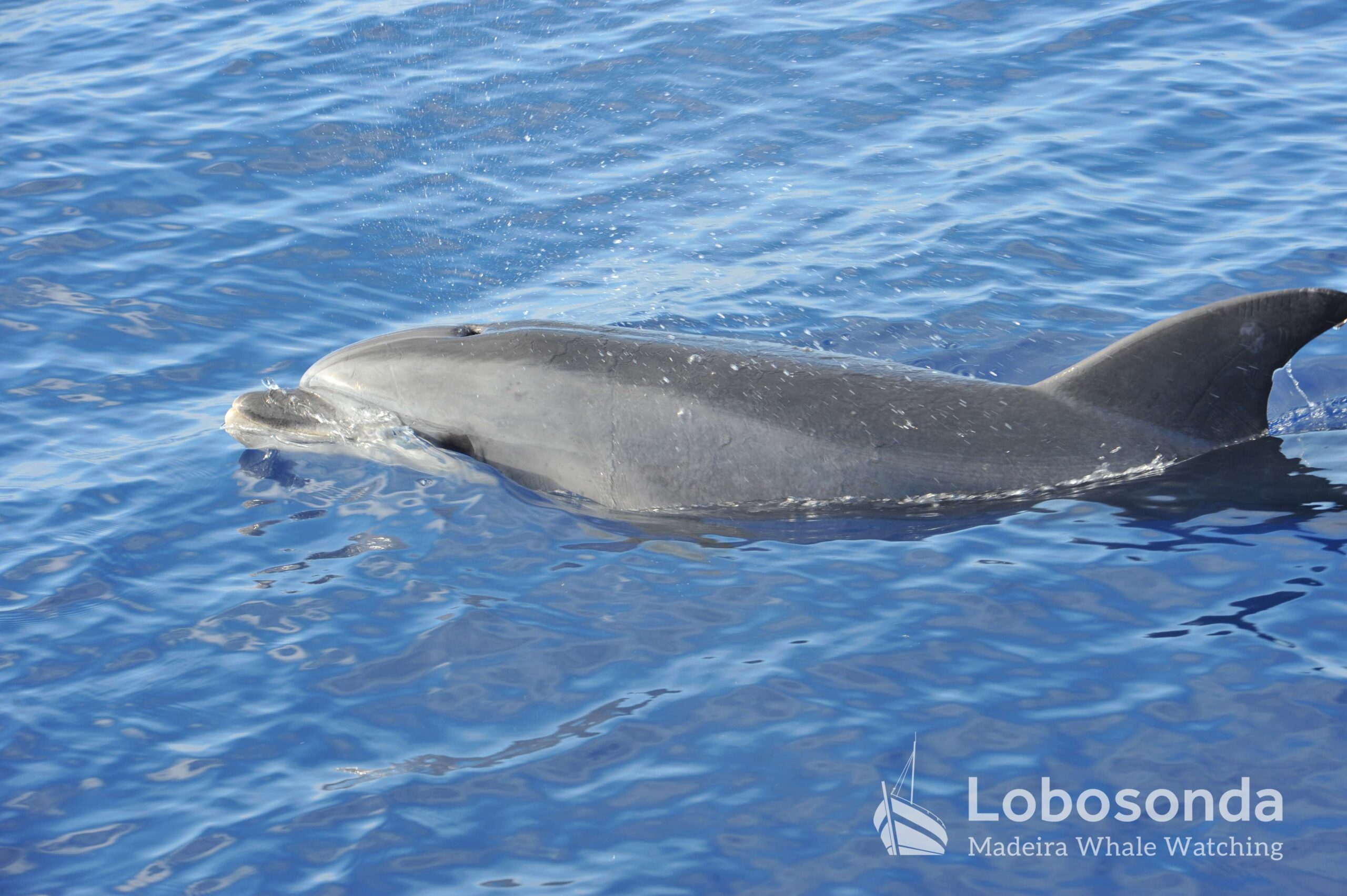
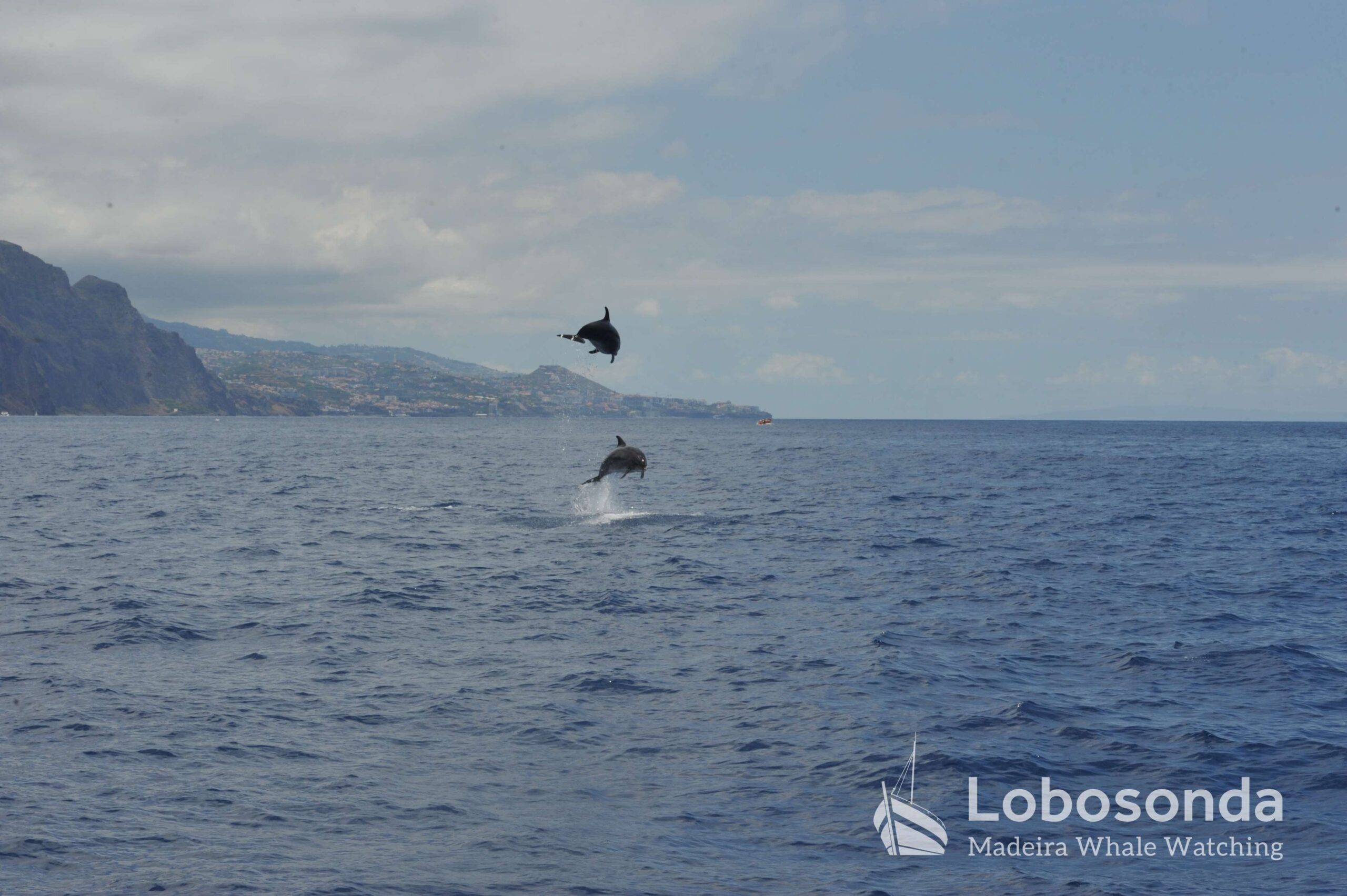
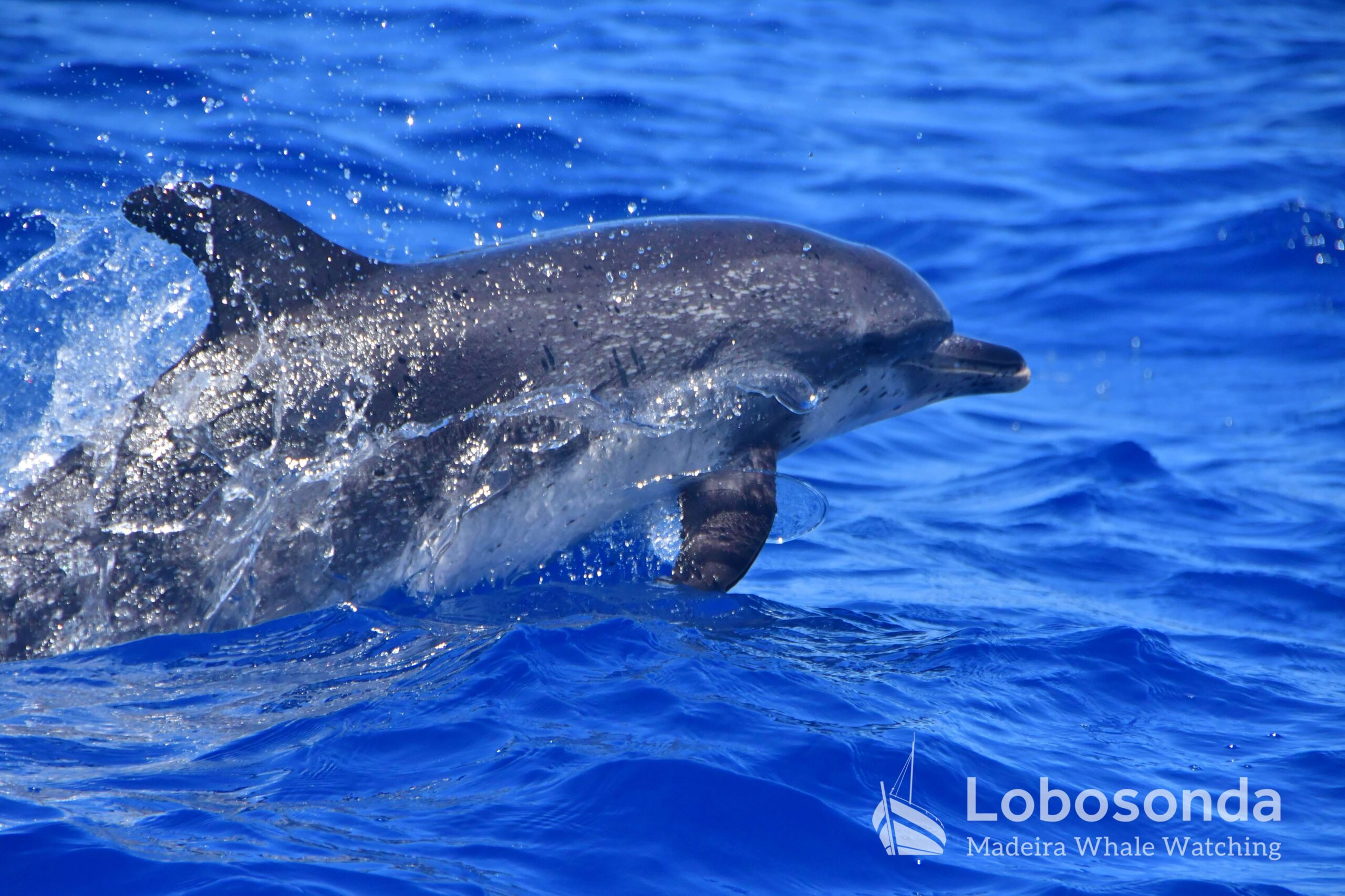
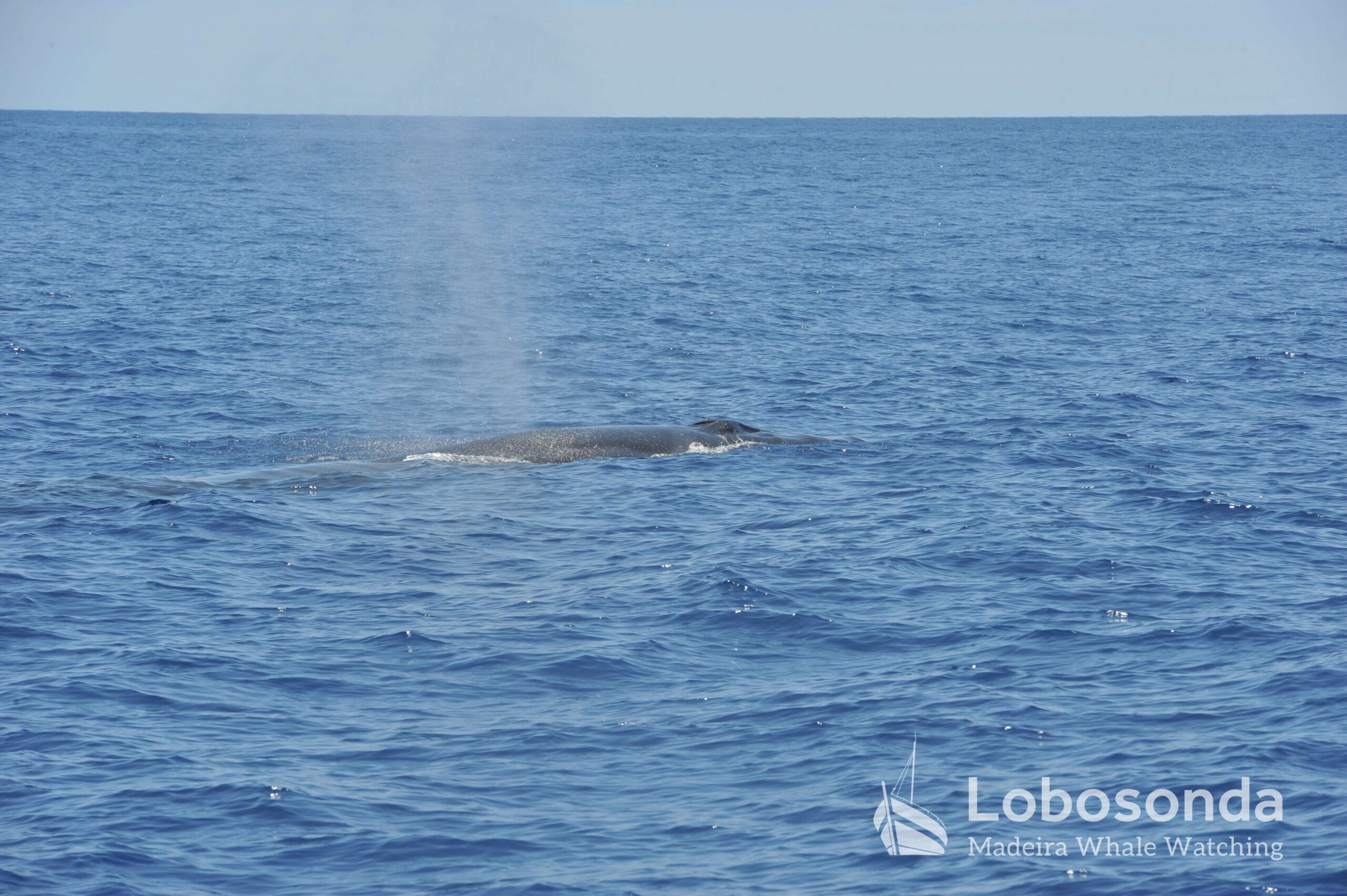
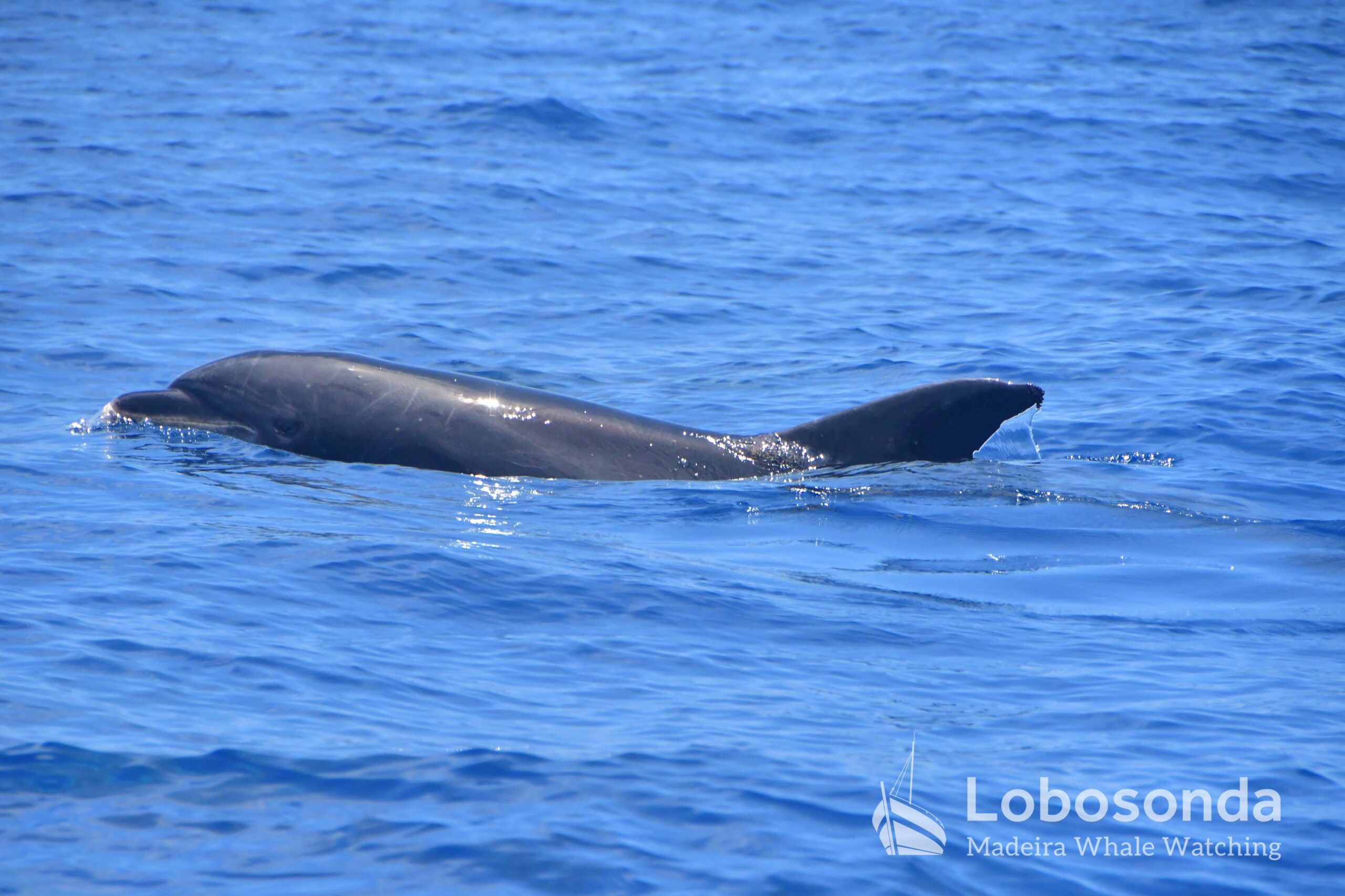
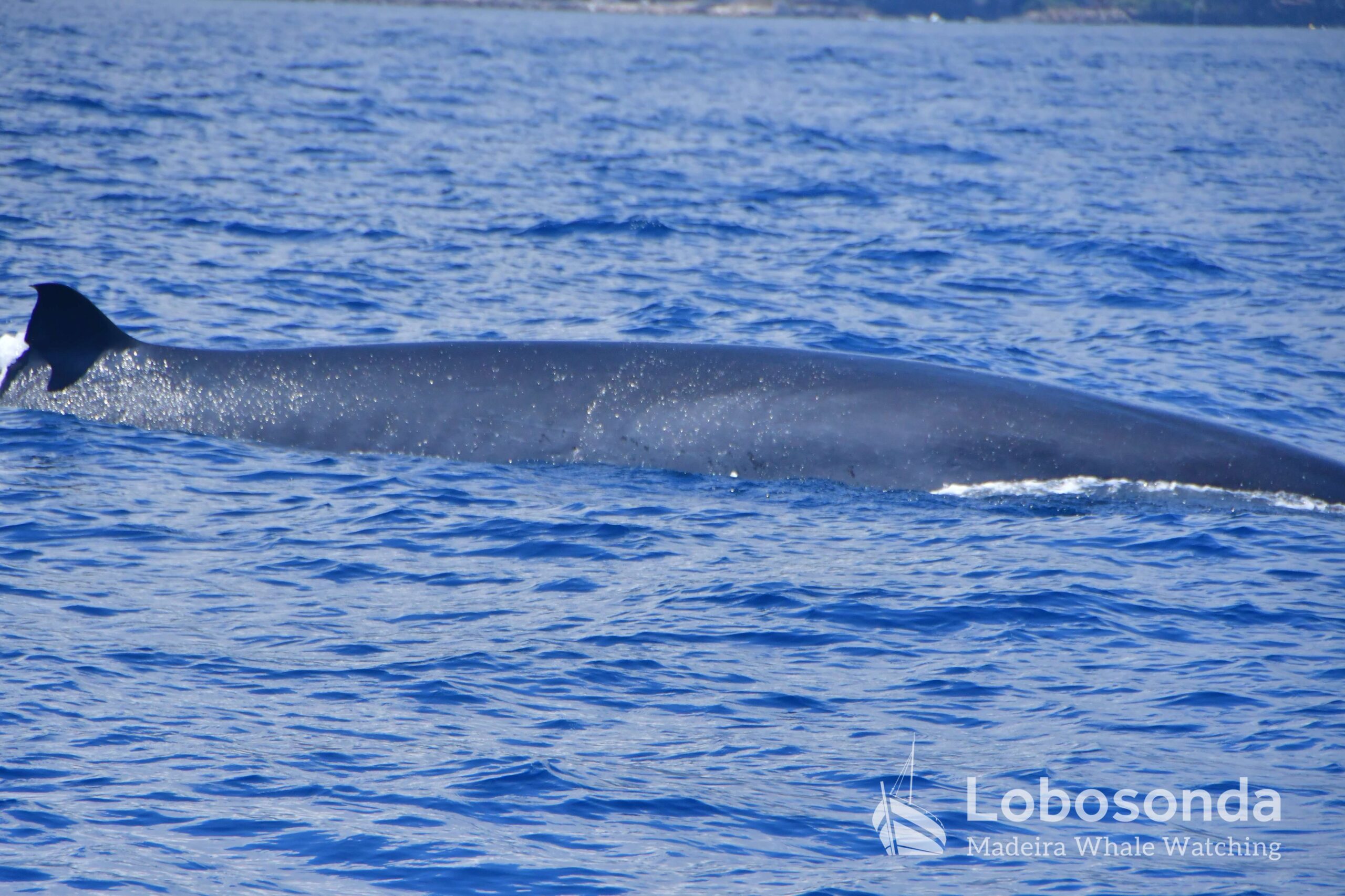
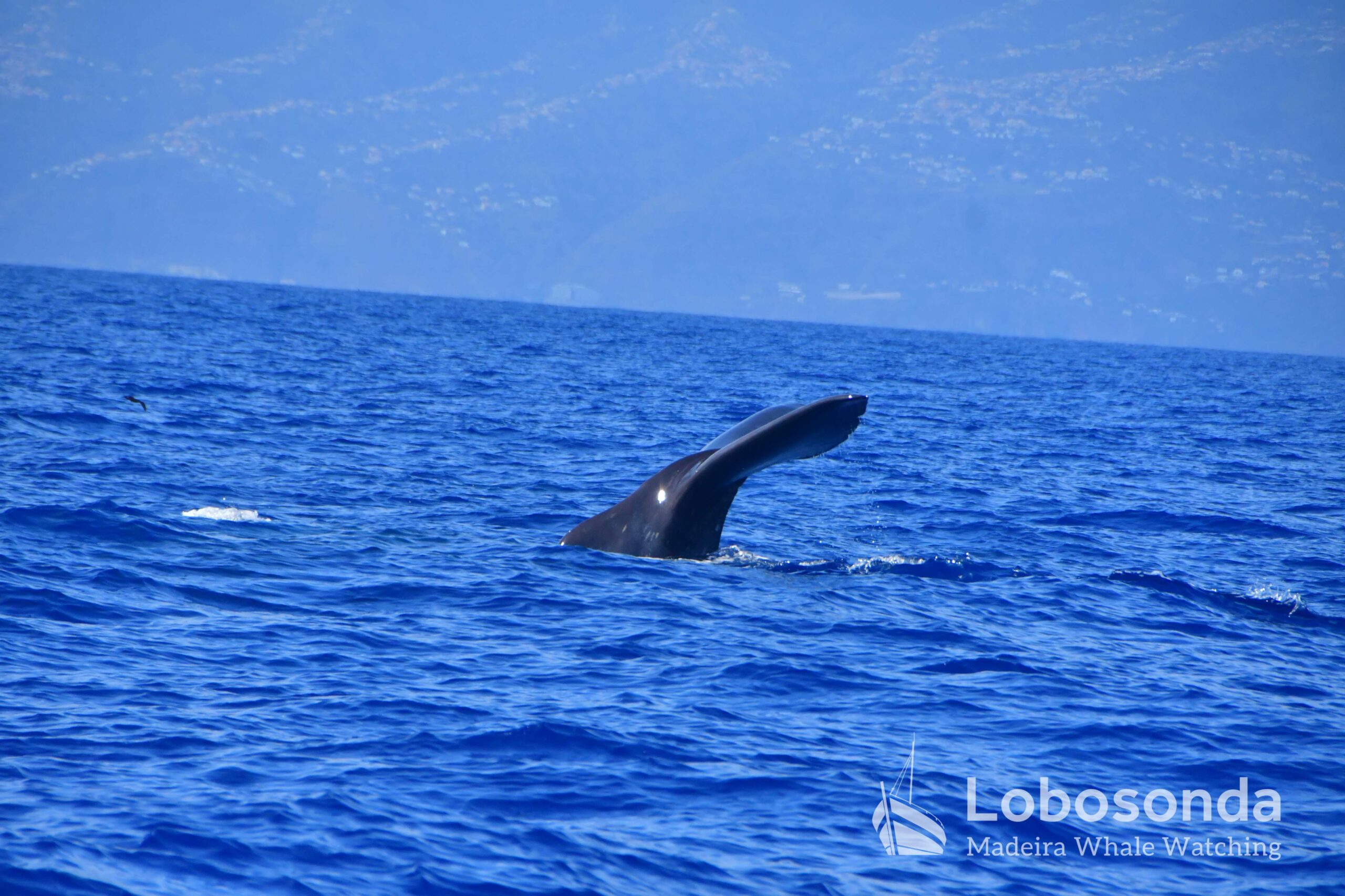
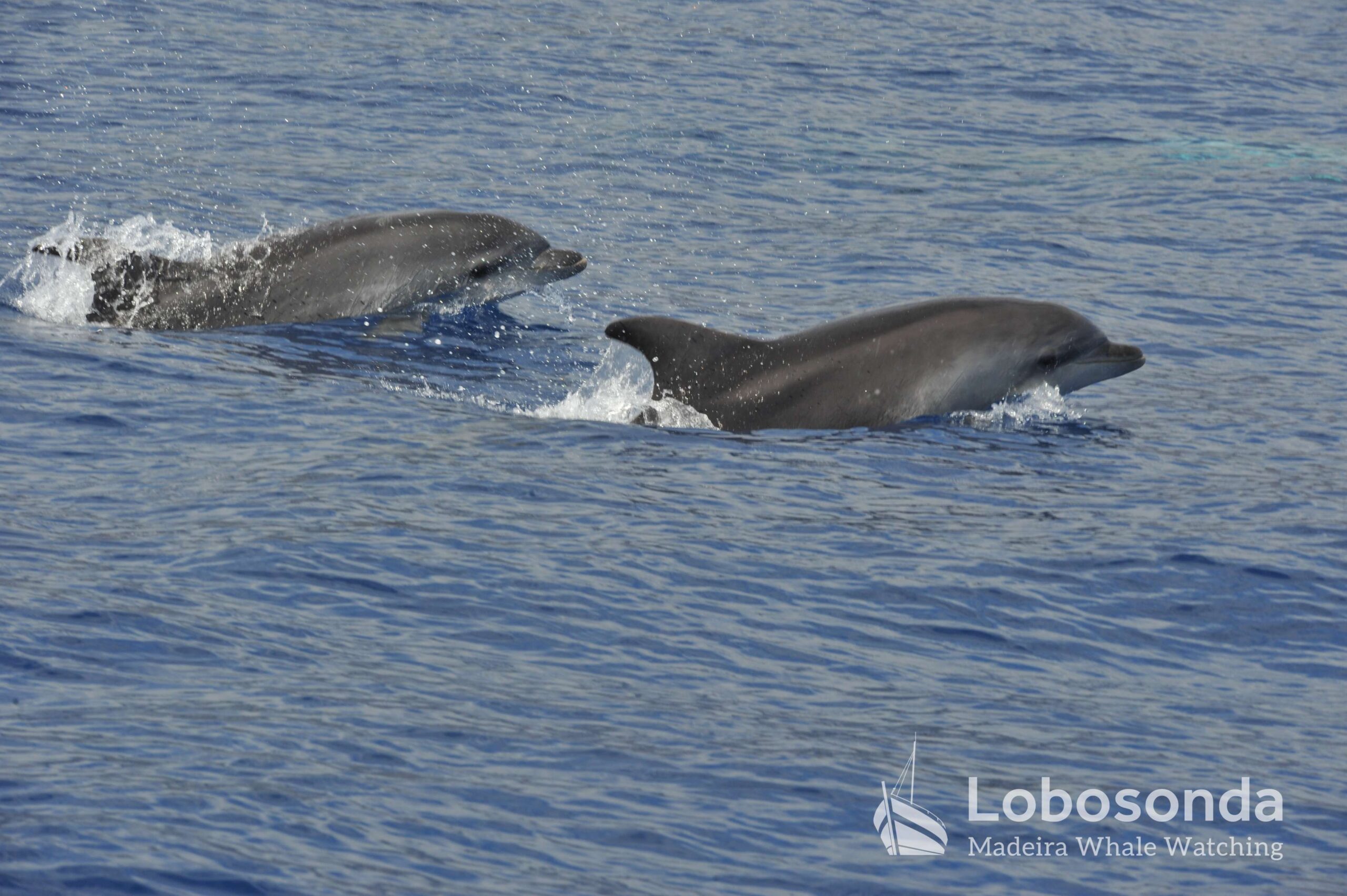
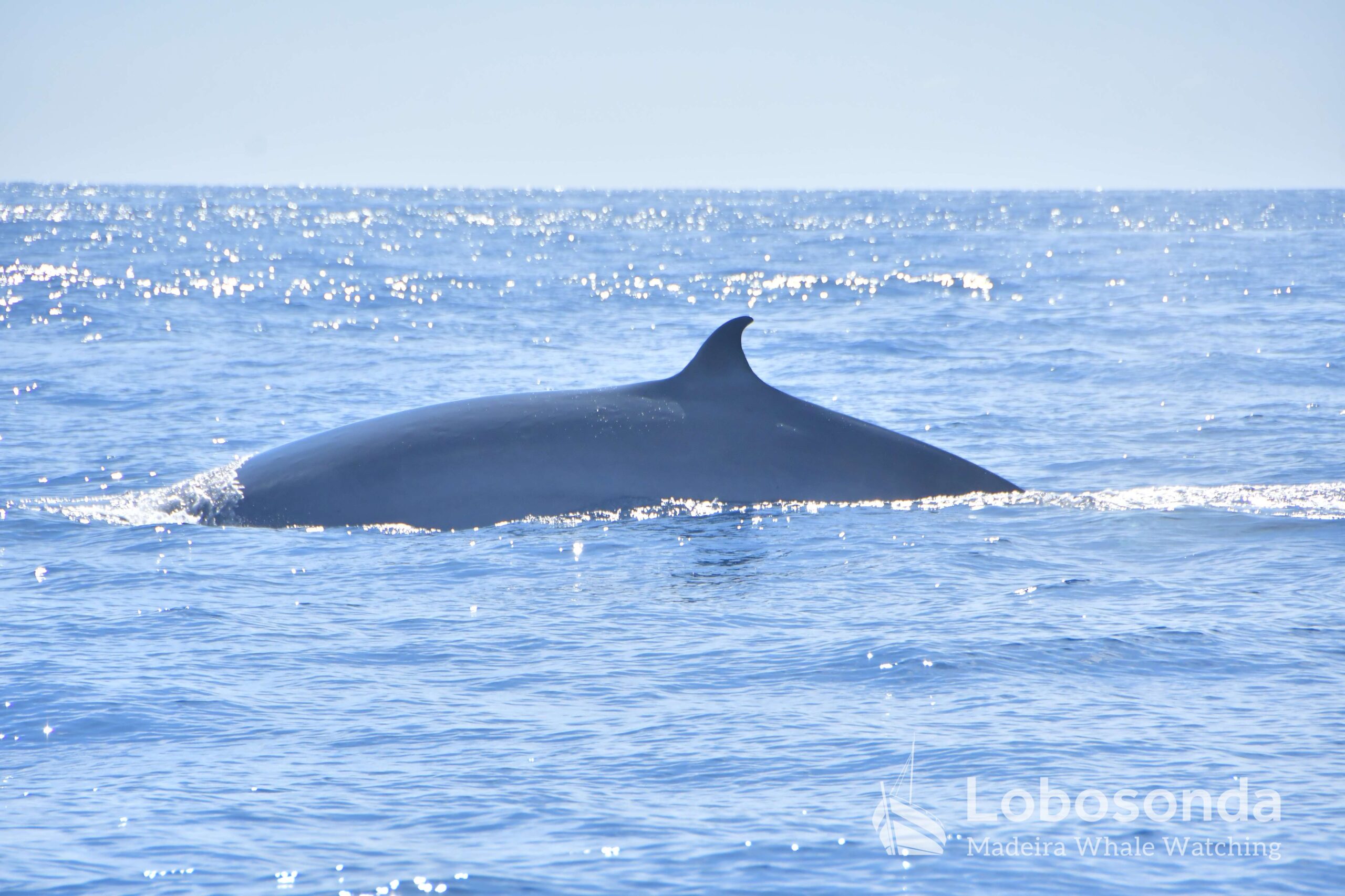
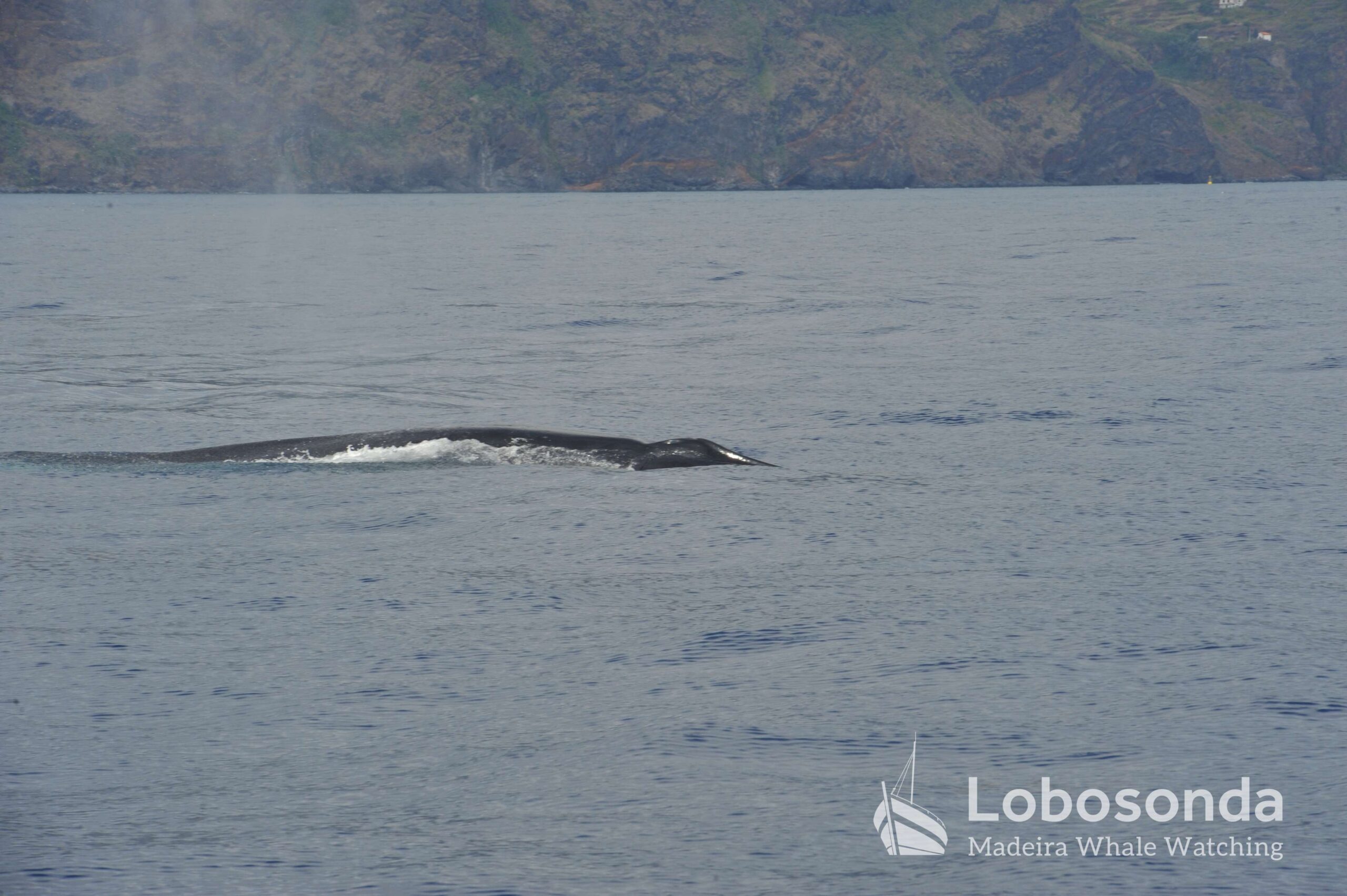
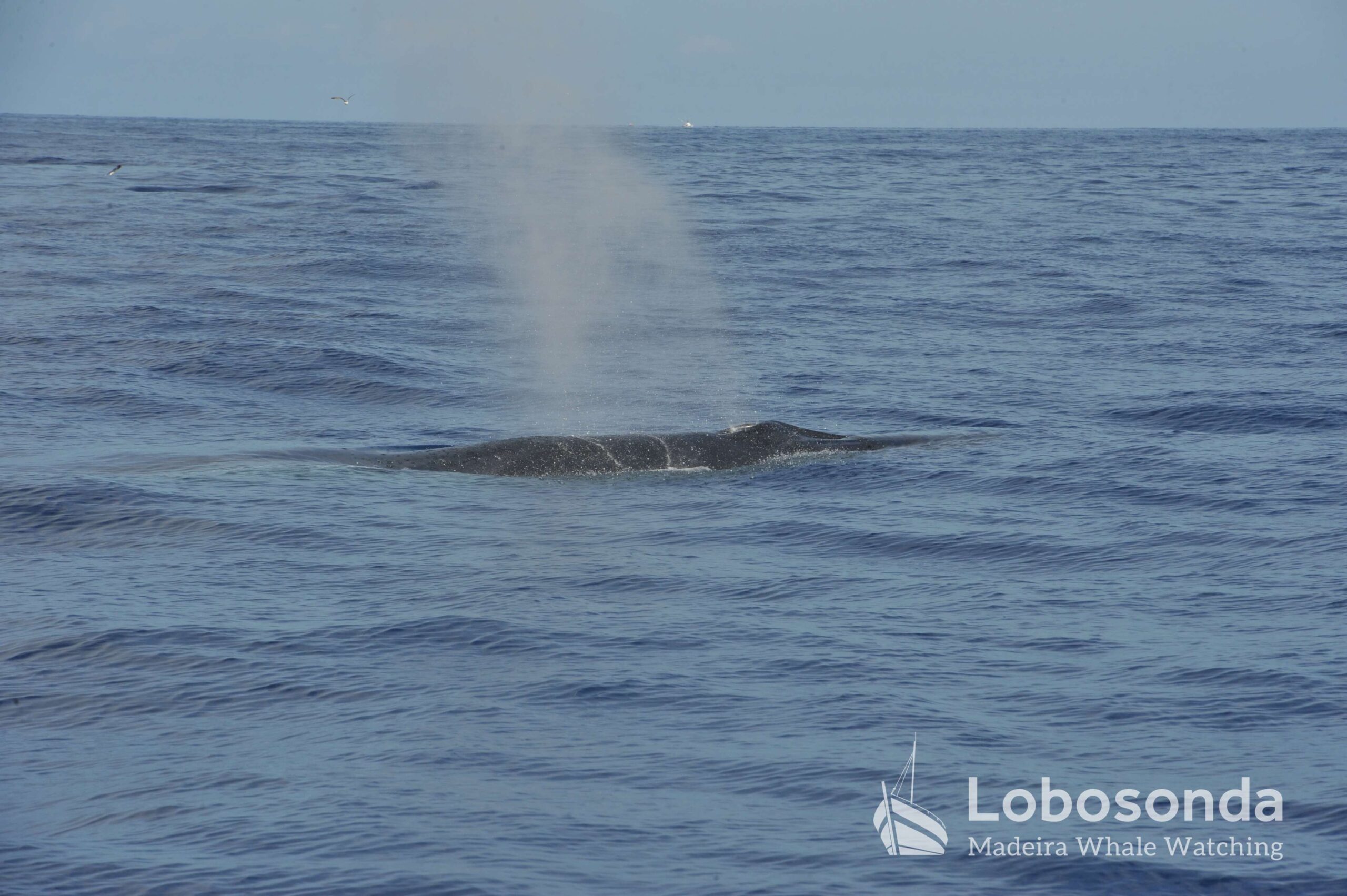
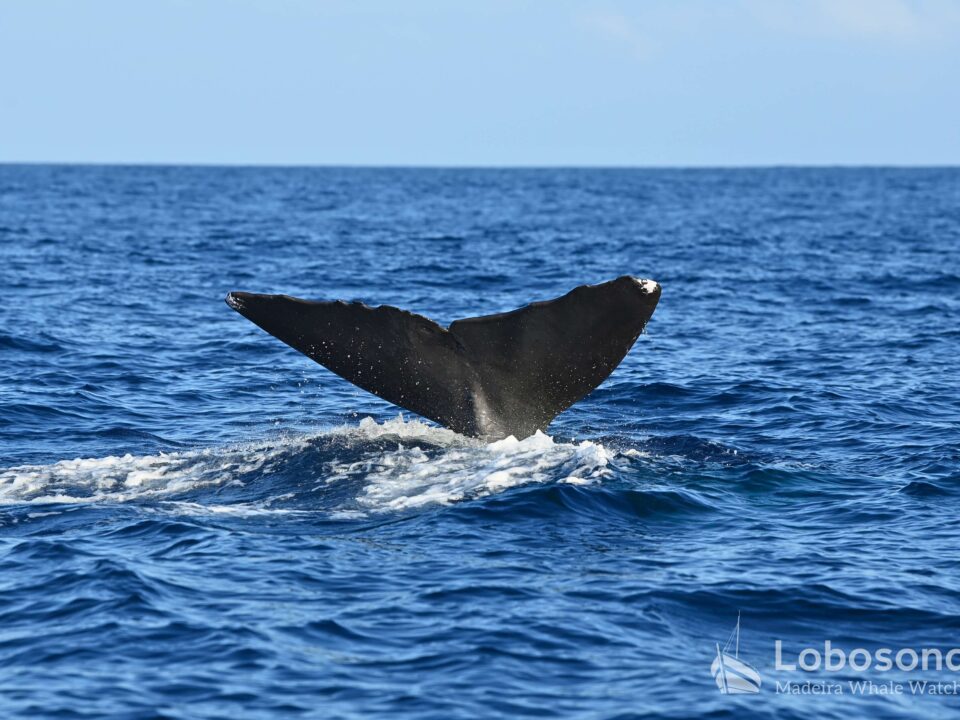
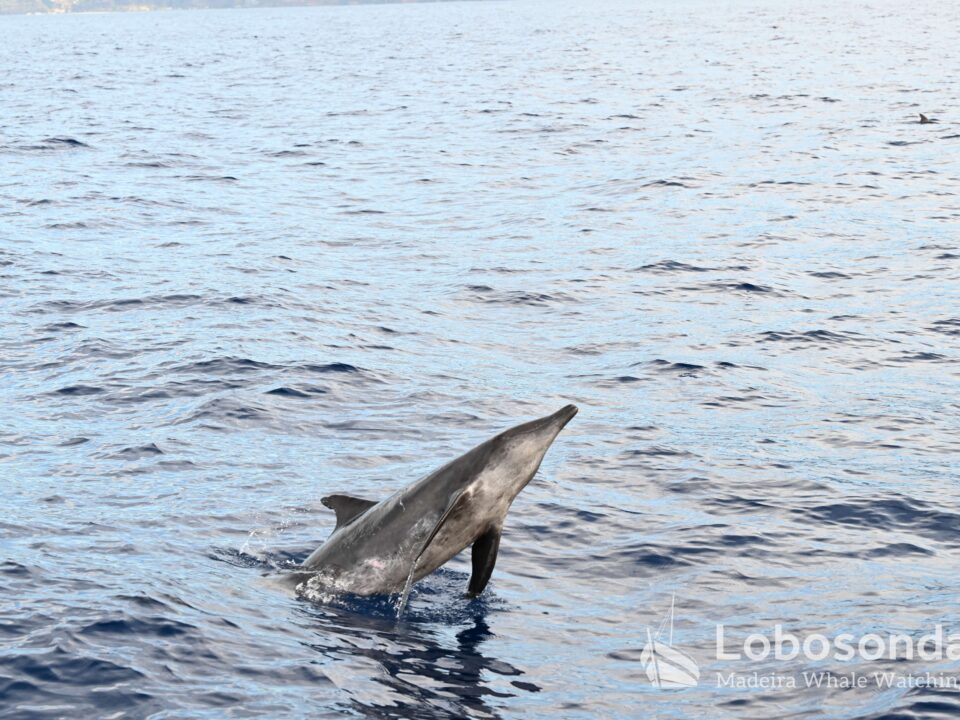
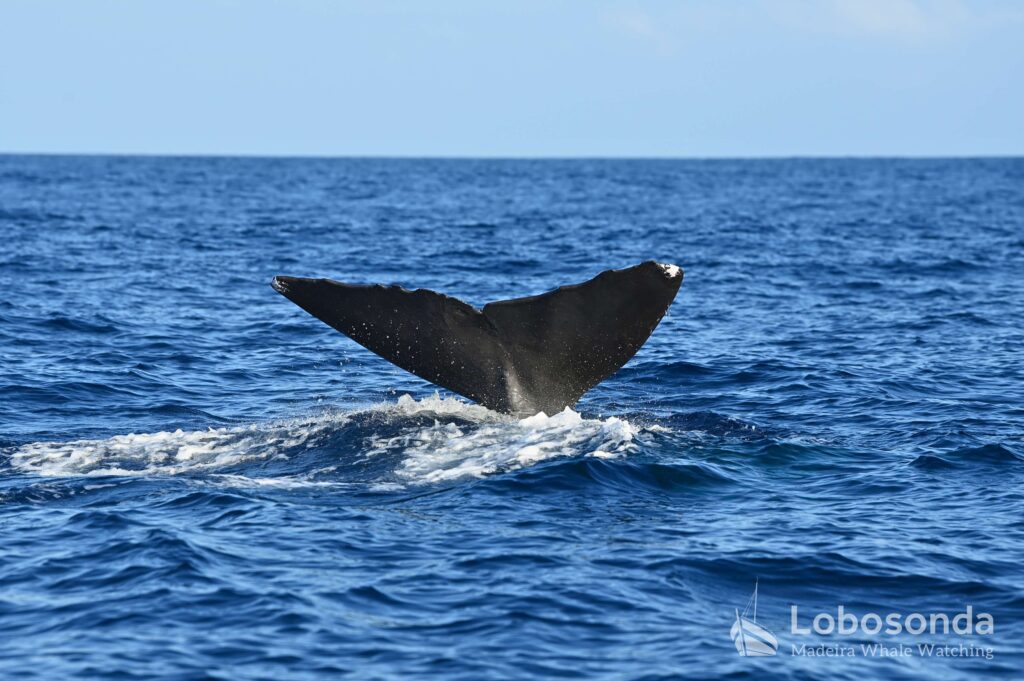
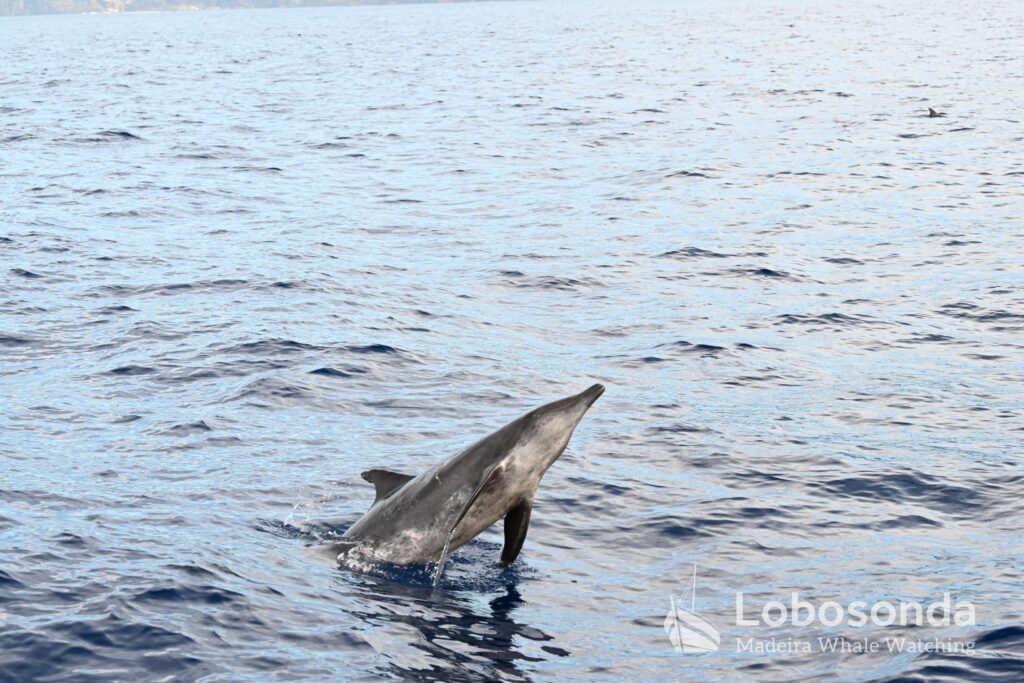
Today we were fortunate to observe several fascinating marine mammal species: Bryde’s whales (Balaenoptera edeni), Sperm whales (Physeter macrocephalus), Bottlenose dolphins (Tursiops truncatus), Atlantic spotted dolphins (Stenella frontalis), and even a Mediterranean monk seal (Monachus monachus).
Whales evolved from land-dwelling mammals that lived around 55 million years ago. Their ancestors belonged to the group of even-toed ungulates and were closely related to today’s hippopotamuses. Over millions of years, they gradually adapted to life in the water: legs evolved into flippers, their bodies became streamlined, and their nostrils moved to the top of the head, forming the blowhole.
Around 34 to 36 million years ago, whale evolution split into two major groups: baleen whales (Mysticeti) and toothed whales (Odontoceti). This divergence was driven by different feeding strategies. As the oceans changed and new food sources became available, some whales specialized in filtering large volumes of water, while others became active hunters.
The Bryde’s whale is a baleen whale. Using its baleen plates, it filters small fish and other prey from the water. Sperm whales, Bottlenose dolphins, and Atlantic spotted dolphins all belong to the toothed whales. They actively hunt their prey and use echolocation to navigate and locate food, even in complete darkness.
The Mediterranean monk seal tells a different evolutionary story. It is not related to whales but belongs to the seal family, which evolved from terrestrial carnivores. Its presence reminds us that different groups of mammals independently adapted to life in the marine environment.
The remarkable diversity of marine mammals around Madeira is no coincidence. Just a few kilometres from the coast, the seabed drops rapidly into deep ocean waters, while nutrient-rich currents support an abundant food web. These conditions provide ideal habitats for plankton, fish and squid, attracting an extraordinary variety of marine mammals. That is why, on a single day, we can sometimes encounter baleen whales, toothed whales and, with a little luck, even a Mediterranean monk seal.
By Fatima Kutzschbach
Sightings of the day
Ribeira Brava
09:00 Atlantic spotted dolphins, Bottlenose dolphins
13:00 Tropical whale, Bottlenose dolphins
16:30 Tropical whale, Bottlenose dolphins, Monk seal
Steno
09:30 Atlantic spotted dolphins, Sperm whale Bottlenose dolphins, Tropical whale
13:30 Atlantic spotted dolphins, Bottlenose dolphins, Tropical whale
16:30 Sperm whale Bottlenose dolphins, Tropical whale