15.07.2026 – Mysterious cetaceans
July 21, 2026
17.07.2026 – Whales are similar, yet different
July 23, 2026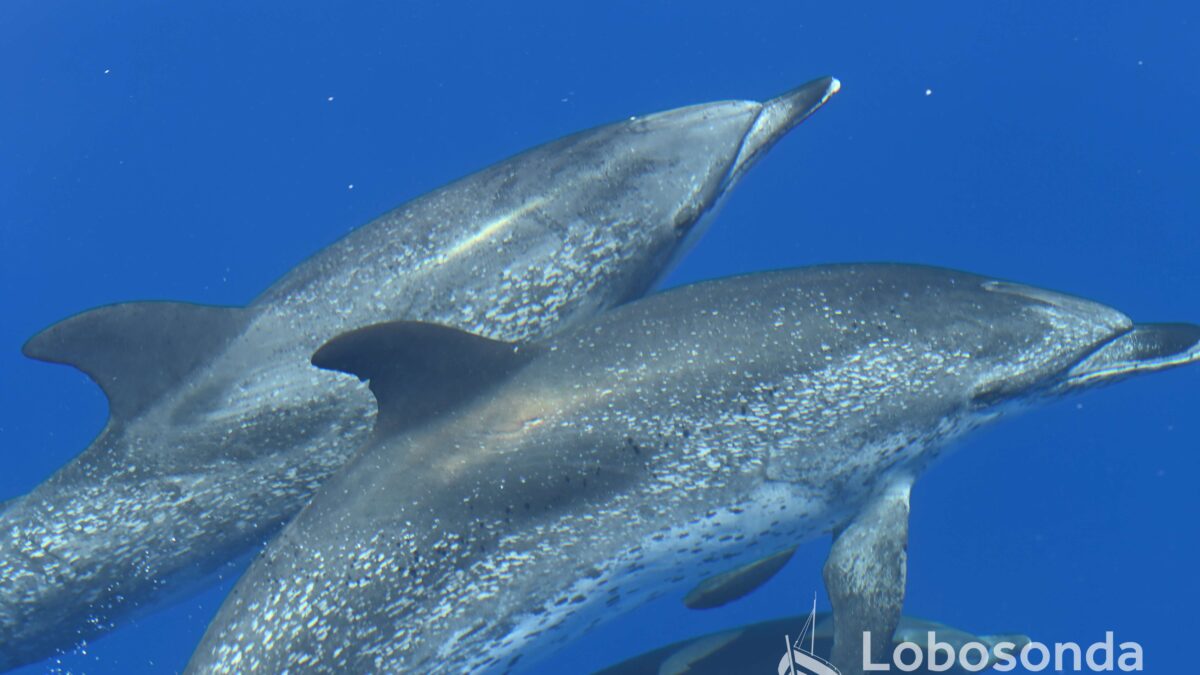
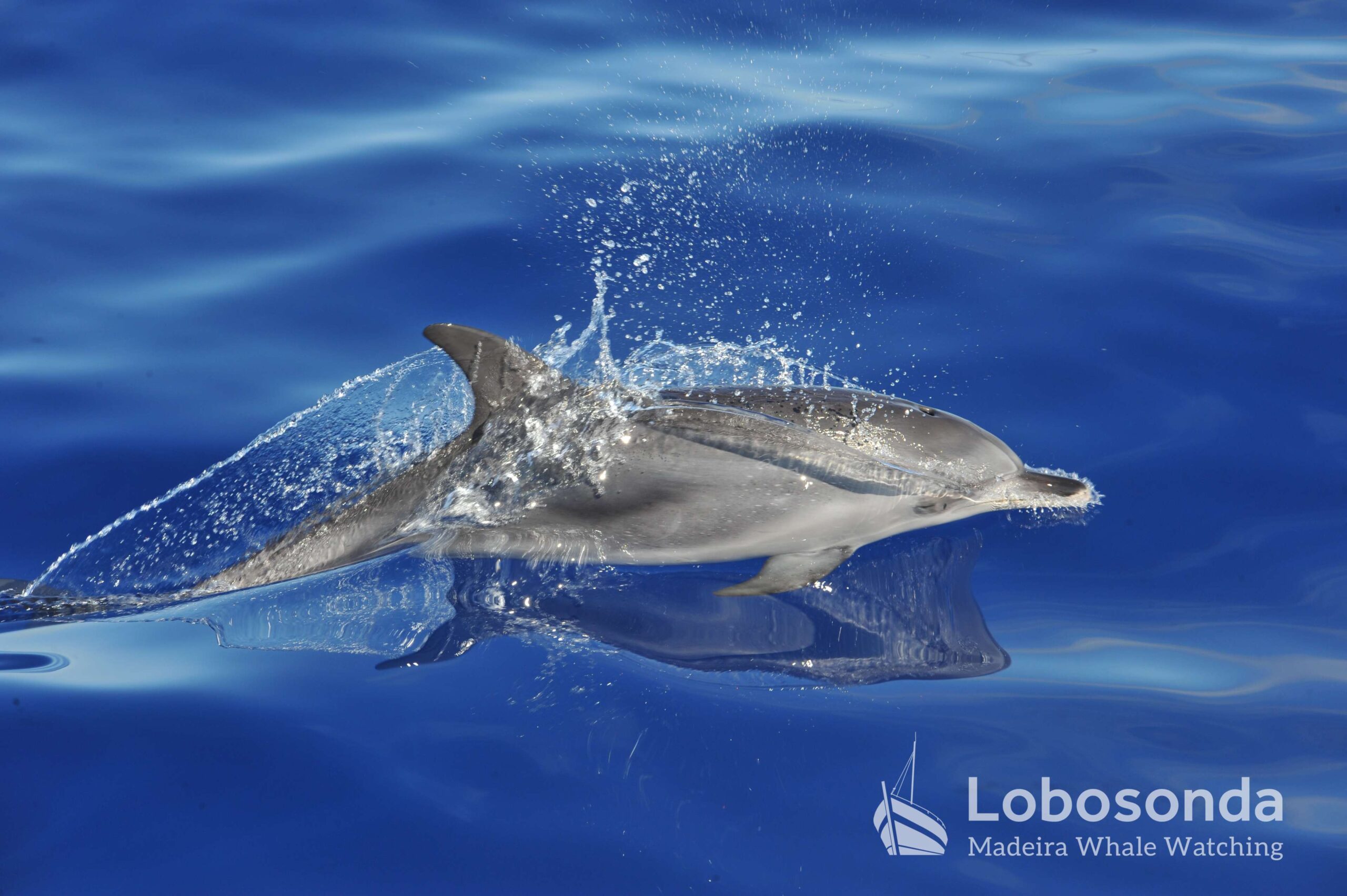
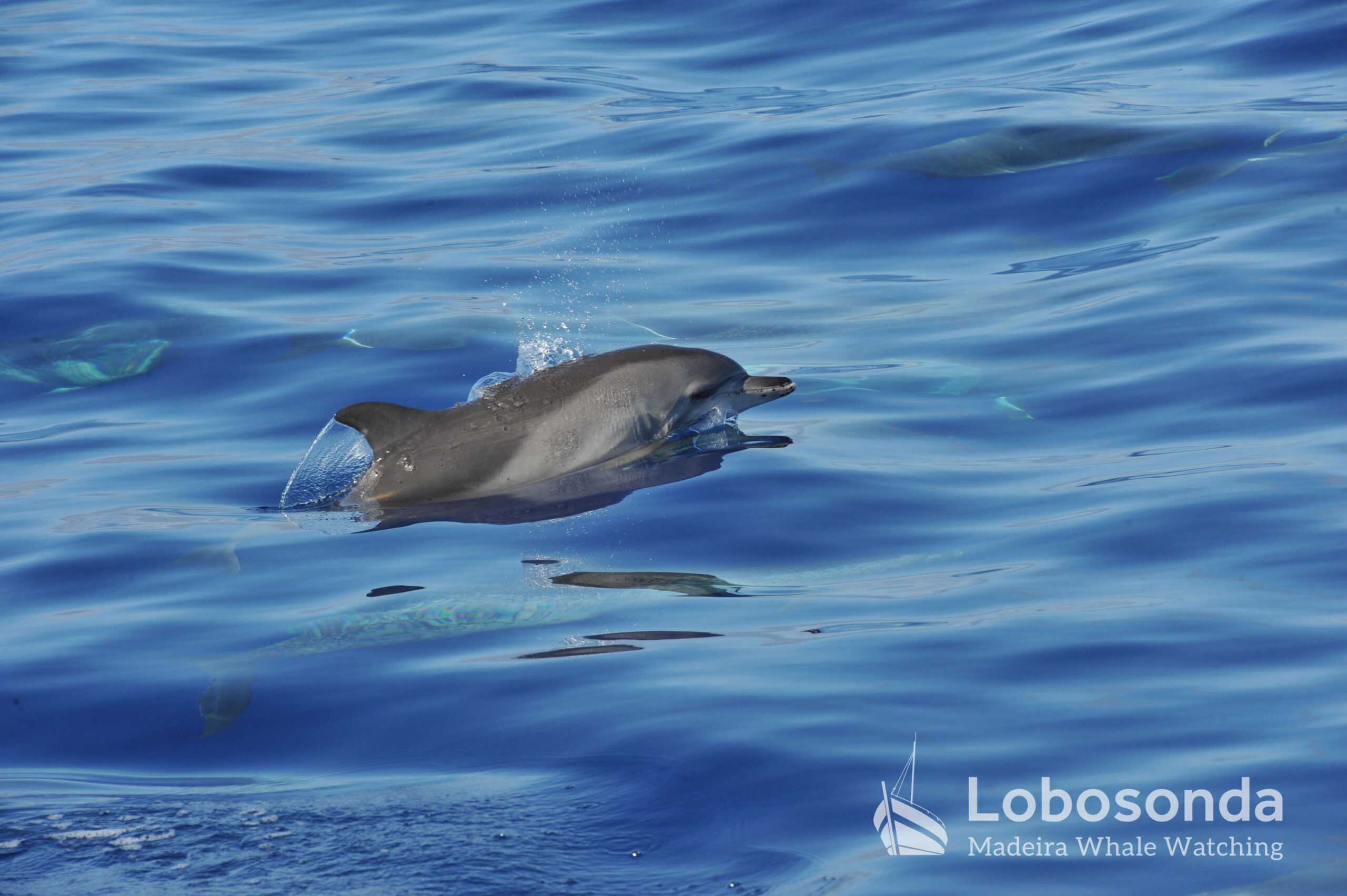
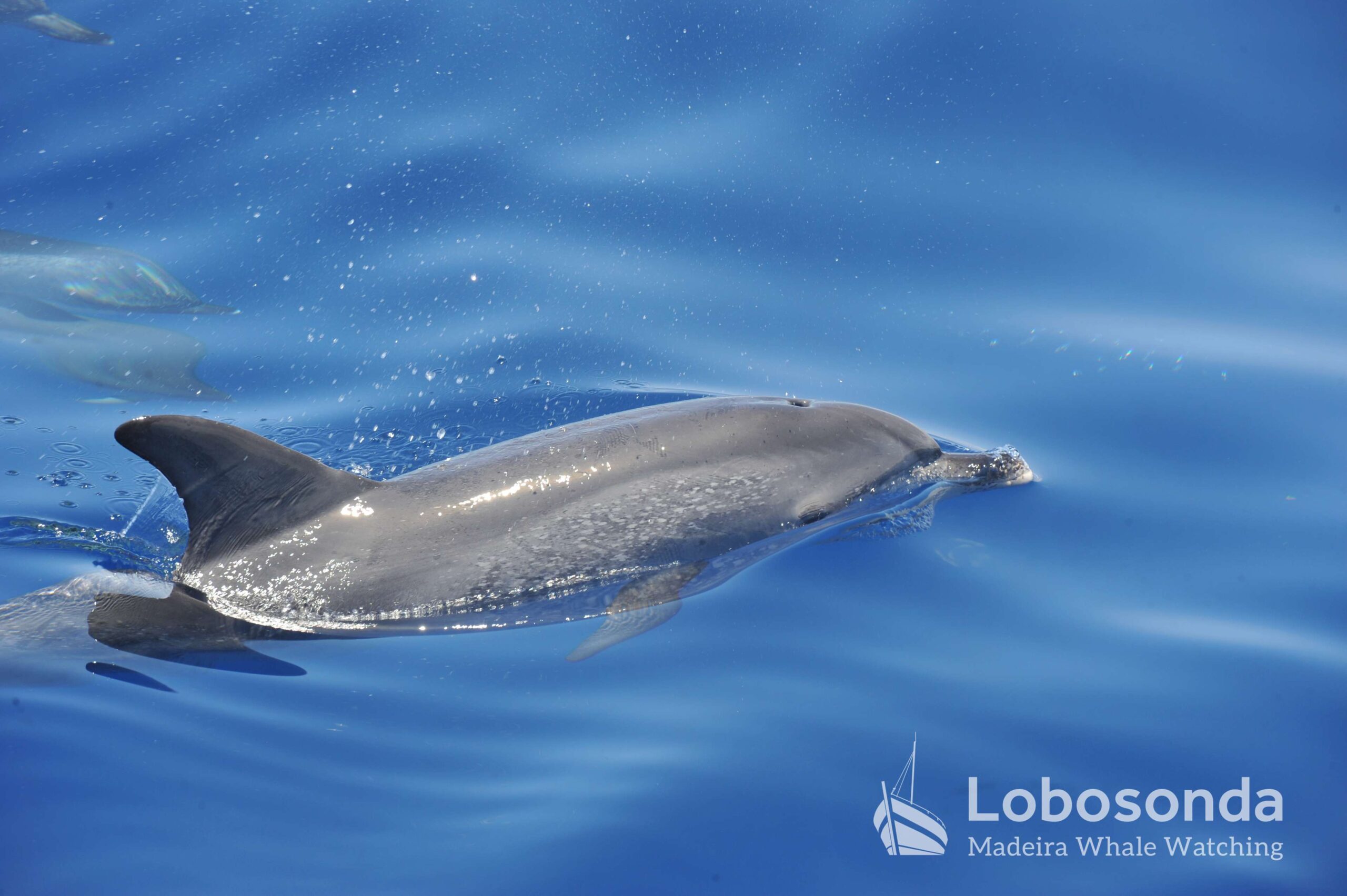
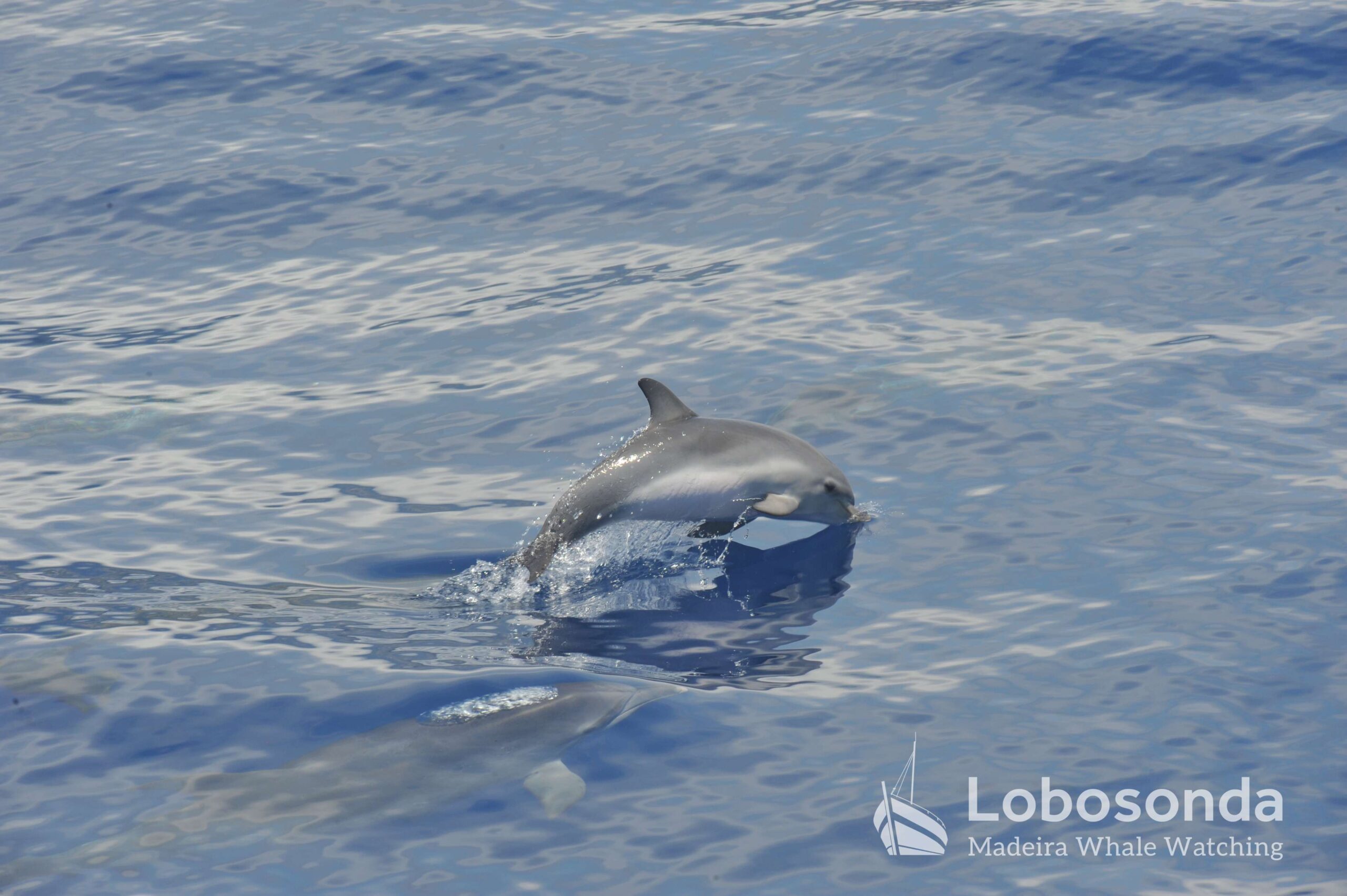
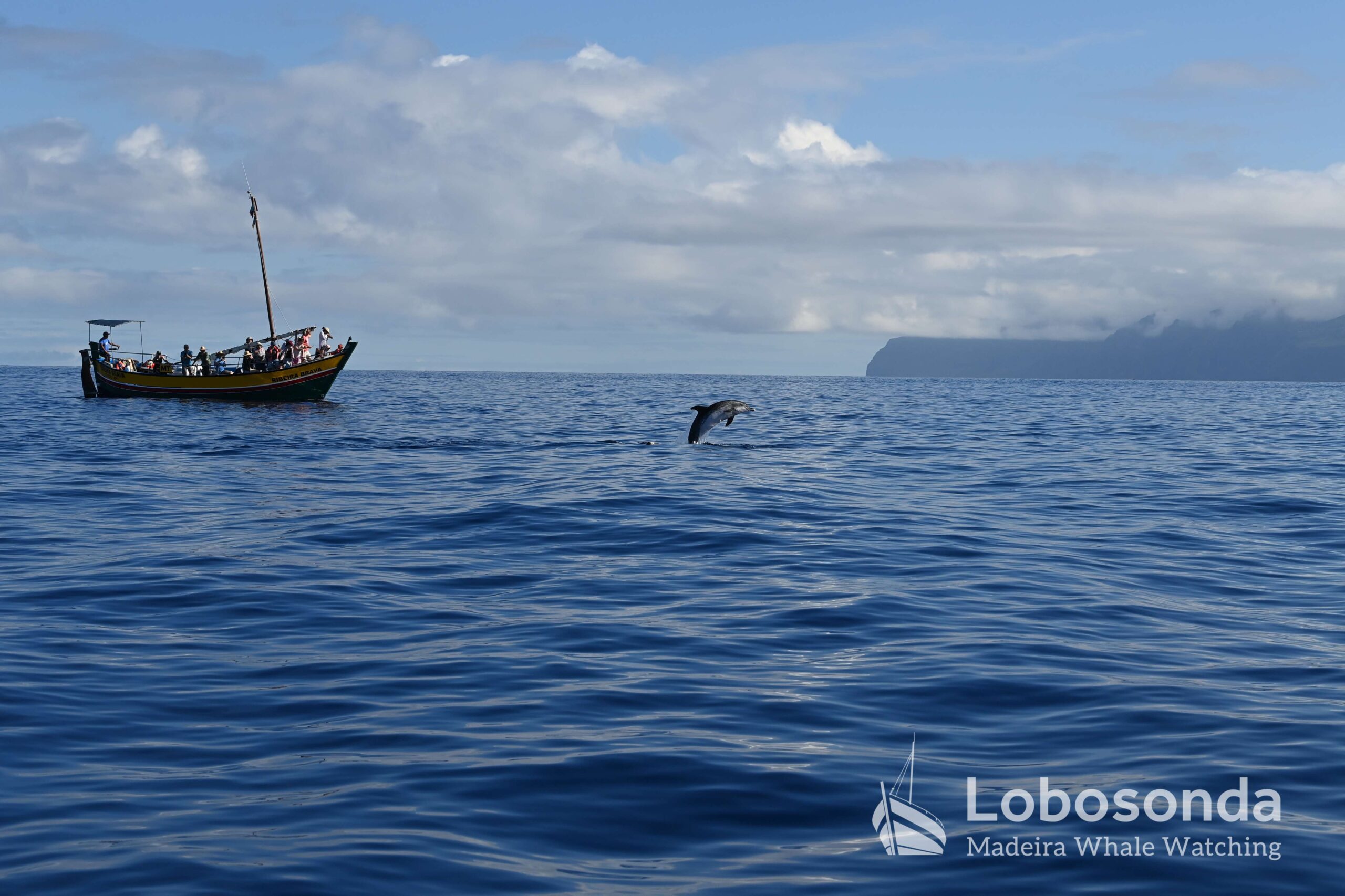
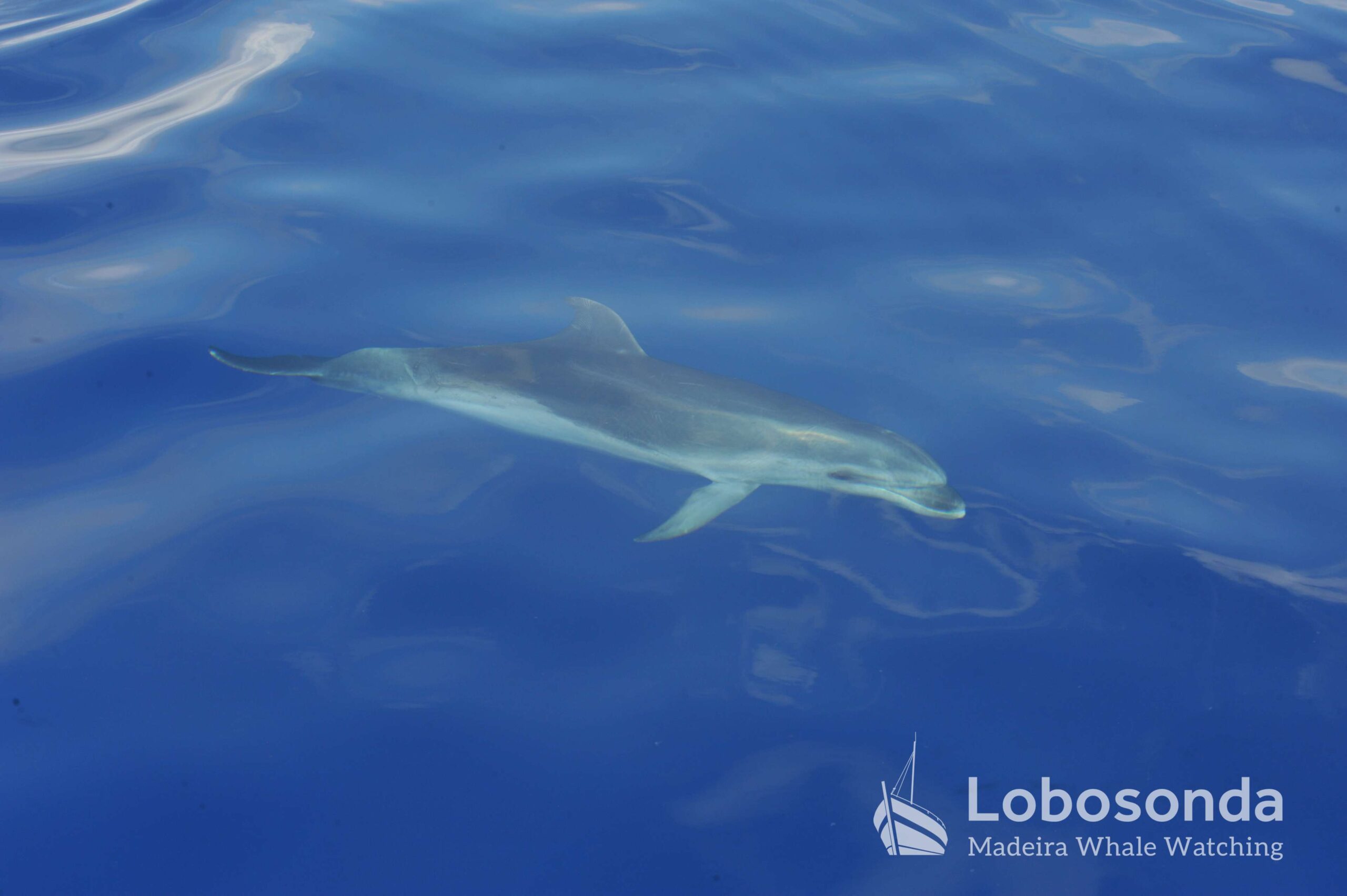
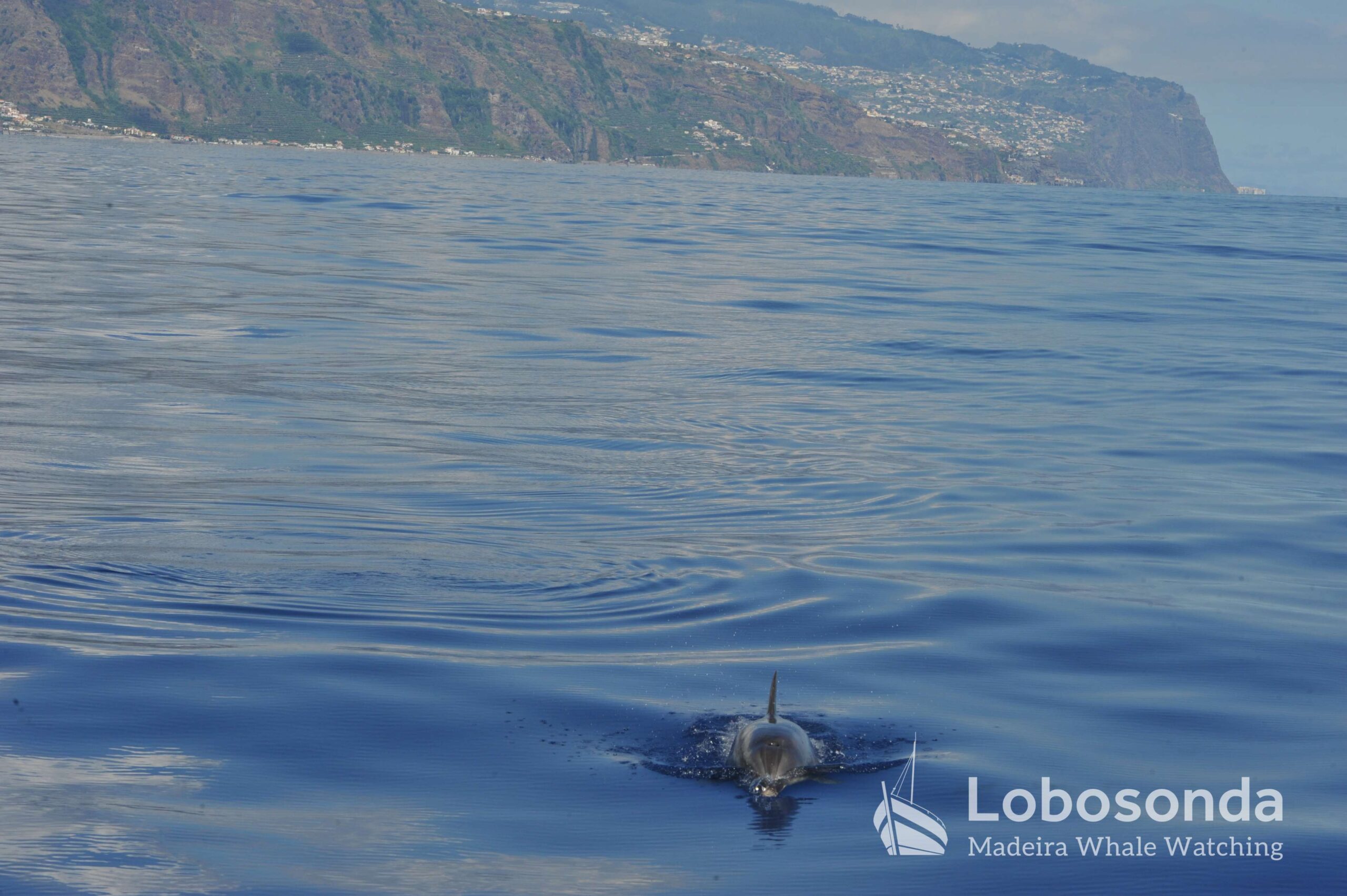
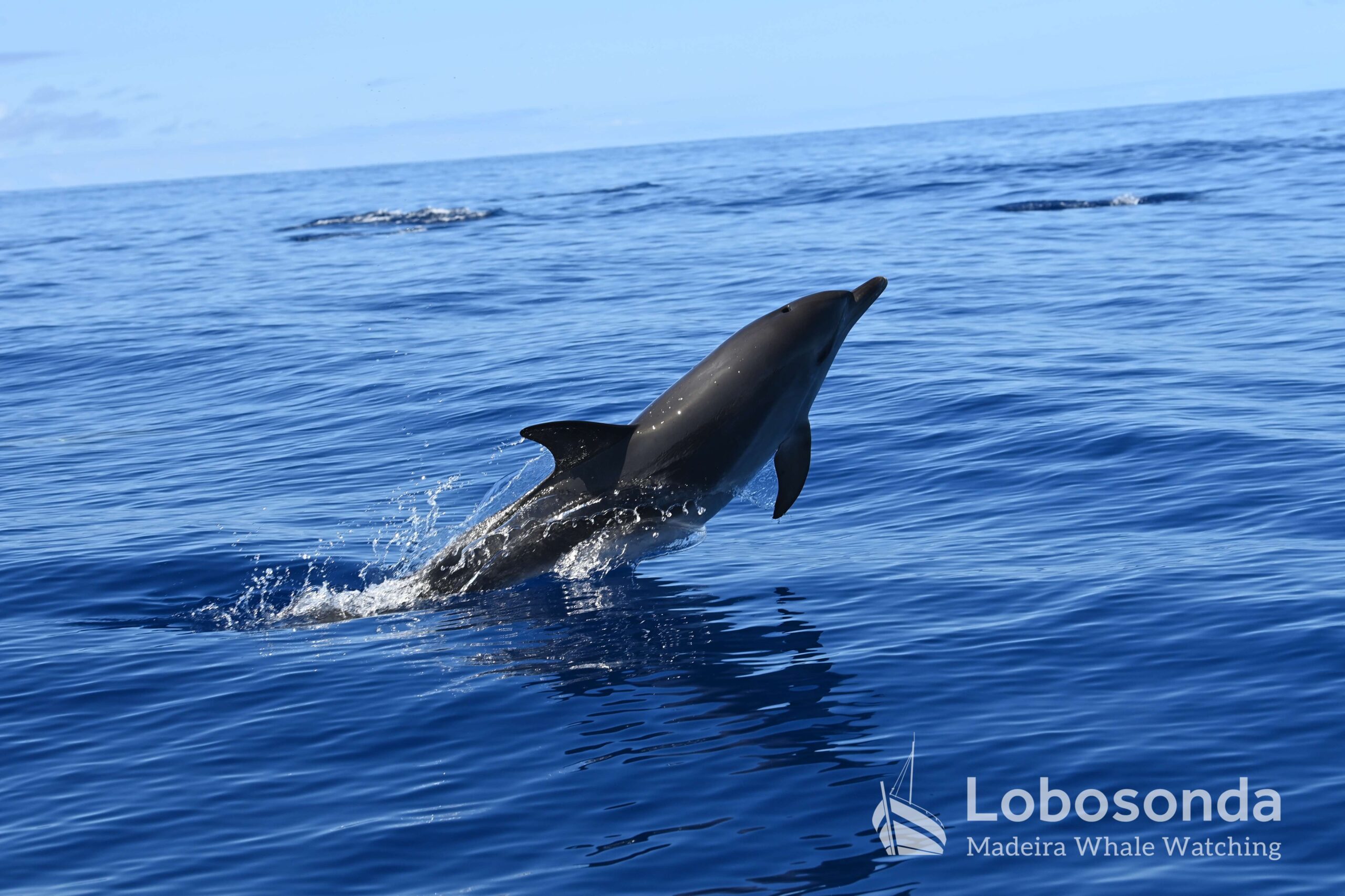
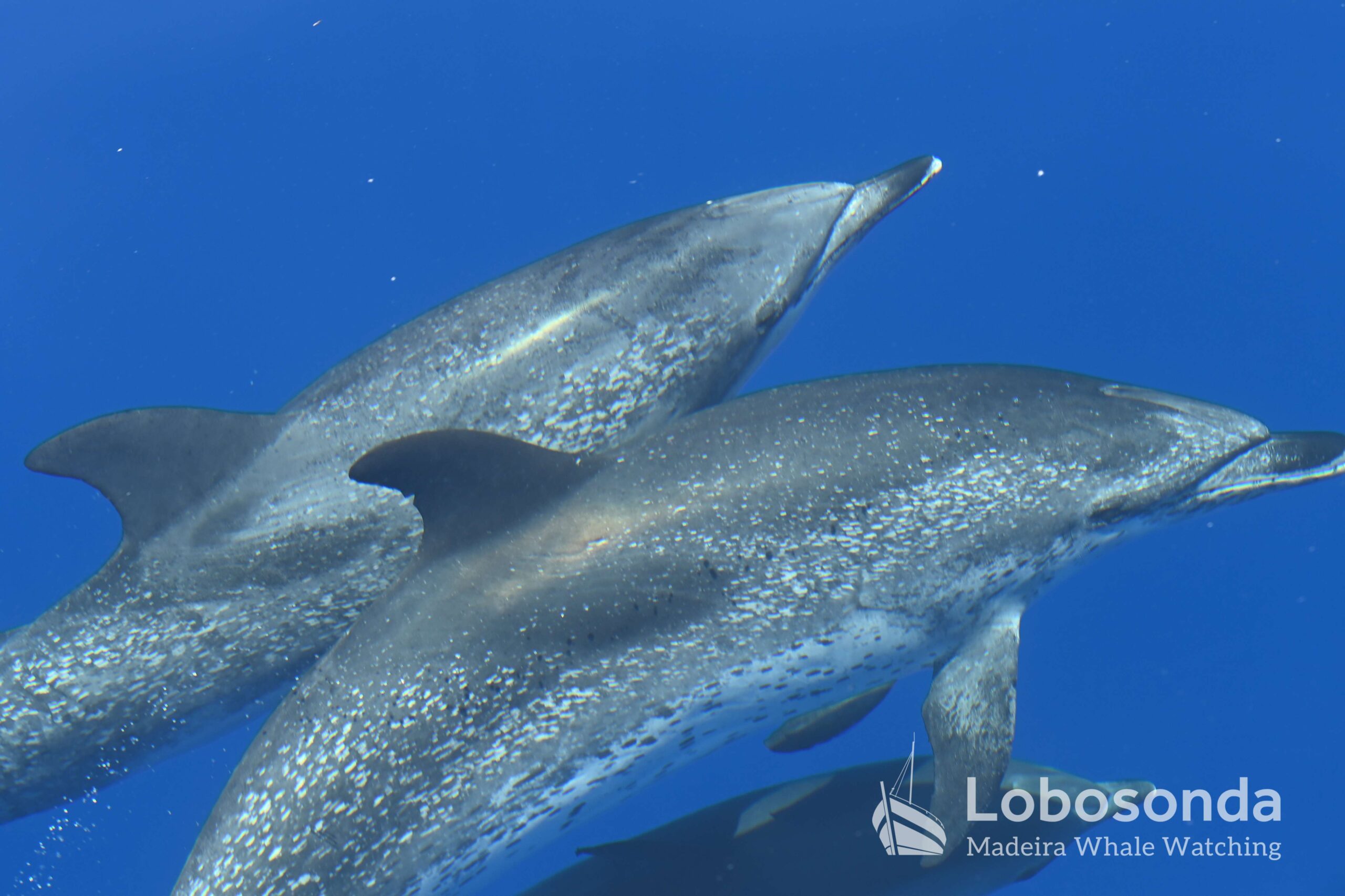
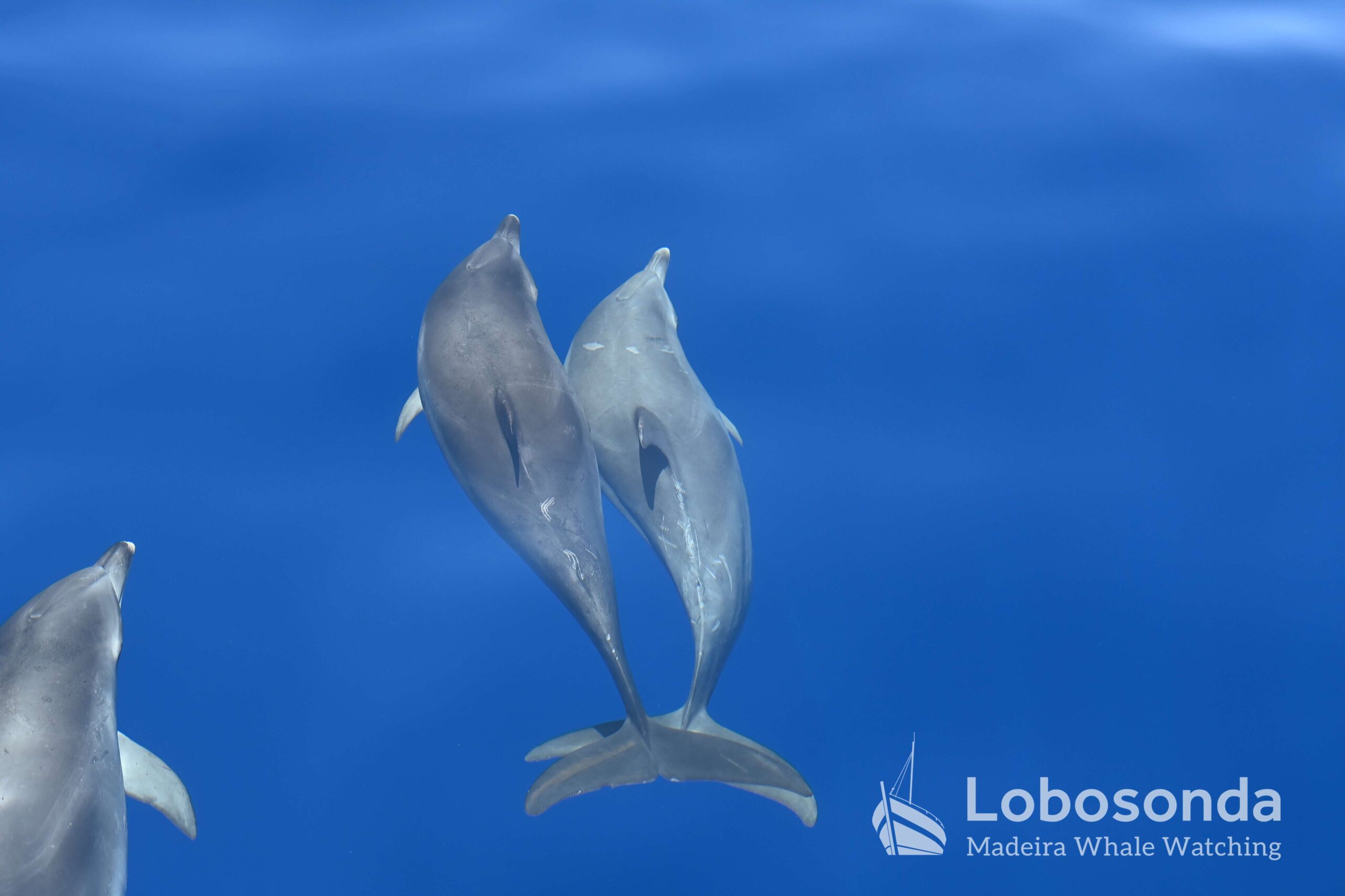
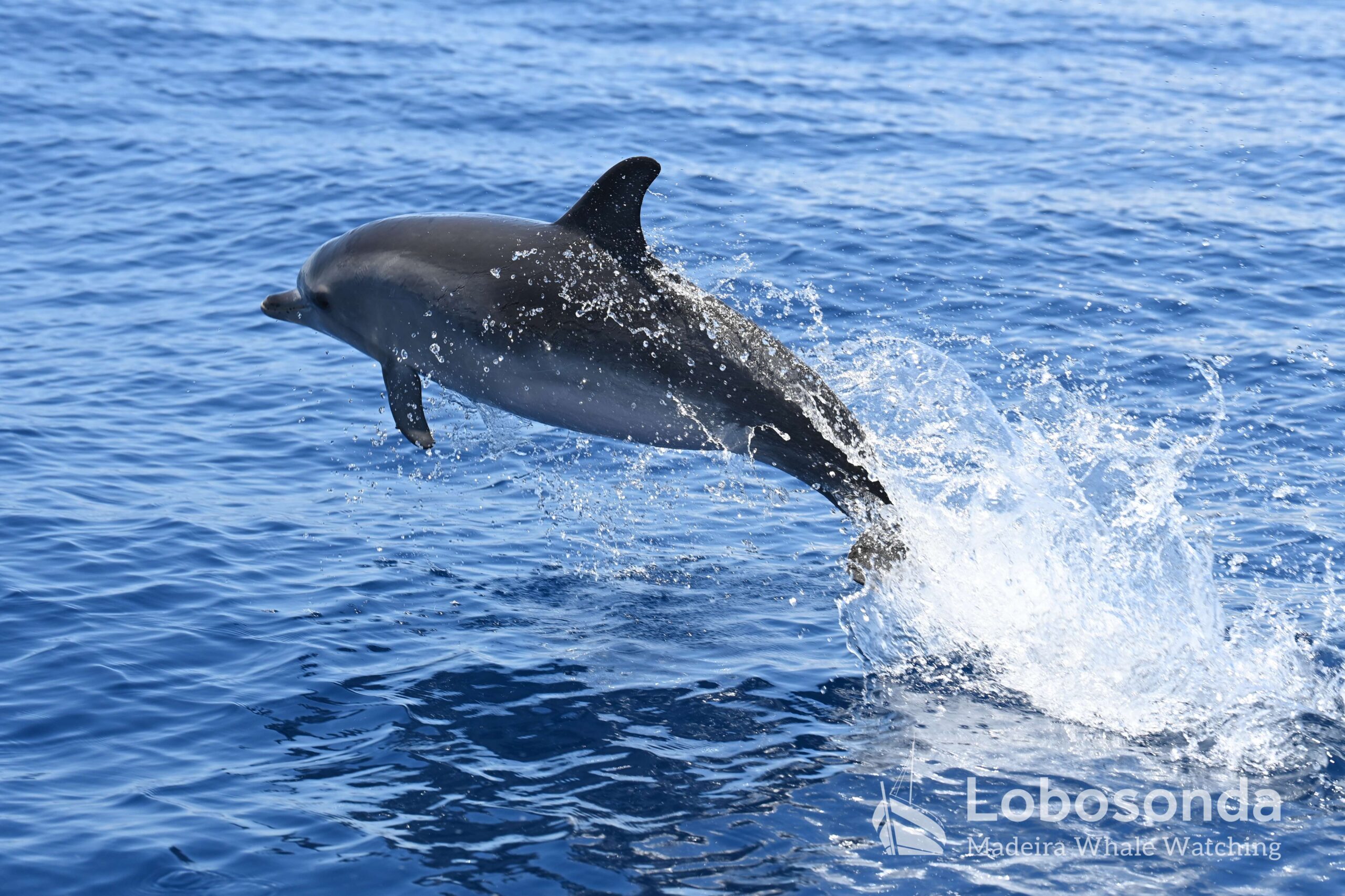
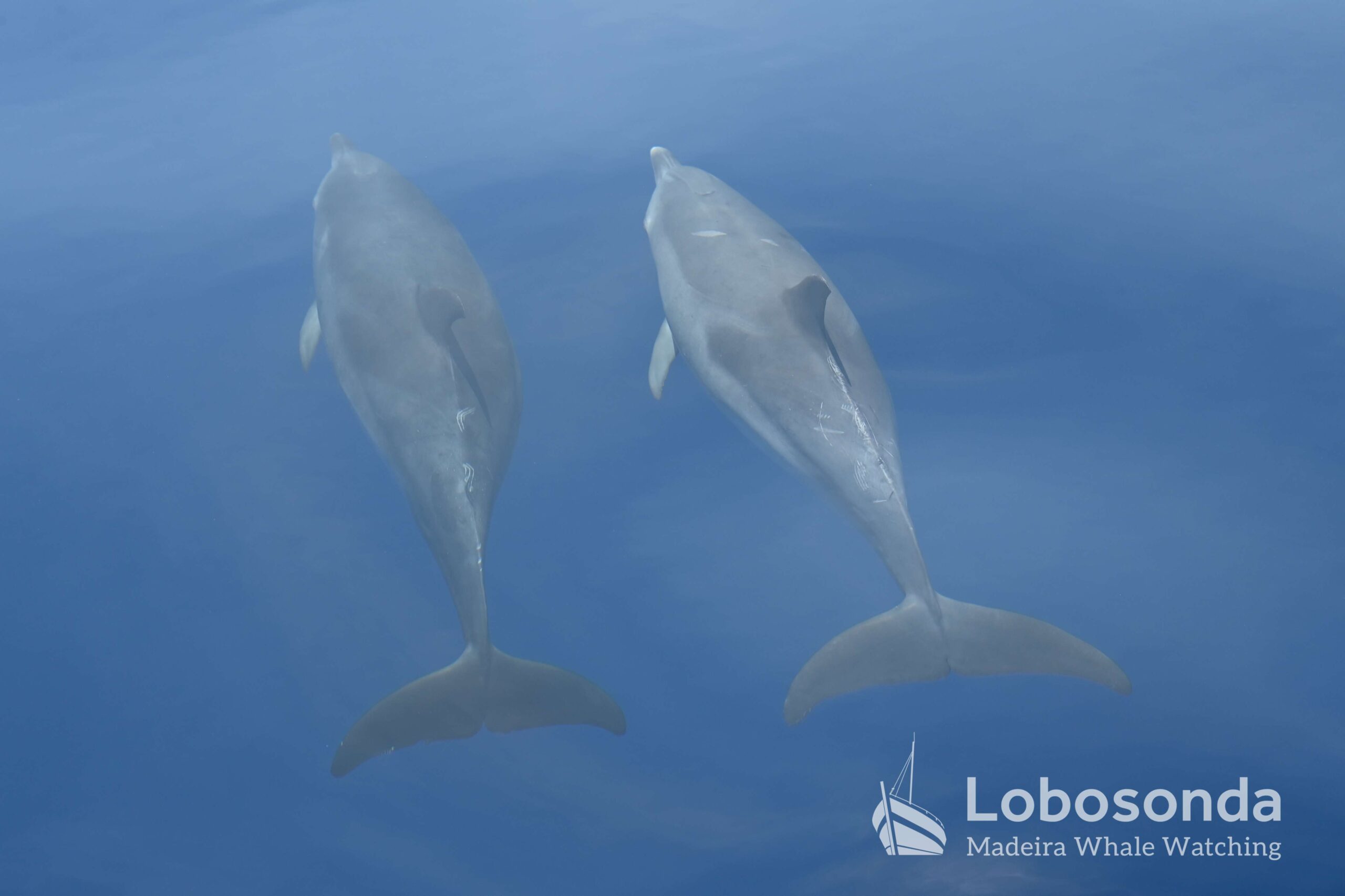
Dolphins are extremely social but can also be extremely selective with their fellow pod members. The fission fusion societies found in dolphin species like Bottlenose dolphins (Tursiops truncatus) and Atlantic spotted dolphins (Stenella frontalis) may consist of ever-changing groups but there always are a few animals that prefer the company of some over others. These individuals will likely stick together and even change groups as a unit, integrating a constant in these ever changing entities.
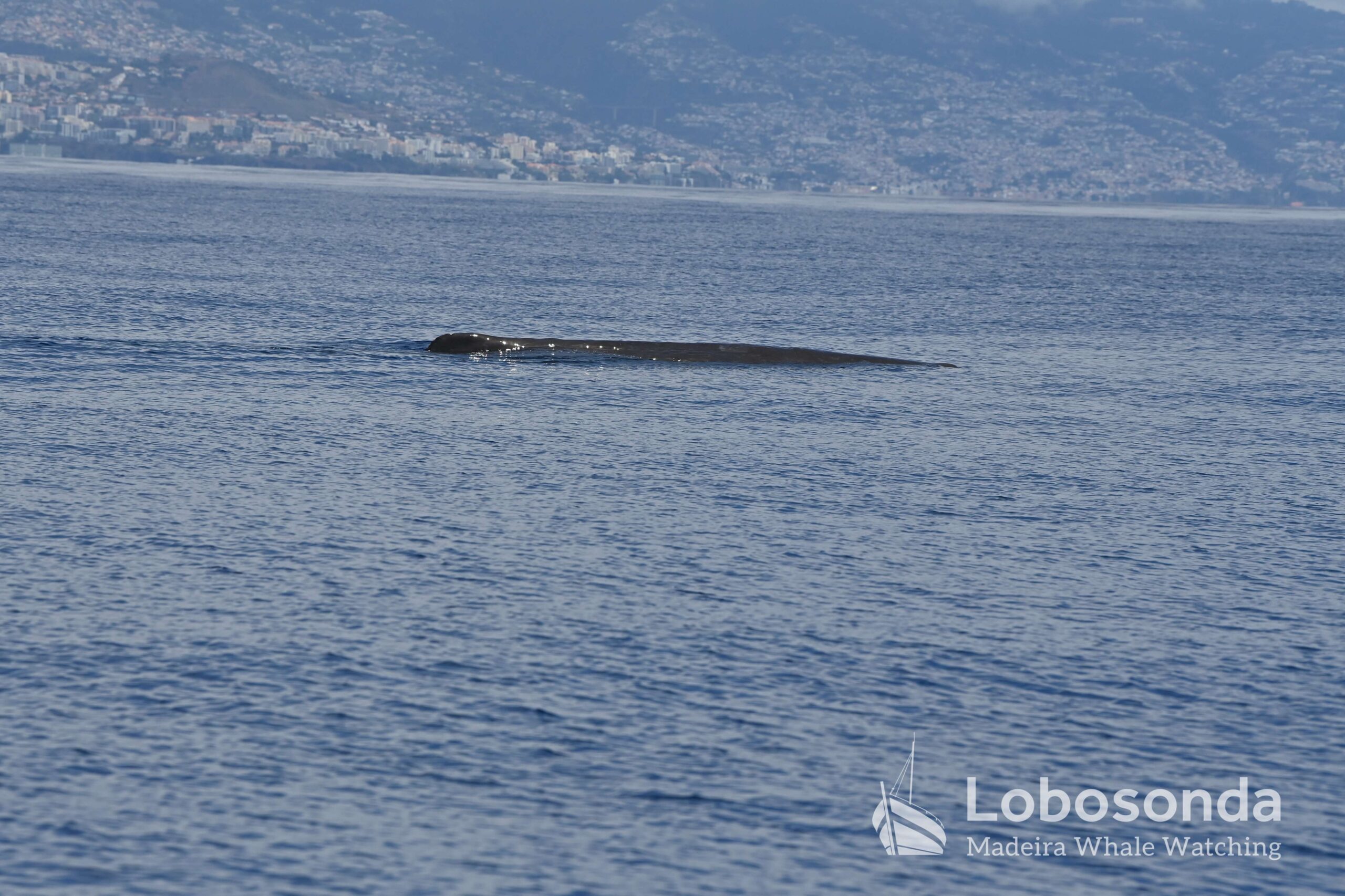
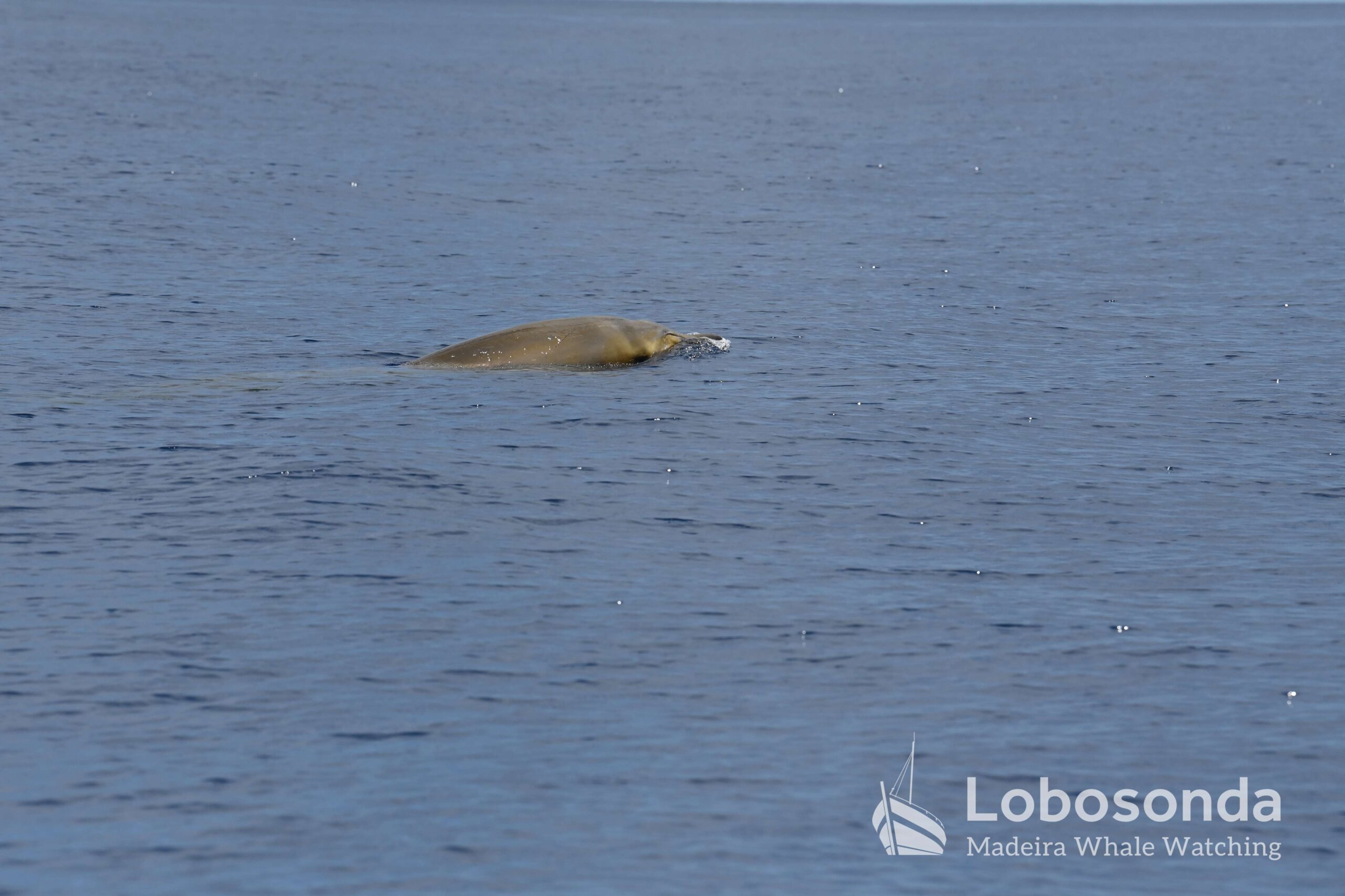
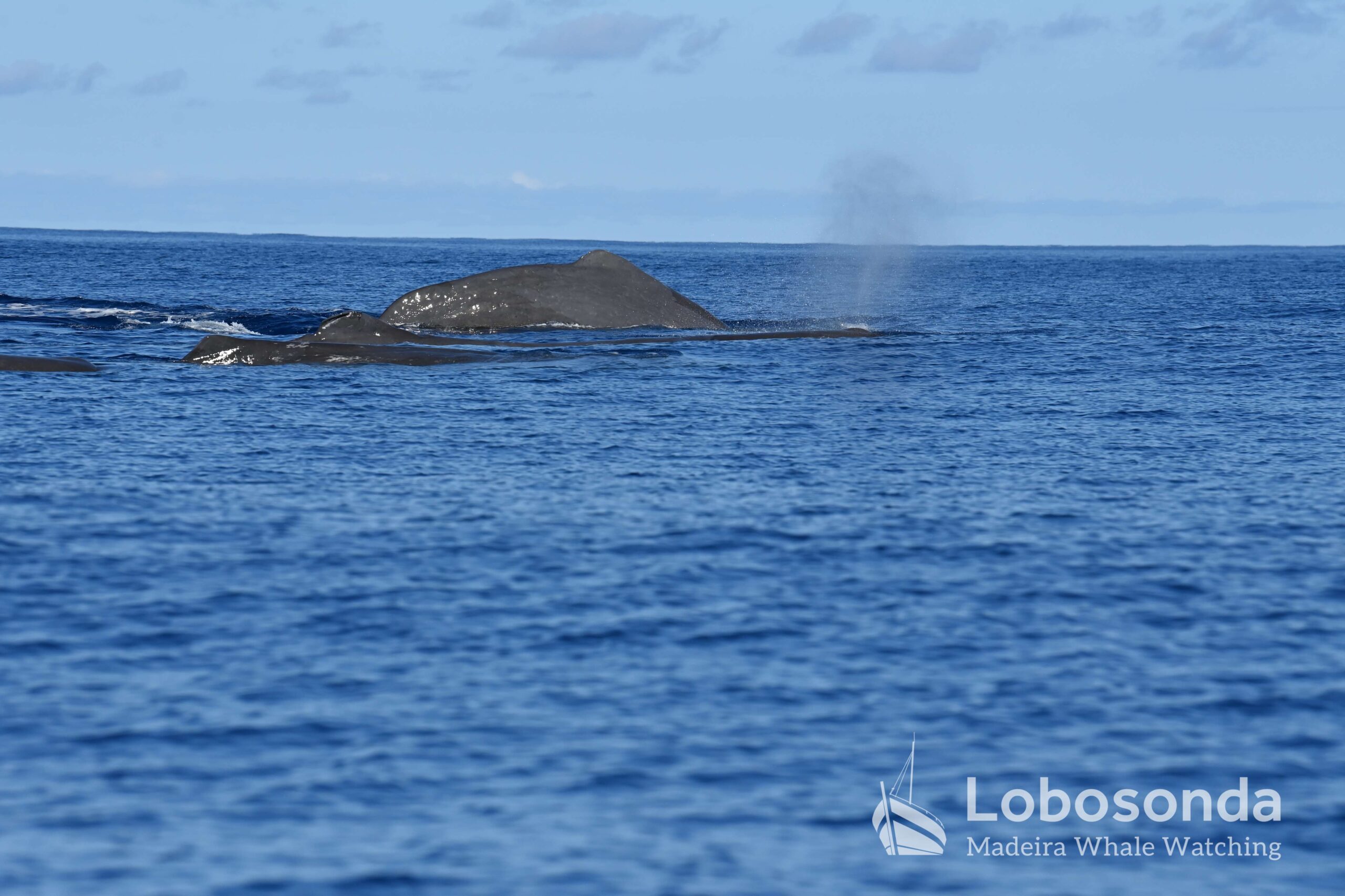
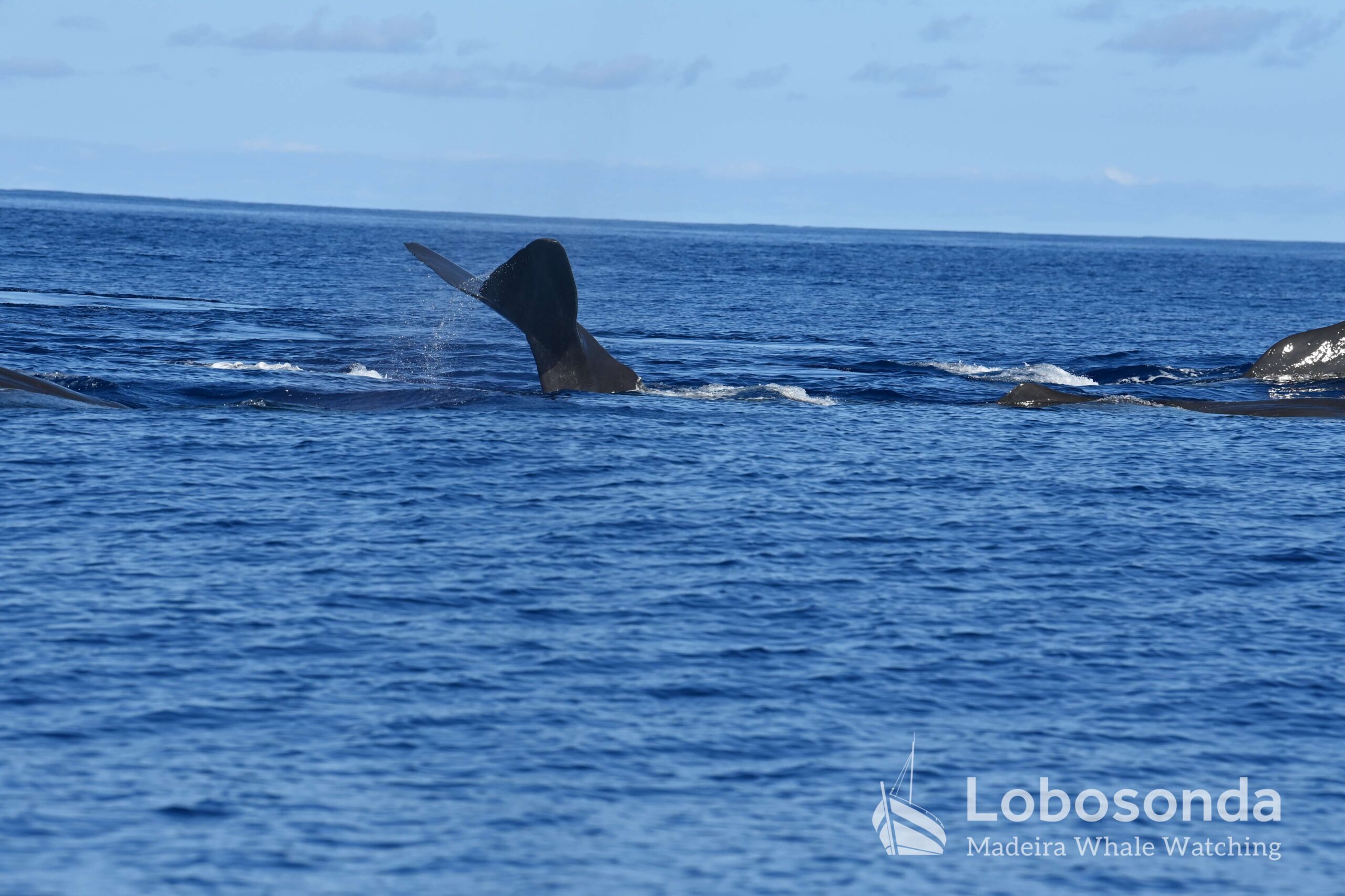
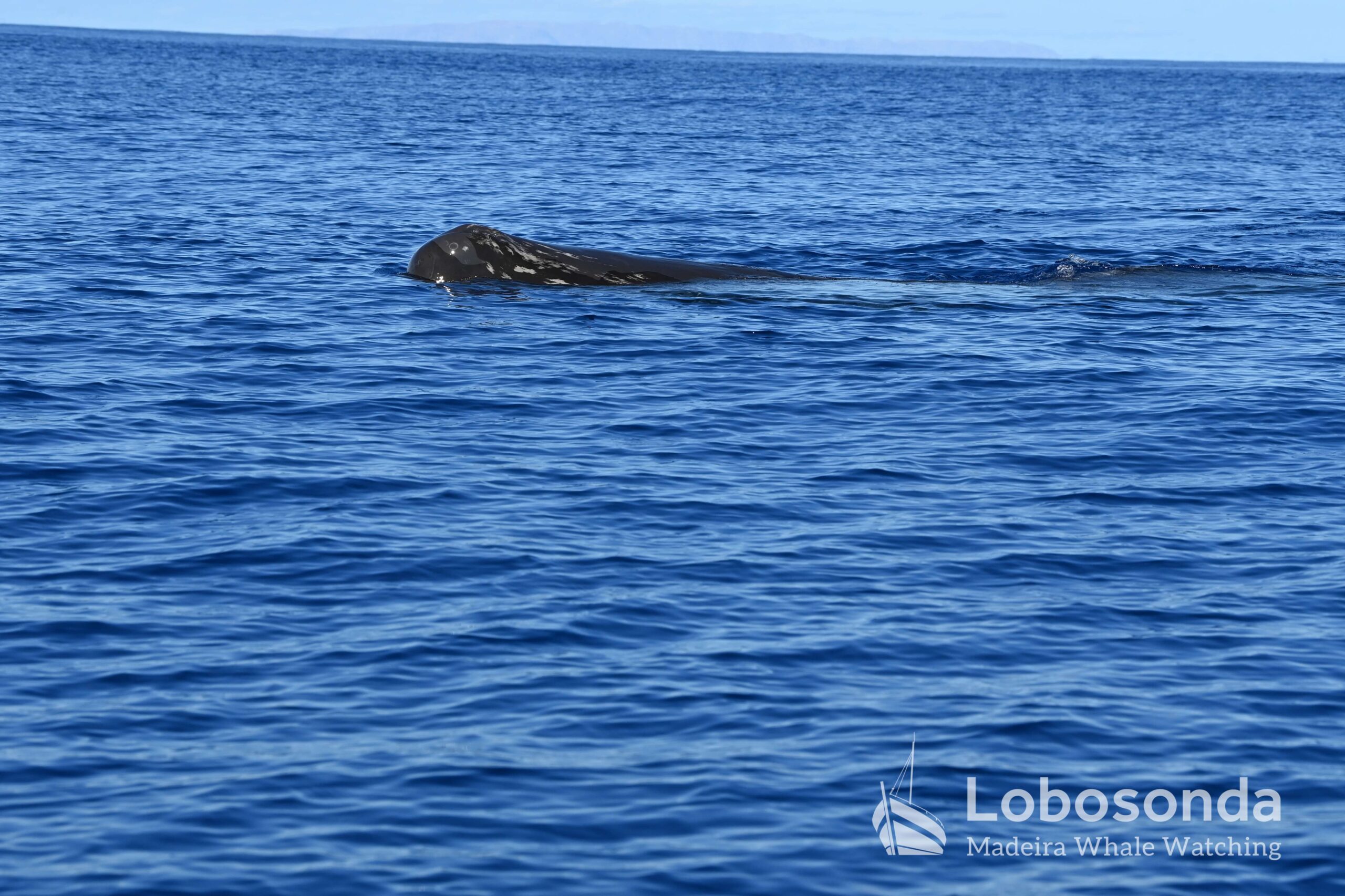
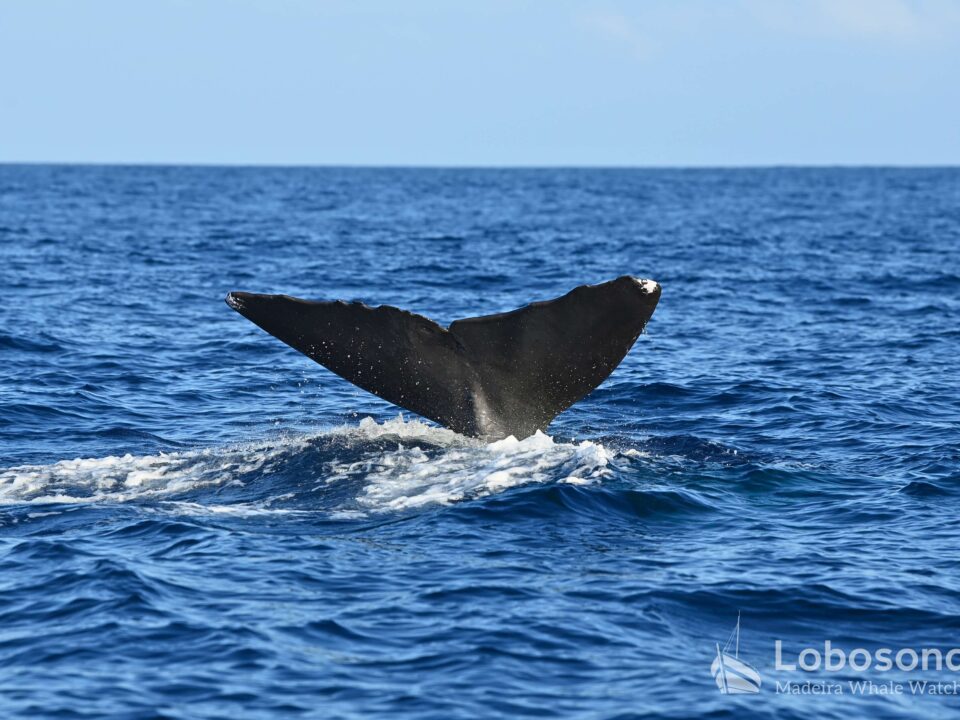
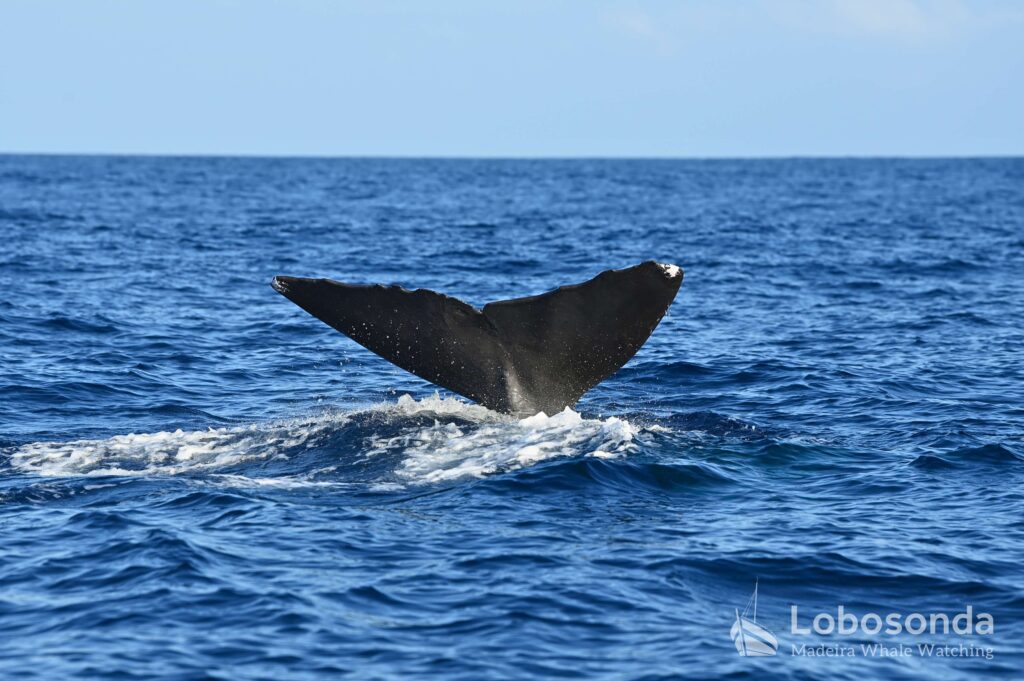
Things roll very differently with their larger toothed whale cousins. Todays encounters also involved family groups of Sperm whales (Physeter macrocephalus) that, in contrast to the fission fusion societies of oceanic dolphins, are much more stable matrilineal structures. Here, all females account for the safety, education and well-being of the young and work together to transfer the culture and knowledge of the family to younger generations. Blainville’s beaked whales (Mesoplodon densirostris) are thought to live in harem-like groups that see changes in the single alpha male but a consistency in the female group members. Apparently female Blainville’s also maintain group structure in Madeira and remain in the region while males migrate across Macaronesia, ensuring a healthy gene pool in the population.
This variety of social structure shows that the nature of marine mammal cliques are perfectly adapted to the lifestyle of our favourite ocean dwellers and it is yet another factor that showcases their intelligence.
By Paula Thake
Sightings of the day
Ribeira Brava
09:00 Atlantic spotted dolphins
13:00 Atlantic spotted dolphins, Bottlenose dolphins
16:30 Bottlenose dolphins
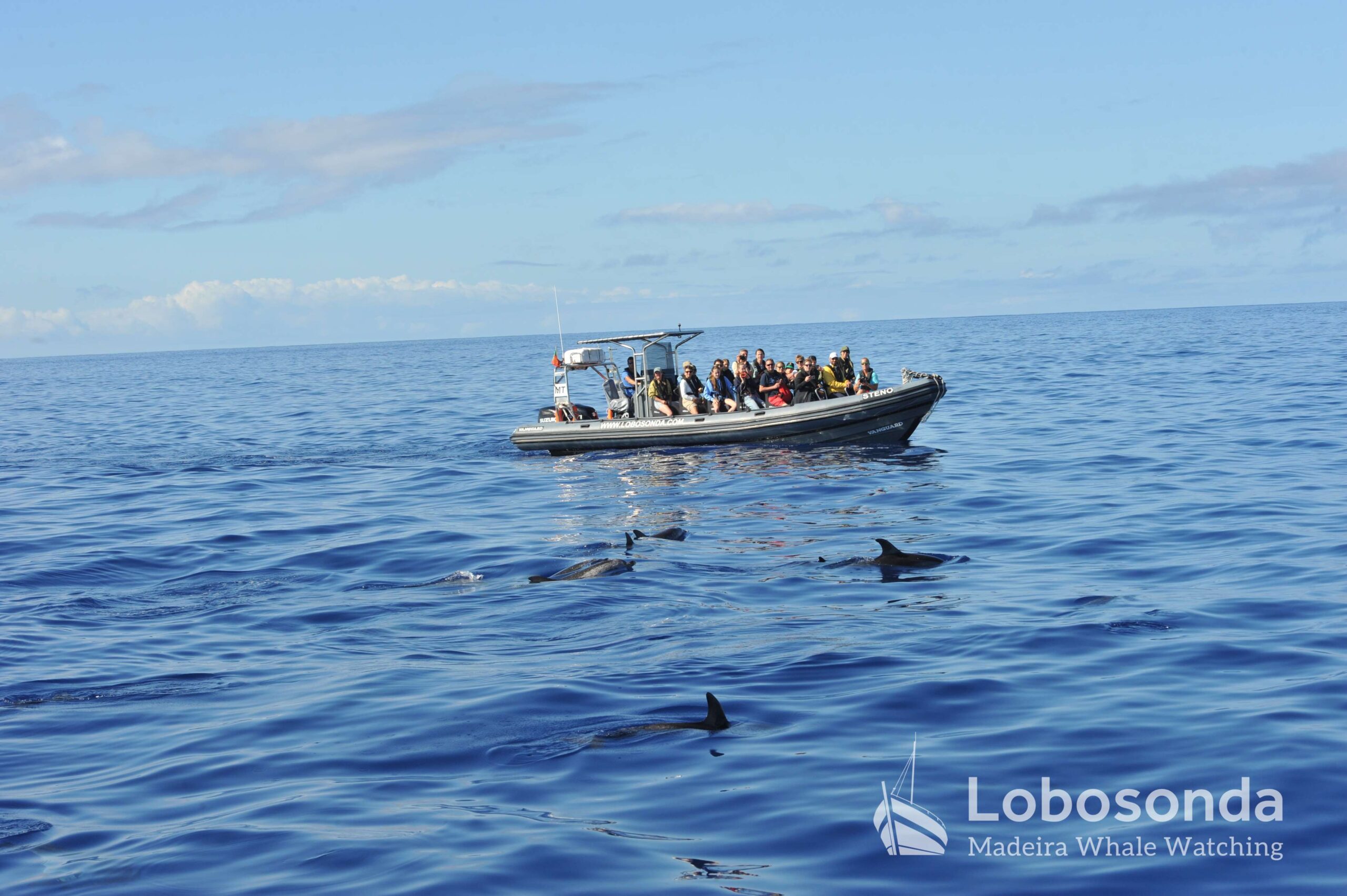
Steno
09:30 Atlantic spotted dolphins
13:30 Atlantic spotted dolphins, Bottlenose dolphins, Blainville’s beaked whales, Sperm whales
16:30 Atlantic spotted dolphins, Bottlenose dolphins, Sperm whales