06.04.2026 – Aerial markers
April 12, 2026
Green Seas – Episode 5 (Blue Planet II)
April 14, 2026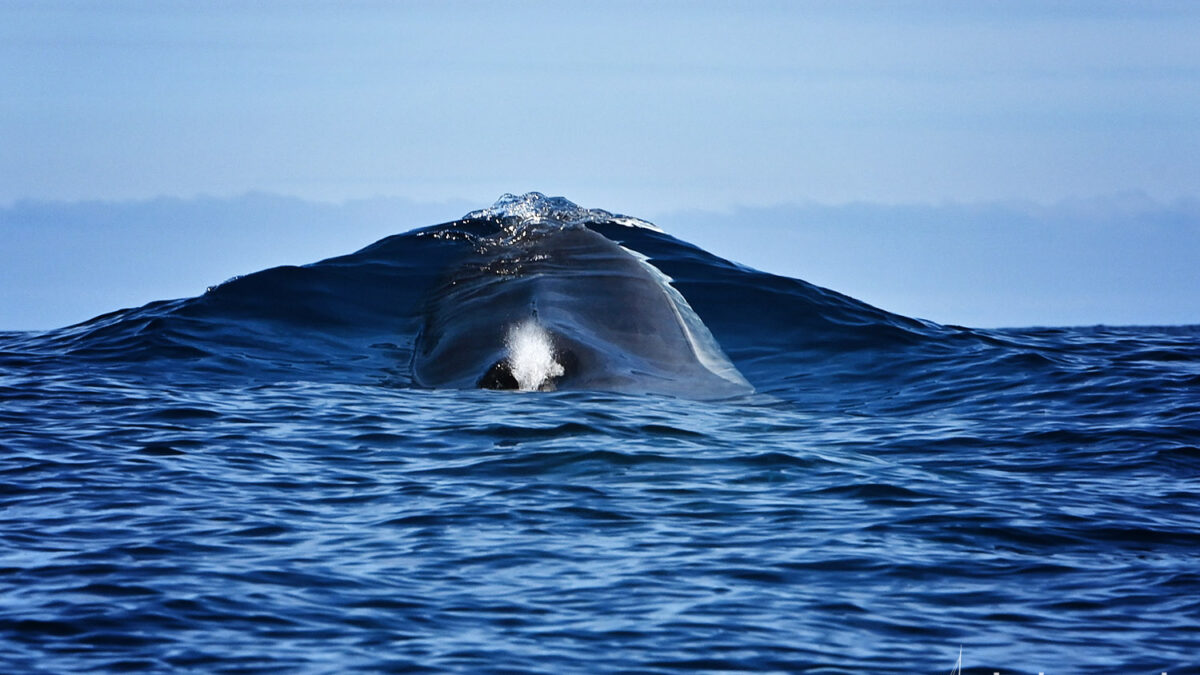
Toothed whales and baleen whales could hardly be more different—and it is precisely this contrast that makes them so fascinating. While toothed whales like dolphins and orcas actively hunt with sharp teeth, baleen whales take a completely different approach: they filter tiny prey such as krill from the water using their fringed baleen plates. Curiously, the largest animal on Earth, the blue whale, feeds on some of the smallest ocean creatures.
Their senses also differ in remarkable ways. Toothed whales use echolocation—a highly precise biological sonar that allows them to “see” even in complete darkness. Some species even have individual “names” in the form of unique sound patterns. Baleen whales, on the other hand, rely on powerful acoustics: their songs can travel thousands of kilometers through the ocean and evolve over time almost like musical trends.
Their sleeping habits reveal another curious difference: toothed whales keep one half of their brain awake so they can continue breathing. Baleen whales, in contrast, often rest calmly at the water’s surface. And while toothed whales usually swallow their prey whole, baleen whales don’t have teeth at all—their baleen continuously grows throughout their lives, much like hair or fingernails.
A look inside their bodies also reveals their past: both groups still have finger-like bones in their flippers—a remnant of their land-dwelling ancestors. And while orcas are often called whales, they are actually the largest dolphins in the world—making them toothed whales.
In their very different—and sometimes surprising—ways, toothed and baleen whales show just how creative and diverse evolution in the ocean can be.
By Fatima Kutzschbach