30.10.2026 – Cultural heritage
November 5, 2026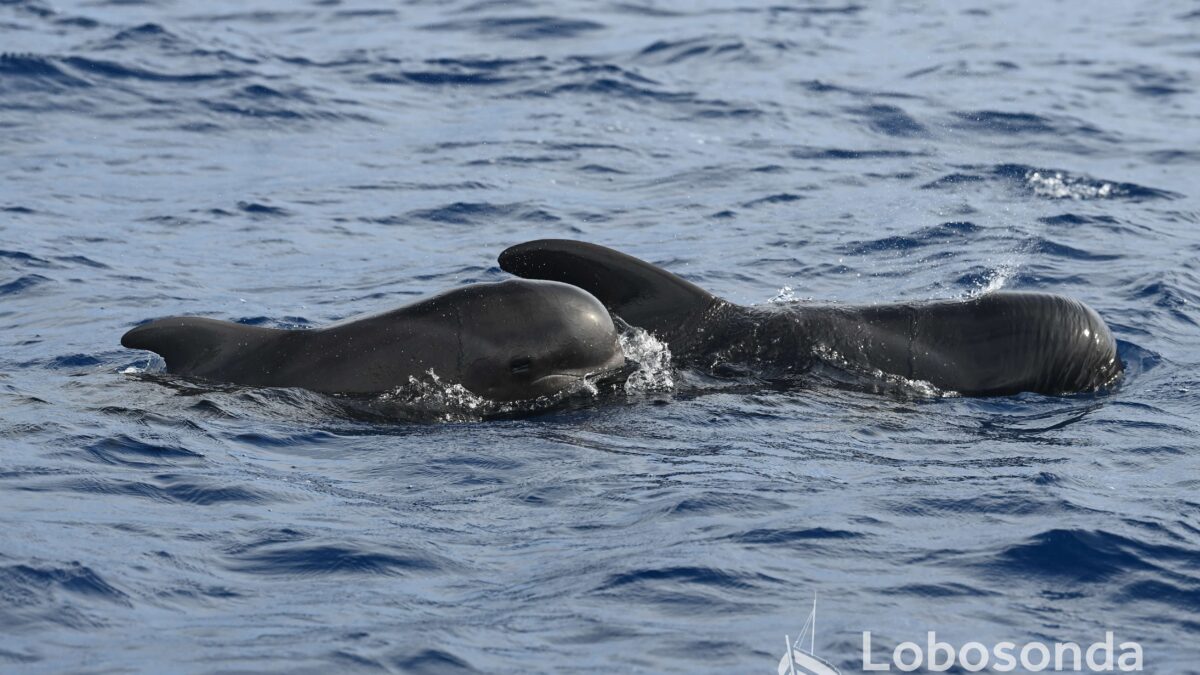
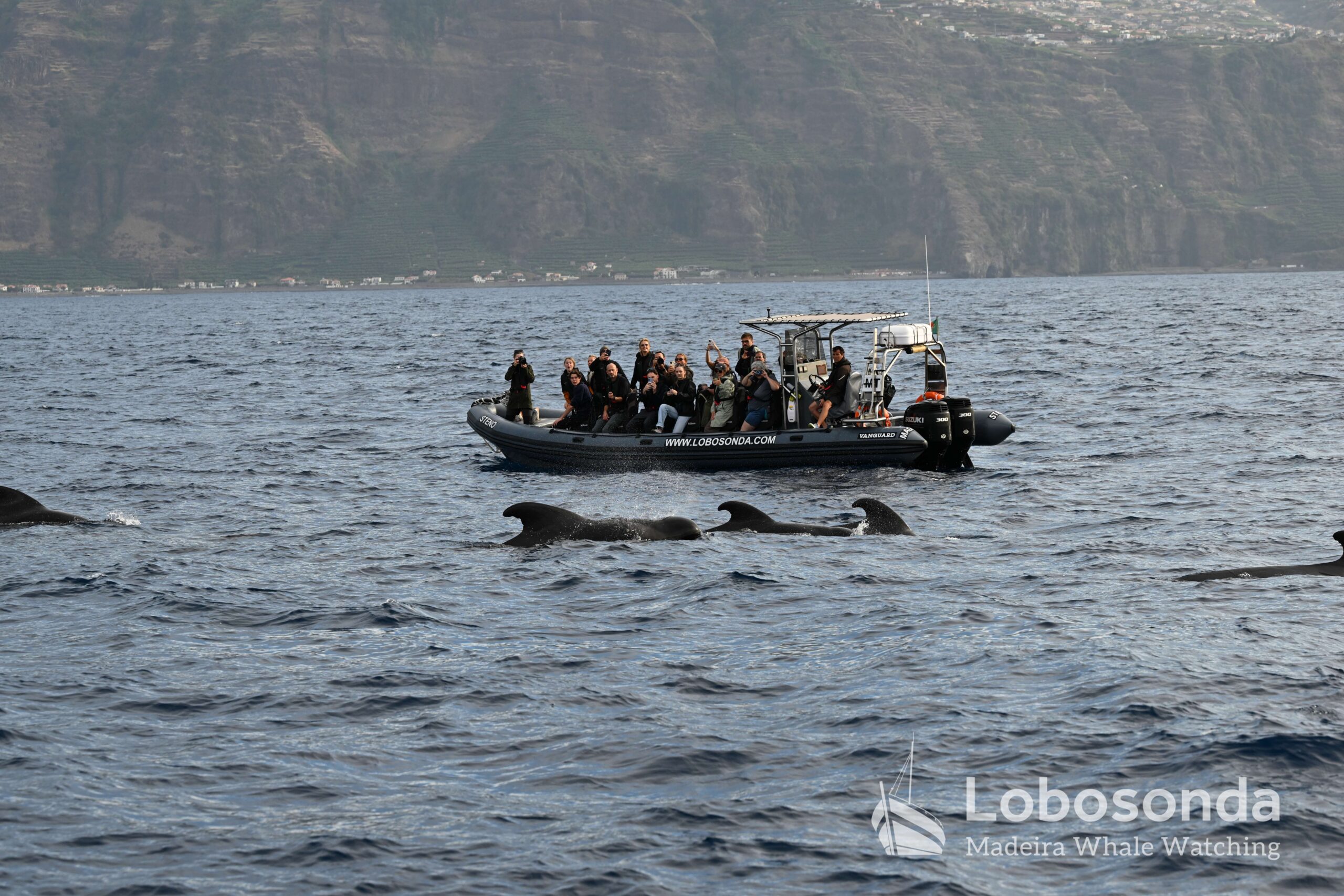
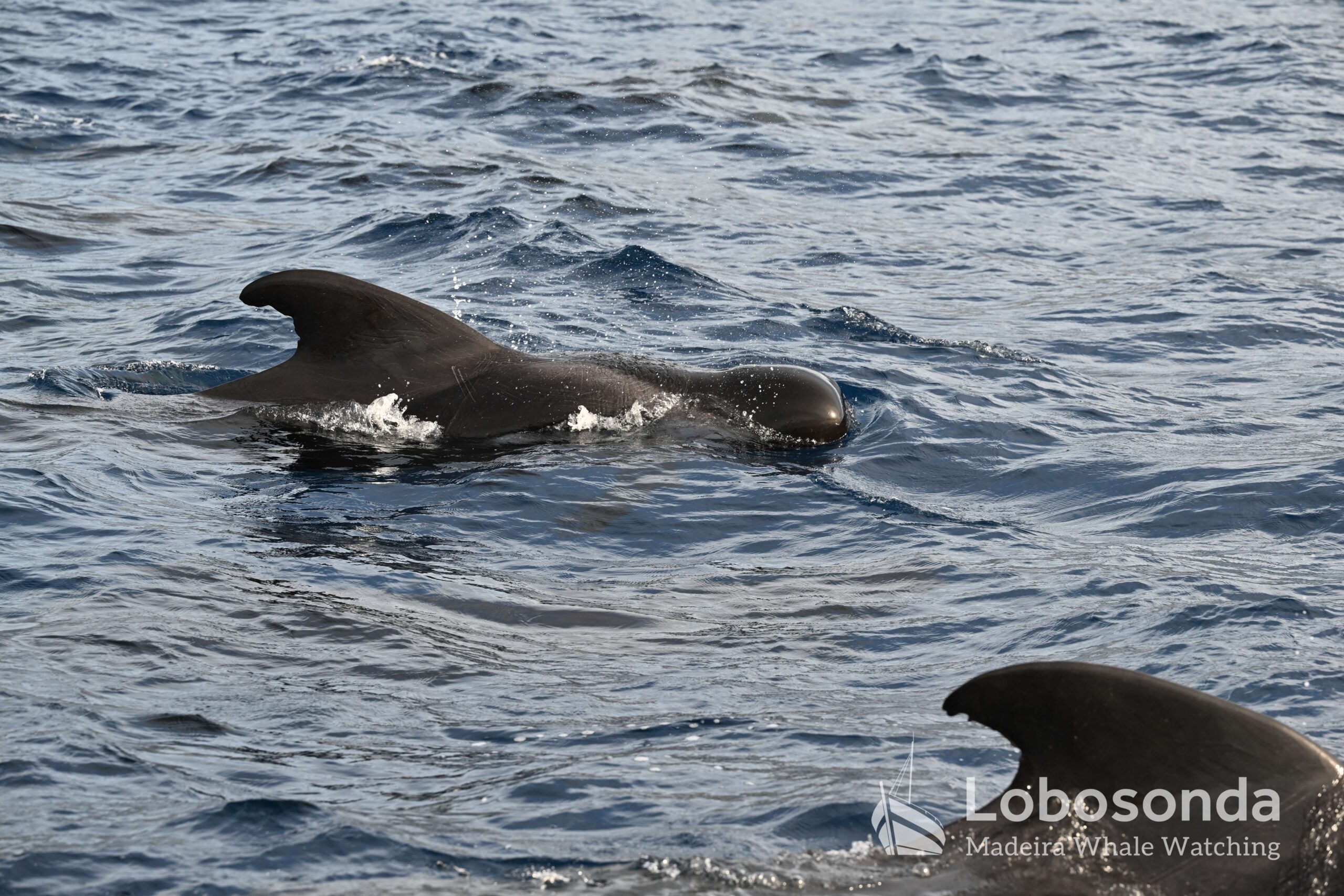
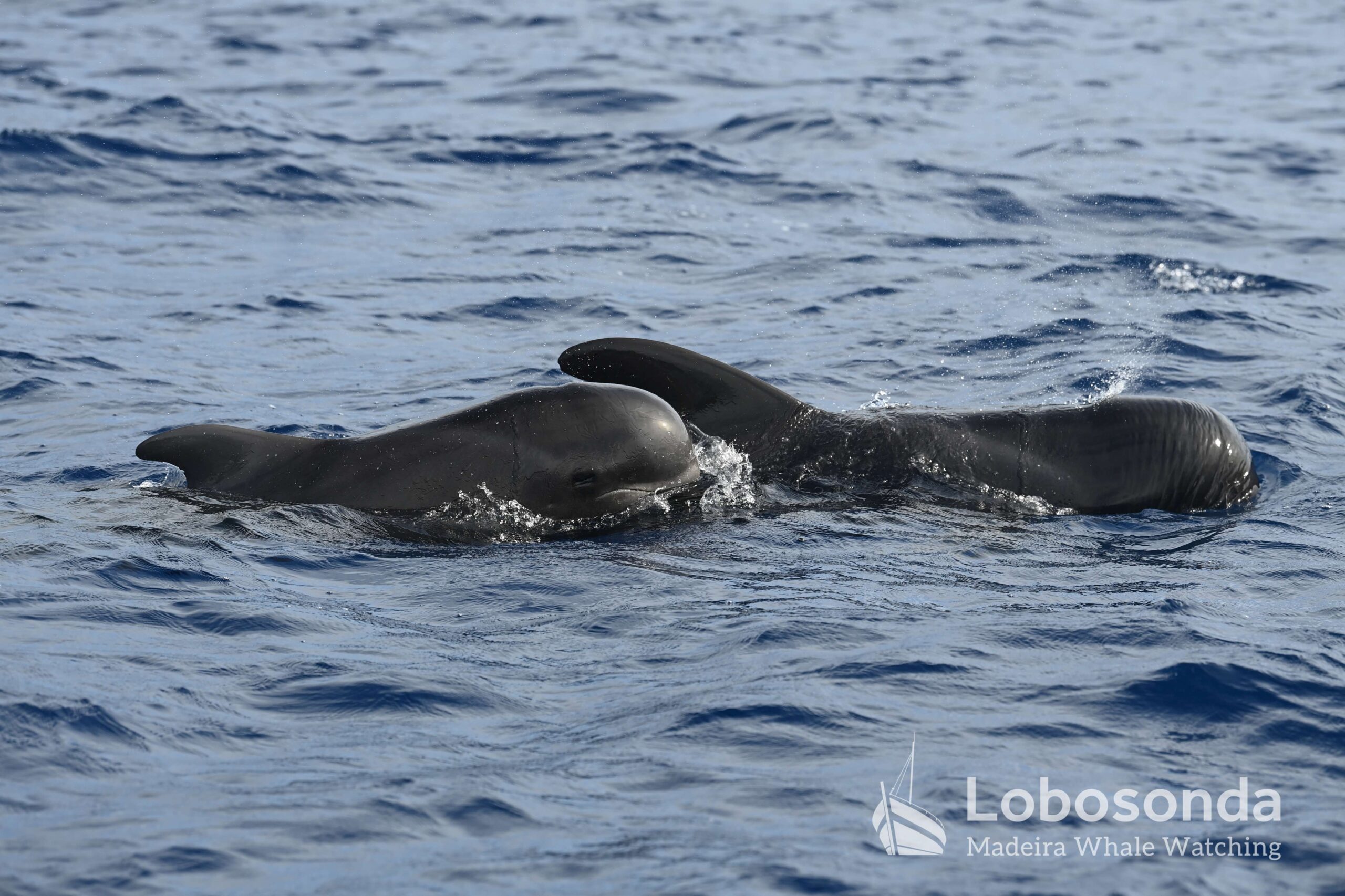
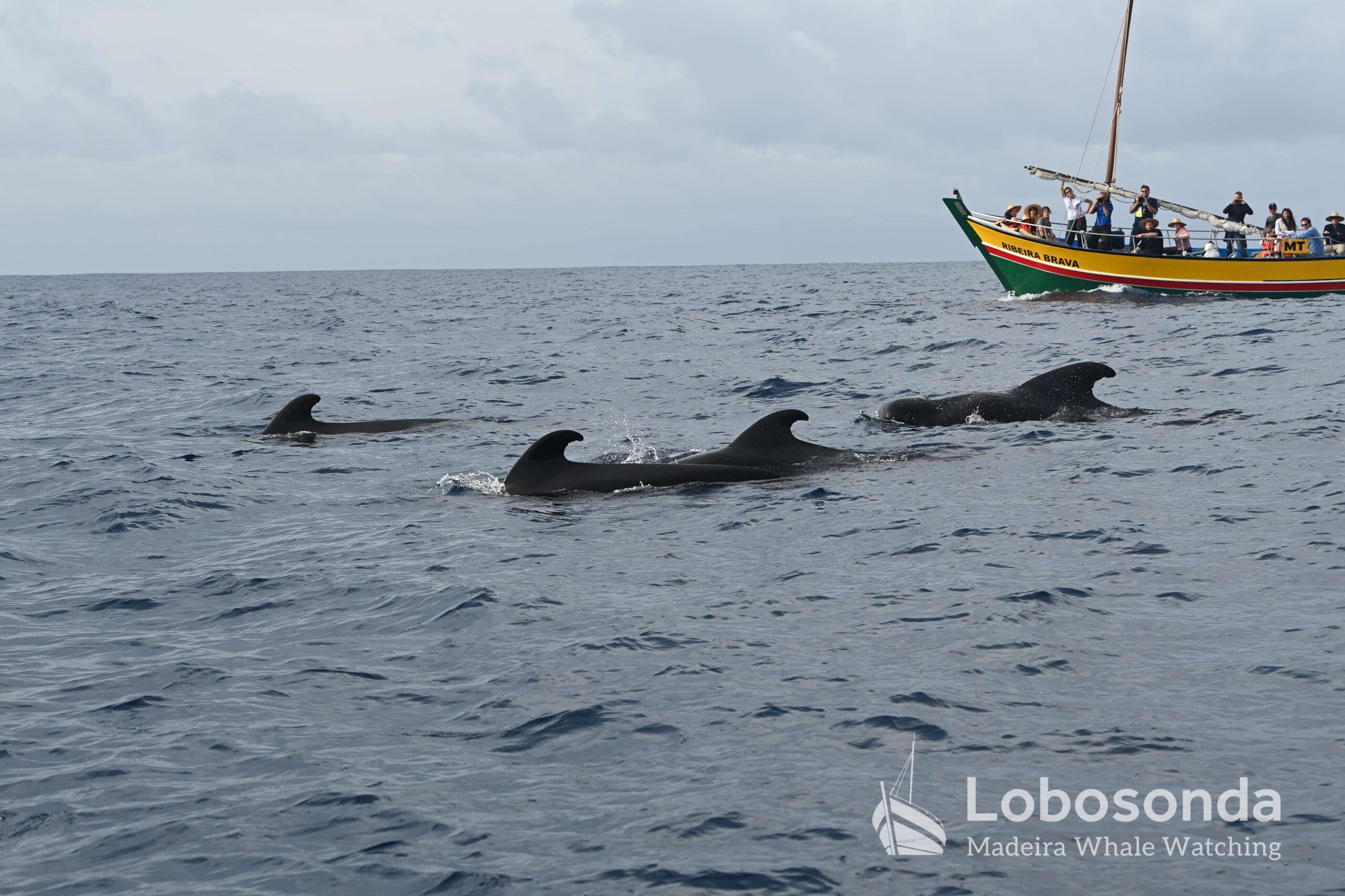
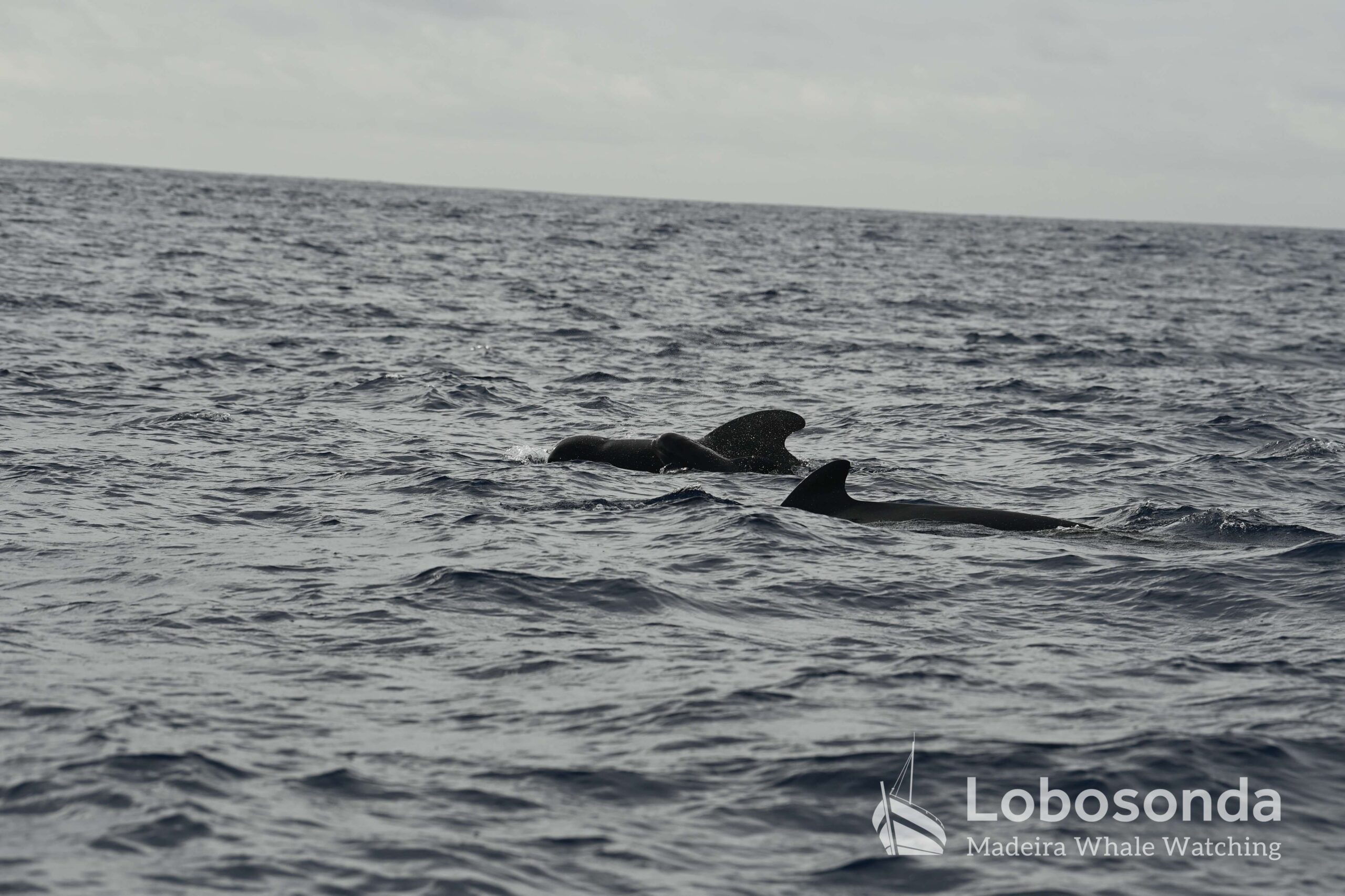
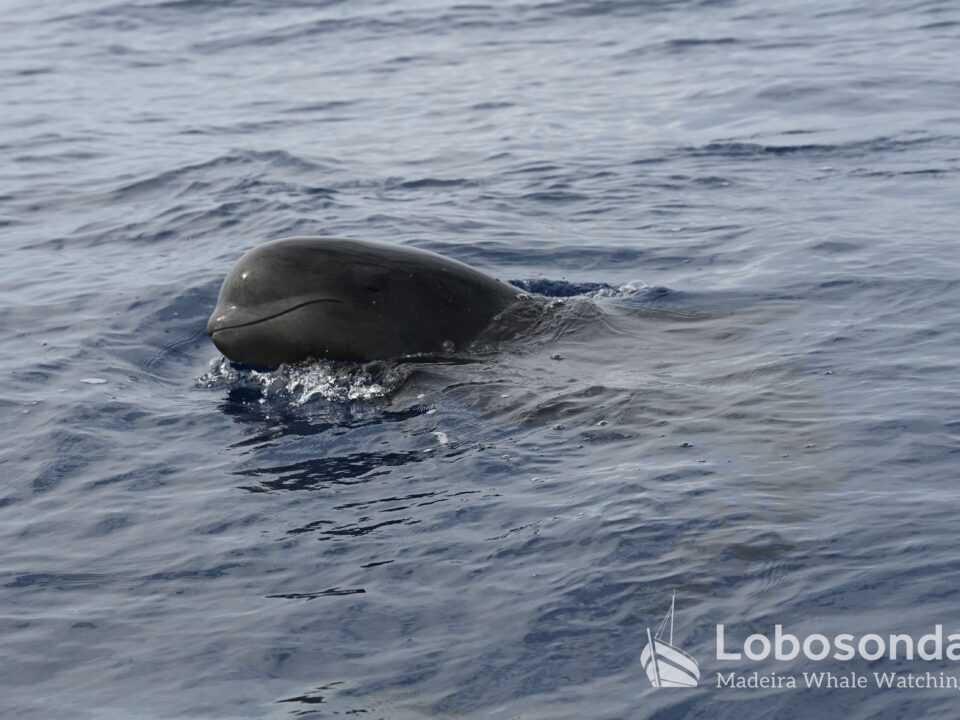
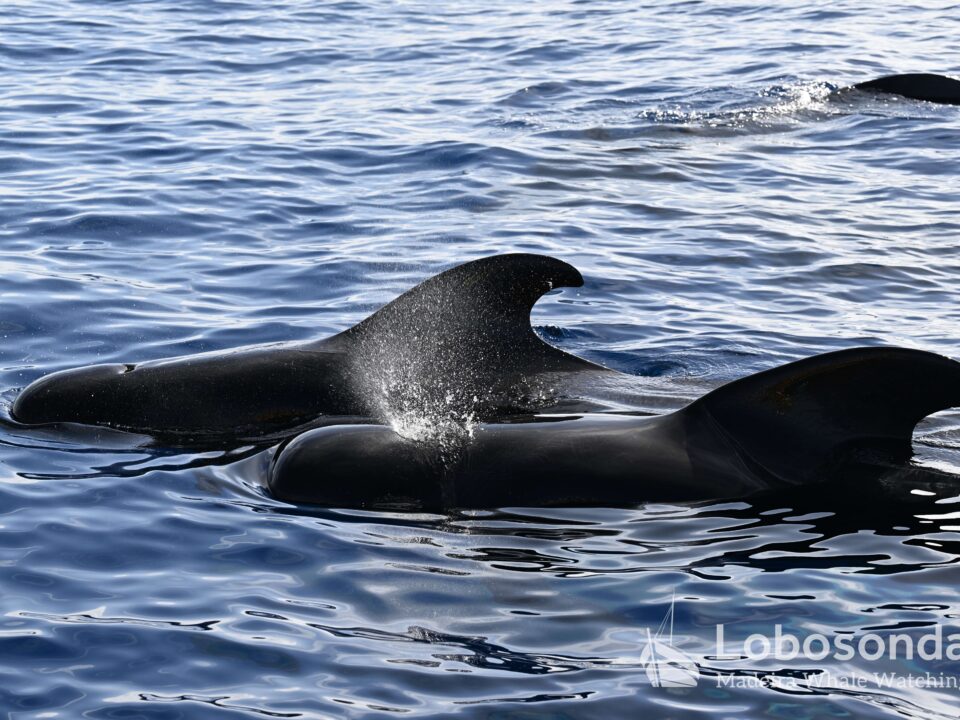
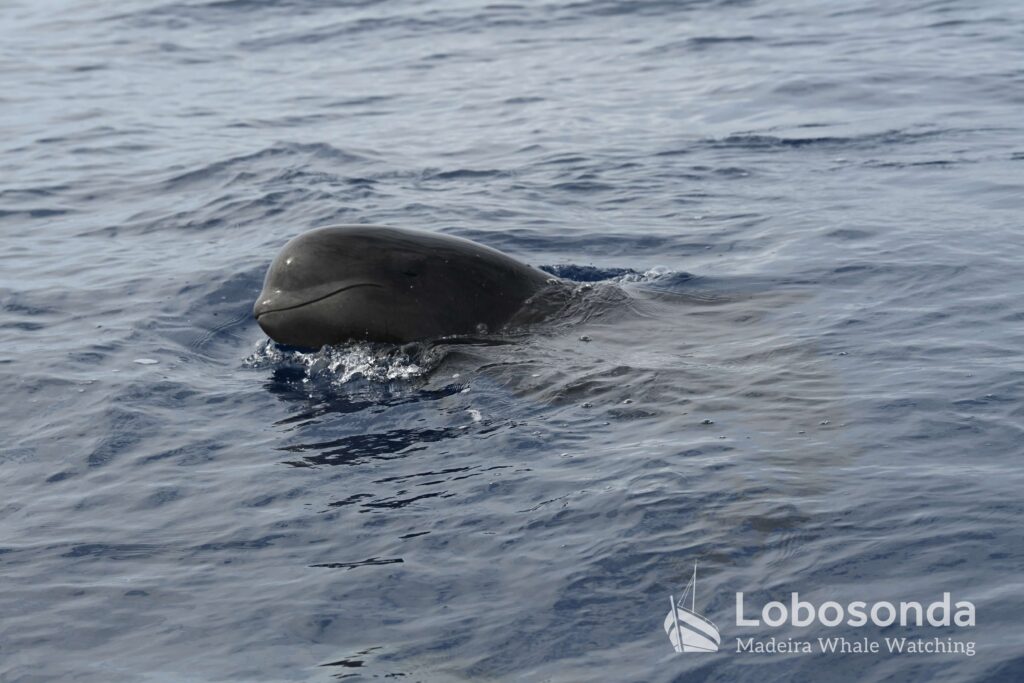
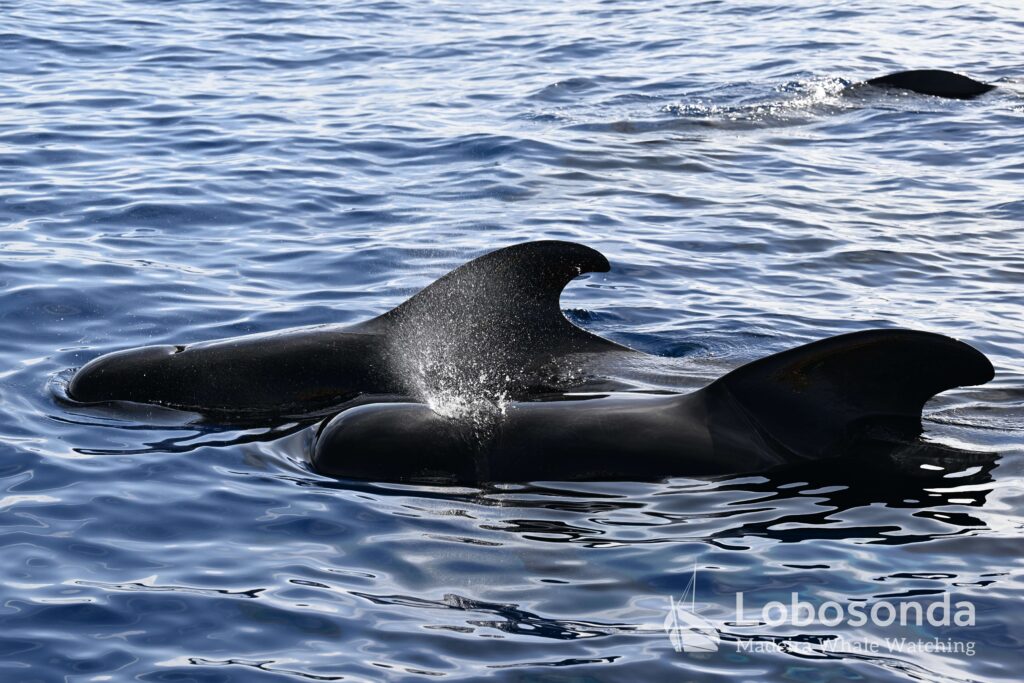
One interesting detail during today’s encounters was how widely spread out the individuals were. Although short-finned pilot whales (Globicephala macrorhynchus) are known for their strong social structure, they do not always remain close together at the surface.
One possible explanation is their foraging behaviour. When searching for prey, pilot whales can temporarily spread out into smaller groups or individual animals over a much larger area. This allows them to explore different parts of the water column and search for prey more efficiently.
Interestingly, scientific research using animal-borne tags has documented this behaviour. During foraging periods, individuals may undertake deep dives at different times while maintaining acoustic contact through vocalisations. In other words, even when they appear scattered across the ocean, they may still be part of the same social group.
Short-finned pilot whales are exceptional divers. Although they spend a considerable amount of their time close to the surface, they can descend to impressive depths when searching for food. A study conducted off Madeira by Alves and colleagues recorded that the whales spent approximately 76% of their time at the surface, performing an average of 7 dives per hour. The deepest recorded dive reached an impressive 988 metres.
Depending on their purpose, these dives can vary considerably in duration. Deeper foraging dives can last around 10–15 minutes, while shorter dives may only last a few minutes. After returning to the surface, the whales spend time recovering and replenishing their oxygen reserves before diving again.
These deep dives are particularly important when targeting squid, their main prey. Squid inhabit different depths of the ocean and many species undertake daily vertical migrations. During daylight hours, they often move into deeper waters, potentially encouraging pilot whales to perform deeper and longer foraging dives. Their ability to alternate between deep dives and recovery periods at the surface allows them to manage their oxygen reserves while exploiting these deep-water food sources.
By Gemma Stockmans
Sightings of the day
Ribeira Brava
09:00 short-finned pilot whales
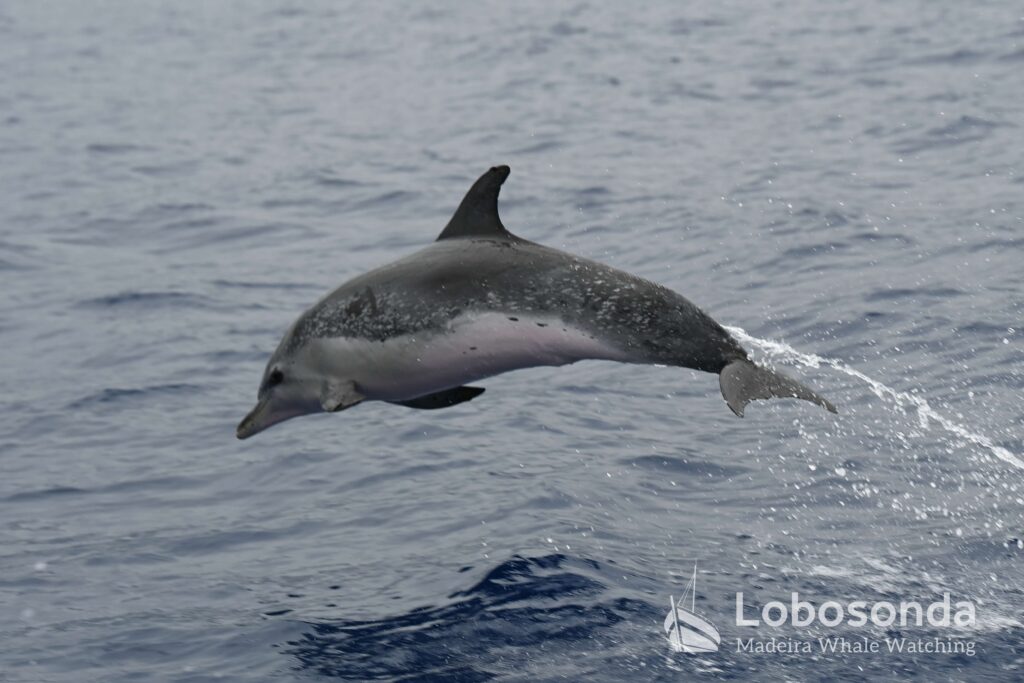
Steno
09:30 short-finned pilot whales