LogotipoLogotipoLogotipoLogotipo
  • Home
  • Tours
    • Ribeira Brava whale watching tour
    • Stenella whale watching tour
    • Snorkeling with Dolphins
  • Whale Watch
    • Sightings
    • Marine Life
    • Marine Protection
  • Madeira Island
    • All About Madeira Island
    • Macaronesia
    • Fauna and Flora
    • Local Trips
  • Our Approach
    • About Us
    • Crew
  • Contact
  • Blog
  • English
  • Deutsch
✕
            No results See all results
            26.08.2026 – Sharks are around the corner
            September 2, 2026
            28.08.2026 – Nature is no museum
            September 4, 2026
            27.08.2026 – Off to the depths

            Published by Marlene Cabral on September 3, 2026
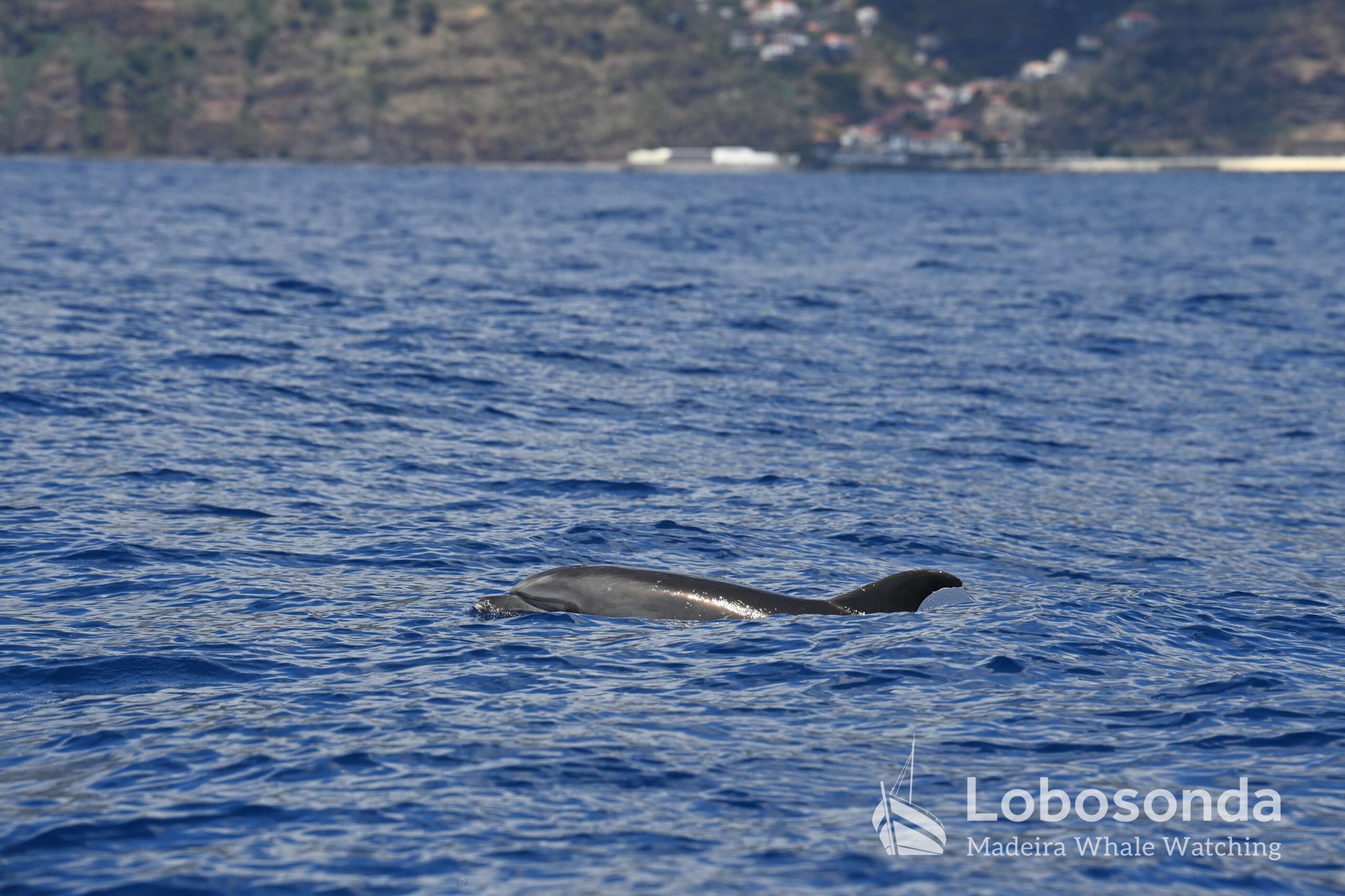
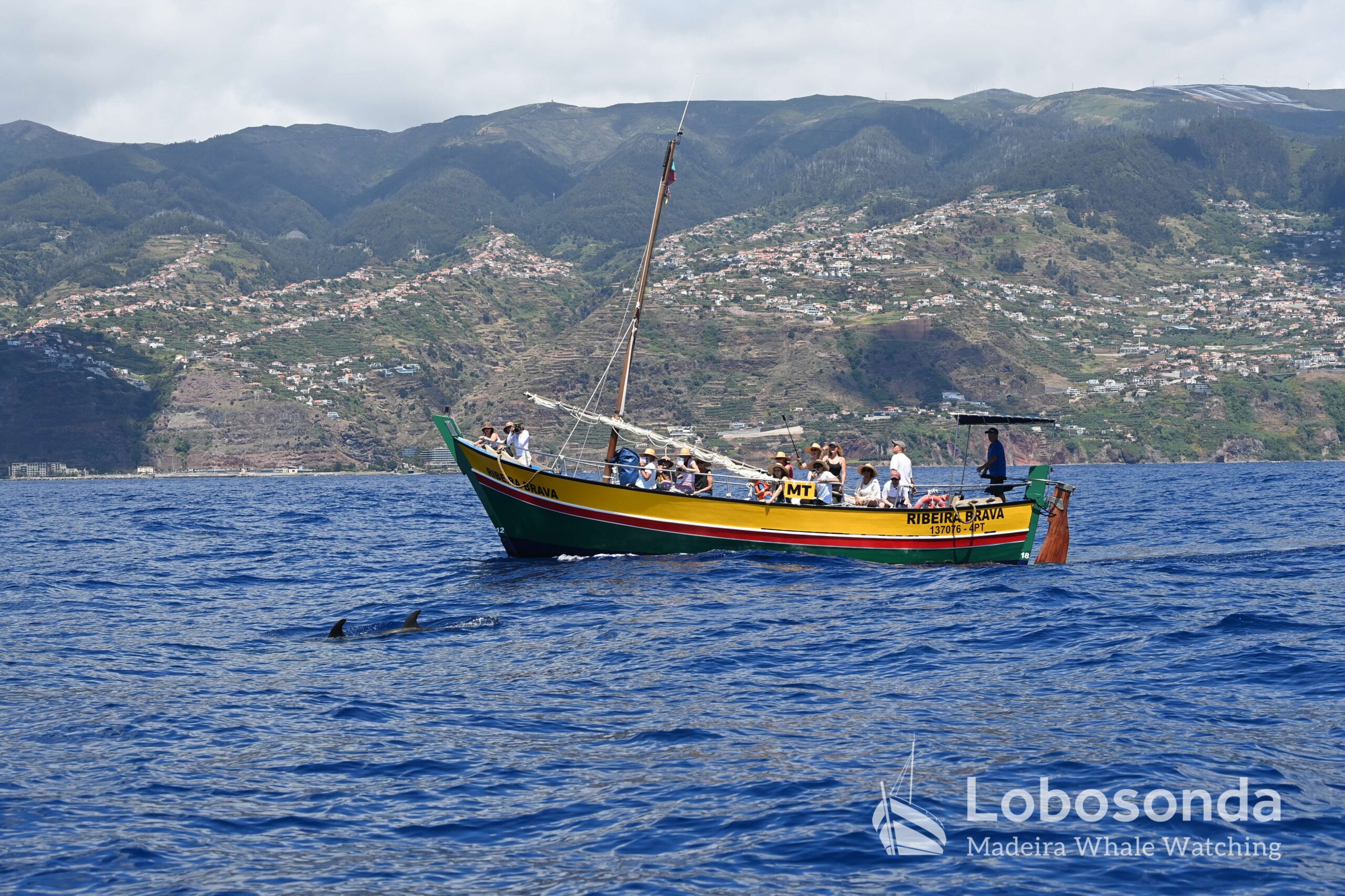
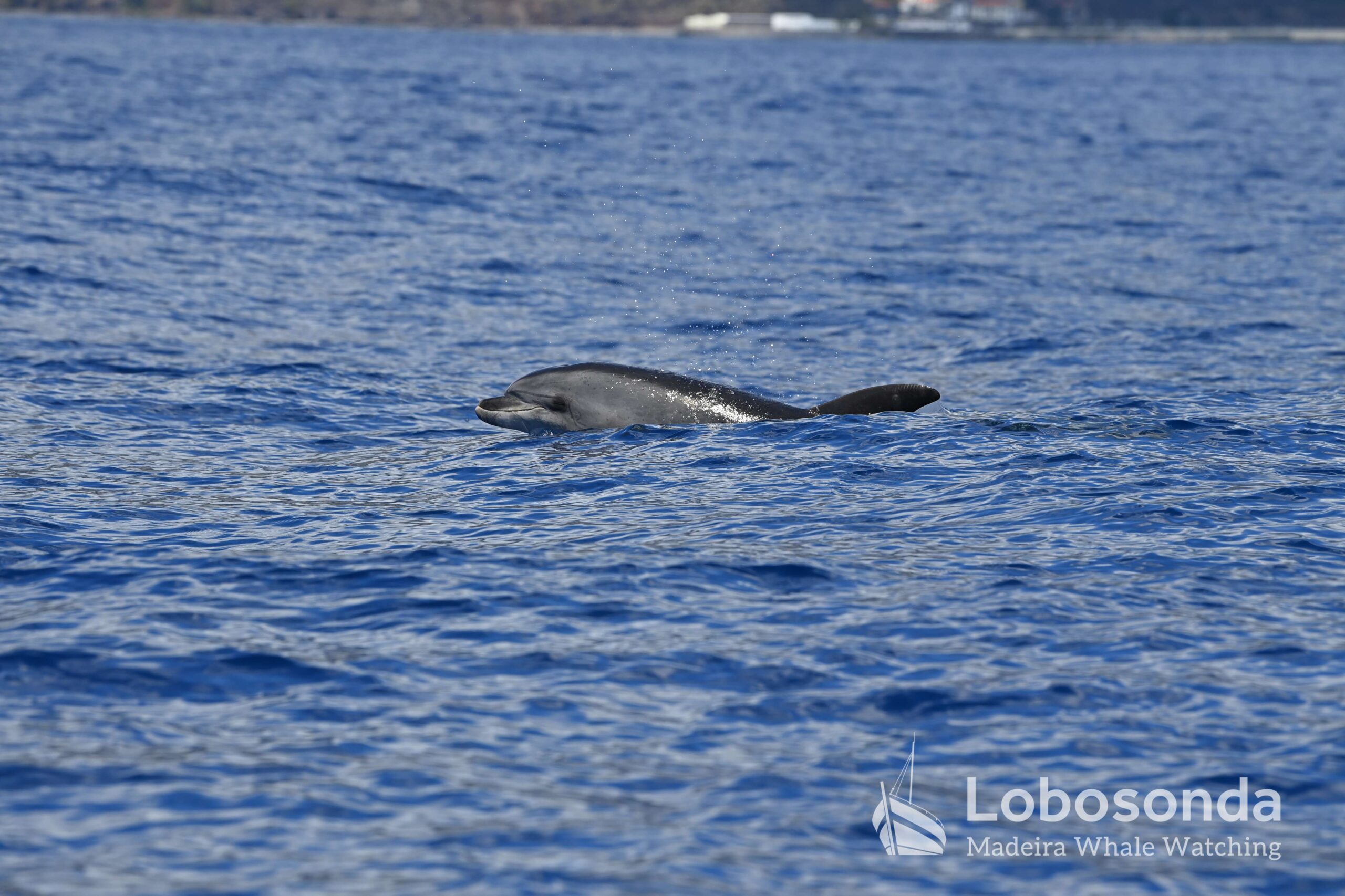
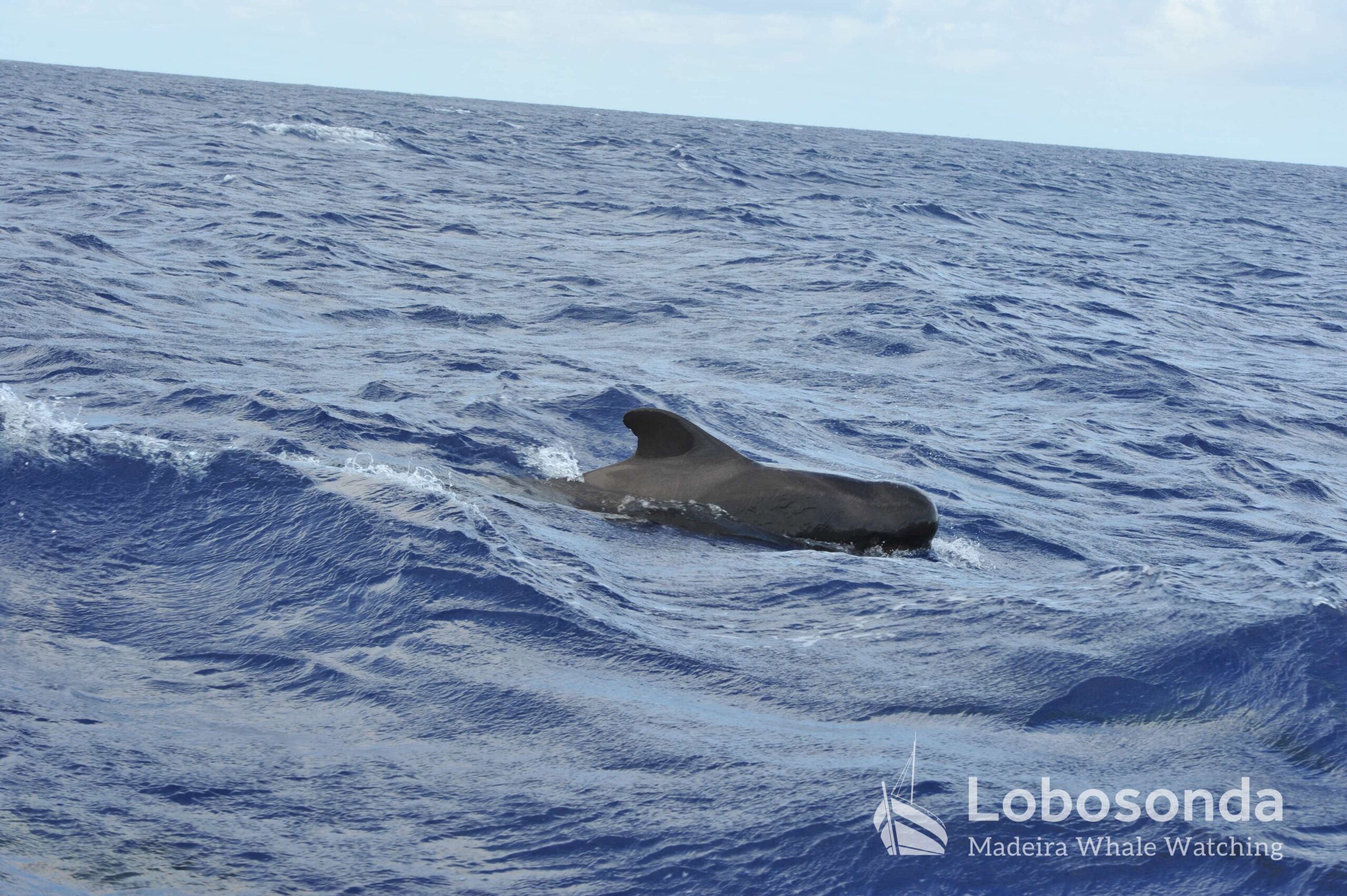
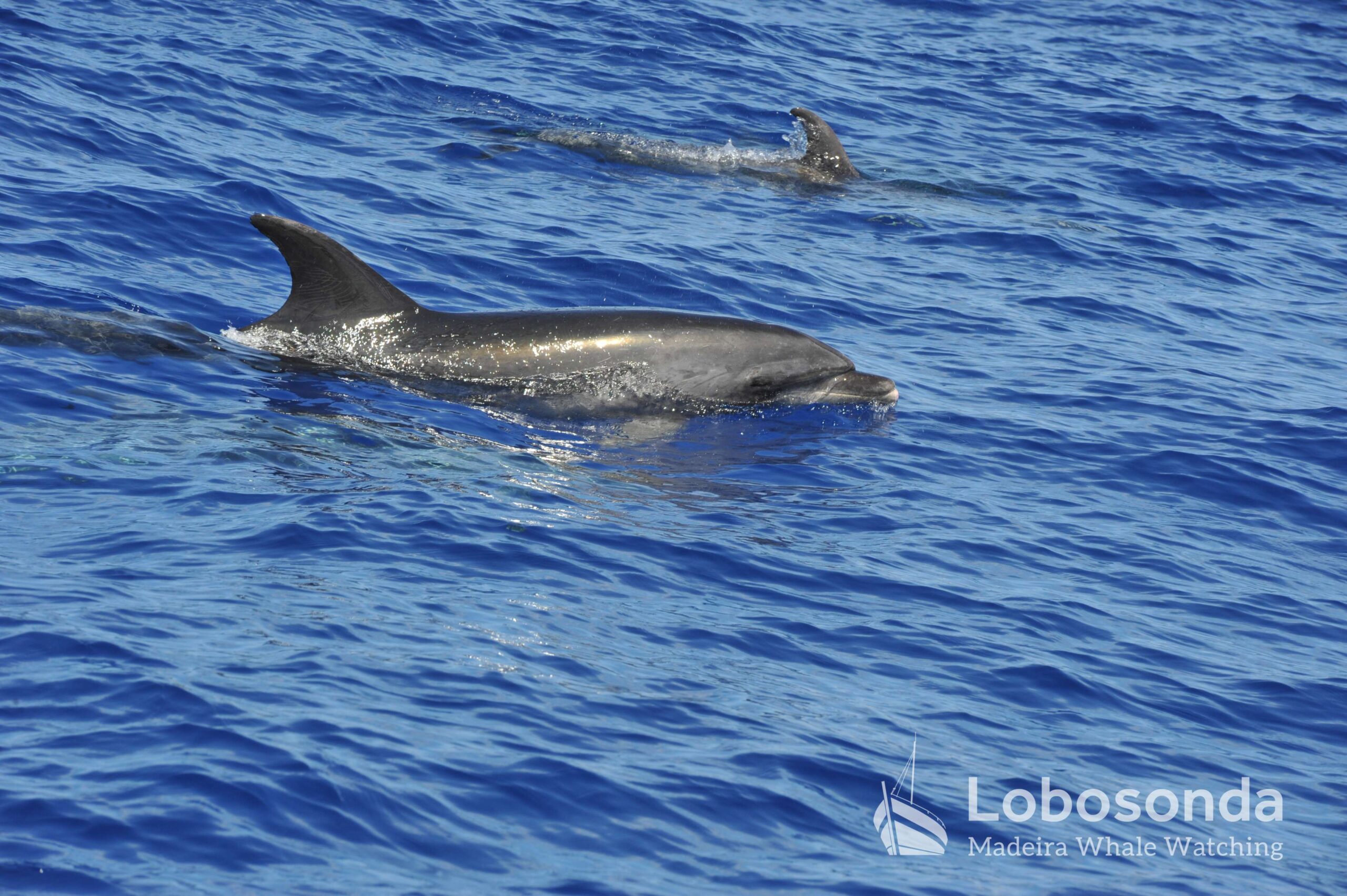
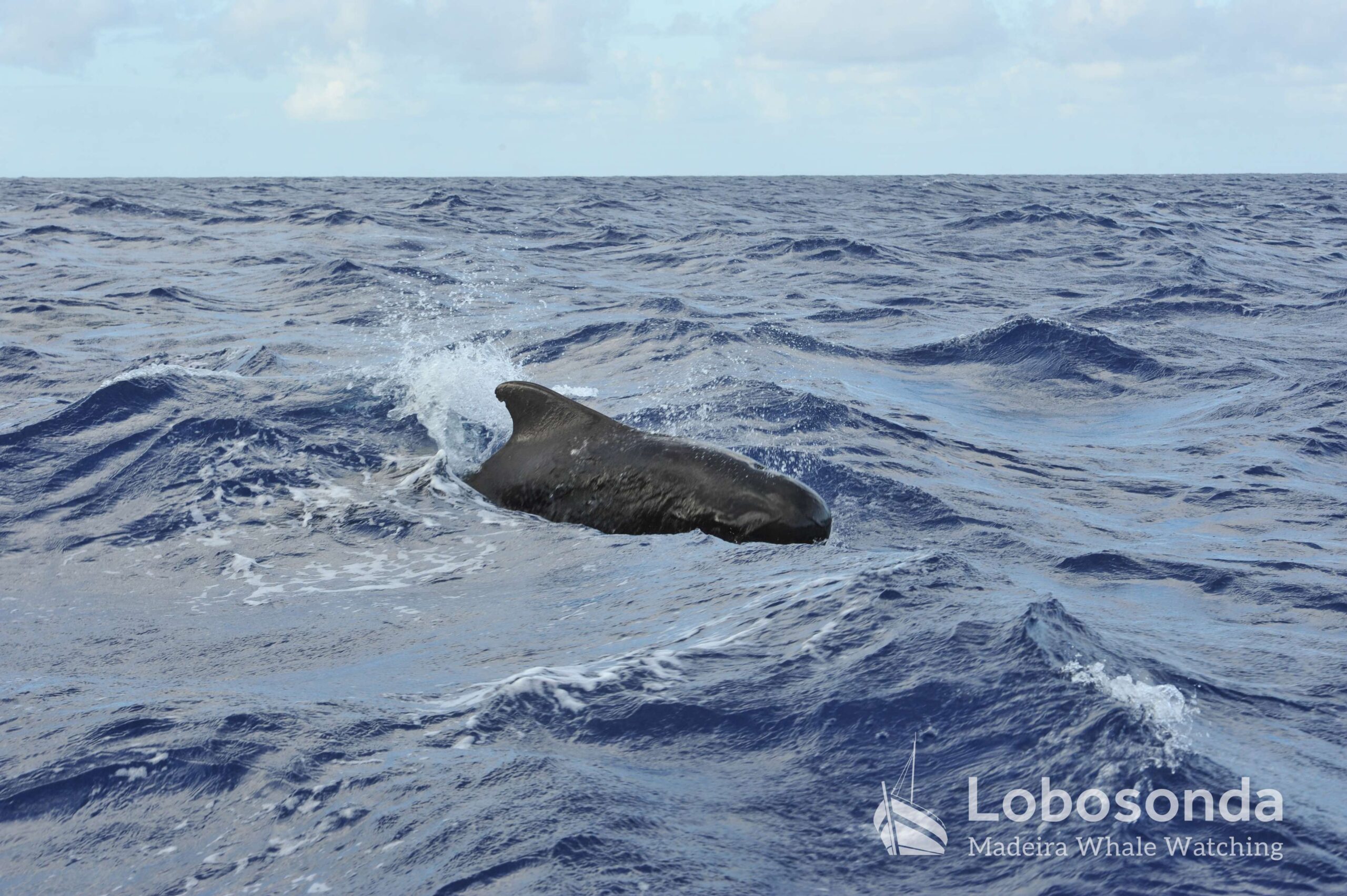
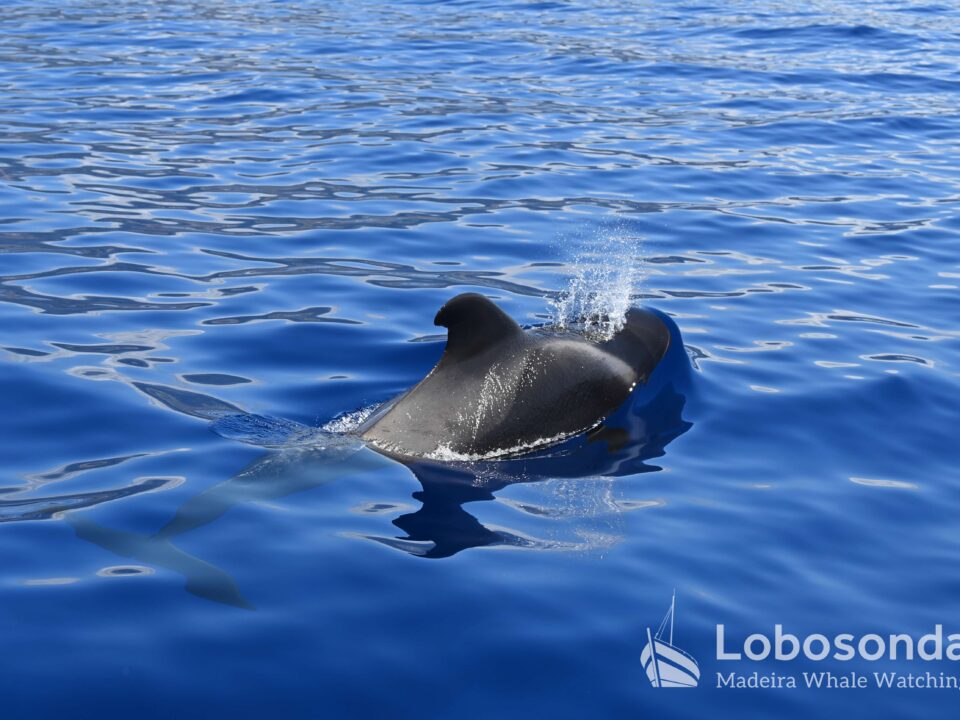
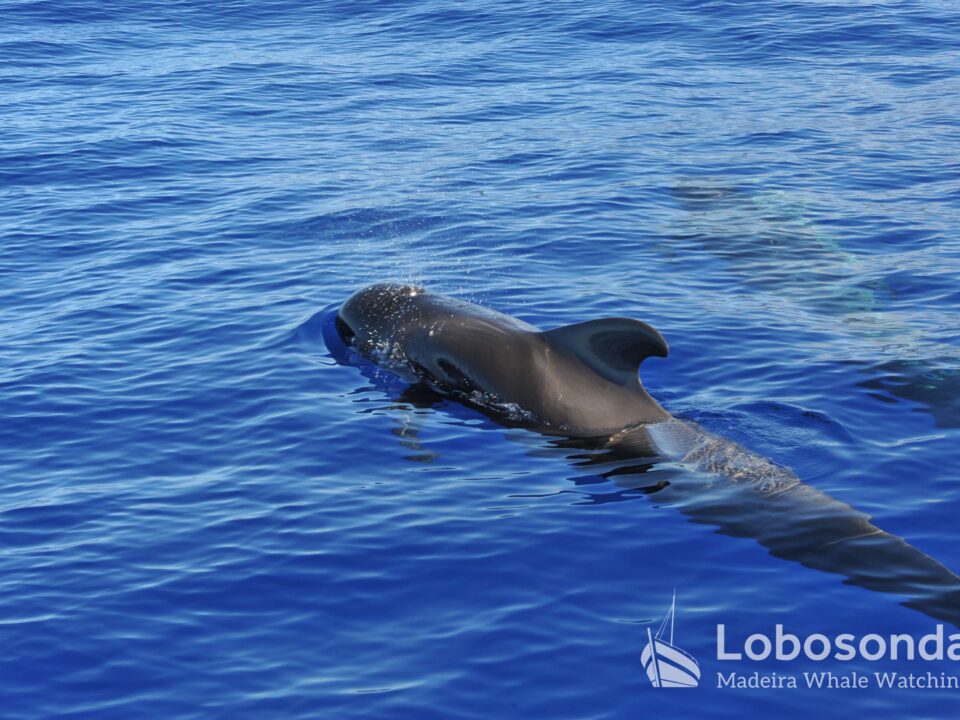
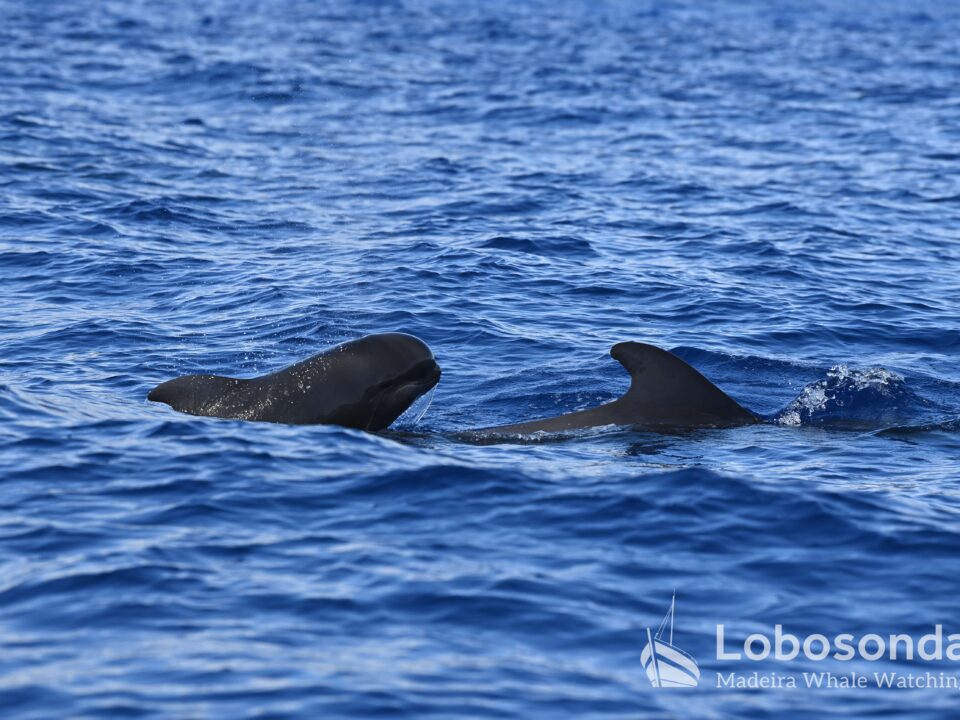
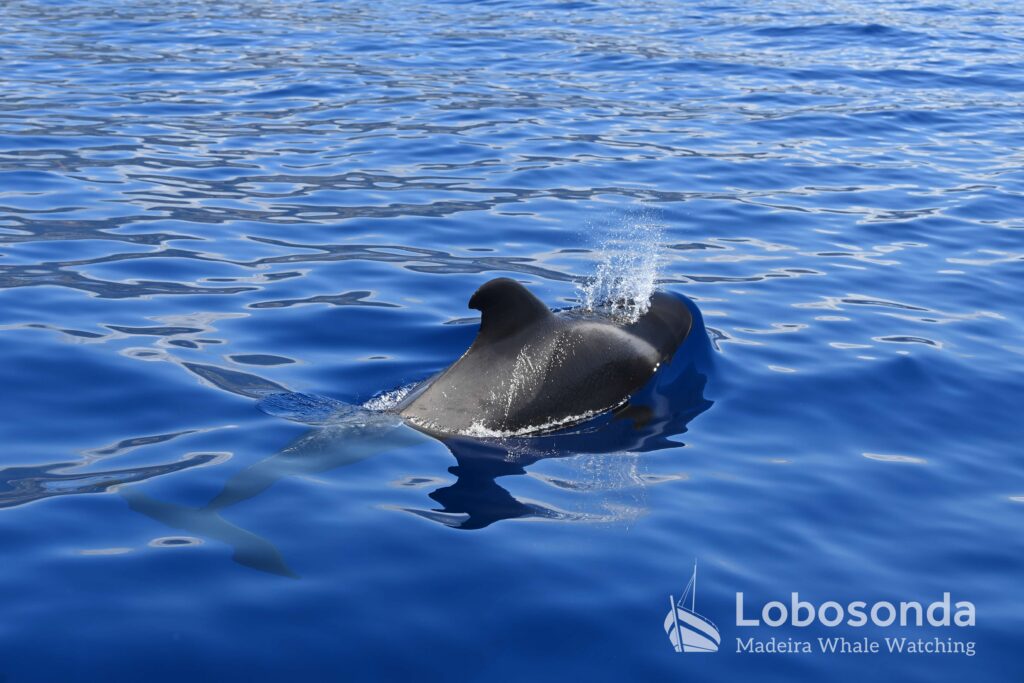
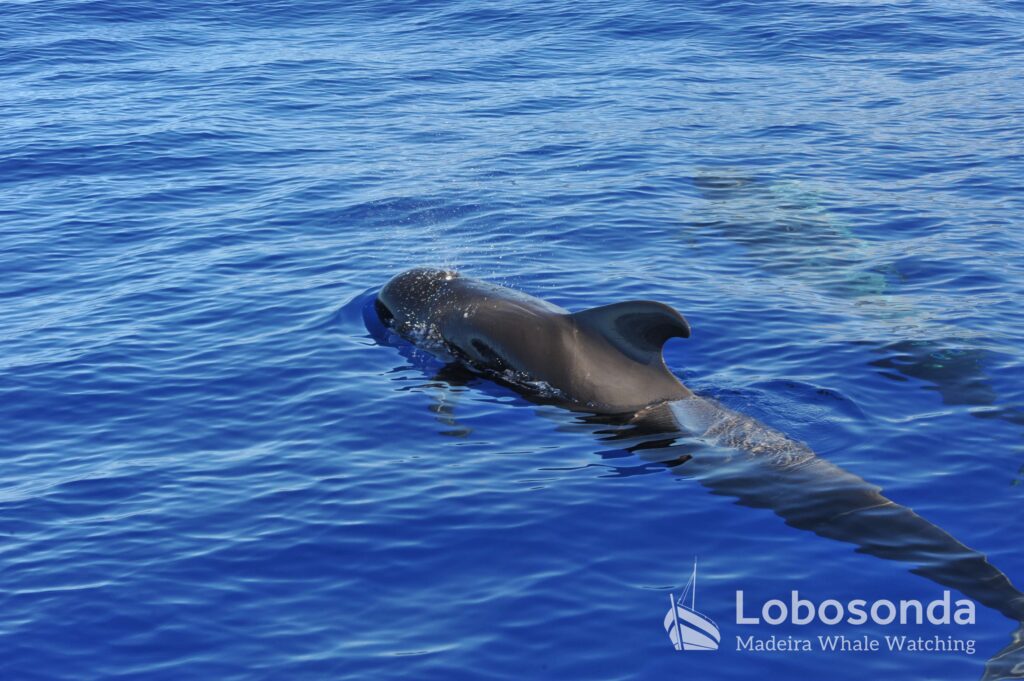
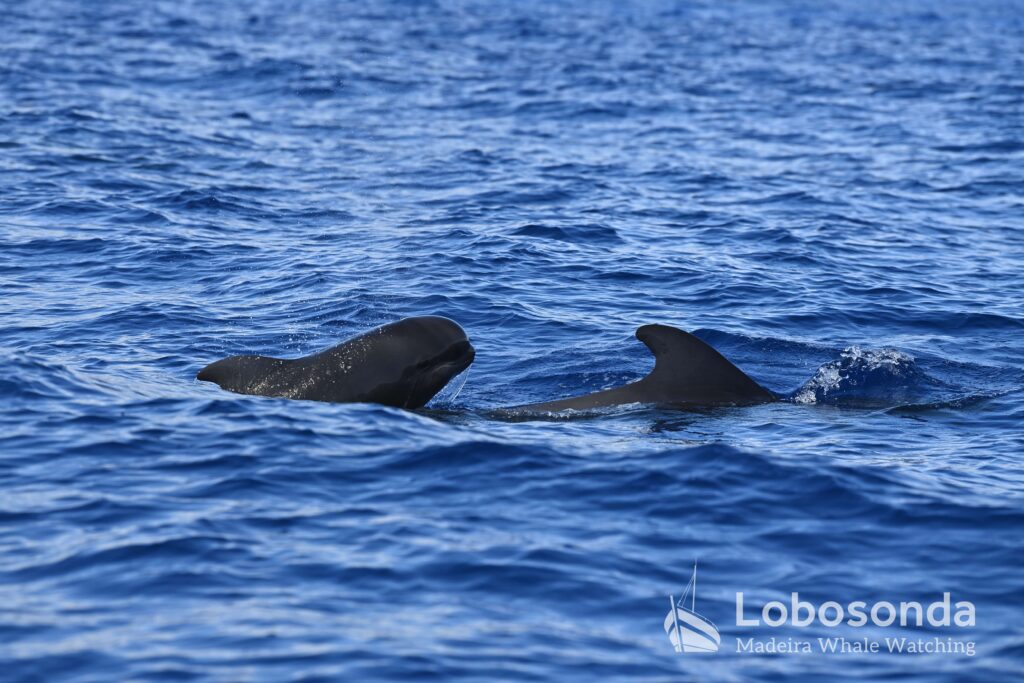
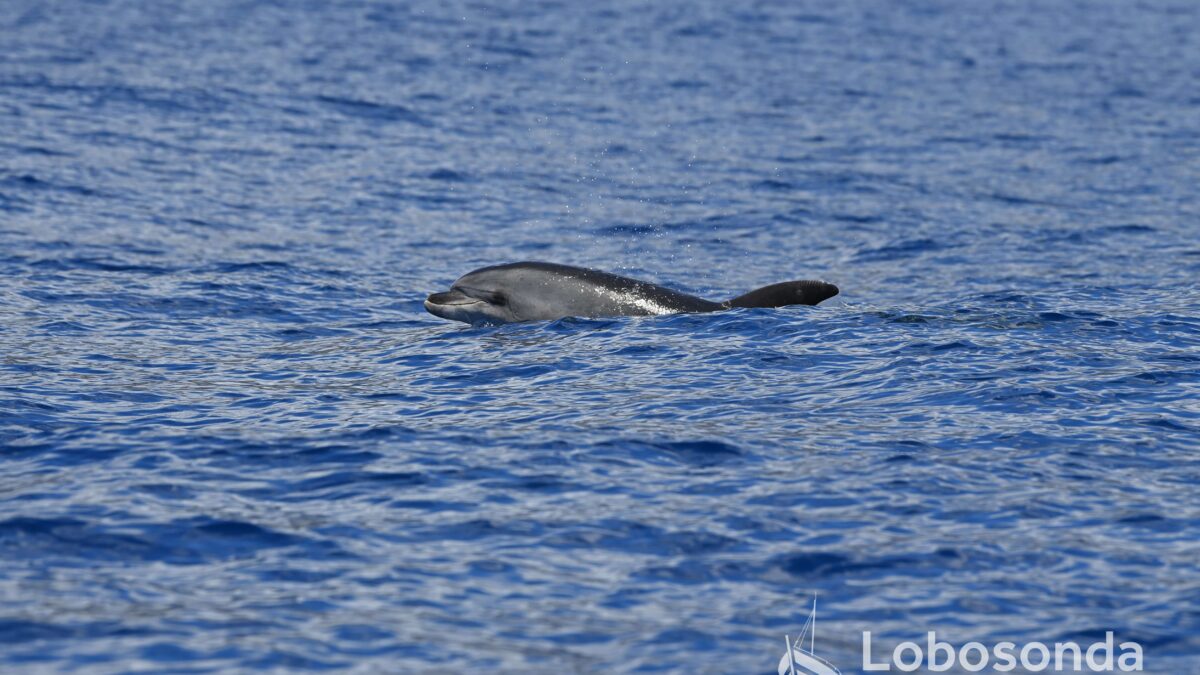
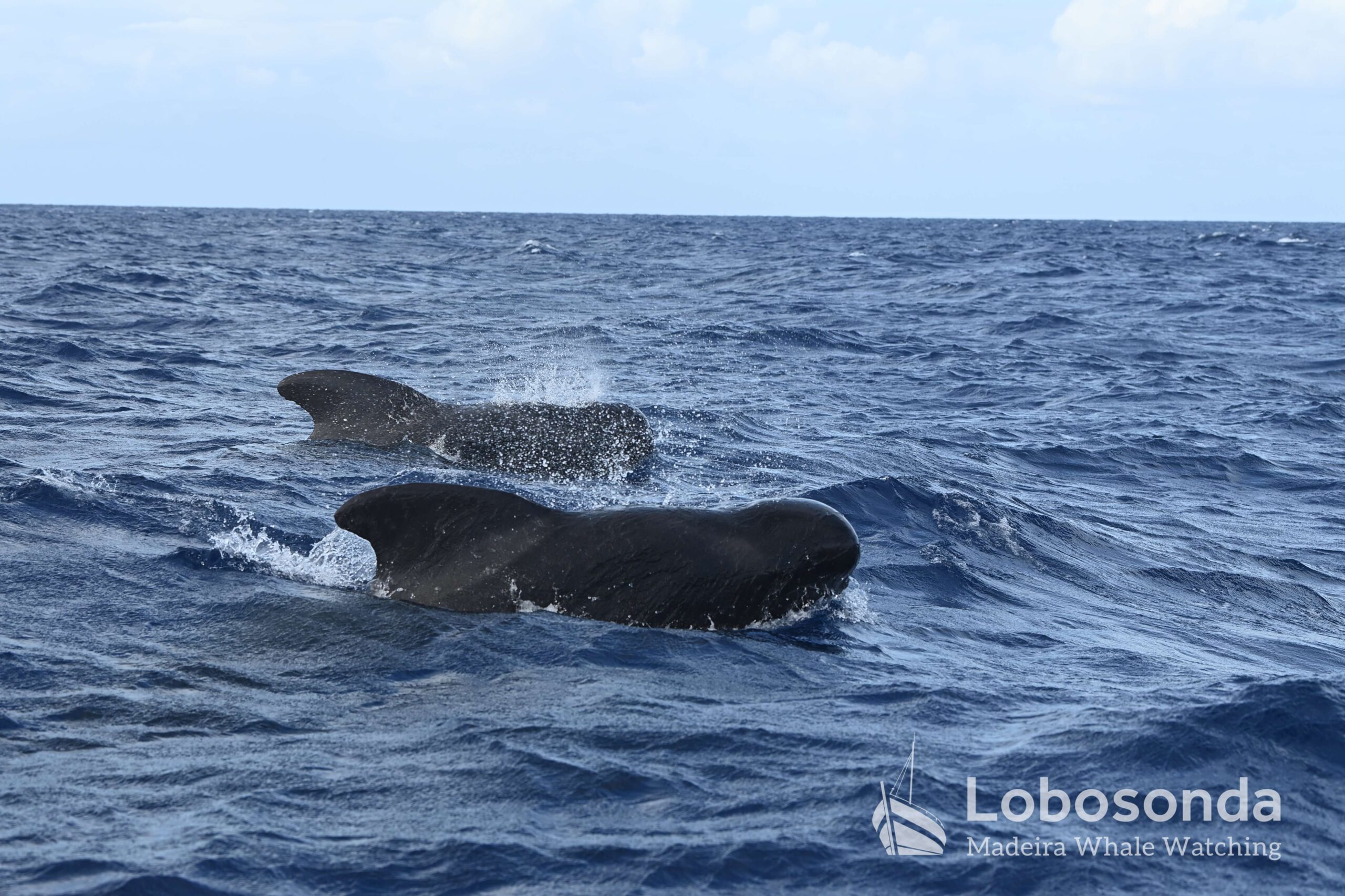
            On our tour today, we were lucky enough to see two very different toothed whales: Bottlenose dolphins (Tursiops truncatus) and Short-finned pilot whales (Globicephala macrorhynchus).  This led to an interesting question: If pilot whales dive so much deeper than bottlenose dolphins, how is their body adapted to cope with the enormous pressure?
            Short-finned pilot whales around Madeira have been recorded diving to almost 1.000 metres. At that depth, the pressure is around 100 times higher than at the surface.
            One of the most important adaptations is found in their lungs. Unlike humans, deep-diving whales are able to let their lungs compress as the pressure increases. Their airways and chest are specially adapted to cope with these changes without being damaged. As the lungs become compressed, gas exchange is reduced, which also limits the amount of nitrogen entering the bloodstream. This helps protect the animals from problems similar to decompression sickness in human divers.
            But if their lungs are compressed, how do they get enough oxygen?
            The answer is mainly oxygen stored in their blood and muscles. Whales and dolphins have high concentrations of haemoglobin in their blood and myoglobin in their muscles, allowing them to store much more oxygen than land mammals. During a dive, their heart rate also slows down and blood flow is prioritised towards vital organs such as the brain and heart.
            Bottlenose dolphins have many of these same adaptations, but their dives are generally less extreme. Pilot whales are especially well adapted to spending time in the deeper parts of the ocean.

            by Malina Labowsky

            Sightings of the day

            Ribeira Brava

            09:00 Short-finned pilot whale, Bottlenose dolphin

            13:00 Bottlenose dolphin

            16:30 No Sightings

            Steno

            09:30 Short-finned pilot whale, Bottlenose dolphin

            13:30 Bottlenose dolphin

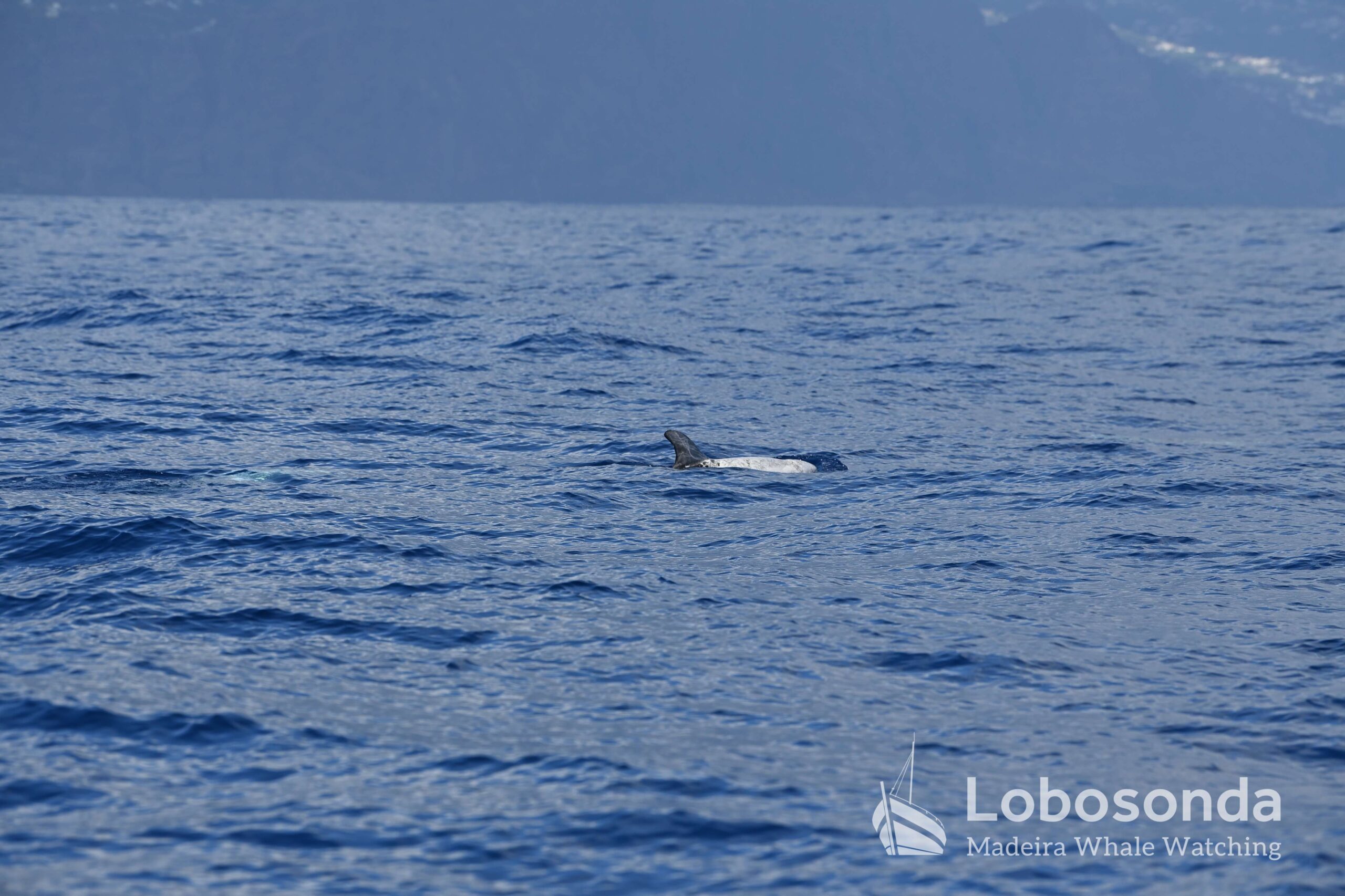
            16:30 Bottlenose dolphin, Rissos’ dolphin


            Share this:

            • Share
            • Facebook
            • LinkedIn
            • Twitter

            Like this:

            Like Loading...
            Share
            Marlene Cabral
            Marlene Cabral

            Related posts

            September 7, 2026

            31.08.2026 – Not quite a whale


            Read more
            September 6, 2026

            30.08.2026 – Cheetahs


            Read more
            September 5, 2026

            29.08.2026 – Where do you go little dolphin?


            Read more

            Leave a Reply Cancel reply

            Your email address will not be published. Required fields are marked *

            This site uses Akismet to reduce spam. Learn how your comment data is processed.

            Lobosonda Whale Watching Madeira

            Booking: (+351) 968 400 980
            (Jun – Sep: 08:00h – 20:00h . Oct – May: 09:00h – 19:00h)

            Contact us directly via email:
            info@lobosonda.com

            Av. D. Manuel I, Porto da Calheta
            9370-133 Calheta, Madeira – Portugal

            Social


            Quick Links

            Startseite
            Ausflüge
            Über uns
            Crew
            Häufig gestellte Fragen
            Kontakt

            Projetado por OurStudio, desenvolvido por Thinksolutions.pt
              English
                        No results See all results
                        • English
                        • Deutsch
                          %d