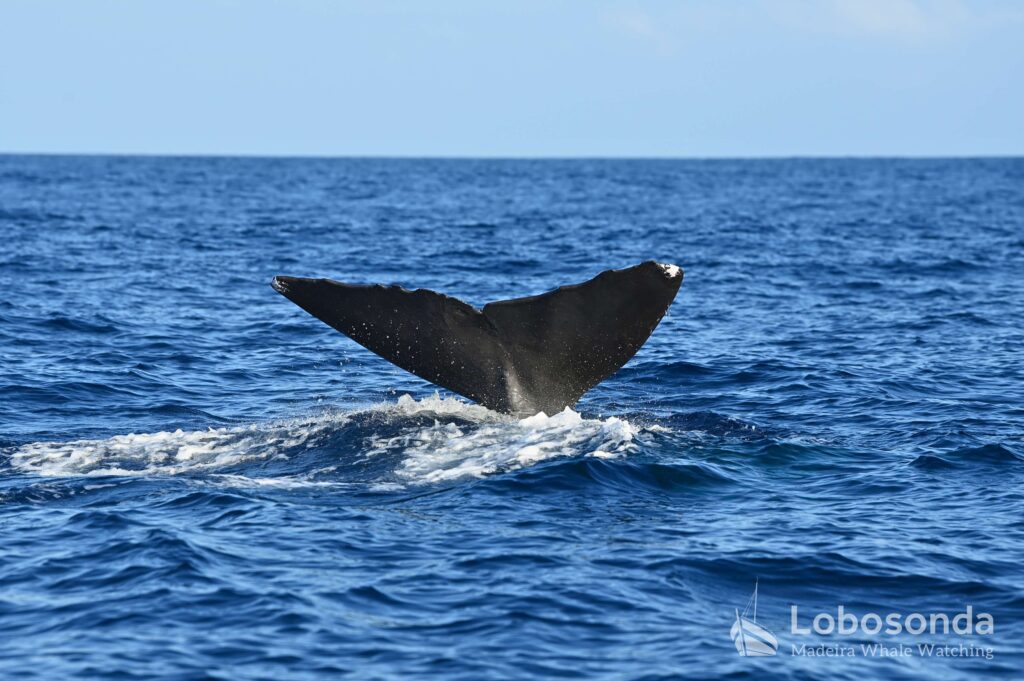
23.05.2026 – Shy whale
May 29, 2026
26.05.2026 – Bottlenose – Tuesday
June 1, 2026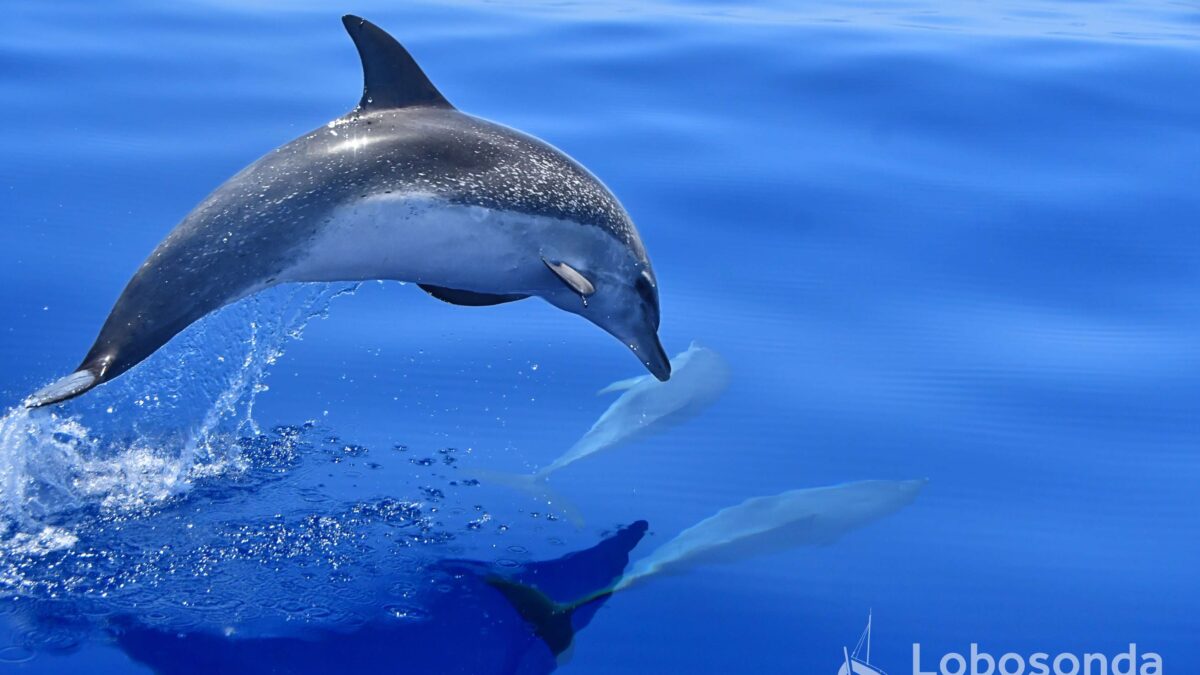
Us guides try to take as many spectacular pictures during our trips as possible but, as we mention during our briefings, pictures do not just serve as a memory. They also serve another purpose: providing scientists with data that helps understand the distribution and social lives of the cetaceans visiting our waters. Here, scientists value pictures capturing special situations, anomalies and characteristic features of the animals that allow them to identify individuals.
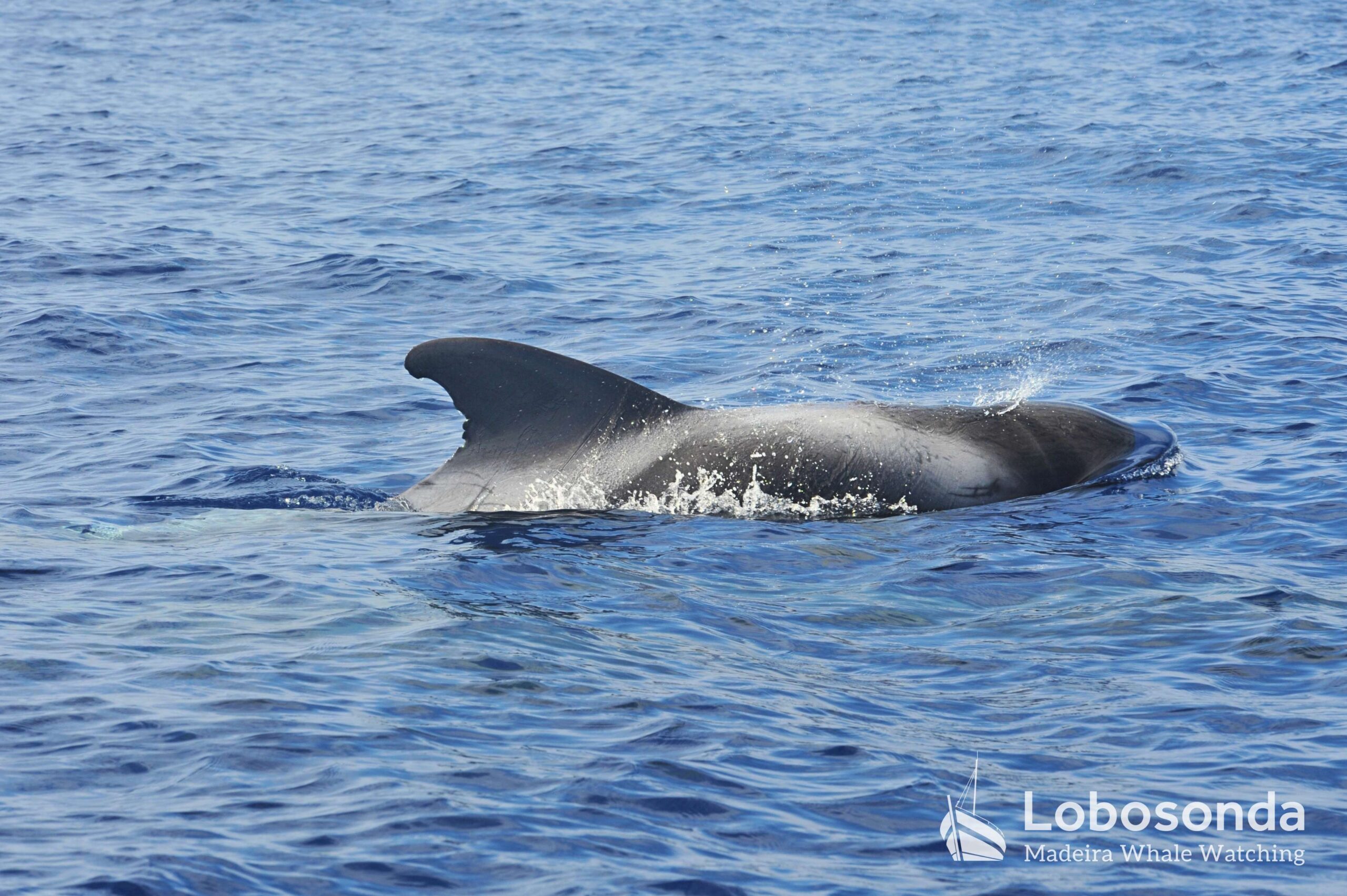
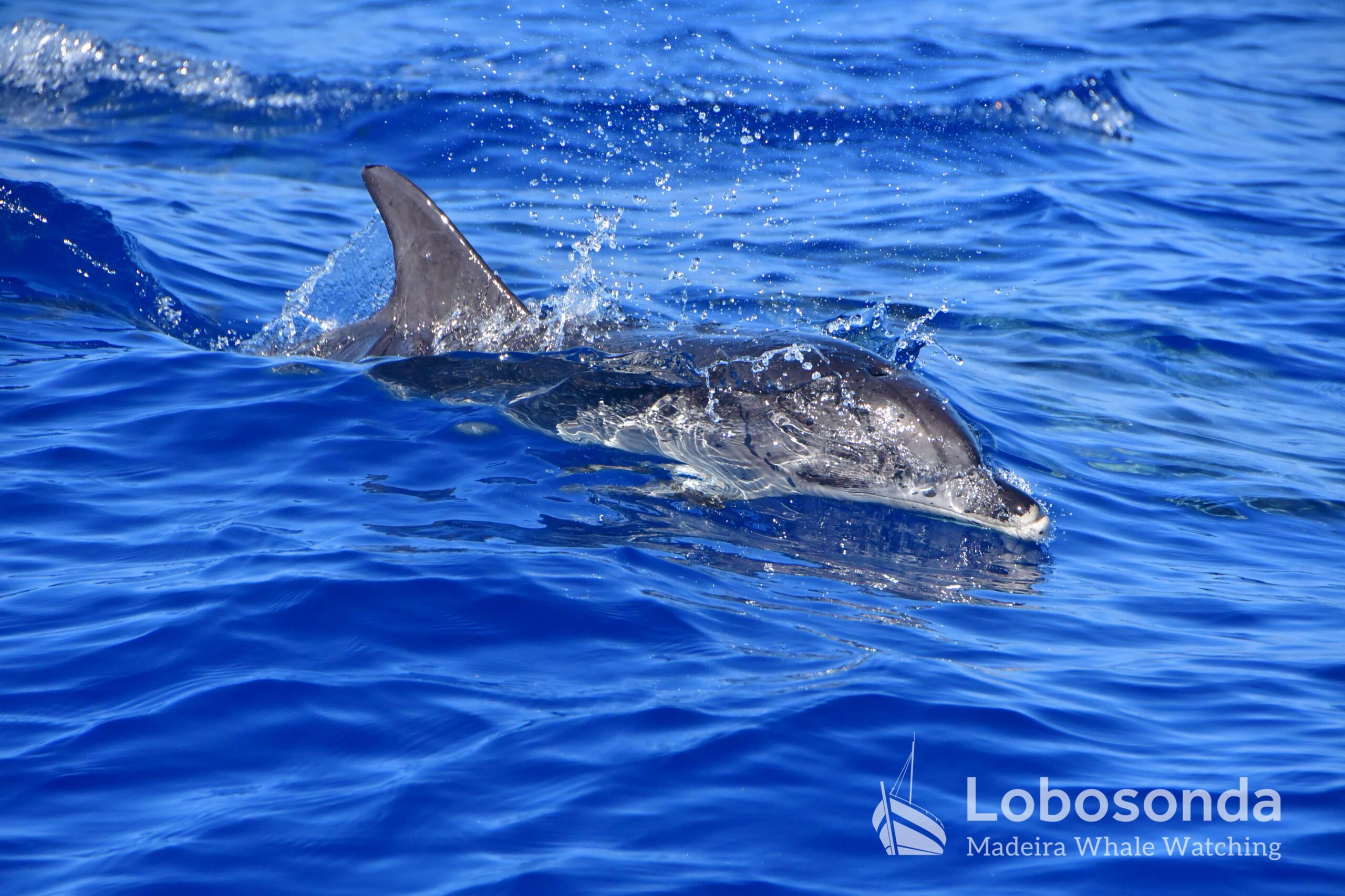
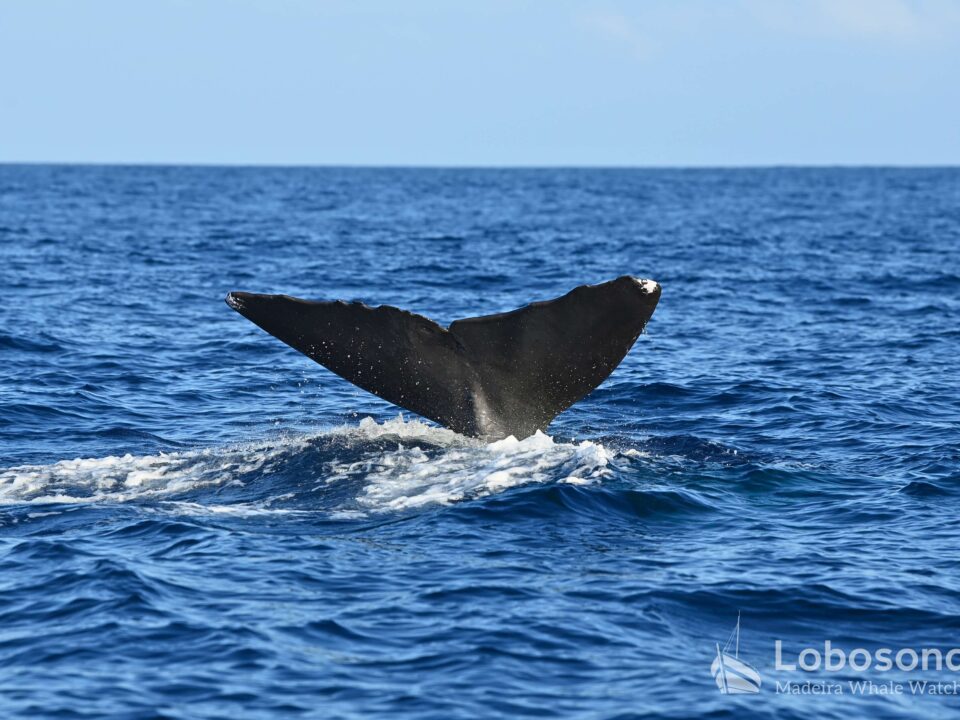
For dolphins and most whales, the most important feature here is the trailing edge of the dorsal fin. This body part is often covered in scratches and scars that the animals obtain through different situations in their lives and are unique for every animal. On Sperm whales (Physeter macrocephalus) and Humpback whales (Megaptera navaeangliae) these scars are best seen on the fluke.
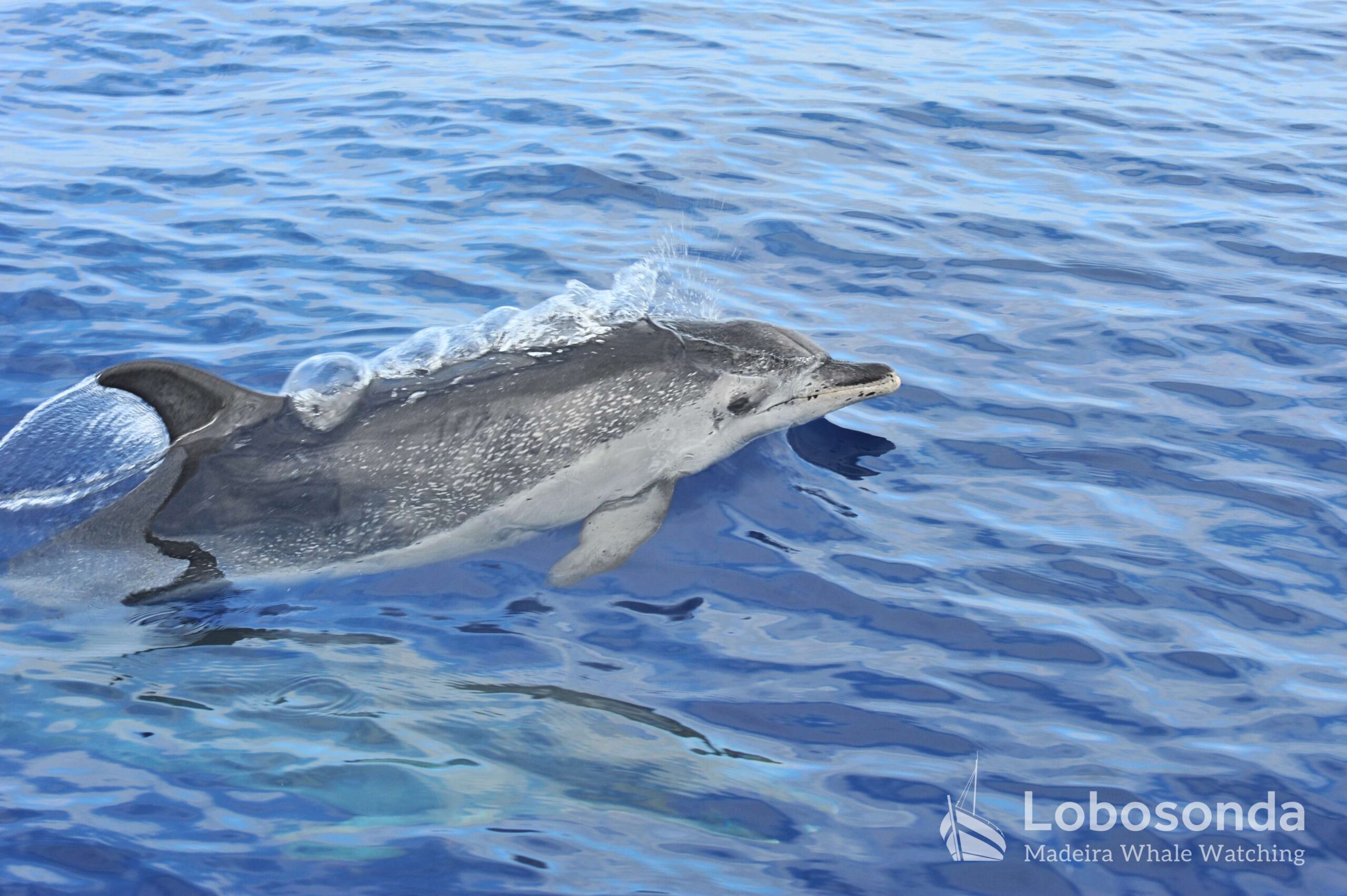
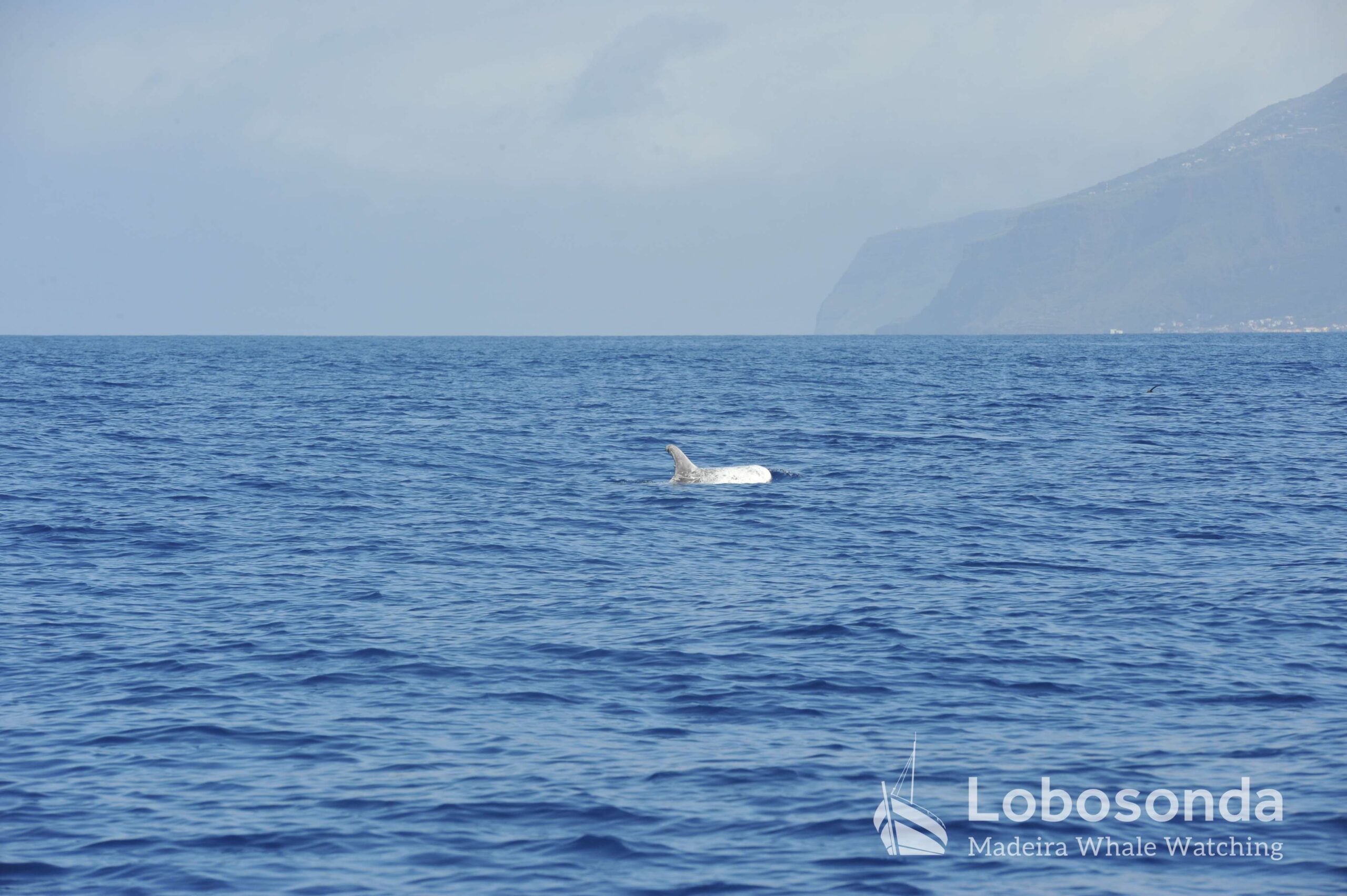
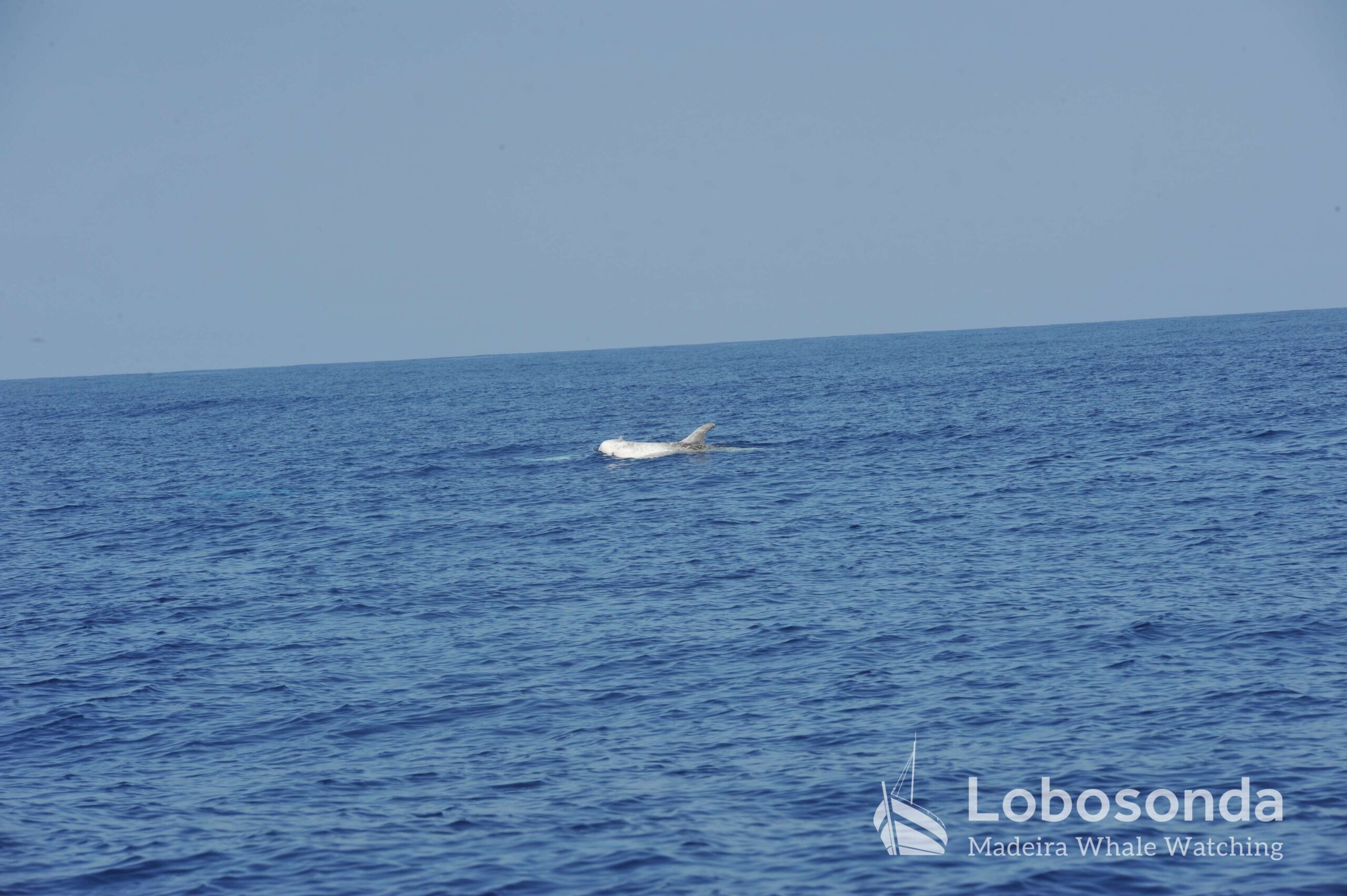
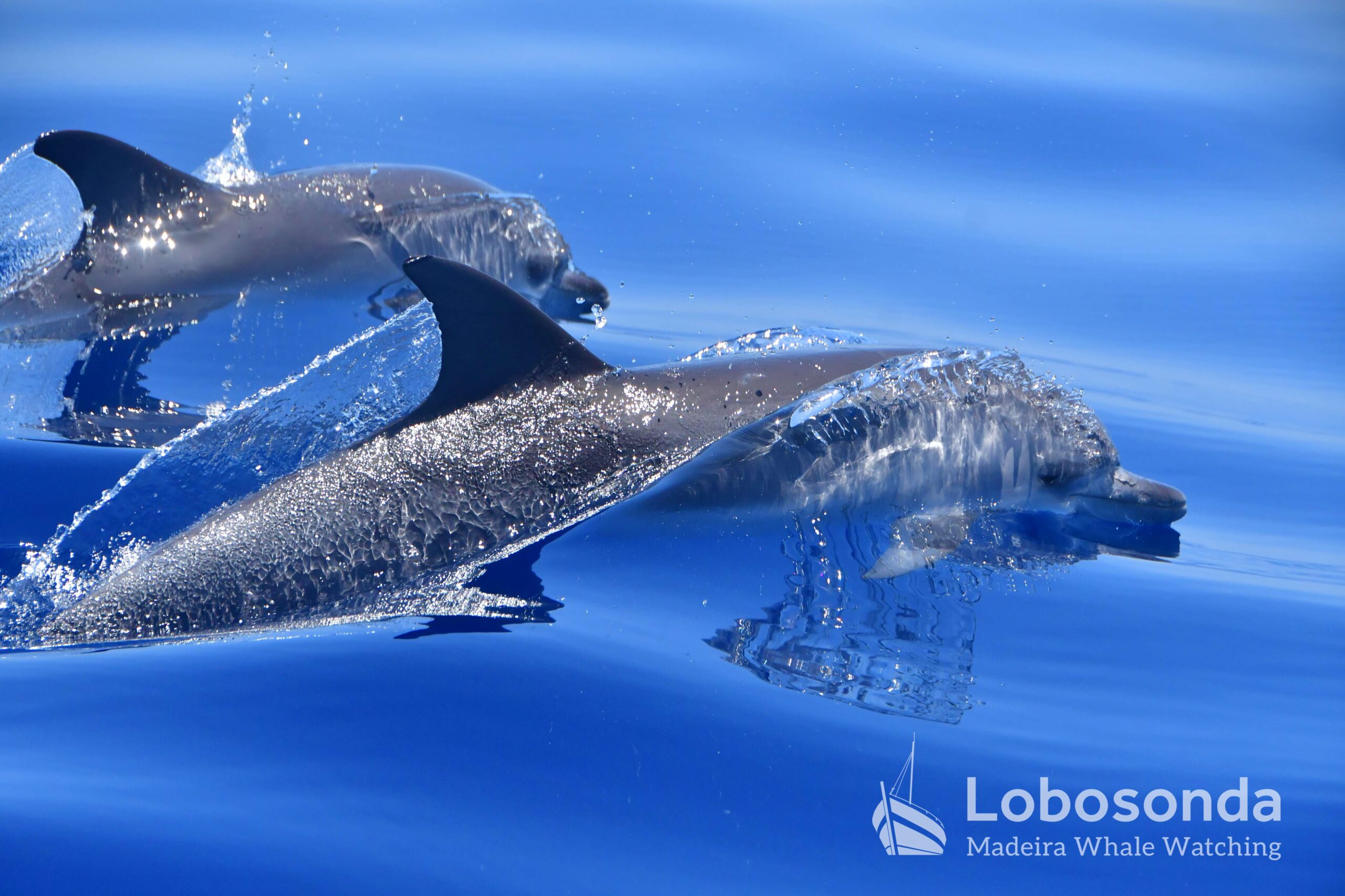
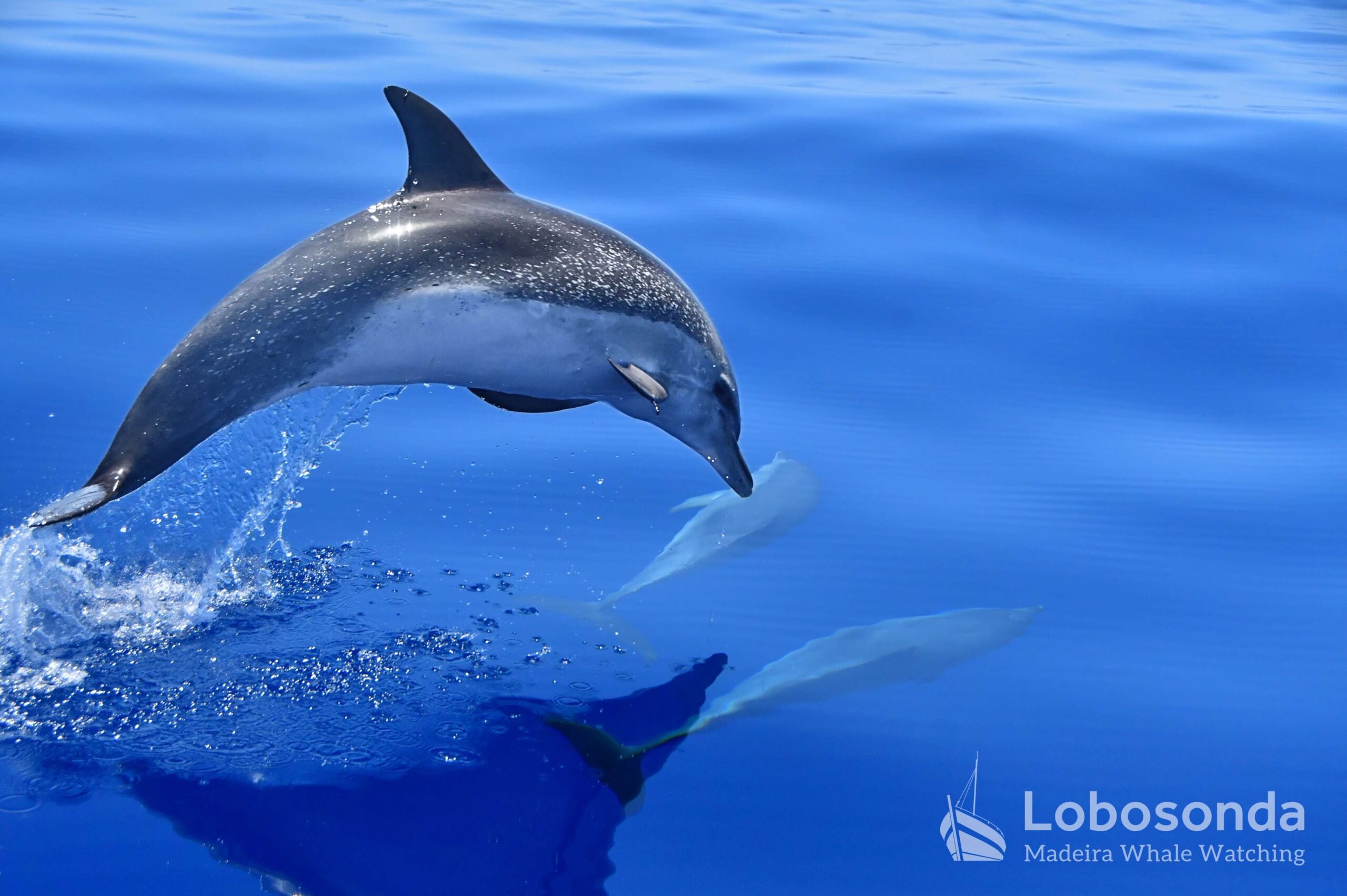
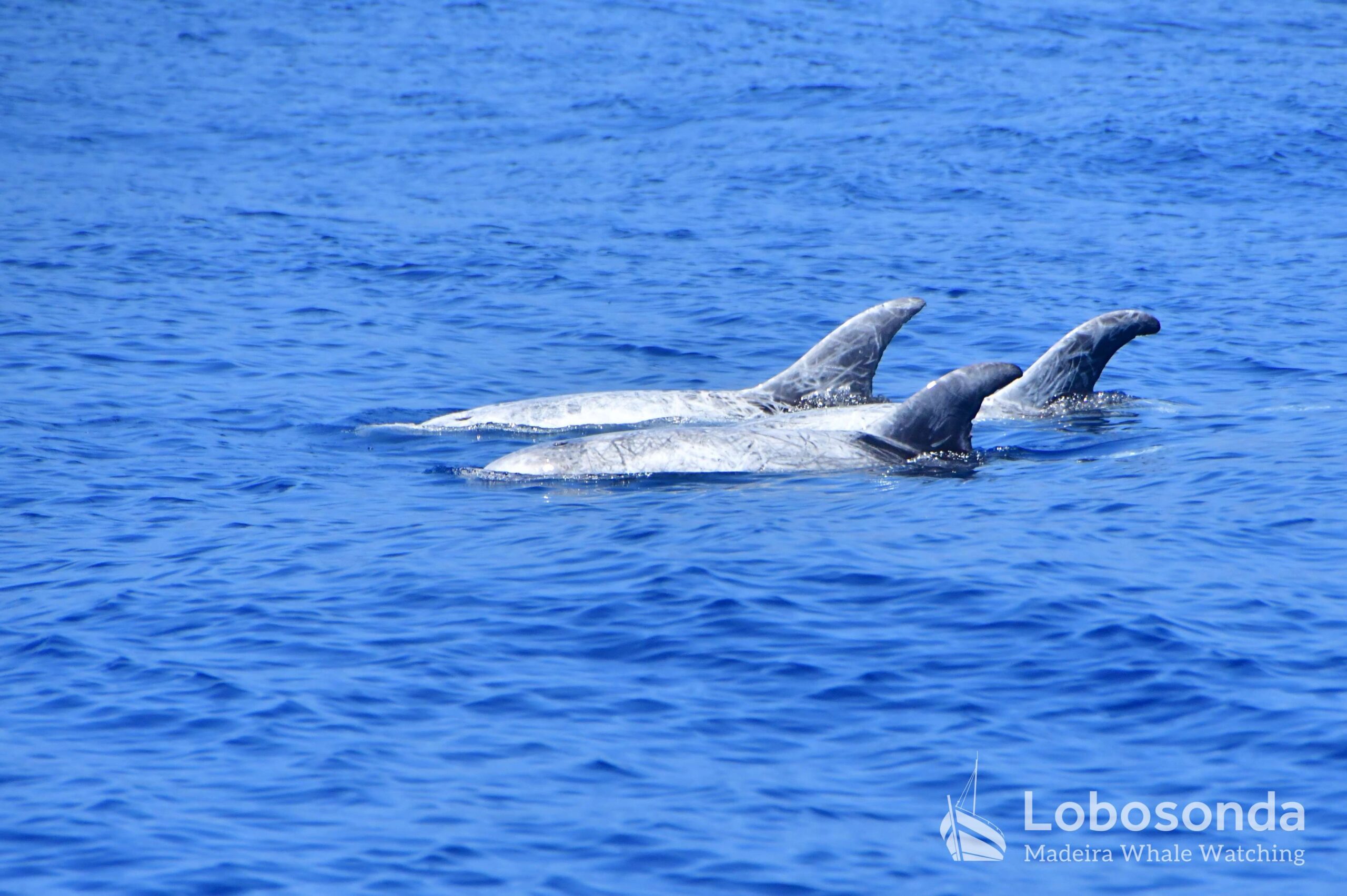
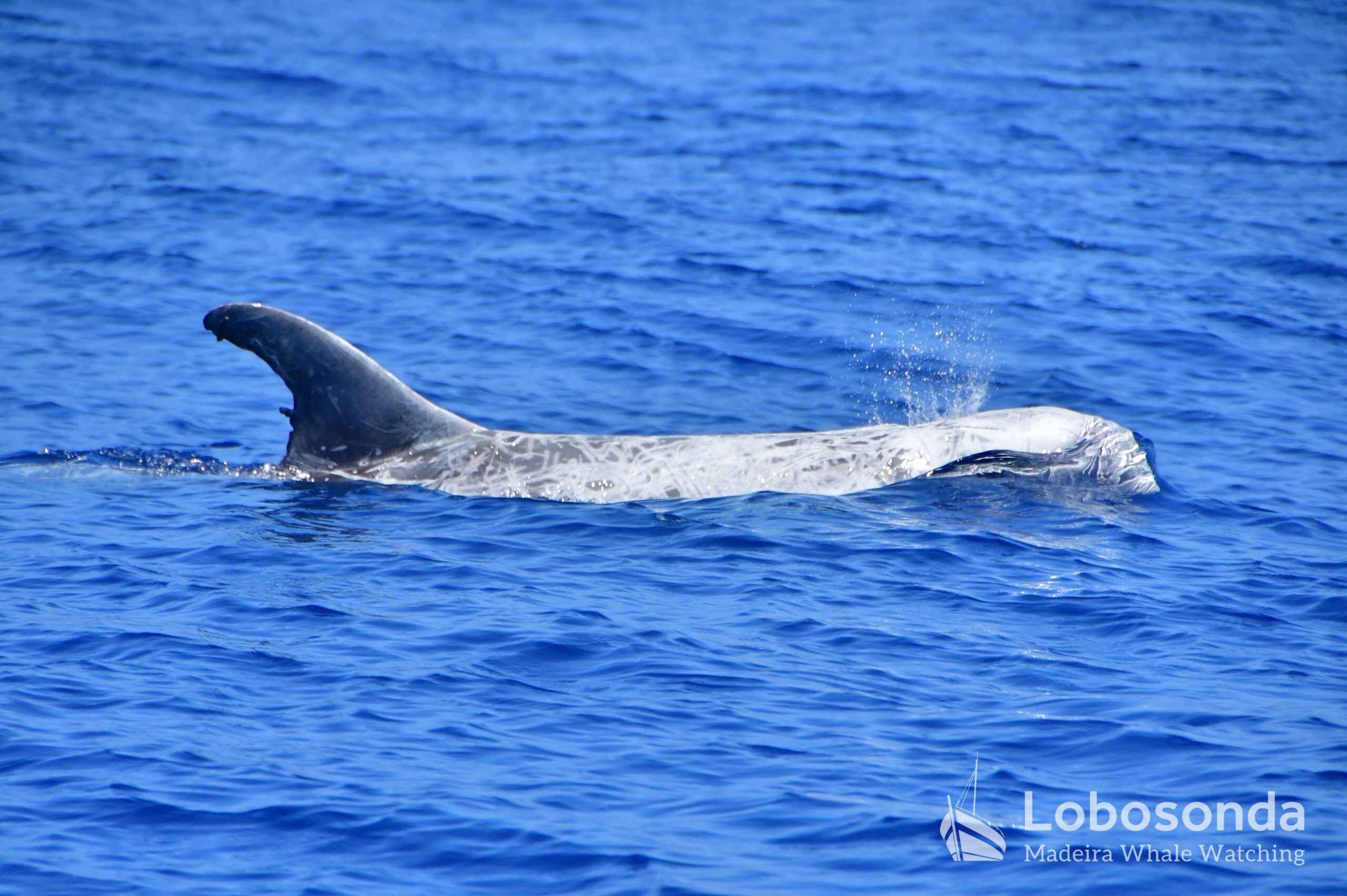
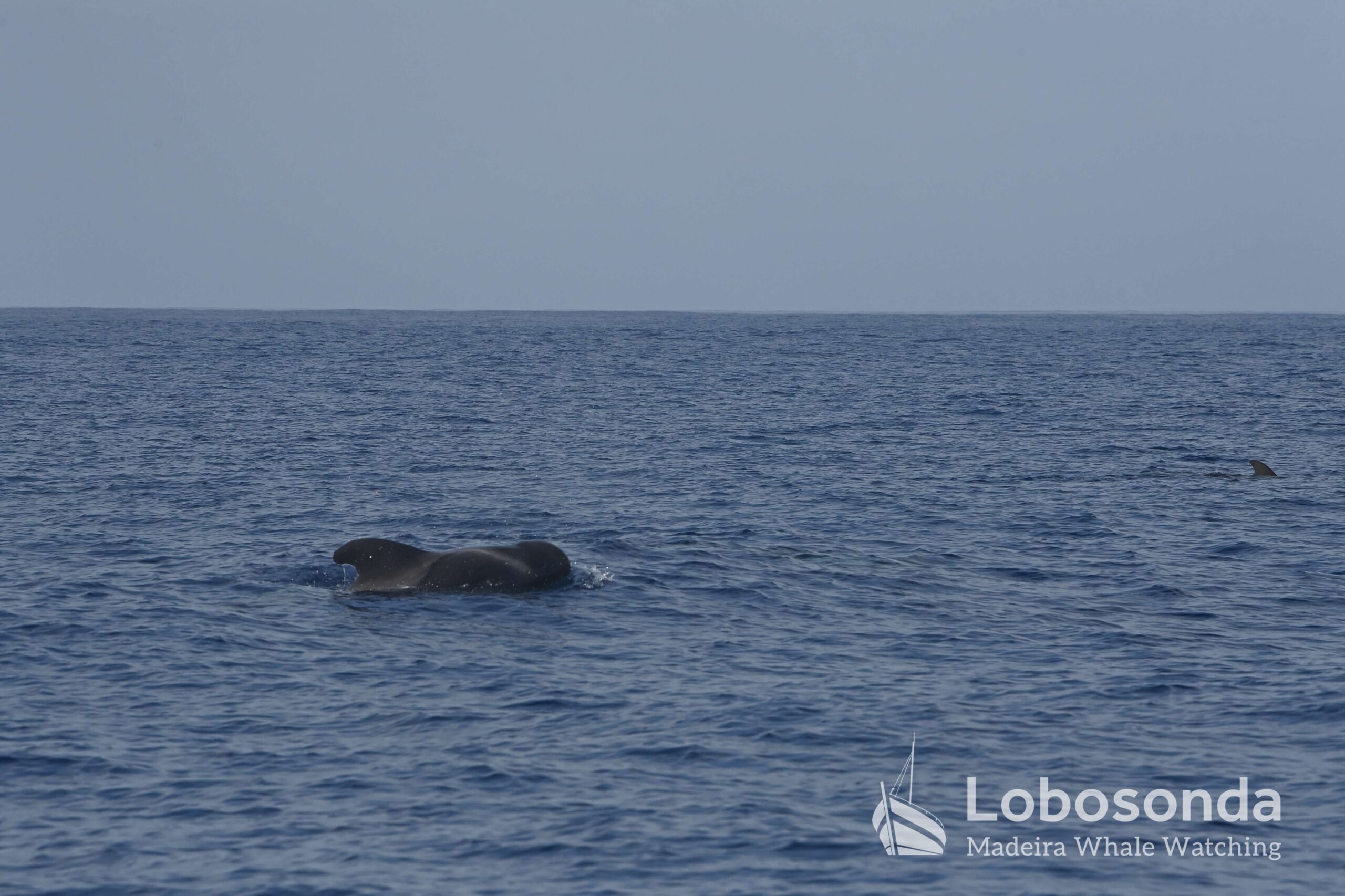
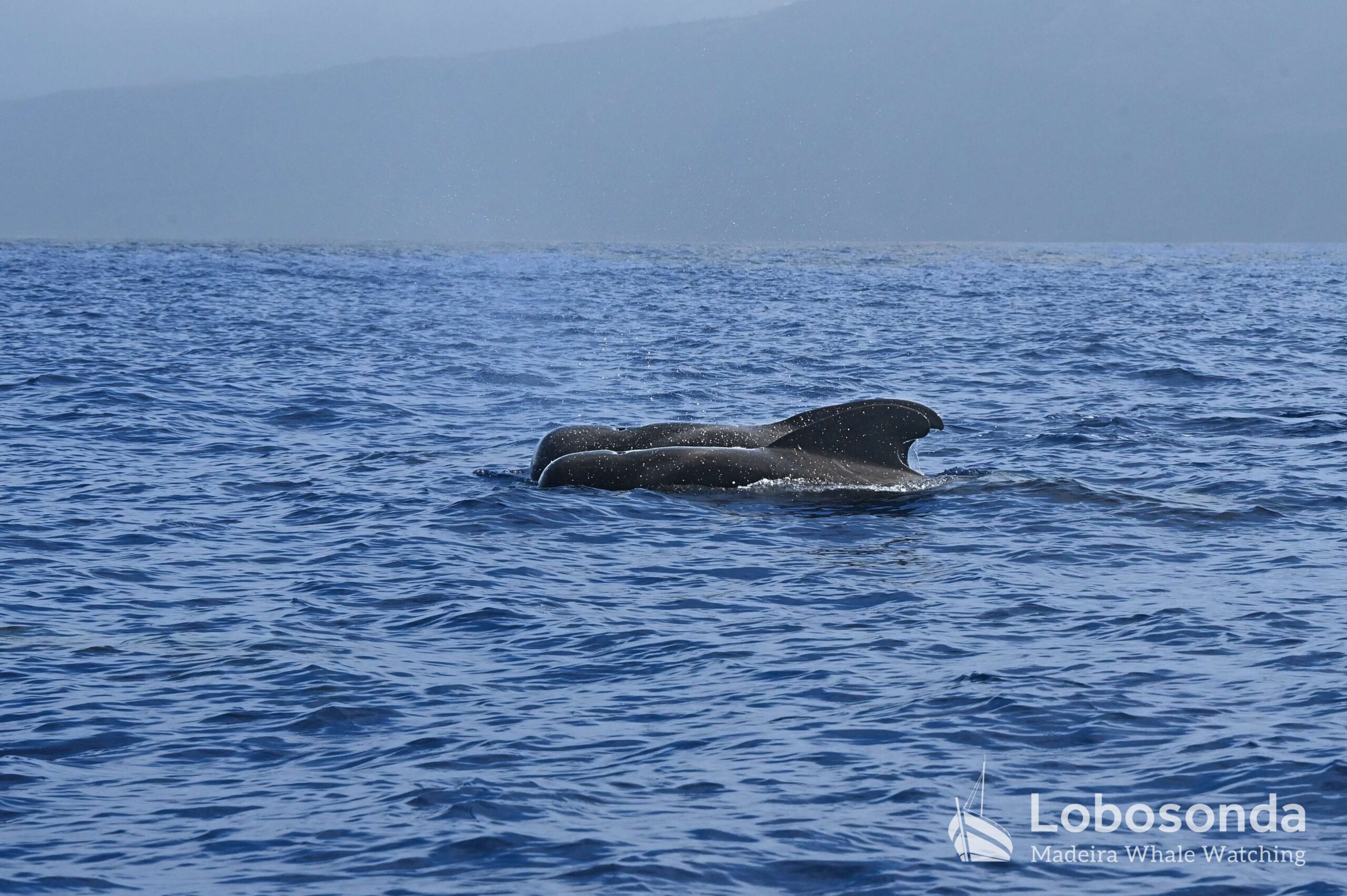
While the dorsal fin marks serve their purpose with Bottlenose dolphins (Tursiops truncatus) and Short-finned pilot whales (Globicephala macrorhynchus) and helped local scientists identify resident populations, we also saw species today that have other identification features. With Atlantic spotted dolphin (Stenella frontalis) adults the spots also serve as an ID feature while the scars whitening the bodies of the Risso’s dolphins (Grampus griseus) also serve this purpose. Even in identification of cetaceans there is diversity.
By Paula Thake
Sightings of the day
Stenella
09:30 Atlantic spotted dolphins, Risso’s dolphins, Short-finned pilot whales
13:30 Atlantic spotted dolphins, Risso’s dolphins
16:30 Atlantic spotted dolphins, Bottlenose dolphins
Steno
09:30 Atlantic spotted dolphins, Risso’s dolphins, Short-finned pilot whales
13:30 Atlantic spotted dolphins, Risso’s dolphins