21.07.2026 – Teamwork
July 27, 2026
23.07.2026 – A quest for dolphins
July 29, 2026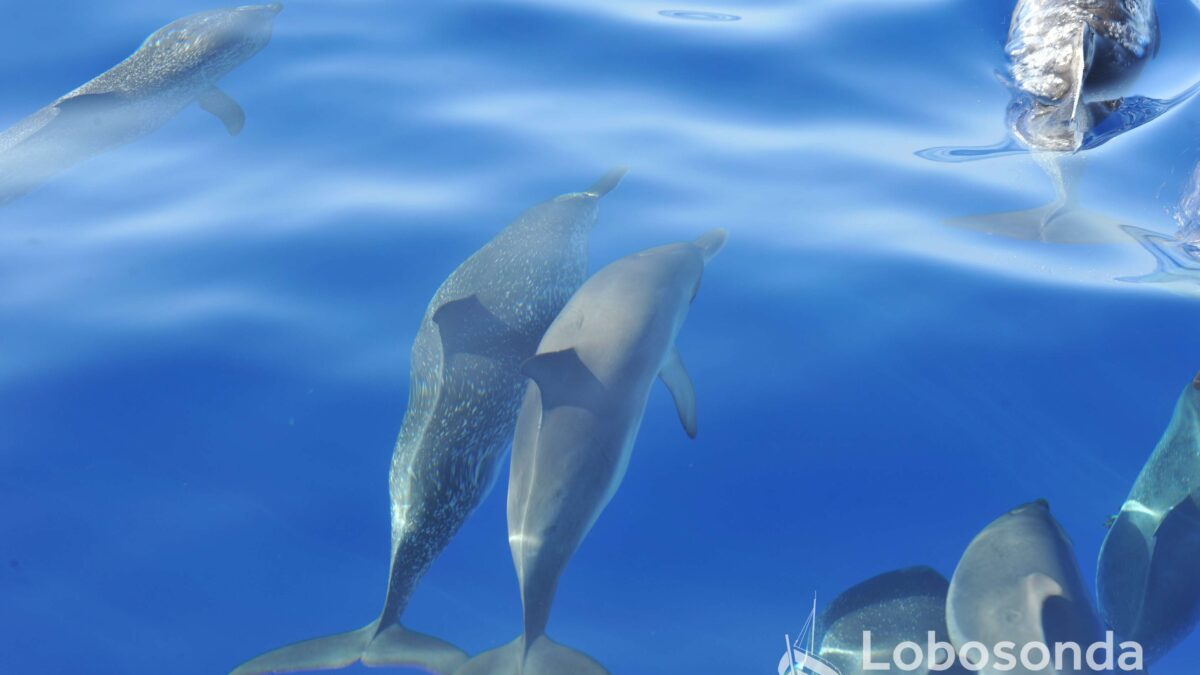
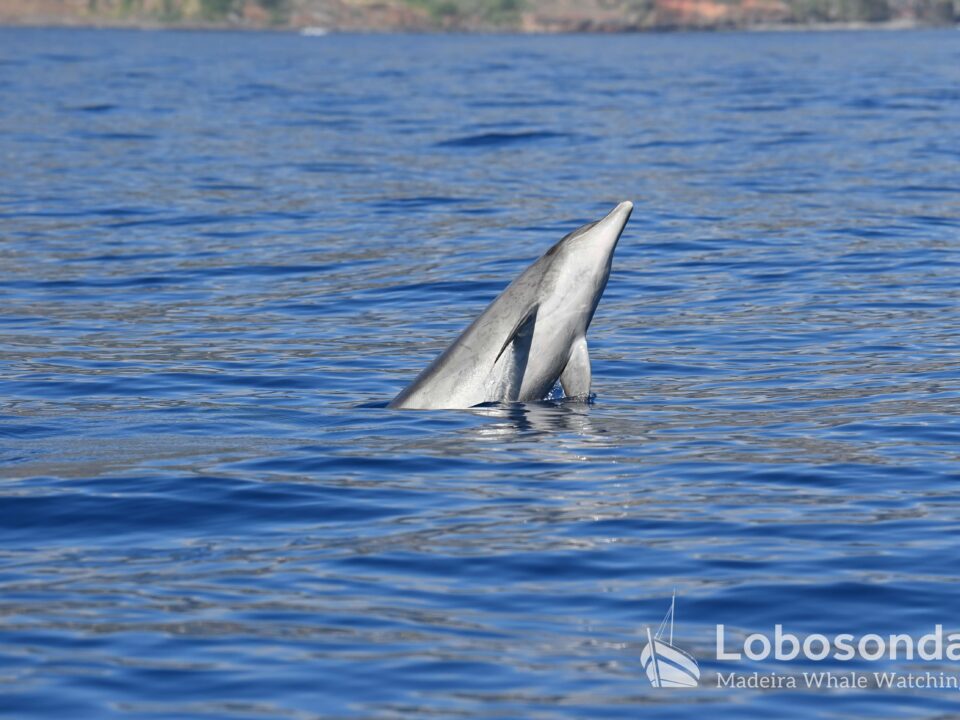
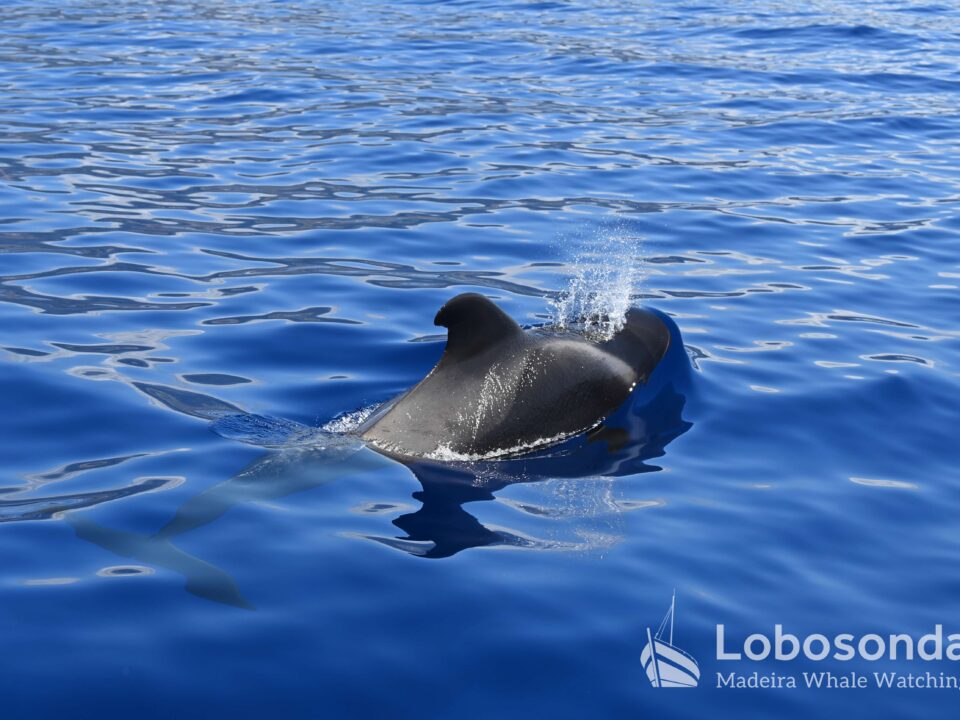
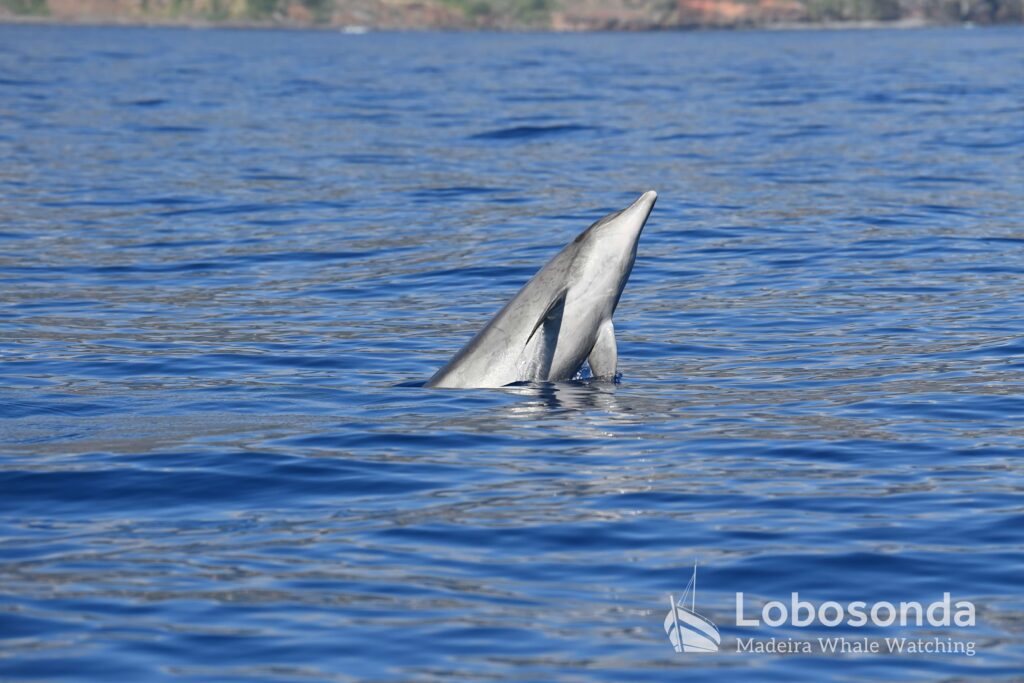
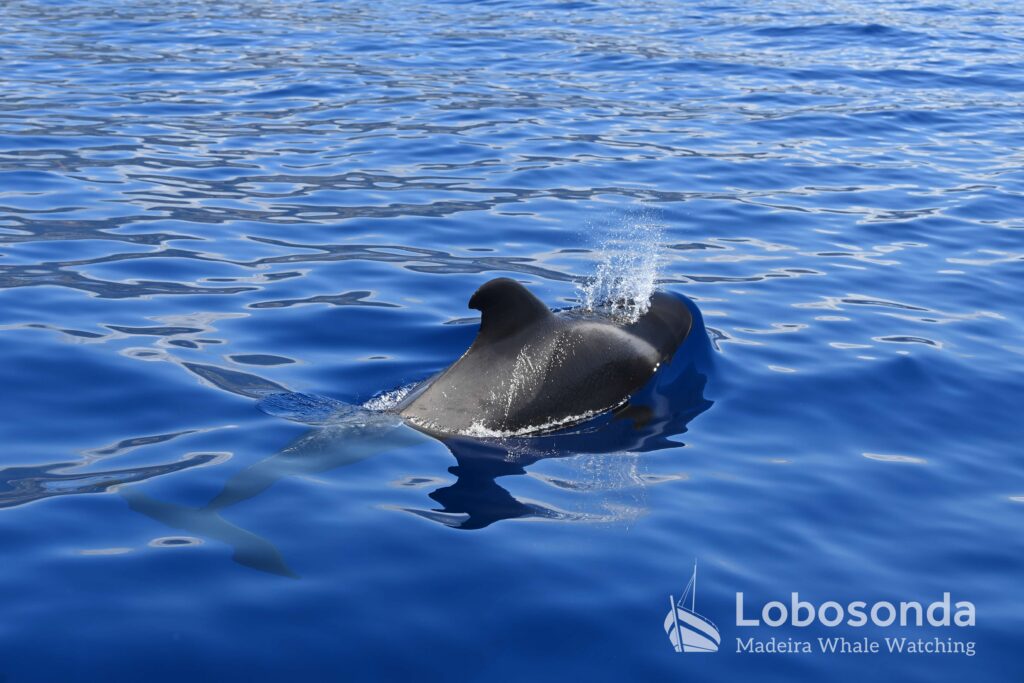
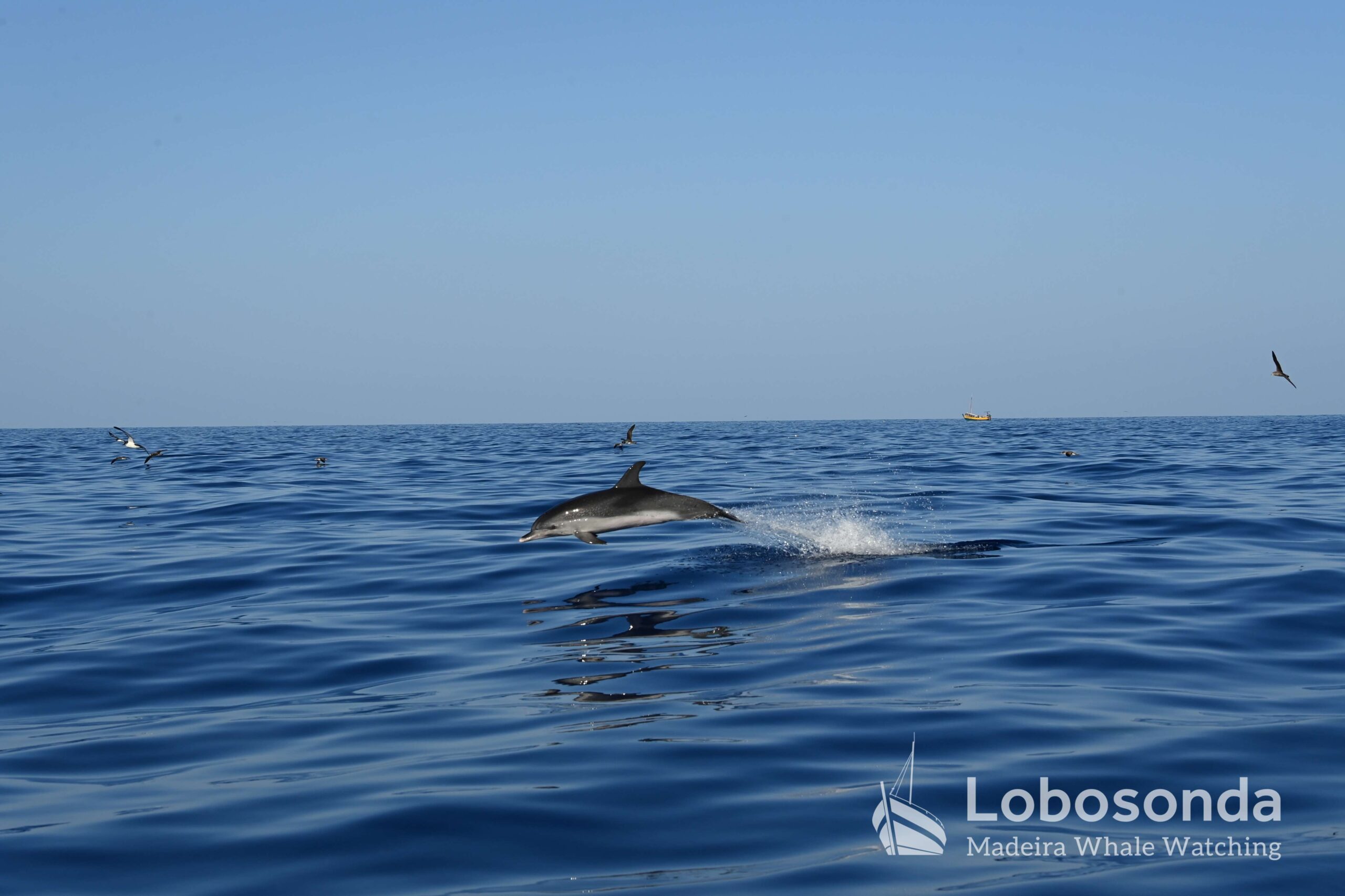
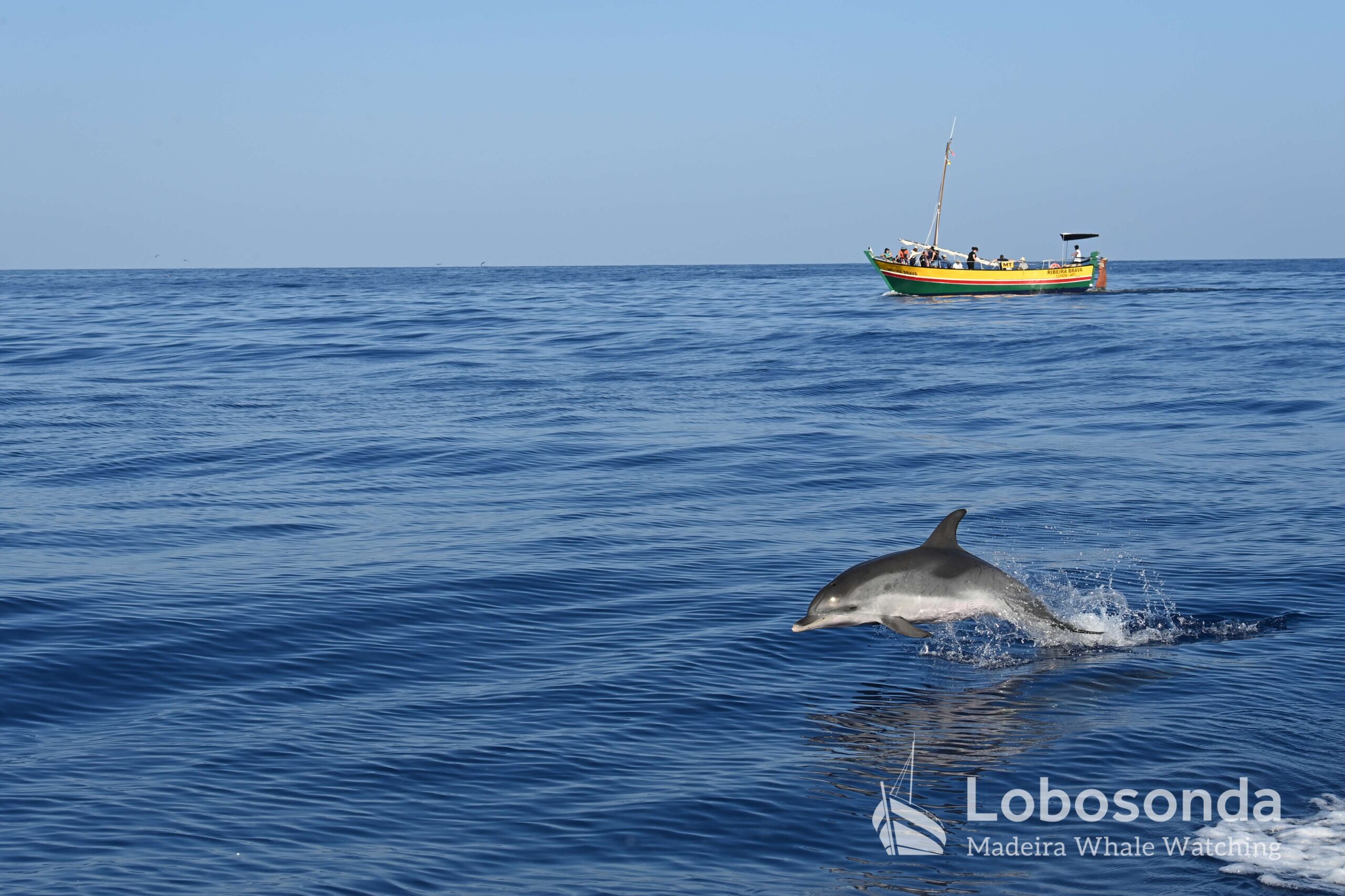
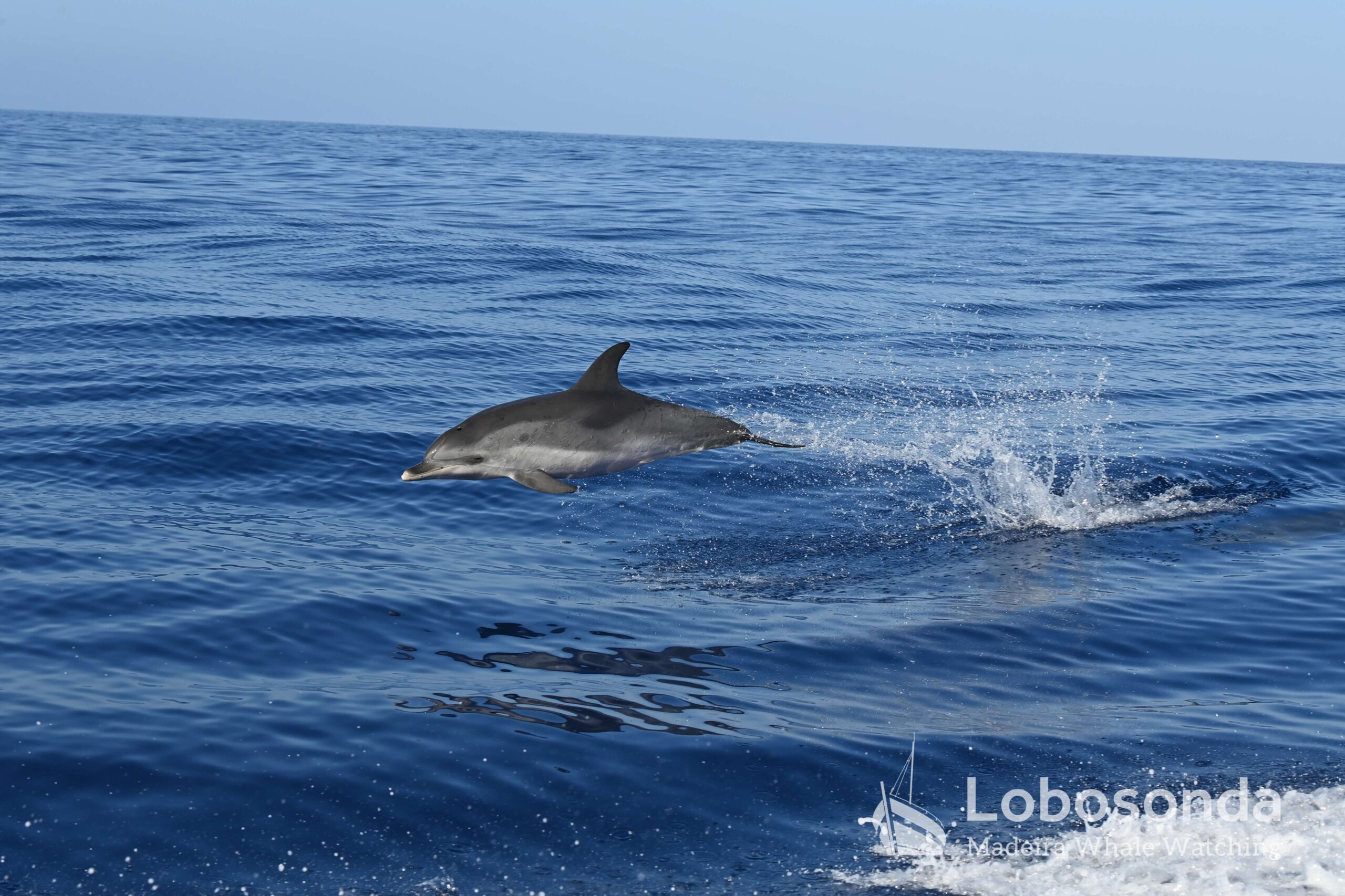
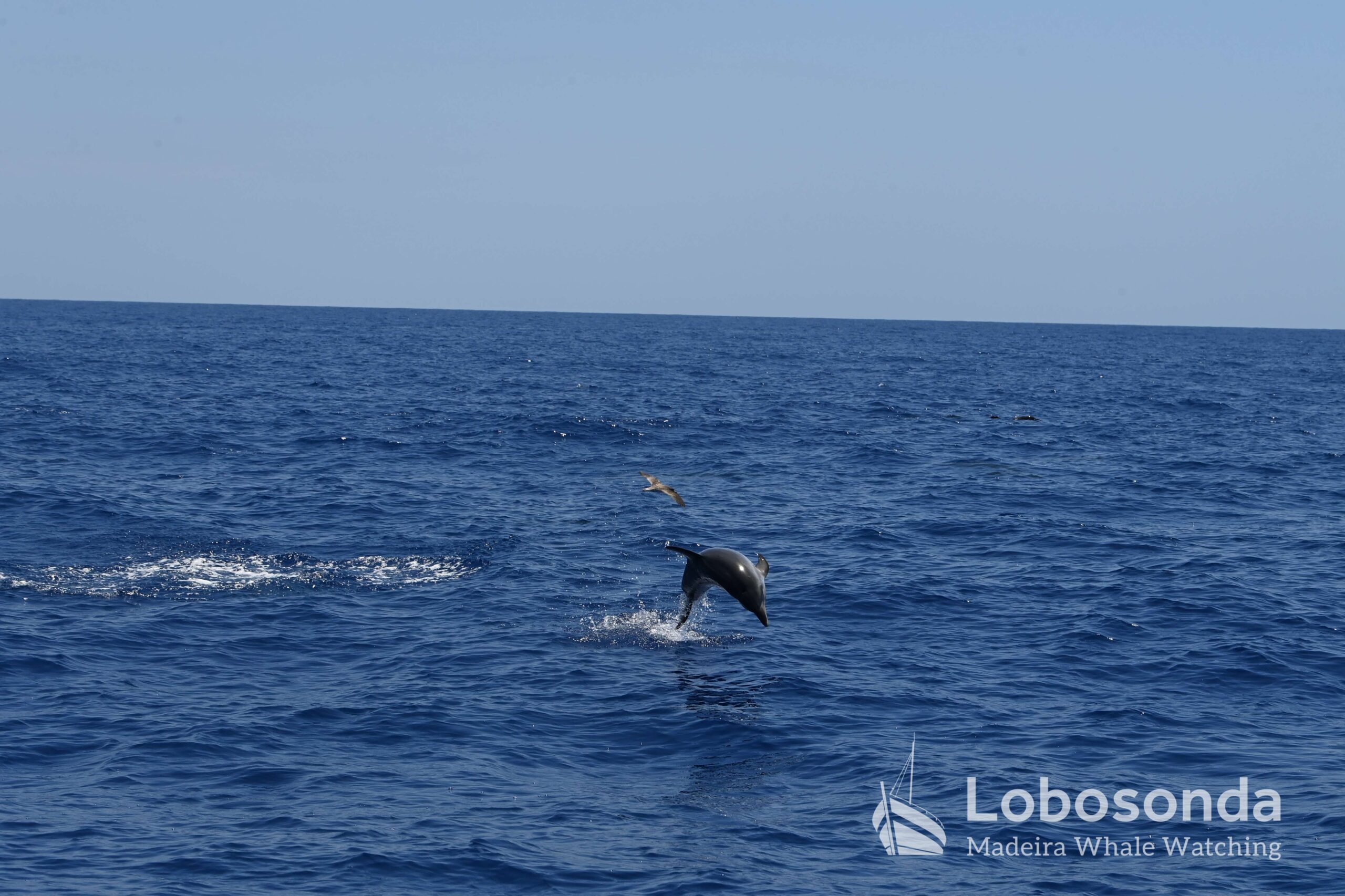
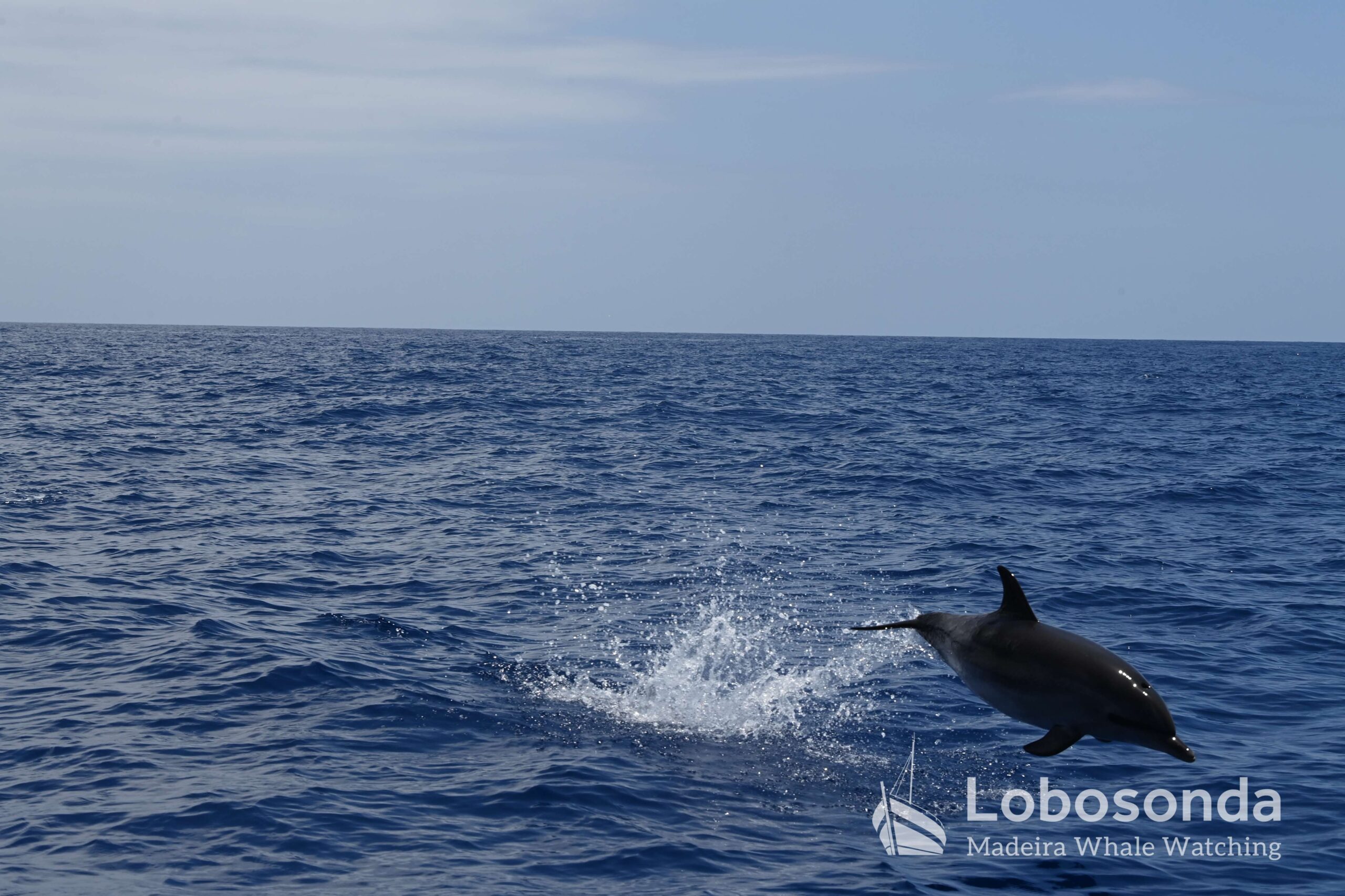
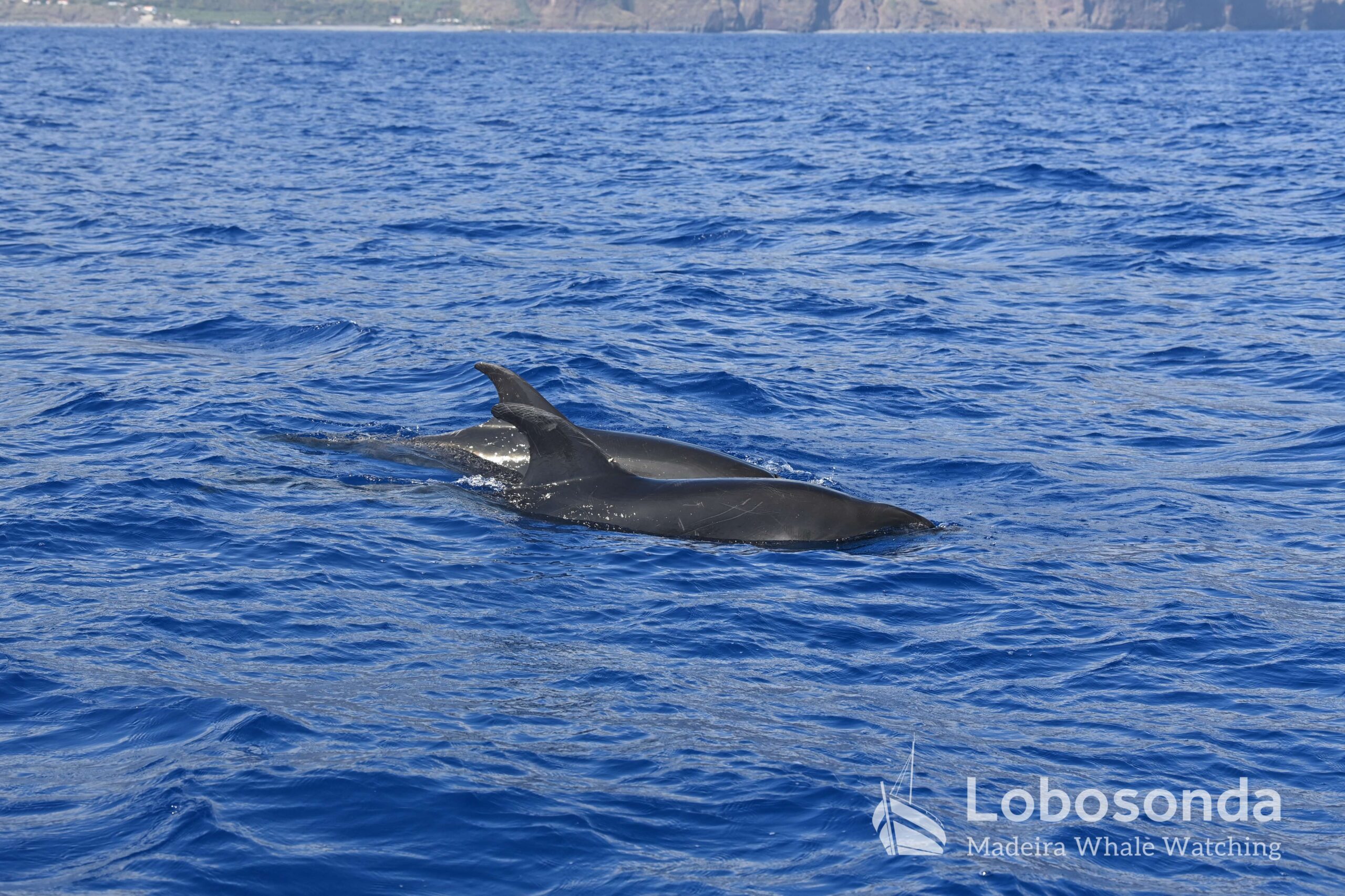
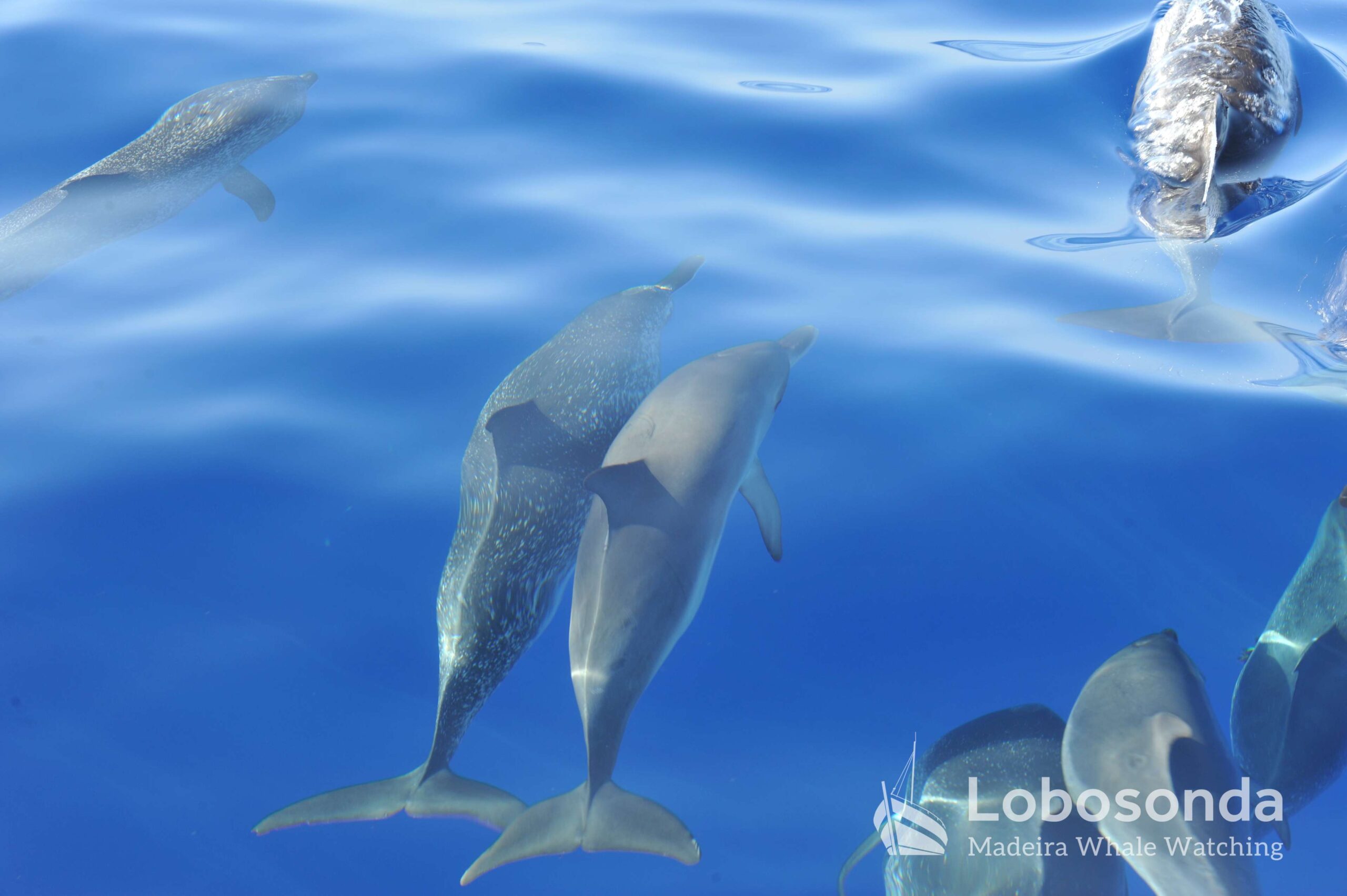
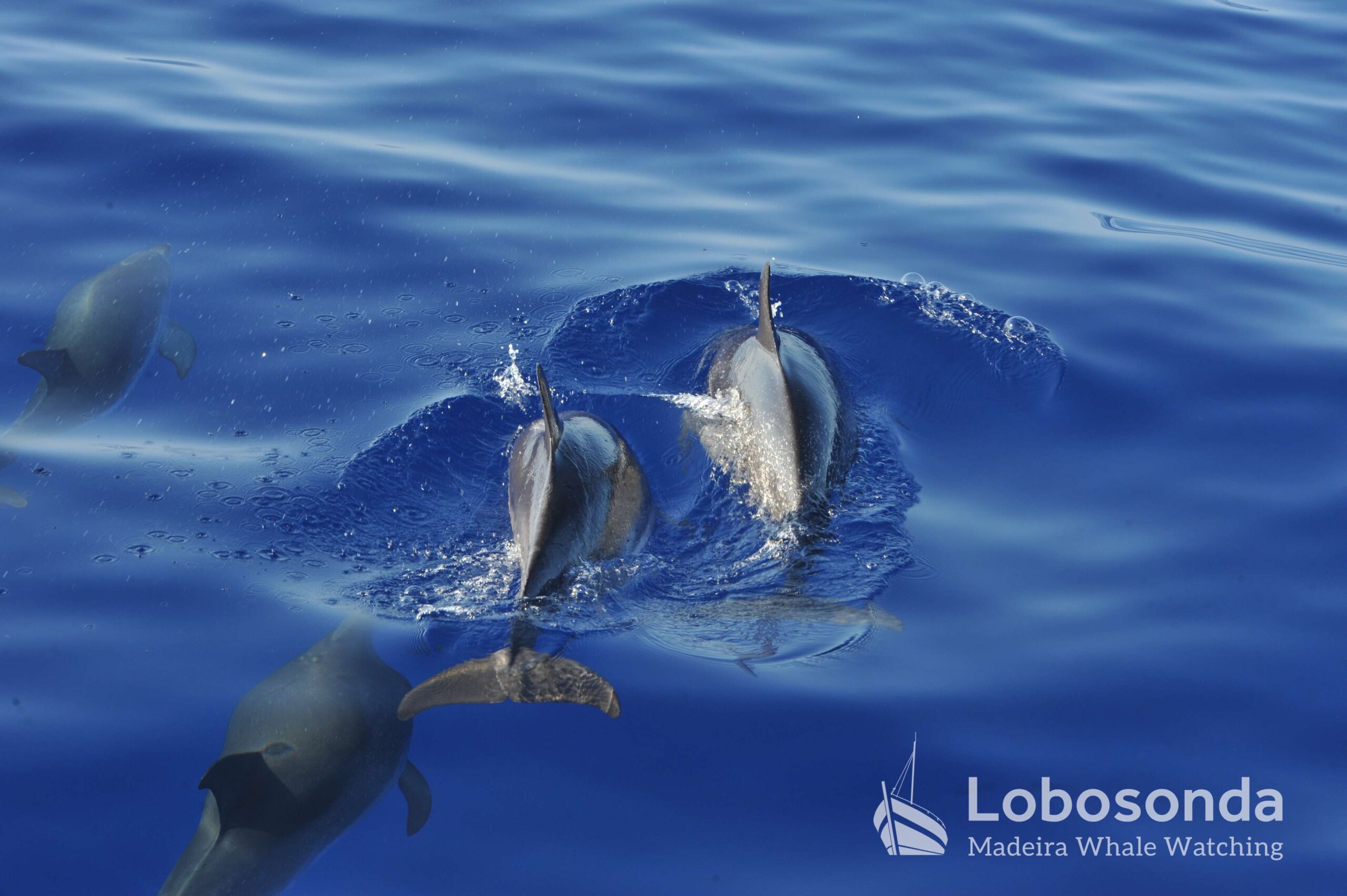
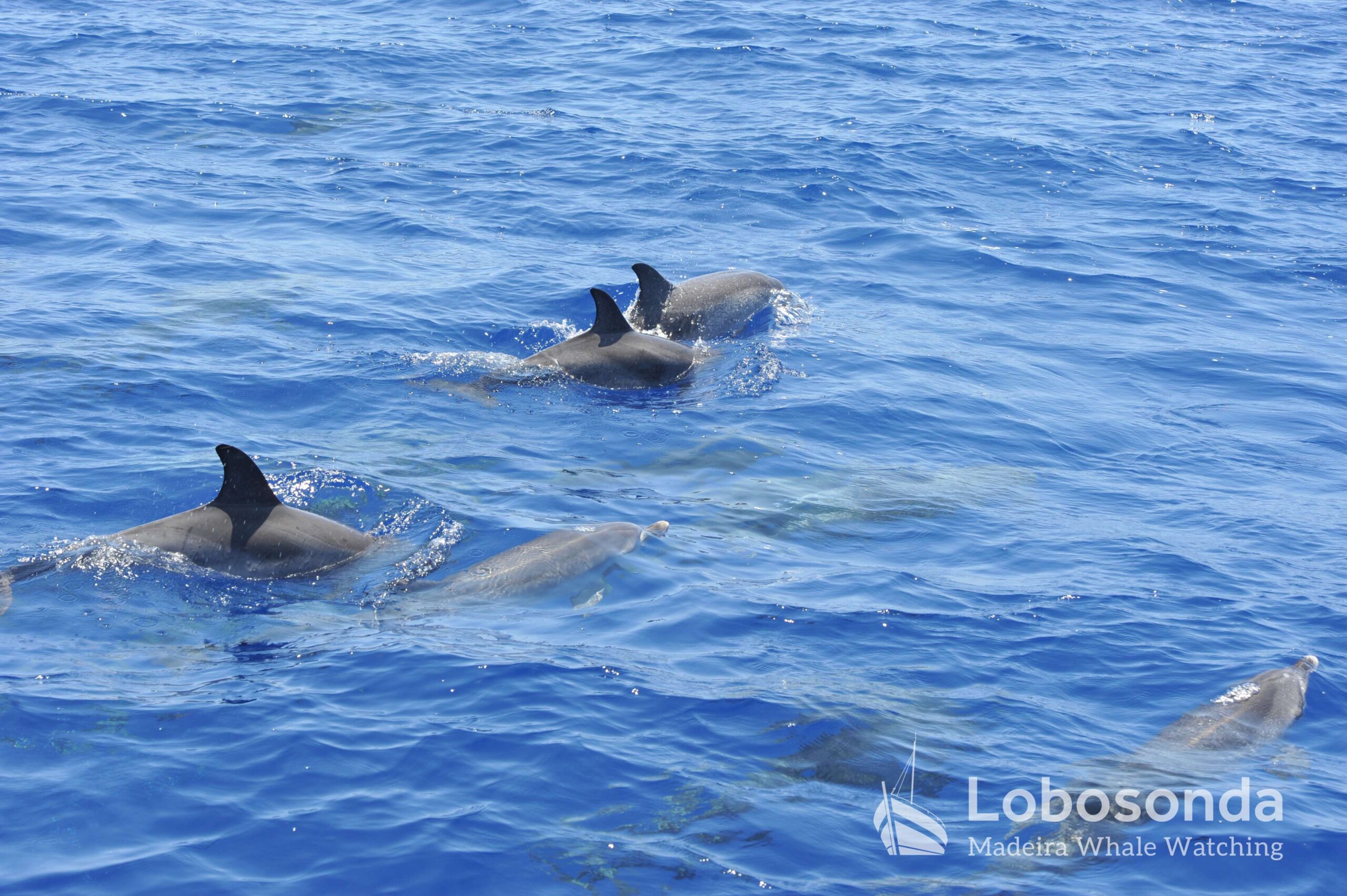
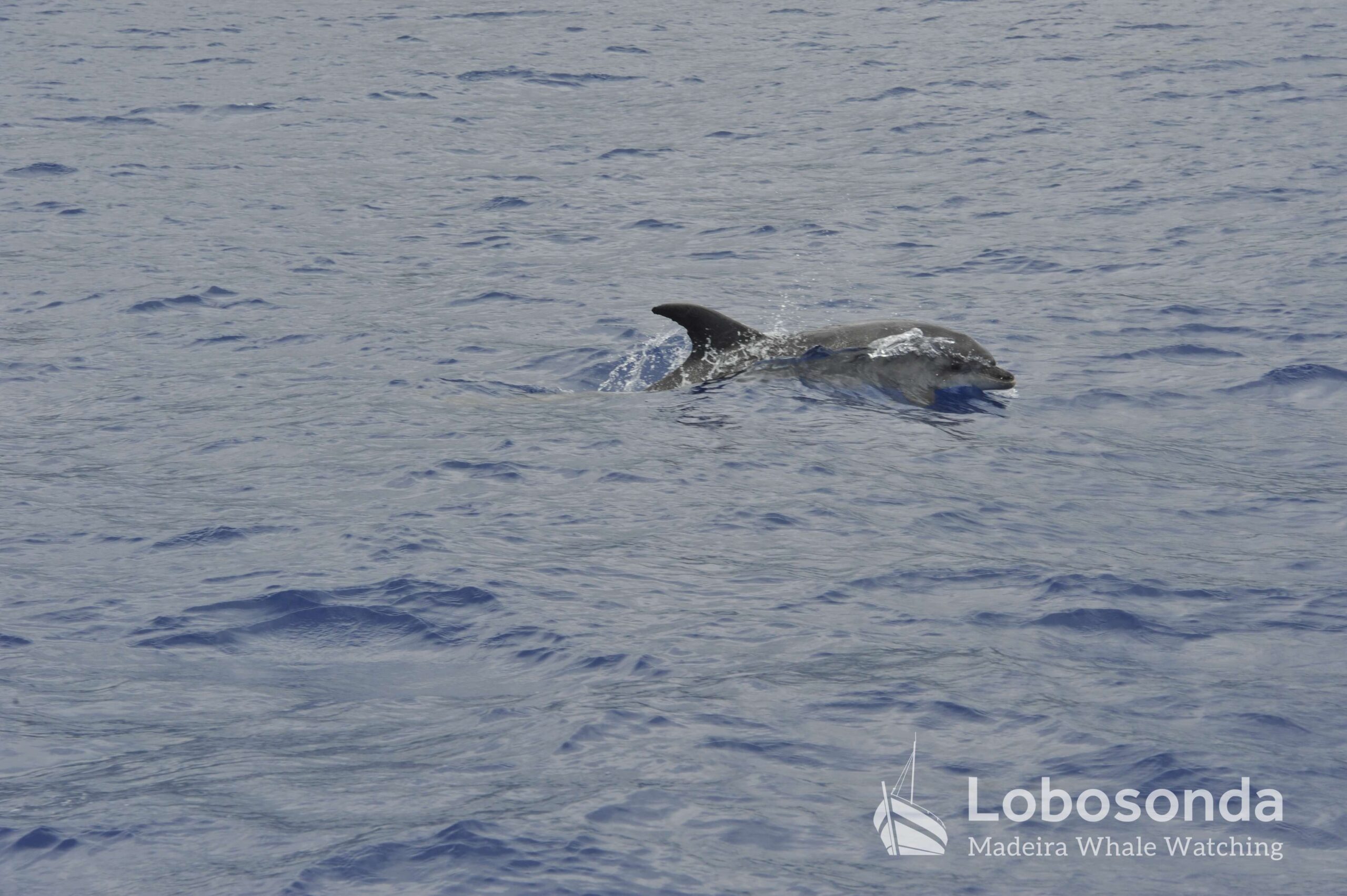
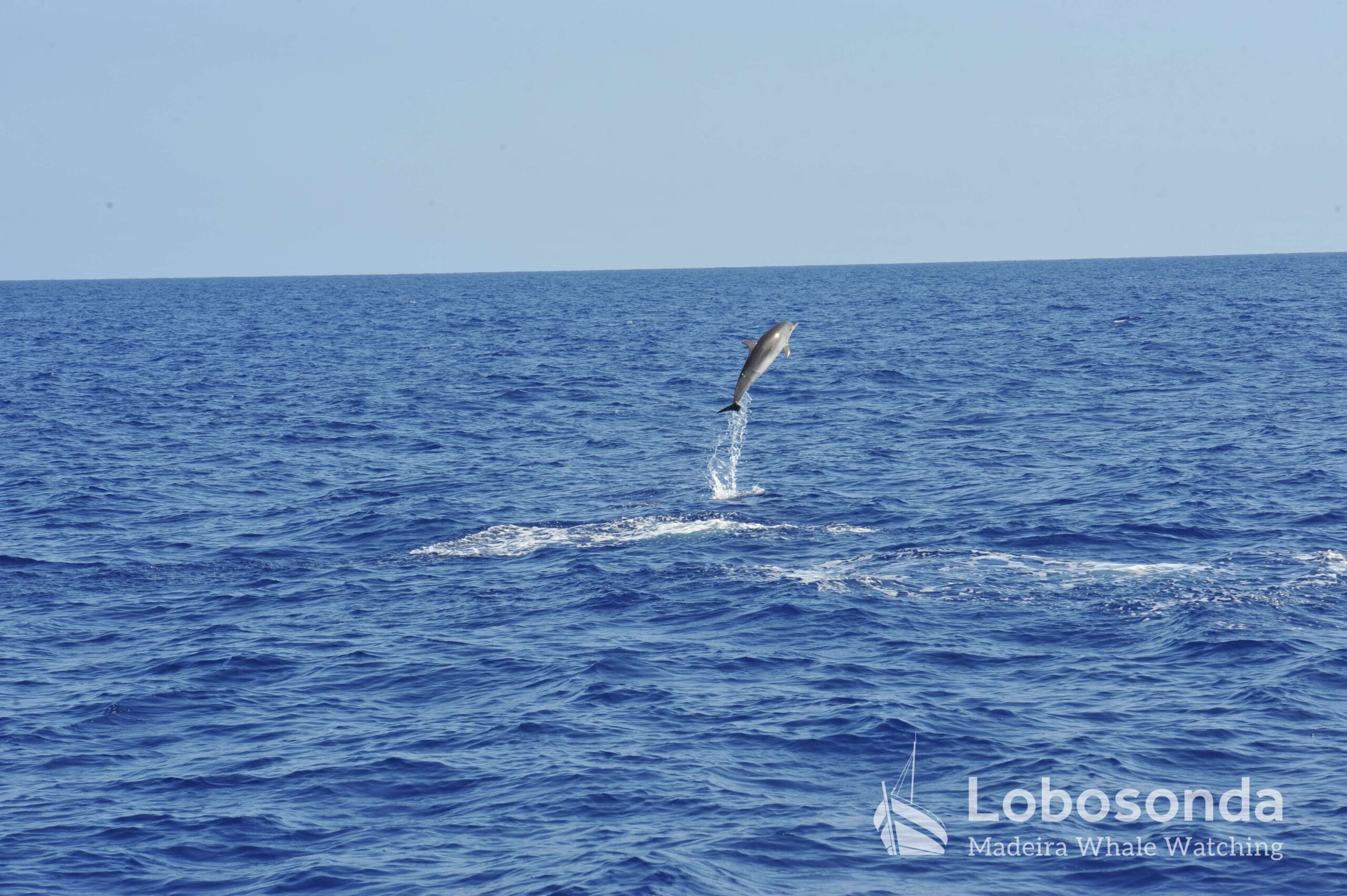
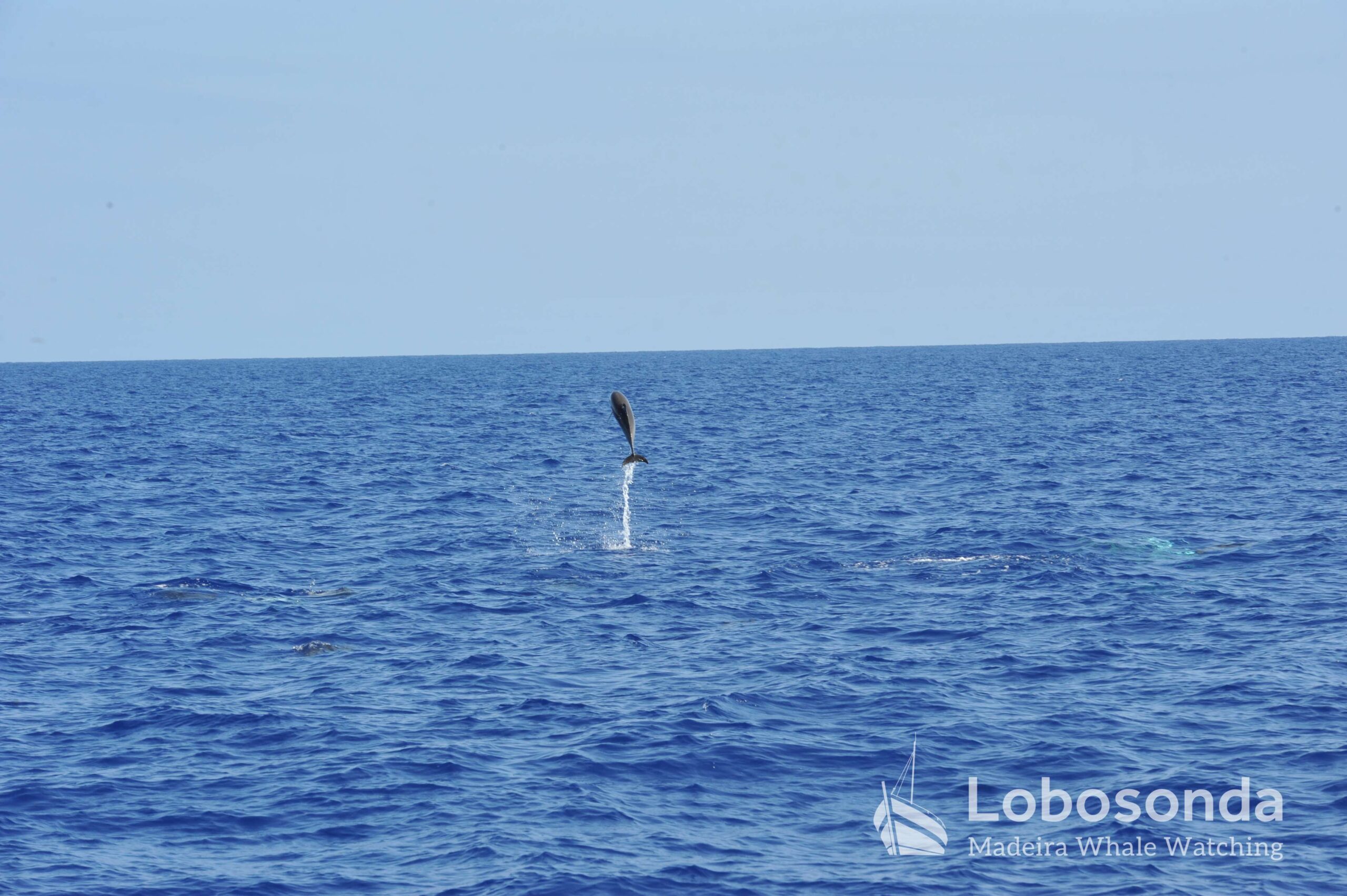
Two species of dolphins were seen regularly today: Atlantic spotted dolphins (Stenella frontalis) and bottlenose dolphins (Tursiops truncatus). Dolphins are highly social animals and live in pods.
Most delphinids live in complex social systems called fission-fusion societies: the number of individuals in groups change over time, much like chimpanzees. These dynamic changes can facilitate foraging and protection. In a pod, some bonds are very strong. In many populations, the strongest would be between a mother and her calf. It is crucial for the little one’s survival. He or she will learn essential life skills by watching and interacting with its mother and other individuals in the group. This connection will last for the first few years of the calf’s life before weakening when the mother has a new baby. Another strong bond documented in some areas are male-male alliances. Some of them can last for many years. They work together to increase the chance of finding a mate. In some populations, they also come together to cooperate against other male-male alliances over female’s access. Dolphins will engage in different forms of social bonding through behaviours like synchronised swimming, physical interactions, vocalisations.
It really shows how dolphins can create deep bonds within the pods !
By Juliette Colançon
Sightings of the day
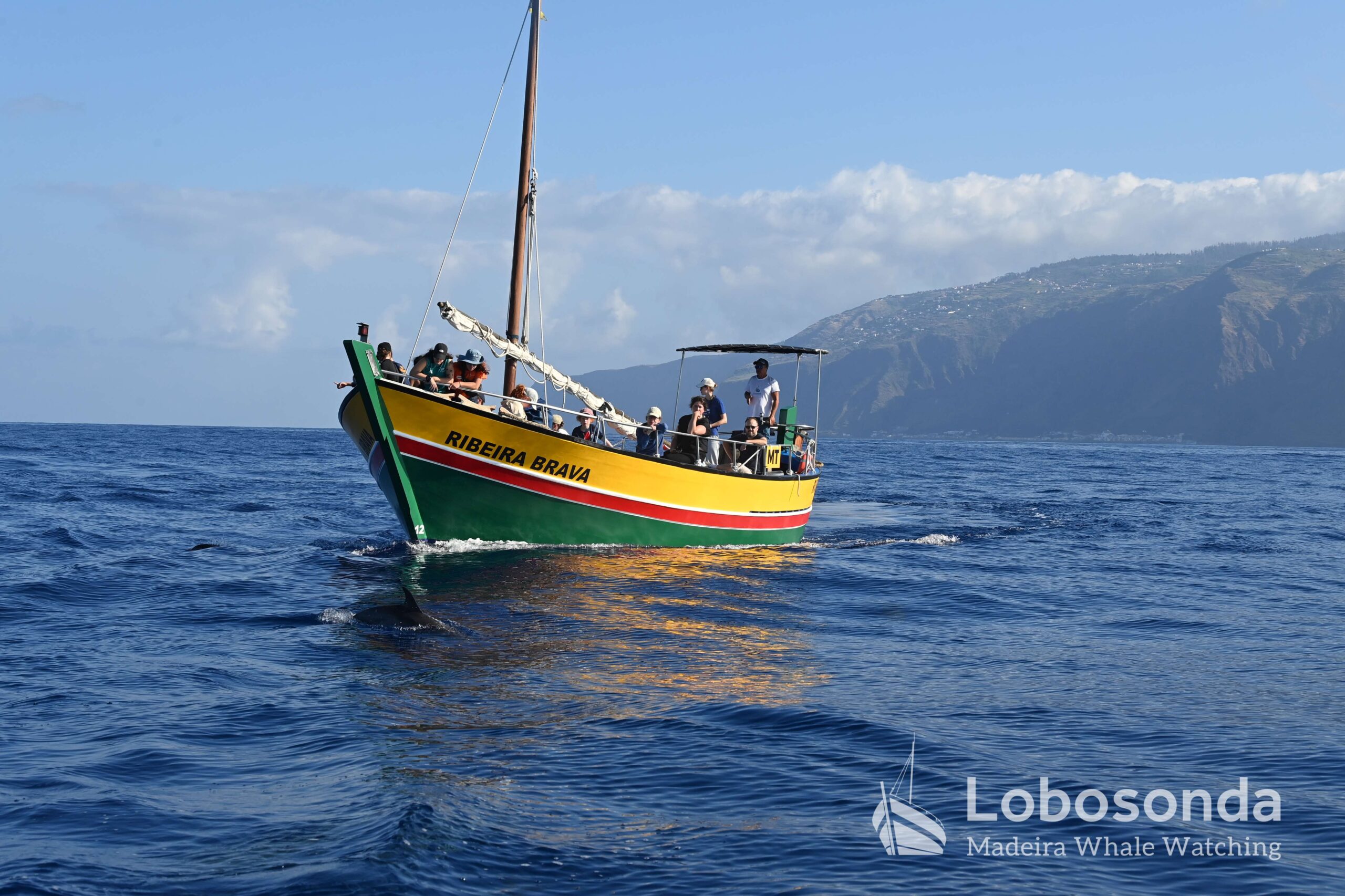
Ribeira Brava
09:00 Atlantic spotted dolphins
13:00 Atlantic spotted dolphins, Bottlenose dolphins
16:30 Atlantic spotted dolphins
Steno
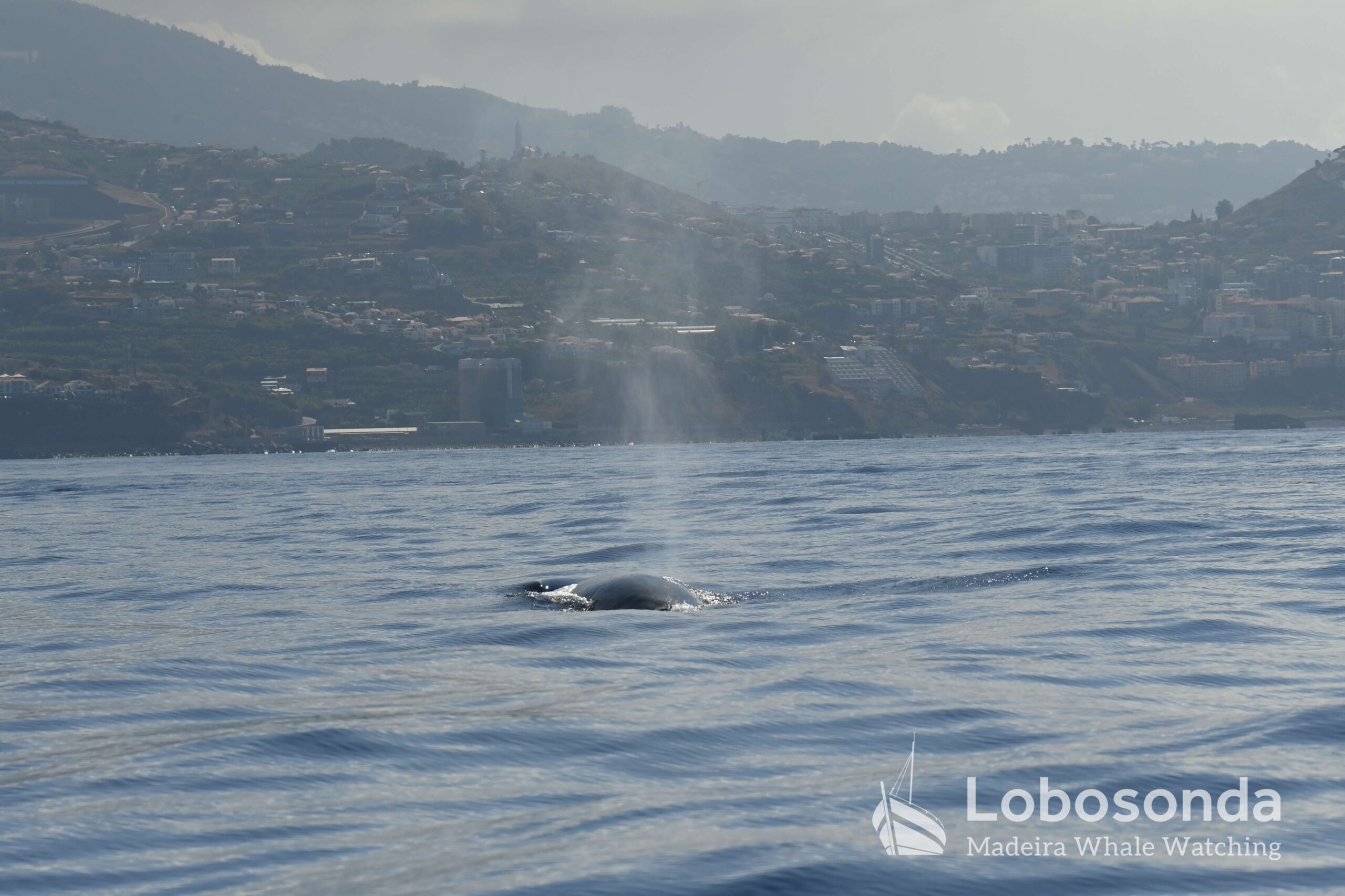
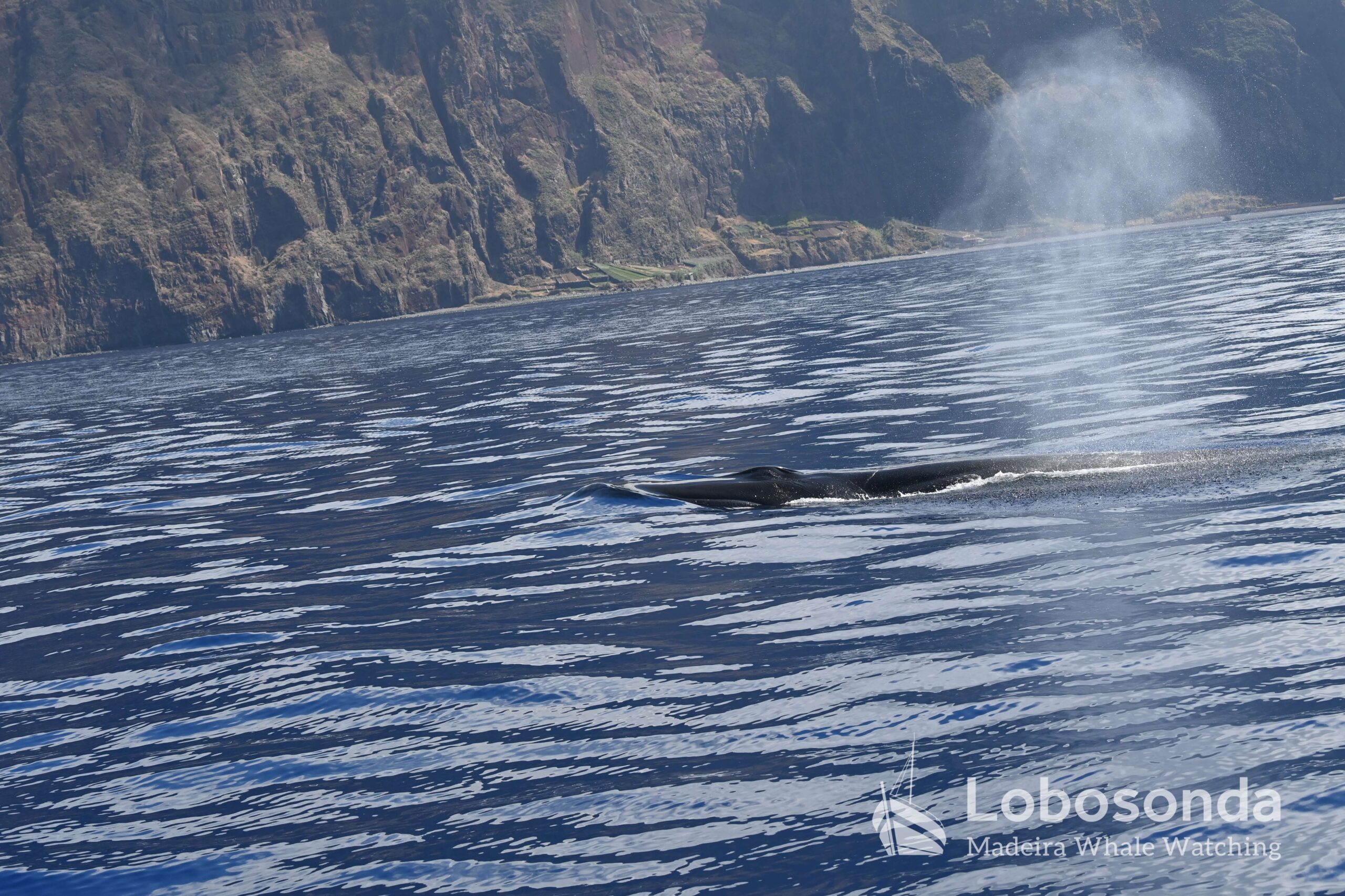
09:30 Atlantic spotted dolphins, Bryde’s whale
13:30 Atlantic spotted dolphins, Bottlenose dolphins
16:30 Atlantic spotted dolphins, Bottlenose dolphins