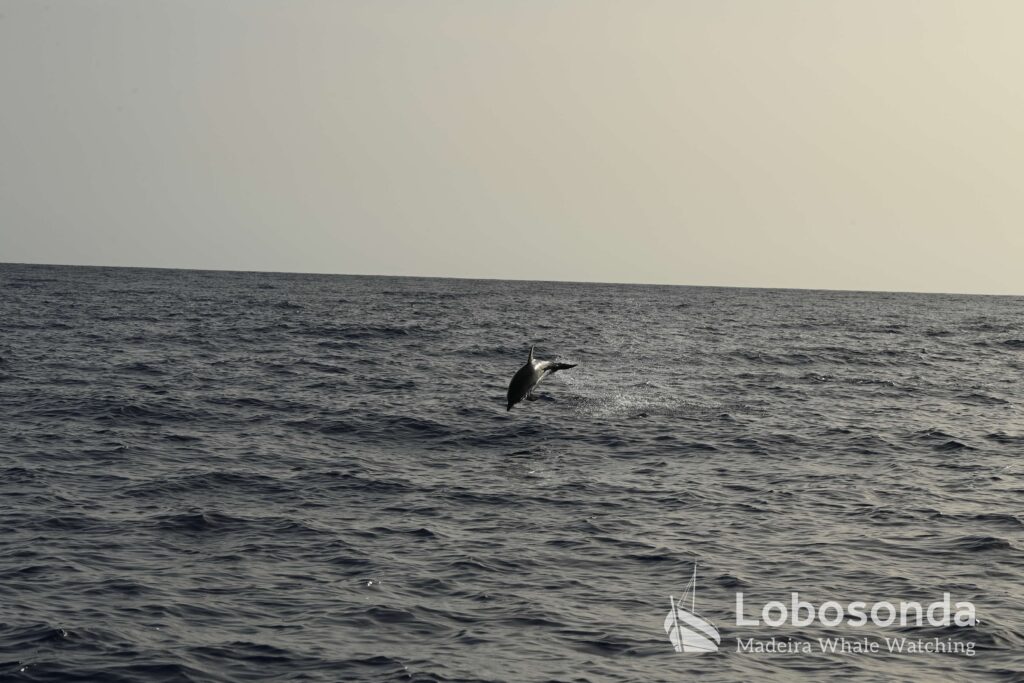
02.08.2026 – Large headed
August 9, 2026
04.08.2026 – Unforgettable dolphin encounters
August 11, 2026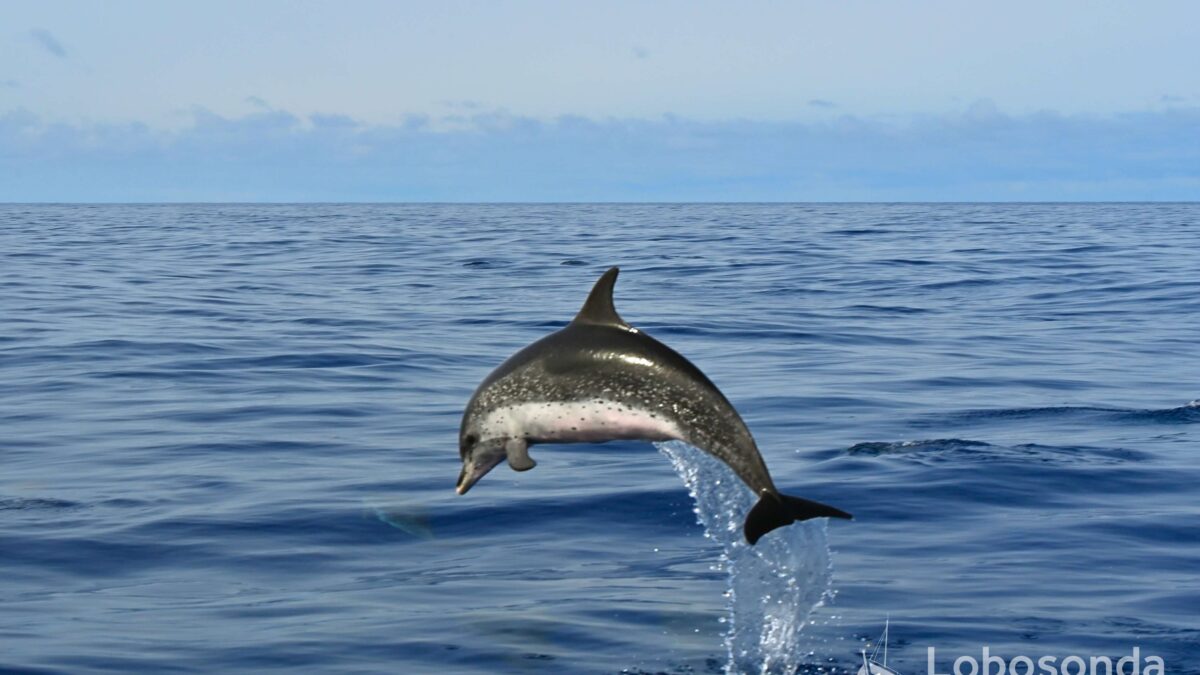
Today we had two children on board—curious and full of questions. I love children who ask questions. Asking questions is important! Those who ask will hopefully (!) get answers. And those who get answers understand the world a little better.
Sebastian asked a wonderful question: Why do flying fish fly?
Well, they don’t actually fly. Using their powerful tail, they accelerate underwater before launching themselves into the air. Then they spread their large pectoral fins and glide for many metres above the surface. This helps them escape from predators.
Mirella—with a name fit for a real mermaid—asked another excellent question: Why do we throw the fenders into the water at the end of the tour?
The answer is simple: fenders protect the boat from damage while docking. During the tour they are kept on board, and shortly before entering the harbour we place them back into the water and secure them alongside the boat.
So, children: Keep asking questions! You’ll learn an incredible amount. And for us adults, it’s a wonderful opportunity to stop, think, and explain. A true win-win situation!
And dear parents: encourage your children to ask lots and lots of questions. Sometimes even we don’t know the answer right away—and that’s perfectly okay. Today, almost everything can be explored and discovered together, and often the whole family learns something new in the process.
Speaking of questions…
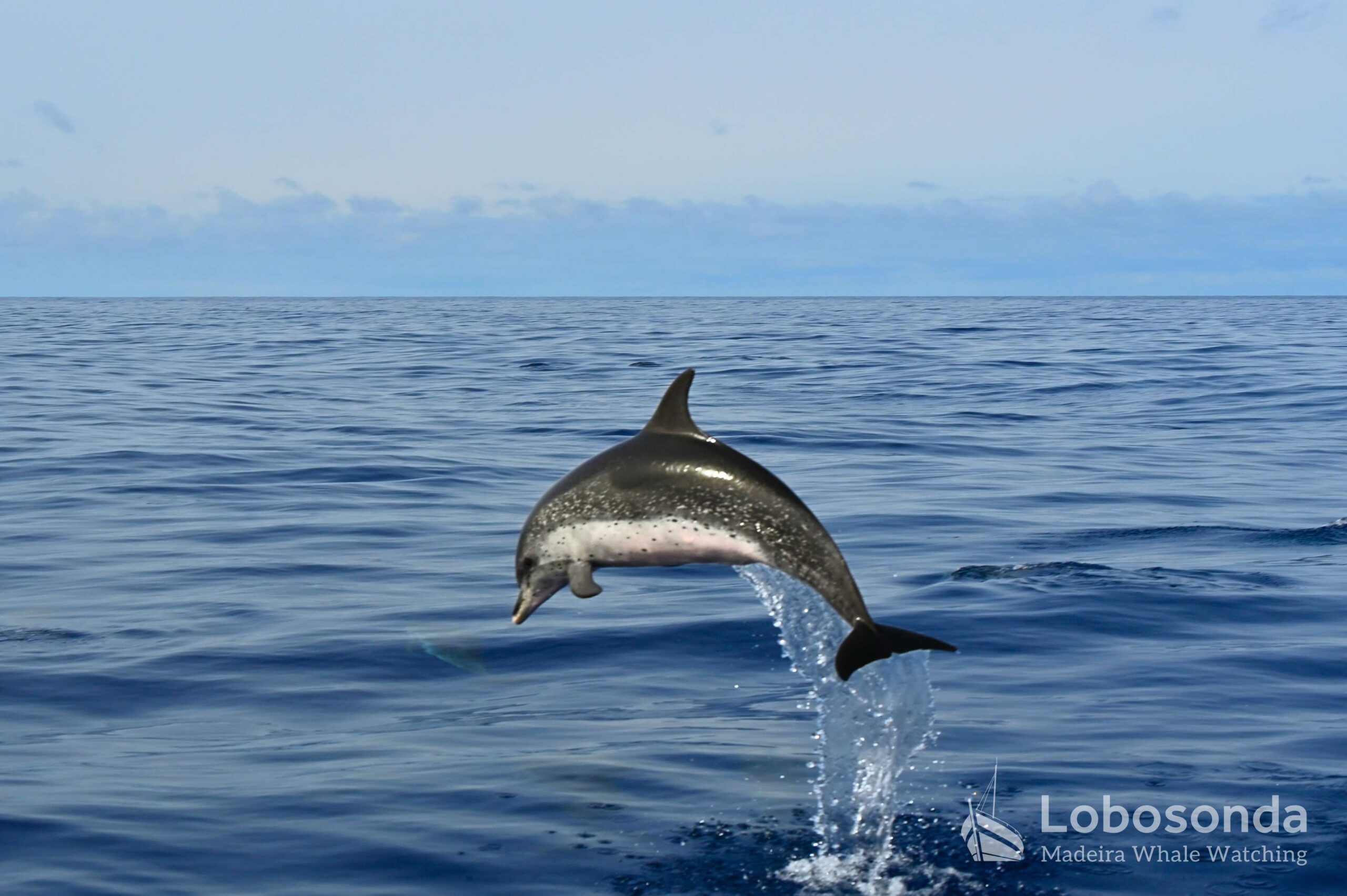
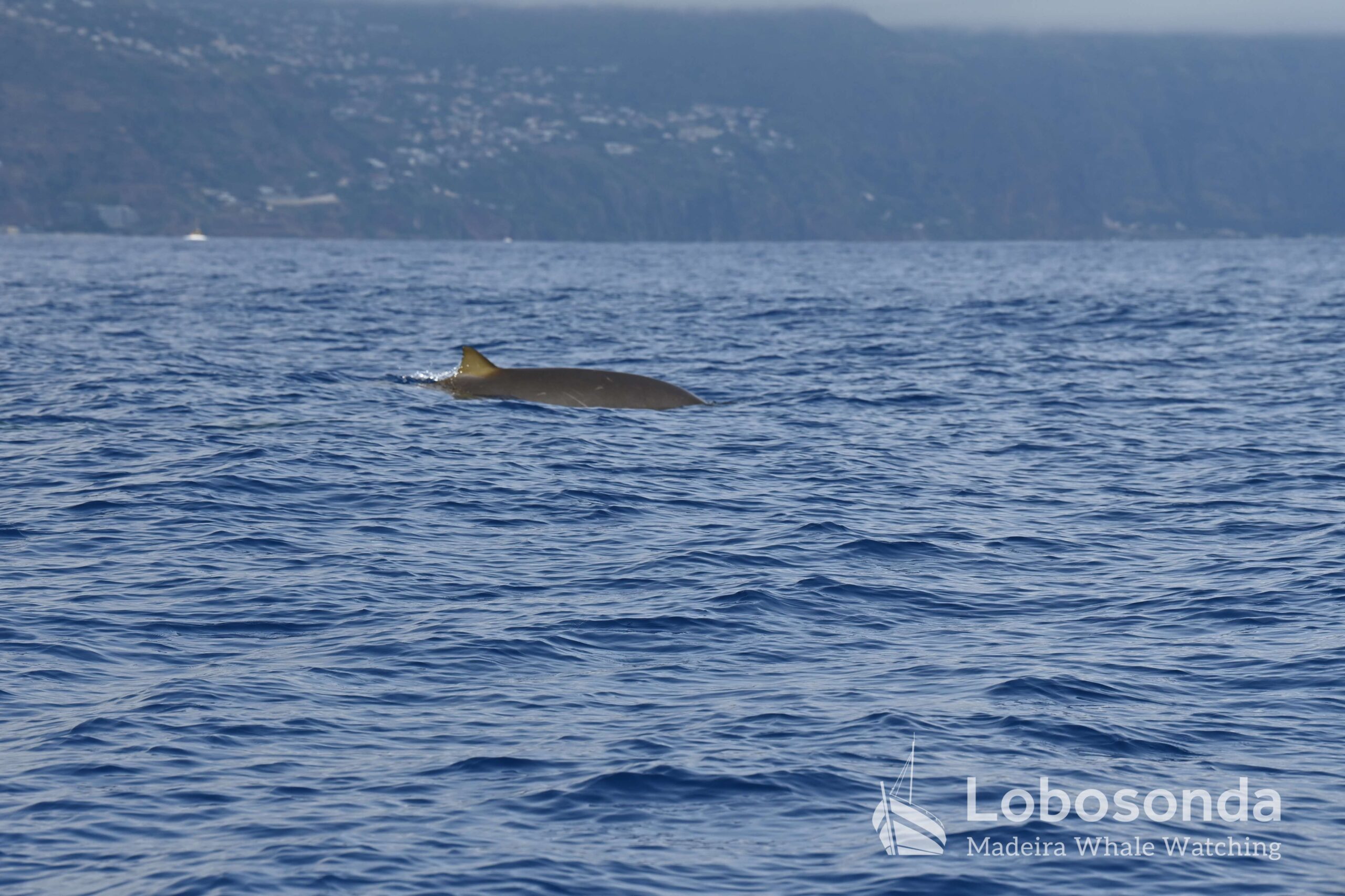
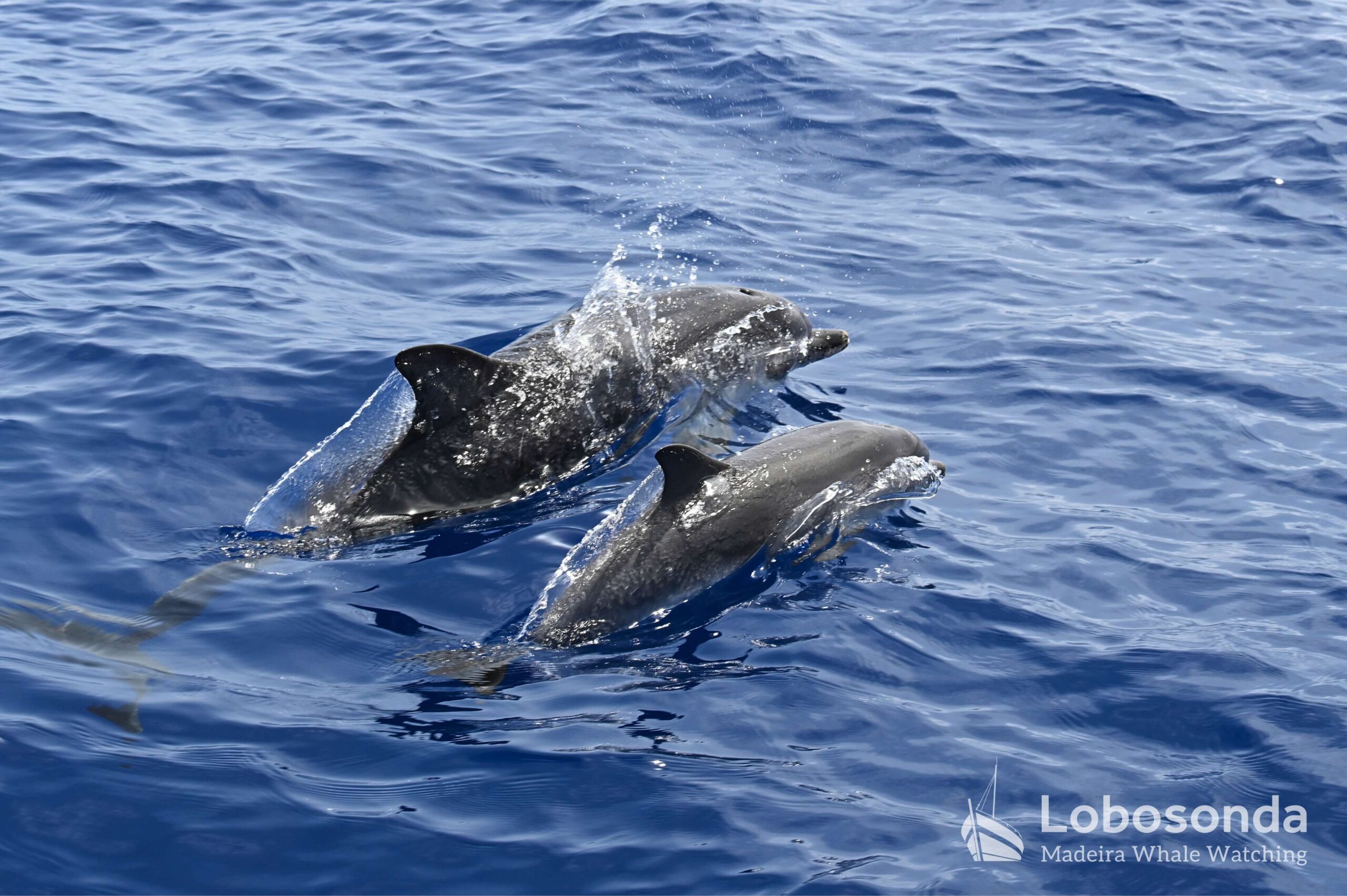
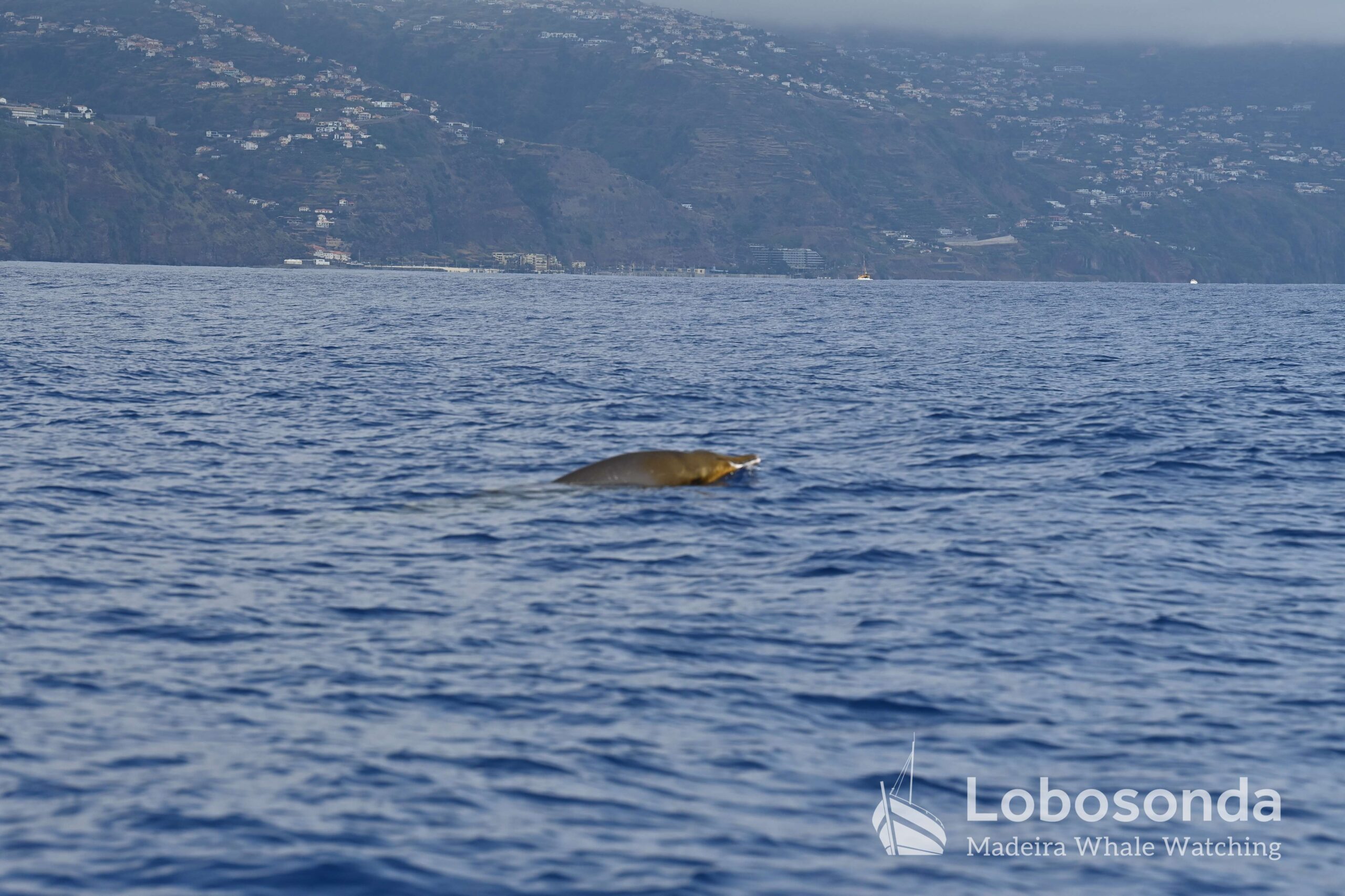
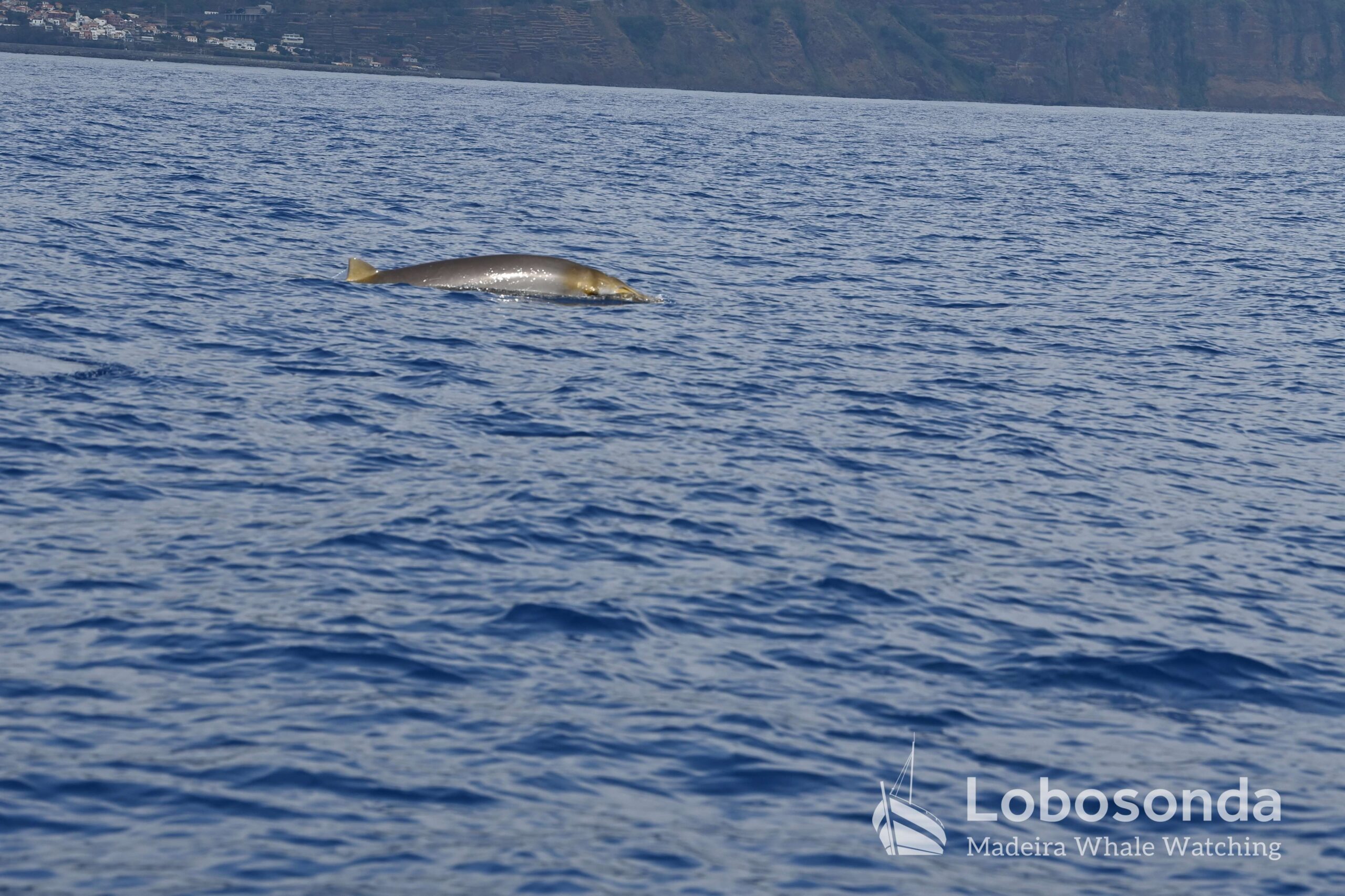
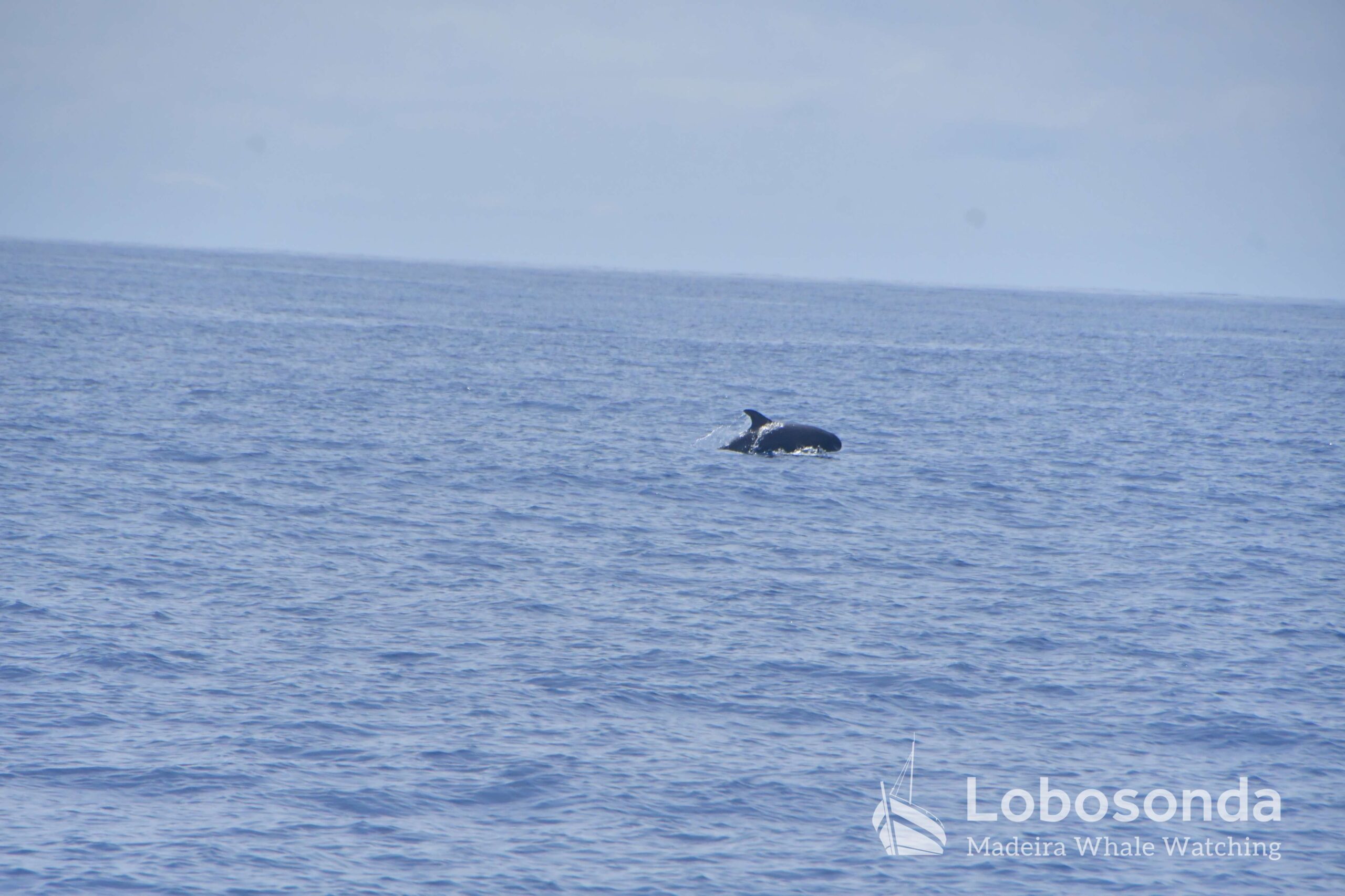
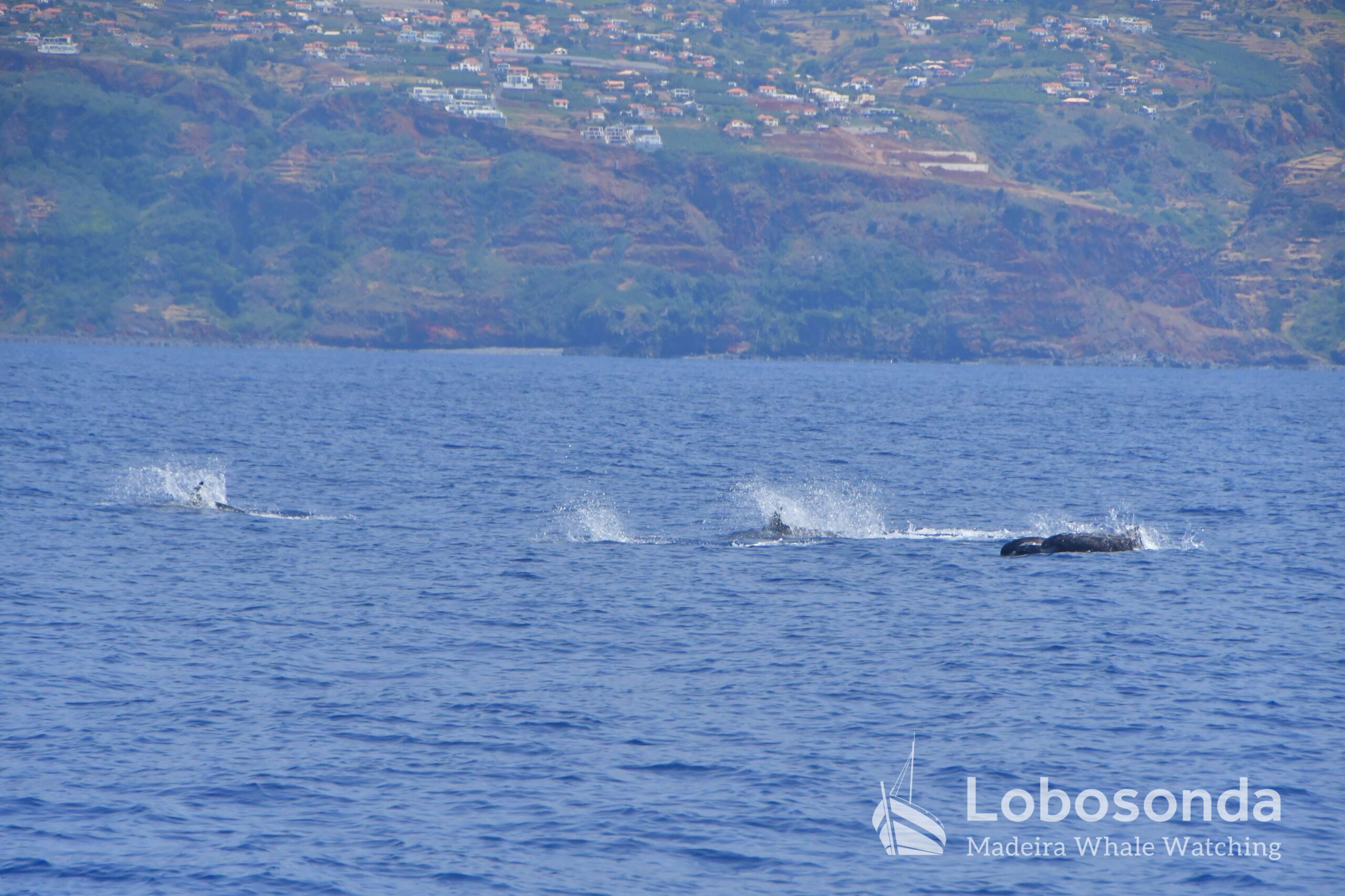
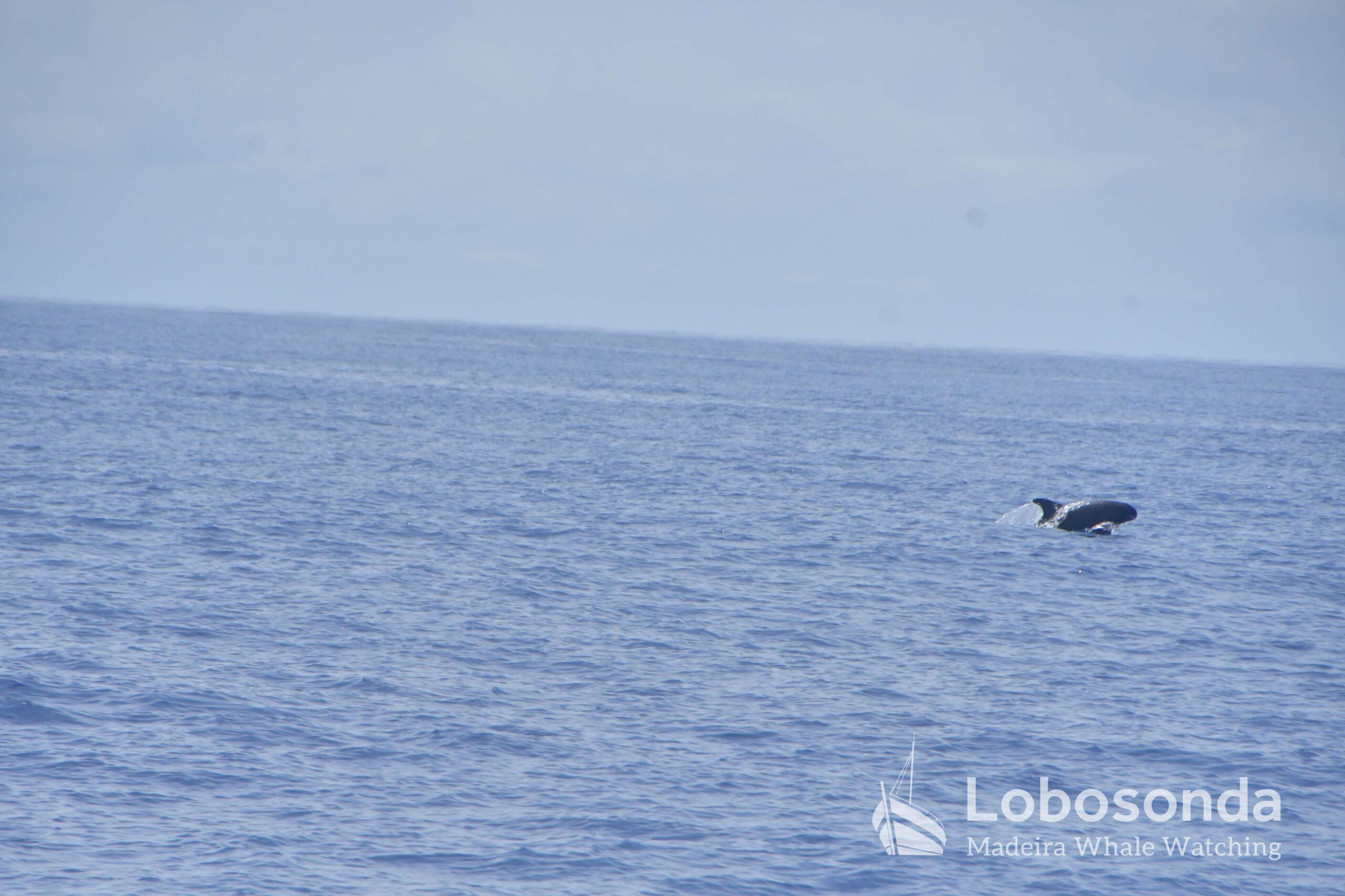
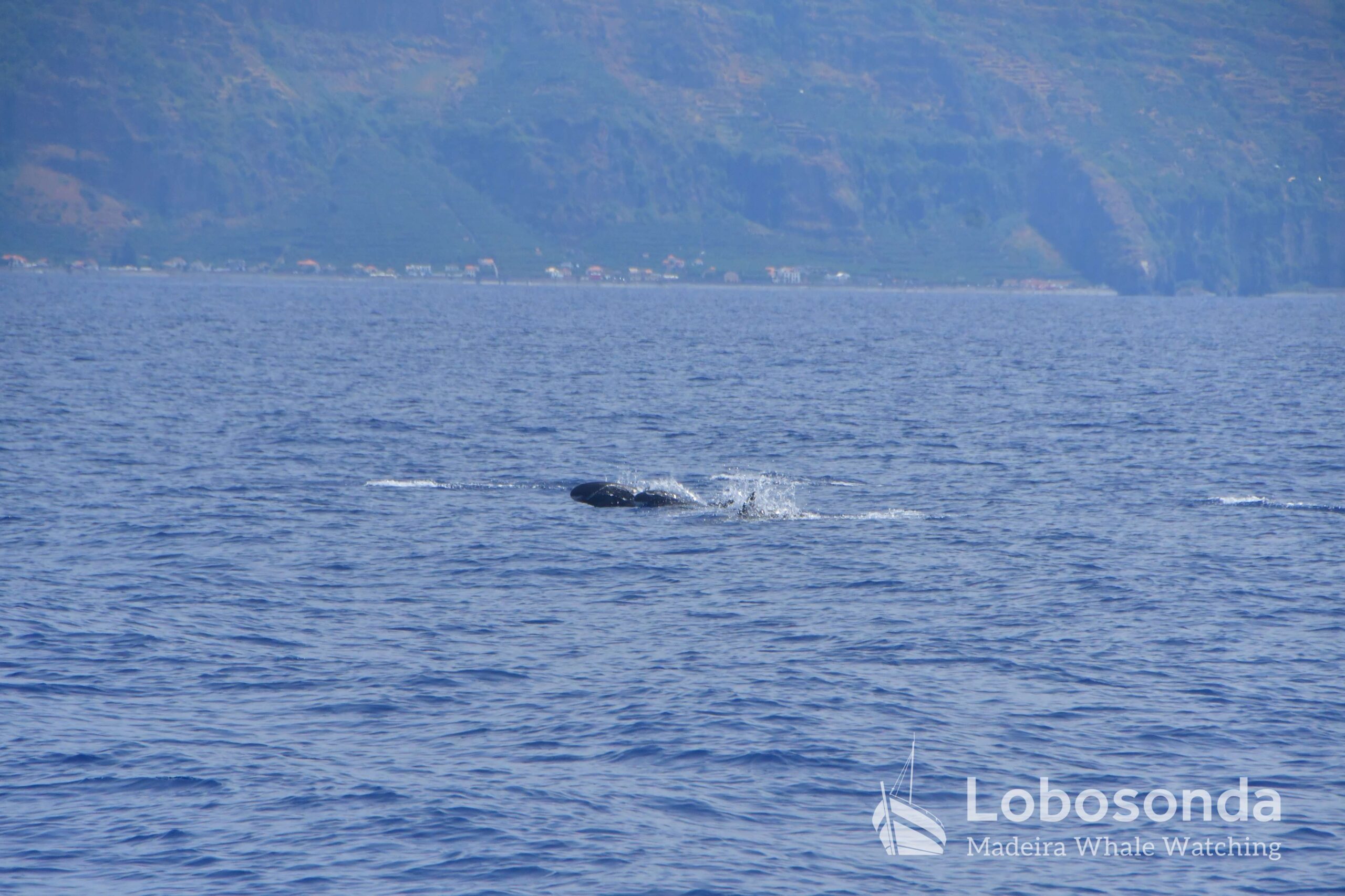
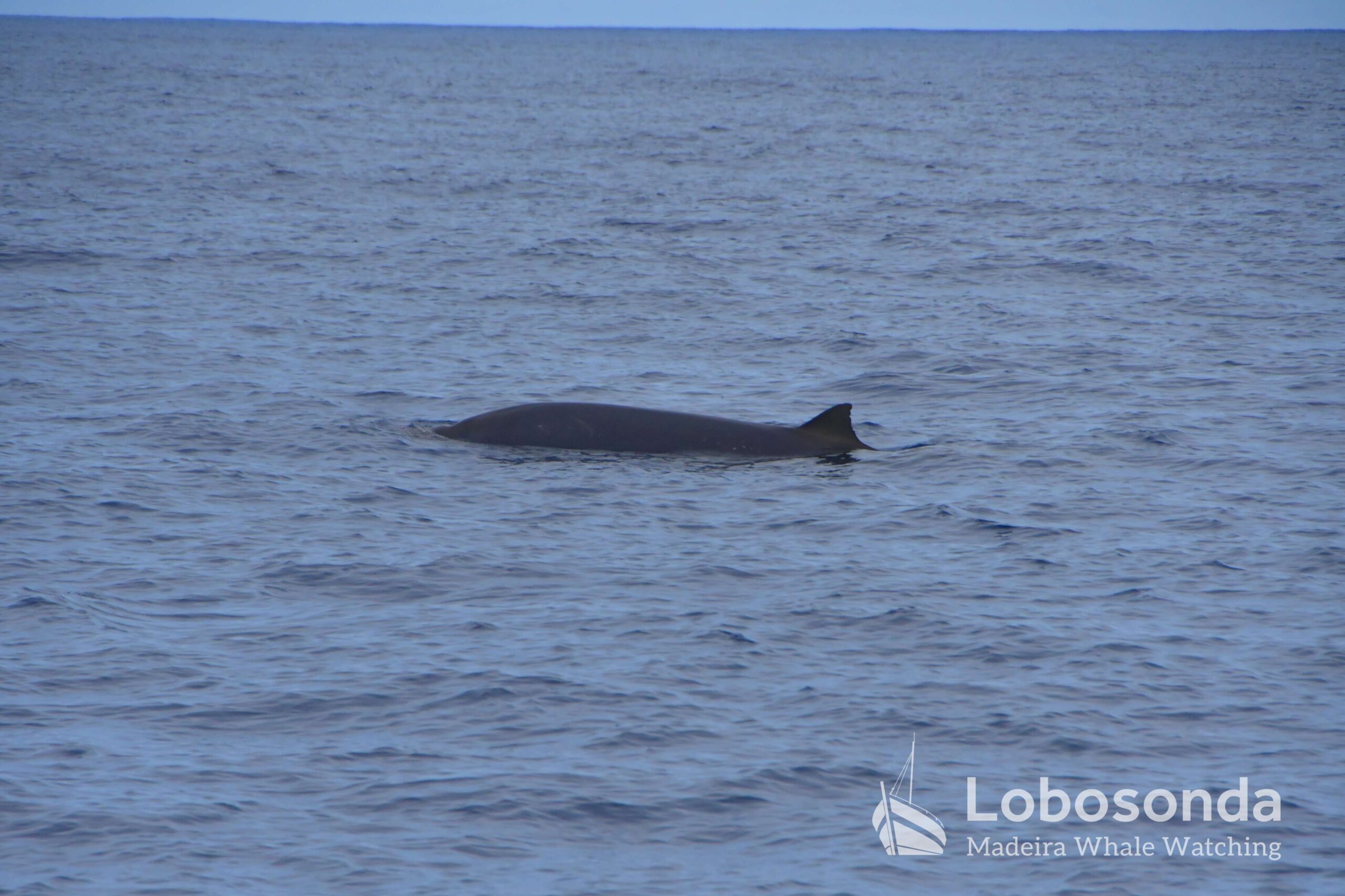
Today we encountered Pygmy Killer Whales (Feresa attenuata) and Blainville’s Beaked Whales (Mesoplodon densirostris).
Of course, these fascinating species also inspire some great questions—and answers.
Question: Are Pygmy Killer Whales really killer whales (orcas)?
Answer: No. Despite their English name, they are not orcas (Orcinus orca). They were given this name because of their similar teeth and robust body shape.
Question: Why are Pygmy Killer Whales seen so rarely?
Answer: They spend most of their lives far offshore in the open ocean, making them one of the least frequently sighted dolphin species.
Question: Why can Blainville’s Beaked Whales stay underwater for so long?
Answer: They hunt squid and deep-sea fish at depths often exceeding 1,000 metres (3,300 feet). Their remarkable diving abilities allow them to remain submerged for exceptionally long periods.
Question: How can you recognise a Blainville’s Beaked Whale?
Answer: Adult males are especially distinctive because they have a single pair of teeth that protrude from the sides of their lower jaw. Many also carry pale scars from encounters with other males.
Those who stay curious and keep asking questions discover something new every day. Nature is full of mysteries—and every answer often leads to another fascinating question.
And dear parents, please encourage all those wonderful questions. They are treasures that lead to knowledge, curiosity, and connection. And if you don’t know the answer? That’s a perfect opportunity to discover it together.
As for me, curious children are always more than welcome on board! So start thinking of some exciting questions for your next whale-watching adventure!
By Fatima Kutzschbach
Sightings of the day
Ribeira Brava
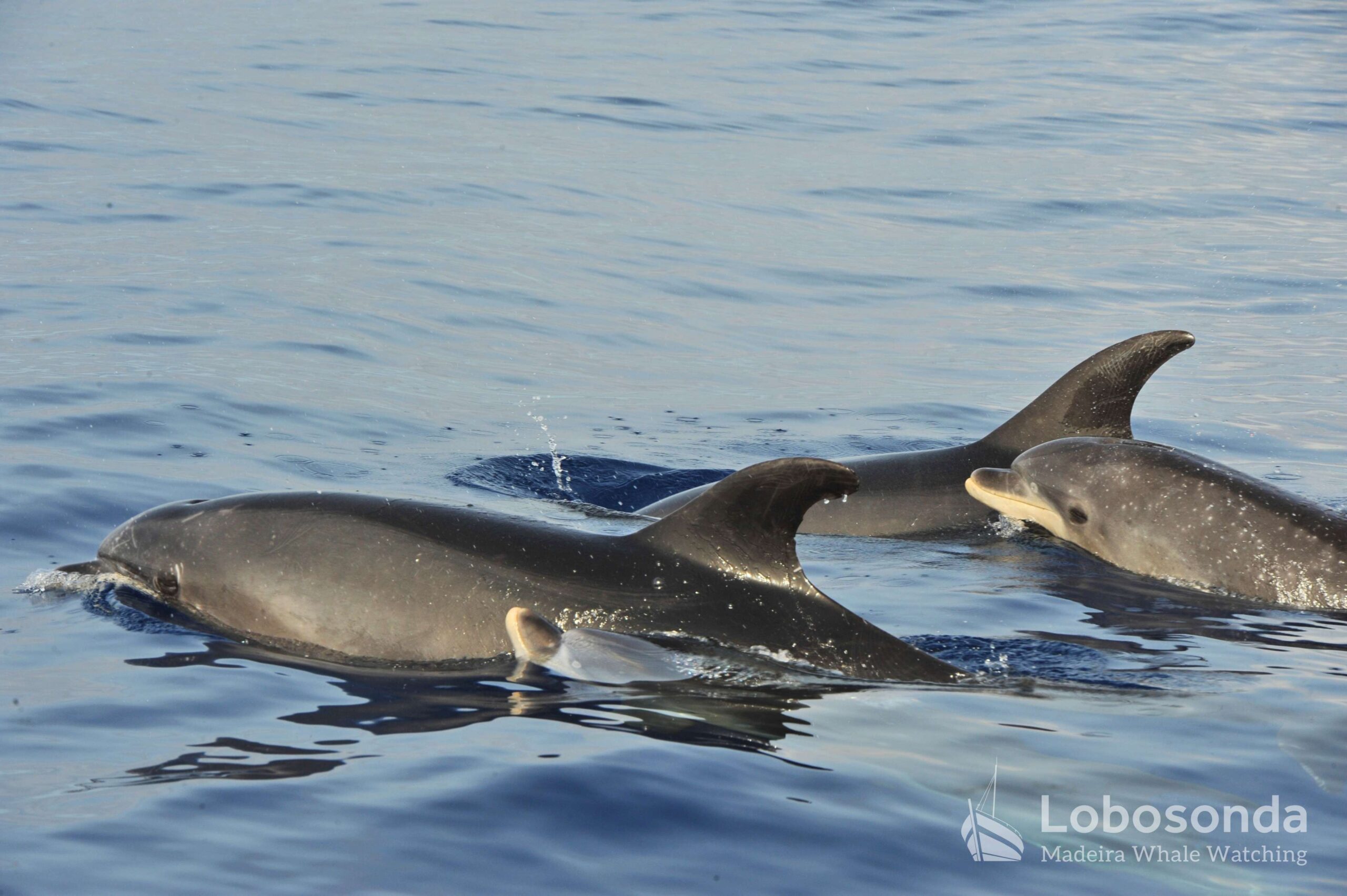
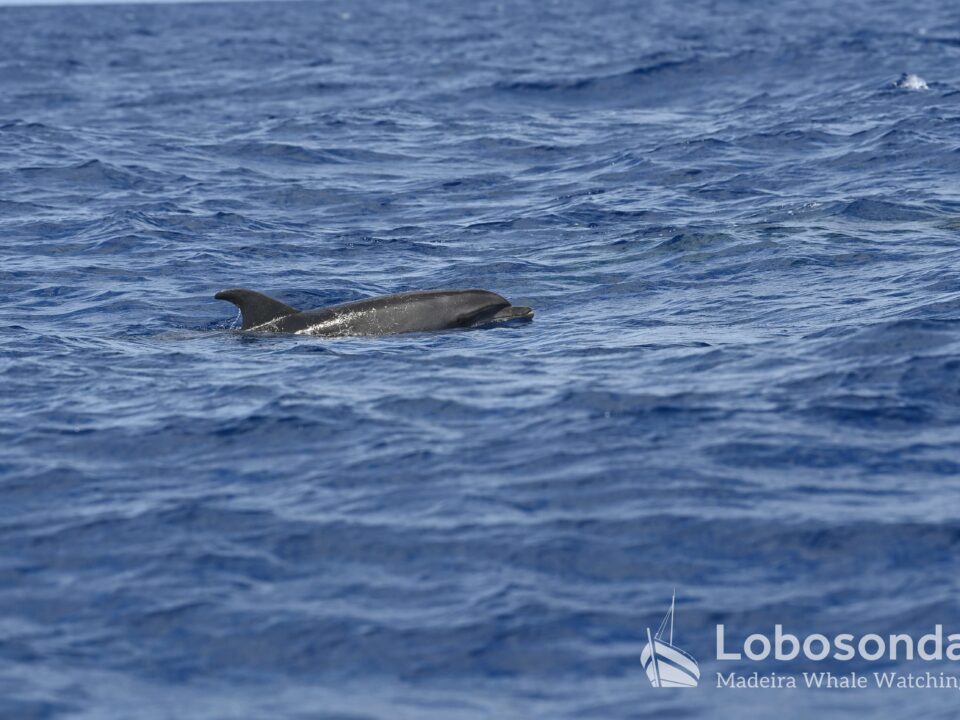
09:00 Bottlenose dolphins
13:00 Pygmy killer whales
16:30 Blainville’s beaked whales
Steno
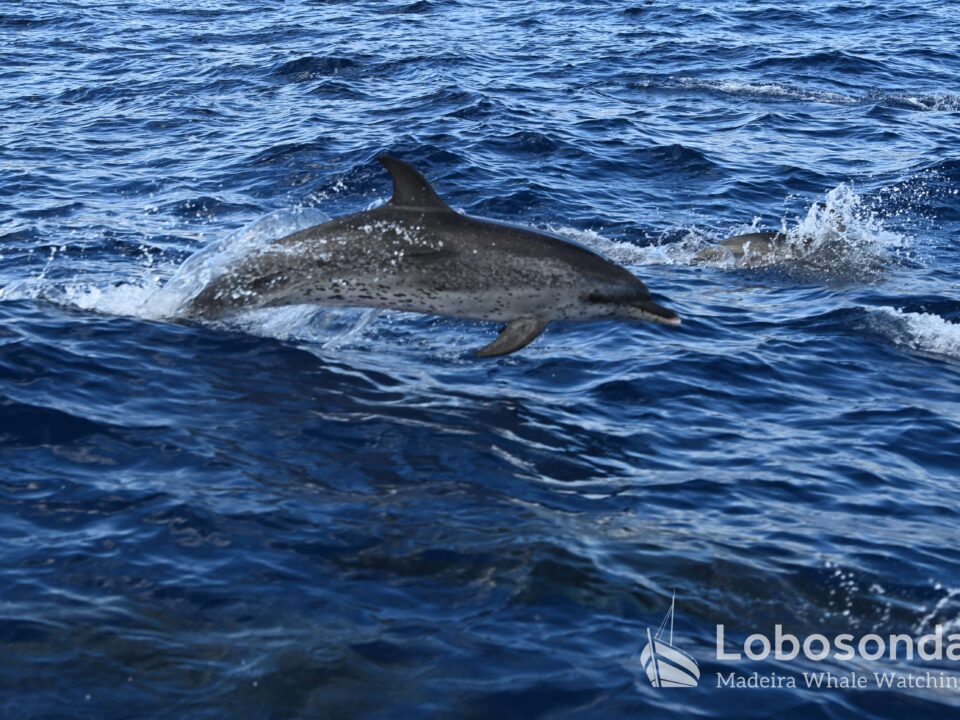
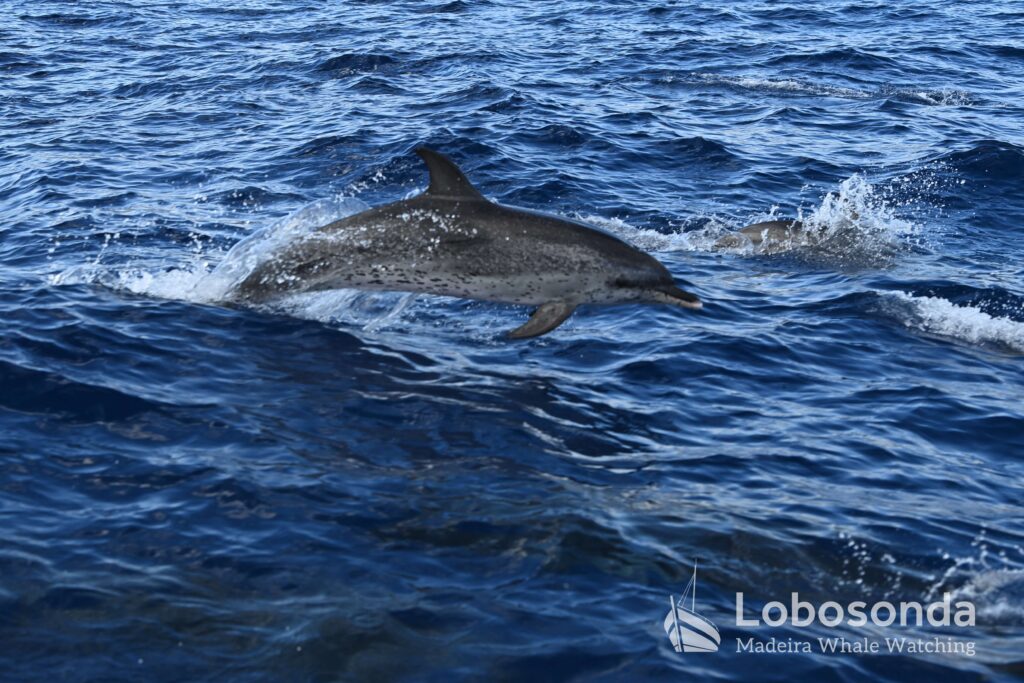
09:30 Bottlenose dolphins, Atlantic spotted dolphins
13:30 Pygmy killer whales, Bottlenose dolphins, Atlantic spotted dolphins
16:30 Pygmy killer whales, Atlantic spotted dolphins, Blainville’s beaked whales