21.10.2026 – Skin superpower
October 27, 2026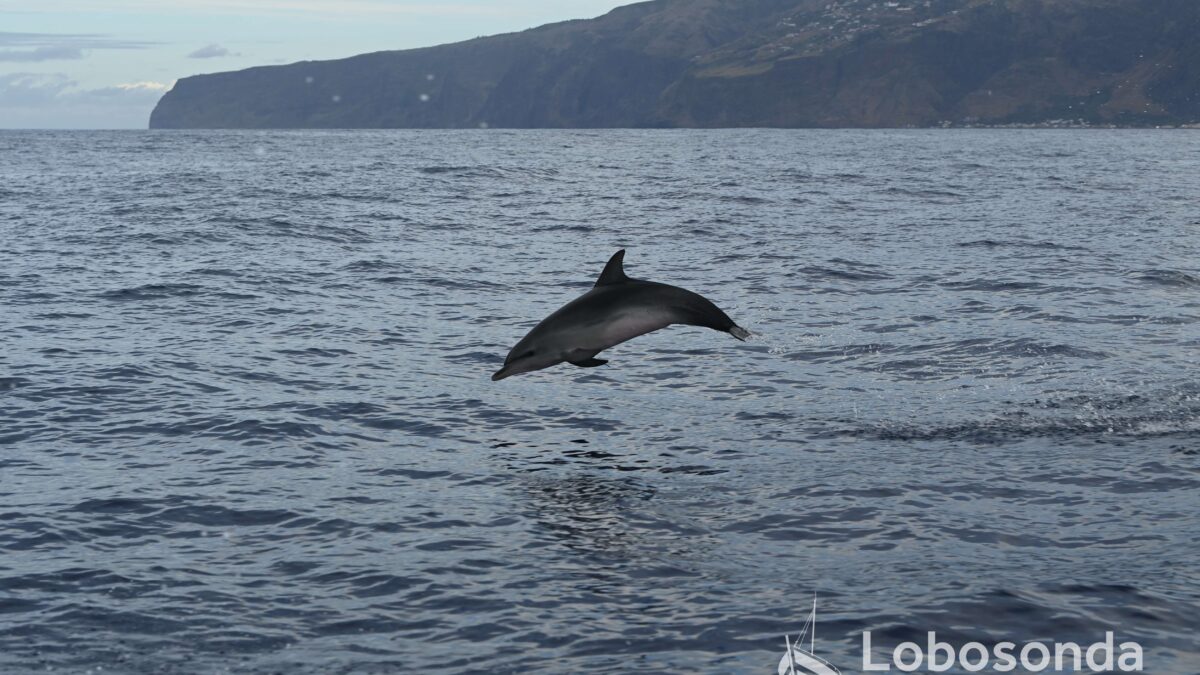
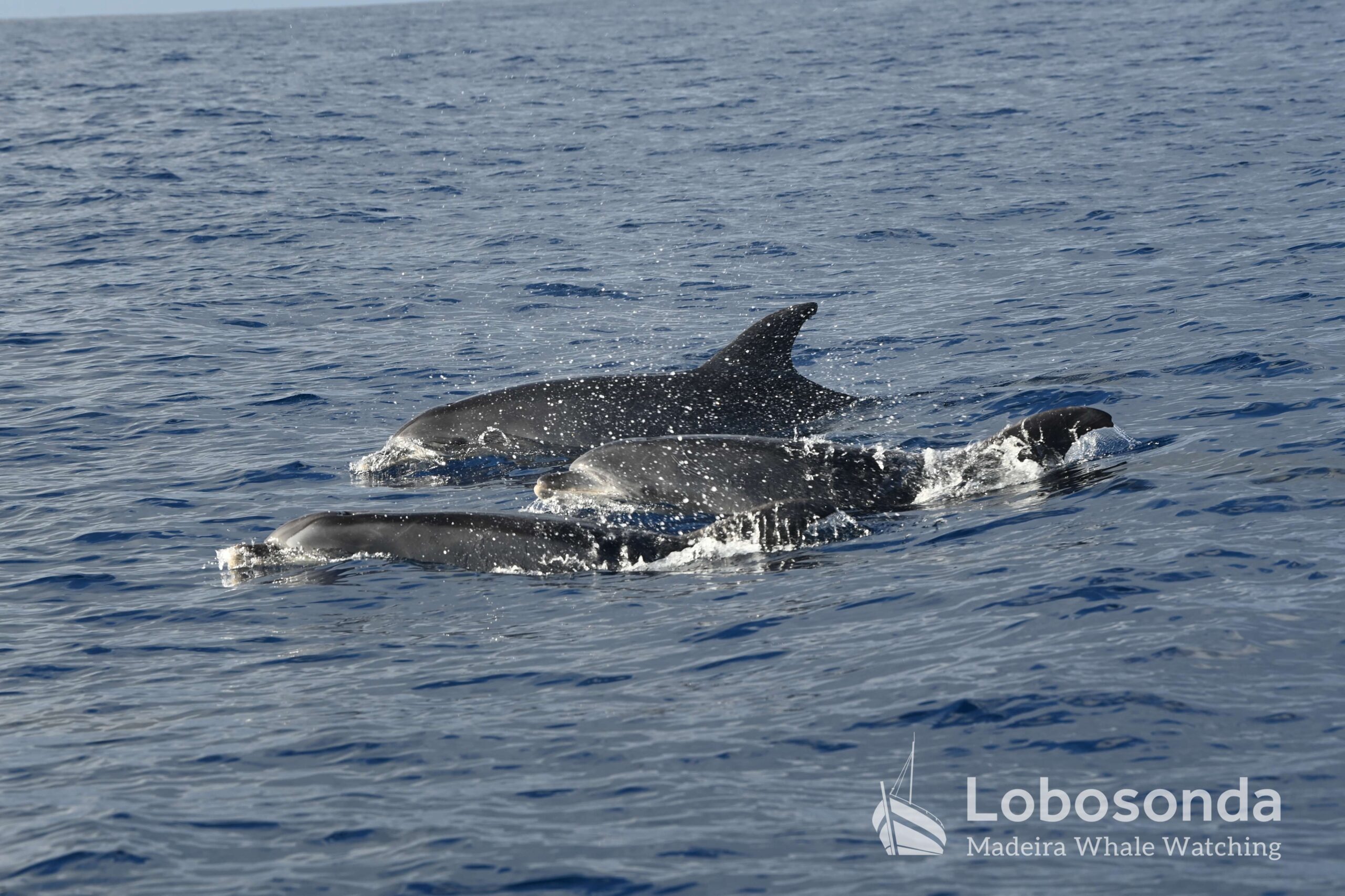
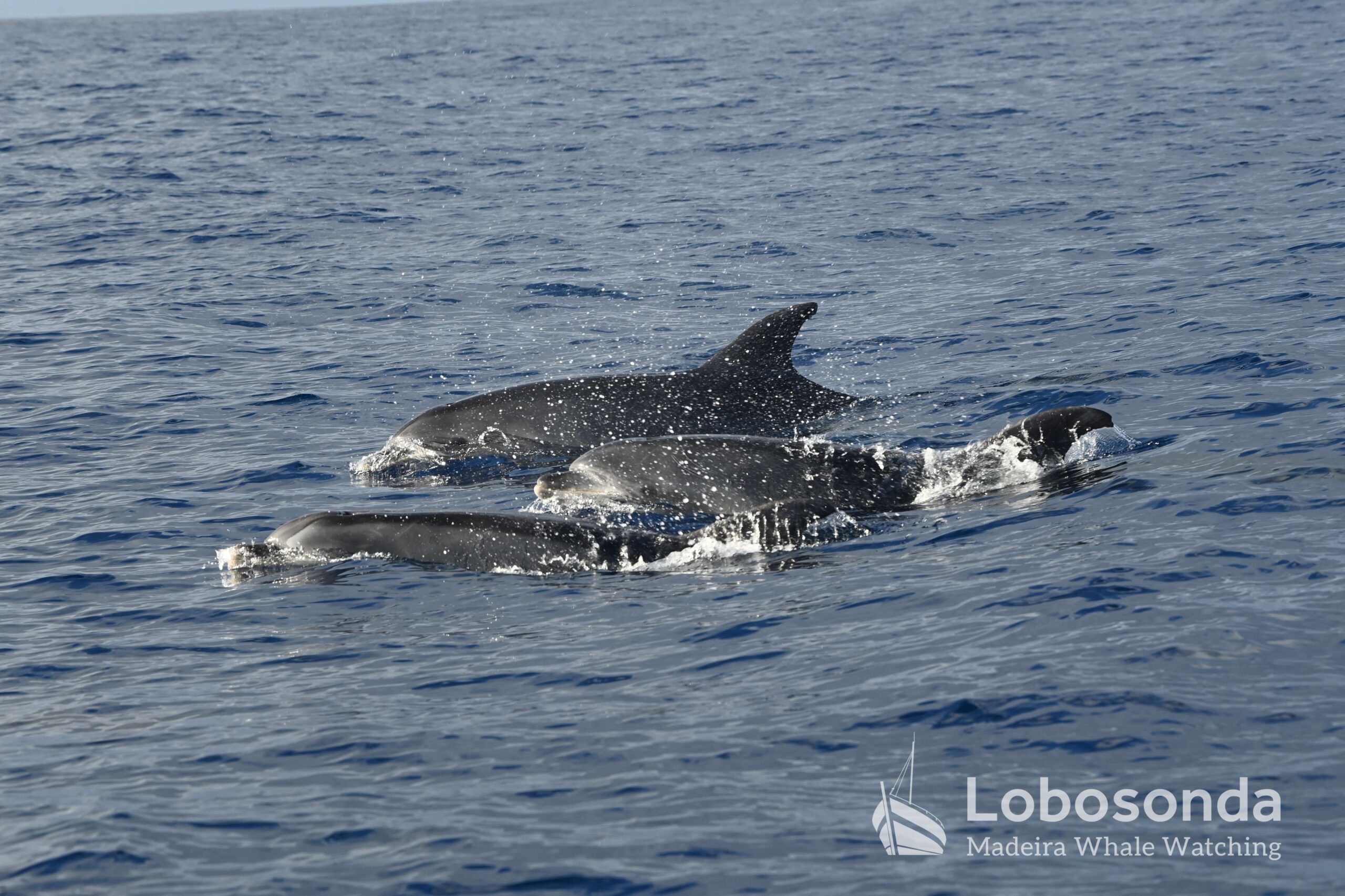
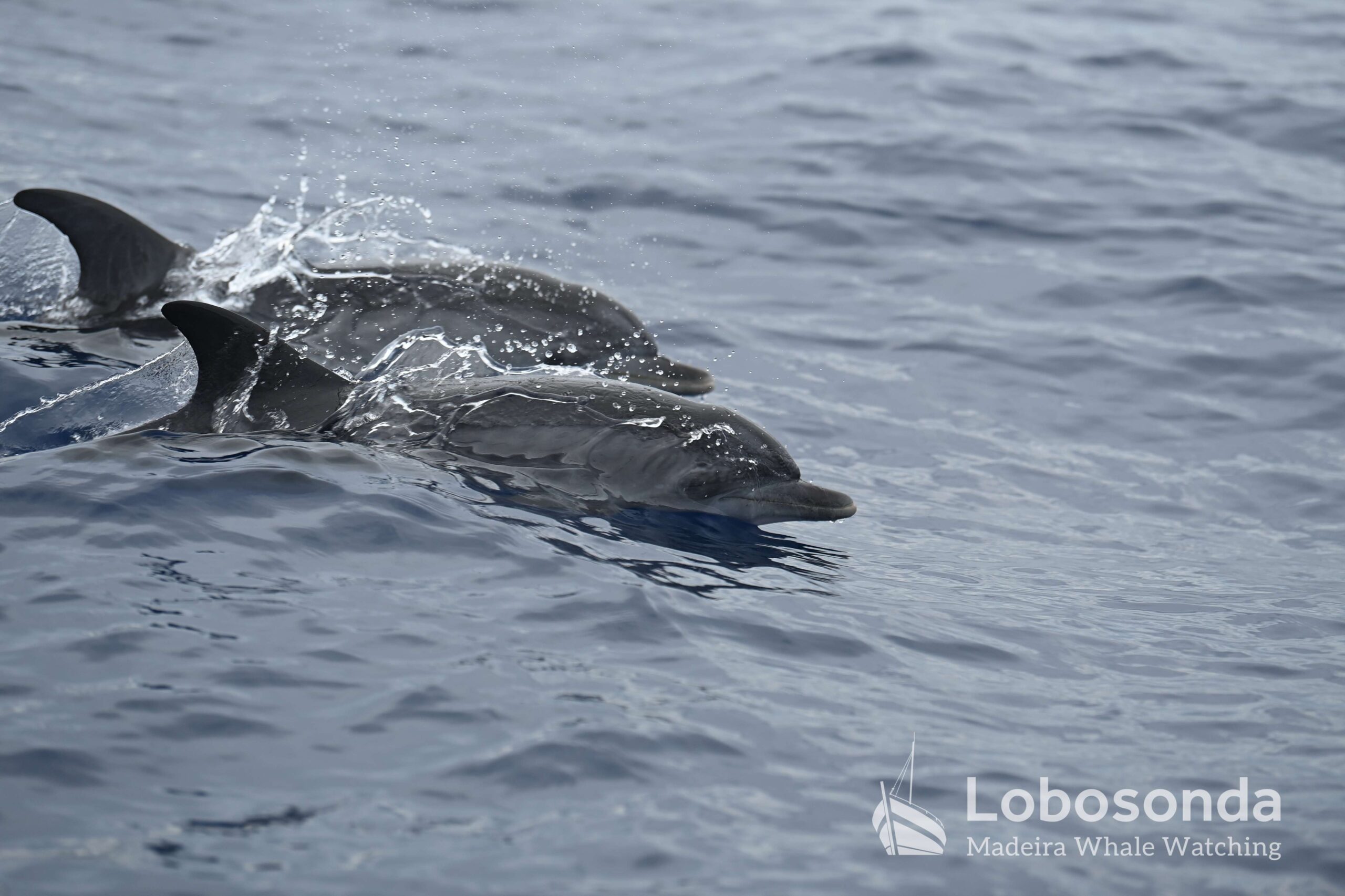
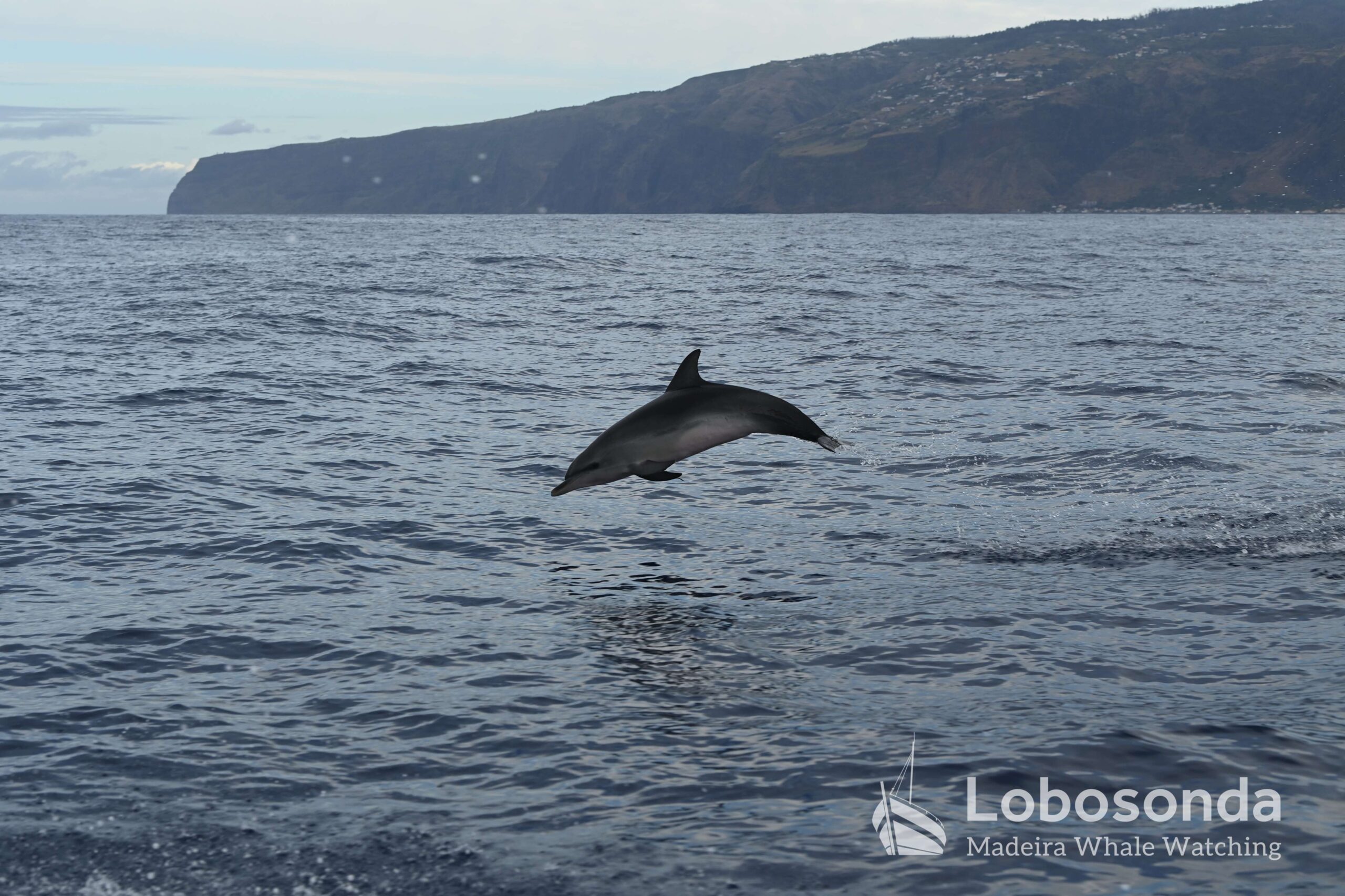
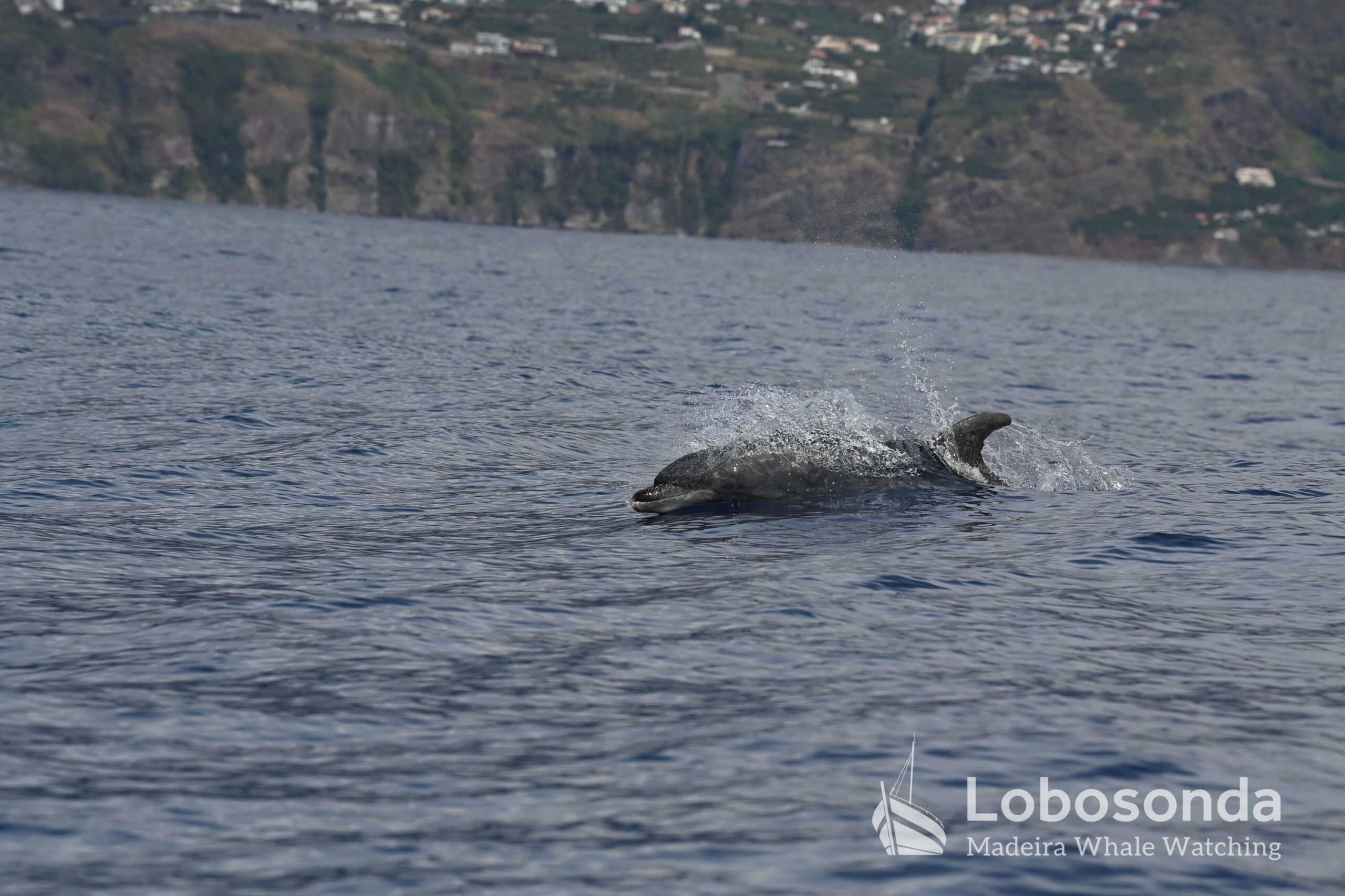
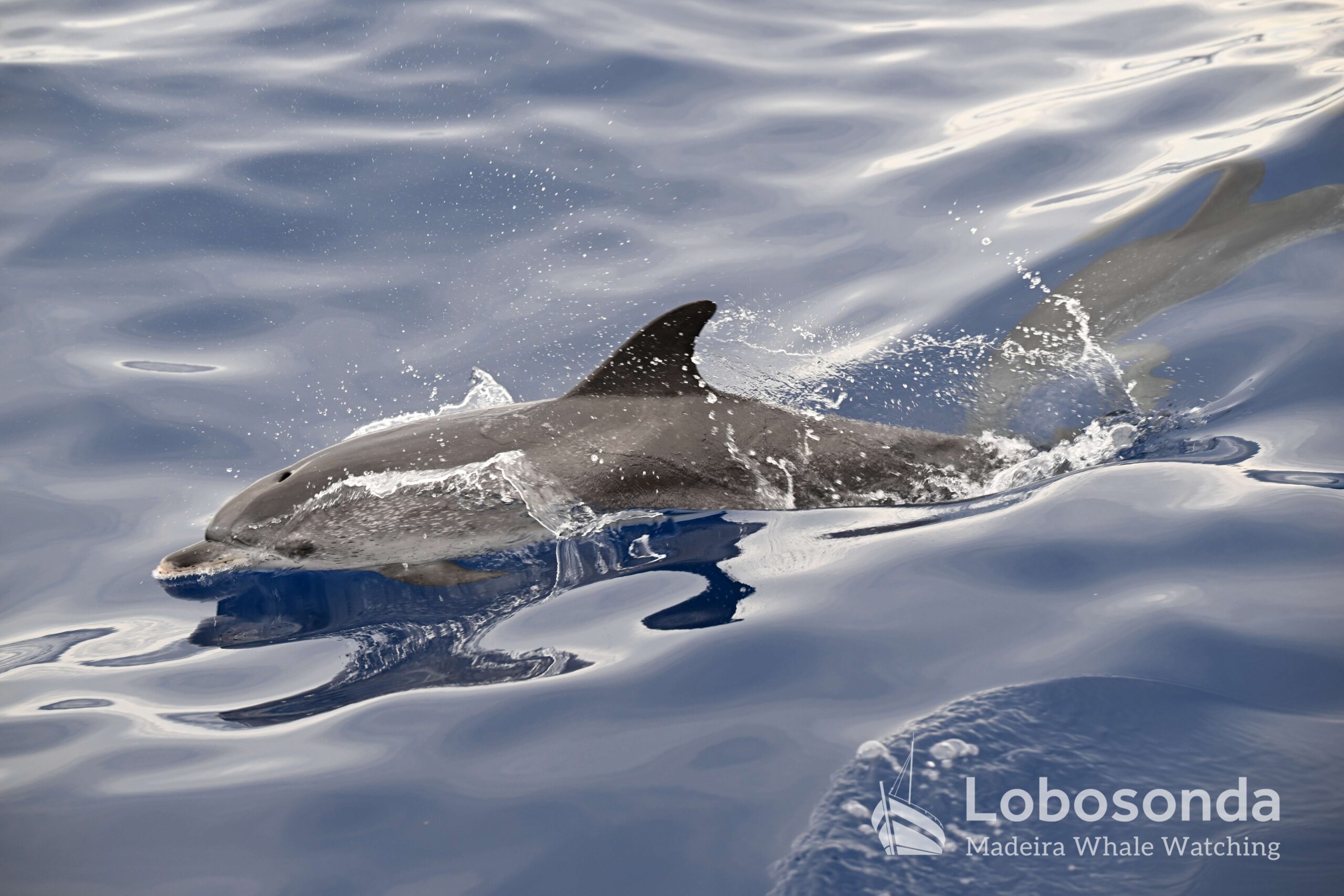
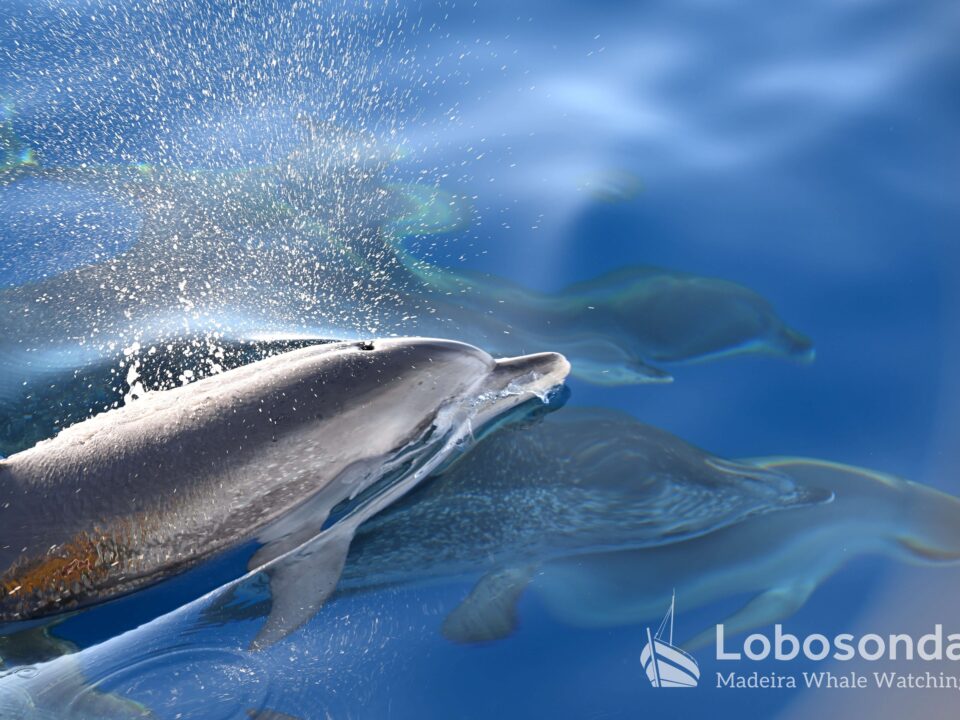
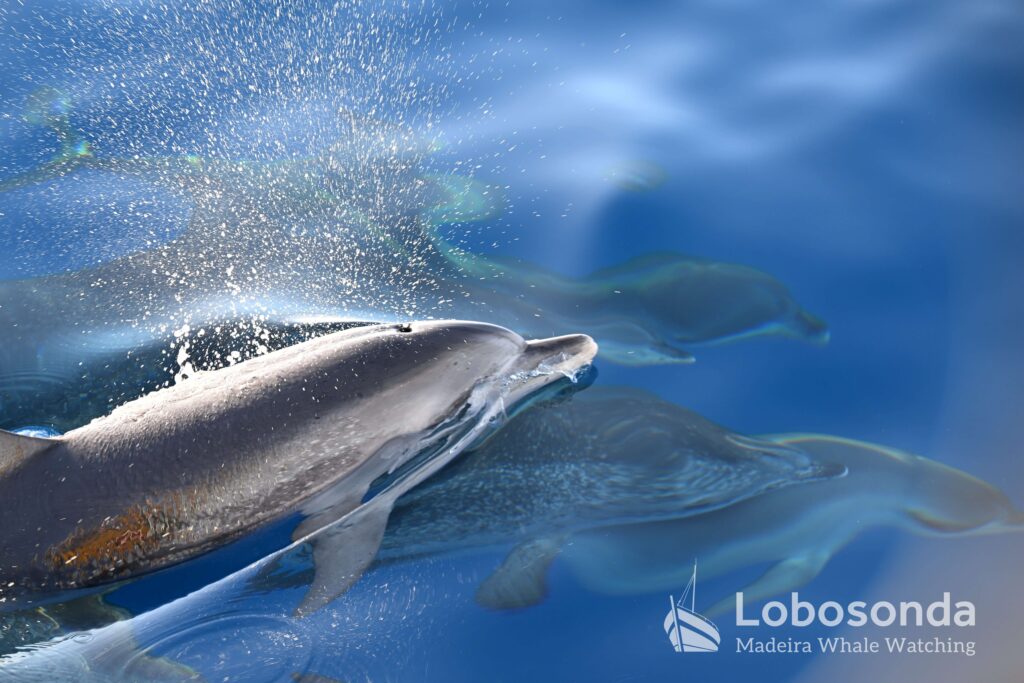
Two of our favorite species were seen today : Atlantic spotted dolphins (Stenella frontalis) and bottlenose dolphins (Tursiops truncatus). These two species of cetaceans can be quite active at the surface with bow/wake-riding behaviors, socializing, resting between dives. When traveling fast, both species can reach up speeds up to 40 km/h ! Cetaceans are very well adapted to underwater life. They lost most of their body hair from their ancestors and got a streamlined body shape. This improves their hydrodynamic efficiency, coupled with a short but stiff neck, front limbs turned into flippers, and hind limbs disappeared. Their tail is very powerful and is the main power for propulsion. These many changes (and others) from land to water happened 50 million years ago and went on for around 10 million years ! Slow but steady …!
Whales and dolphins share a common ancestor with Artiodactyls, including hippos and cows, dating back around 55–60 million years. Over time, cetaceans evolved to live in aquatic environments, while their relatives continued to live on land.
By Juliette Colançon
Sightings of the day
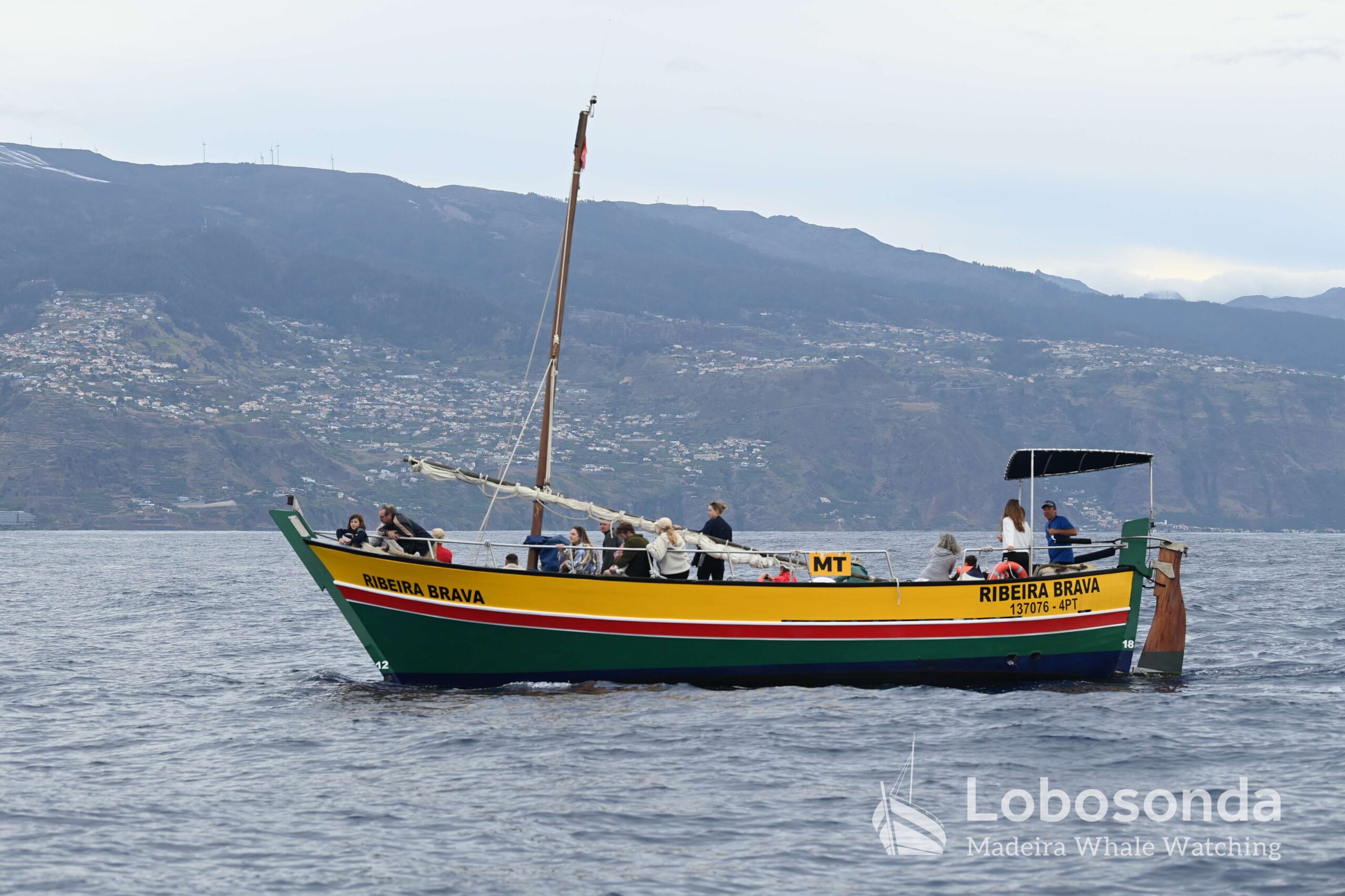
Ribeira Brava
09:00 Atlantic spotted dolphin
Steno
09:30 Atlantic spotted dolphin, Bottlenose dolphin
13:30 Bottlenose dolphin