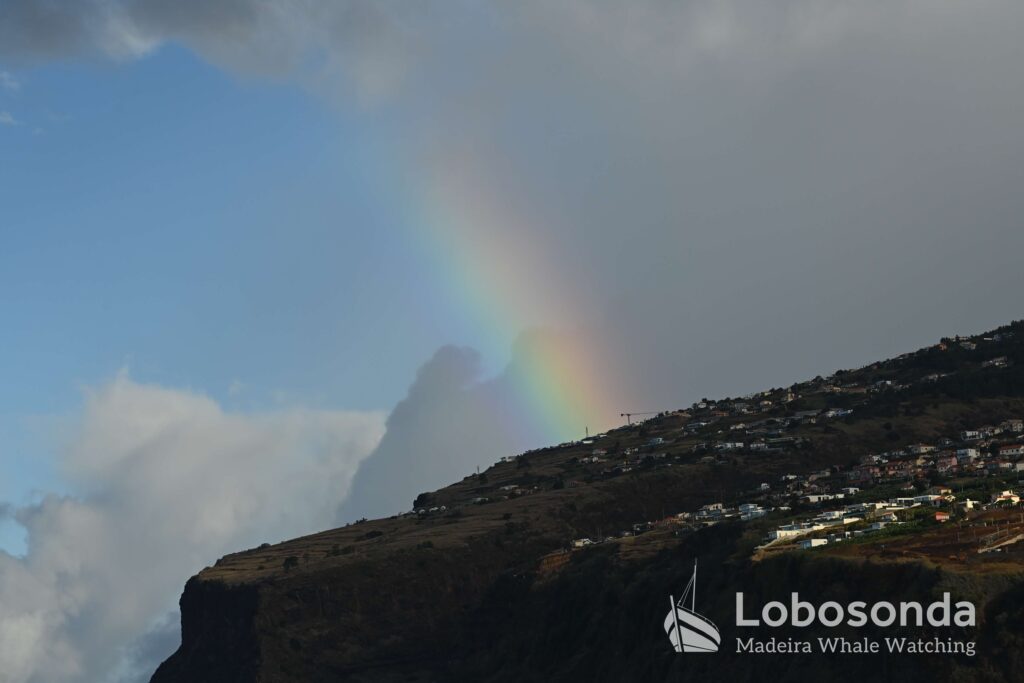
10.10.2026 – An ocean of colors
October 18, 2026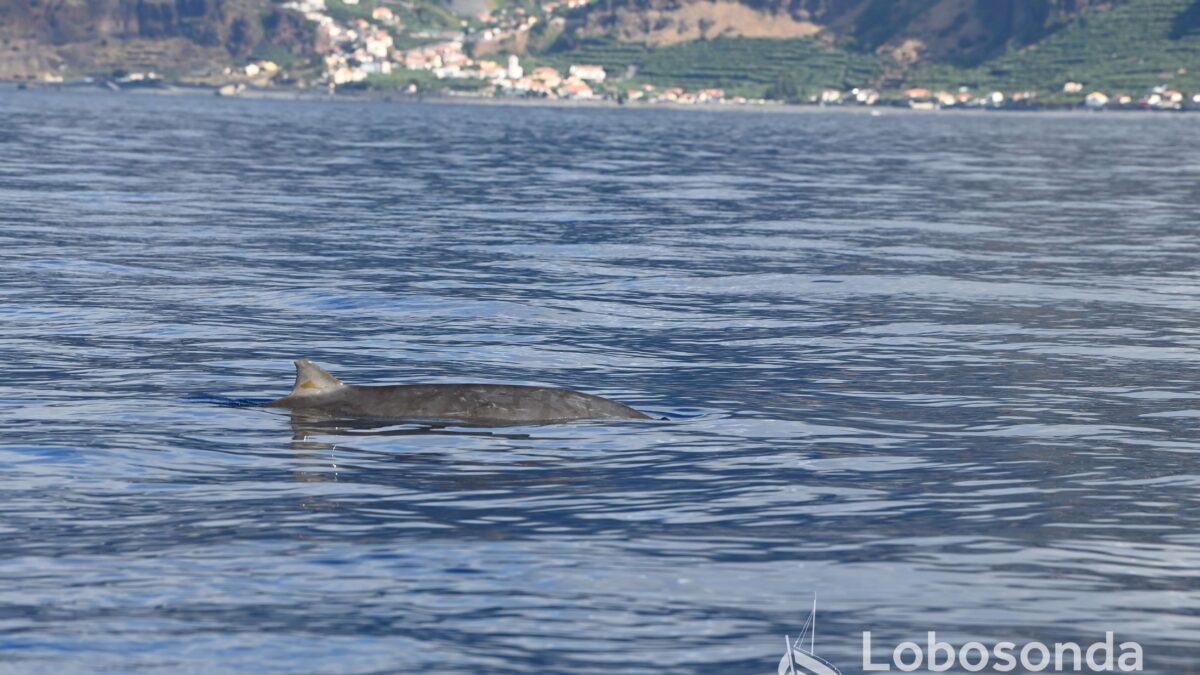
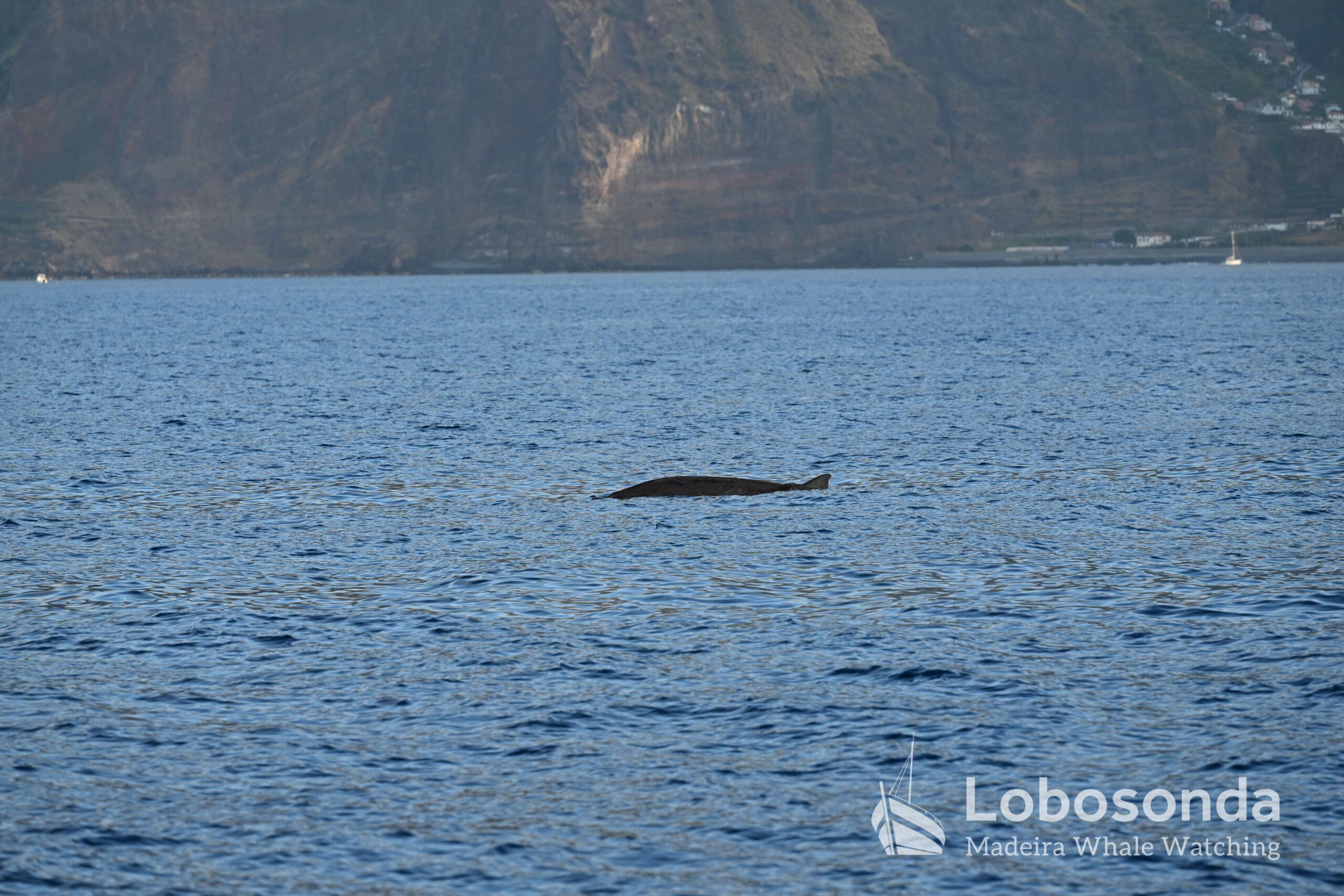
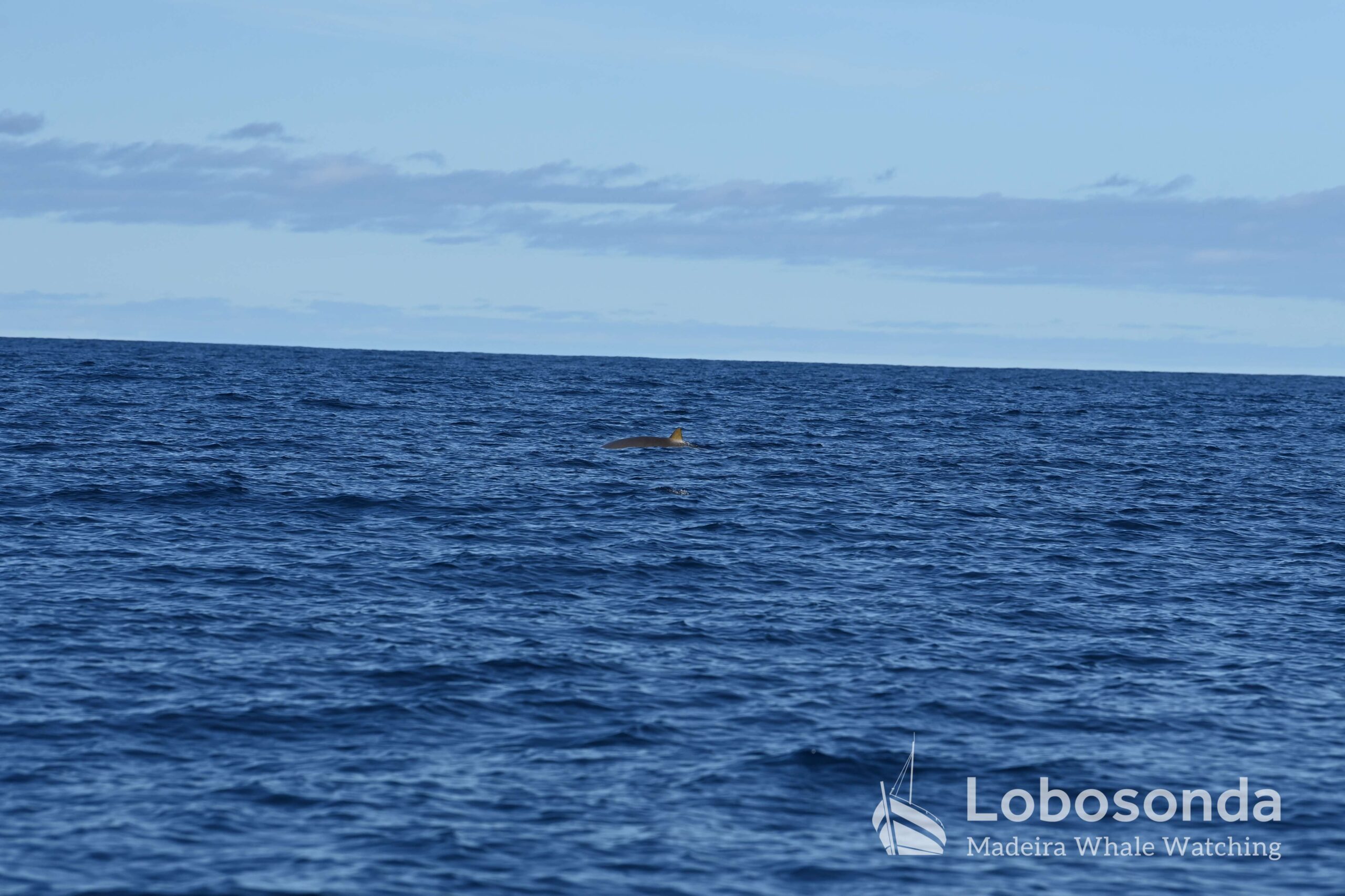
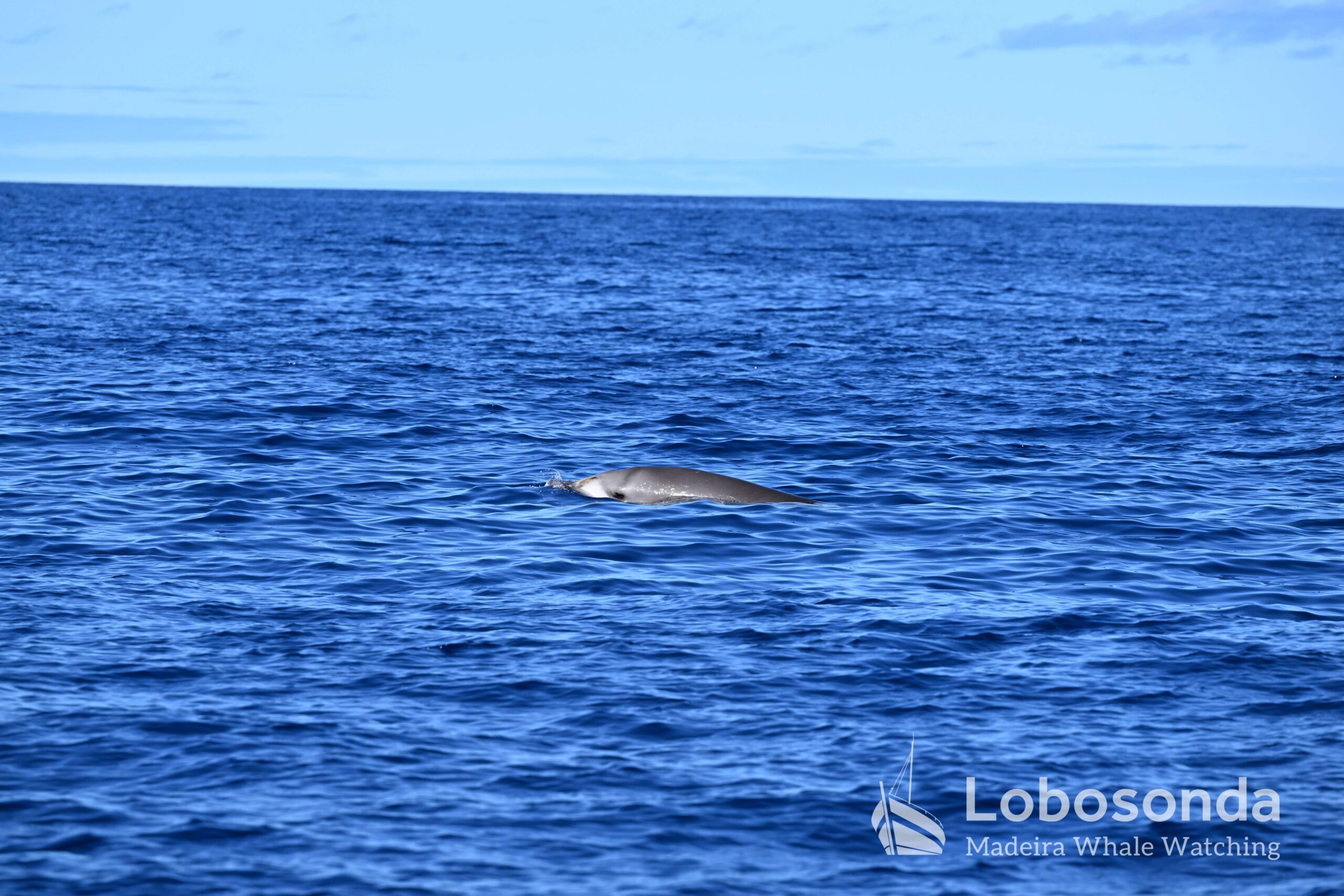
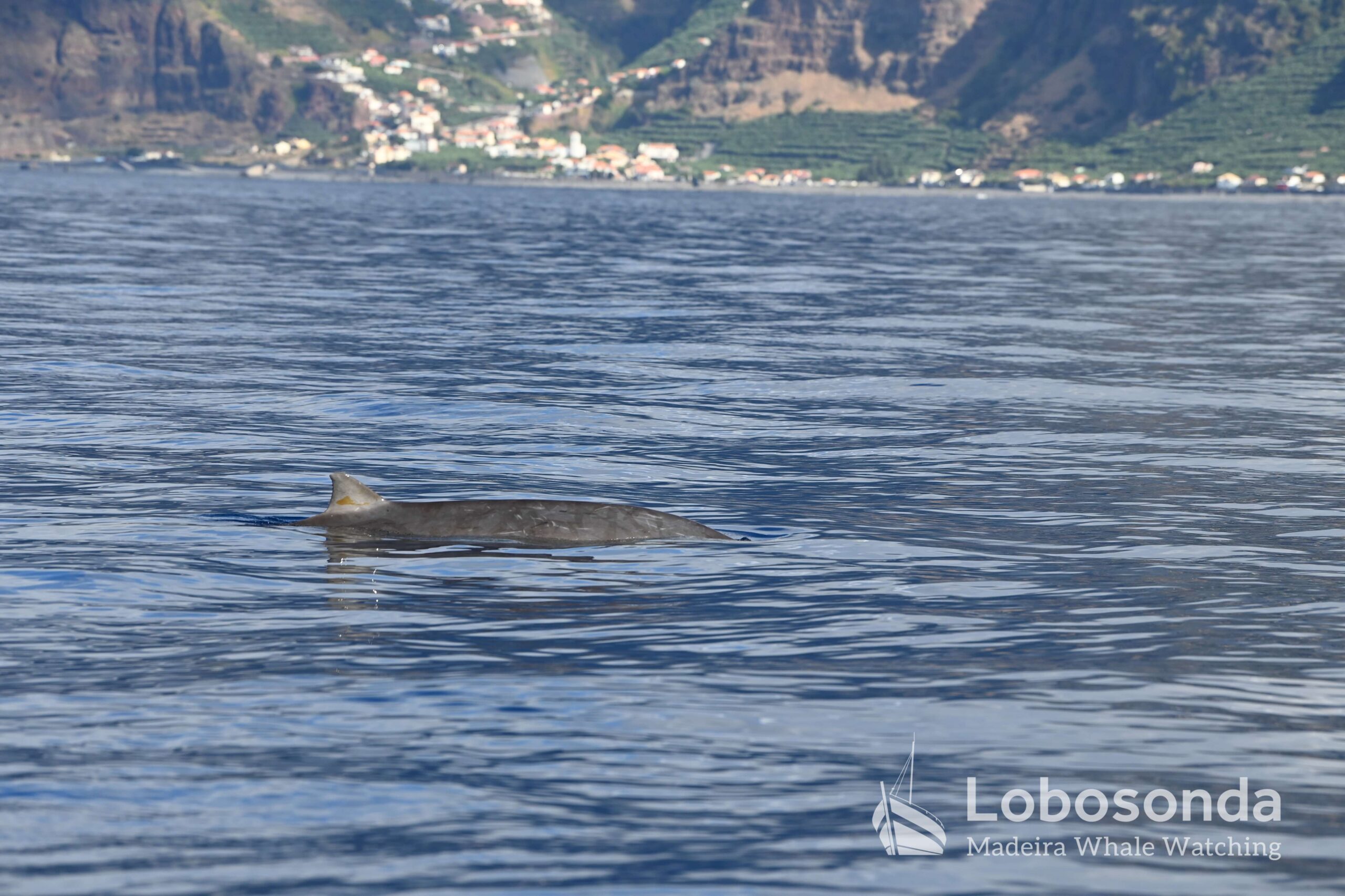
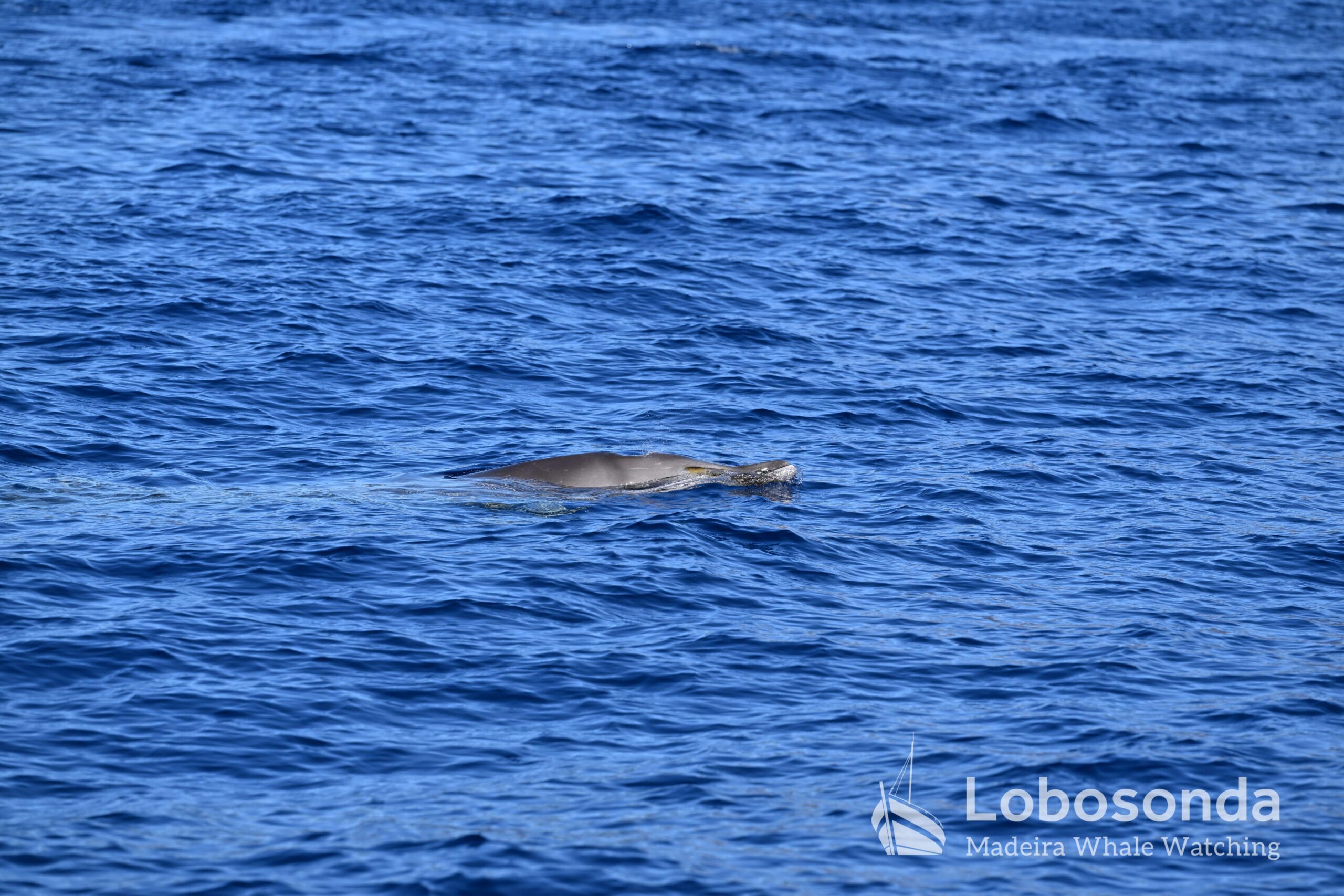
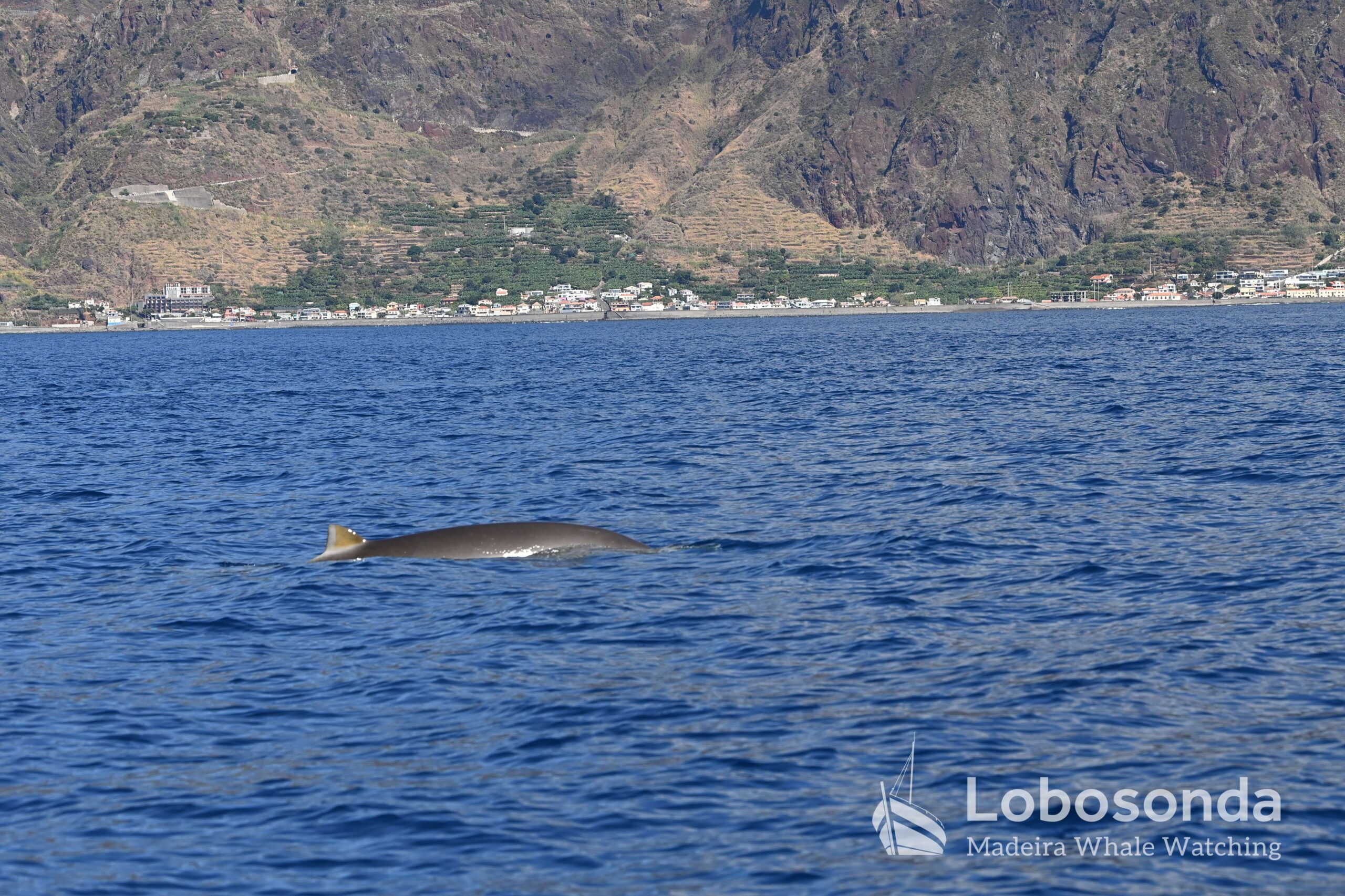
Today, both our morning and afternoon tours brought us incredible encounters with Blainville’s beaked whales (Mesoplodon densirostris) in the waters around Madeira.
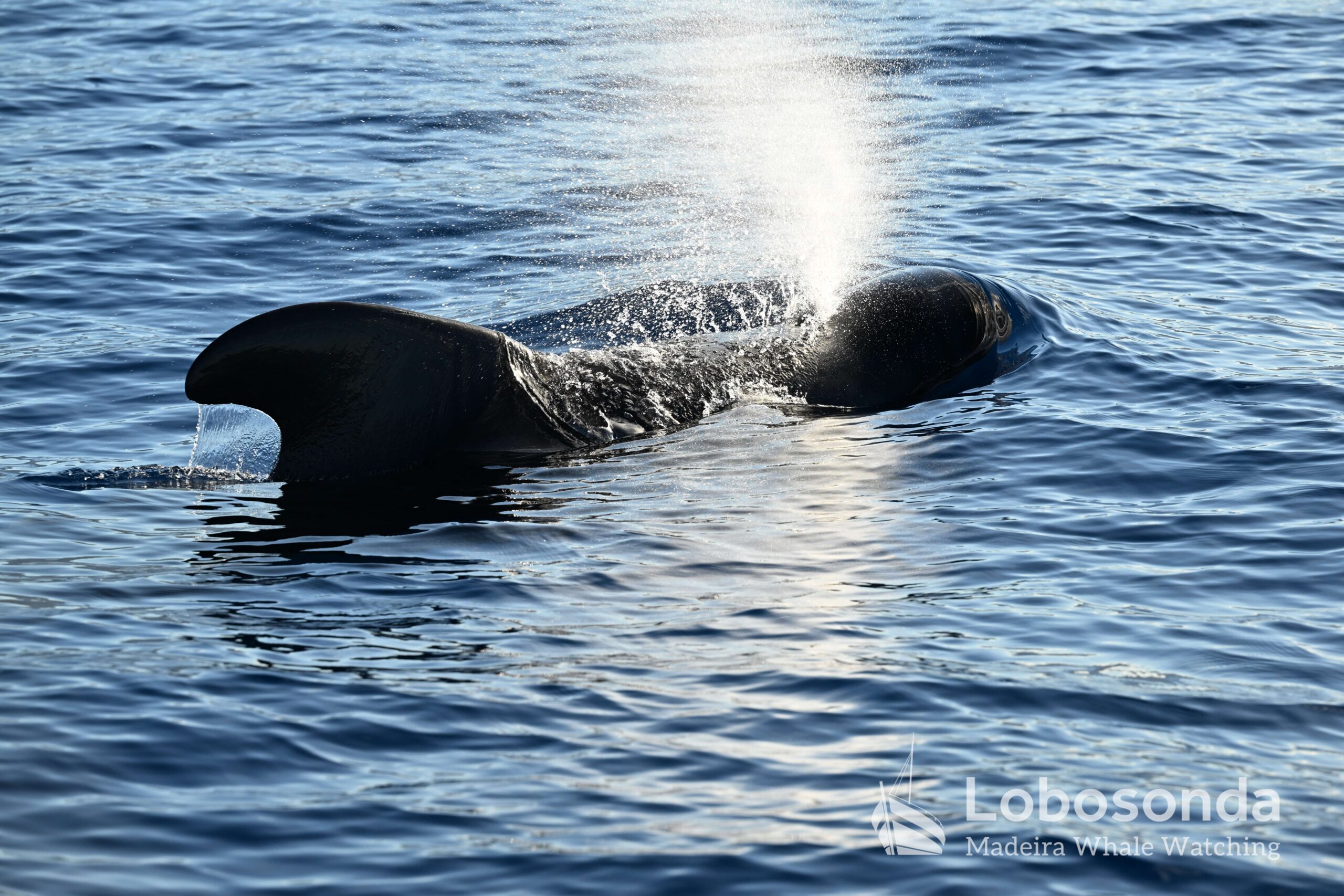
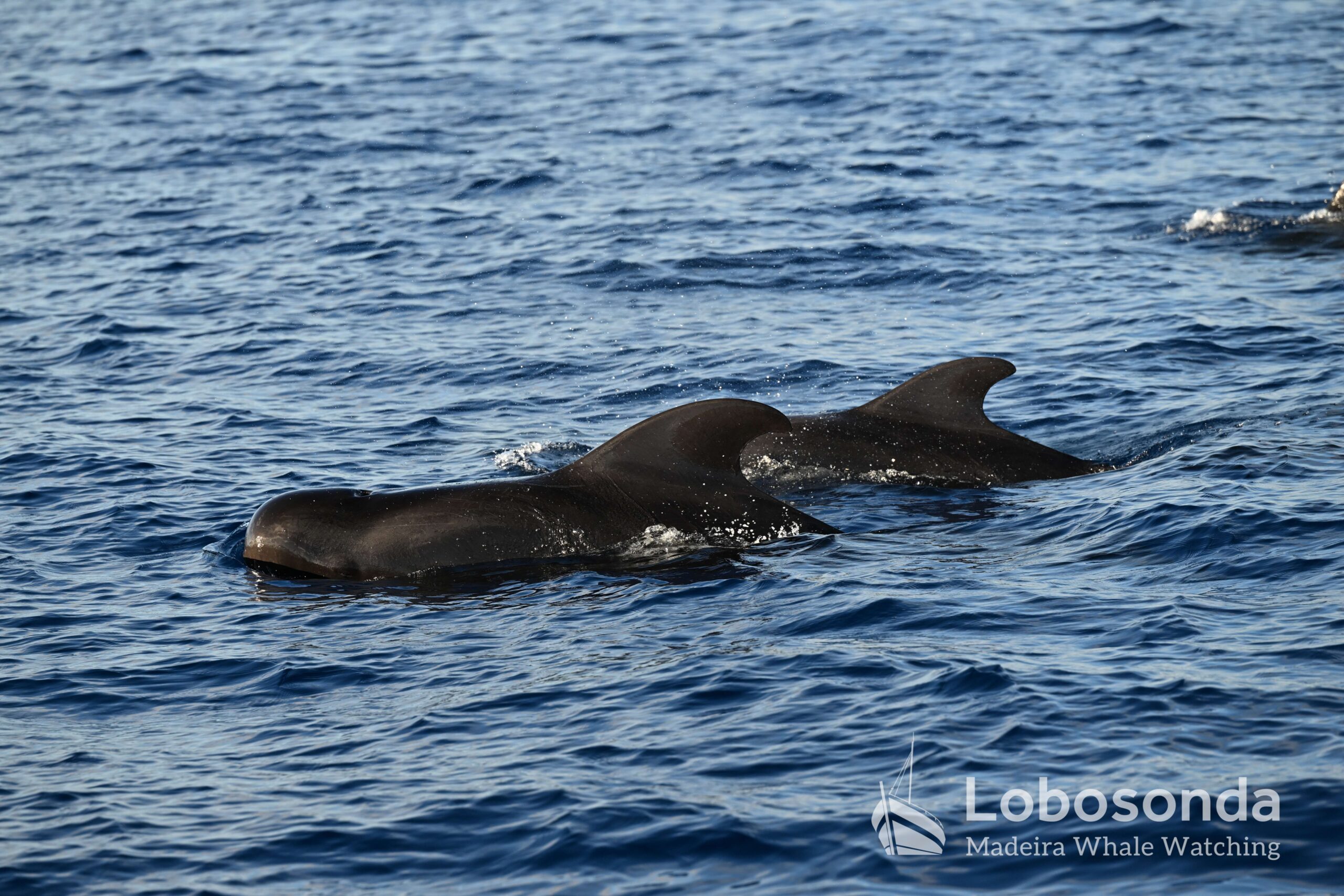
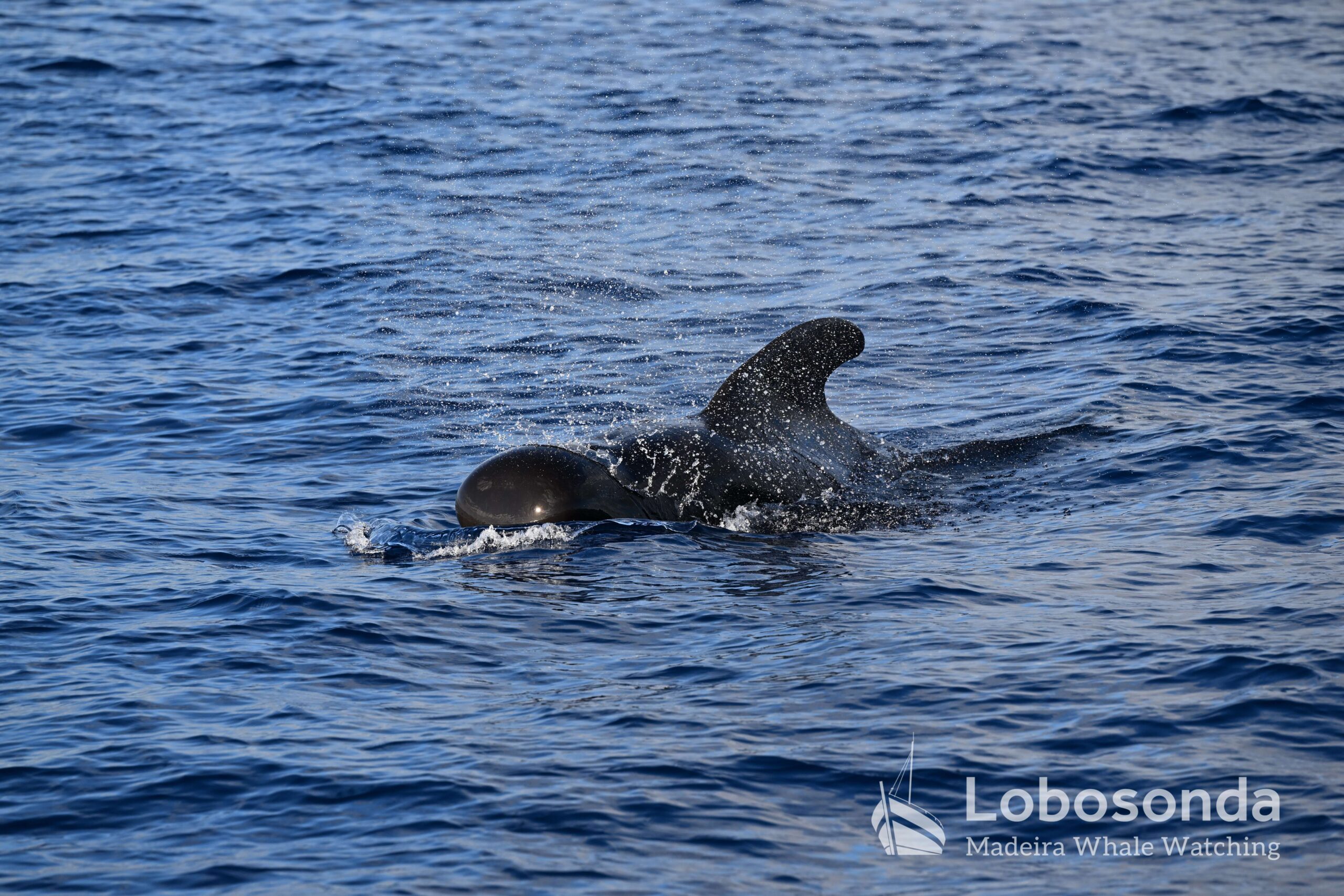
During the morning tour, we also spotted short-finned pilot whales (Globicephala macrorhynchus), giving us the opportunity to observe two fascinating cetacean species in their natural habitat.
Blainville’s beaked whales are particularly remarkable deep divers, spending much of their time underwater hunting squid and other prey. Adult males have two distinctive, tusk-like teeth in their lower jaw. These teeth are believed to be used mainly in competition between males, and the numerous scars often seen on their bodies are thought to result from these encounters.
Despite their impressive teeth, Blainville’s beaked whales feed by suction, drawing prey into their mouths during deep dives.
Blainville’s beaked whales belong to the dolphin family group known as toothed whales (Odontoceti), just like dolphins and pilot whales. Although they are called whales, they share many characteristics with dolphins, including echolocation and specialised teeth in males.
They are called whales because, biologically, dolphins are actually a type of toothed whale! The distinction between dolphins and other toothed whales is mainly based on differences in size, body shape, and anatomy. Blainville’s beaked whales have a longer, beak-like snout and a more robust body than most dolphins, and they are highly specialised deep divers.
Another wonderful day exploring Madeira’s rich marine life and learning more about the incredible whales and dolphins that call these waters home!
Ribeira Brava
09:30 Short-finned pilot whales, Blainville’s beaked whales
13:00 Blainville’s beaked whales
Steno
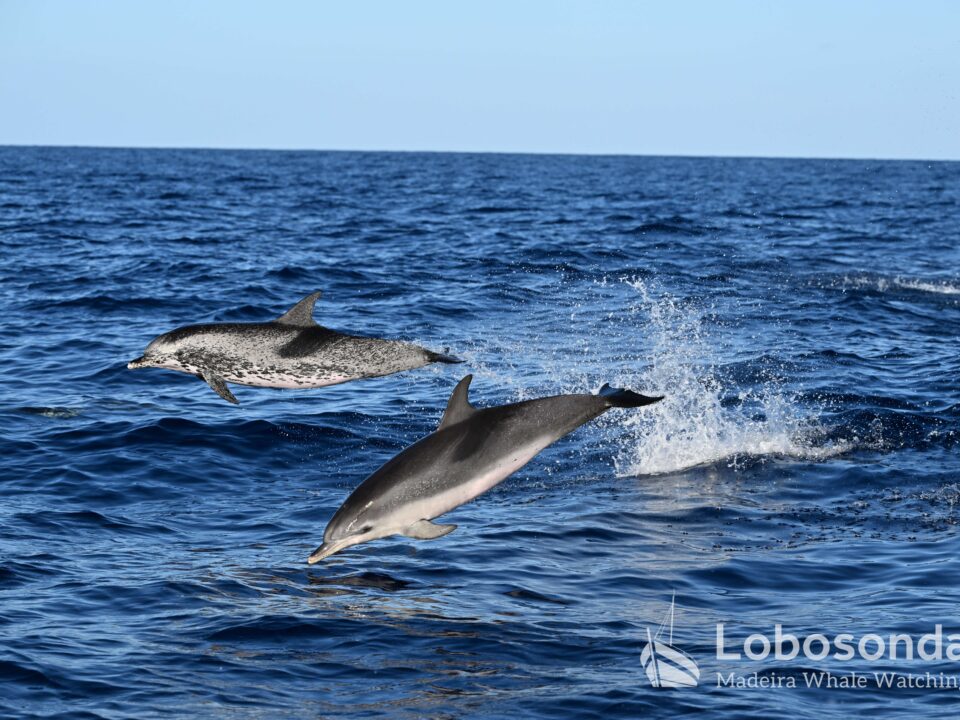
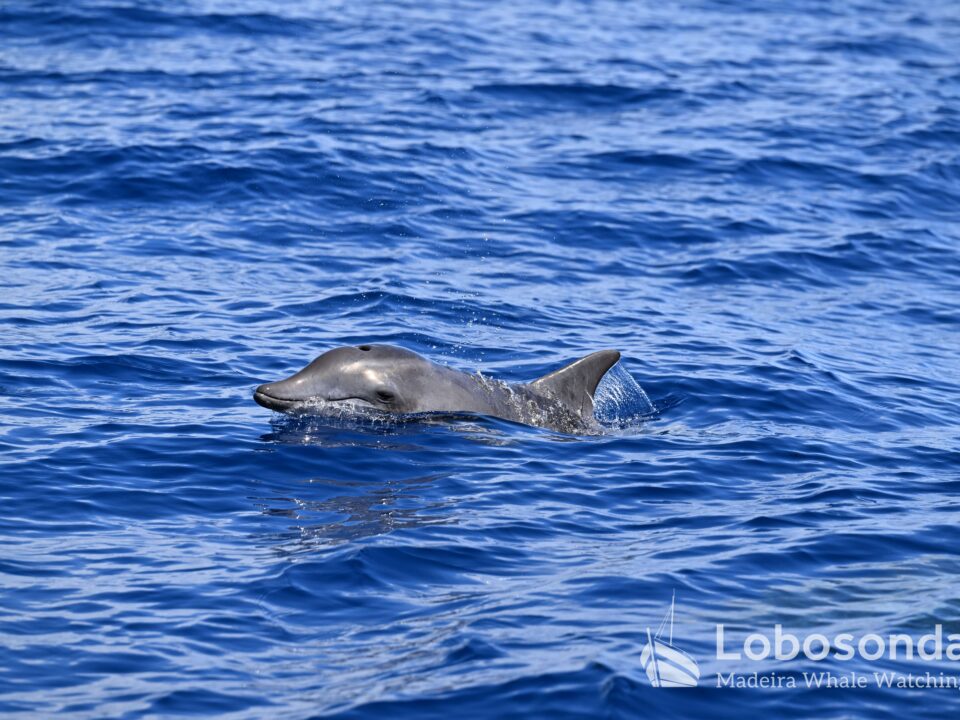
09:30 Short-finned pilot whales, Bottlenose dolphins, Blainville’s beaked whales
13:30 Blainville’s beaked whales