LogotipoLogotipoLogotipoLogotipo
  • Home
  • Tours
    • Ribeira Brava whale watching tour
    • Stenella whale watching tour
    • Snorkeling with Dolphins
  • Whale Watch
    • Sightings
    • Marine Life
    • Marine Protection
  • Madeira Island
    • All About Madeira Island
    • Macaronesia
    • Fauna and Flora
    • Local Trips
  • Our Approach
    • About Us
    • Crew
  • Contact
  • Blog
  • English
  • Deutsch
✕
            No results See all results
            09.10.2026 – Spy-Hopping
            October 17, 2026
            12.10.2026 – Mysterious Deep-Sea Divers
            October 19, 2026
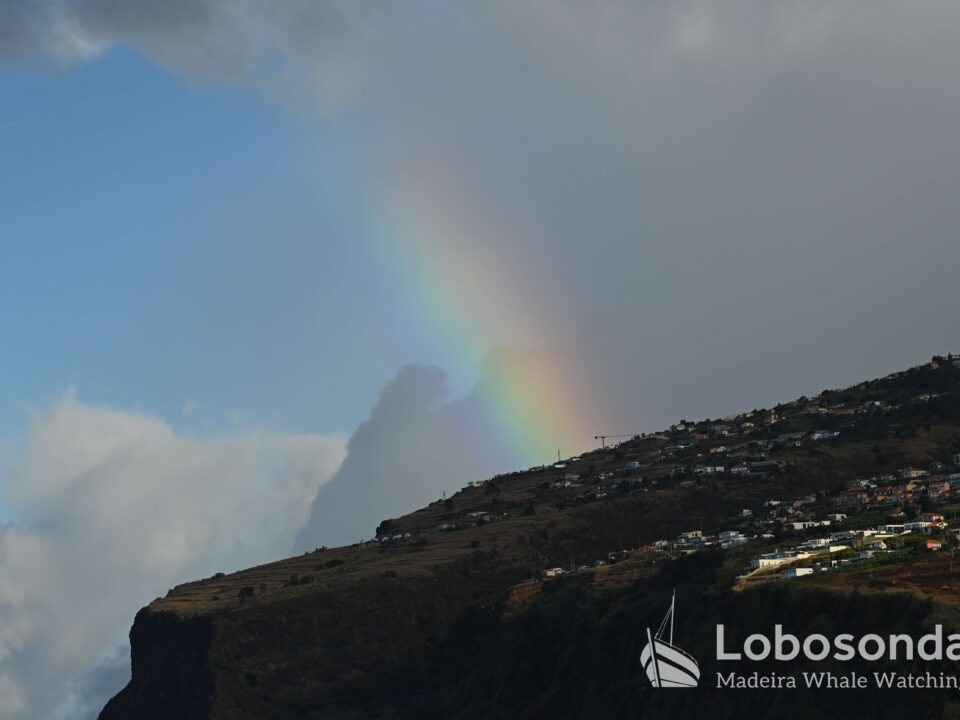
            10.10.2026 – An ocean of colors

            Published by Juliette Colançon on October 18, 2026

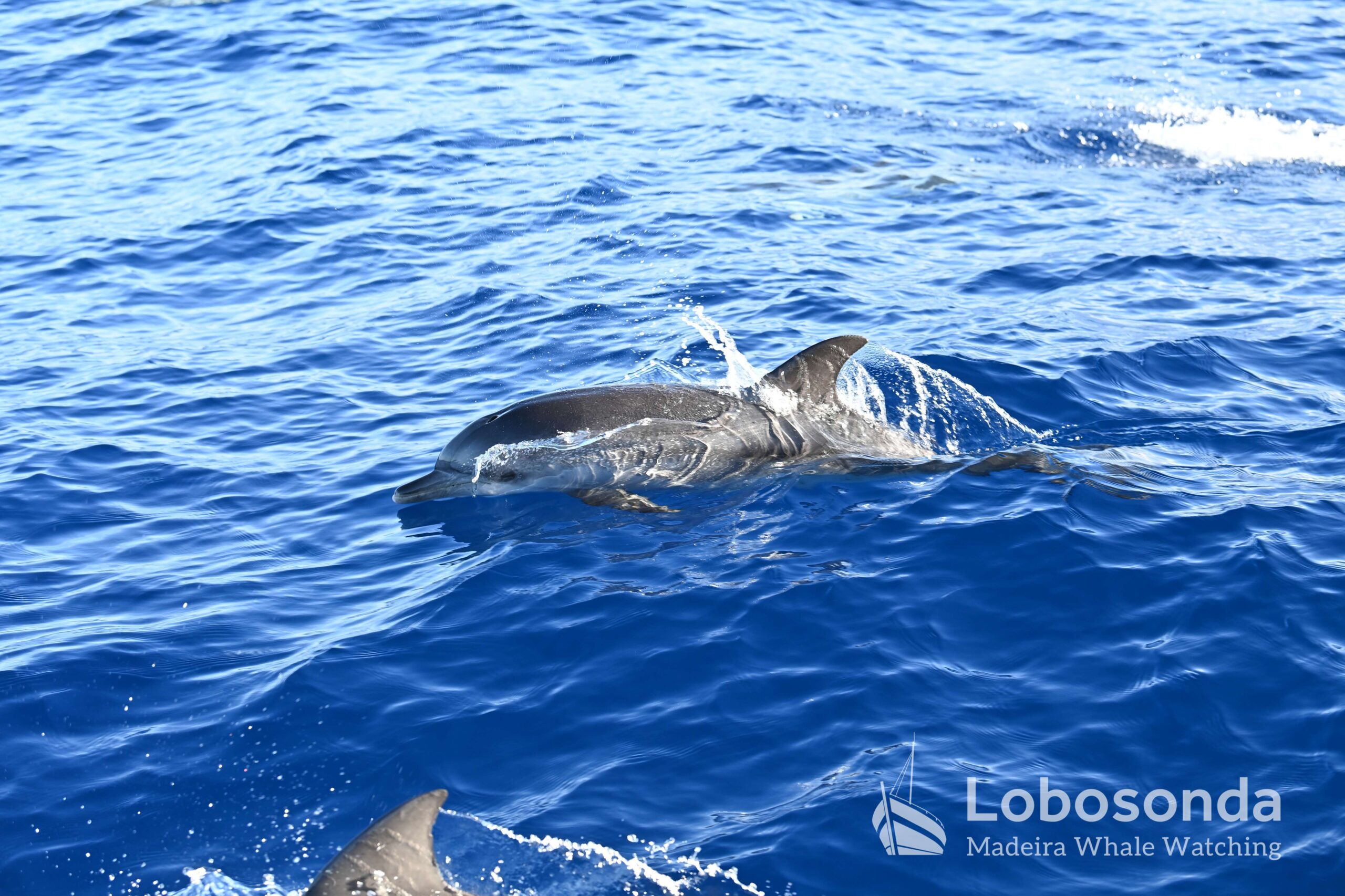
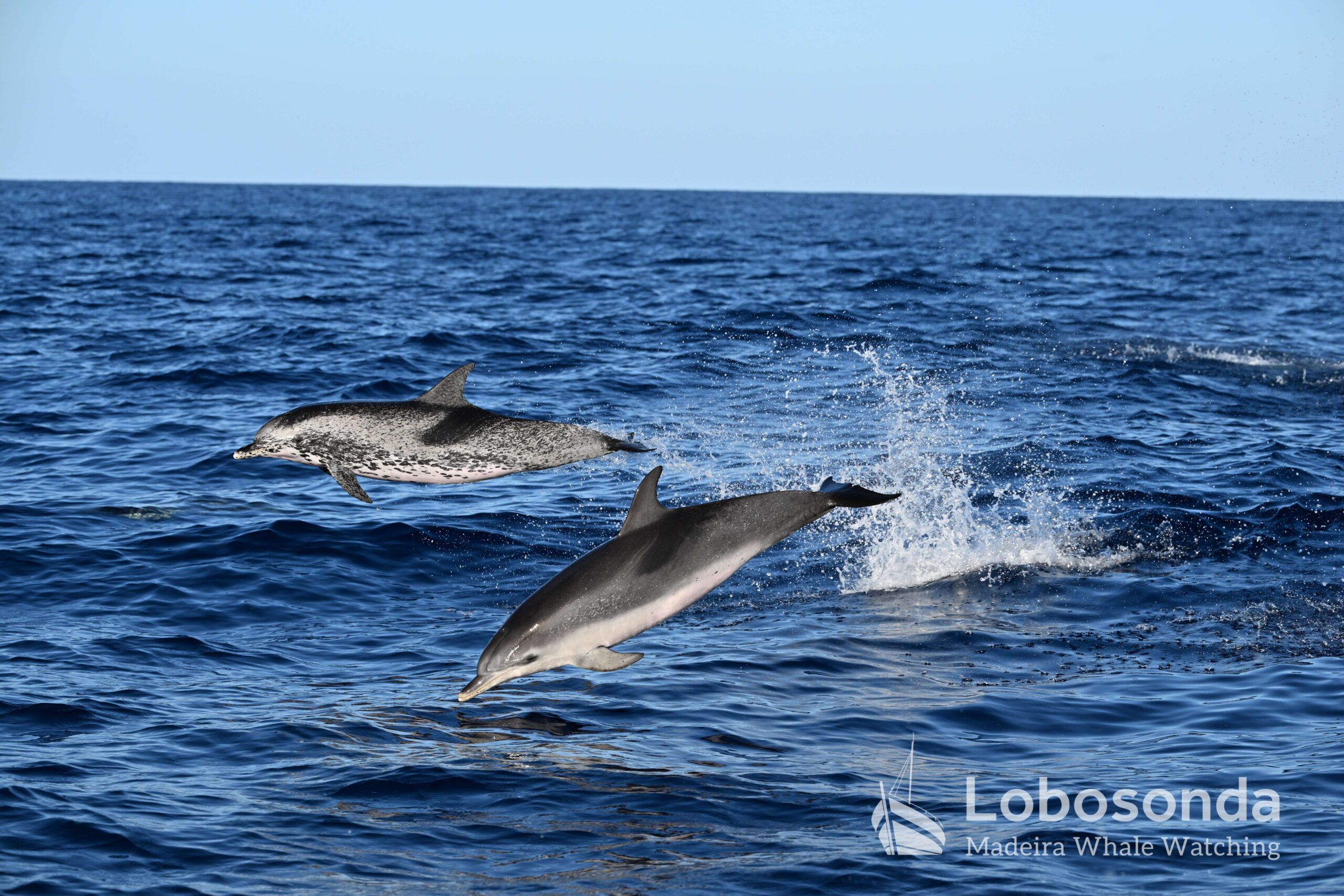
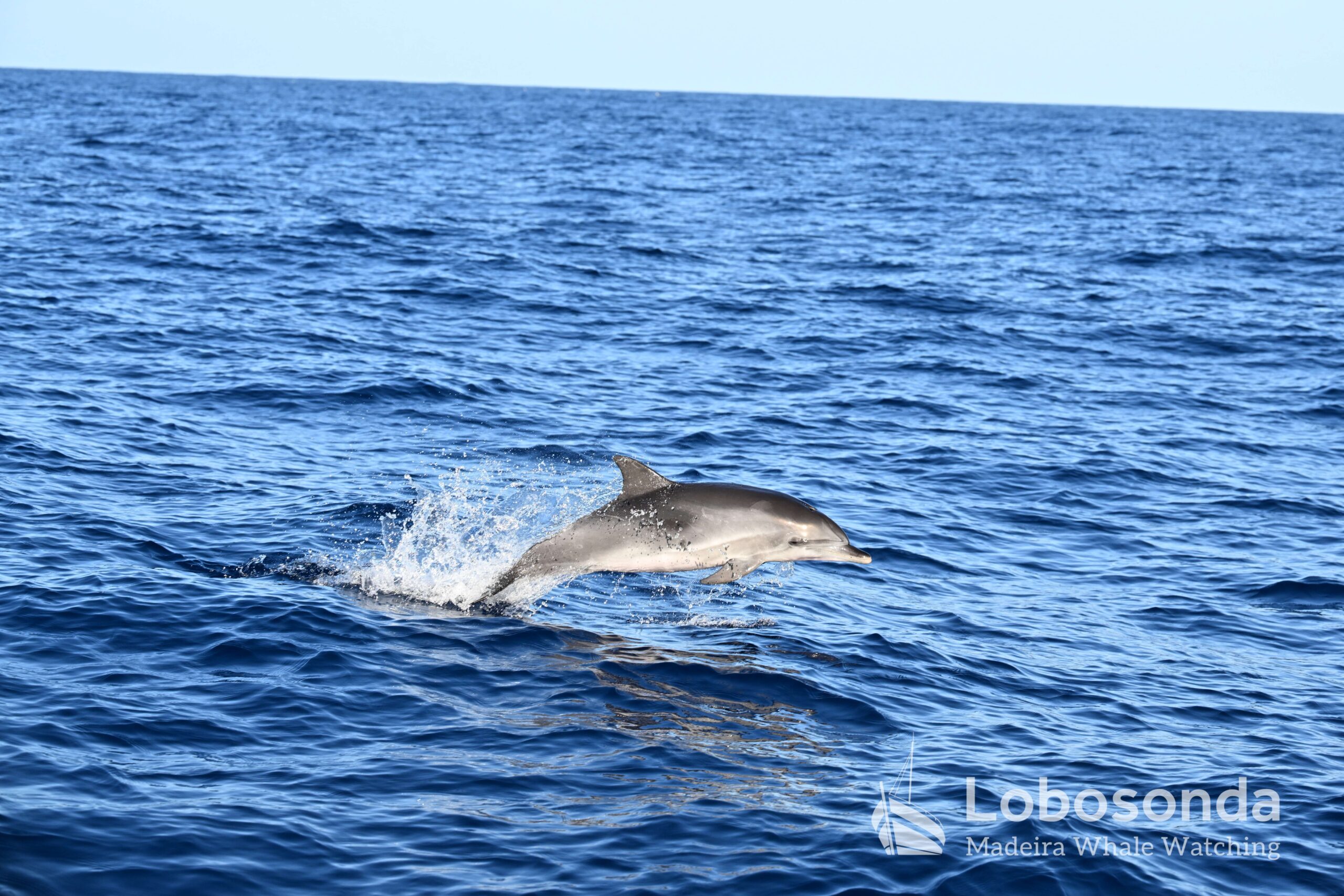
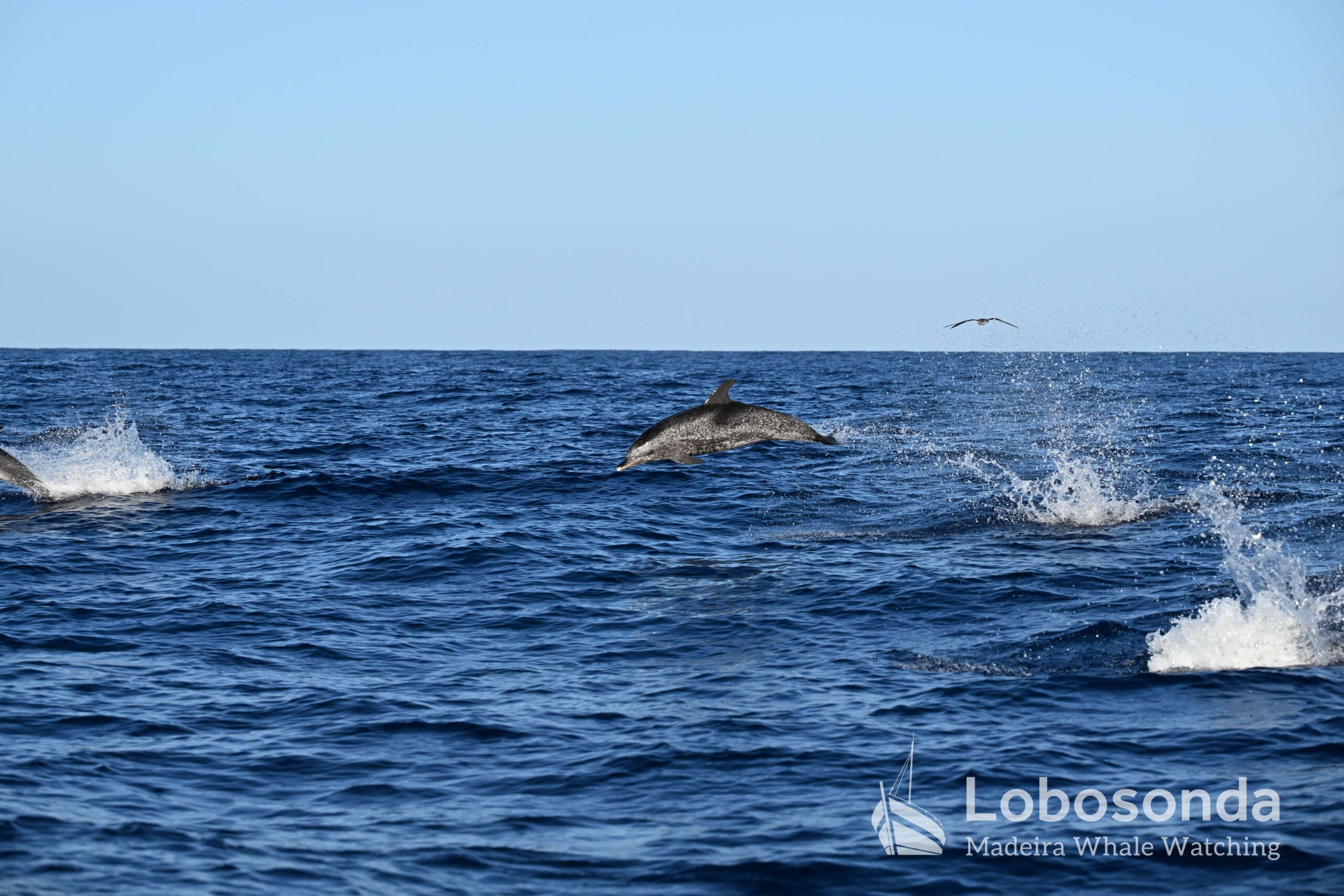
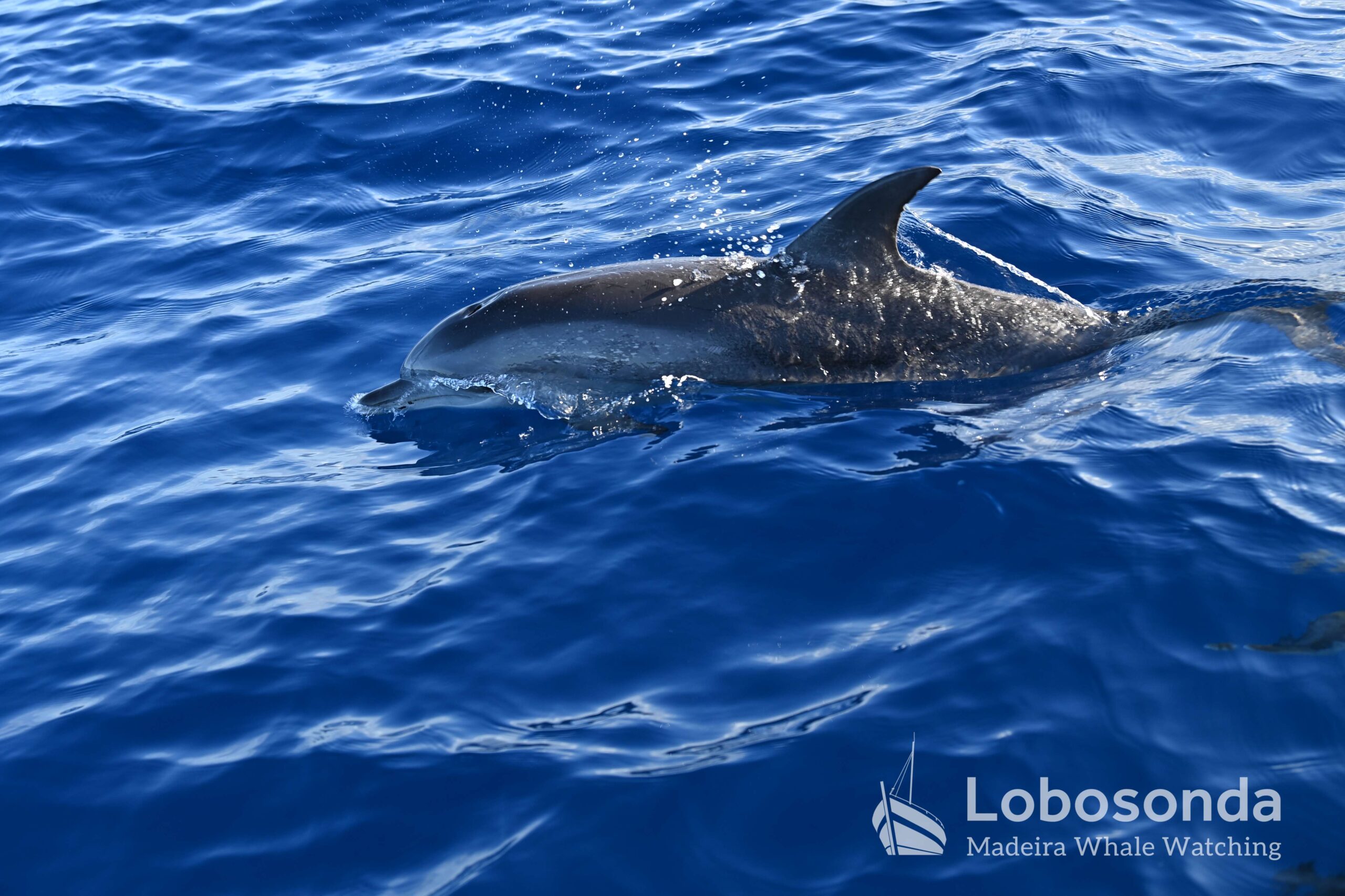
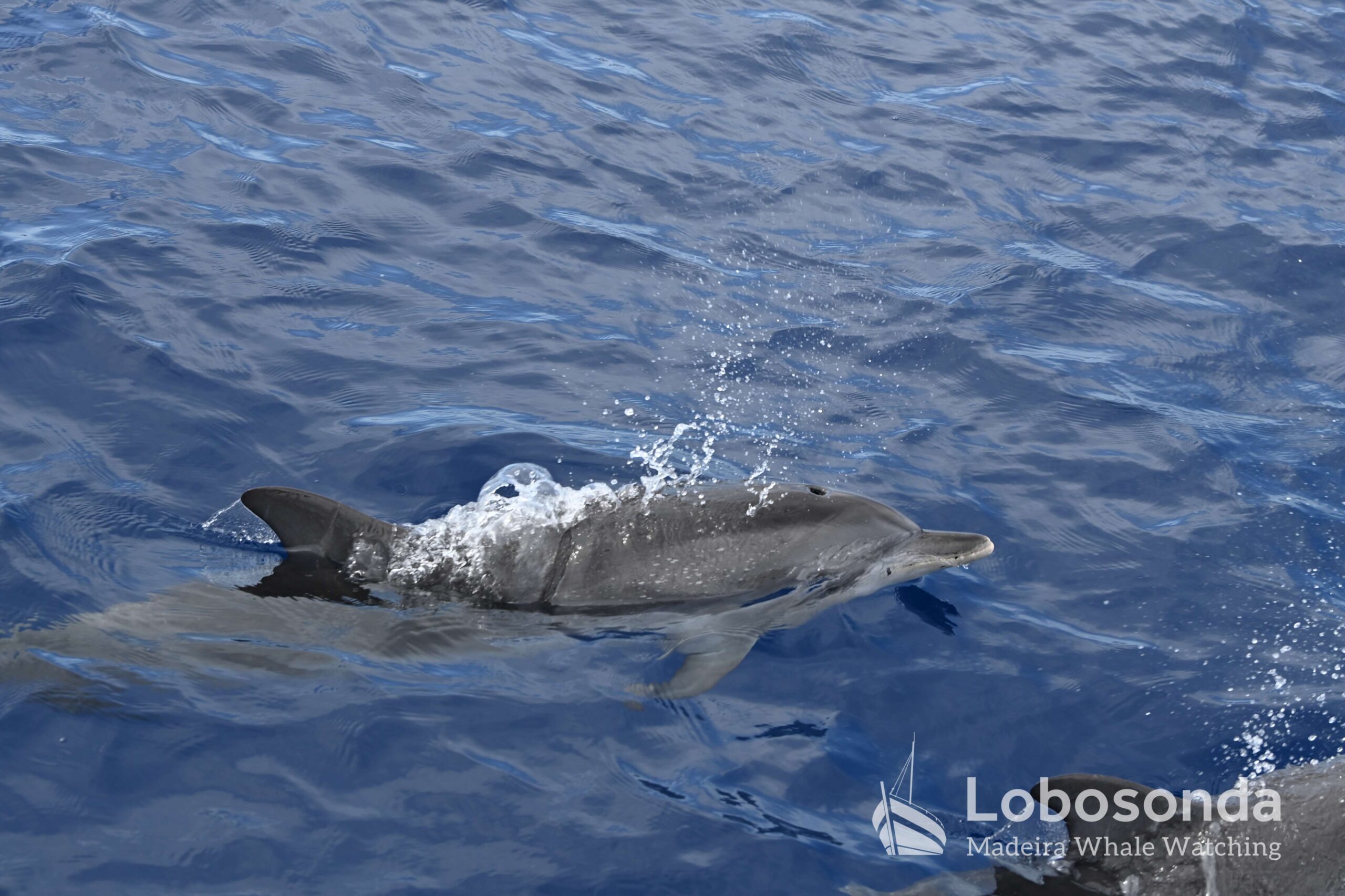
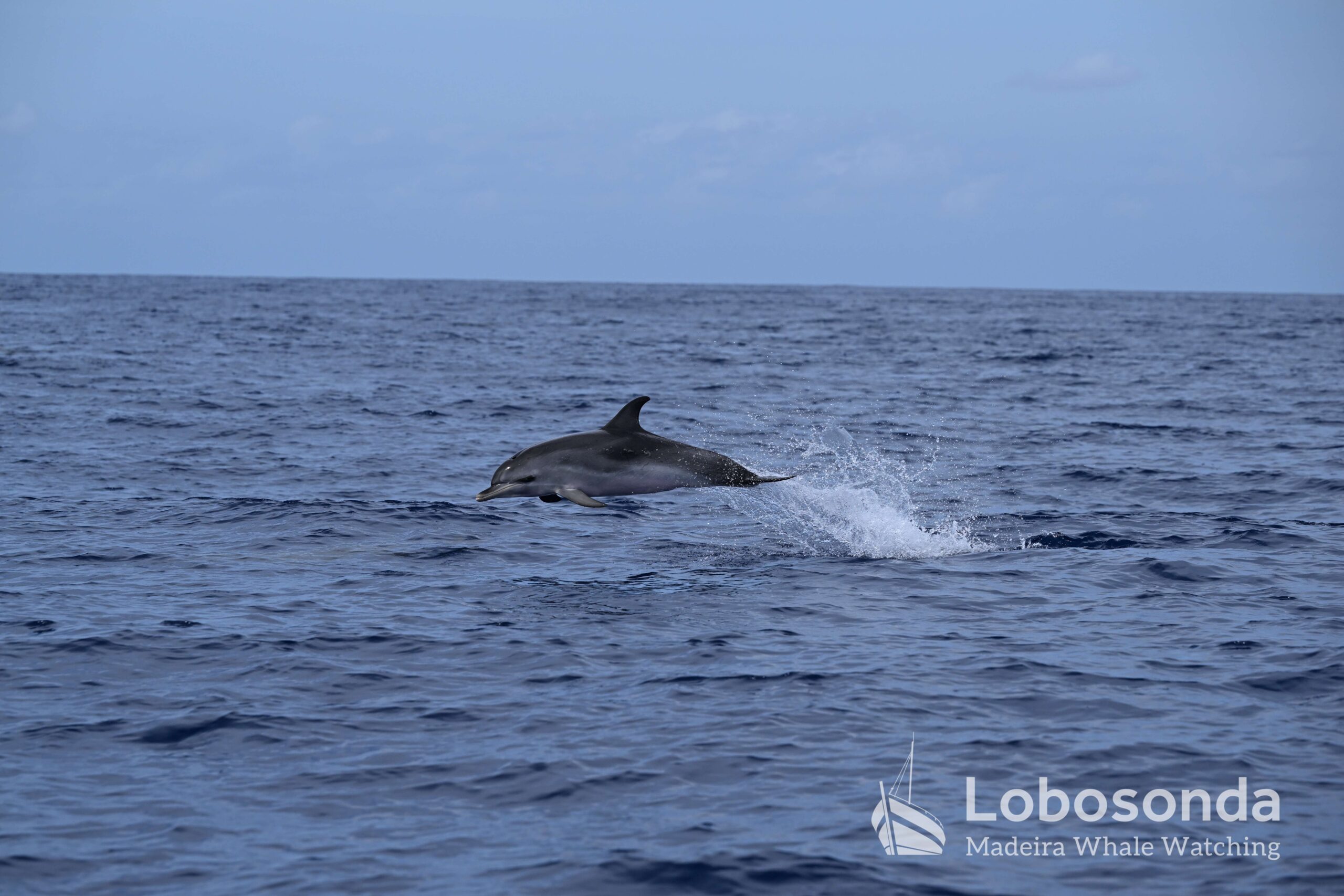
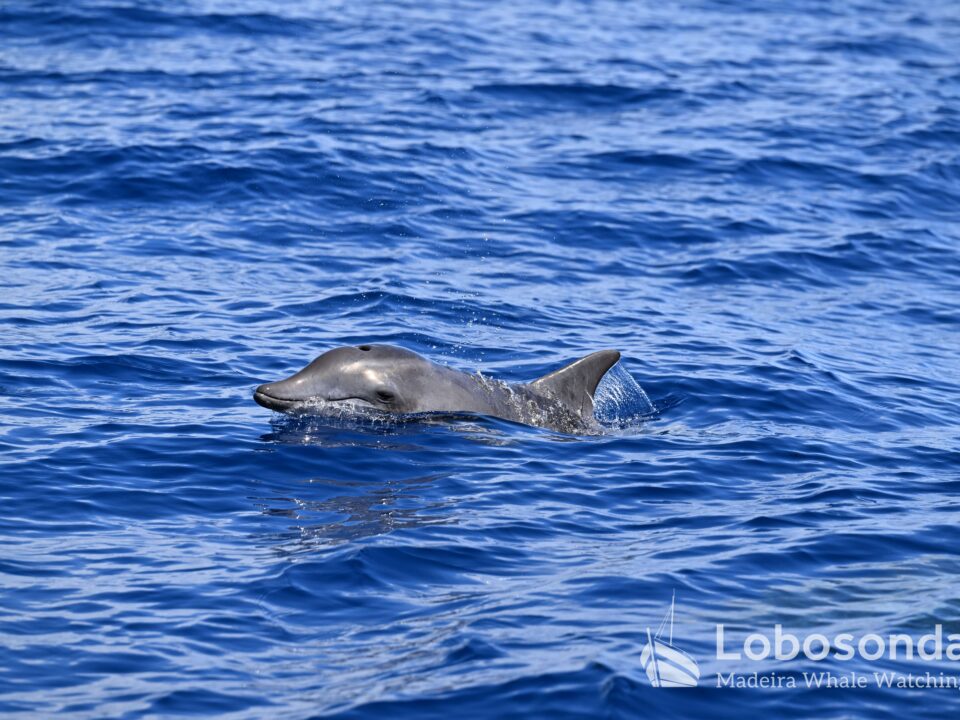
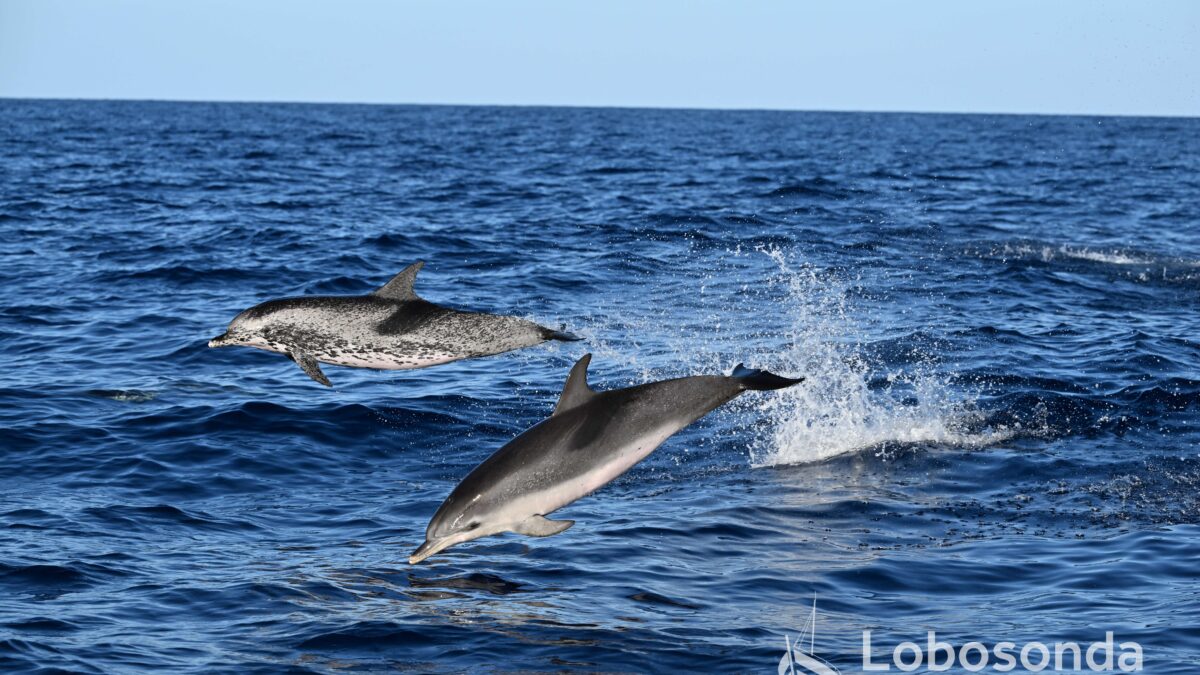
            Our morning started with exciting screams on bord from our guests. The reason? A large pod of Atlantic spotted dolphins (Stenella frontalis) joined and were leaping high above water, offering us a beautiful show. This playful and highly energetic species often give us incredible memories. They all look different from the spots on their body and the patterns are beautiful to observe. They are not only for the looks but help the researchers for photo-identification.

            In the ocean, the range of different patterns and colours have a crucial role for the animals : survival, communication, and species recognition. Several species blend into their surroundings to avoid predators. Countershading is also a tactic : some open-ocean animals will have darker pigmentation on the back and lighter pigmentation on the belly. This will help animals blend in, looking like dark ocean depths from above and bright surface light from below. Some tropical species of fish exhibit bright, high-contrast colours signalling to predators that the animal is toxic, foul-tasting, or dangerous. Other patterns help individuals to recognise members of the same species and help for mating purposes. 

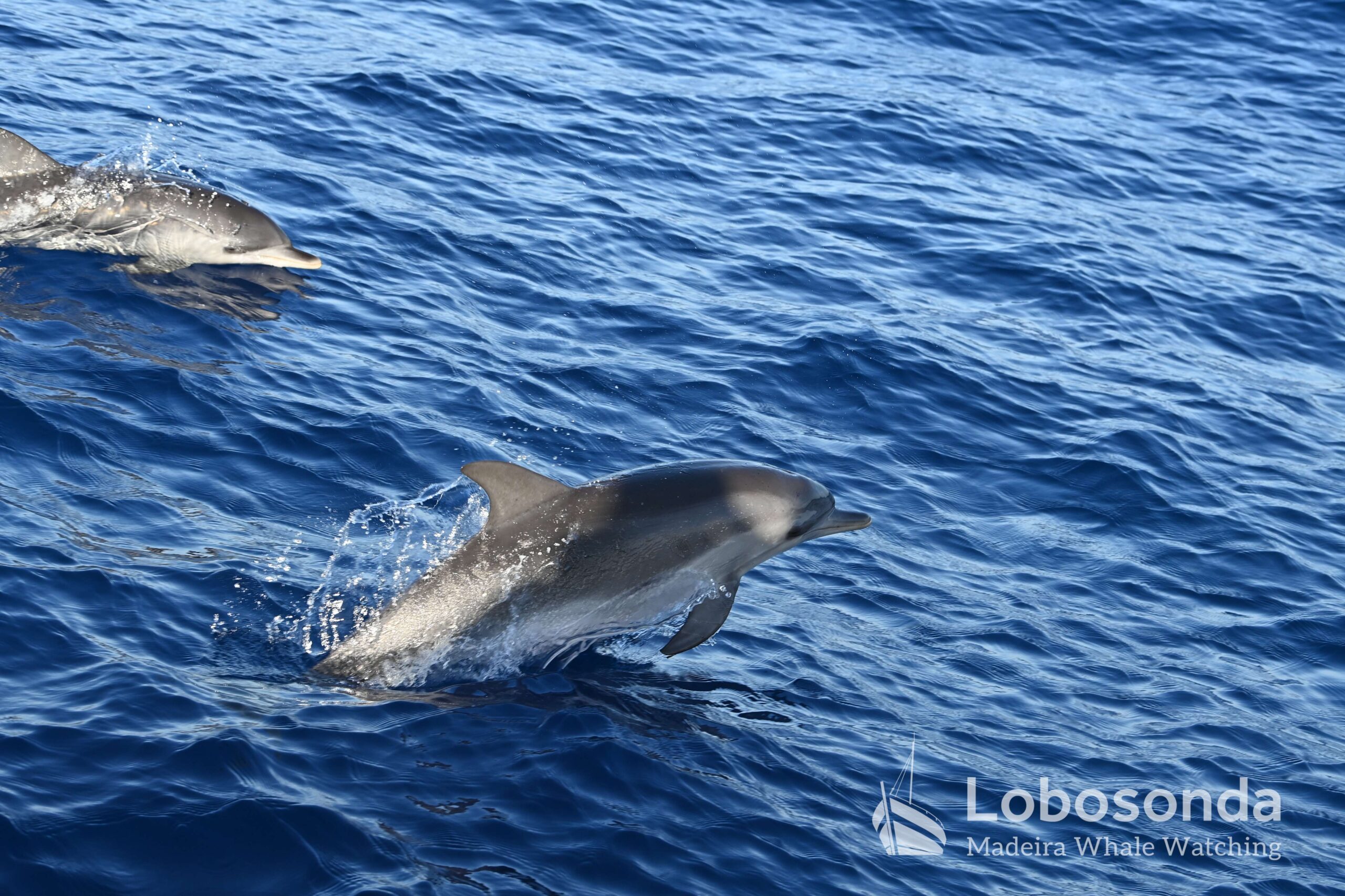
            For the cetaceans, countershading is also used to avoid predators. Distinct colour patterns in cetaceans may serve several functions. For example, humpback whales (Megaptera novaeangliae) use their long, pale pectoral flippers during surface displays, which may help individuals maintain visual contact and coordinate their movements. Contrasting markings may also aid feeding by disorienting prey or concentrating schools of fish, squid or krill, making them easier to catch. Although studies suggest links between coloration, diet and feeding behaviour, the exact functions of these patterns remain uncertain. 

            By Juliette Colançon

            Sightings of the day 

            Ribeira Brava

            09:00 Atlantic spotted dolphin

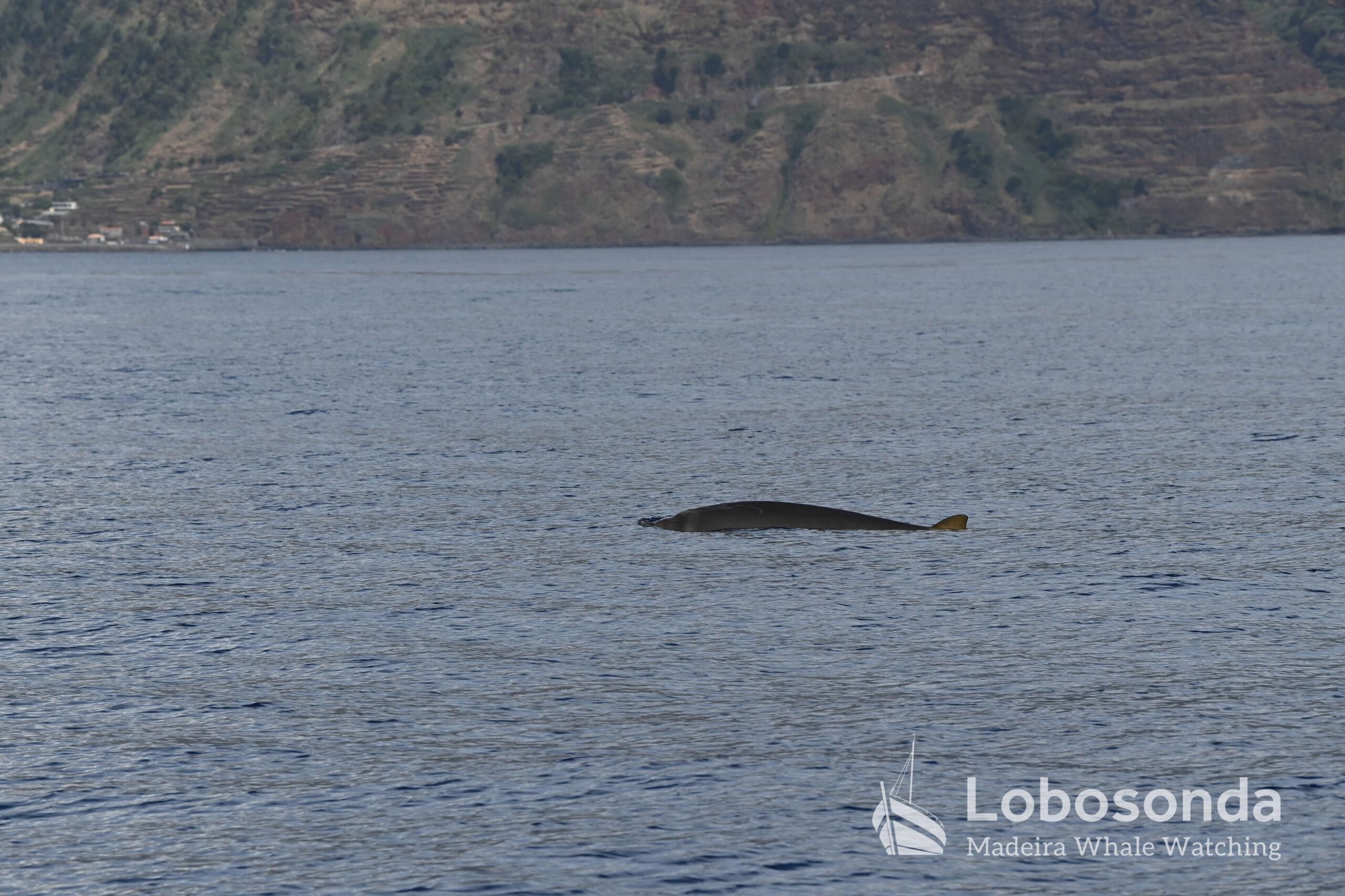
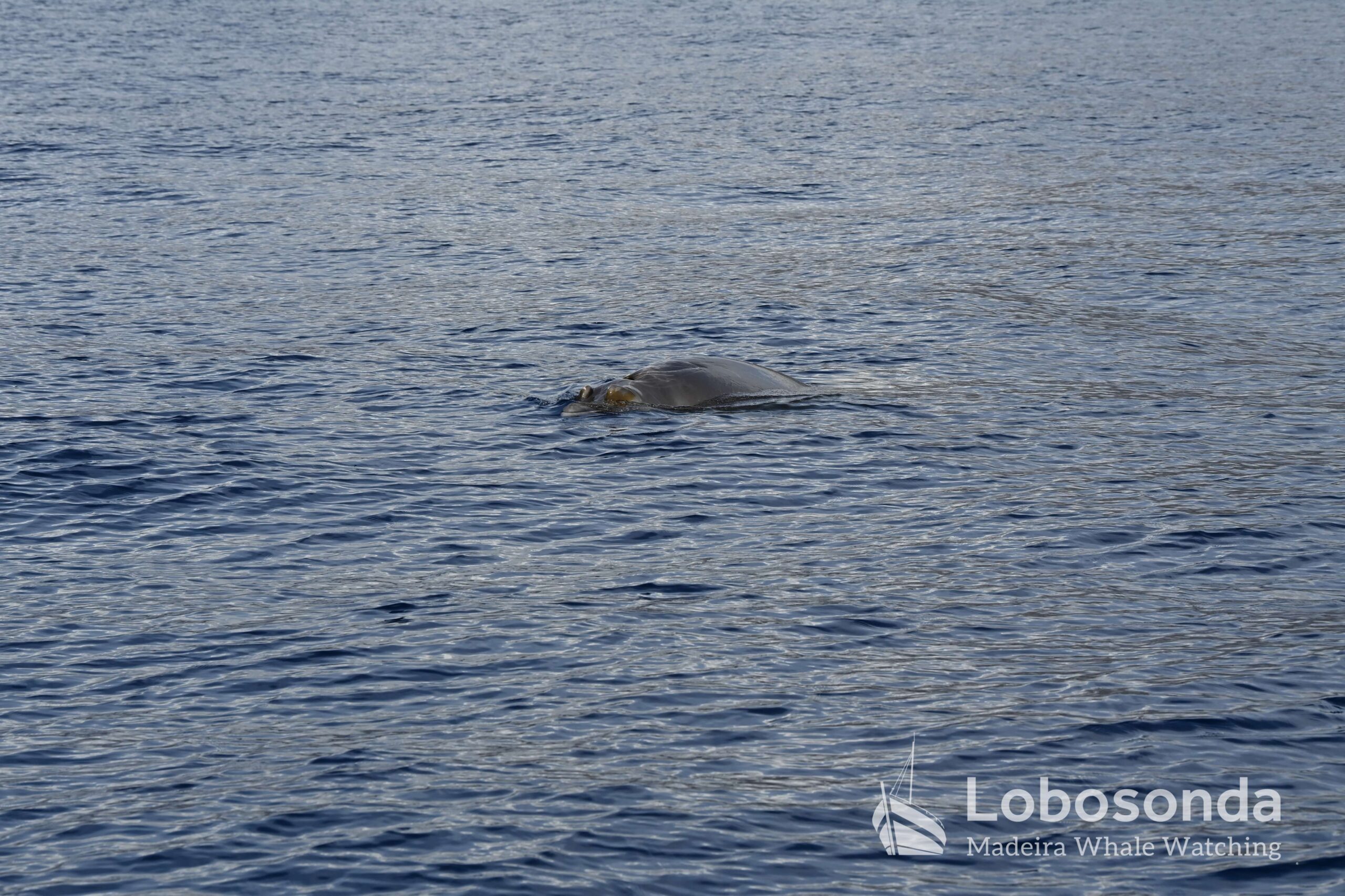
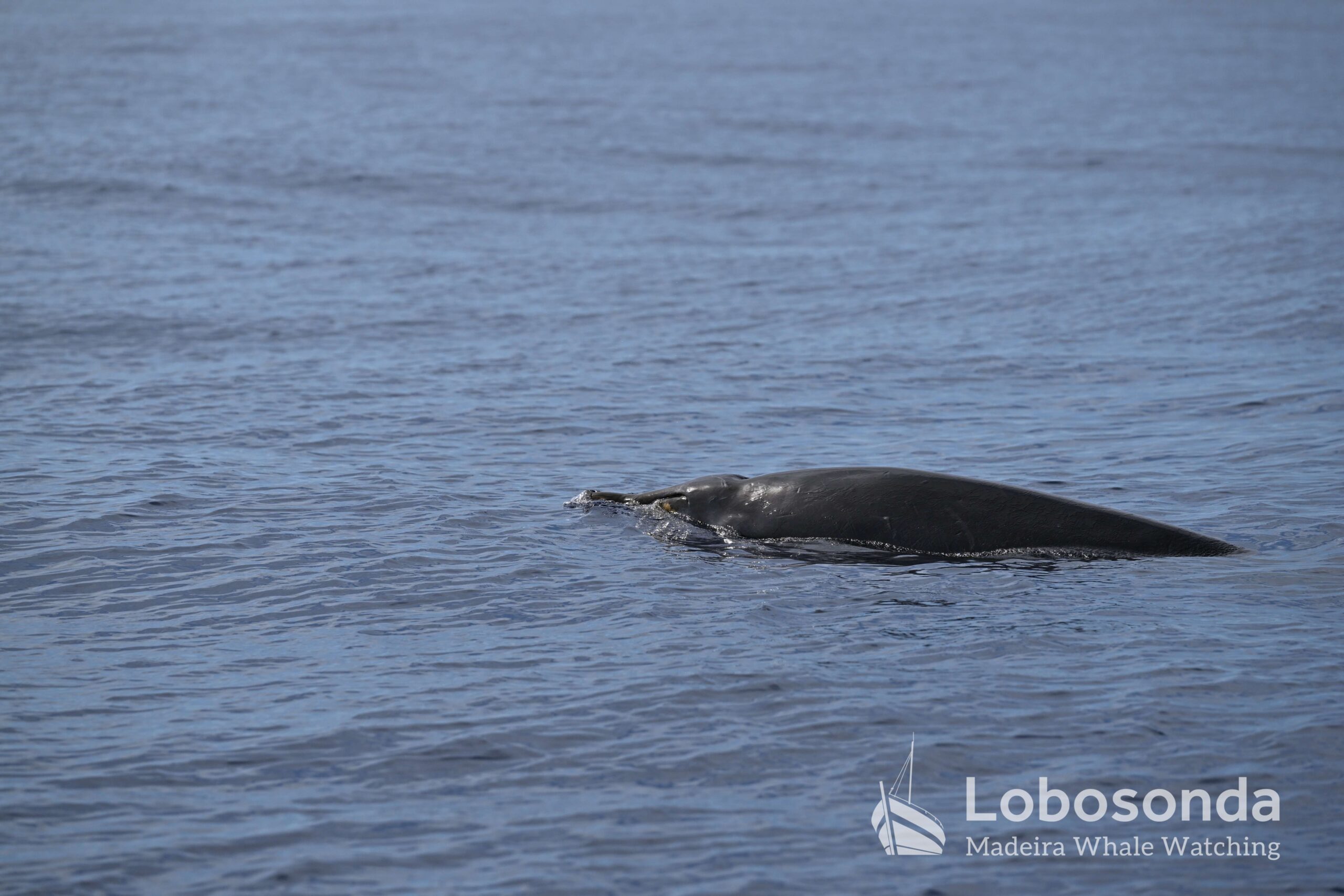
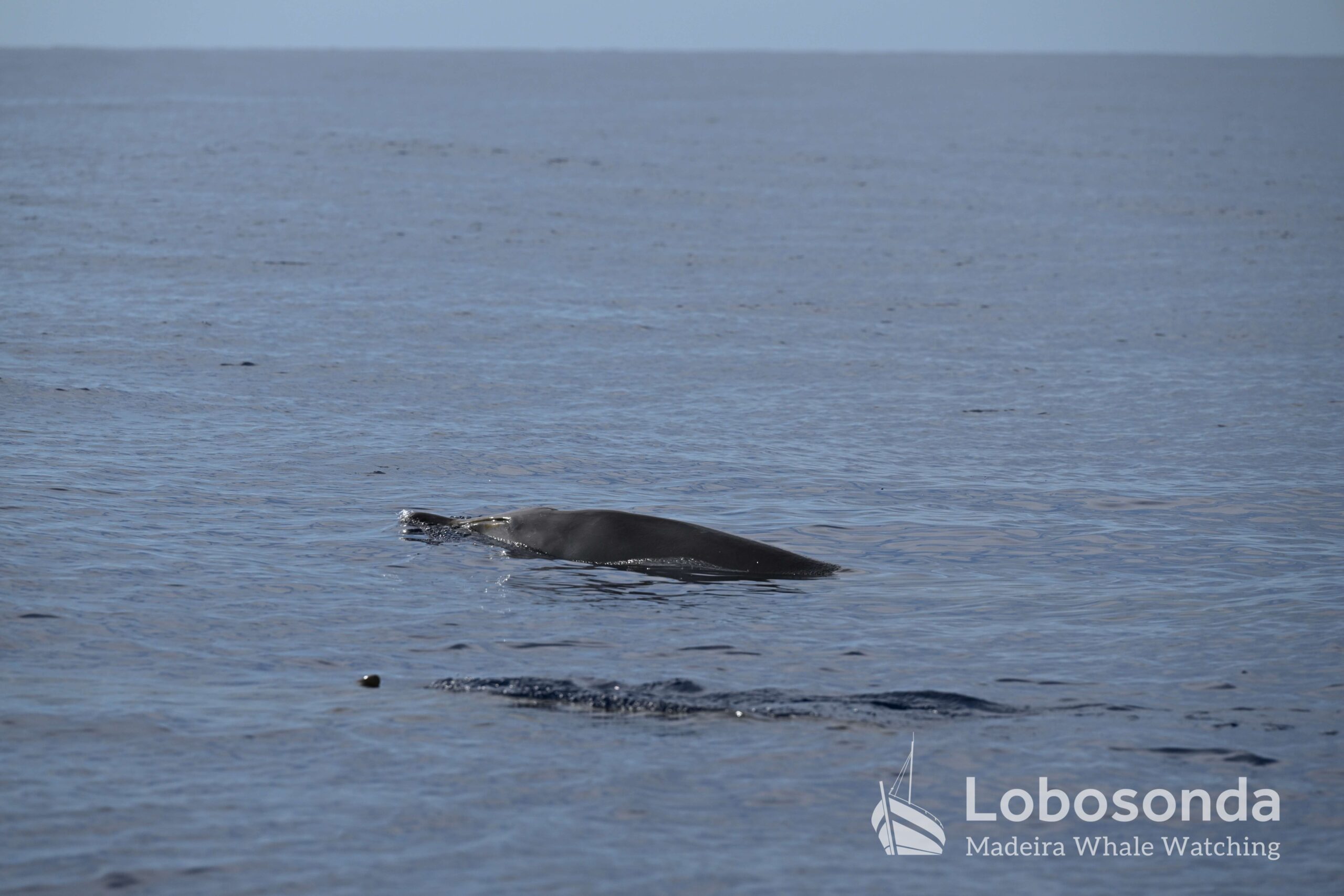
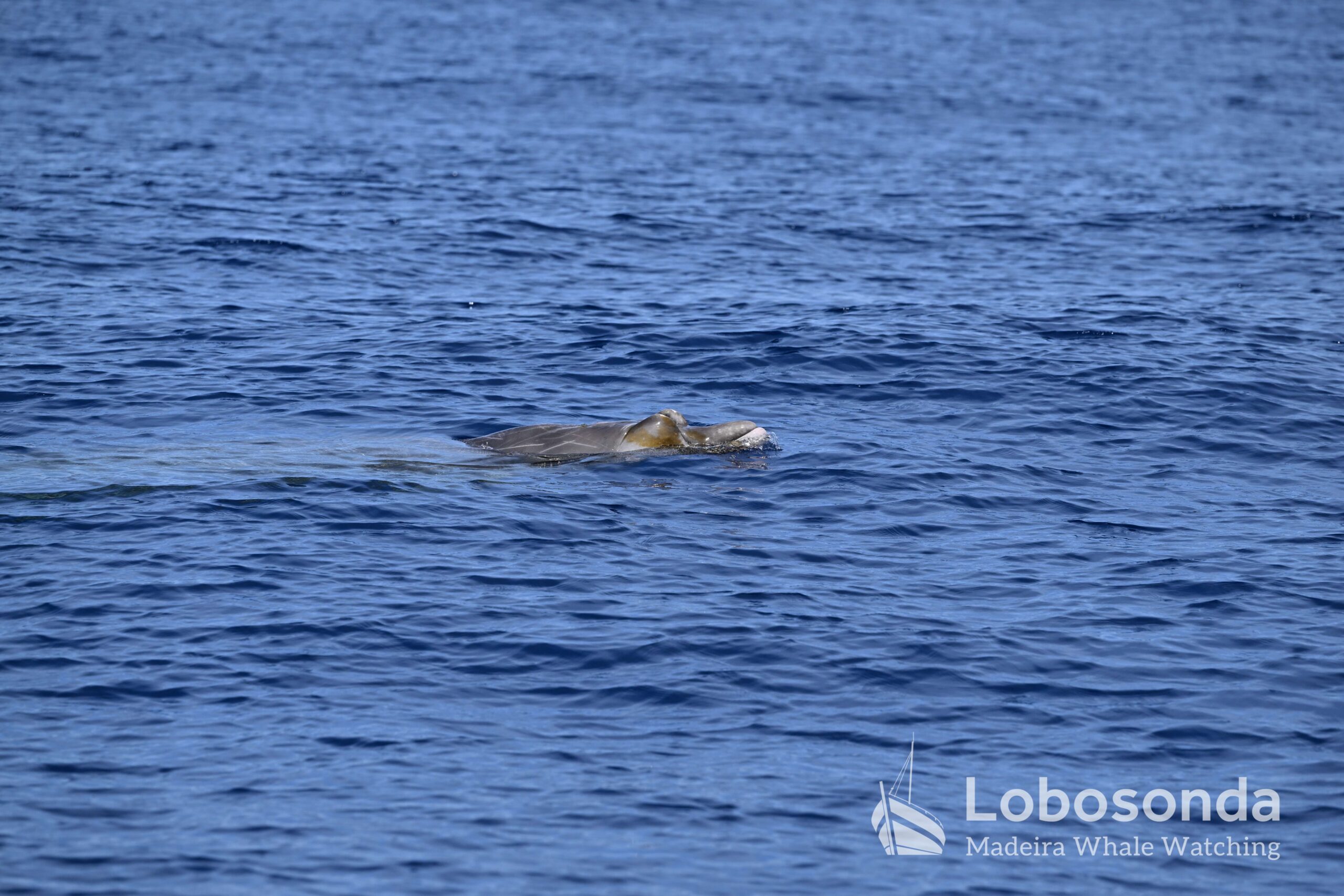
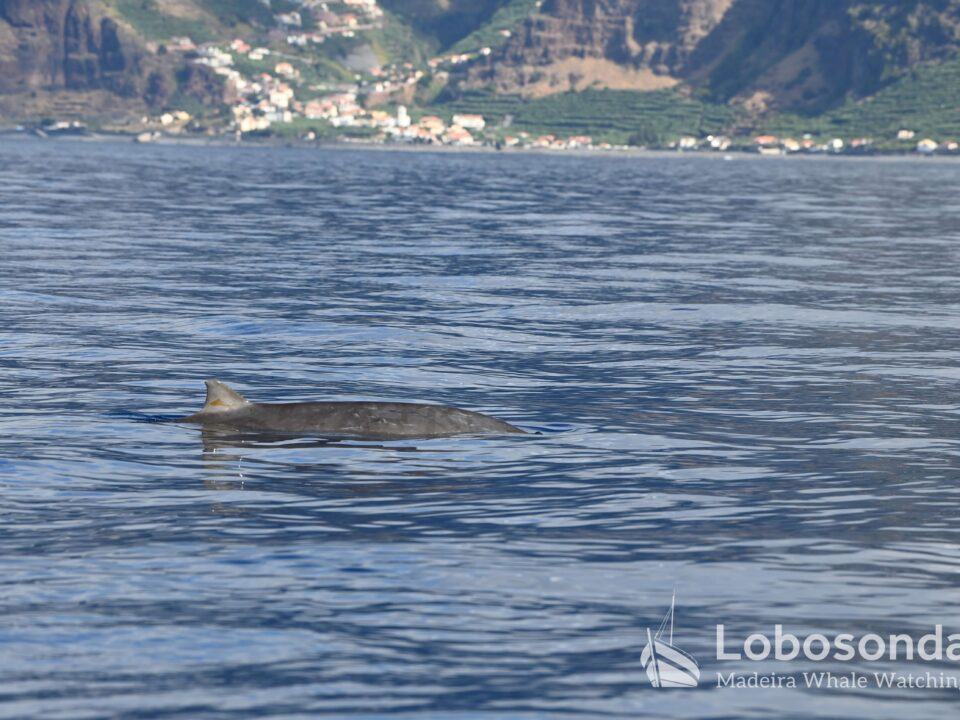
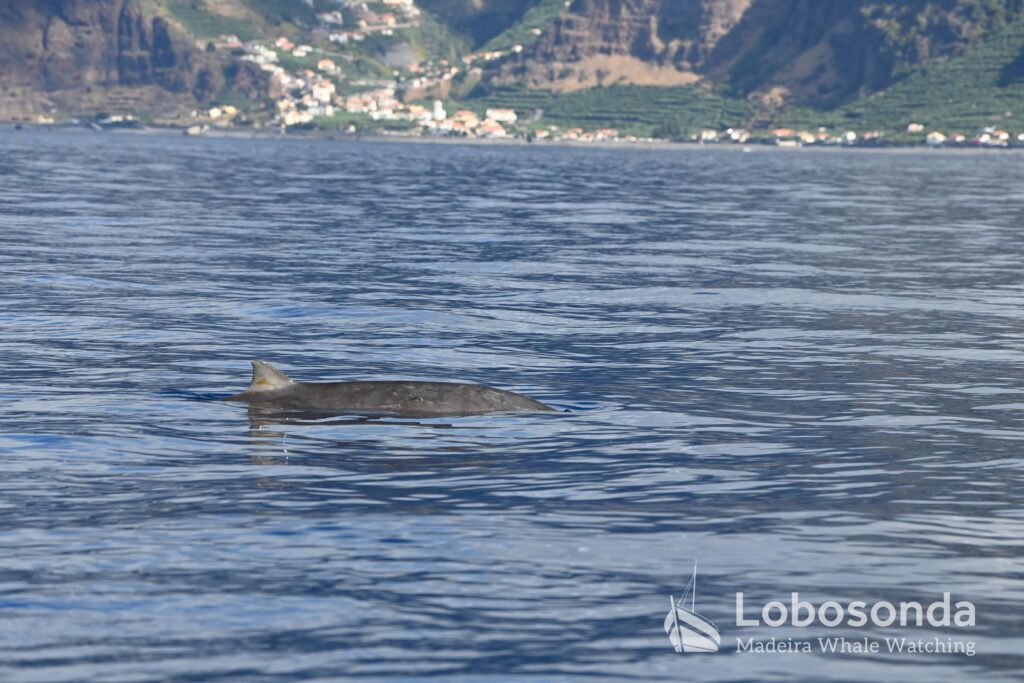
            13:00 Atlantic spotted dolphin, Blainville’s beaked whale, Bottlenose dolphin

            Steno 

            09:30 Atlantic spotted dolphin

            13:30 Atlantic spotted dolphin, Blainville’s beaked whale, Bottlenose dolphin


            Share this:

            • Share
            • Facebook
            • LinkedIn
            • Twitter

            Like this:

            Like Loading...
            Share
            Juliette Colançon
            Juliette Colançon

            Related posts

            October 19, 2026

            12.10.2026 – Mysterious Deep-Sea Divers


            Read more
            October 17, 2026

            09.10.2026 – Spy-Hopping


            Read more
            October 16, 2026

            08.10.2026 – Farewell


            Read more

            Leave a Reply Cancel reply

            Your email address will not be published. Required fields are marked *

            This site uses Akismet to reduce spam. Learn how your comment data is processed.

            Lobosonda Whale Watching Madeira

            Booking: (+351) 968 400 980
            (Jun – Sep: 08:00h – 20:00h . Oct – May: 09:00h – 19:00h)

            Contact us directly via email:
            info@lobosonda.com

            Av. D. Manuel I, Porto da Calheta
            9370-133 Calheta, Madeira – Portugal

            Social


            Quick Links

            Startseite
            Ausflüge
            Über uns
            Crew
            Häufig gestellte Fragen
            Kontakt

            Projetado por OurStudio, desenvolvido por Thinksolutions.pt
              English
                        No results See all results
                        • English
                        • Deutsch
                          %d