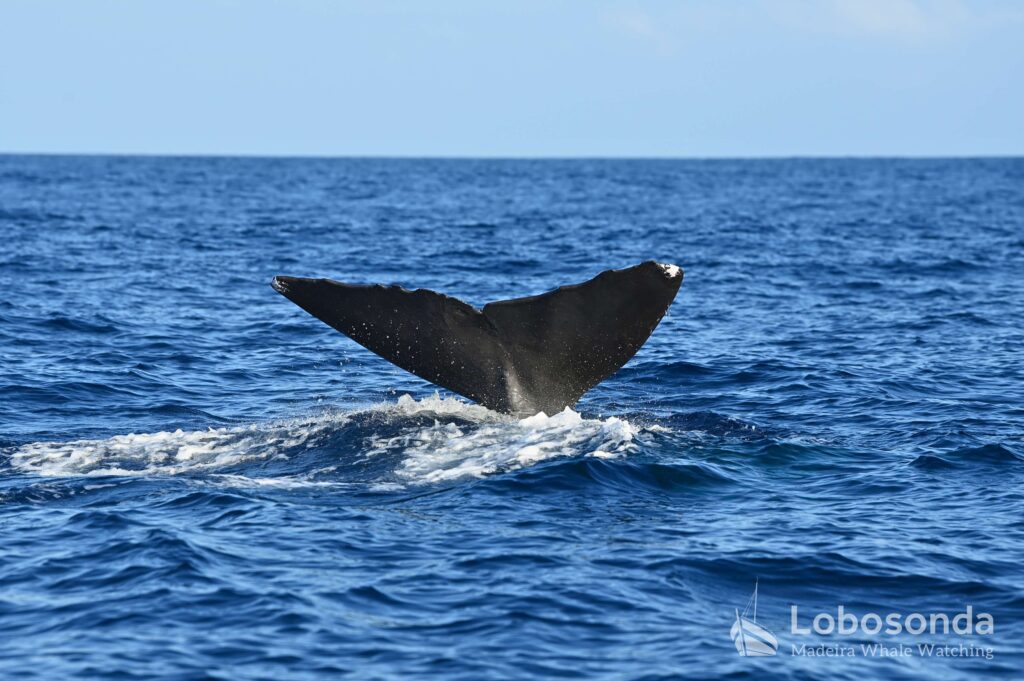
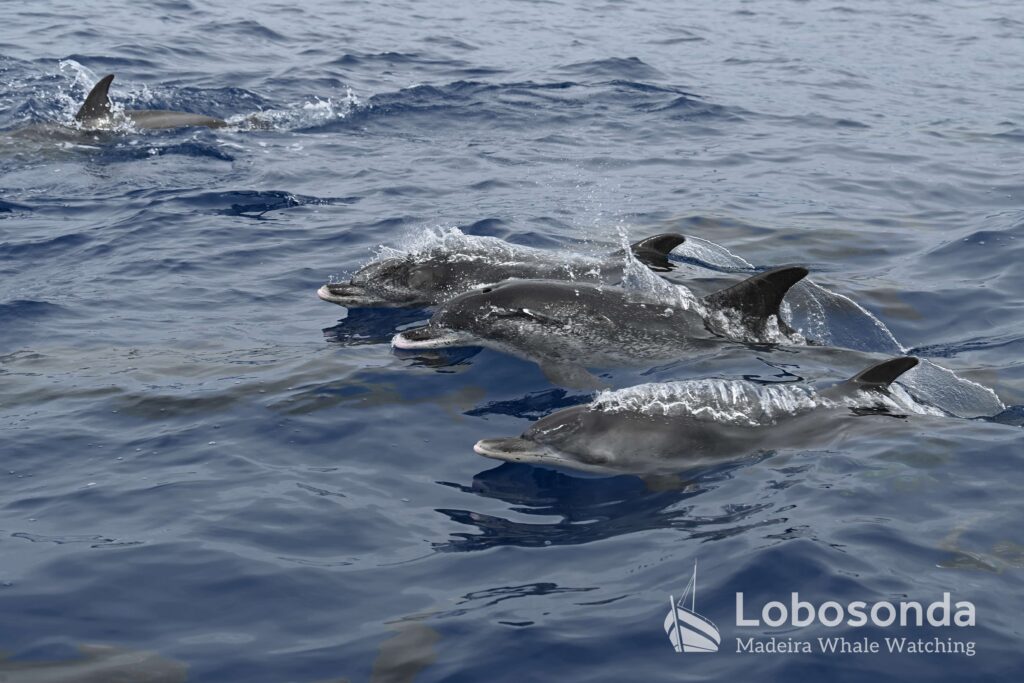
31.03.2026 – The beauty of transition seasons
April 6, 2026
02.04.2026 – Rendezvous
April 8, 2026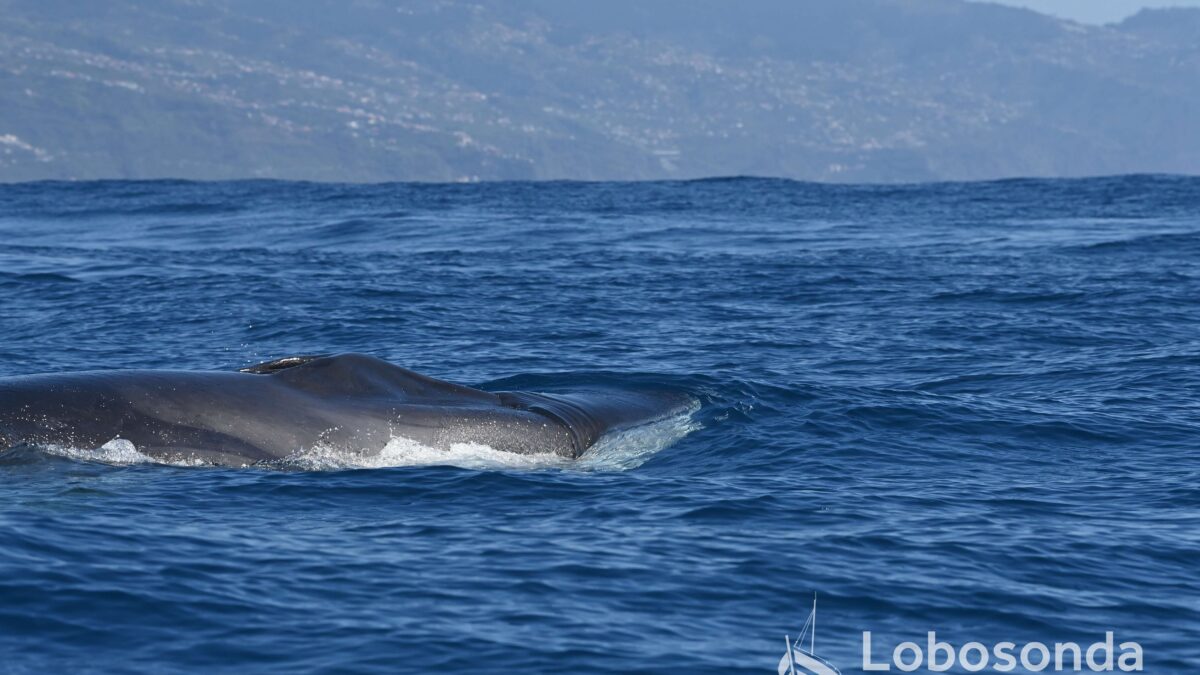
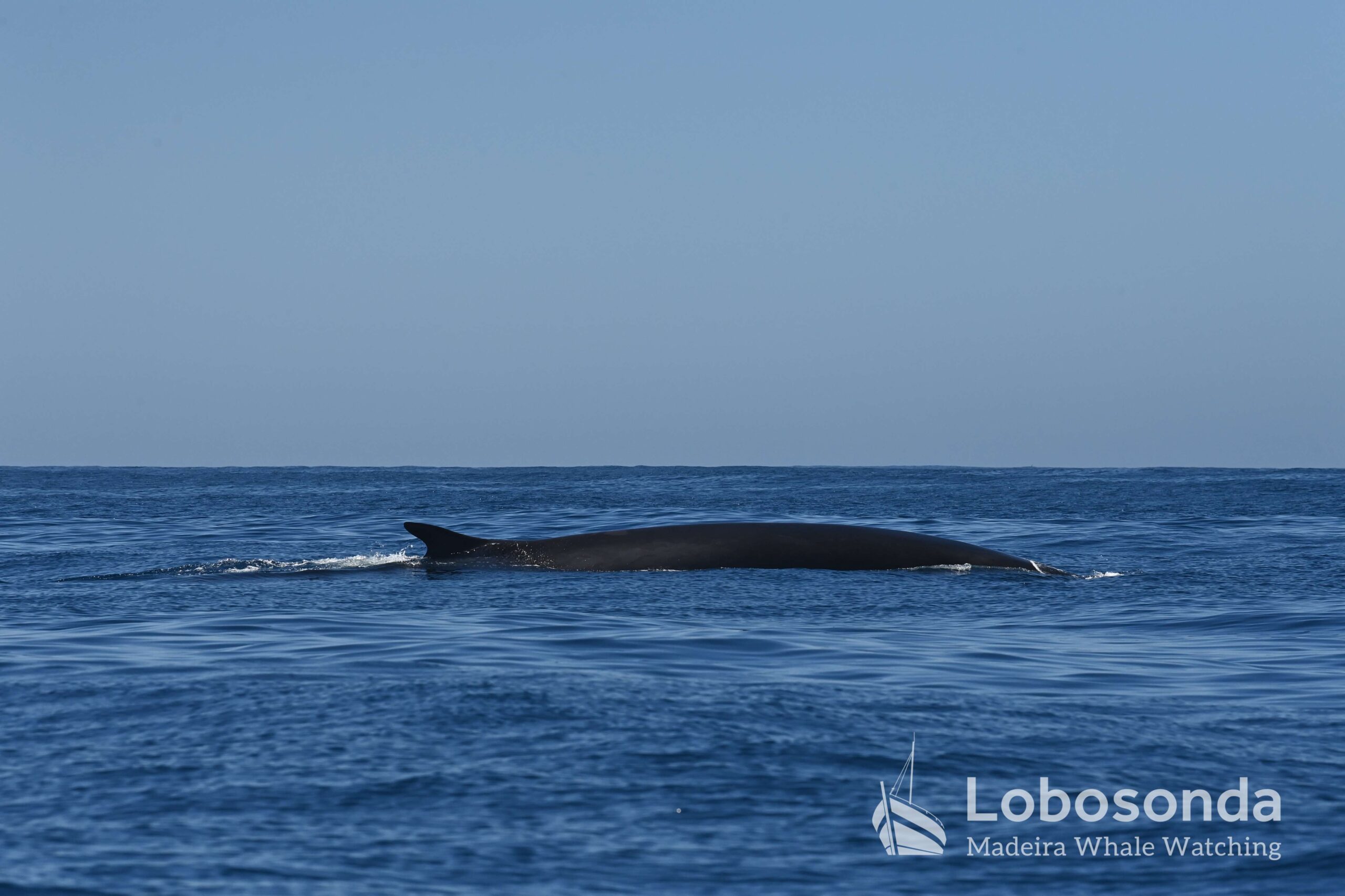
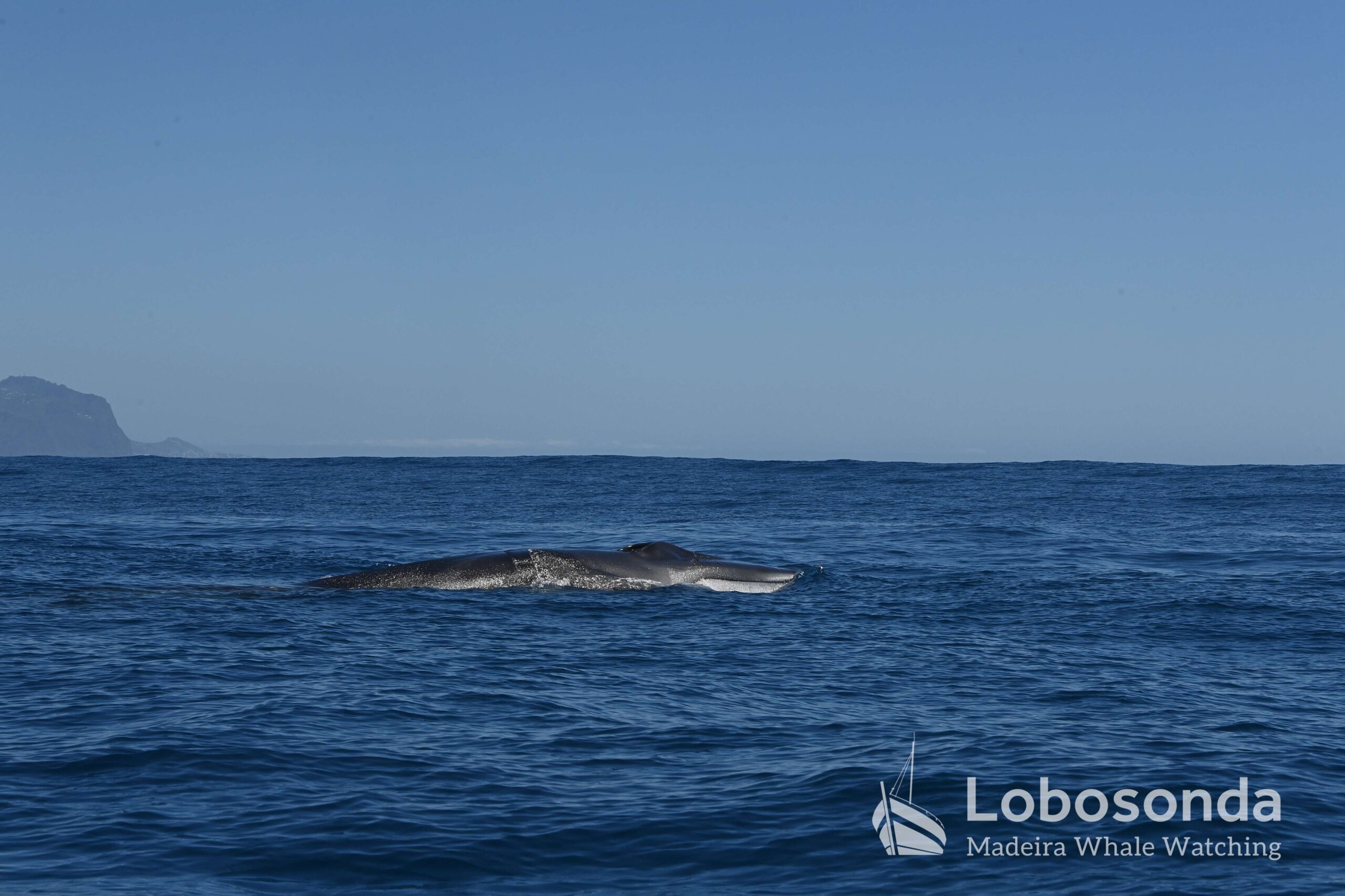
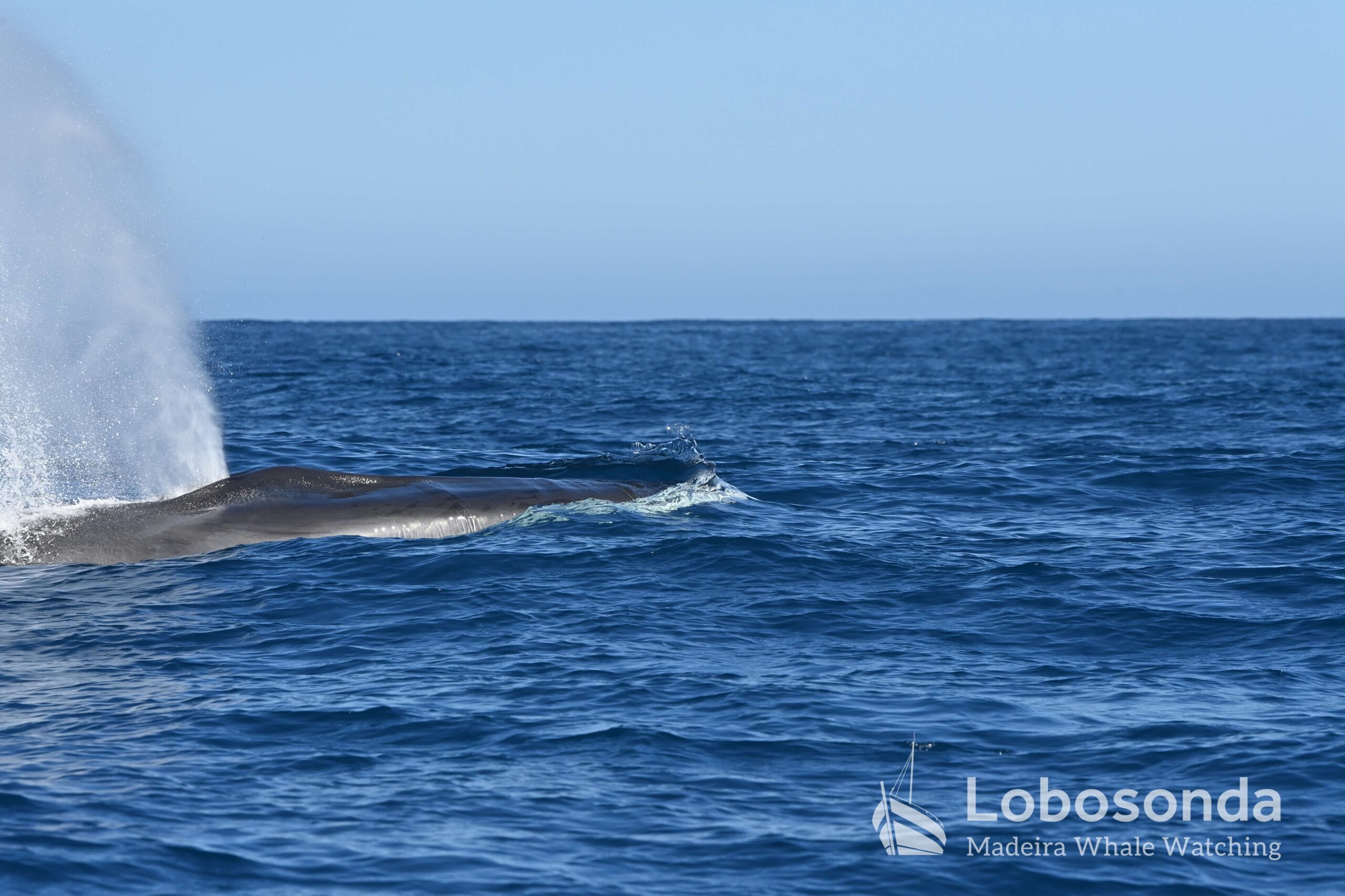
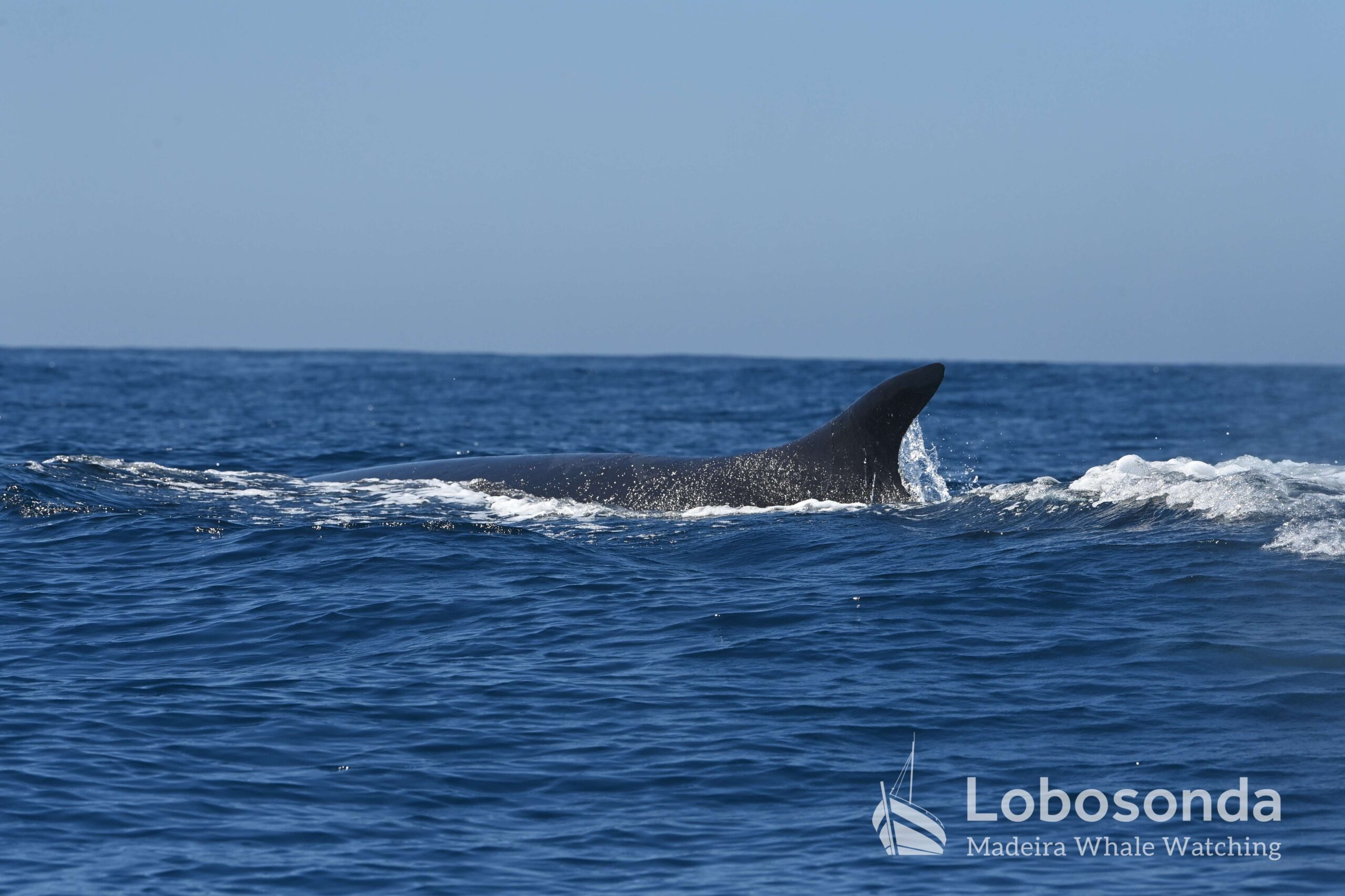
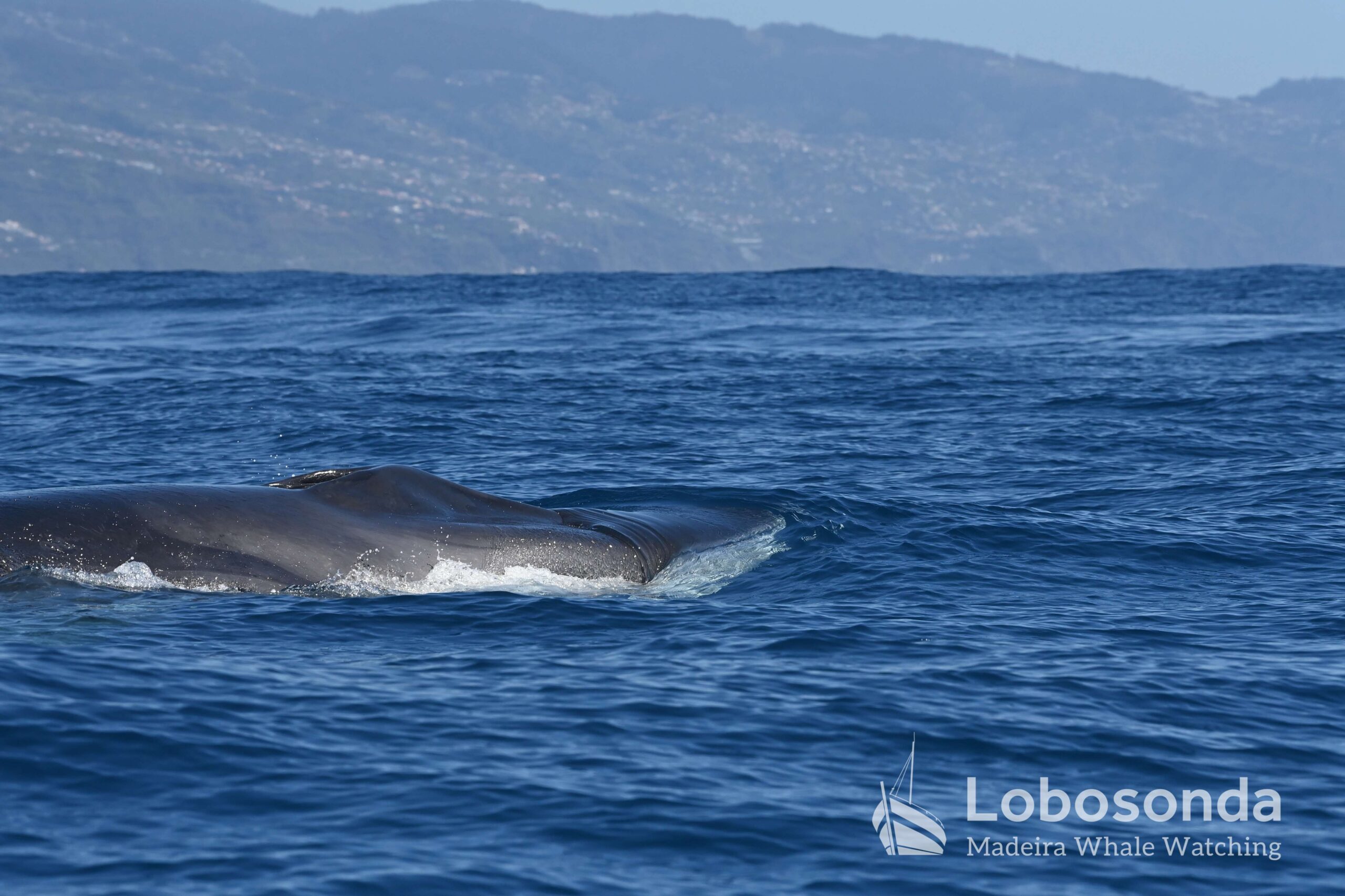
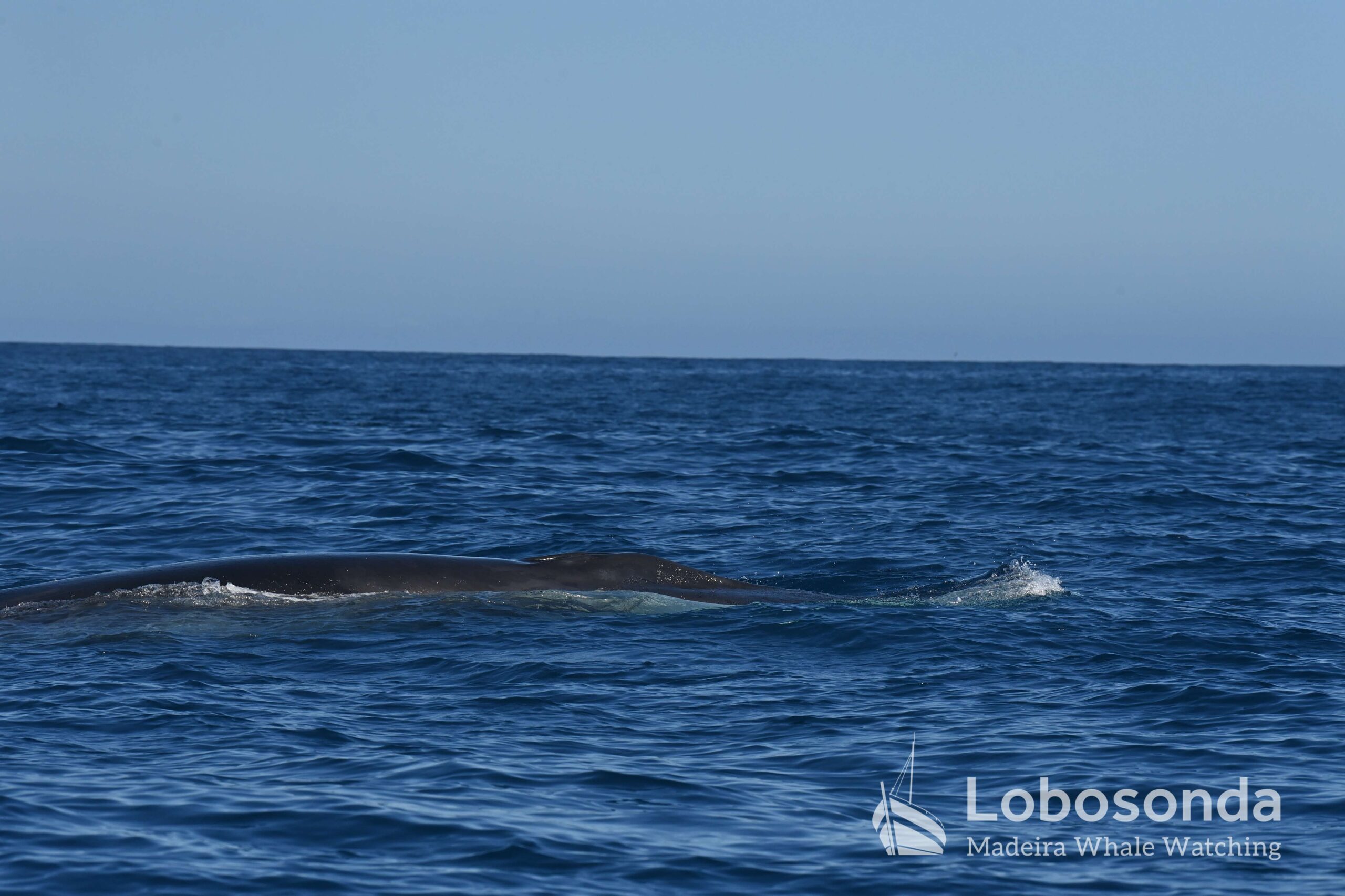
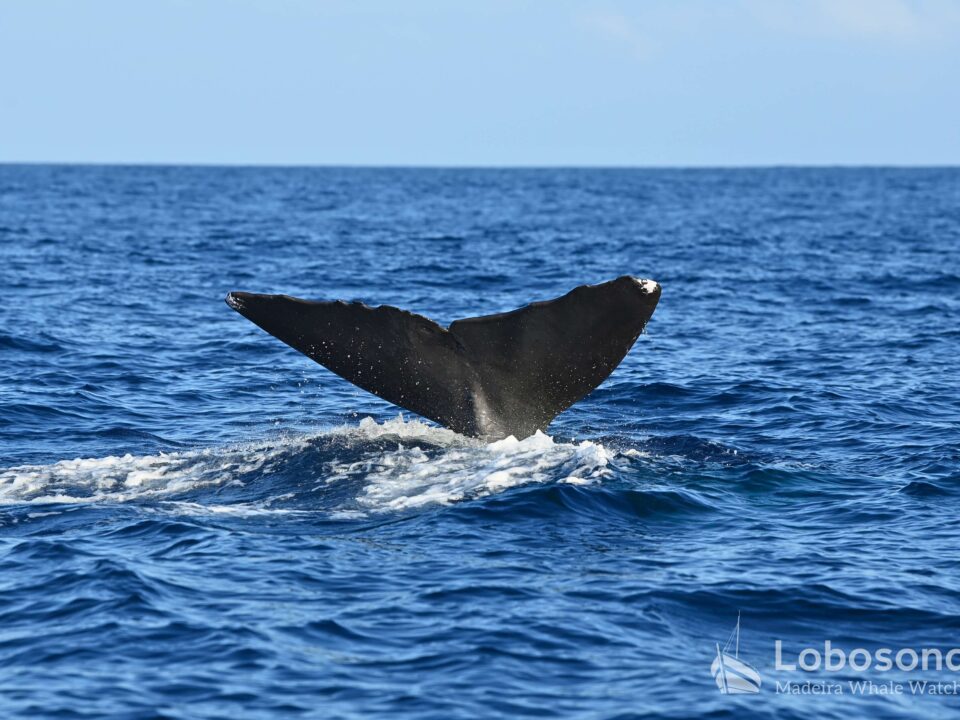
Fin whales (Balaenoptera physalus) again – how lucky our guests were to encounter the second-largest animal on the planet! Female fin whales are only about three meters shorter than female Blue whales (Balaenoptera musculus). This difference is a great example of sexual dimorphism – a phenomenon where males and females of the same species differ in appearance. While it can show up as variations in color or features like horns in other animals, in baleen whales it is expressed in size, with females being larger because they bear the greater energetic demands of reproduction.
In some deep-sea anglerfish, sexual dimorphism is taken to the extreme: males, dramatically smaller than females (often just 5–10% of the female’s length), attach to them and fuse into their bloodstream, becoming lifelong reproductive companions.
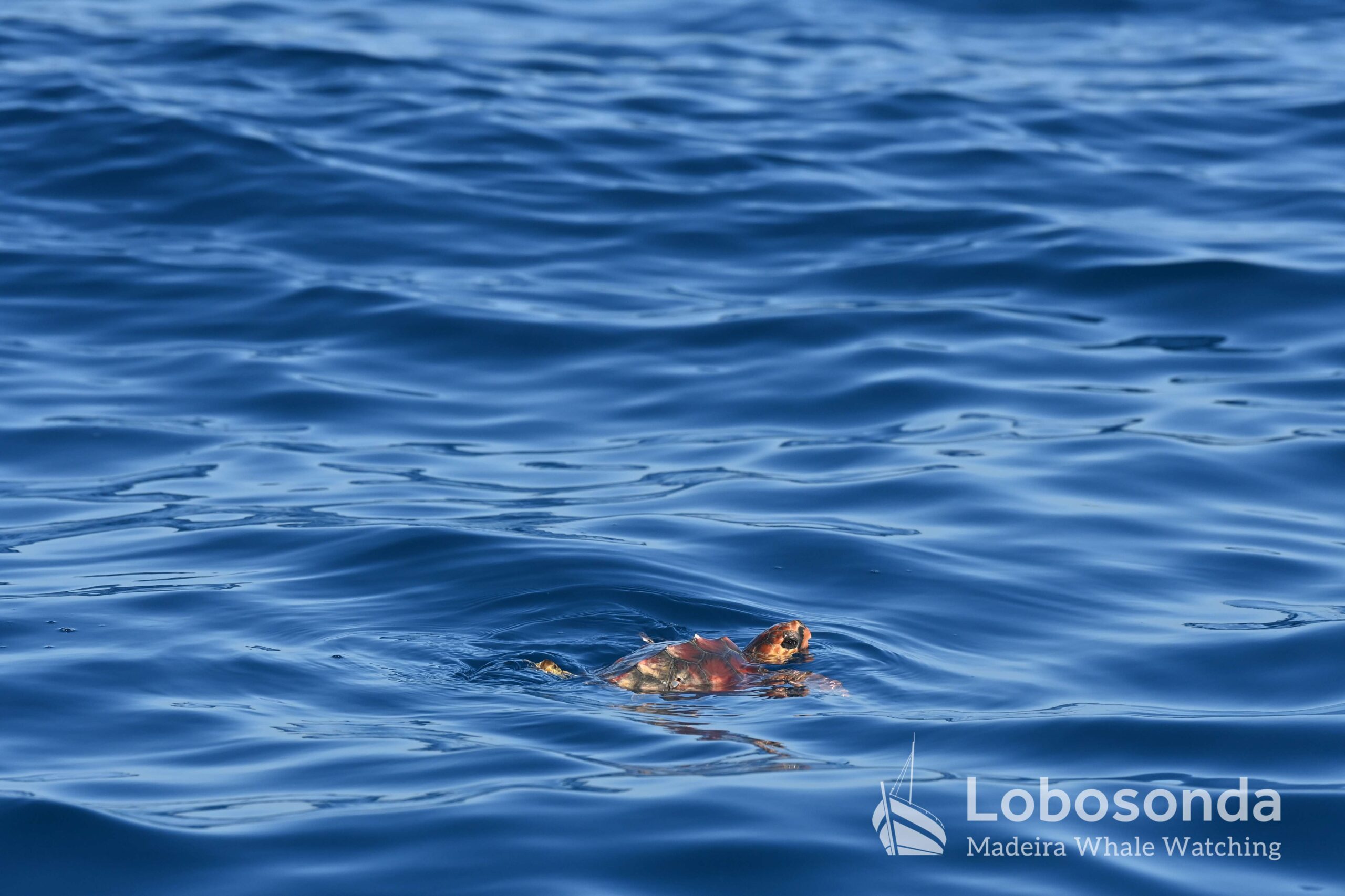
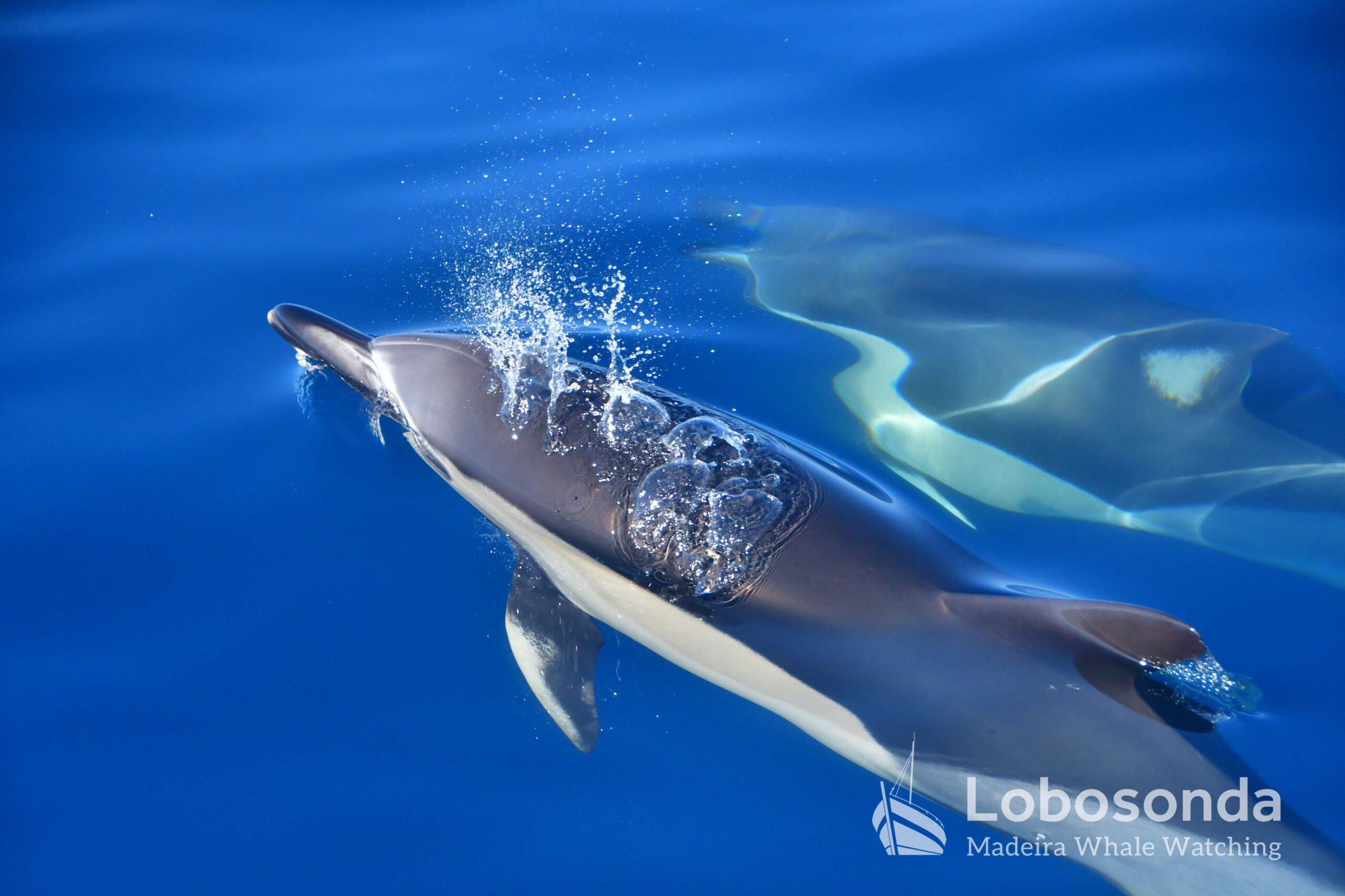
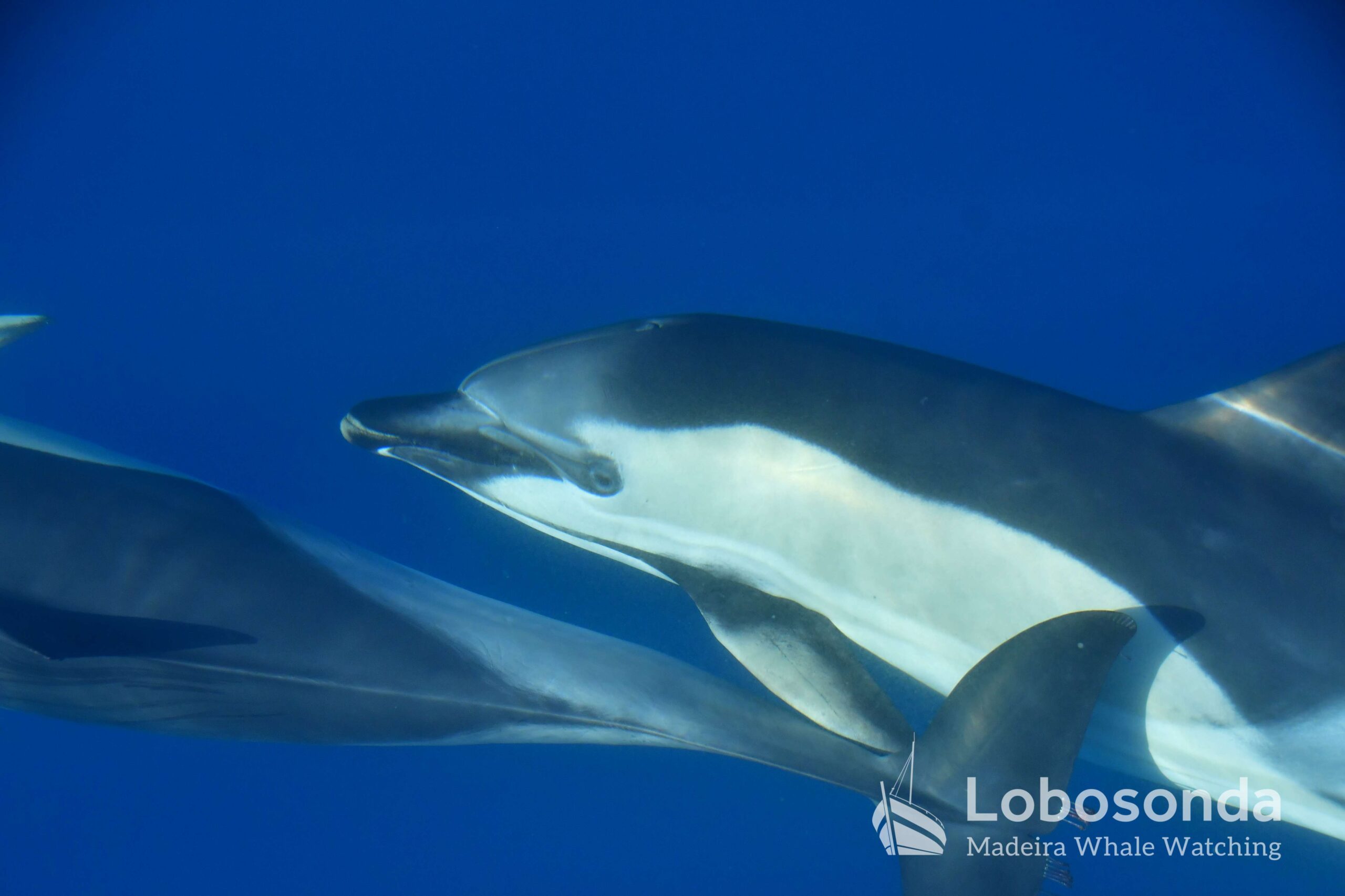
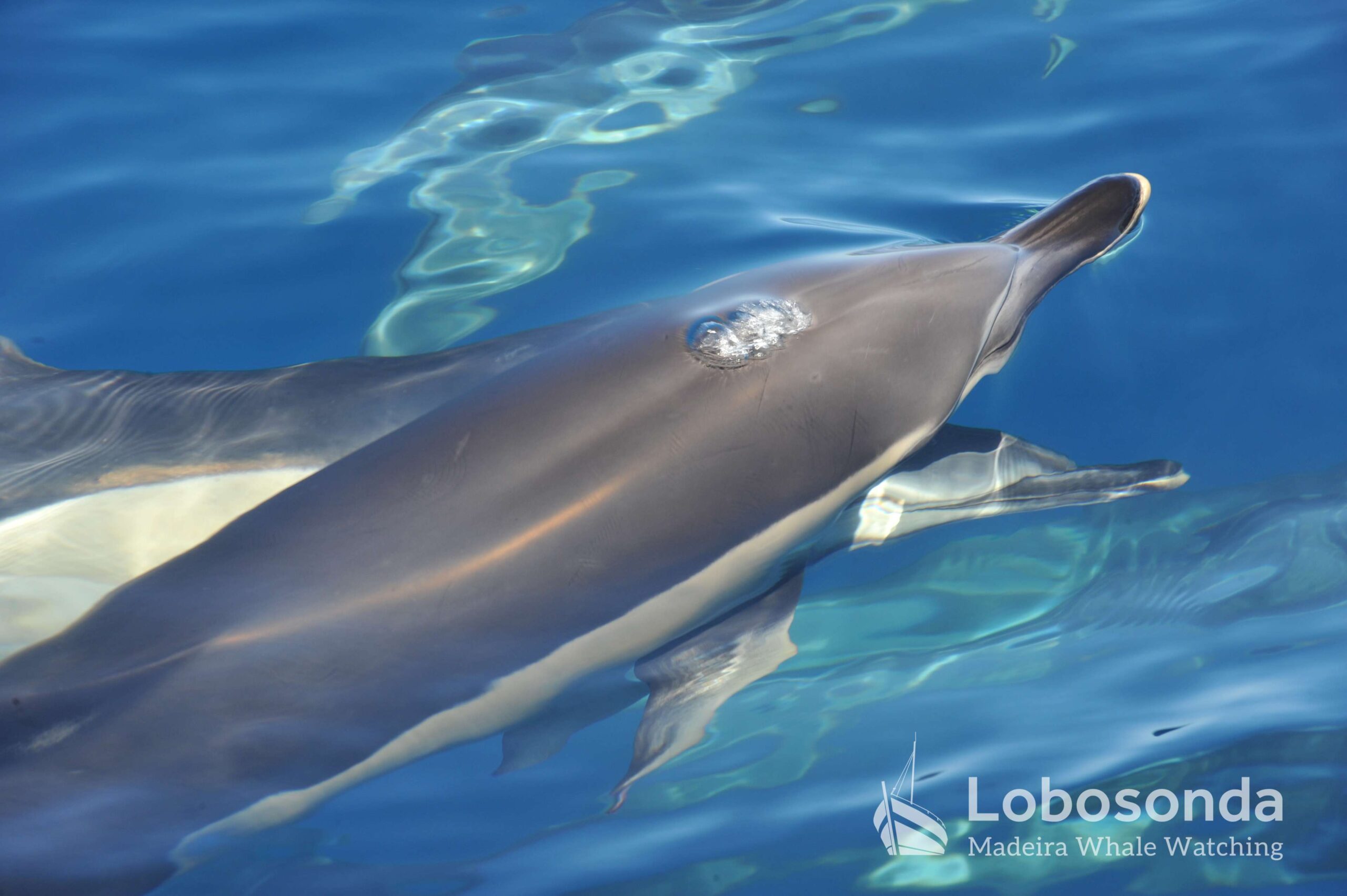
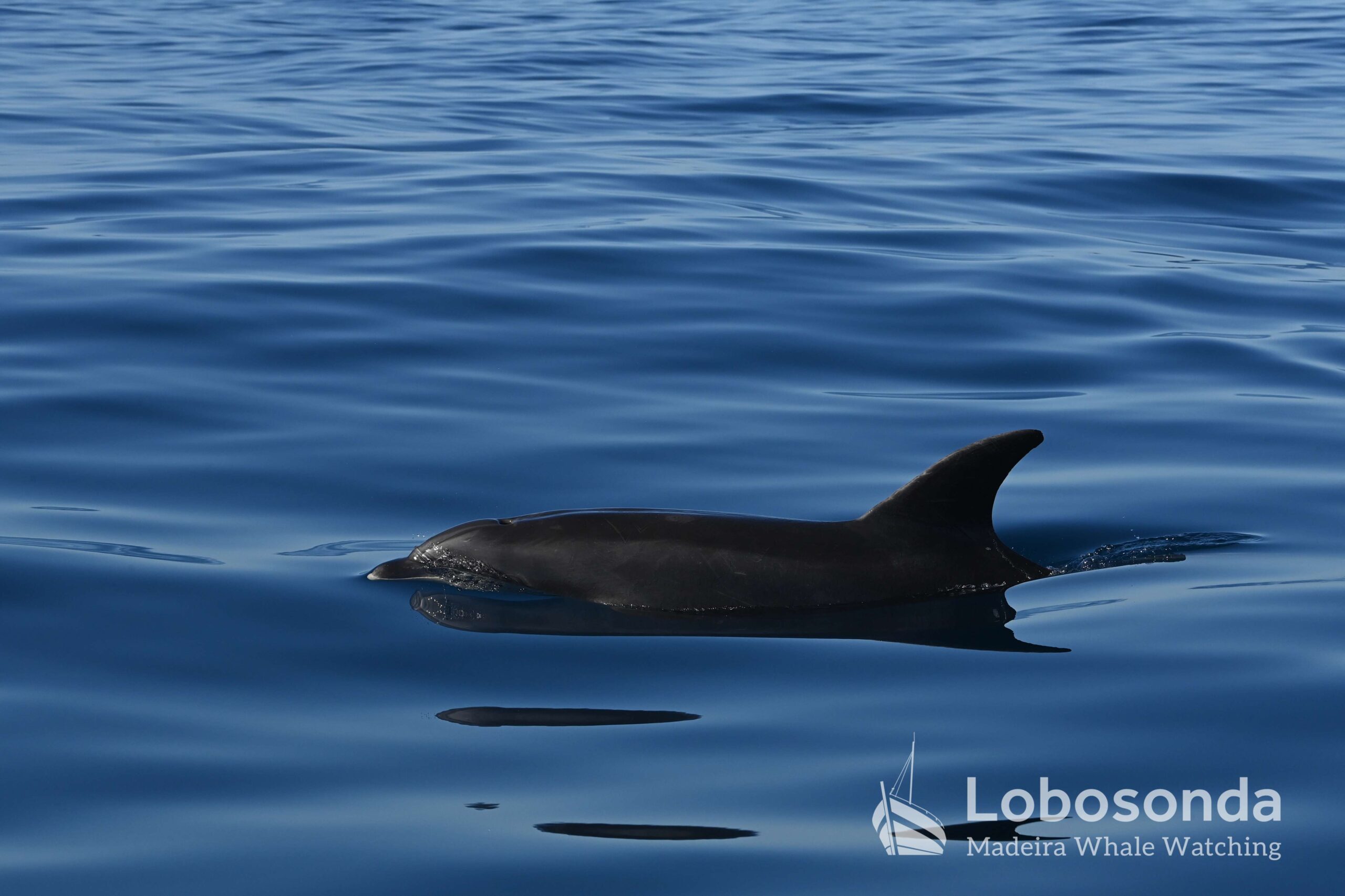
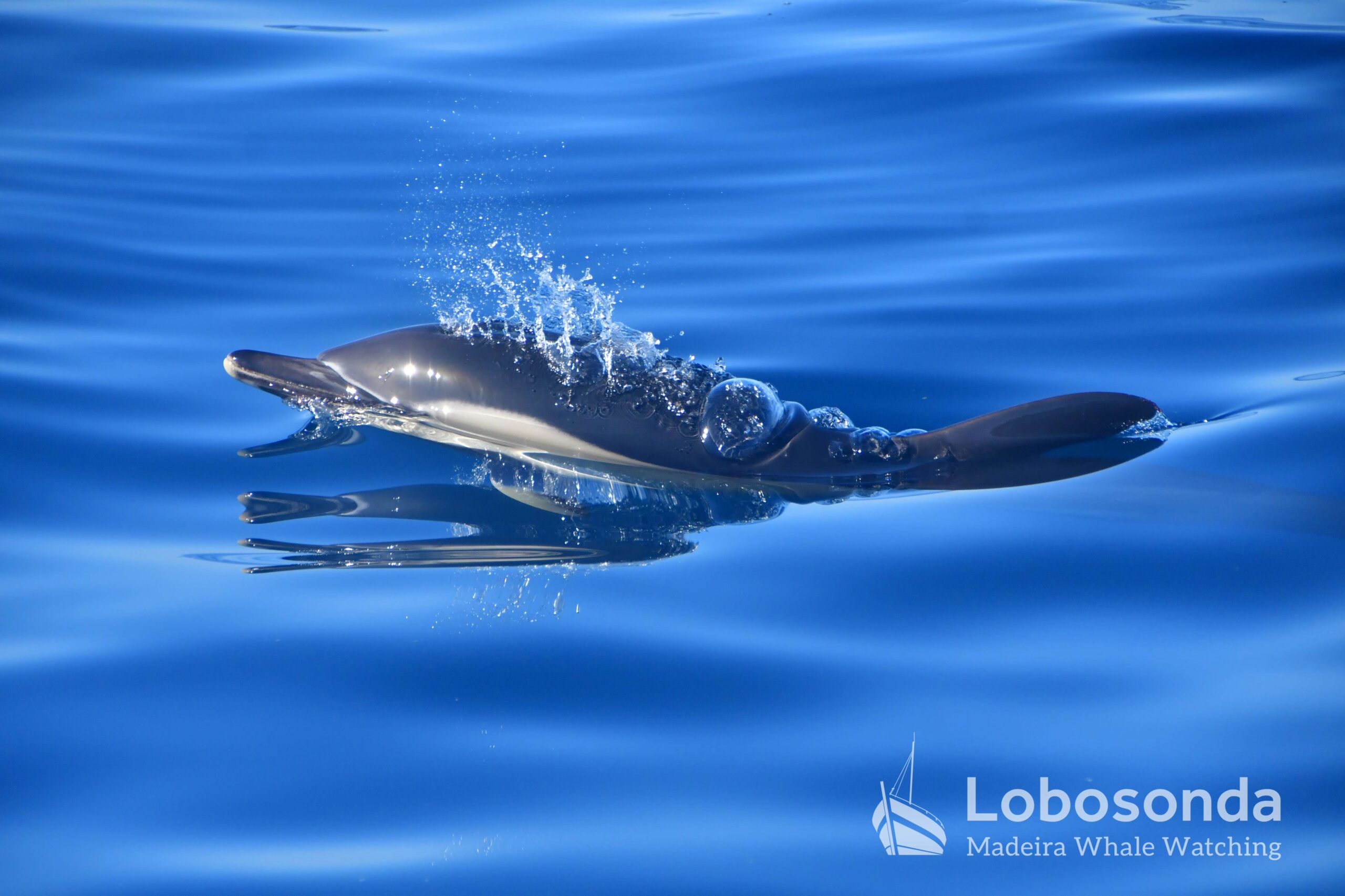
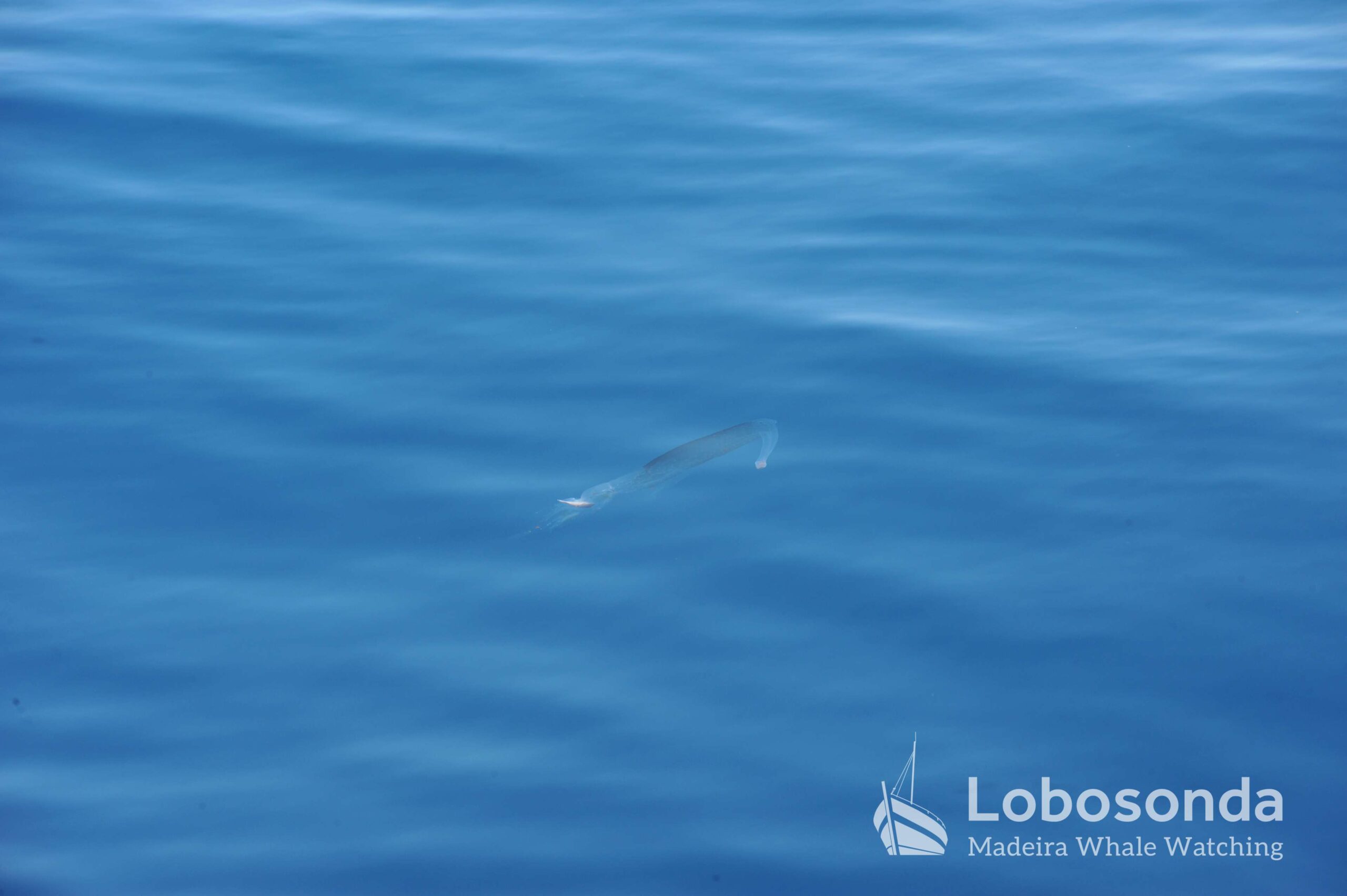
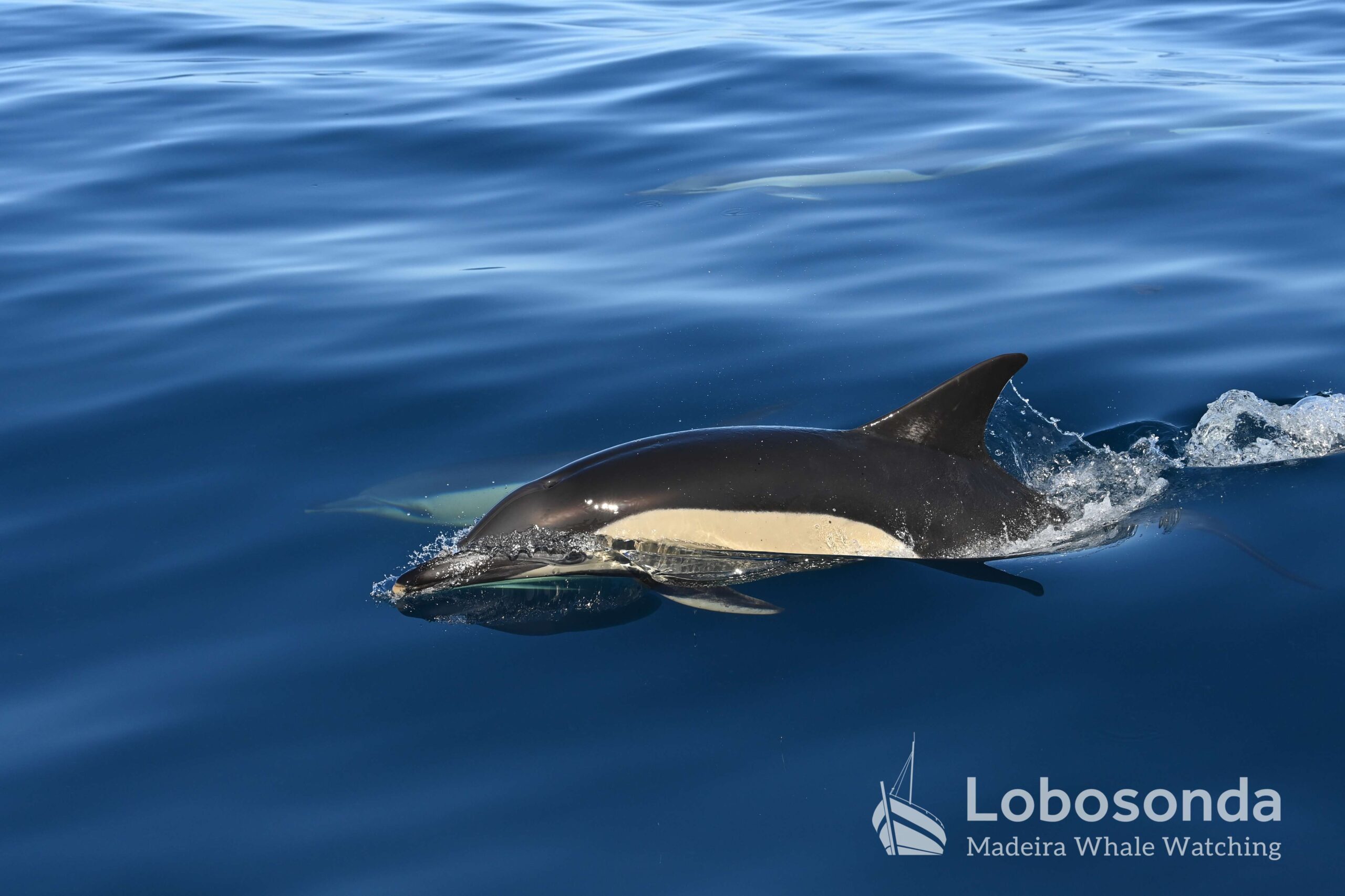
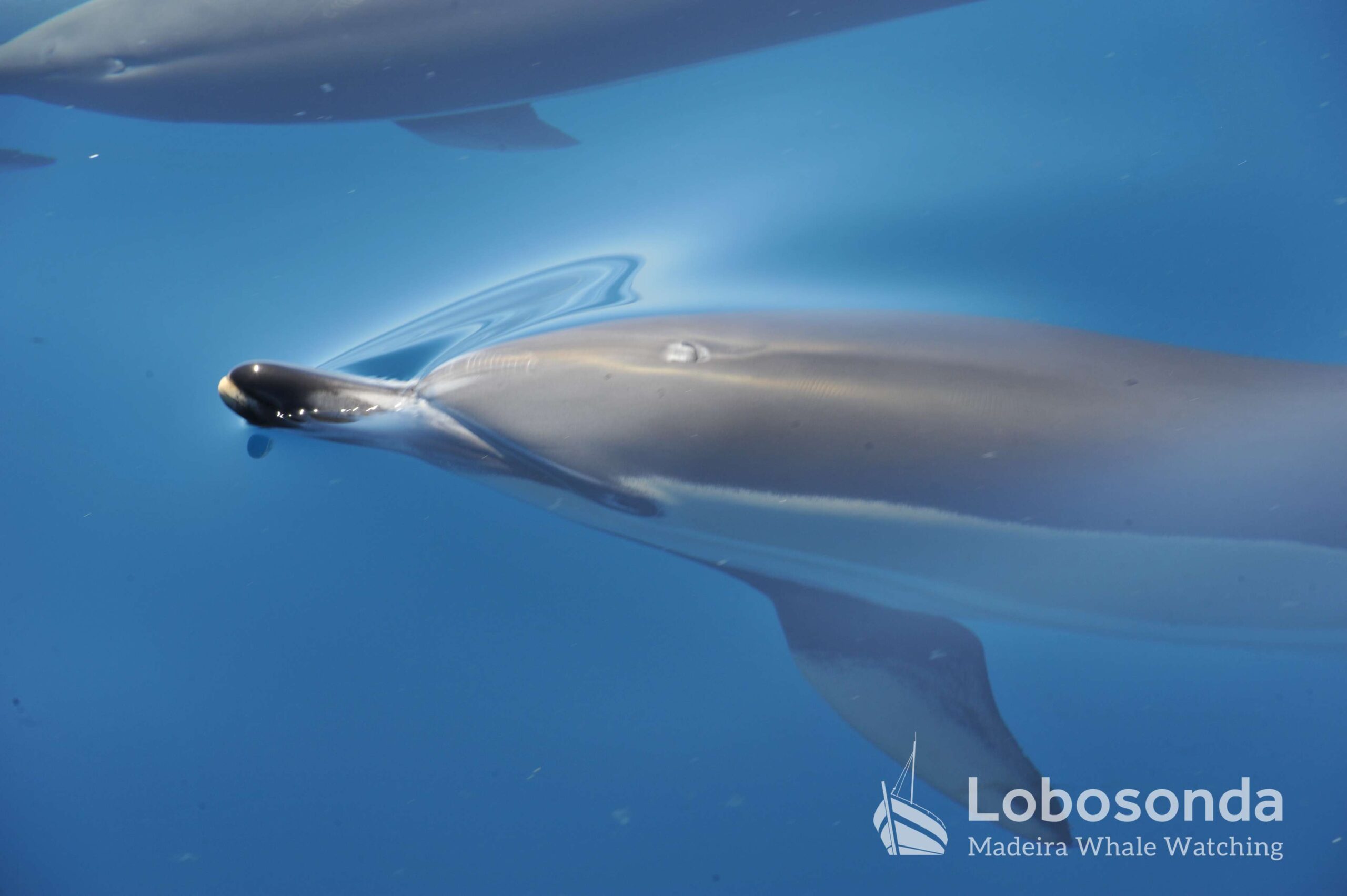
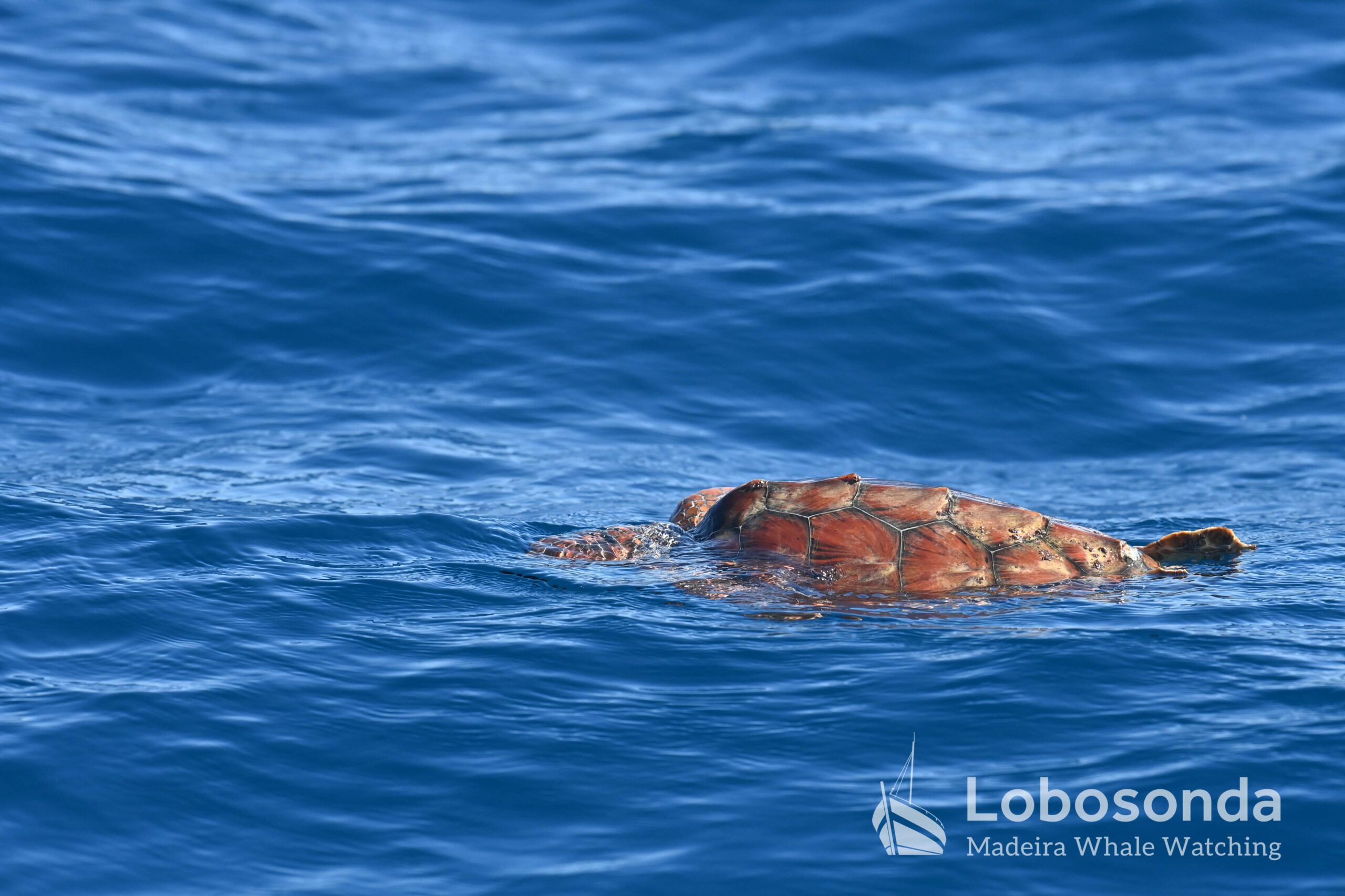
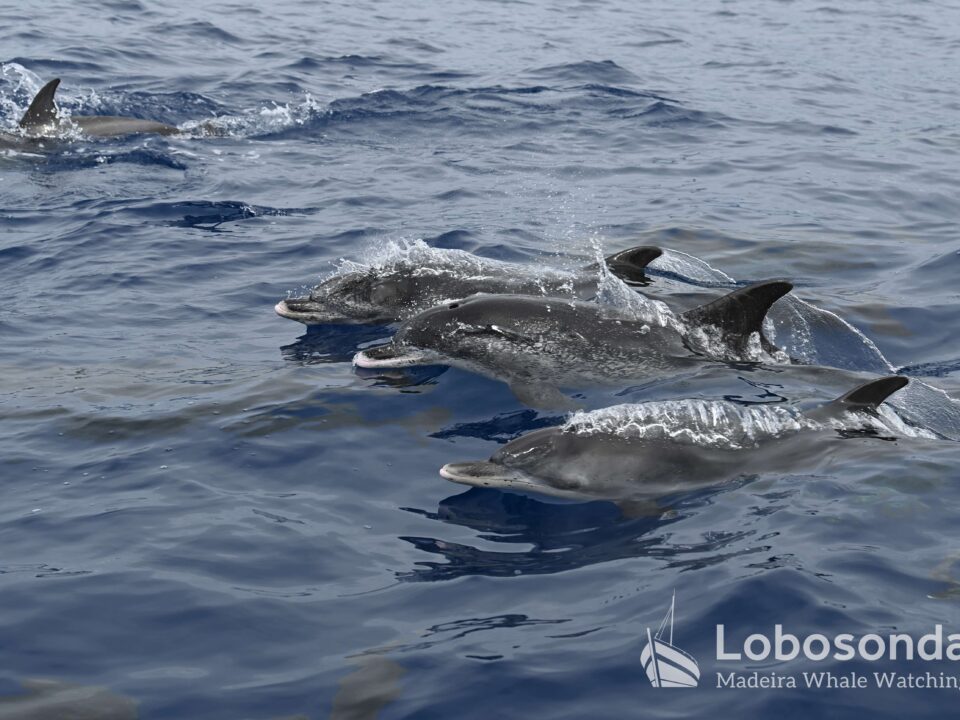
And their luck didn’t stop there – today was a day of plenty. During almost every tour, we also encountered Loggerhead sea turtles (Caretta caretta) basking in the sun to rid themselves of parasites and rest, Short-beaked common dolphins (Delphinus delphis), as well as Portuguese man o’ war (Physalia physalis) and Violet sea snails (Janthina janthina).
By Eva Köhle
Sightings of the day
Ribeira Brava
09:00 Short-beaked common dolphin
13:00 Fin whale, Short-beaked common dolphin
Stenella
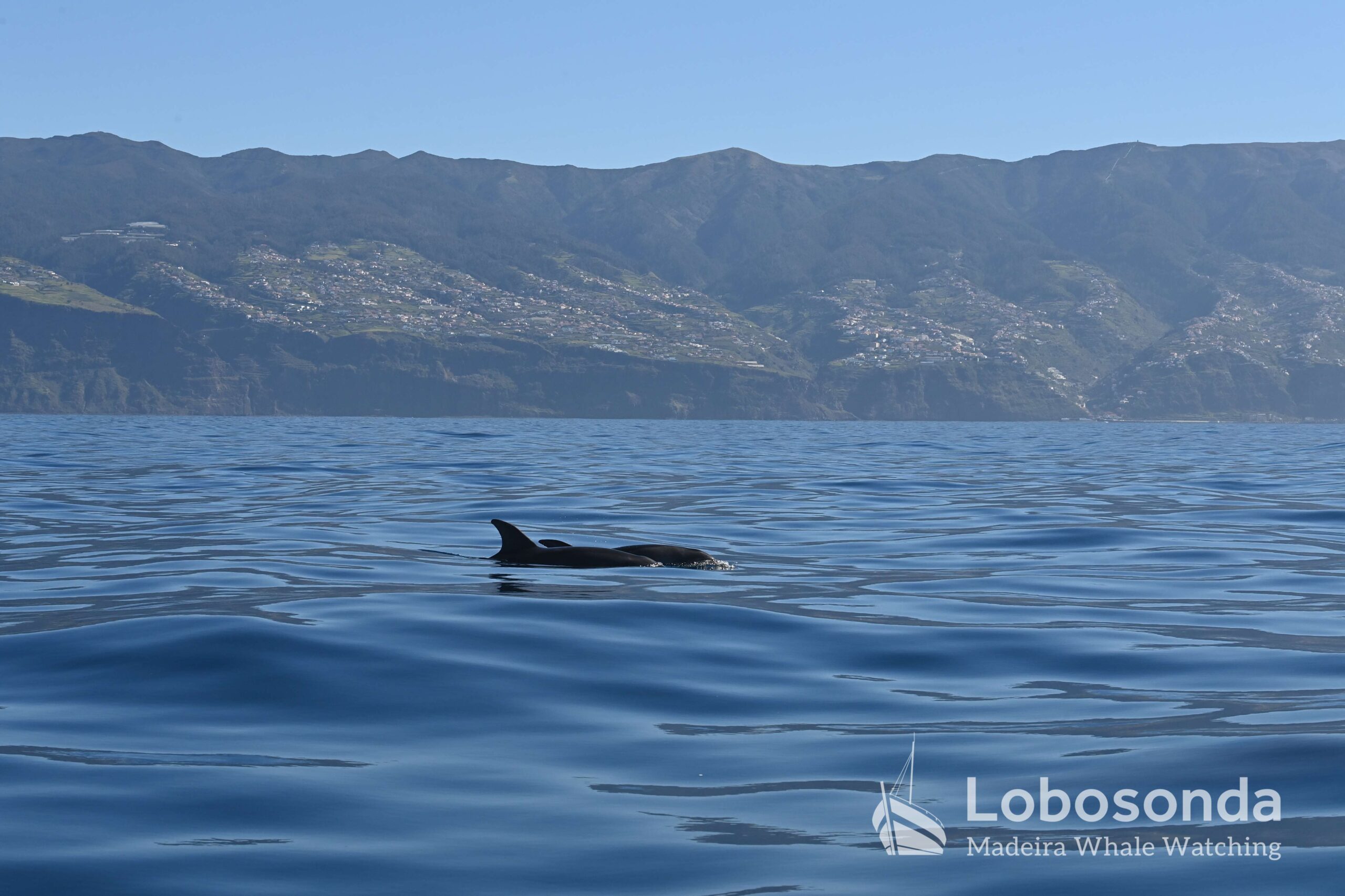
09:30 Short-beaked common dolphin, Bottlenose dolphin, Loggerhead turtle
13:30 Fin whale, Short-beaked common dolphins
16:00 Fin whale, Loggerhead turtle