17.02.2026 – Dolphin confetti
February 23, 2026
19.02.2026 – Airborne prey & cheeky peeks
February 25, 2026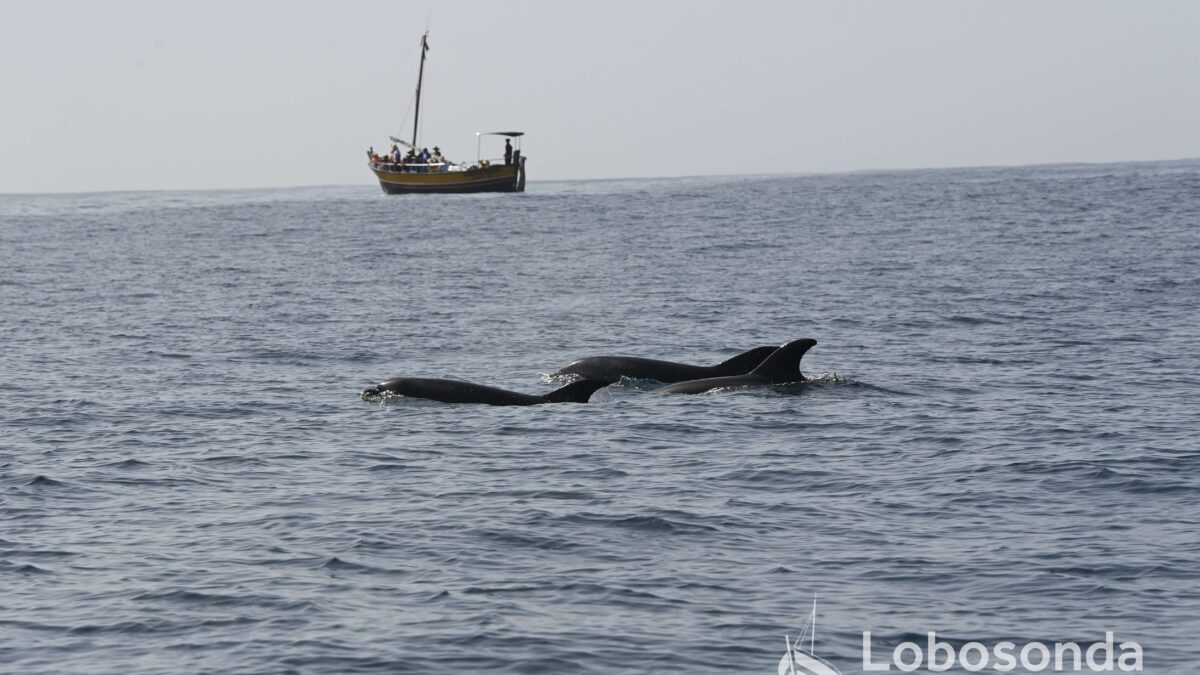
Today’s eastward did not make finding cetaceans easy for our team today. While the wind did not bring difficult conditions and we were able to cruise out onto a flat ocean, it did bring a lot of sand from the African continent. This sand is very nutritious for our oceans, bringing nutrients such as phosphate and sodium for phytoplankton at the surface, but it also remains suspended in the air causing mist that often blocks the view for our spotter on land.
Despite the sandy mist there were a few colourful surprises waiting for us out at sea. Despite us returning from our morning tour without a sighting of cetaceans, we did manage to see an Atlantic puffin (Fratercula arctica), an extremely rare sighting on this side of the Atlantic. Puffins nest in colonies further up north with the largest colonies existing in Iceland so it is likely that the birds ended up in Madeira through a forced migration caused by the numerous winter storms from the past weeks. The survival chances for puffins here are not very good since this is not their natural habitat but we hope this little guy will pull through!
Other animals that arrive in Madeira because of storms are hydrozoans such as the Portuguese Man O’War (Physalis physalis) or the By-the-wind-sailor (Velella velella). These colonial cnidarians simply drift at the surface and cannot swim against the current. This means that they depend entirely on the physical forces of the ocean, making this another one of the Atlantic’s forced migrations.
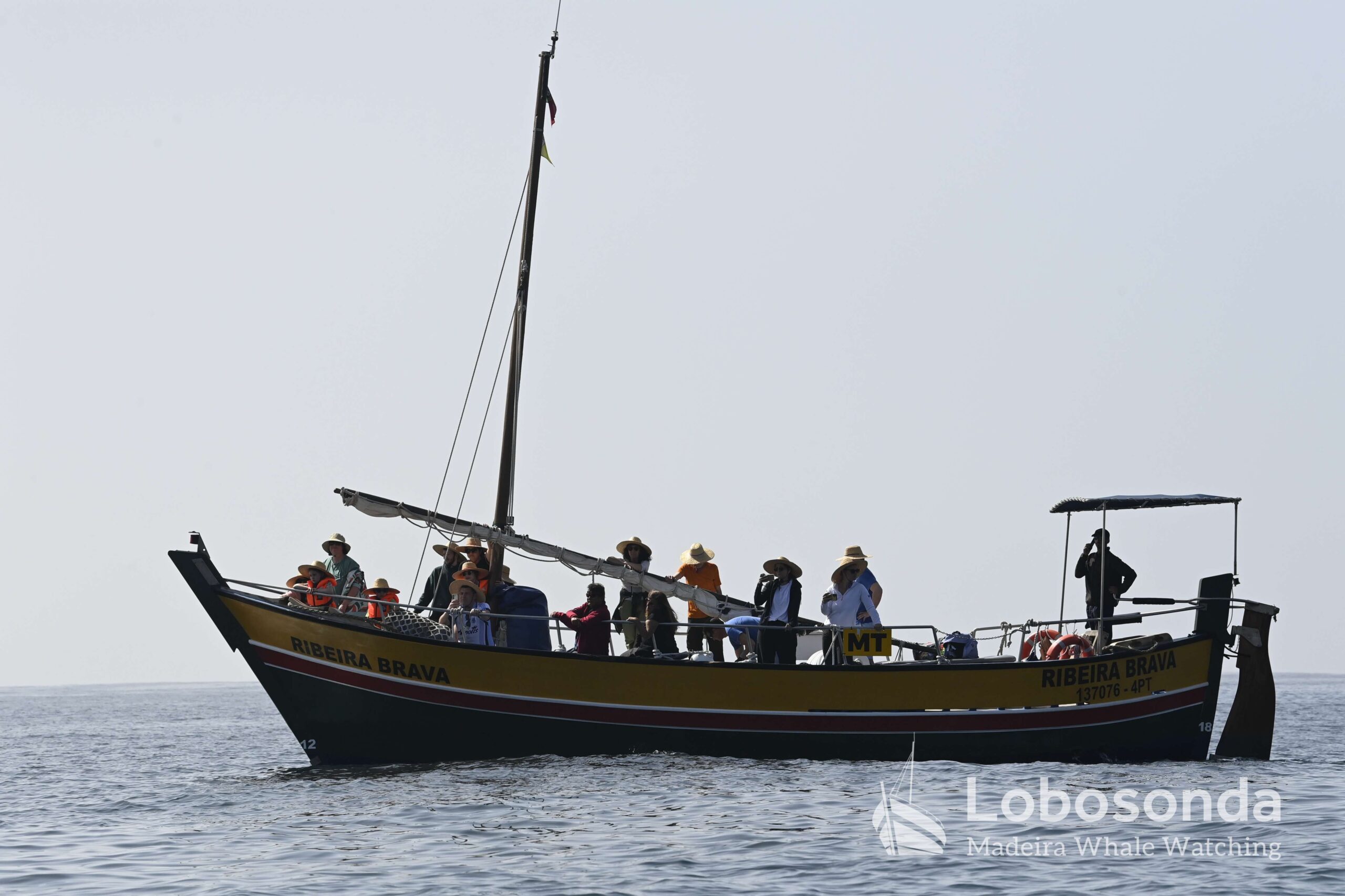
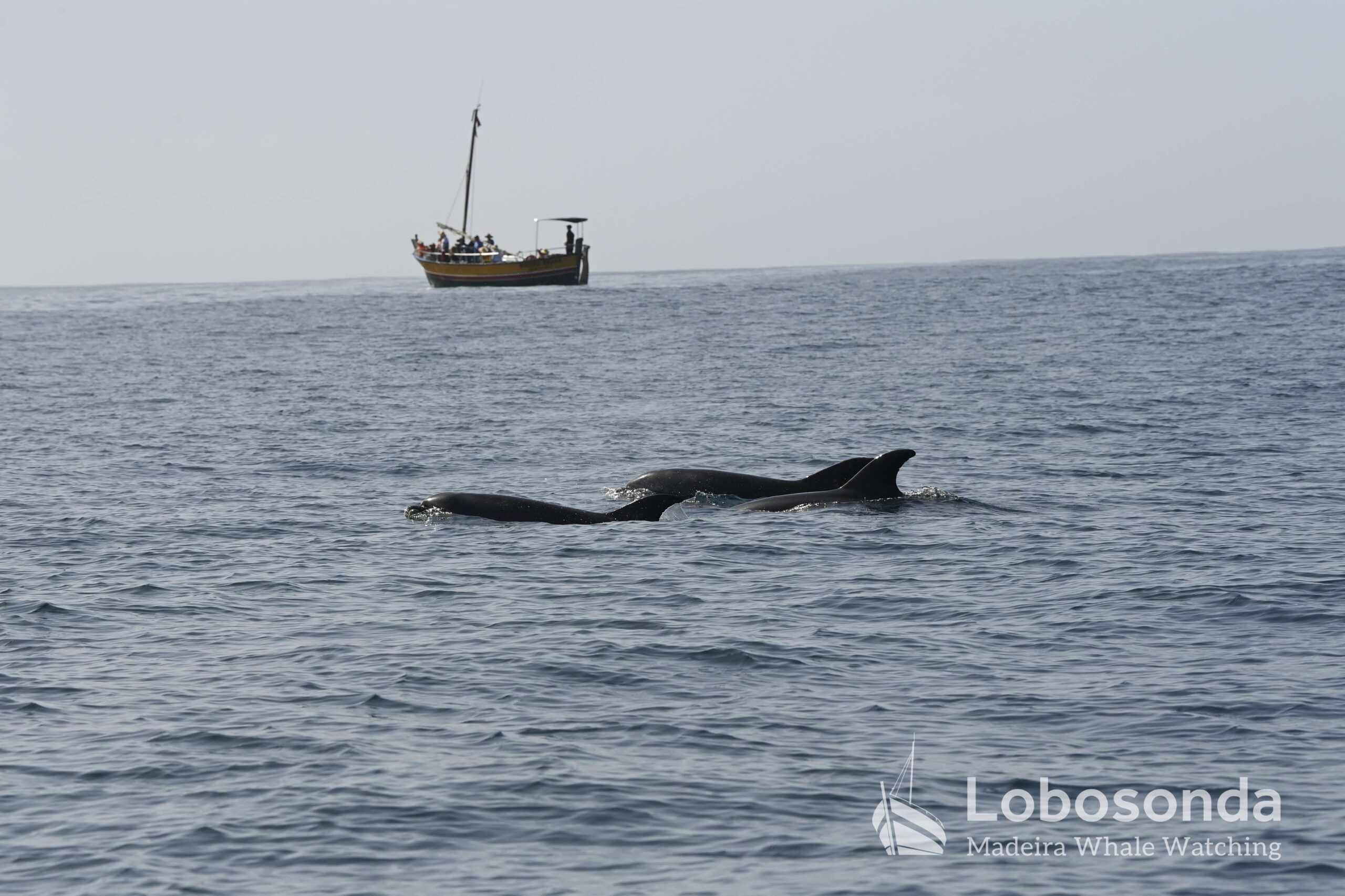
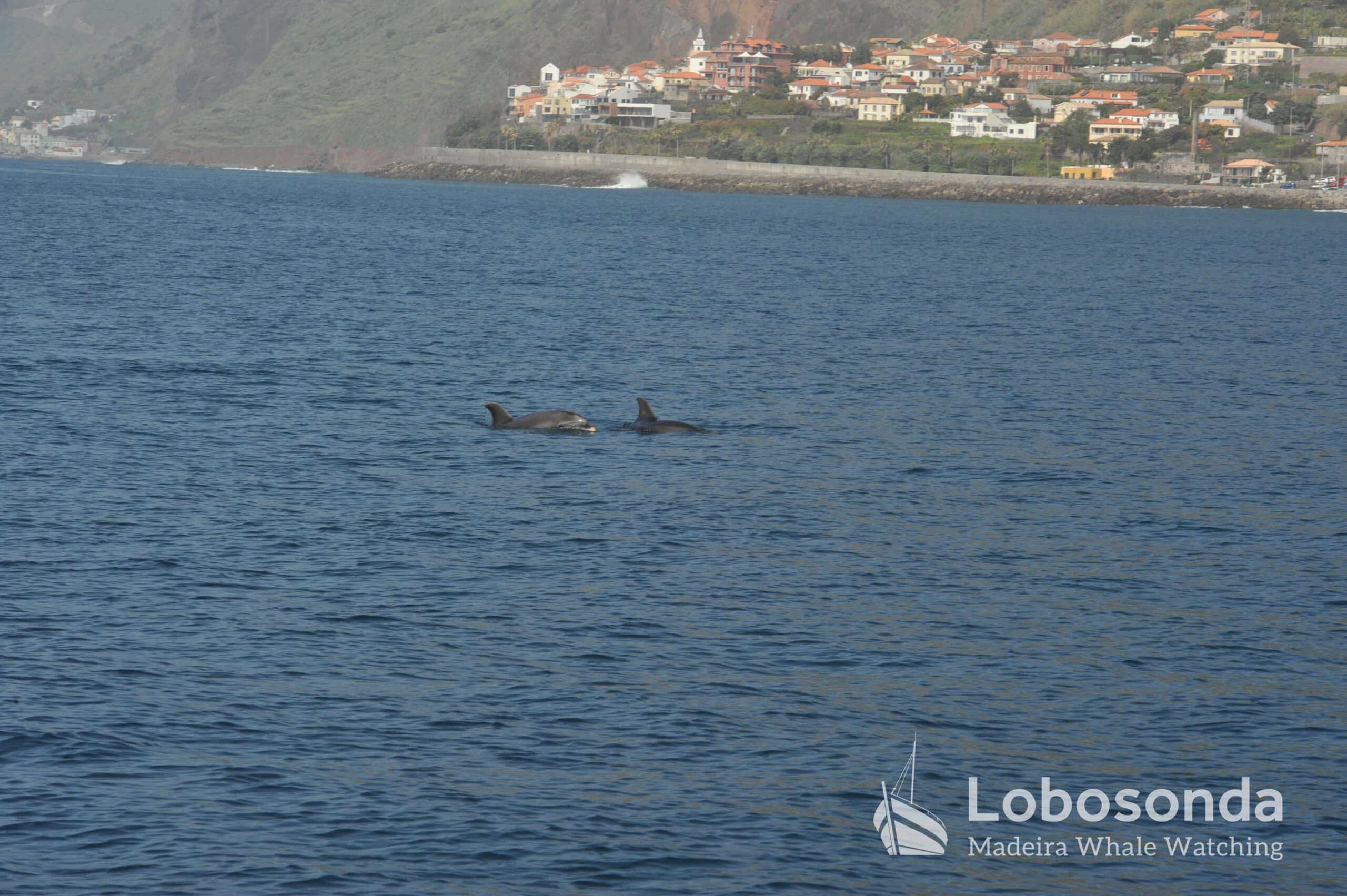
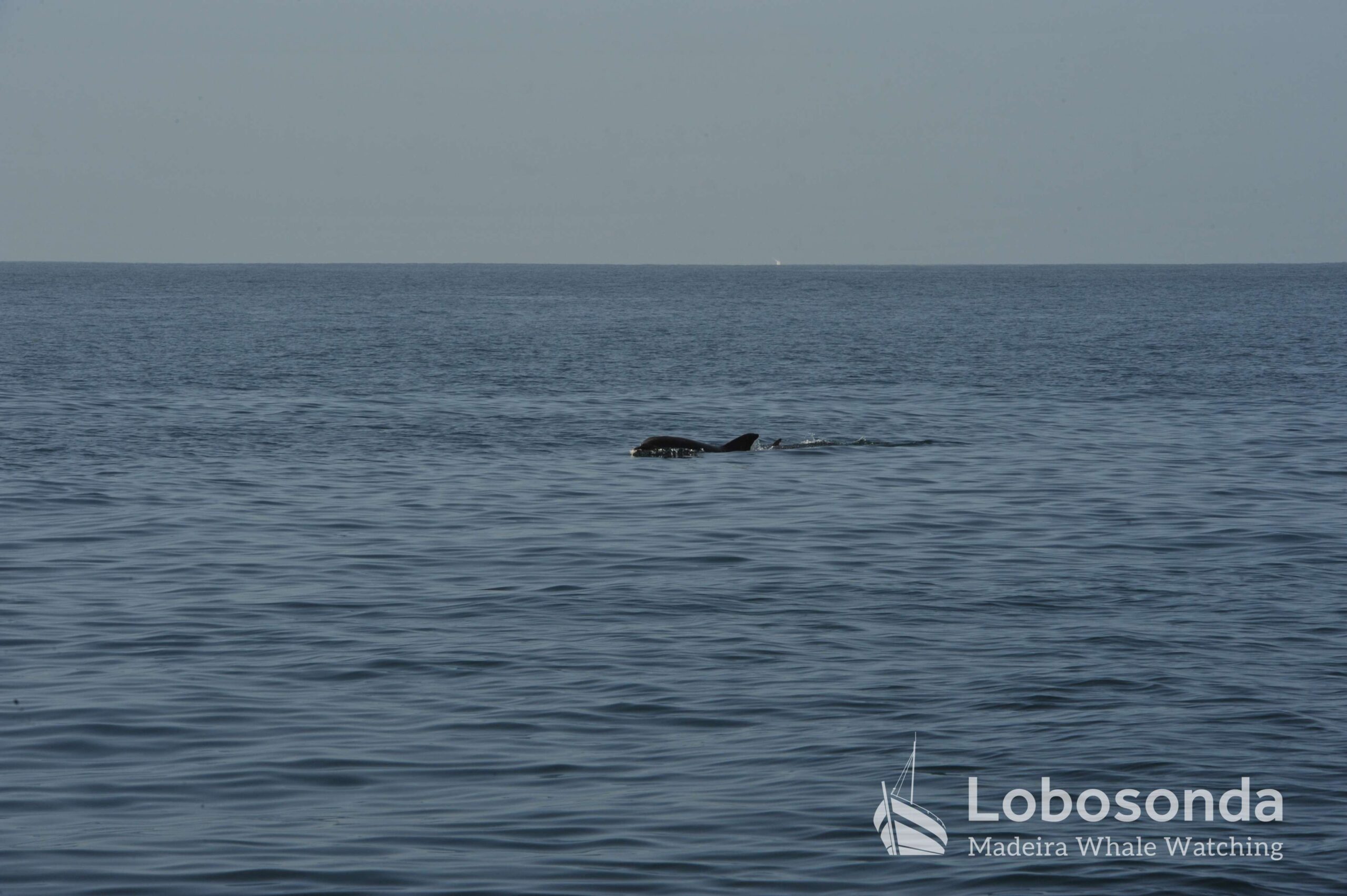
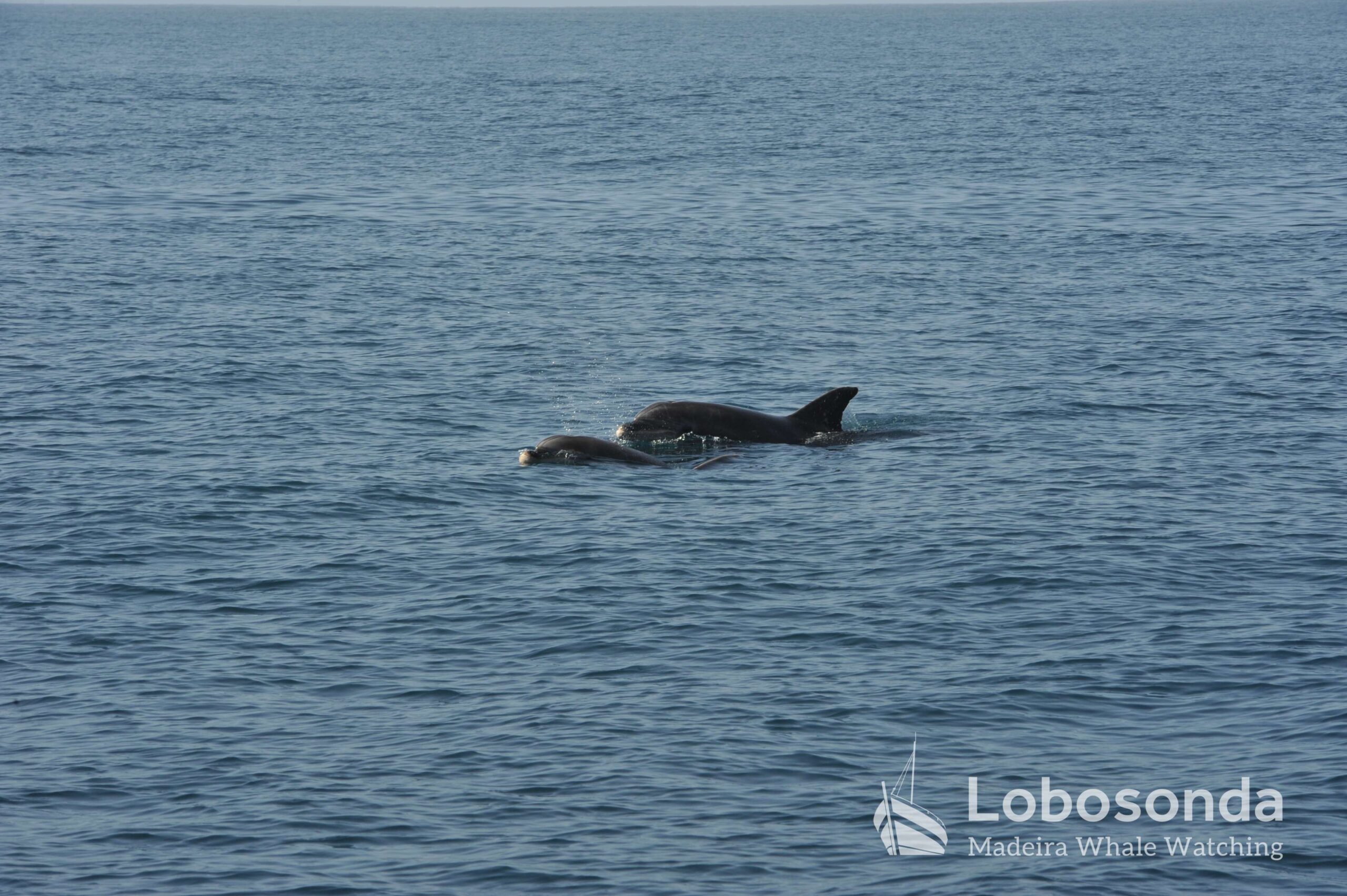
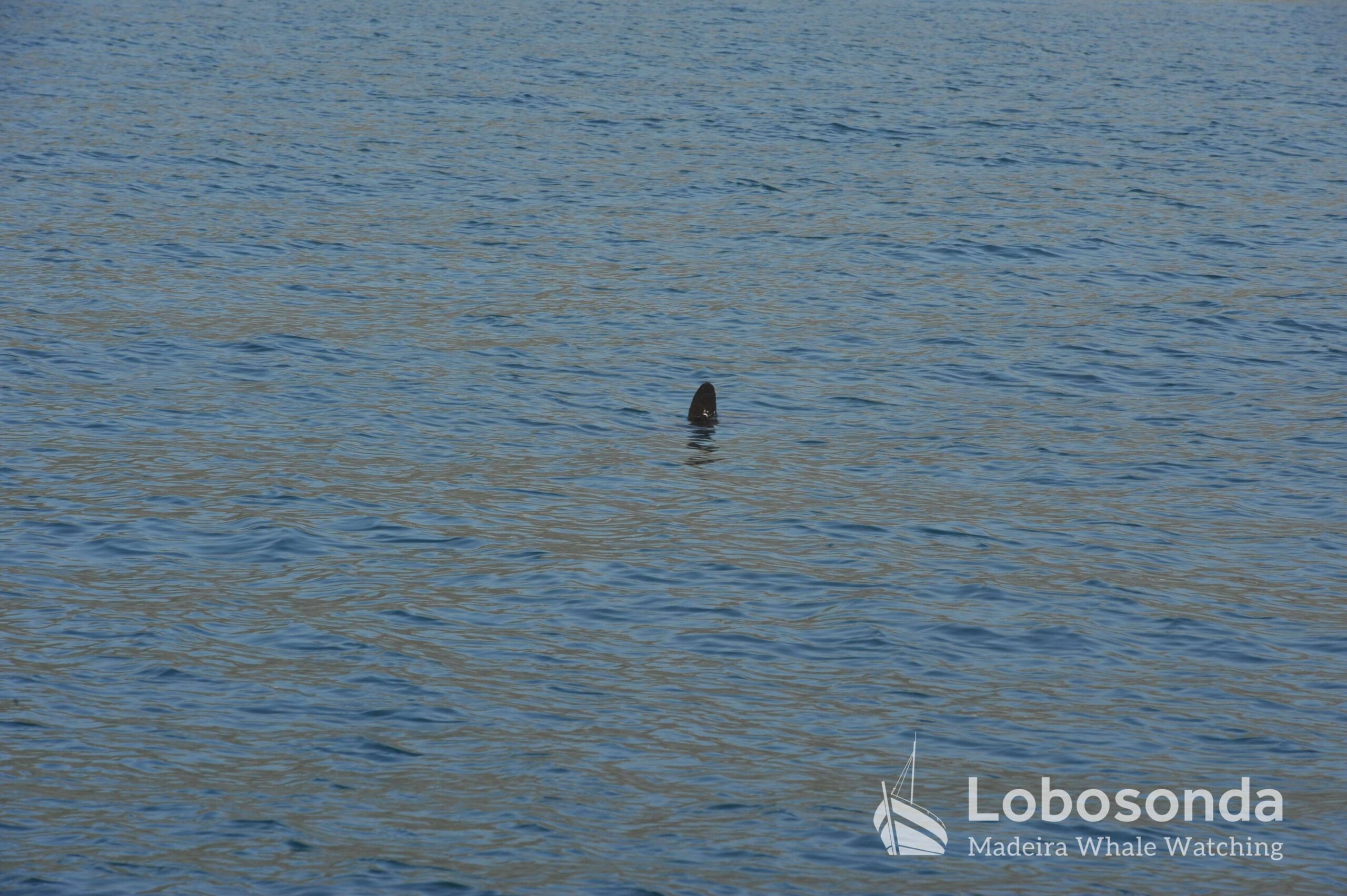
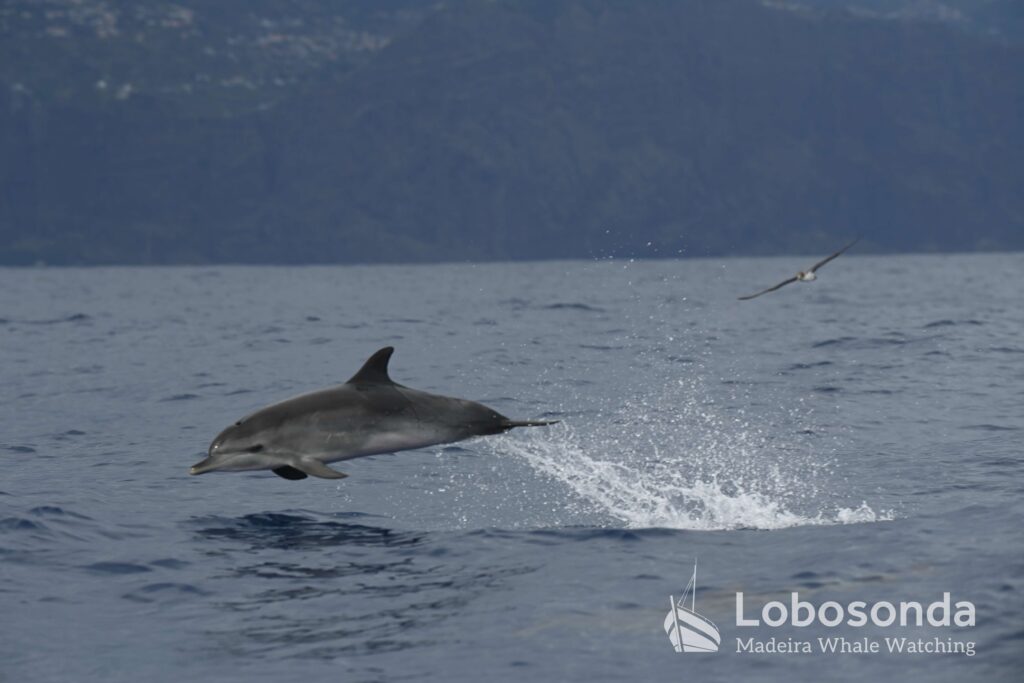
The distribution of larger predators may also get affected by particularly stormy winters, including pelagic sharks such as the Mako shark (Isurus oxyrinchus) we saw this afternoon, that may follow weakened or injured prey to the coastal waters of oceanic islands. Larger fish such as the Sunfish (Mola mola) which was seen abroad the trip on our traditional boat also follow their favourite prey, the Portuguese Man O’War, into the coastal waters of Madeira. In the afternoon we also managed a sighting with some foraging Bottlenose dolphins (Tursiops truncatus), a species that tends to remain in the waters surrounding Madeira and the Canary Islands. Most of these coastal predators tend to remain closer to shore when big storms hit or travel in the safety of larger groups
By Paula Thake
Sightings of the day
Ribeira Brava
13:00 Bottlenose dolphins, Oceanic sunfish
Stenella
09:30 No sighting, Atlantic puffin
13:30 Bottlenose dolphins, Mako shark, Atlantic puffin