BWB – Fireworks in Madeira
December 19, 2025
17.12.2025 – Wild Seas
December 23, 2025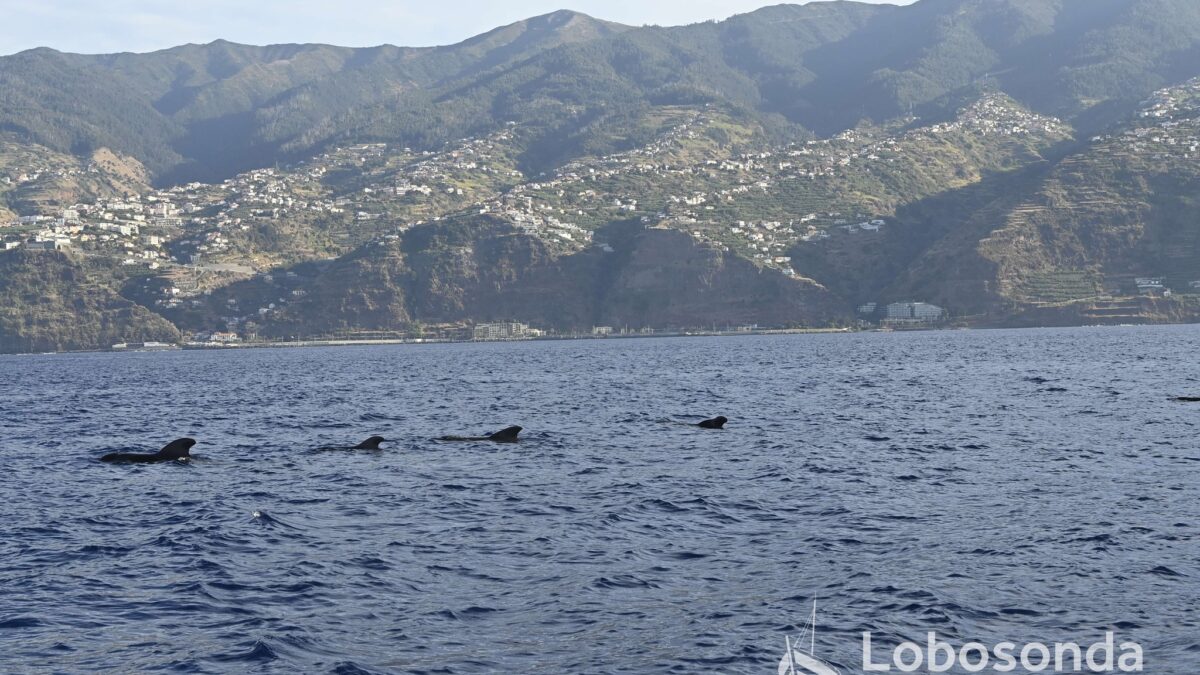
Madeira is normally influenced by the north-easterly trade winds, which bring plenty of humidity to the north. The south-west exposure of the island provides a wind shadow and ensures warm temperatures all year round. Calheta is one of the warmest places on the island. The sandy beach, which also attracts locals to Calheta at weekends, is man-made.
Calheta was granted town privileges in 1502. This area of the island used to be an important sugar cane-growing region. There was even a customs post that was used to collect taxes on the sugar. Sugar cane was one of Madeira’s most important crops. The local sugar cane factory was built in 1894. The sugar cane mill is still in active use and you can watch the sugar cane being ground. The processing machines are now 100 years old and are still running at full speed. April is harvest time and as the sugar cane has to be processed quickly so that it does not dry out, the machines do not stand still during this time and work goes on around the clock. During this time, 70 tonnes of sugar cane are processed into 5000 liters of sugar cane schnapps and 3500 liters of sugar cane honey. The waste is also utilized and the farmers use it to feed their cattle.
From Calheta you can easily reach the Paul do Serra plateau, which has been declared a UNESCO World Heritage Site.
by Fatima Kutzschbach