19.05.2026 – A great day!
May 25, 2026
22.05.2026 – Names have meaning
May 28, 2026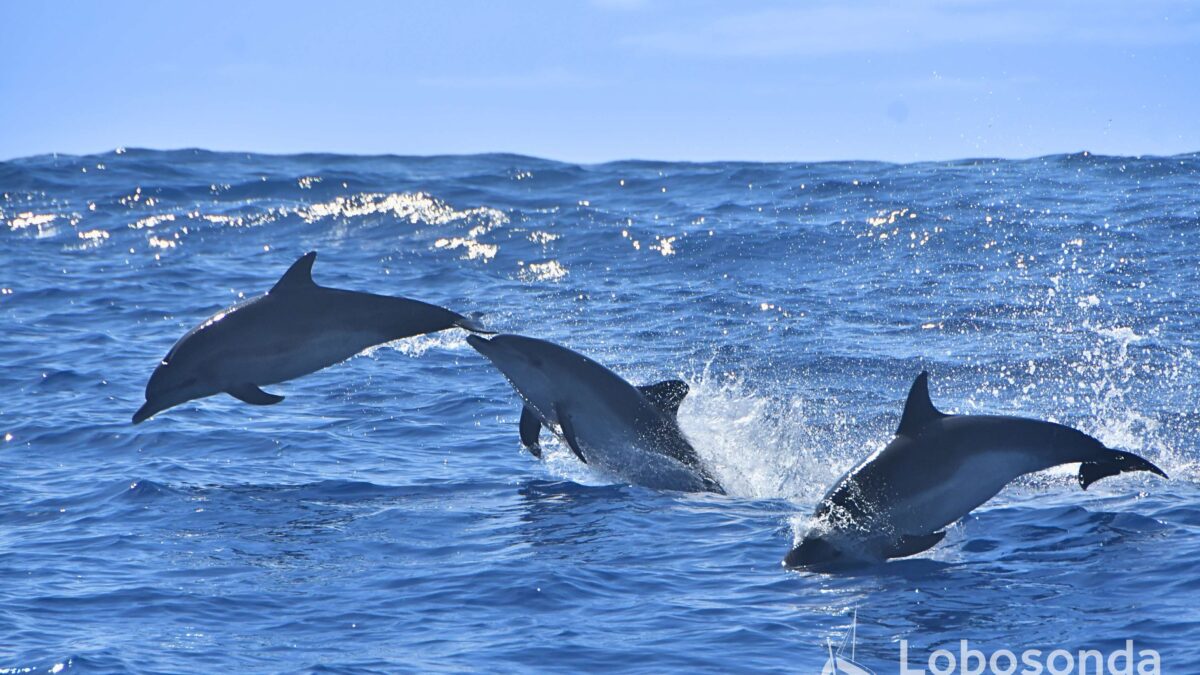
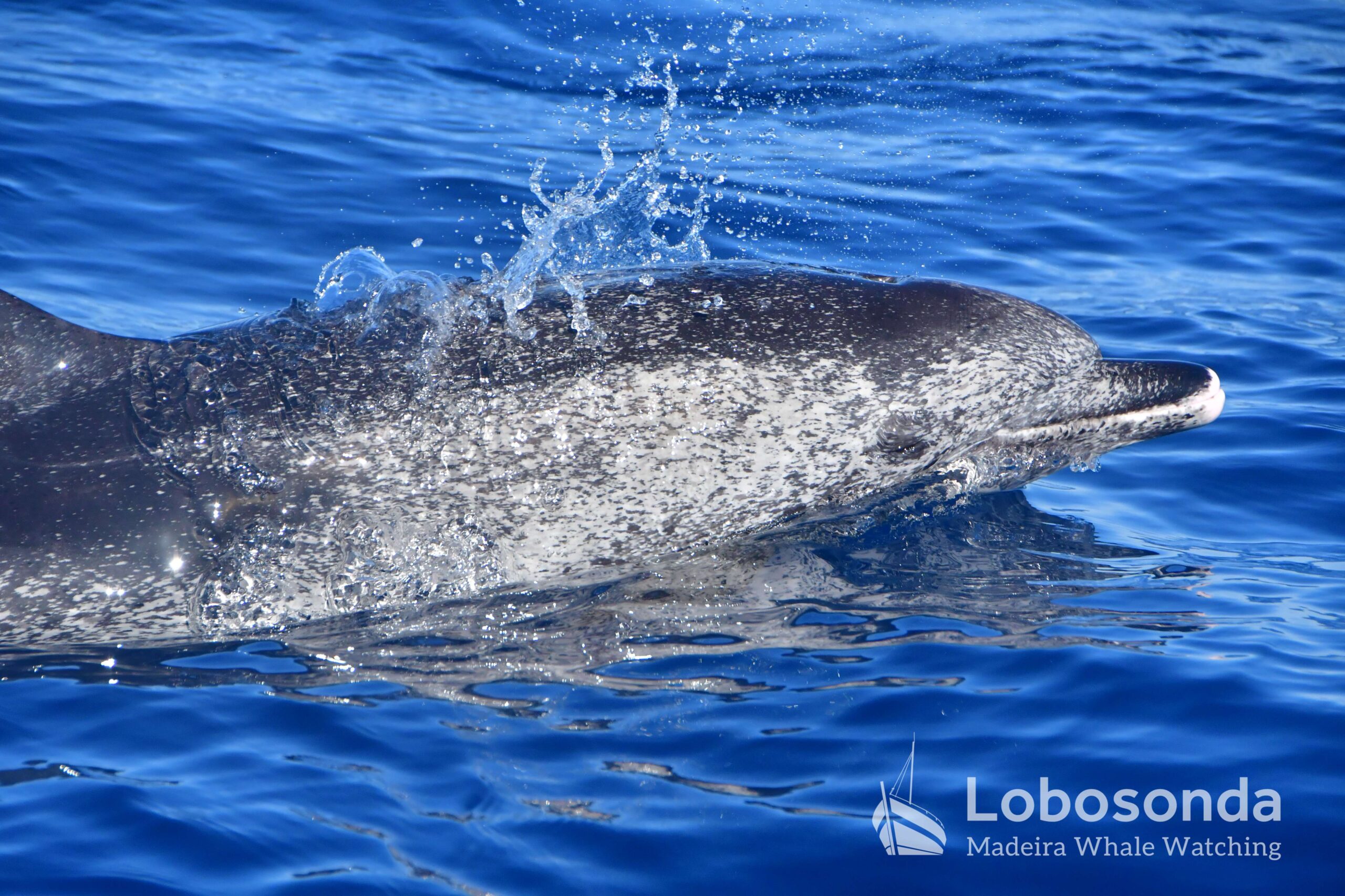
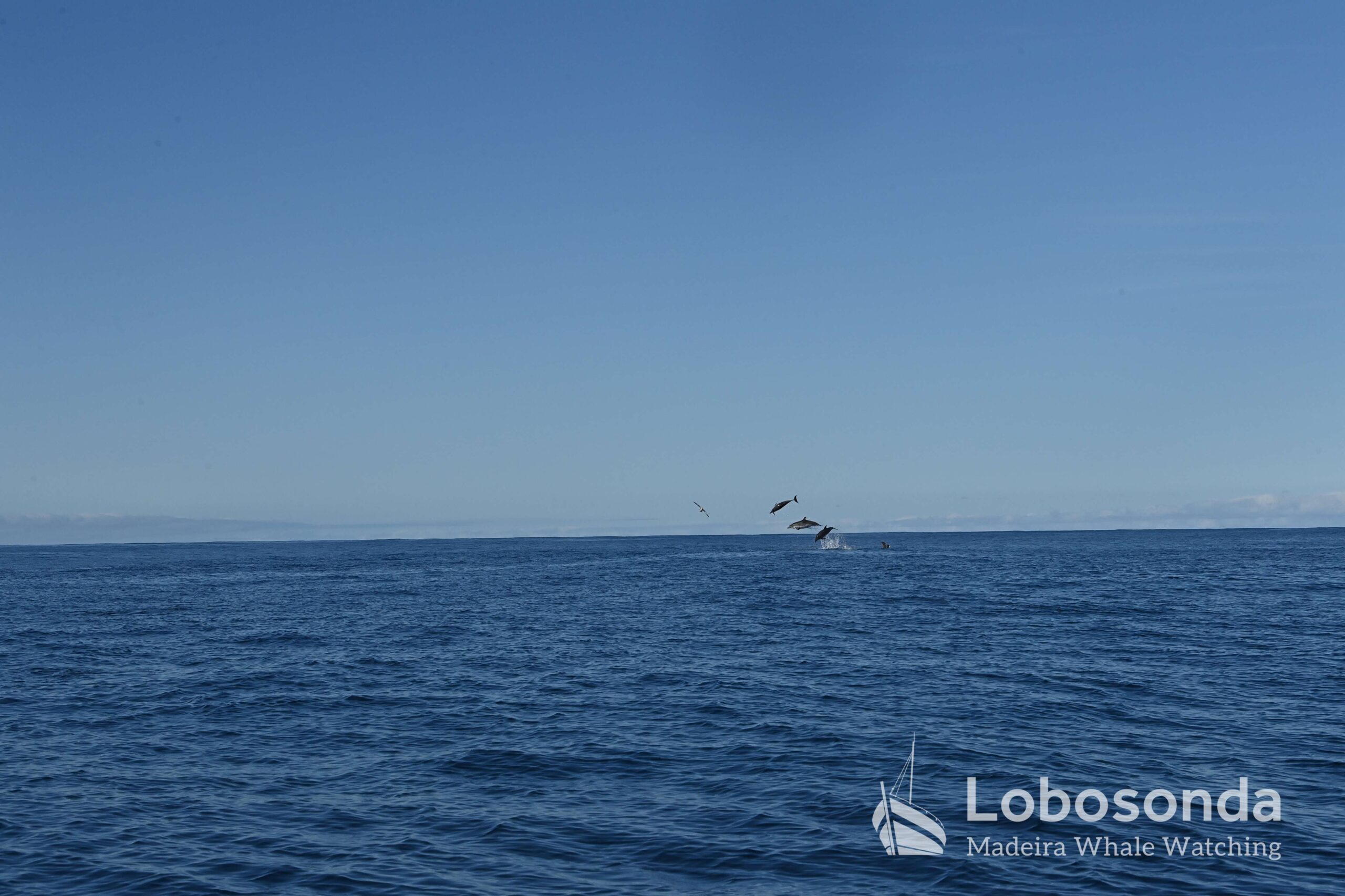
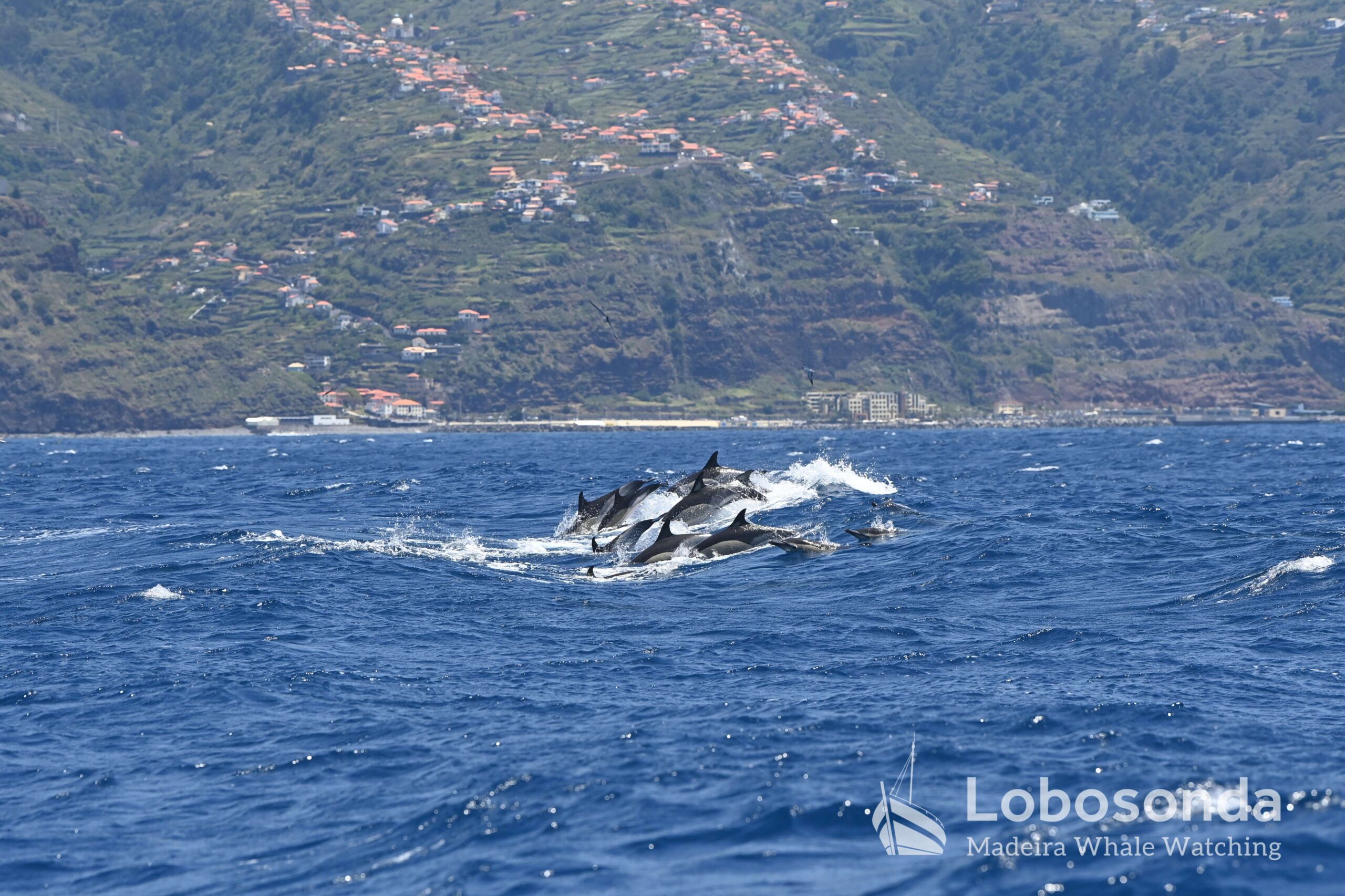
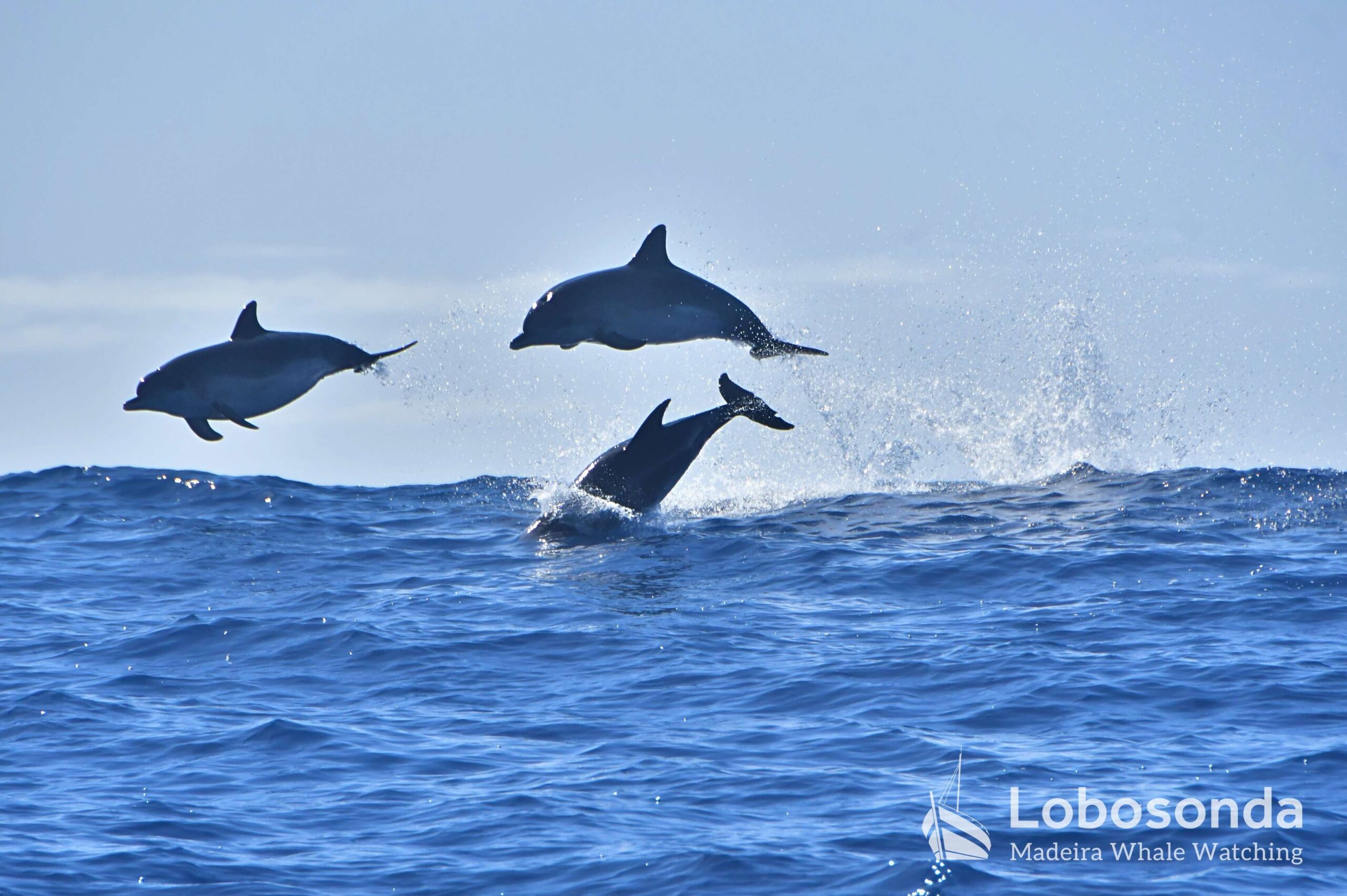
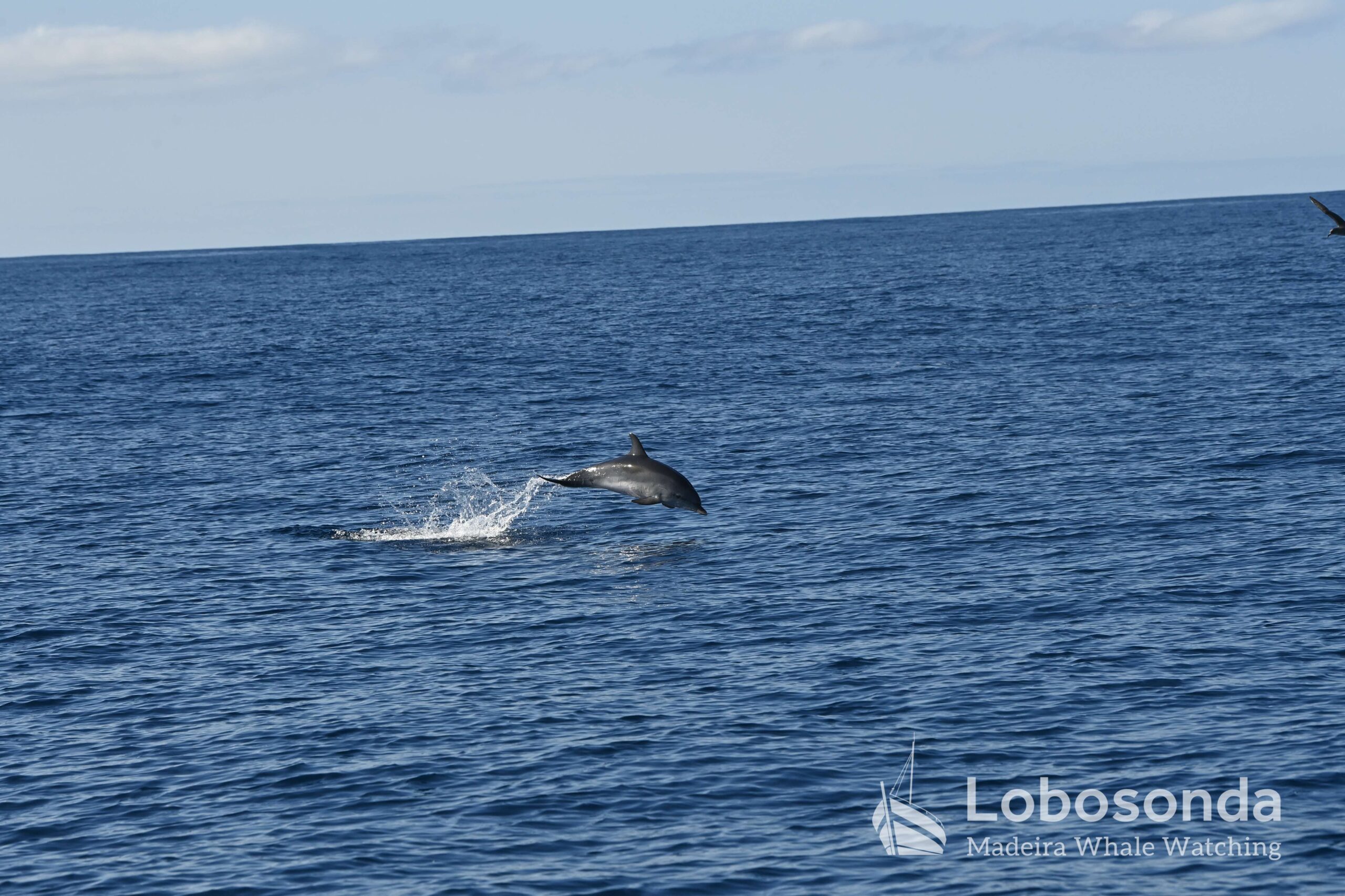
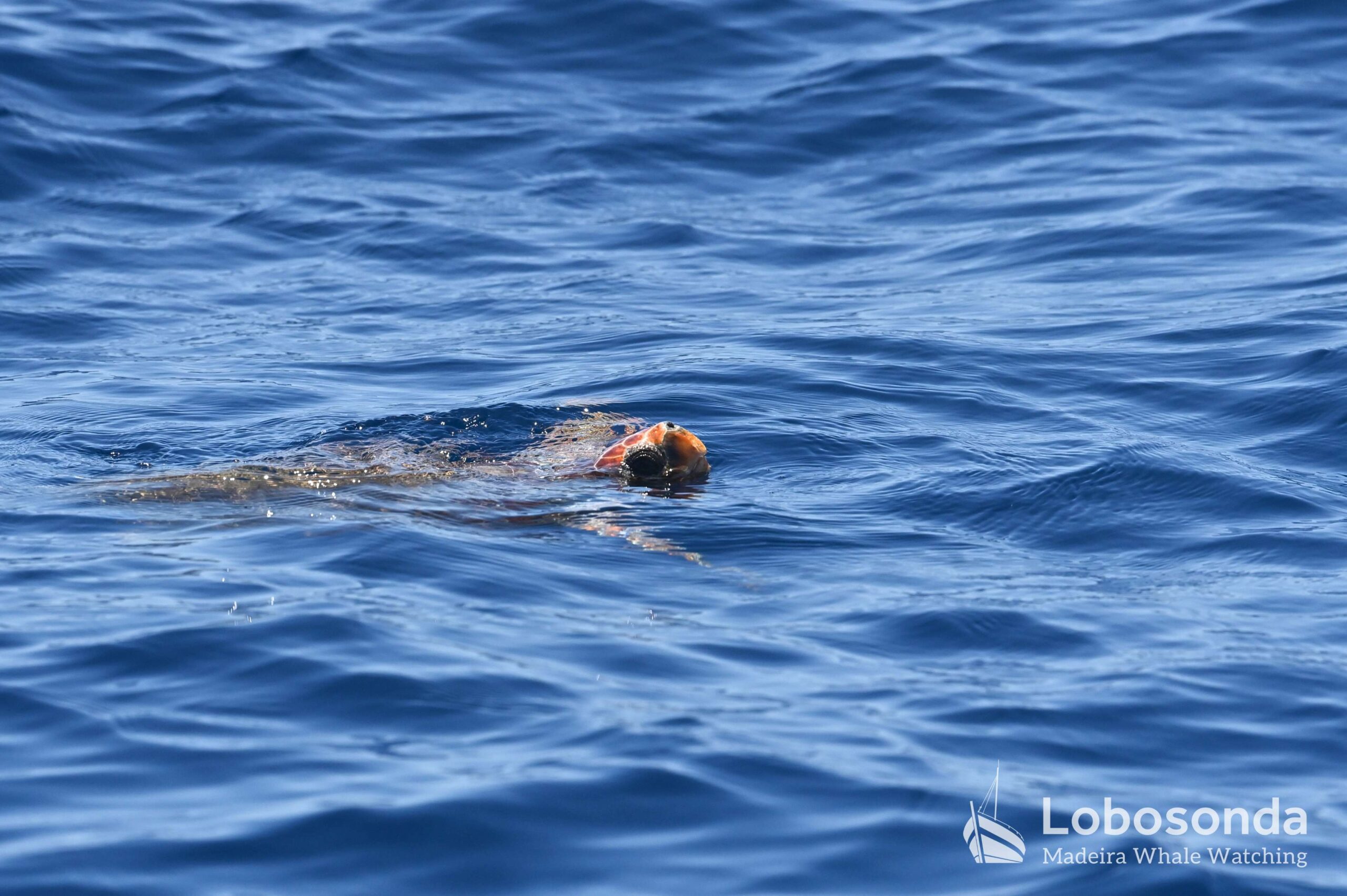
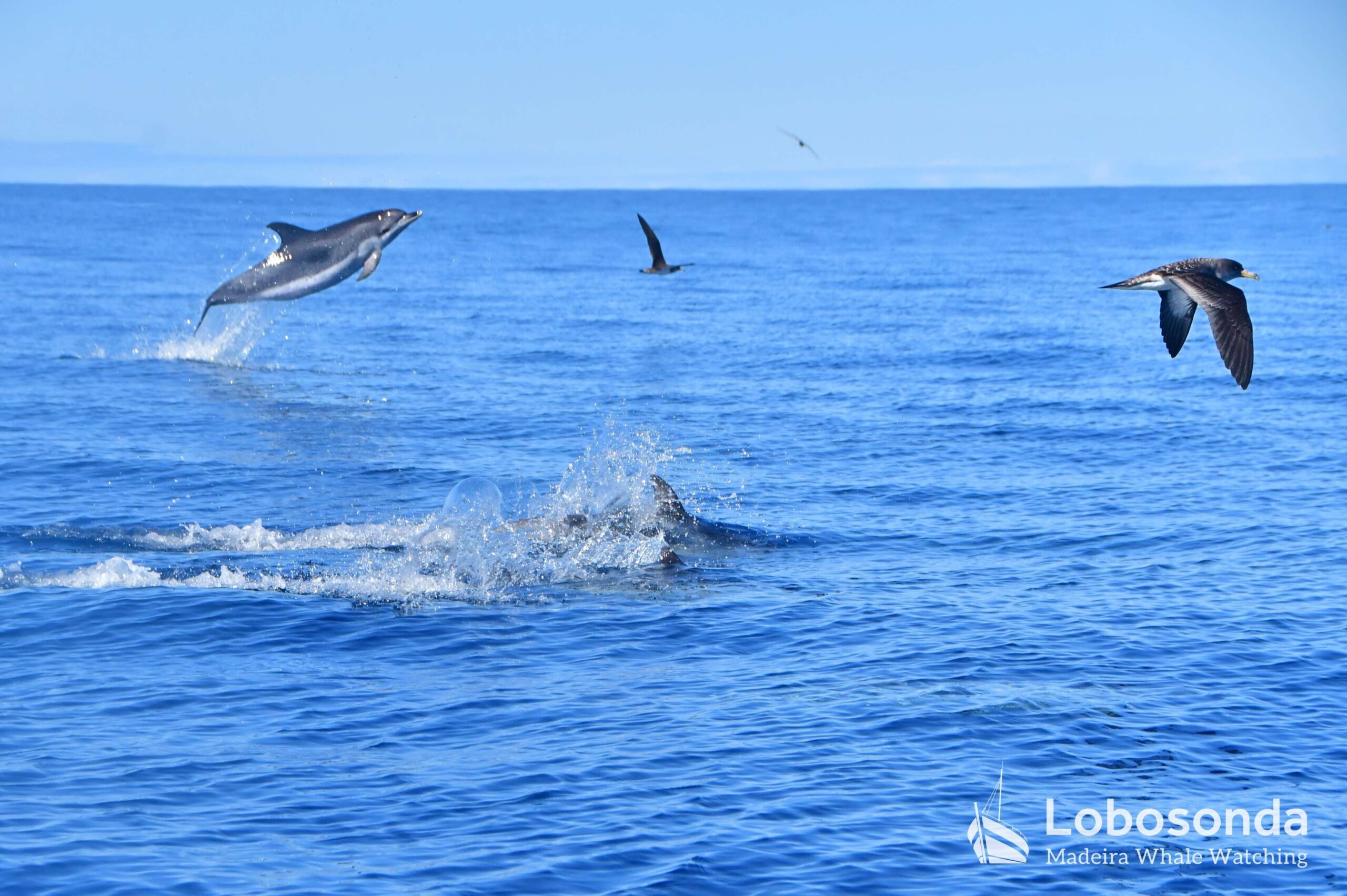
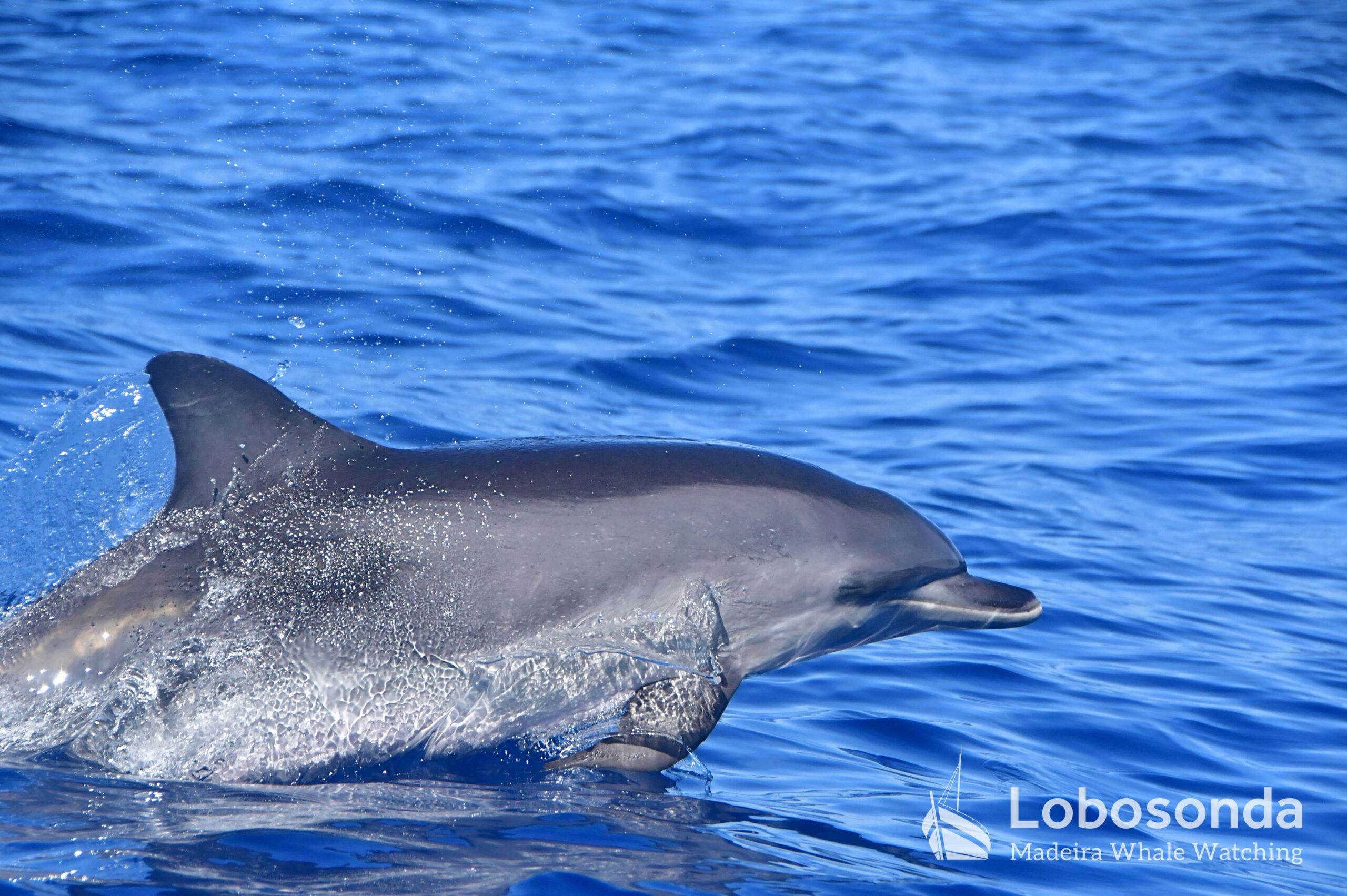
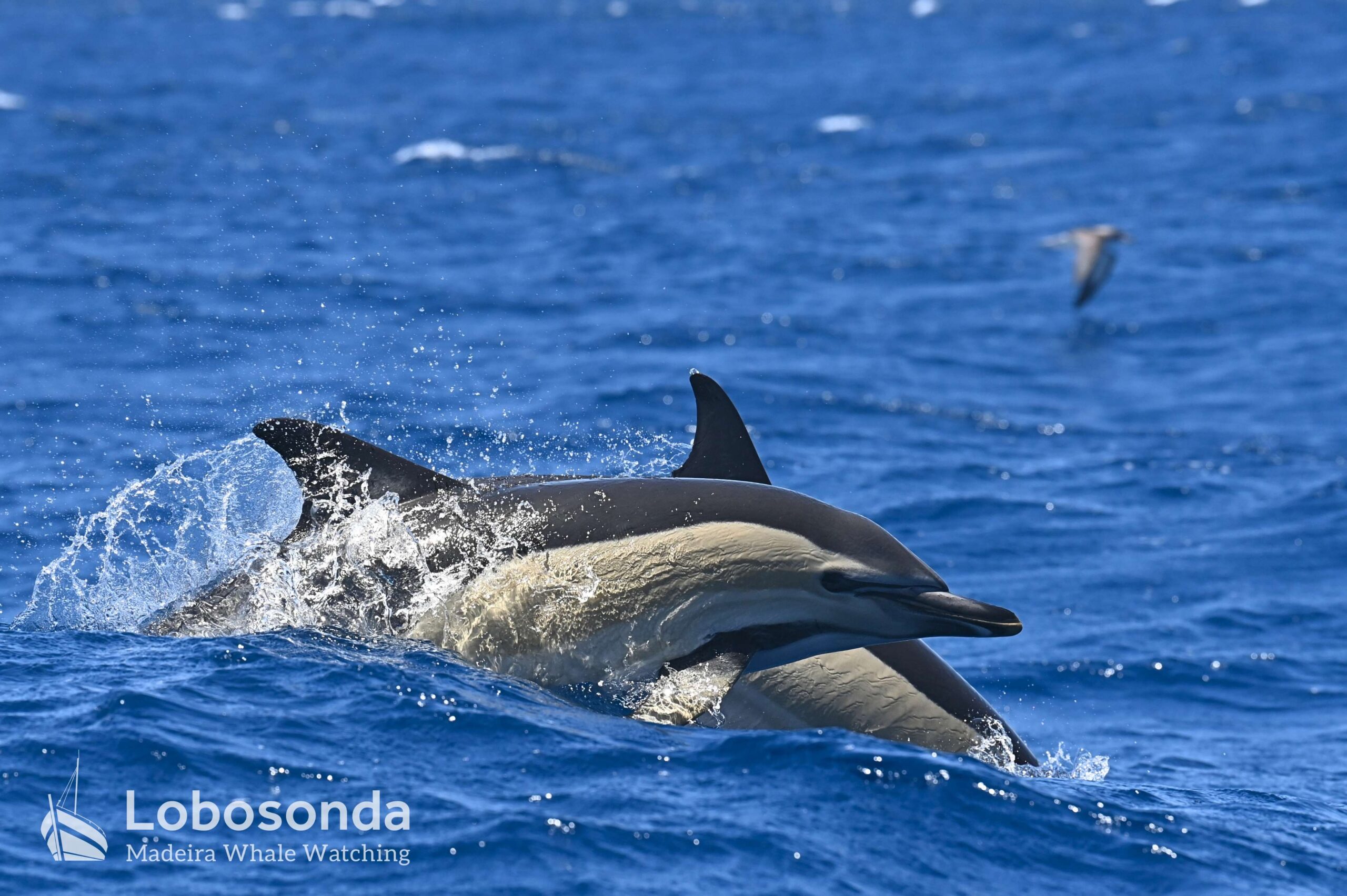
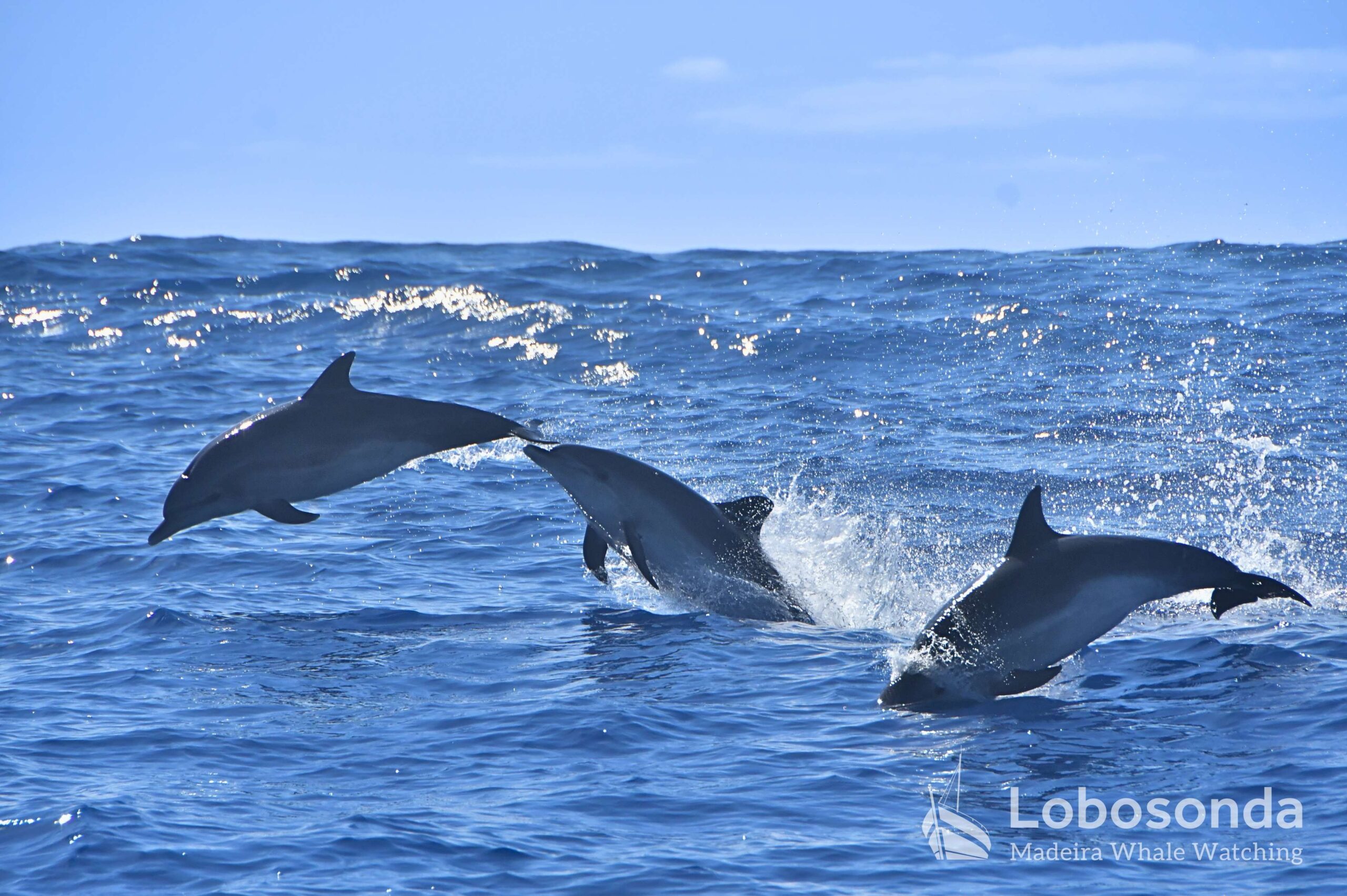
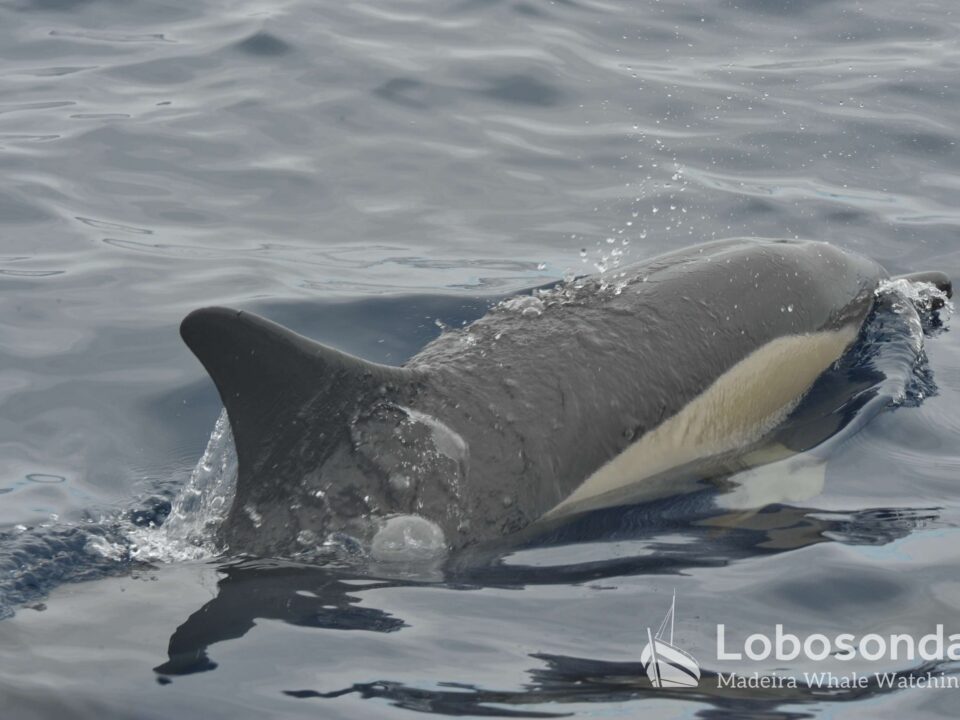
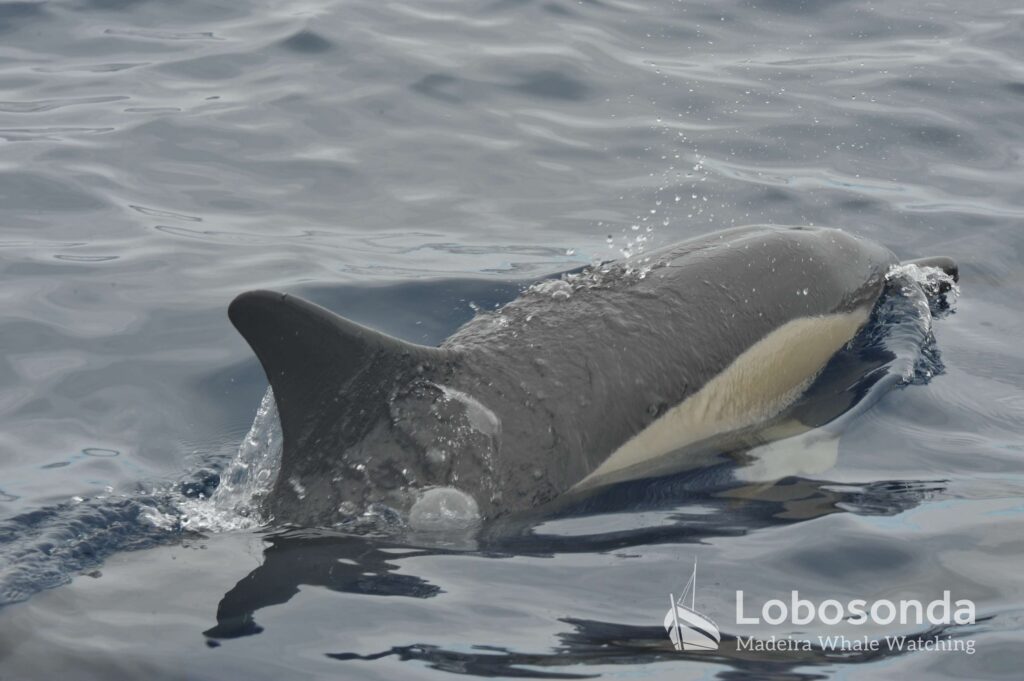
Our guests also saw Atlantic spotted dolphins (Stenella frontalis), short-beaked common dolphins (Delphinus delphis), and a loggerhead turtle (Caretta Caretta). Our residential pod of bottlenose dolphins (Tursiops truncatus) also made an appearance on the last tour. These very intelligent and well-studied dolphins have even been observed using tools, such as placing a sponge on their snout to protect it while foraging on the sea floor in Shark Bay, Australia (a study that began in the early 1980s). Another long-term project in the Red Sea found that dolphins may self-medicate by rubbing against specific corals and sponges, which release bioactive compounds that could help treat skin conditions.
By Eva Köhle
Sightings of the day
Stenella
09:30 Atlantic Spotted dolphin, Short-beaked Common dolphin
Steno
09:30 Atlantic Spotted dolphin, Short-beaked Common dolphin, Loggerhead turtle
13:30 Bottlenose dolphin