12.08.2026 – Peace and love
August 19, 2026
14.08.2026 – An Ending
August 21, 2026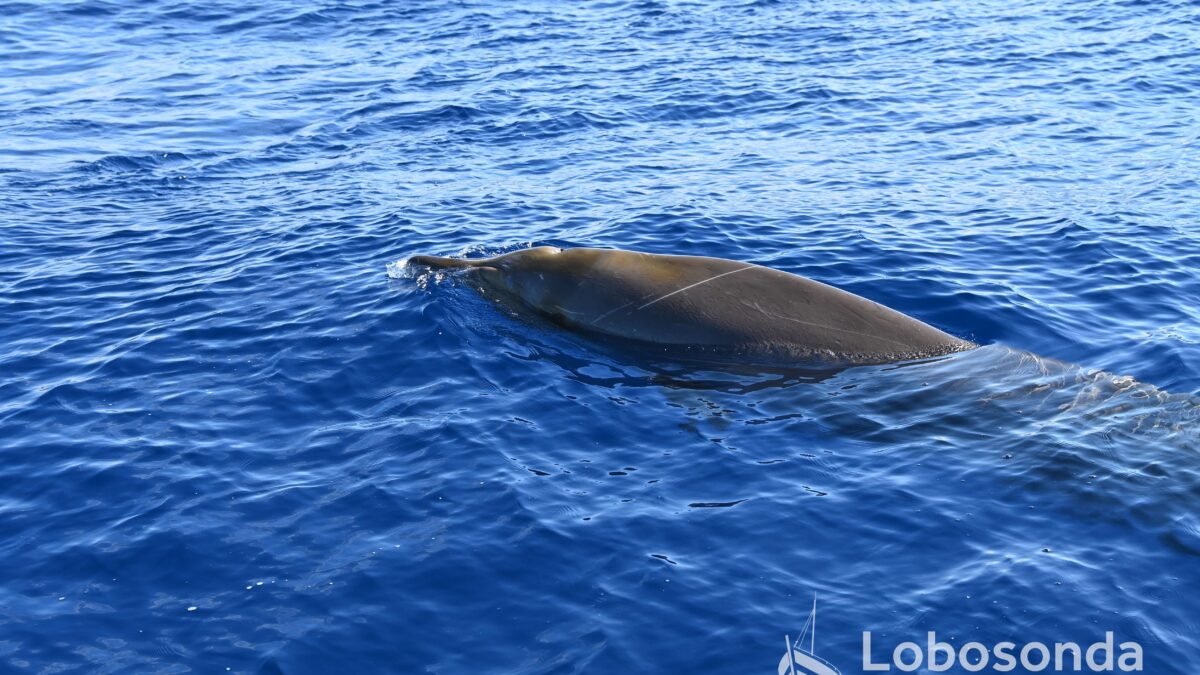
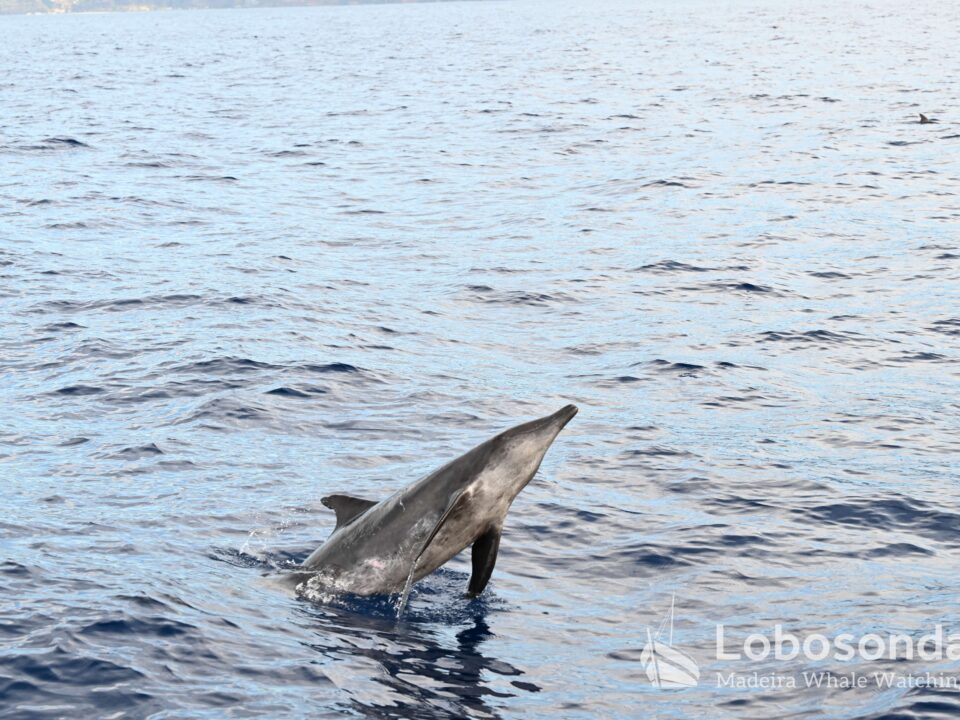
Today, we were lucky enough to encounter a group of Risso’s dolphins during our tour. They are always fascinating to see, not only because of their distinctive appearance, but also because every individual seems to carry a unique story on its skin.
Risso’s dolphins (Grampus griseus) are easy to distinguish from many of the other dolphin species we encounter around Madeira. They have a characteristic rounded forehead, a relatively robust body and a very short, barely noticeable beak. They are born with a much darker coloration. As they grow older, their bodies gradually become covered with pale scars and scratches, sometimes making older individuals appear almost completely white.
But where do all these scars come from?
Many of them are believed to be caused by social interactions with other Risso’s dolphins. Their teeth can leave characteristic parallel scratches on the skin during interactions within the group. Other marks are thought to result from encounters with their prey, particularly squid. Since Risso’s dolphins are deep-diving predators that feed mainly on squid and other cephalopods, these interactions can leave their mark as well.
The scars are more than just an interesting feature. For researchers, they are extremely useful. The pattern of scars and pigmentation on each dolphin is unique, much like a fingerprint. By photographing the animals and comparing their markings, researchers can identify individuals and monitor them over time. This technique, known as photo-identification, helps scientists learn more about population size, social relationships, movements and how long individual dolphins remain in a particular area.
This means that when we look at a heavily scarred Risso’s dolphin, we may actually be looking at an individual that has been living in these waters for many years. Its body is, in a way, a record of its life. Marked by encounters, relationships and experiences.
So next time you see a Risso’s dolphin, take a closer look and imagine the life he has lived.
By Malina Labowsky
Sightings of the day
Ribeira Brava
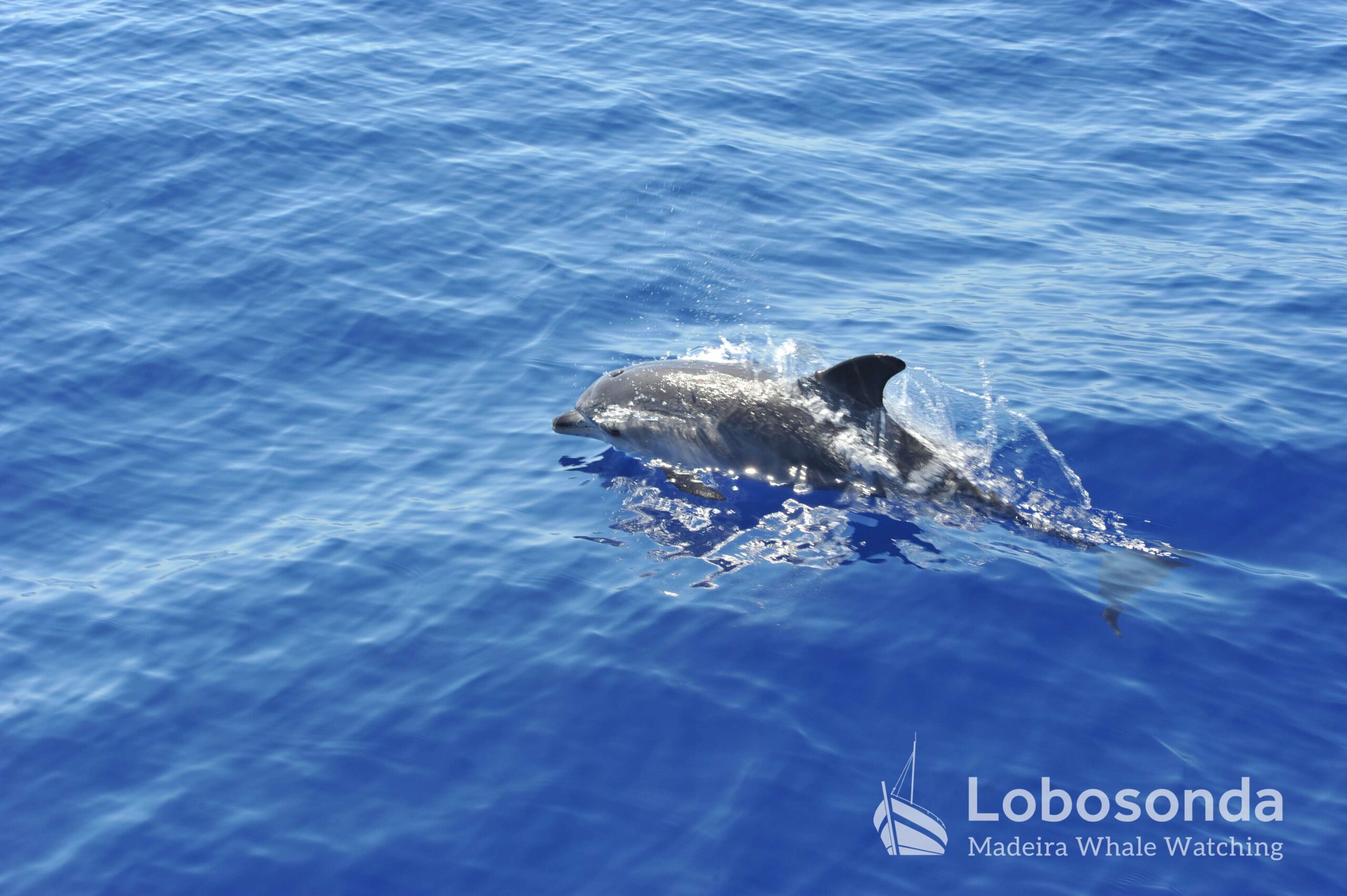
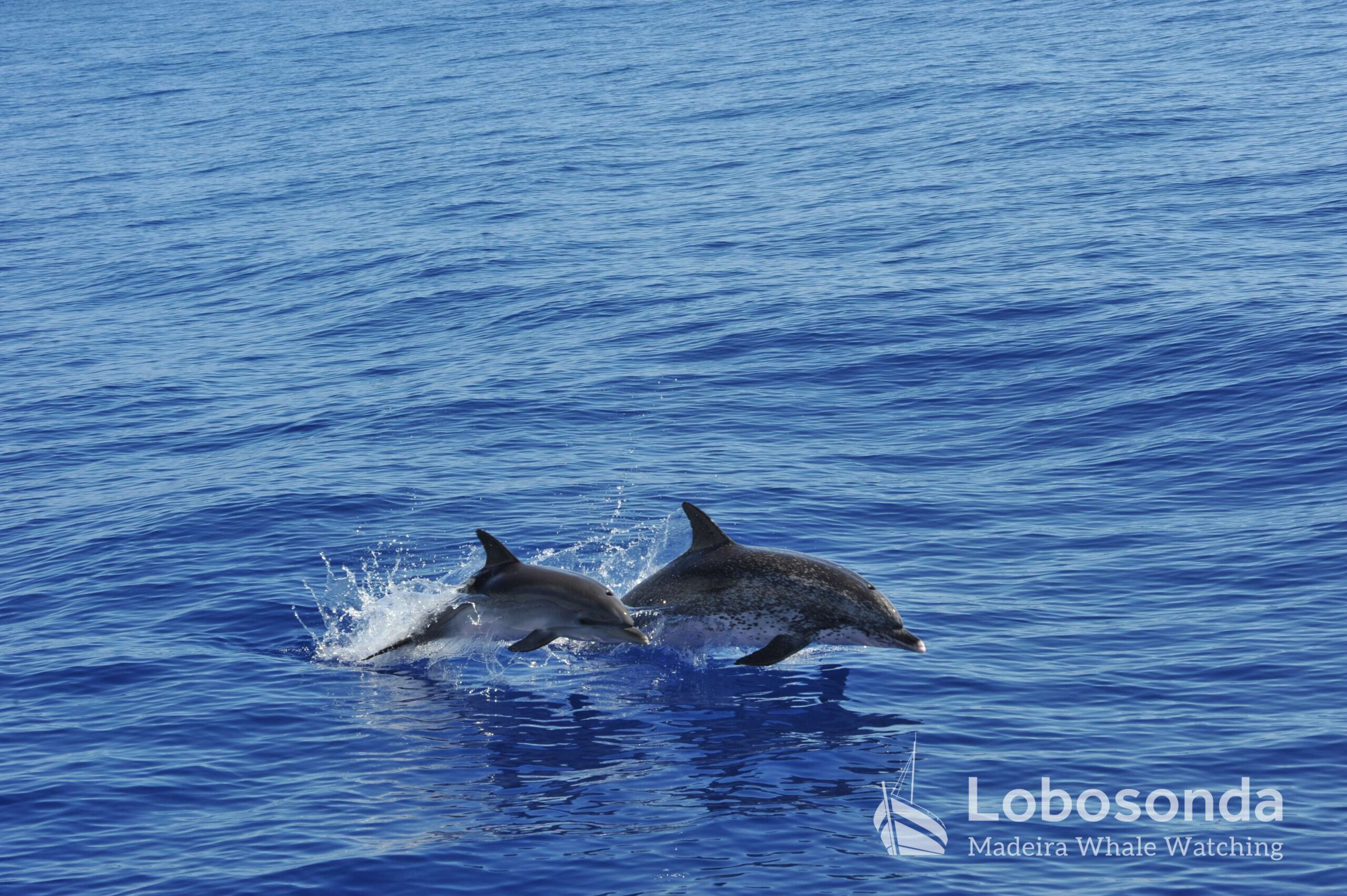
09:00 Atlantic spotted dolphin
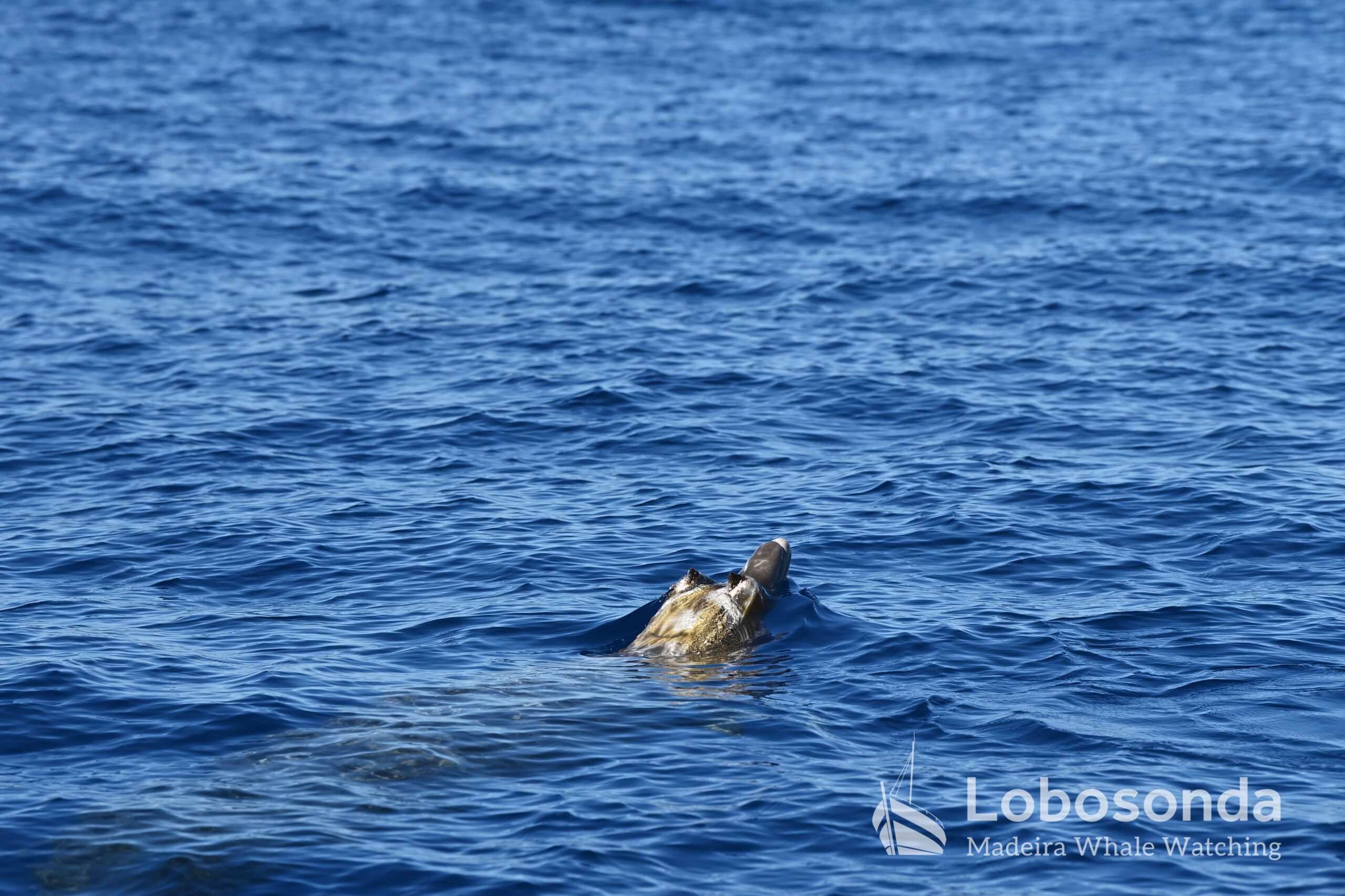
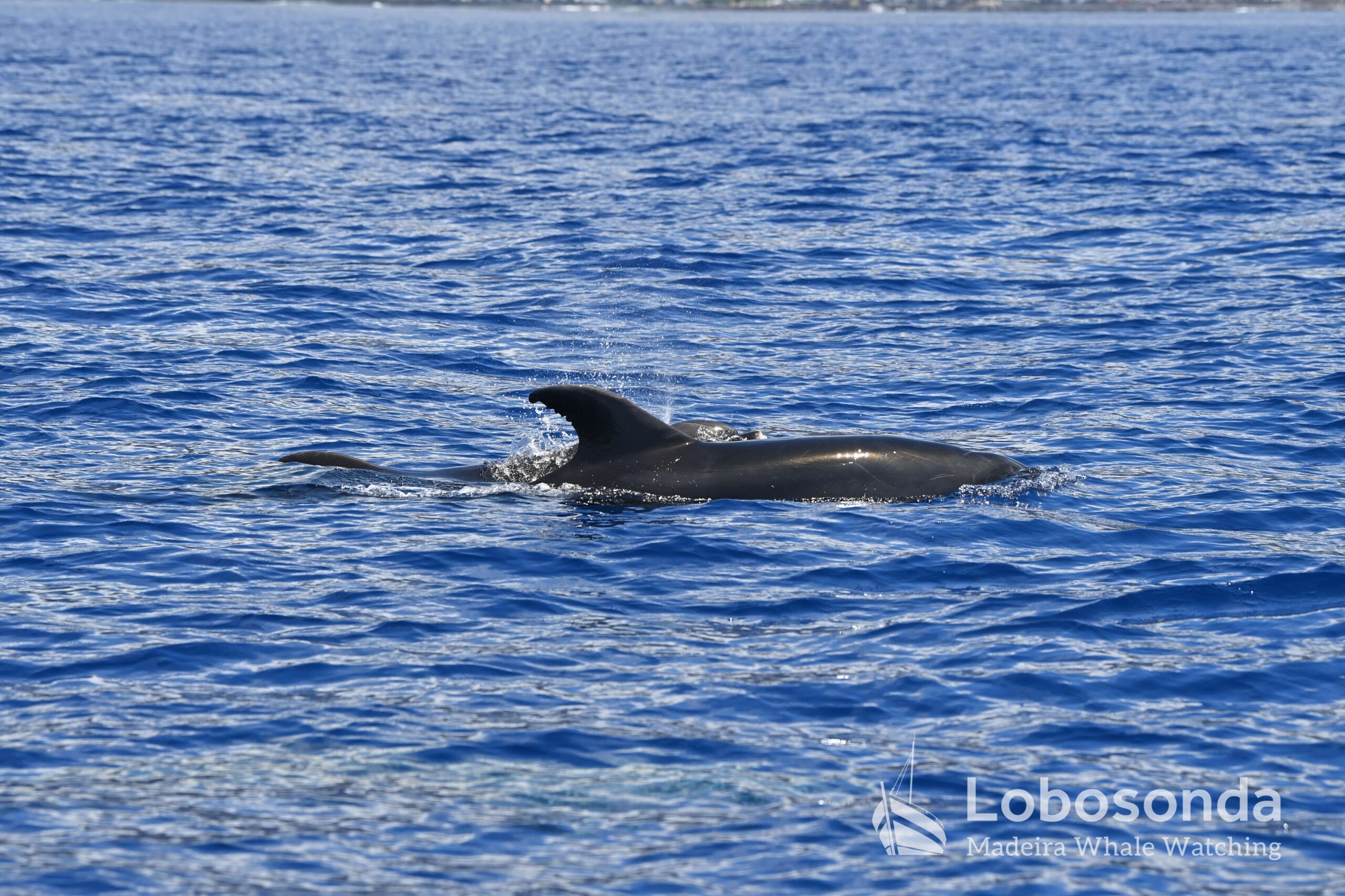
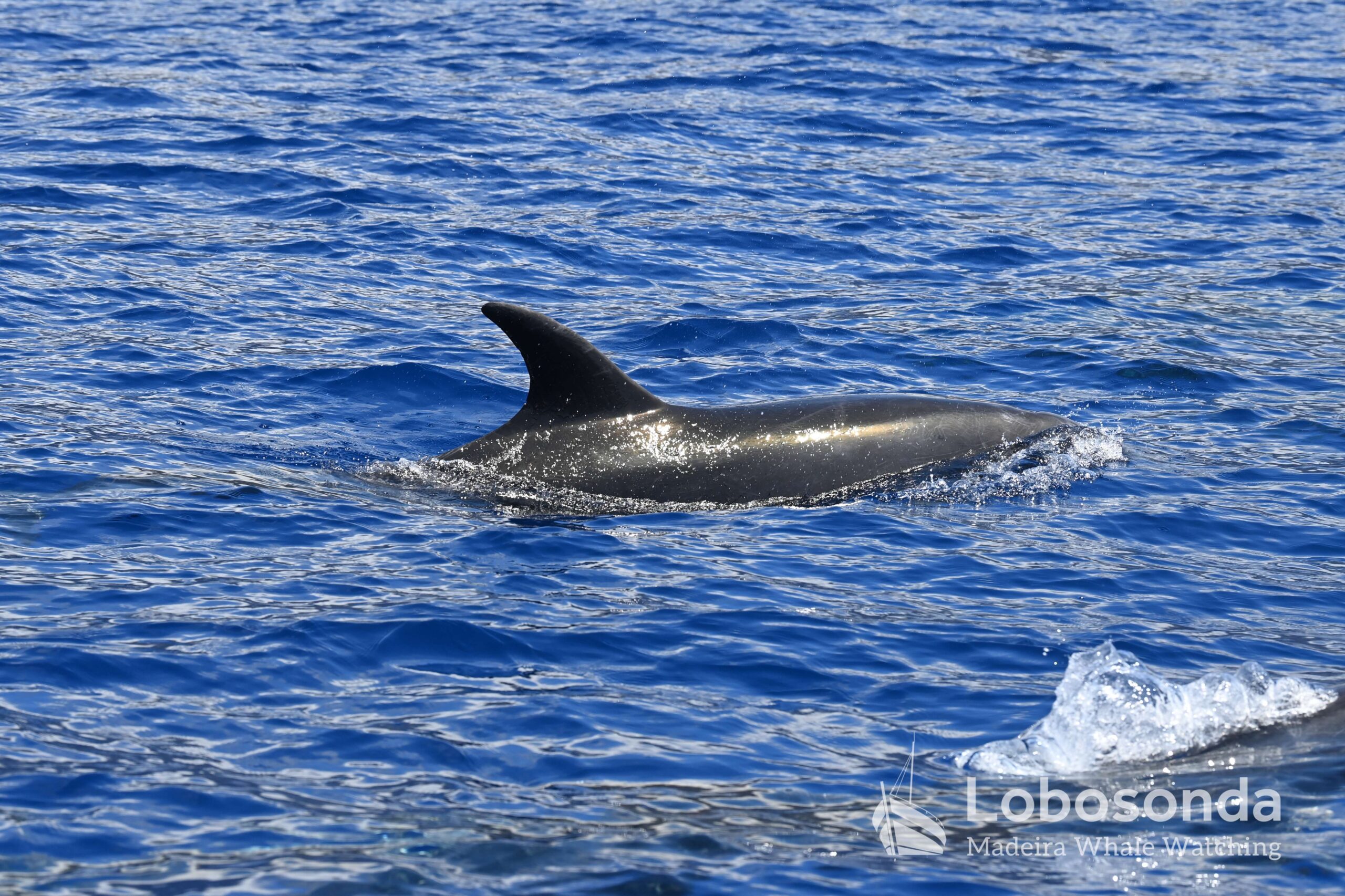
13:00 Bottlenose dolphin, Risso’s dolphin, Loggerhead sea turtle
16:30 Atlantic spotted dolphin, Bottlenose dolphin
Steno
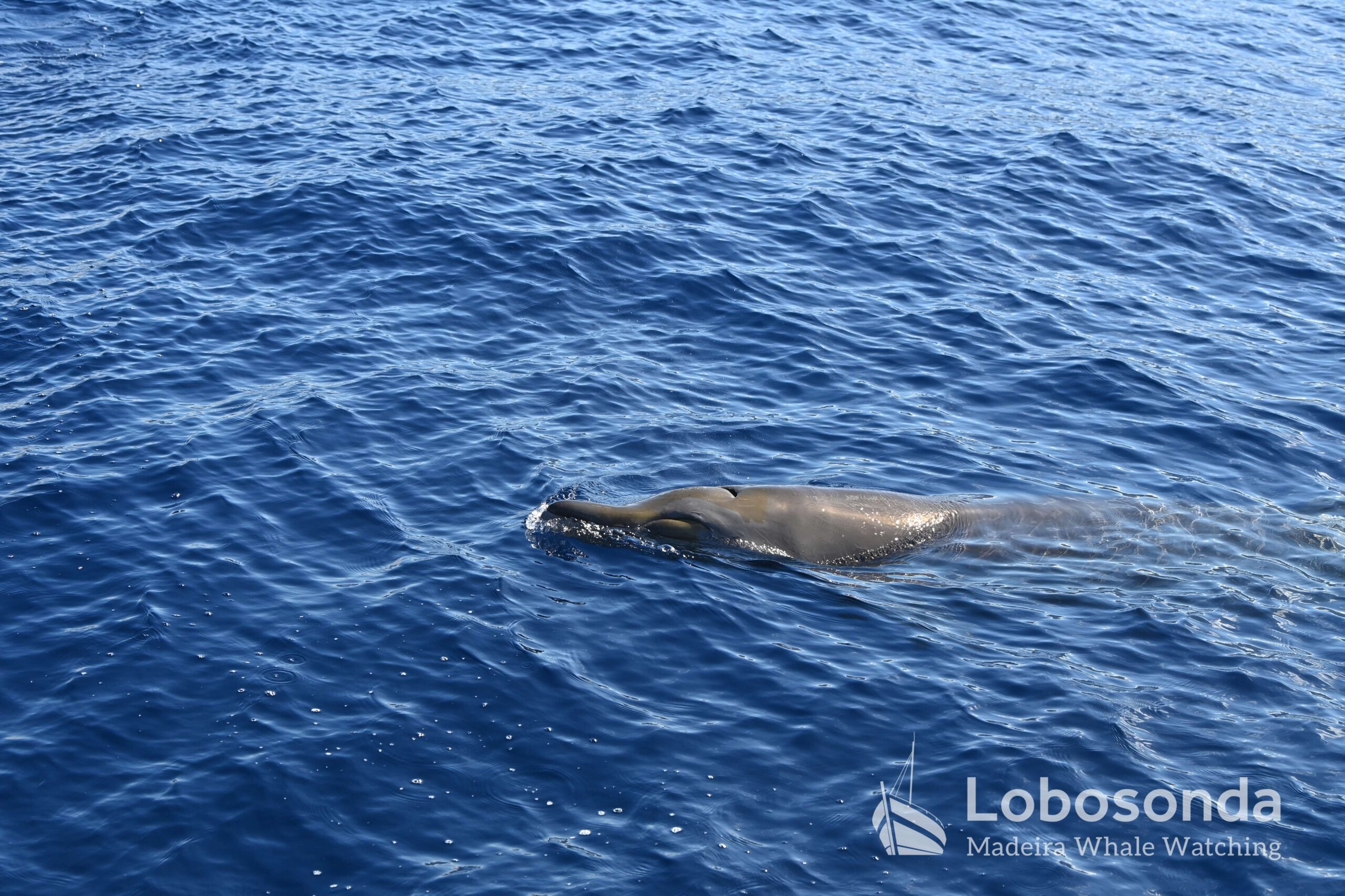
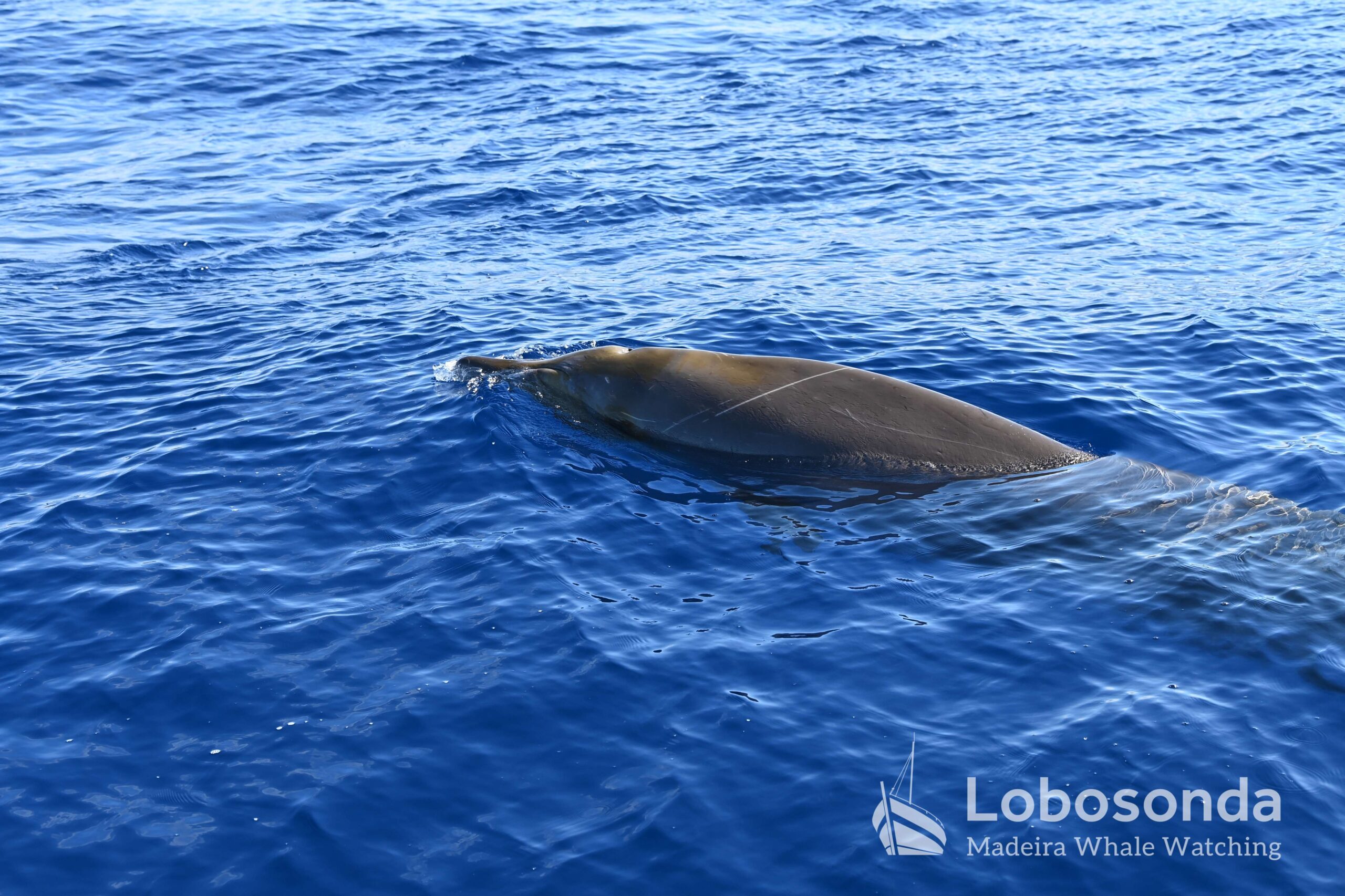
09:30 Atlantic spotted dolphin, Blainville’s beaked whale
13:30 Bottlenose dolphin, Risso’s dolphin, Loggerhead sea turtle
16:30 Bottlenose dolphin, Atlantic spotted dolphin