11.05.2026 – One successful and dry trip
May 17, 2026
13.05.2026 – Breach and Splash
May 19, 2026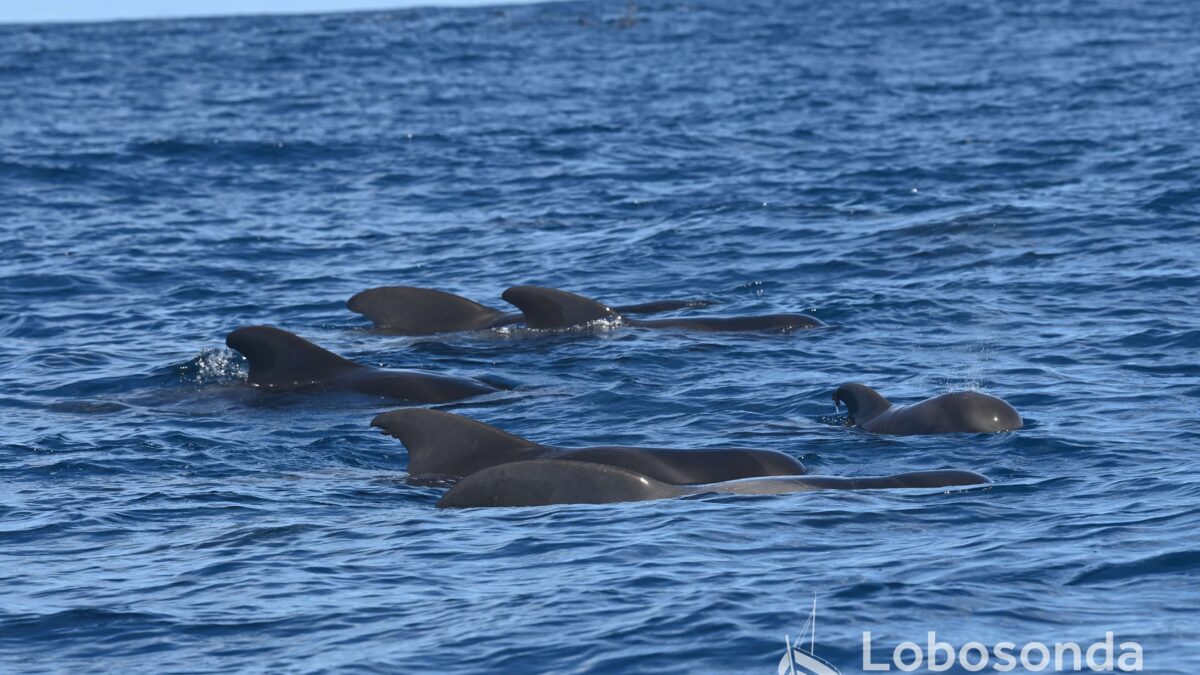
There is no better way to describe dolphins; the animals practically embody the word “social”. Decades of research have shown that dolphins function brilliantly as a unit, supporting their pod members where needed and coordinating amongst themselves when hunting. These social units all function very differently according to the needs of the species.
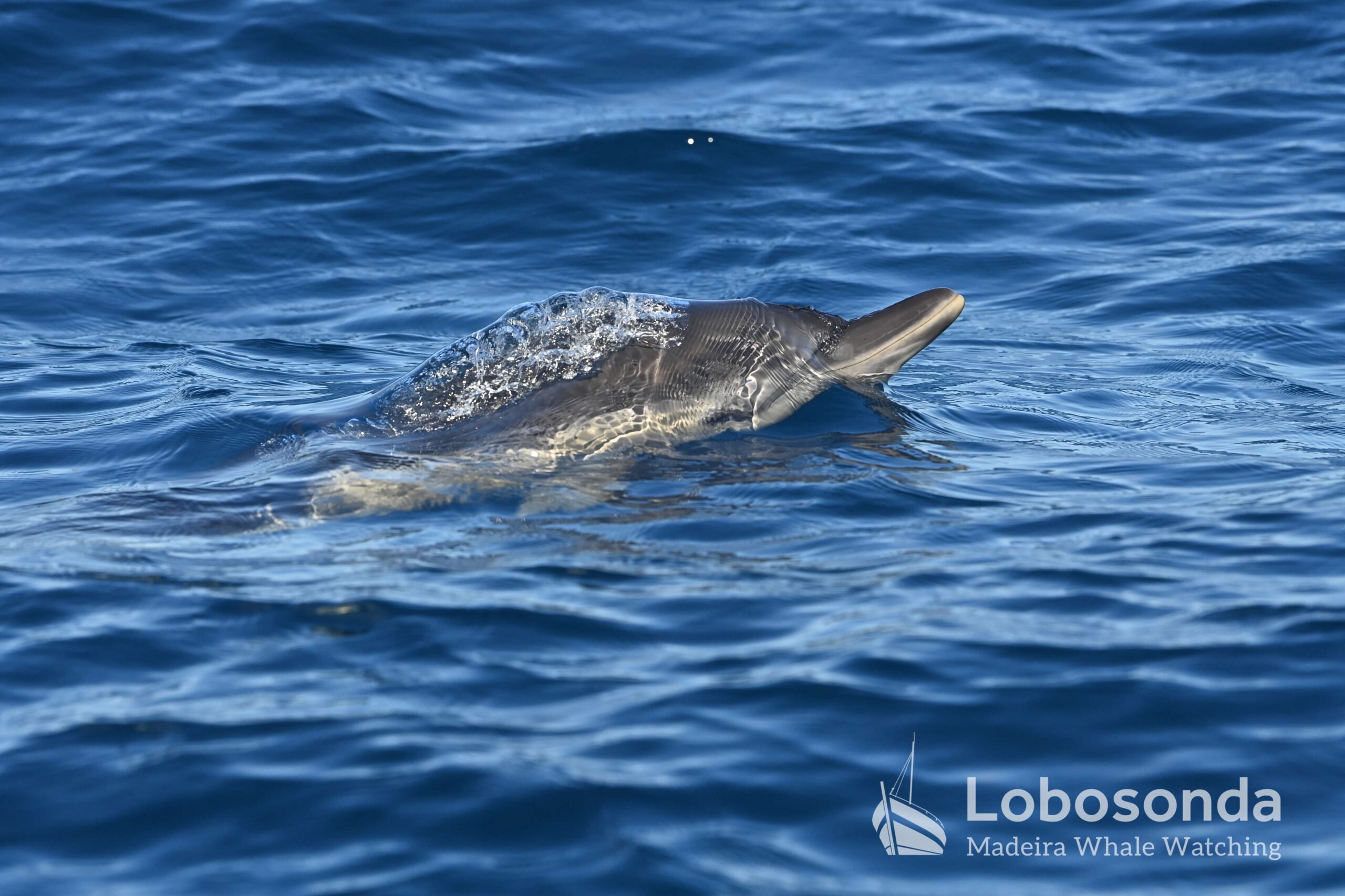
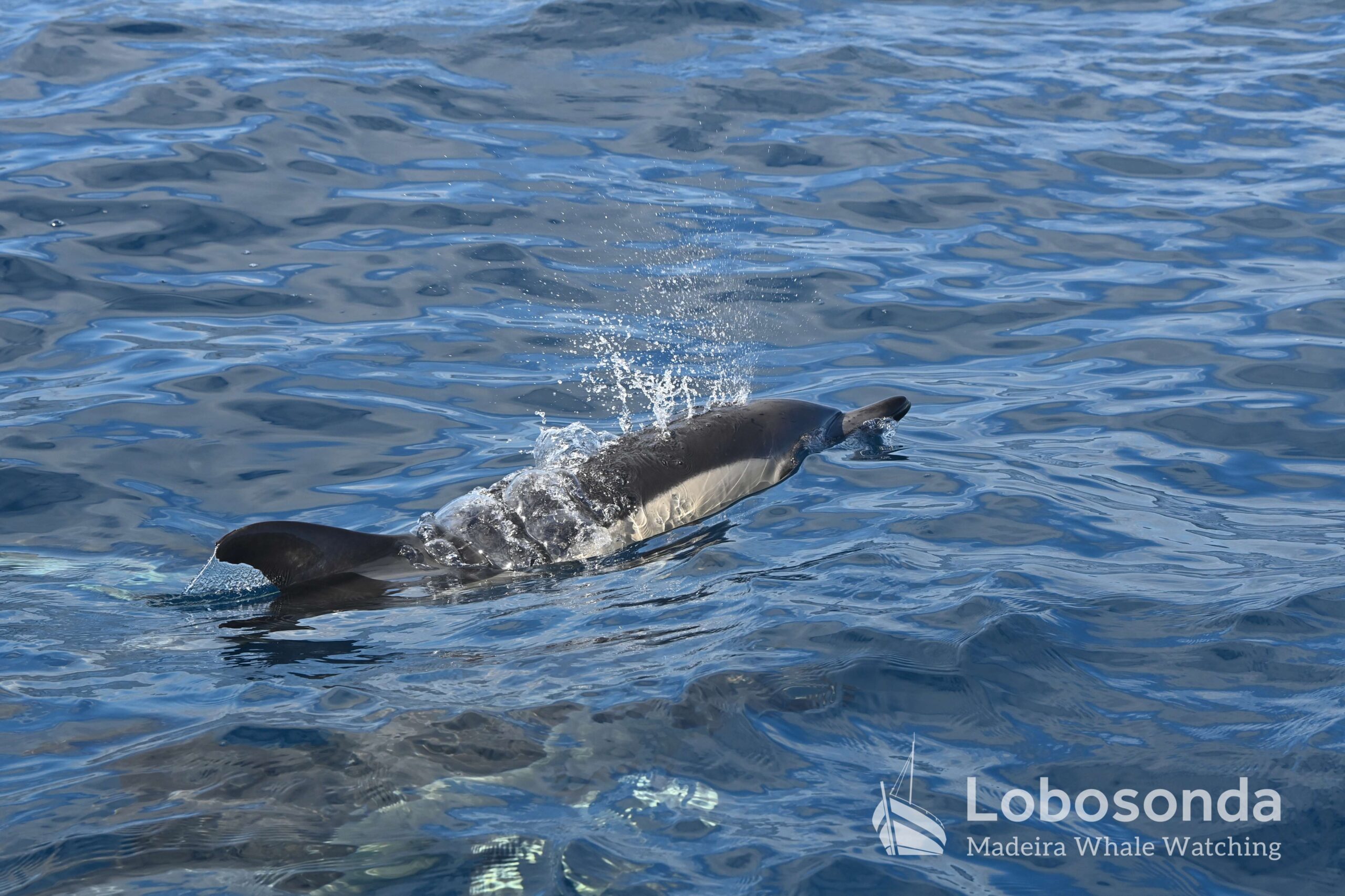
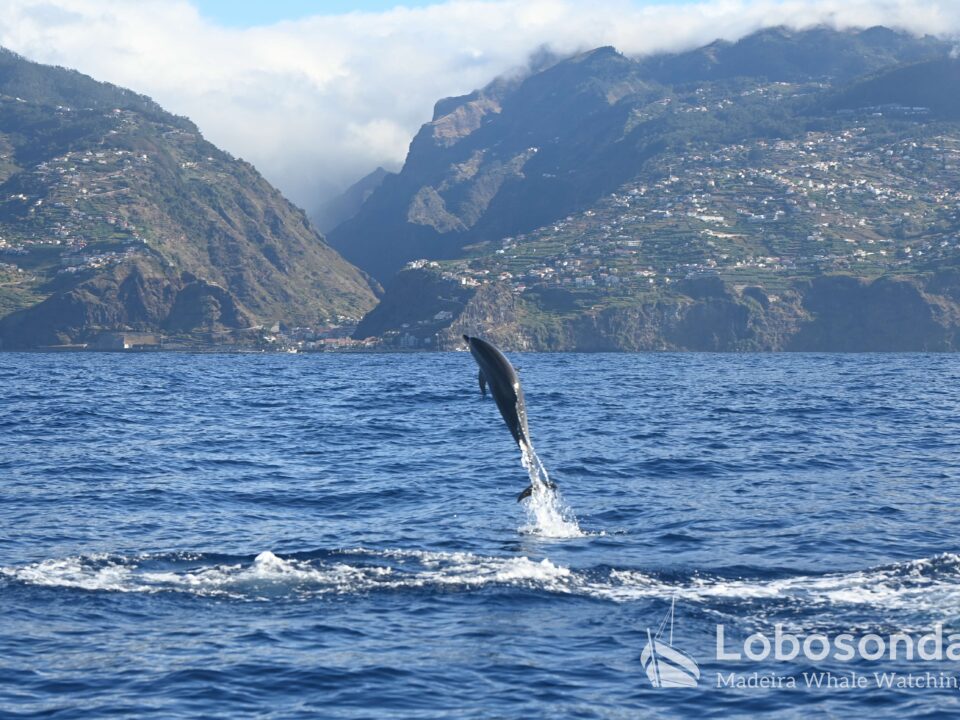
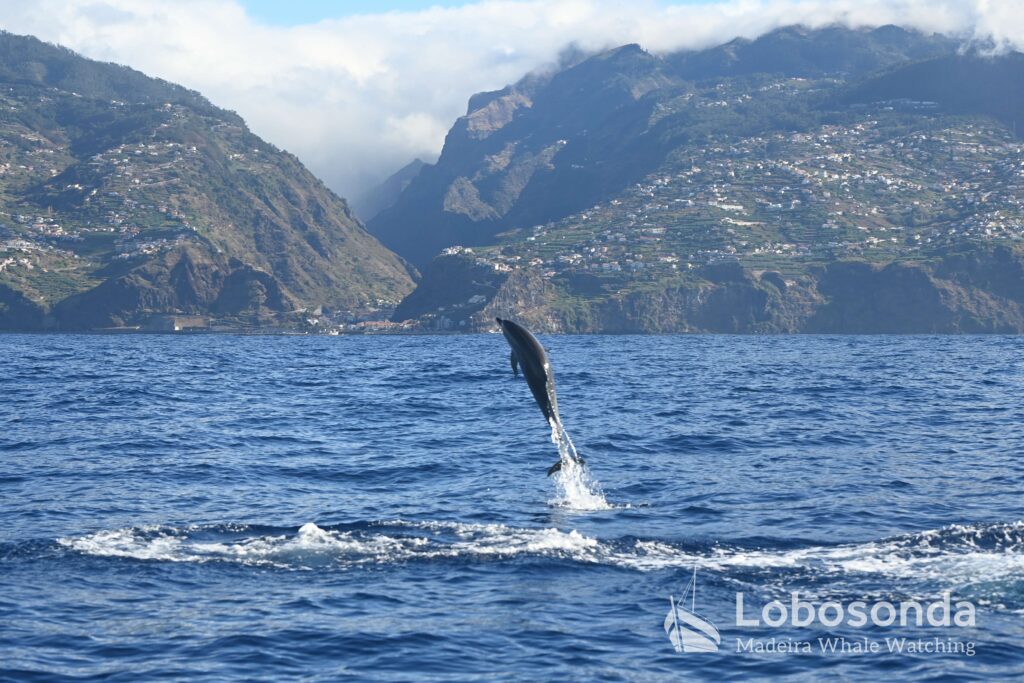
Short-beaked common dolphins (Delphinus delphis), curious and beautiful dolphins that have fascinated mankind since time immemorial, tend to form rather loosely knit pods that re often gigantic in size, especially when they are travelling through the ocean. Within these large pods there are several subgroups, consisting of animals that have closer relationships to each other. These subgroups are usually age- and gender-specific.
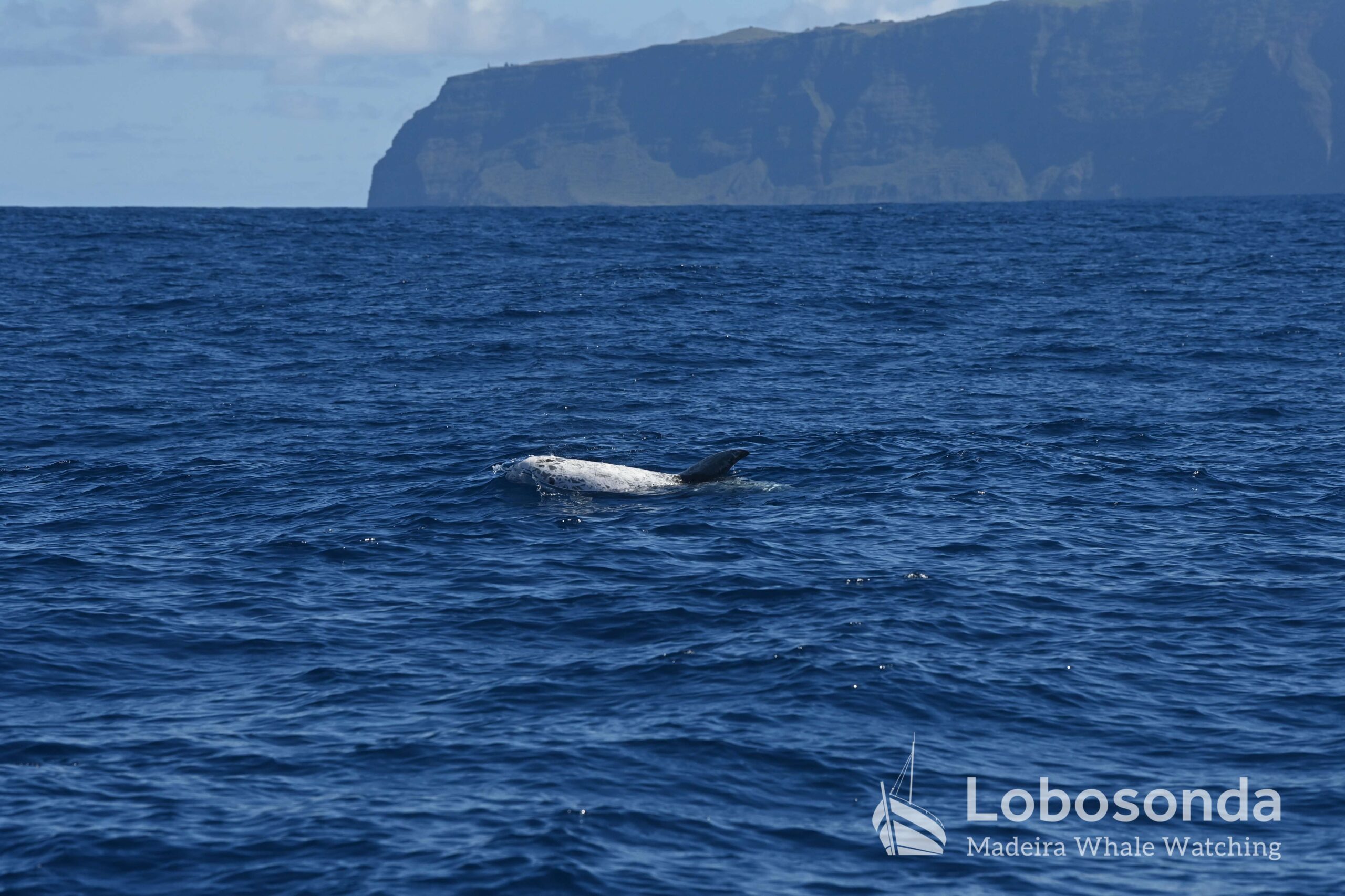
Risso’s dolphins (Grampus griseus) exhibit a stratified social organisation that typically consist of clusters of 3–12 individuals. Like with the common dolphins, these are based on age and sex, but they are known to often form long-term, stable bonds within these smaller groups rather than stick to a classic strictly fluid fission-fusion society.
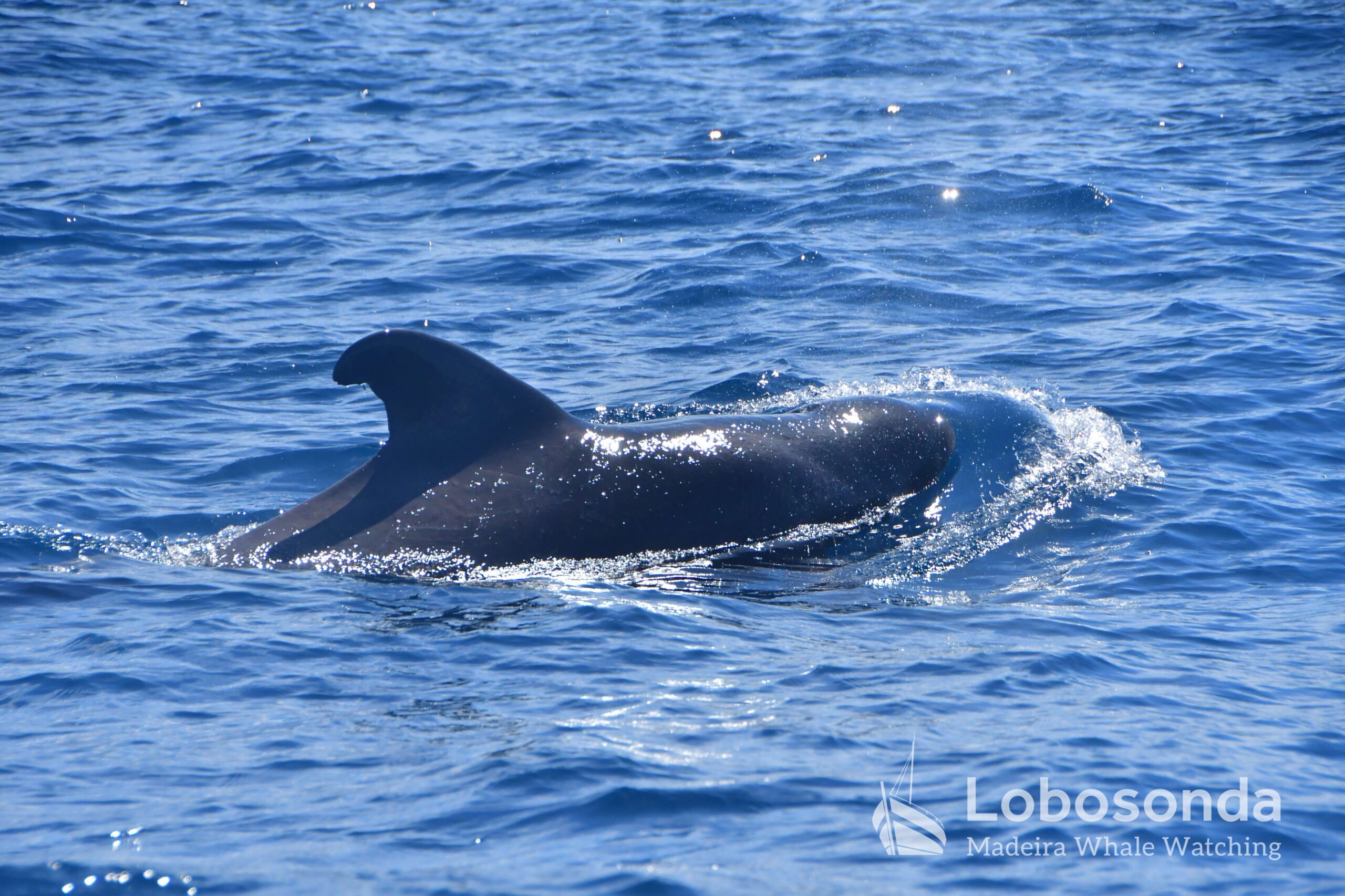
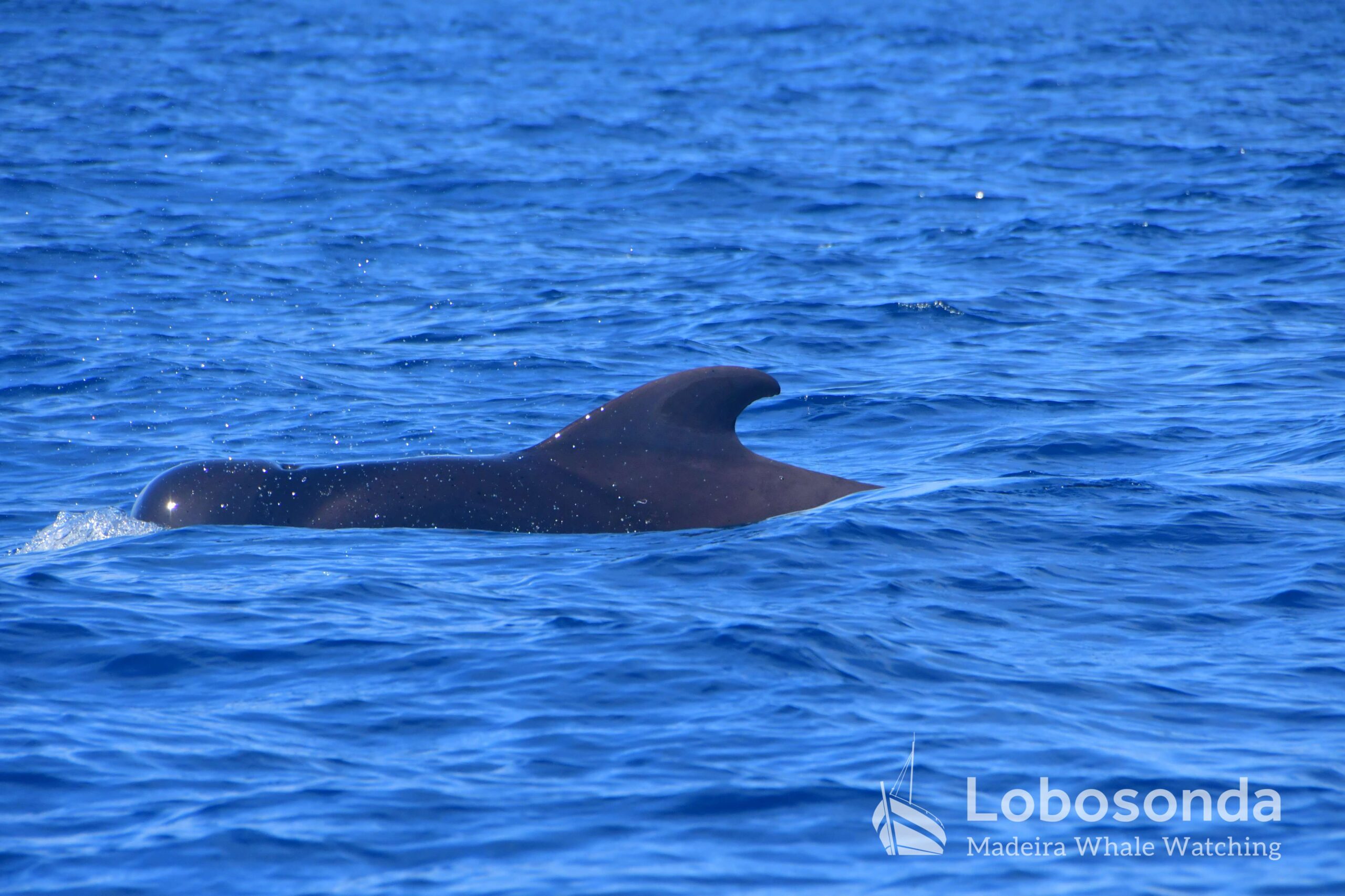
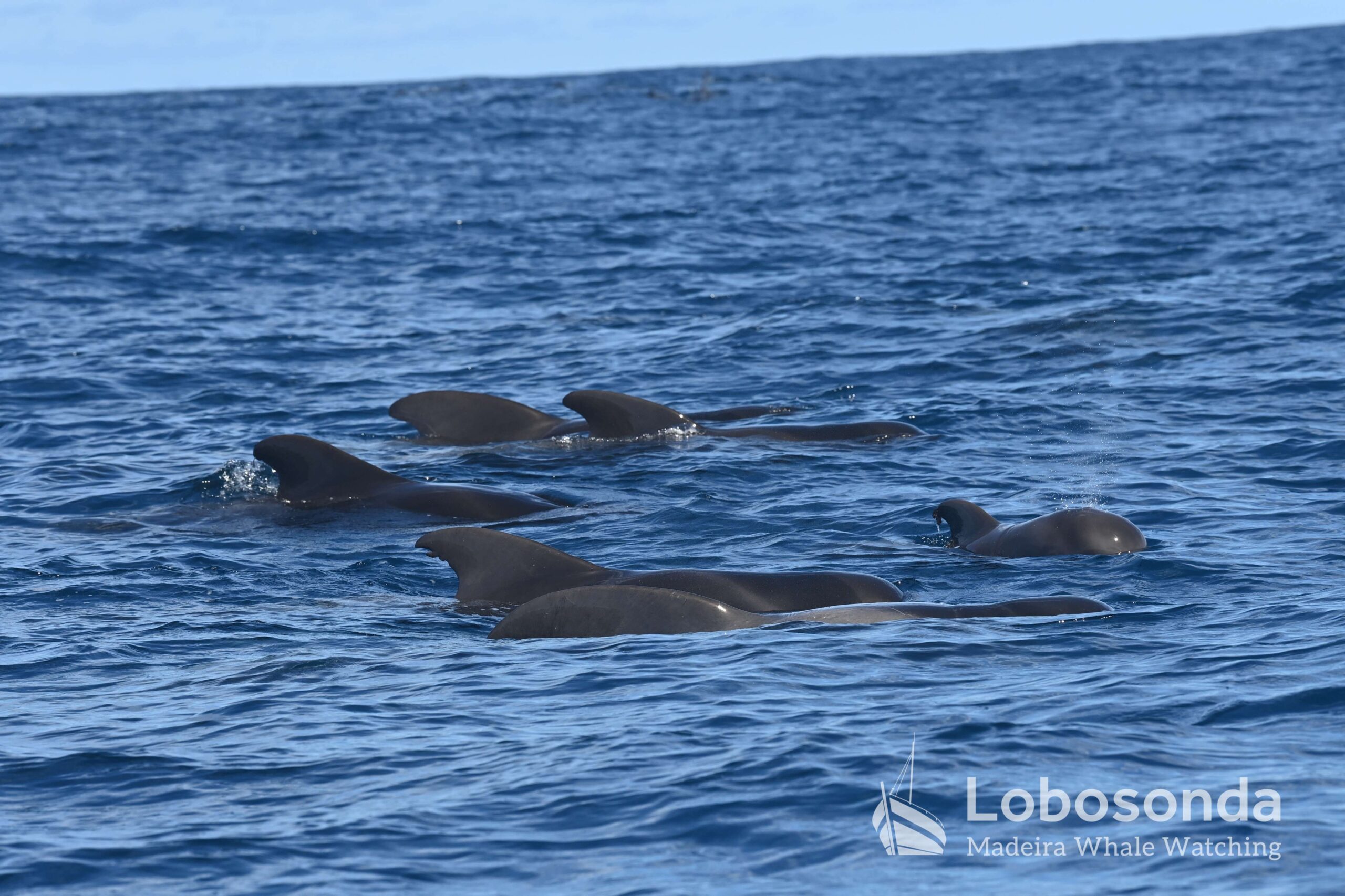
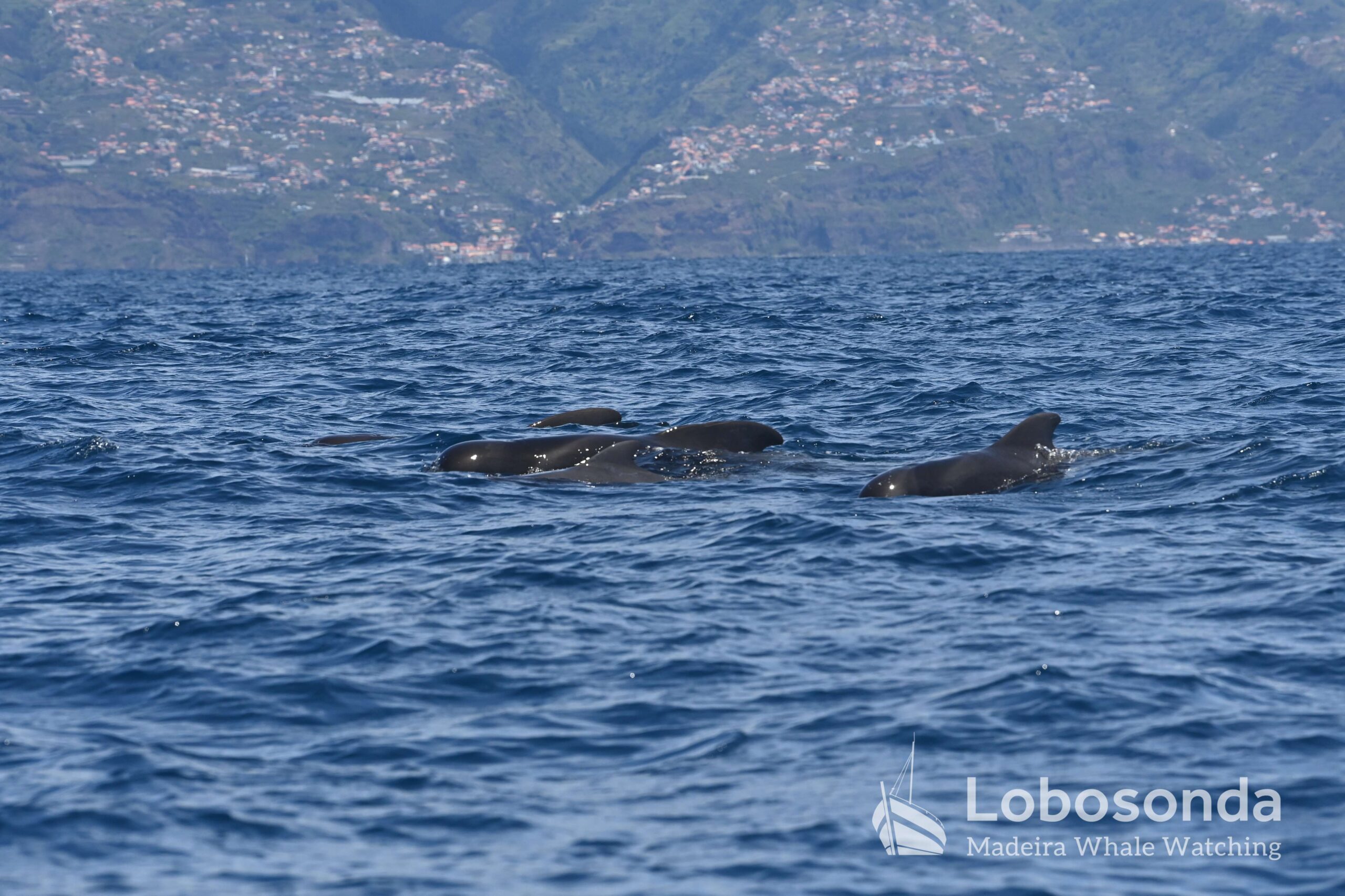
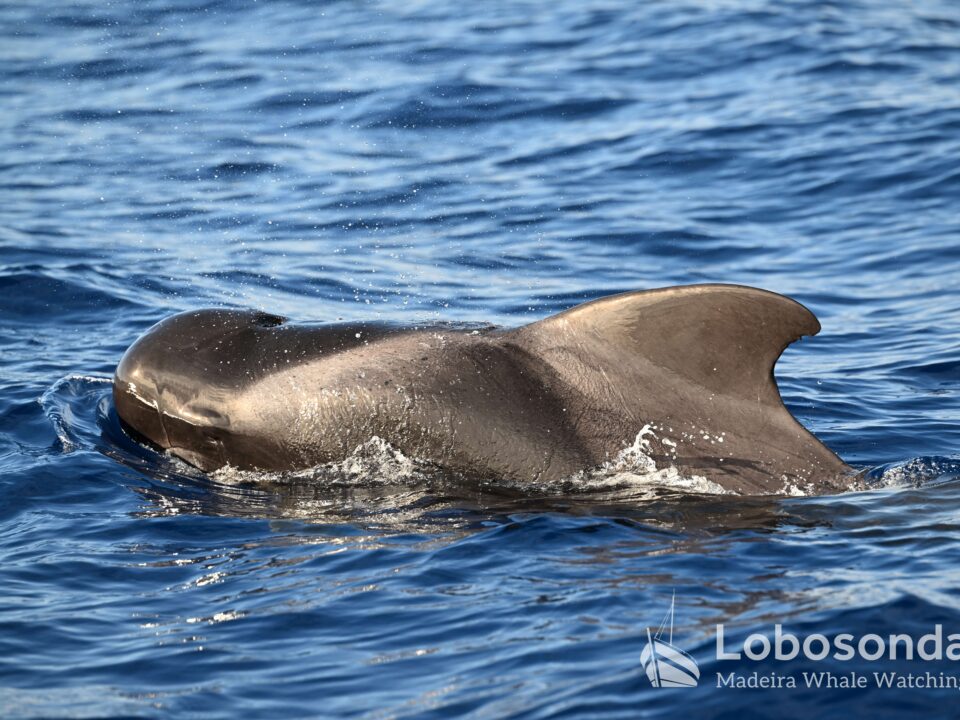
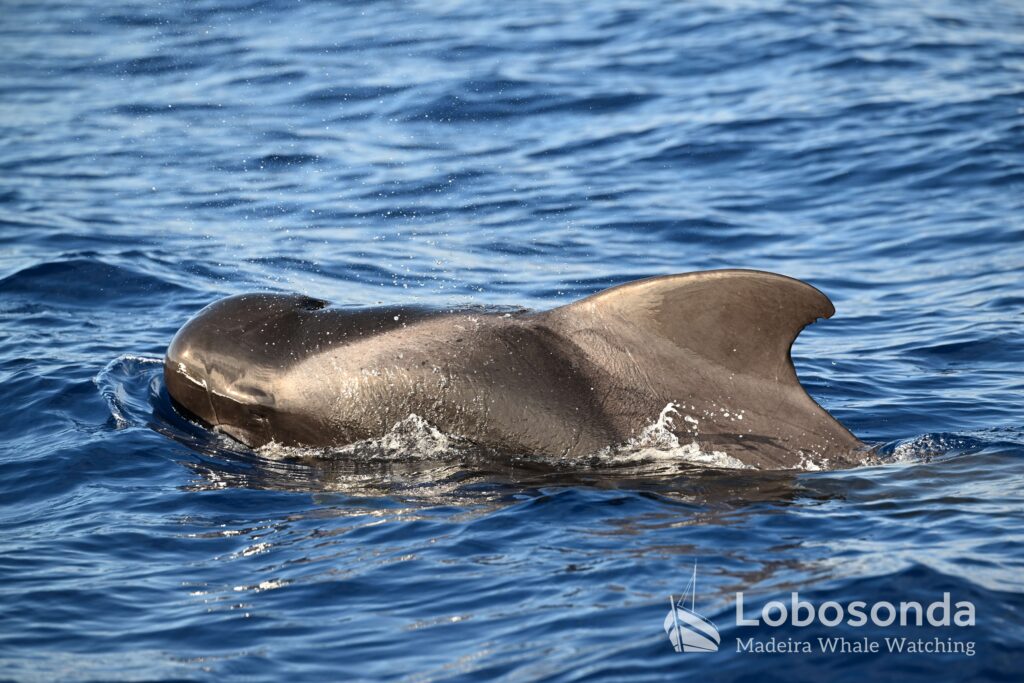
The most stable groups from the three species sighted today are the female matriarchal pods of the Short-finned pilot whales (Globicephala macrorhynchus), where all family members tend to the young and care for them. This shared responsibility cements the strong relationship amongst the animals and helps maintain the stability of the group.
By Paula Thake
Sightings of the day
Steno
09:30 Risso’s dolphins, Short-beaked common dolphins, Short-finned pilot whales
13:30 Short-finned pilot whales
Stenella
09:30 Risso’s dolphins, Short-beaked common dolphins, Short-finned pilot whales