10.02.2026 – The first sighting of the year
February 16, 2026
12.02.2026 – Contrasts
February 18, 2026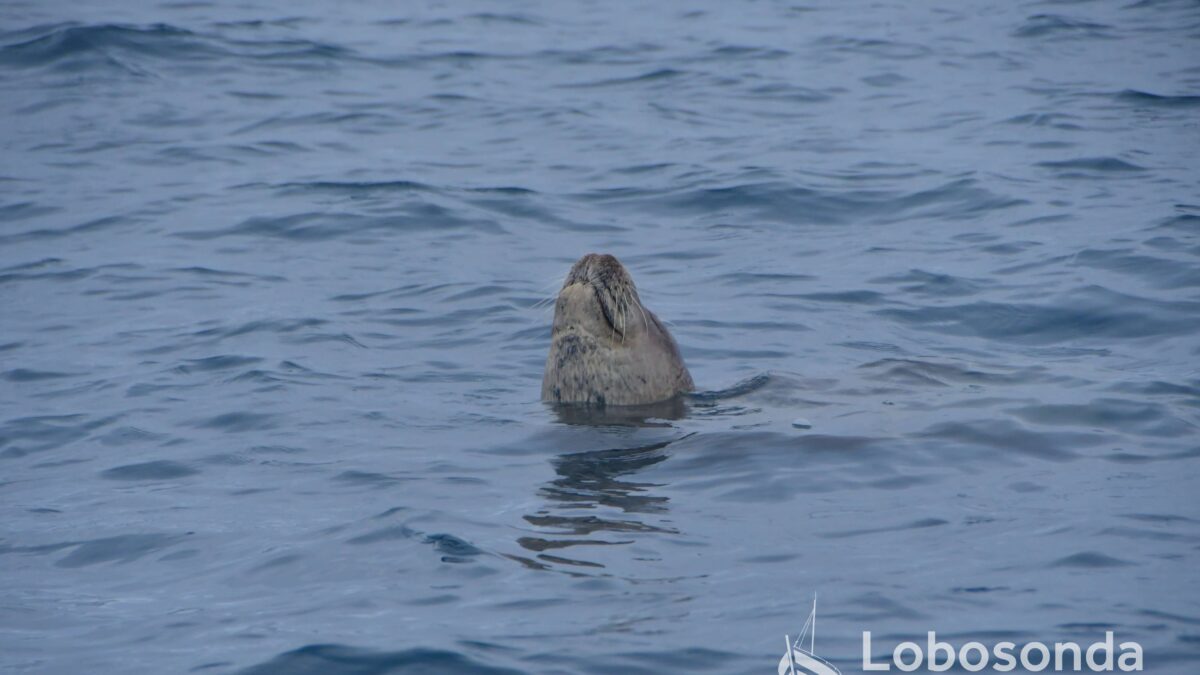
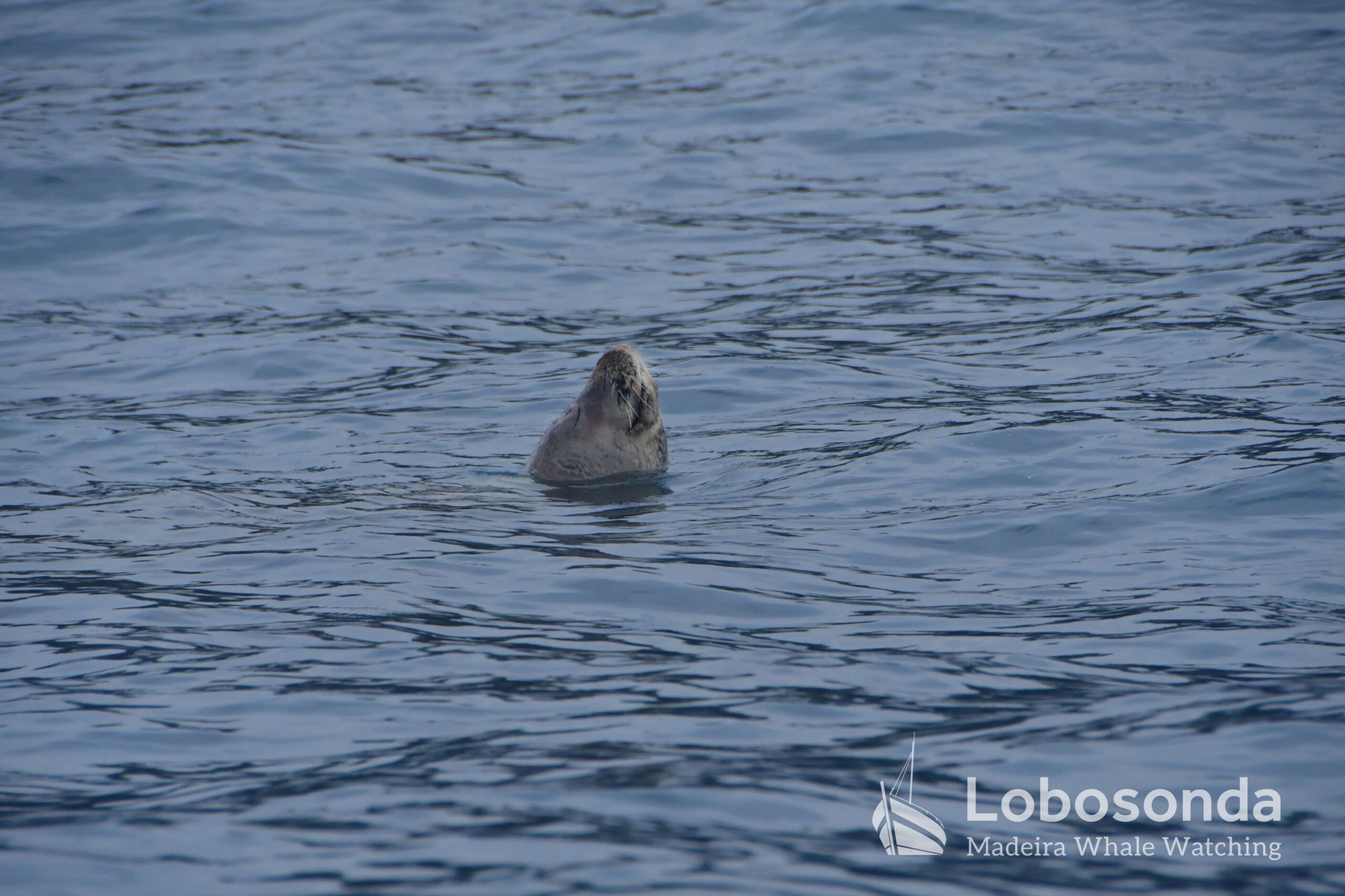
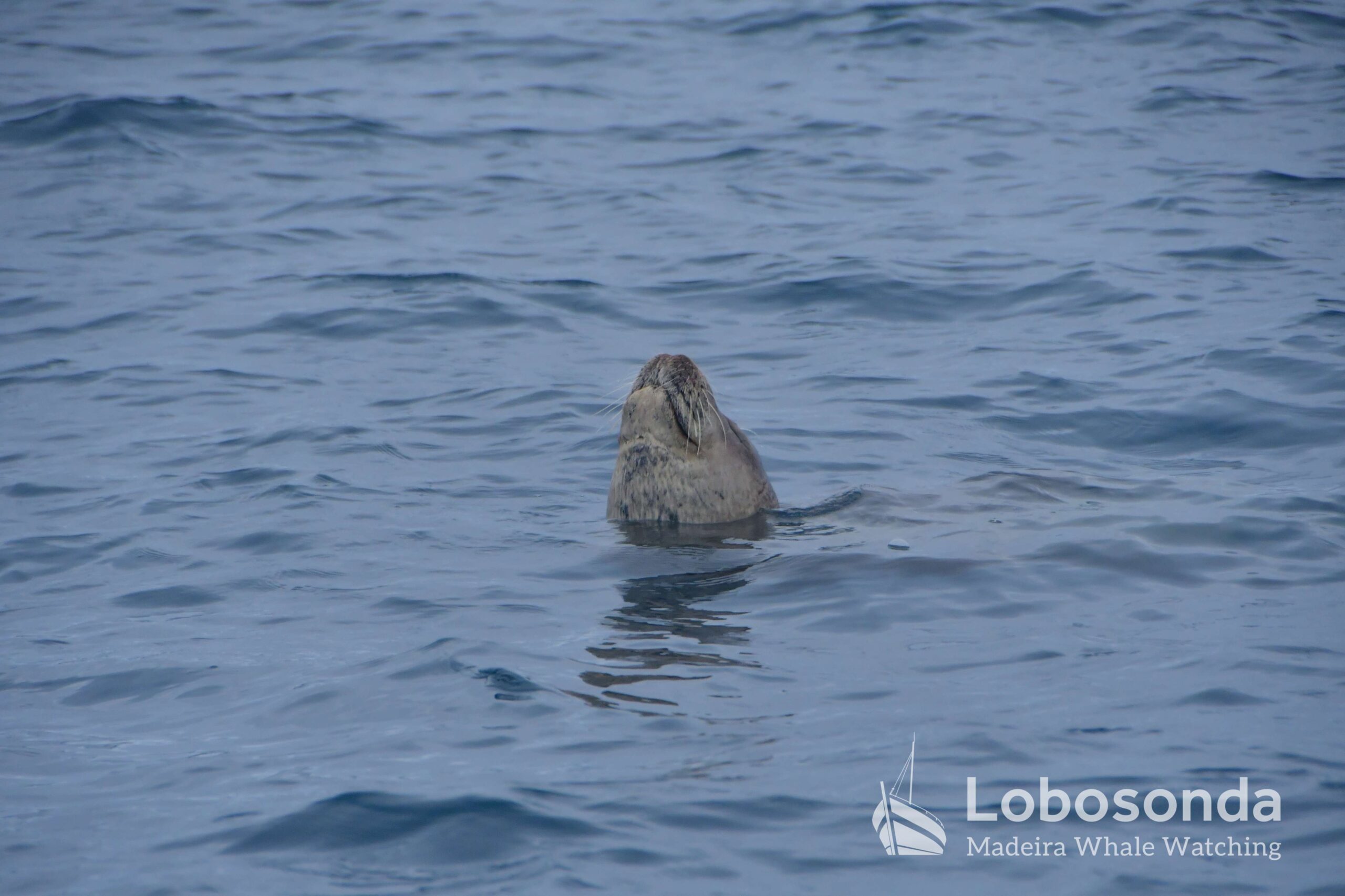
Under the grey, overcast sky, we encountered a slumbering Monk seal (Monachus monachus) on our way out, who seemed to agree that it looked like a perfect day for relaxing. The monk seal is living proof that even with a rounded figure, whiskers, and a preference for staying put, one can still make quite an impression.
The Monk seal is a highly endangered seal species that occurs in only a few isolated populations. It lives mainly in coastal waters and uses remote beaches or sea caves as resting and pupping sites. Adults reach a length of about 2 to 2.5 meters. Their bodies are robustly built, and their fur coloration varies depending on age and sex. Monk seals feed primarily on fish and cephalopods, which they catch during dives. They are considered site-faithful and are sensitive to disturbances caused by human activities. Habitat loss, fisheries, and pollution are among the main threats to the species.
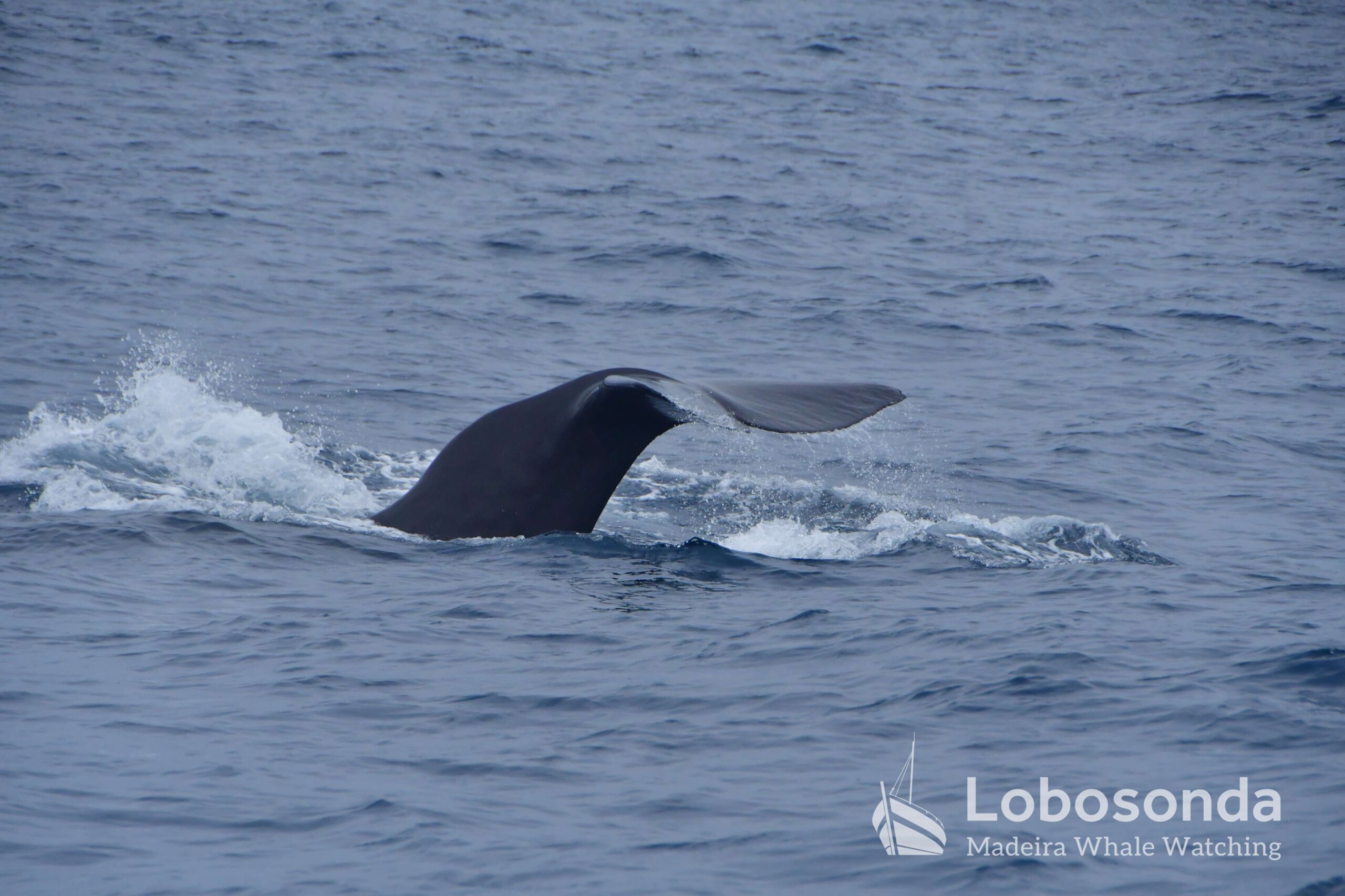
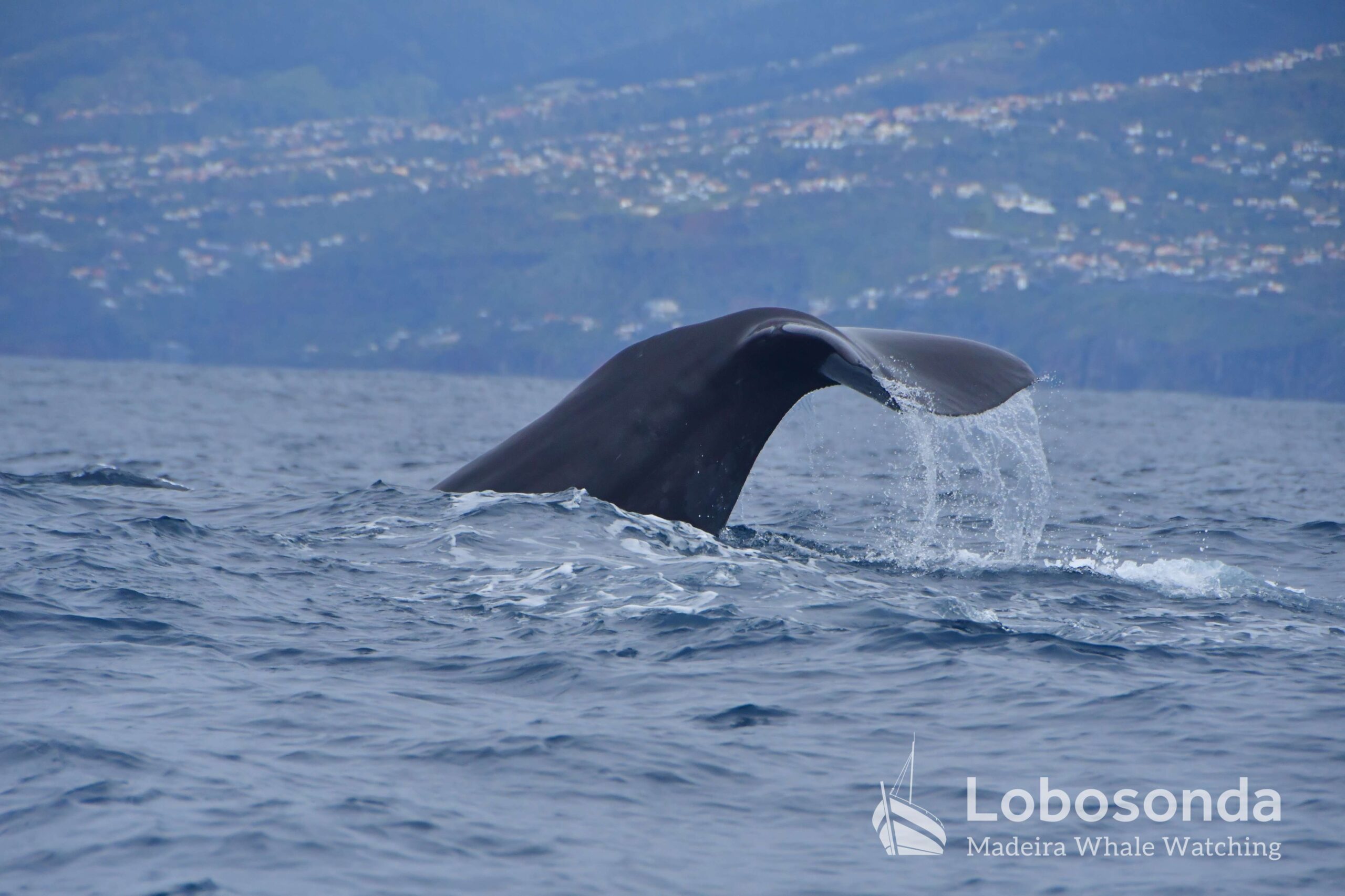
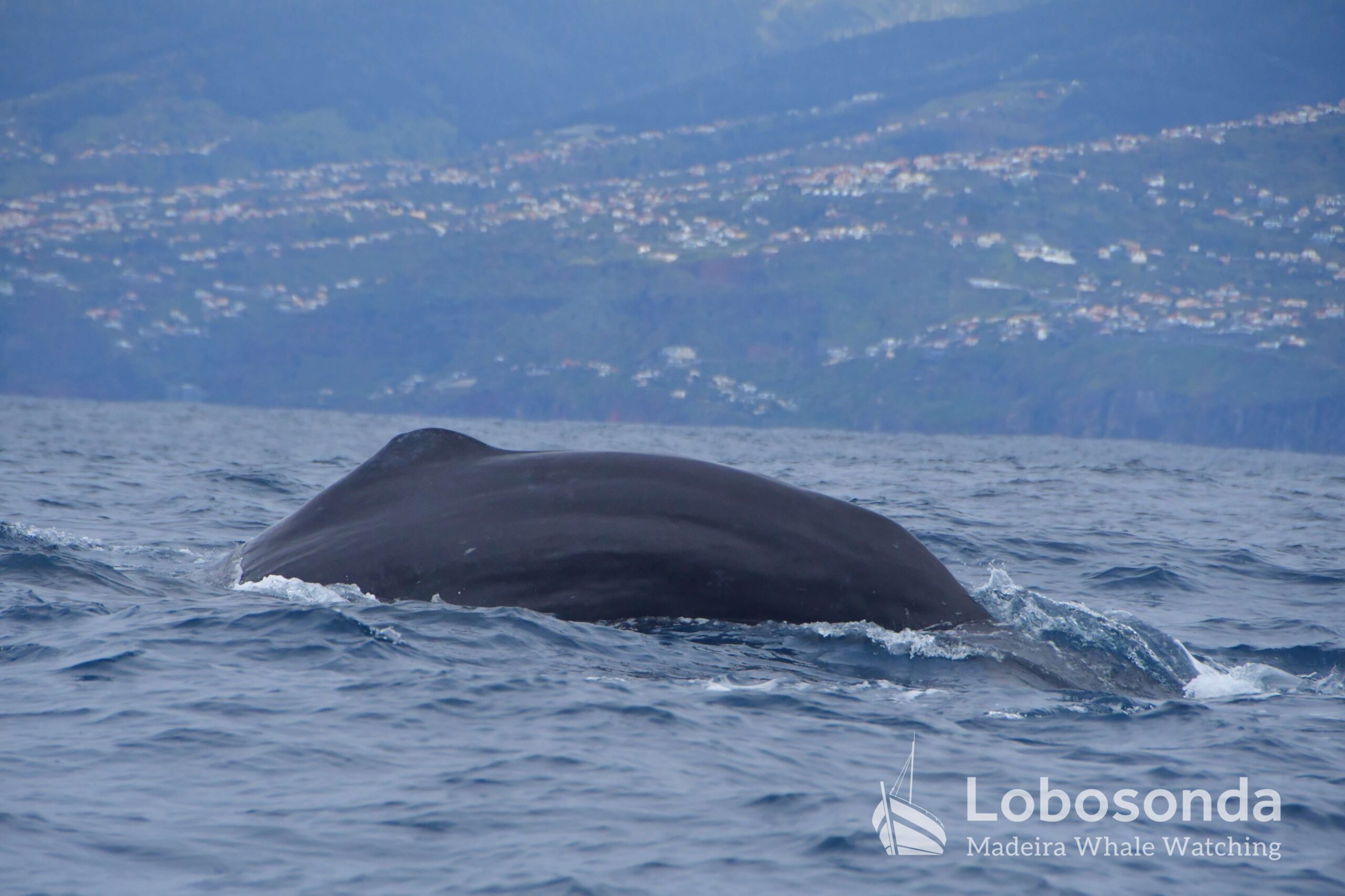
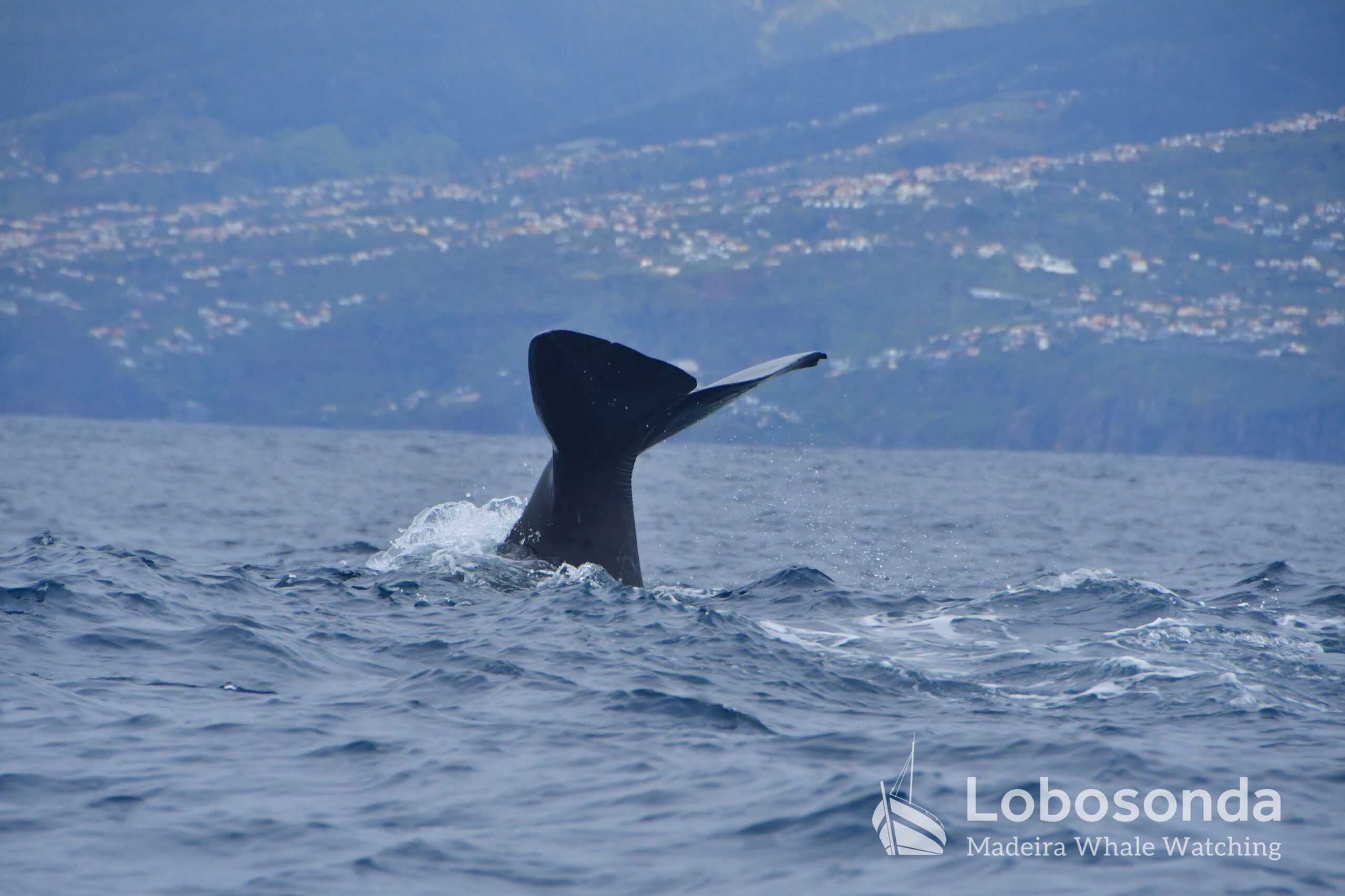
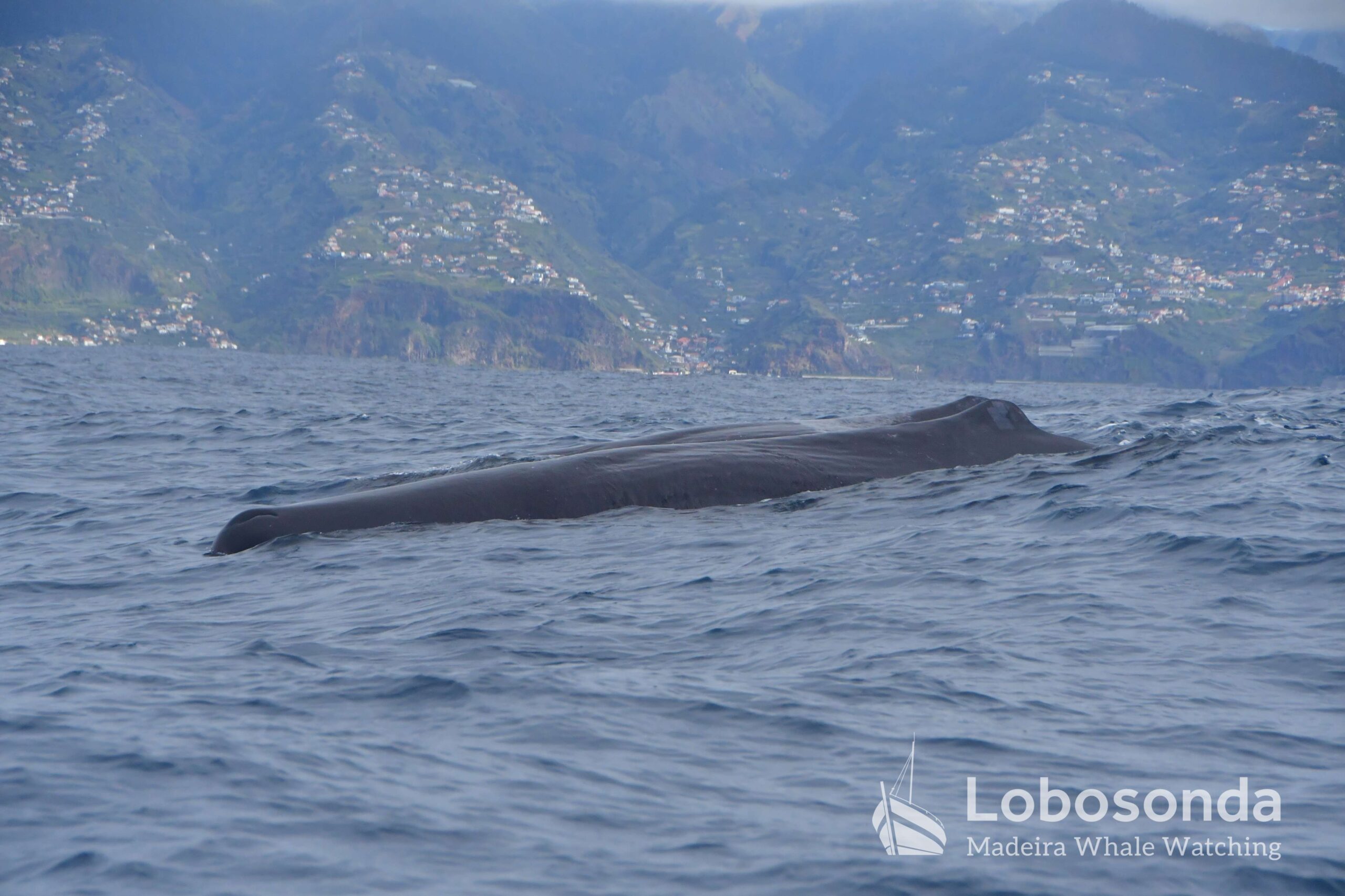
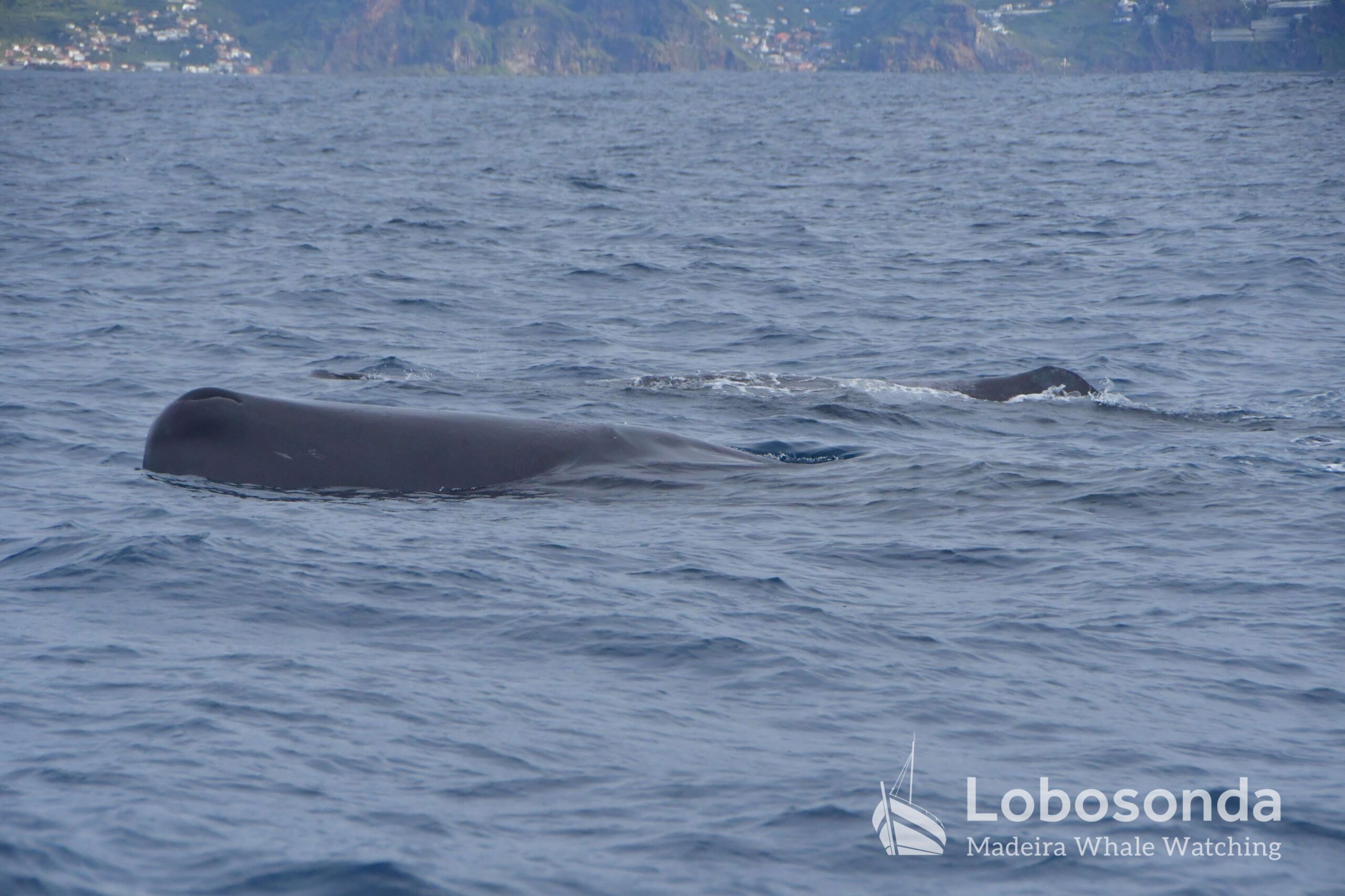
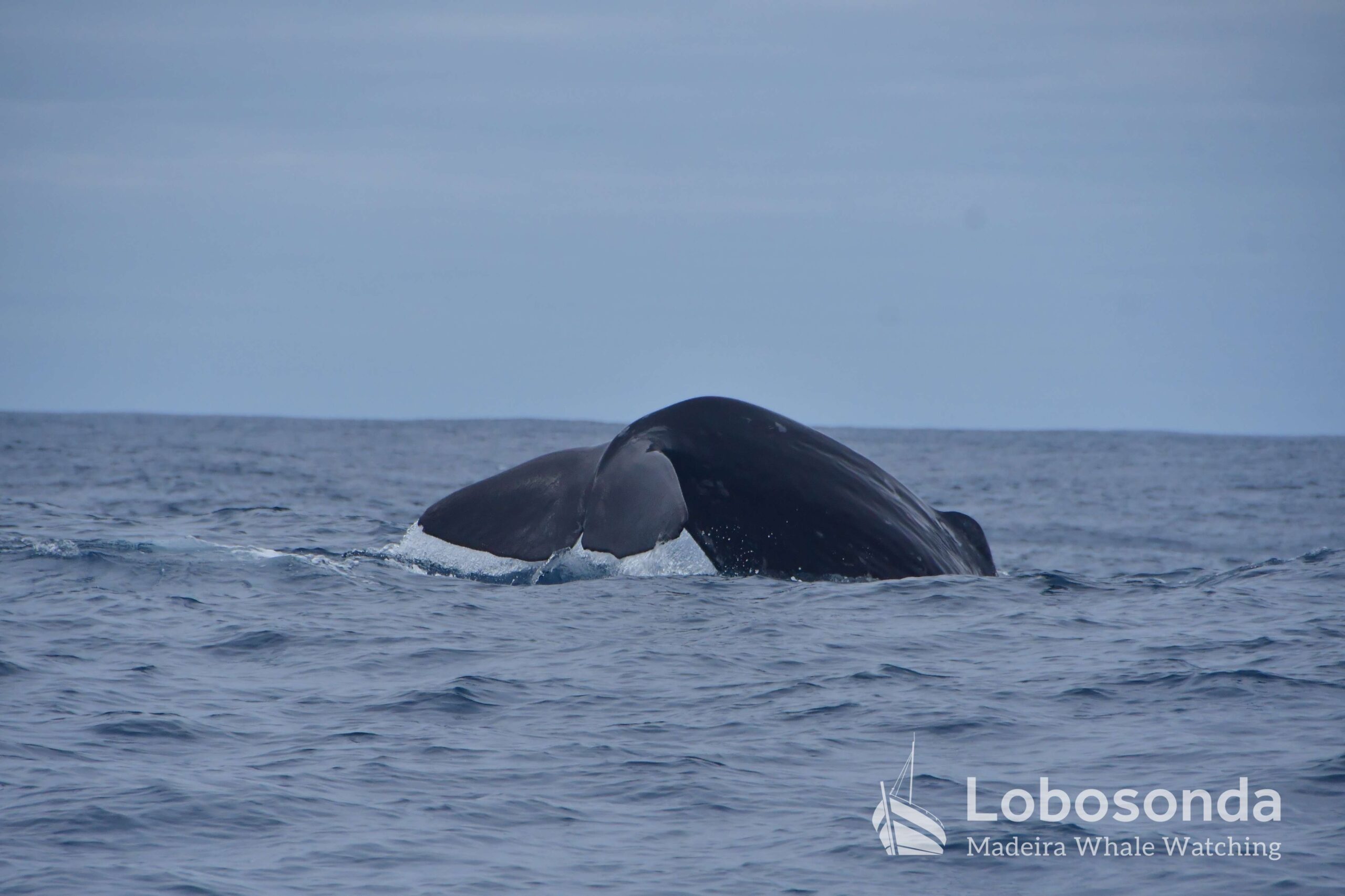
The three Sperm whales (Physeter macrocephalus) we encountered reacted calmly to our arrival. Unimpressed, they continued on their way and, in the end, lifted their enormous flukes with cool elegance before disappearing into the depths. The Sperm whale is the largest species of toothed whale and can reach lengths of over 15 meters. It is characterized by its large, block-shaped head, which makes up a significant portion of its body length. Sperm whales are known for their deep and prolonged dives, during which they hunt mainly for squid in great ocean depths. Their blow is directed forward at an angle and serves as an important identification feature. Females and juveniles live in social groups, while adult males are often solitary.
By Fatima Kutzschbach
Sightings of the day
Stenella
09:30 Monk seal, Sperm whales