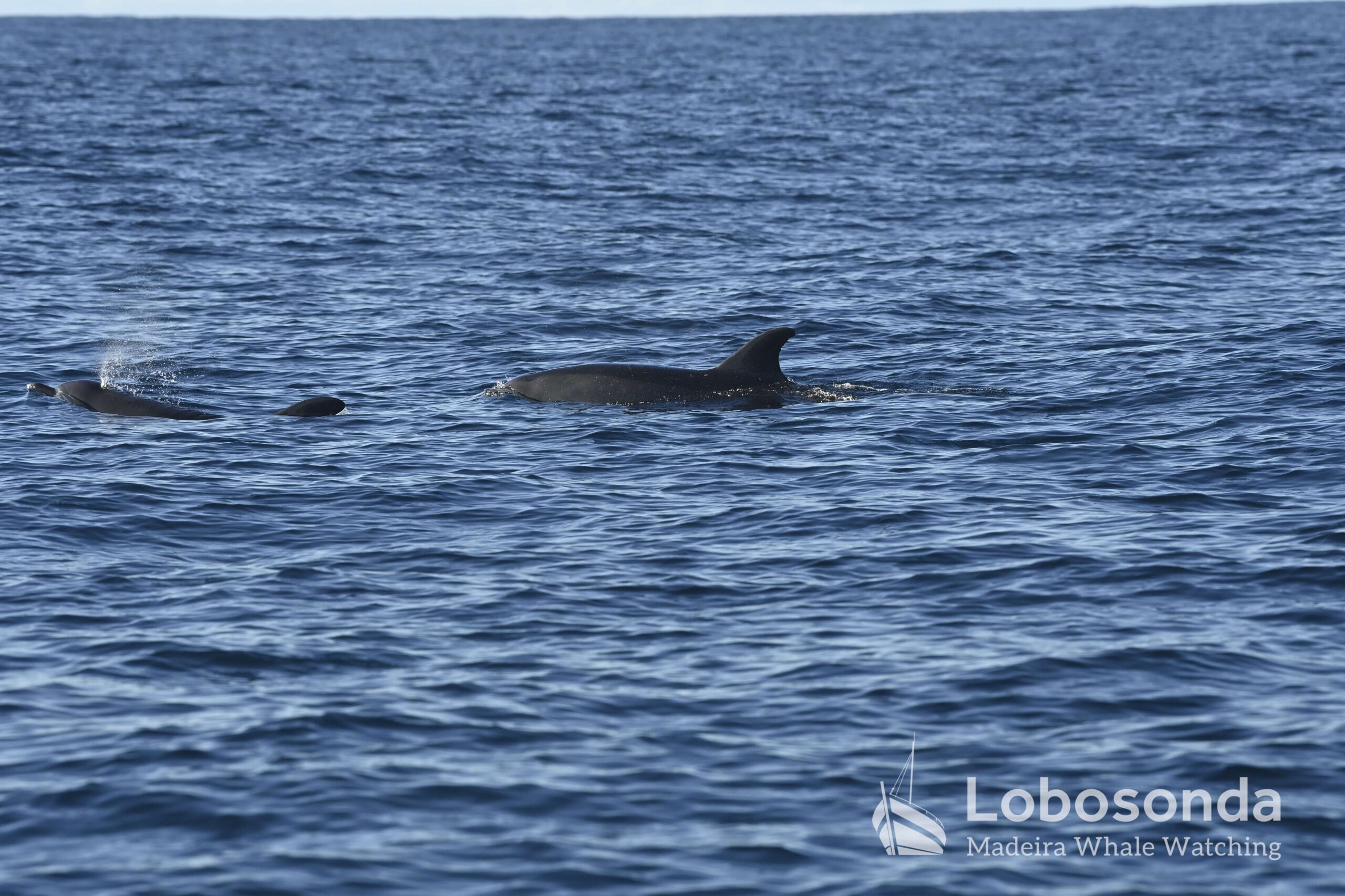
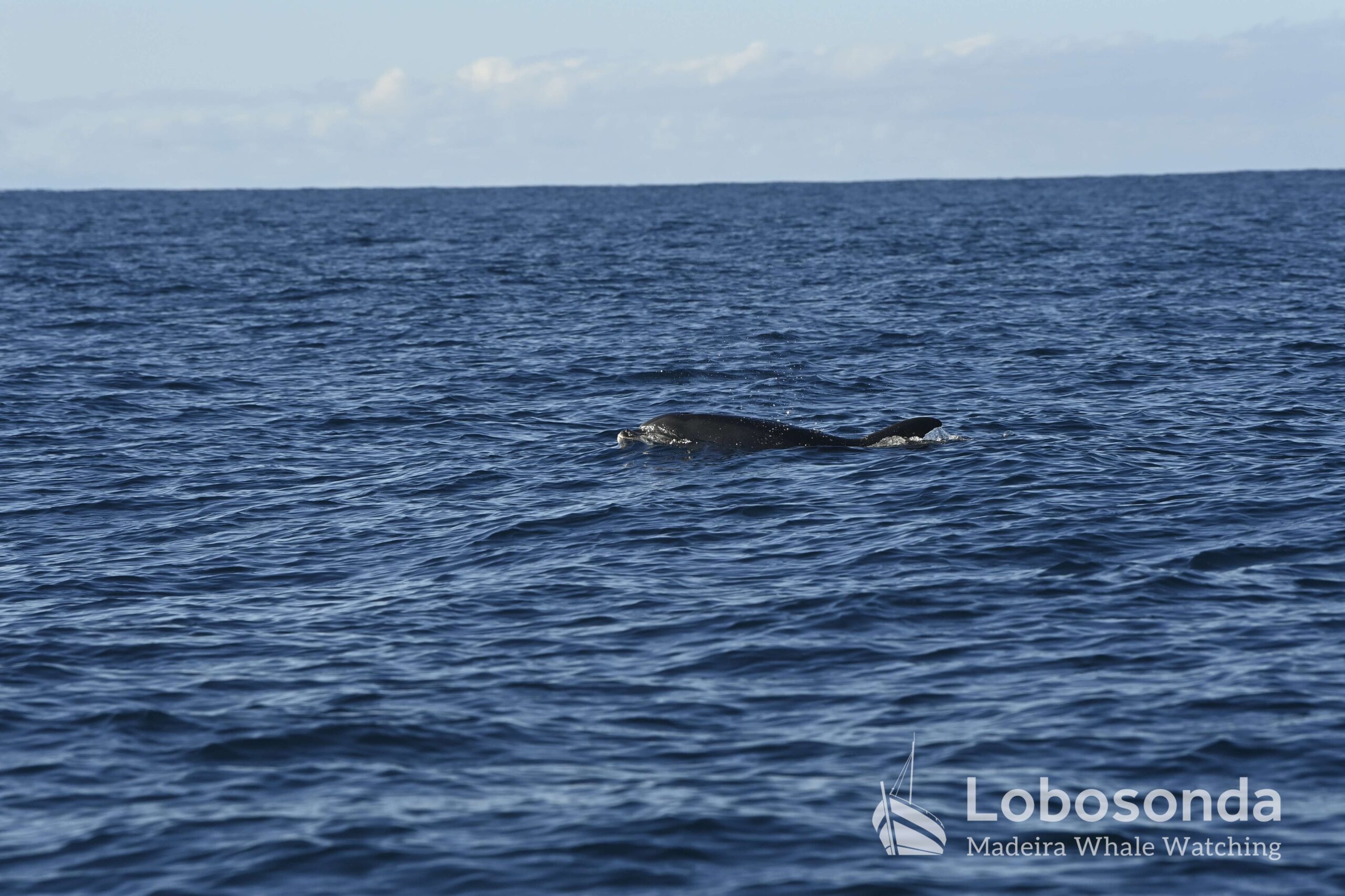
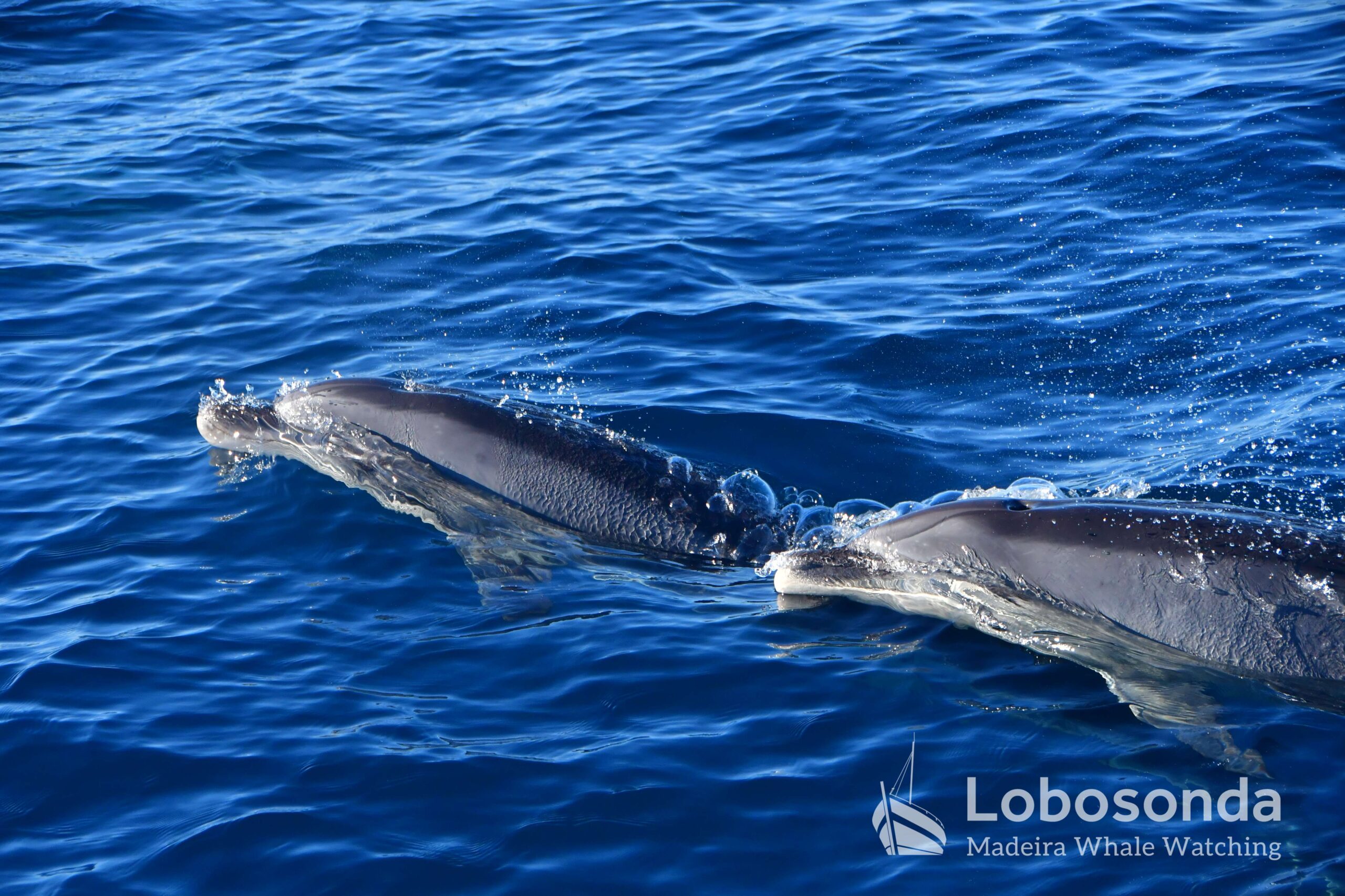
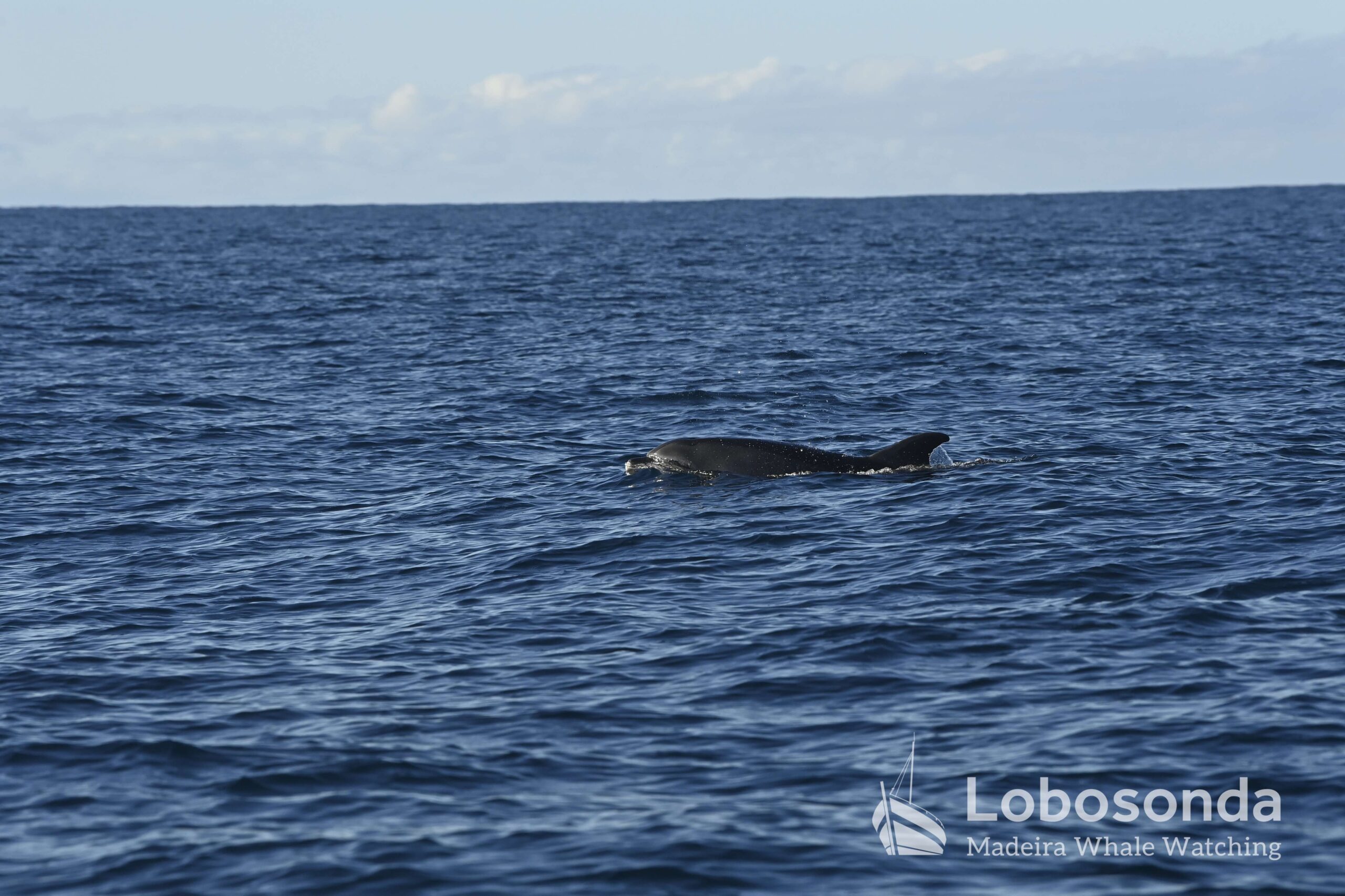
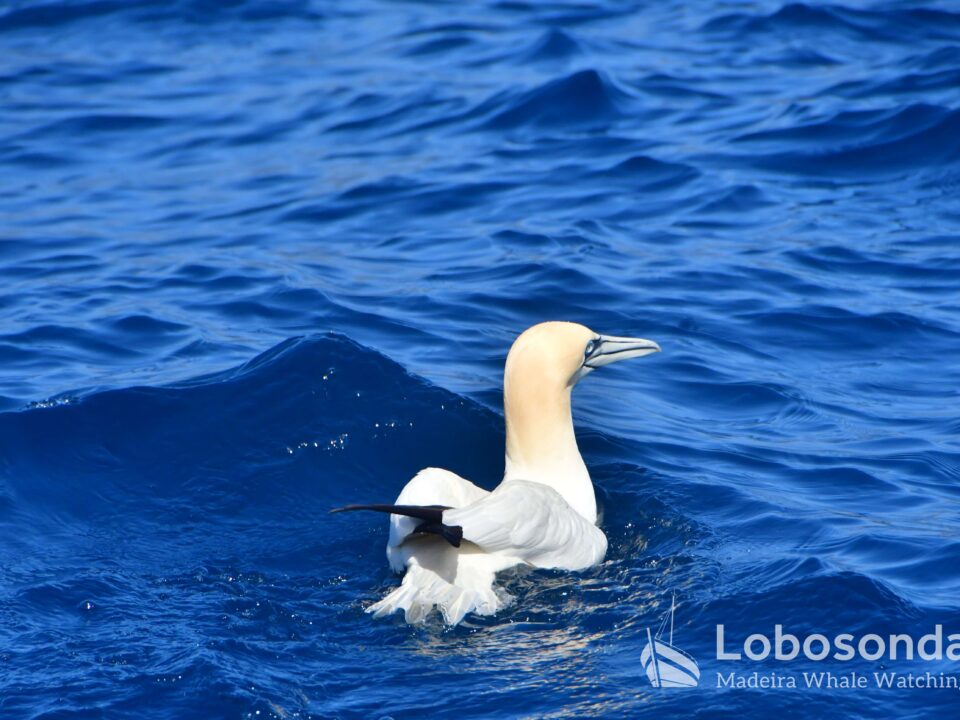
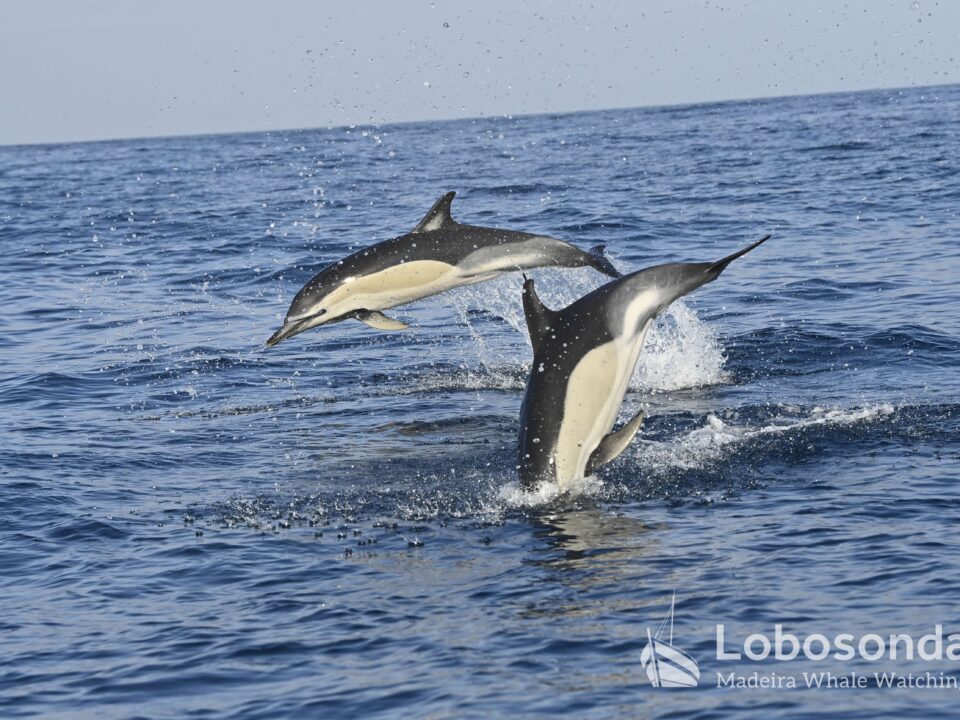
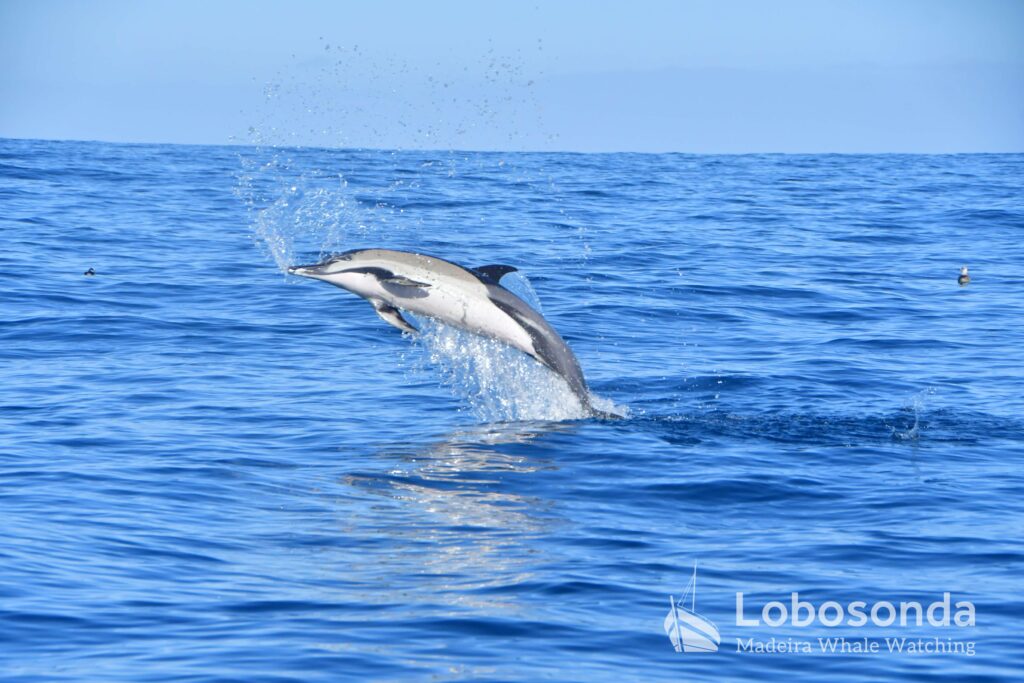
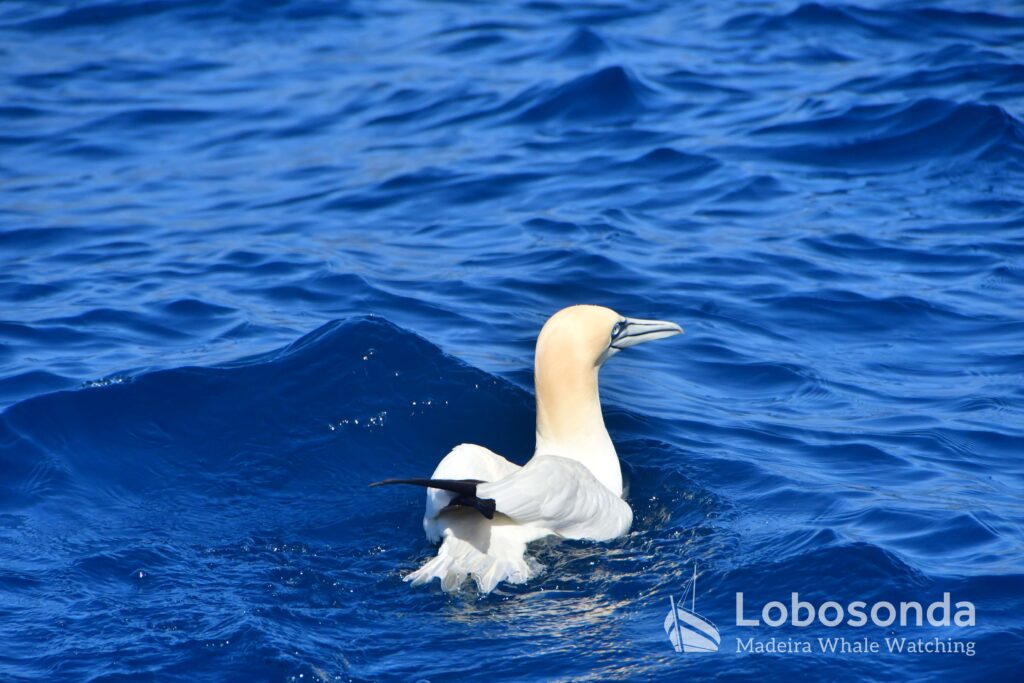
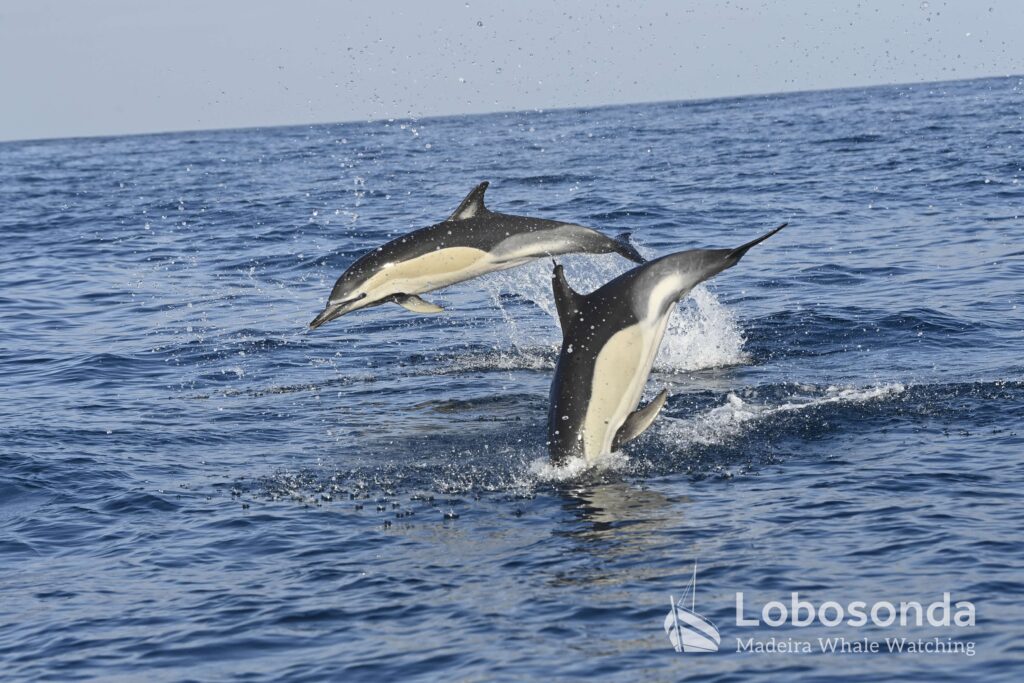
07.01.2026 – Winter guests are here
January 14, 2026
09.01.2026 – Crumble
January 16, 2026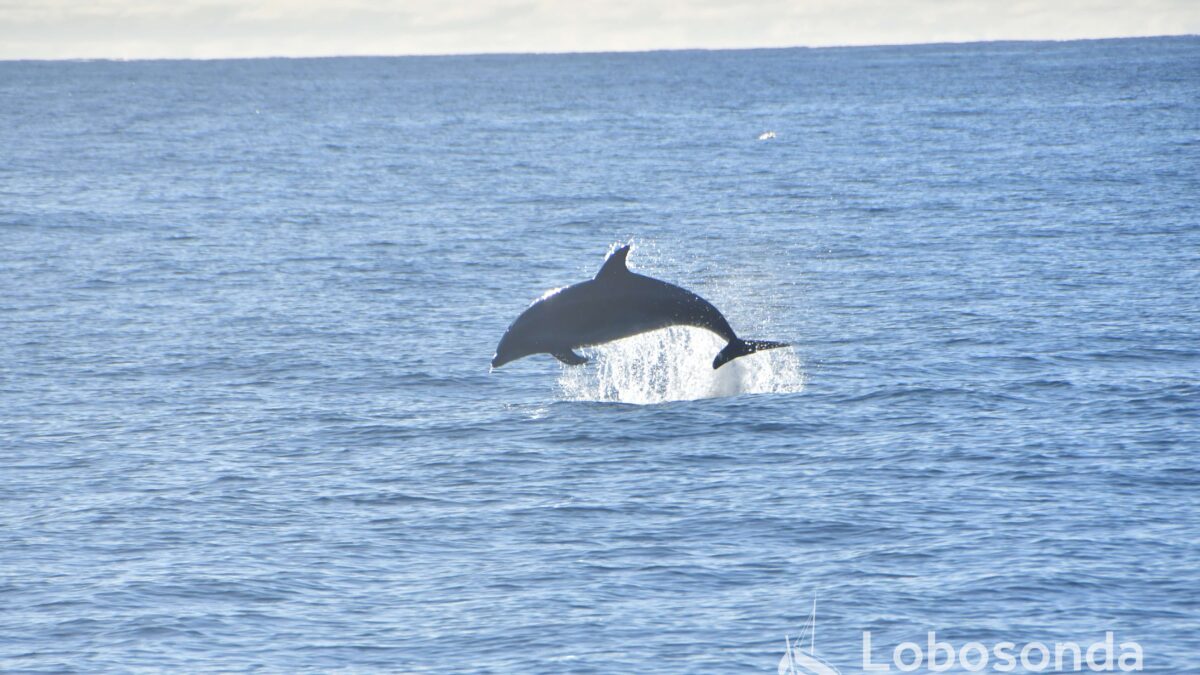
The ocean is full of wonders and many of them are carried along currents, while others are indirectly dependent on these physical forces of the ocean.
Currents are extremely important for marine food webs, with smaller organisms such as plankton relying on them directly for the transportation of nutrients and cetaceans like the Bottlenose dolphin (Tursiops truncatus) and other predators depending on them for prey availability.
Currents do not just transport food, they also transport sea creatures. In fact current movement defines two large groups of organisms: Plankton, creatures that cannot swim against the current, and Nekton, creatures that can actively swim against the current.
While this classification is a little outdated, it does highlight how different marine creatures depend on currents. According to this definition, planktonic organisms also include such as the By the wind sailors (Velella velella)as well as a few of their predators like the Bubble raft snail (Janthina janthina). But currents aren’t just used by planktonic organisms for transportation. Sea turtles, such as the Loggerhead turtle (Caretta caretta), also use currents to travel through the high seas and even find other turtles.
One of the most visible effects of climate change in our oceans is a change in direction and occurrence of ocean currents, a process which directly affects organism distribution, prey availability and overall transport of nutrients. So while we should go with the flow during our tours, we need to anticipate the changes that will occur with the flow that determines everything in our ocean.
By Paula Thake
Sightings of the day
Ribeira Brava
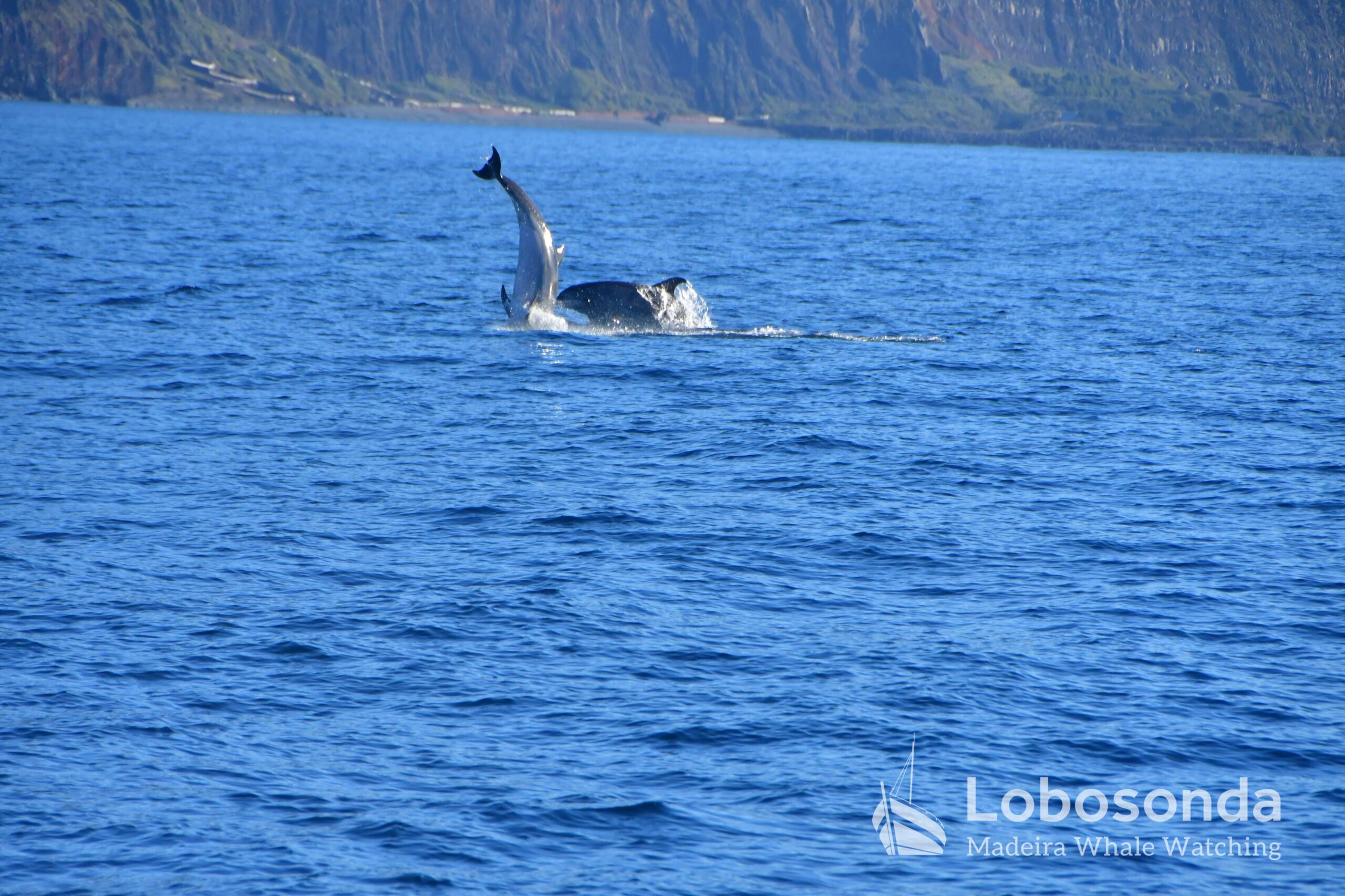
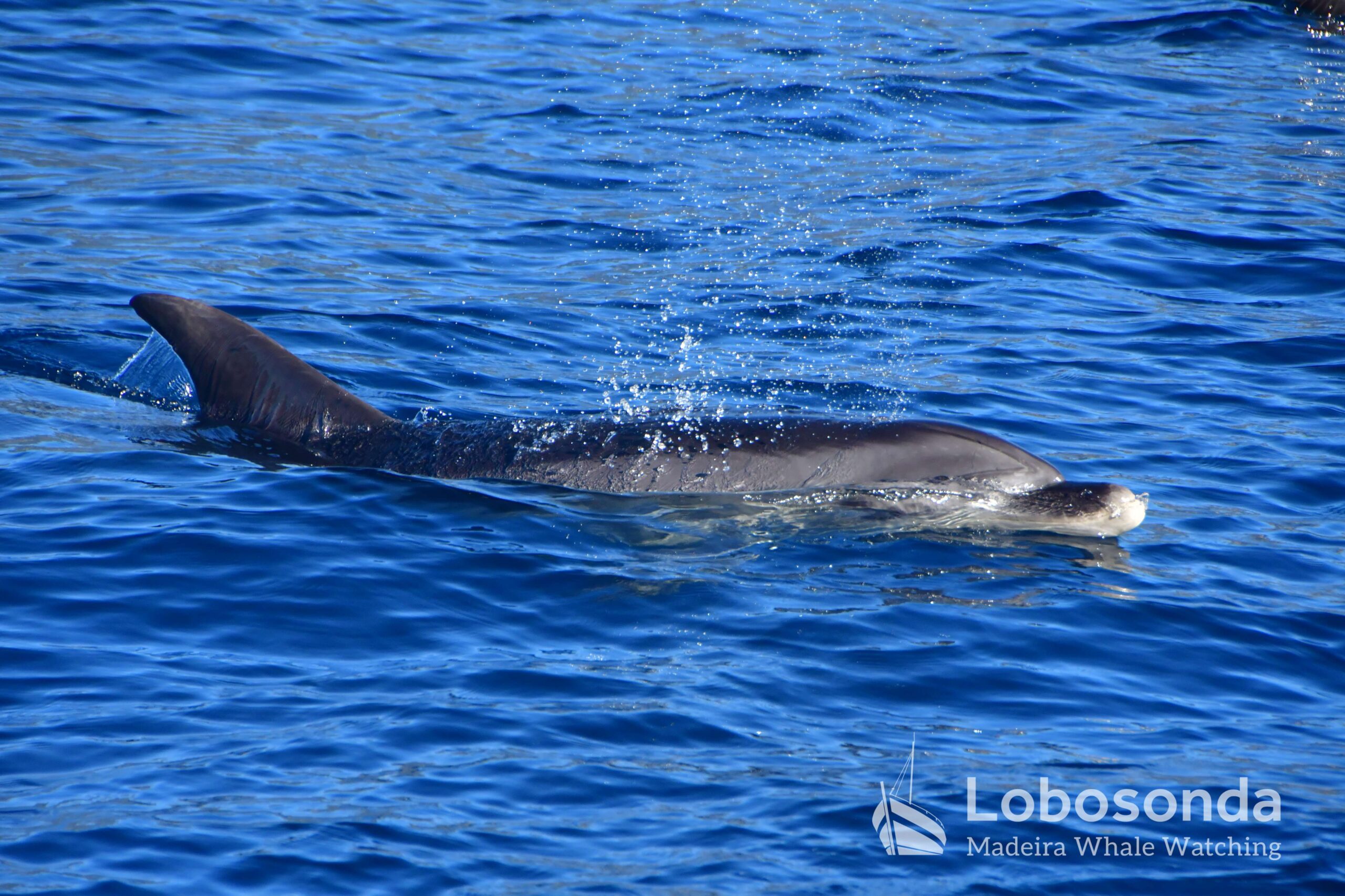
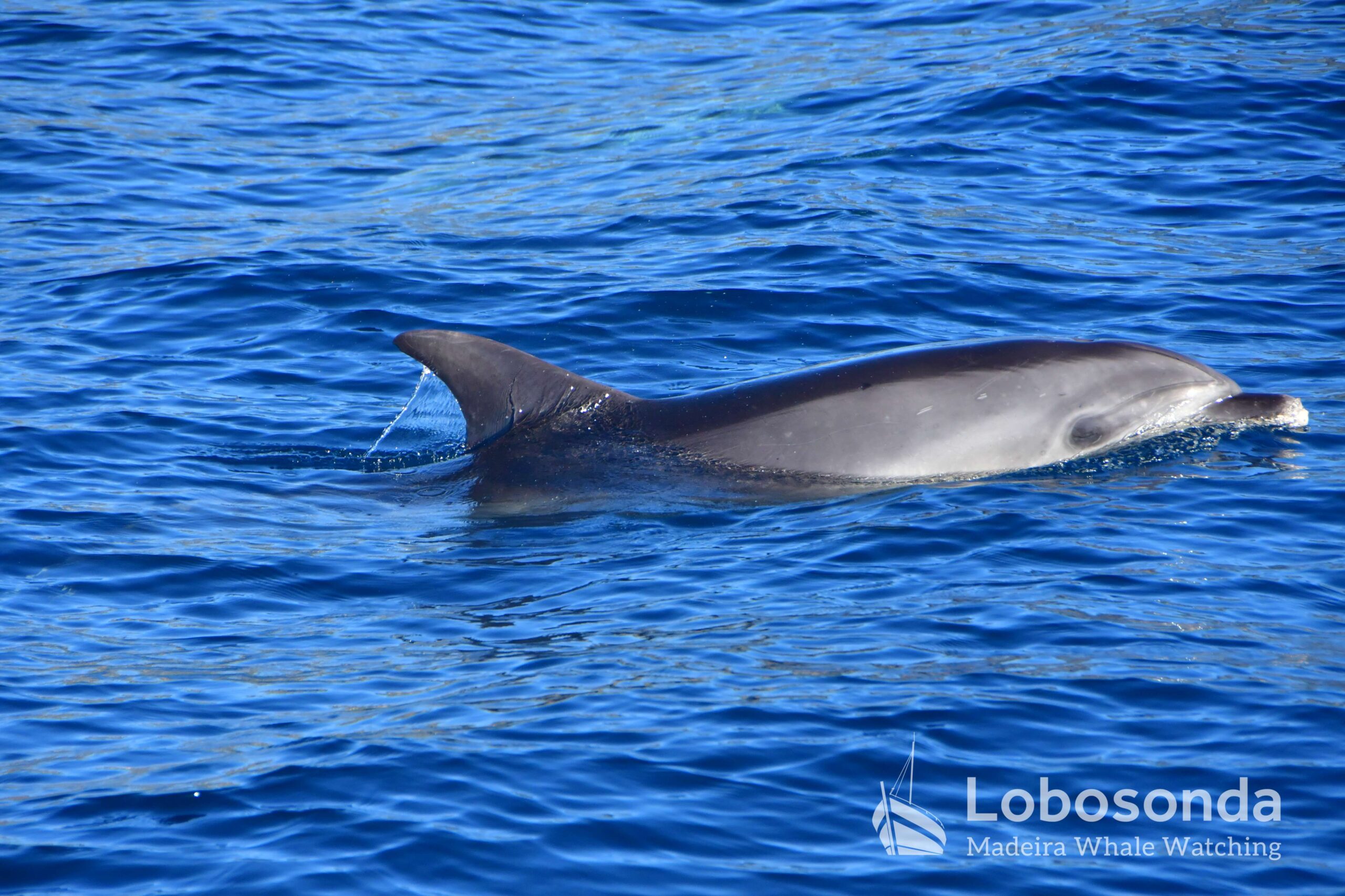
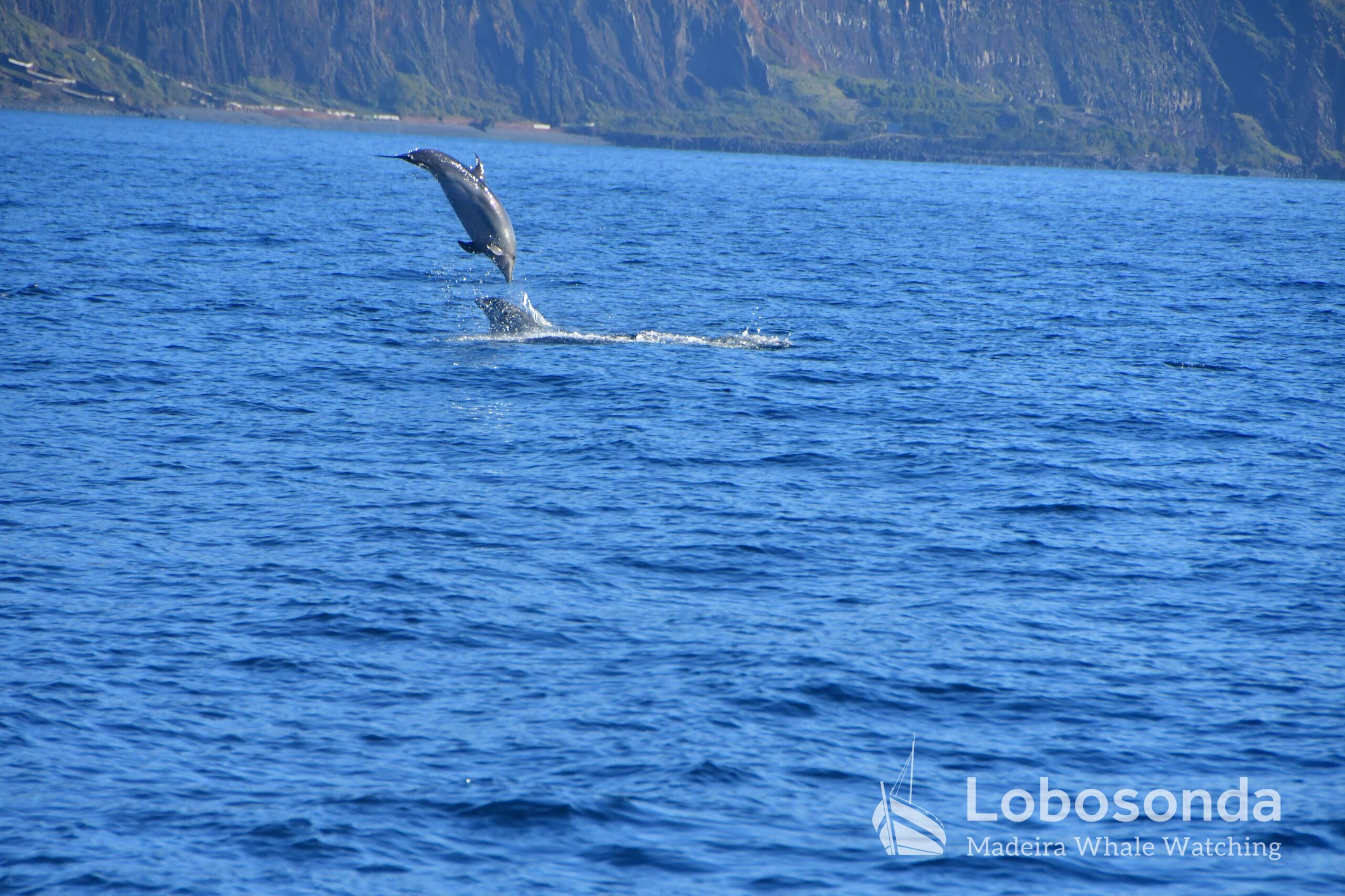
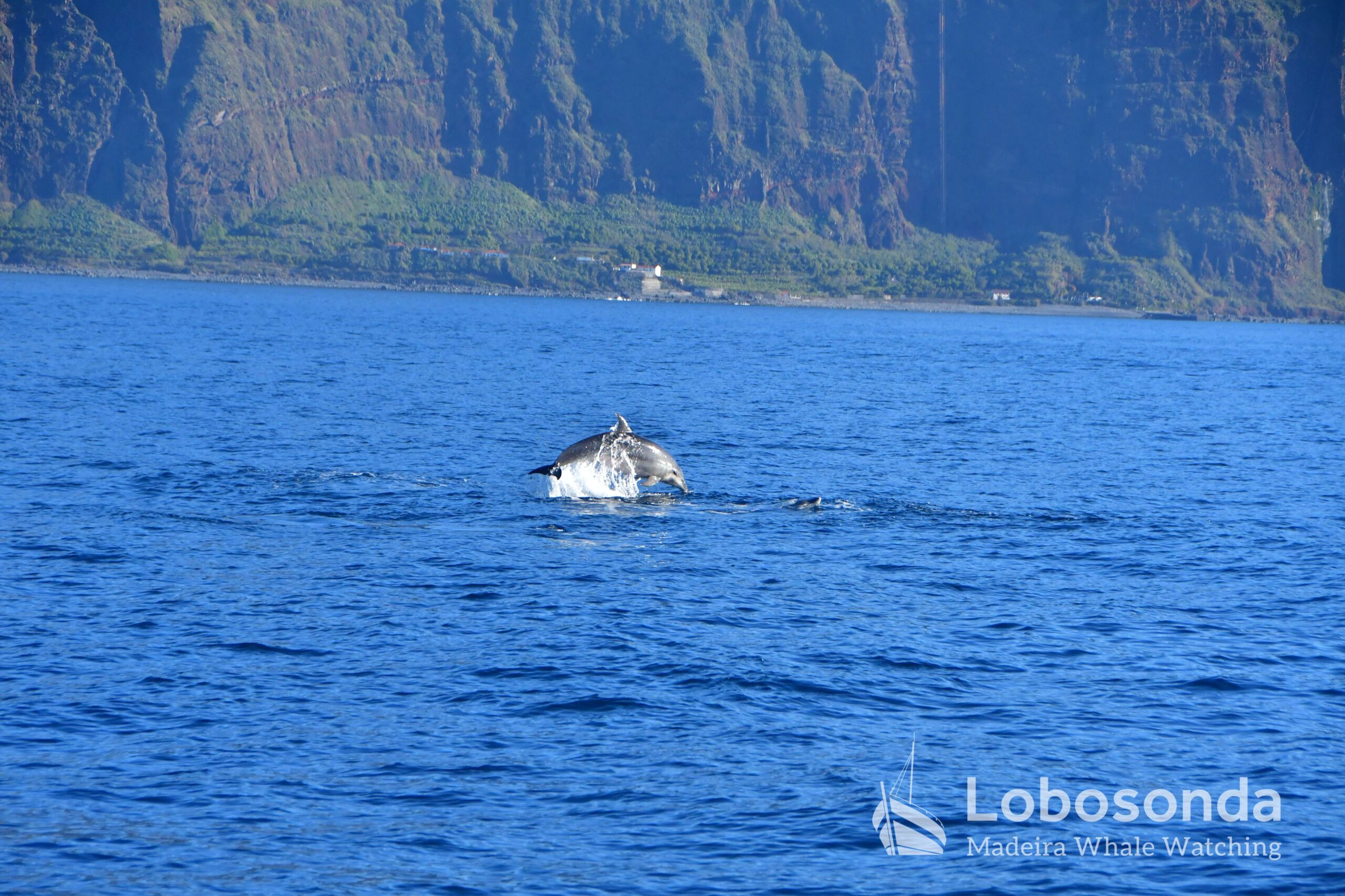
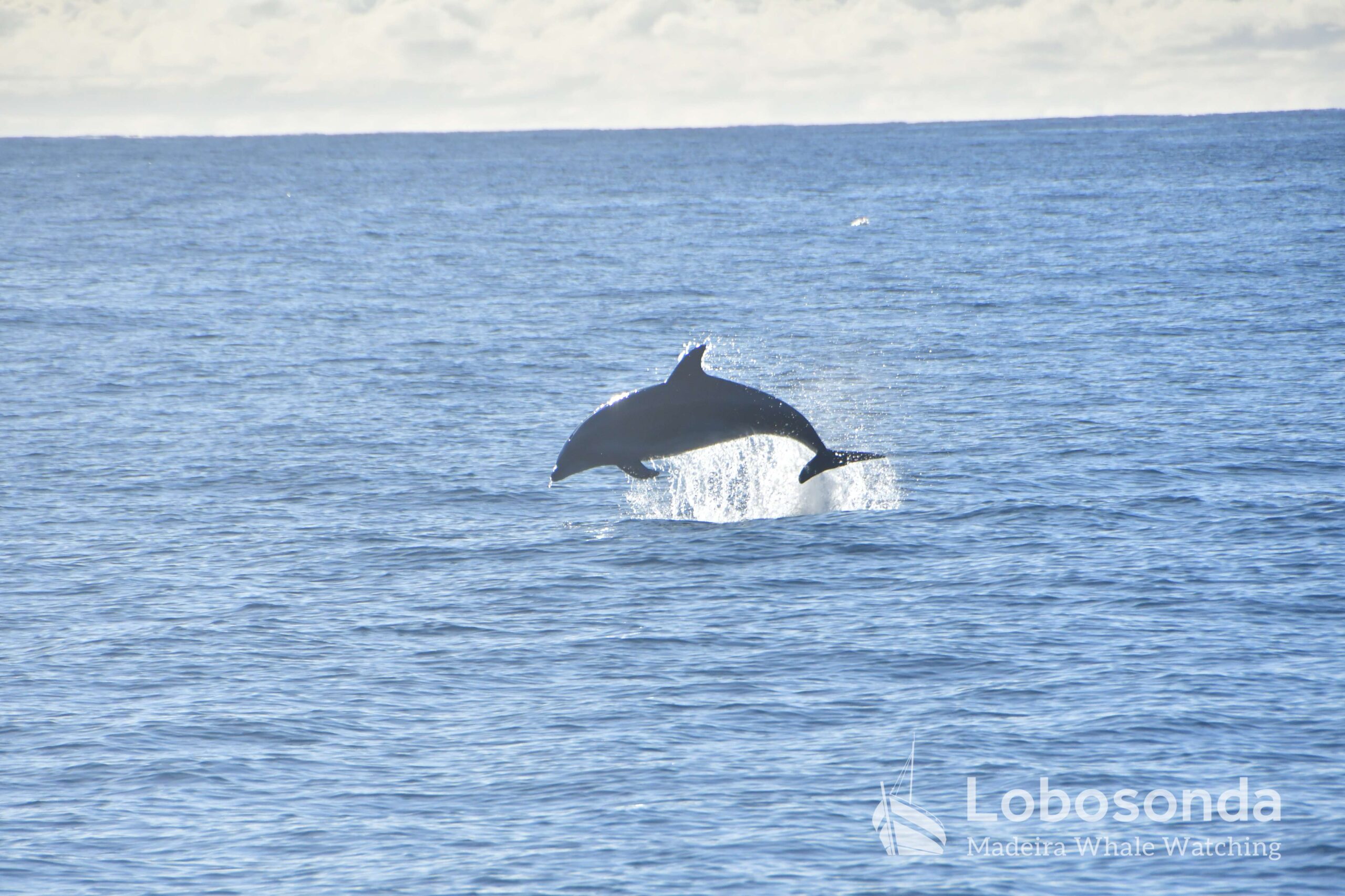
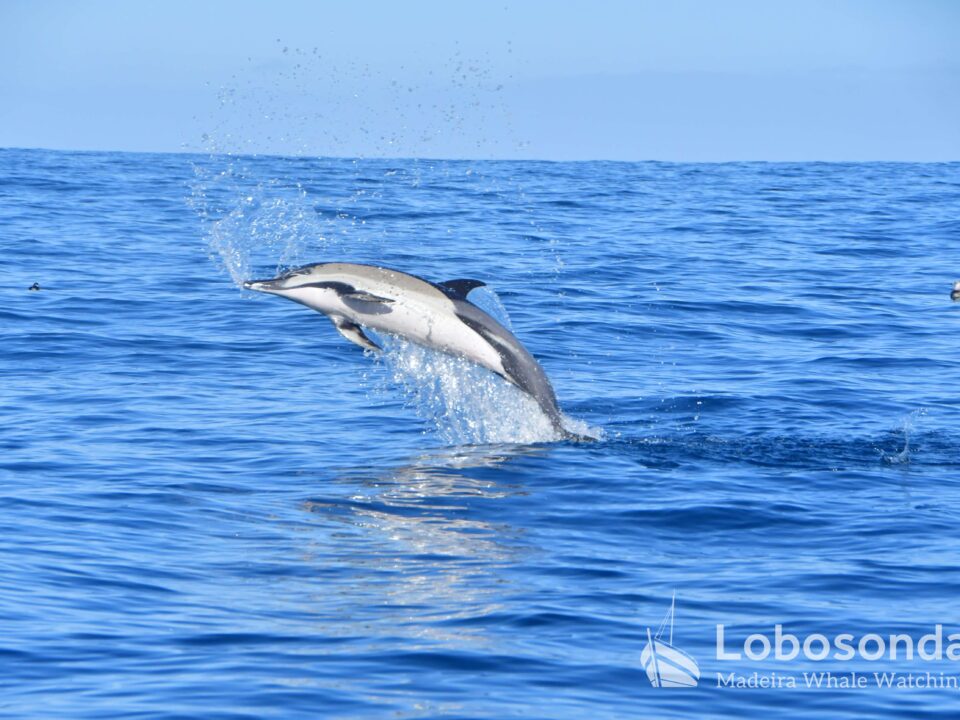
09:00 Bottlenose dolphins
Stenellla
09:30 Bottlenose dolphins
13:30 No sightings