17.03.2026 – Mola Mola
March 24, 2026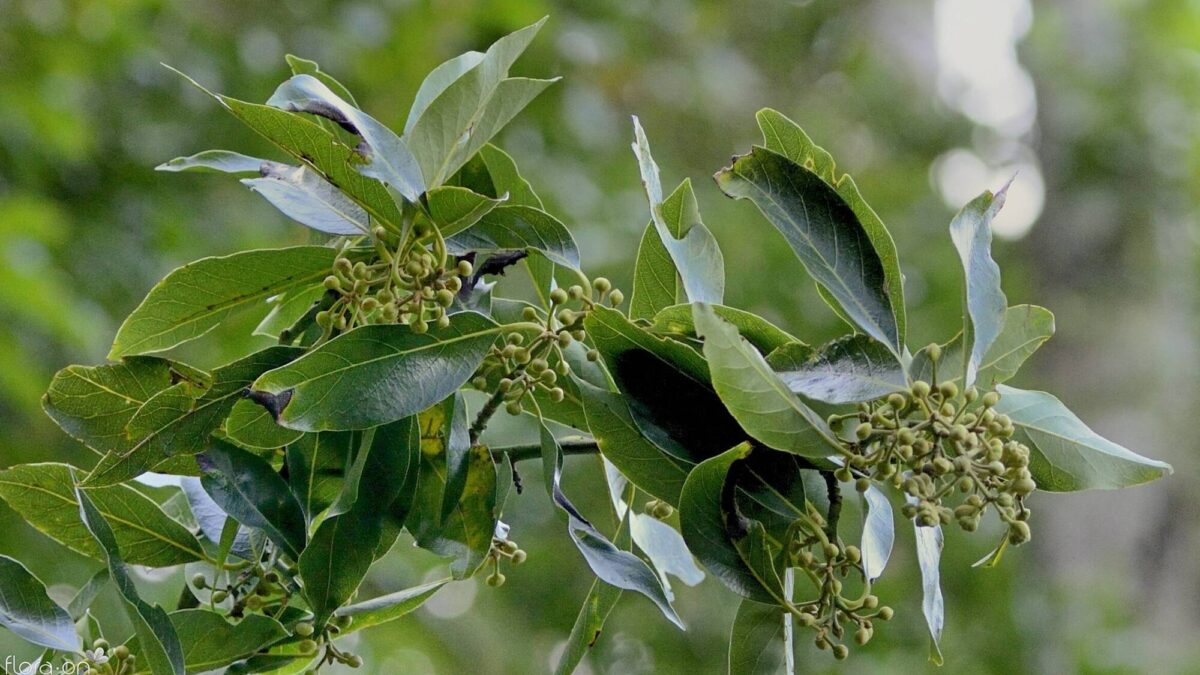
The laurel tree carries within its evergreen leaves the memory of sun, wind, and ancient times. Its botanical name, (Laurus nobilis), means “noble laurel” and that is precisely how it appears: dignified and quiet. Even in antiquity, it was considered sacred. In the mythology of Apollo, the laurel was a symbol of protection and inspiration.
Its dark green, glossy leaves release a spicy, warm fragrance when crushed. This scent evokes Mediterranean kitchens and sun-drenched gardens. In cooking, bay leaves are mainly used to refine soups, stews, and sauces. A single leaf is often enough to give a dish depth and character.
The laurel tree can grow several meters tall and thrives especially well in mild climates. Its white to yellowish flowers appear rather inconspicuous in spring. Later, small dark berries develop, which are also aromatic.
The laurel is not only a culinary herb but also a symbolic plant. In the past, a laurel wreath stood for victory, honor, and wisdom. Even today, people speak of “resting on one’s laurels” or “earning laurels” when someone receives recognition. At the same time, the tree reminds us that true greatness grows quietly.
Its sturdy leaves withstand wind and weather. It remains green even when other plants withdraw. Thus, the laurel tree stands for constancy, strength, and inner dignity.
© Photo by flora.on
By Fatima Kutzschbach