31.10.2026 – Scattered at the Surface, Connected in the Deep
November 6, 2026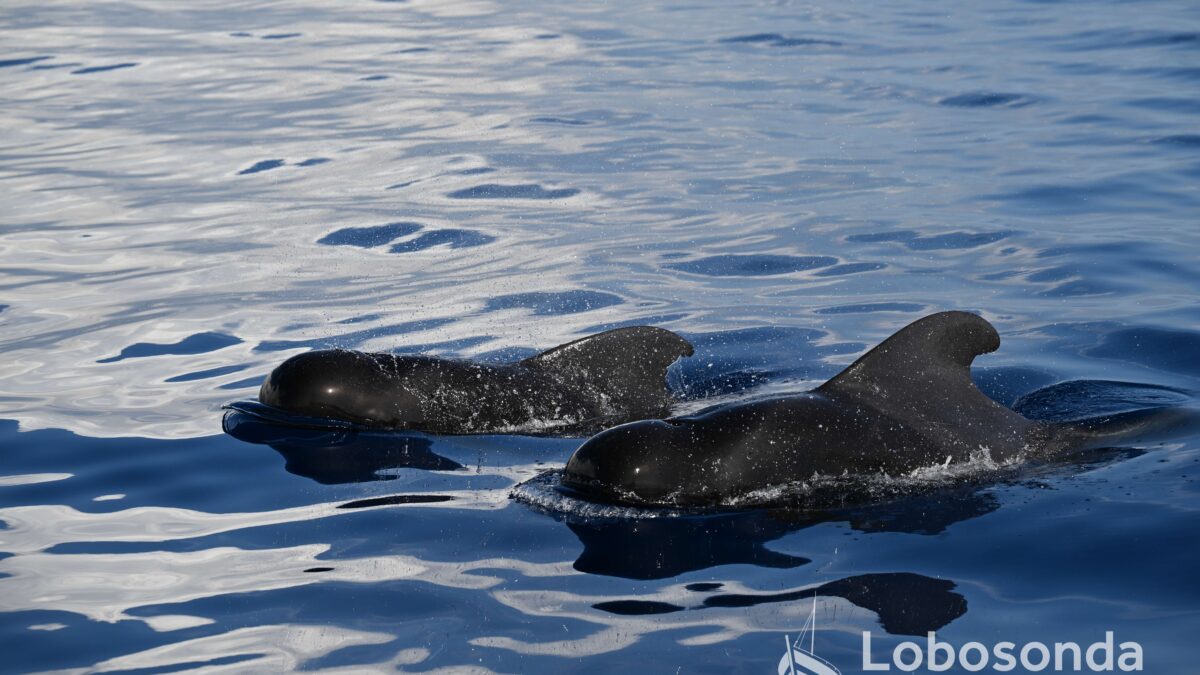
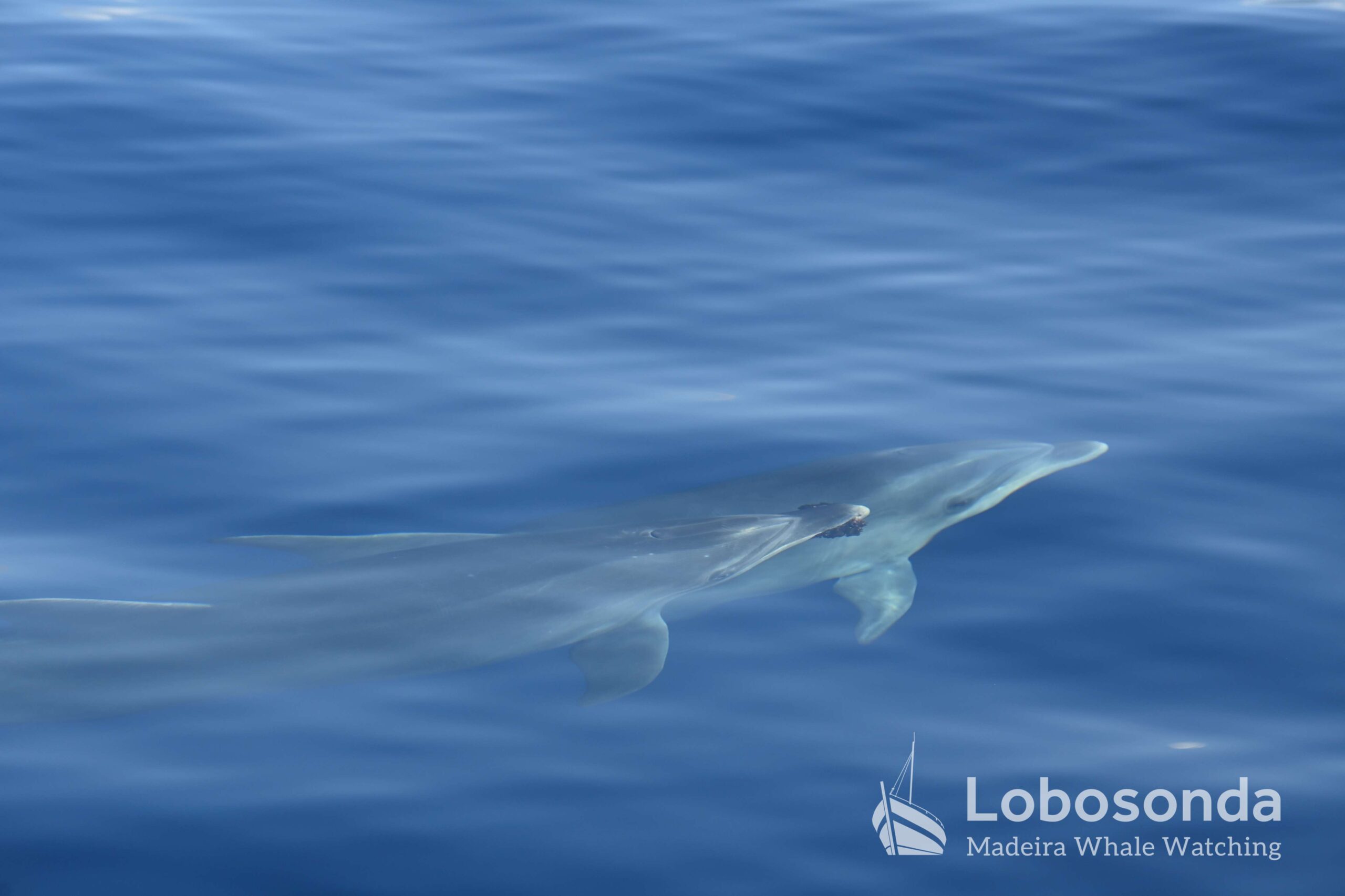
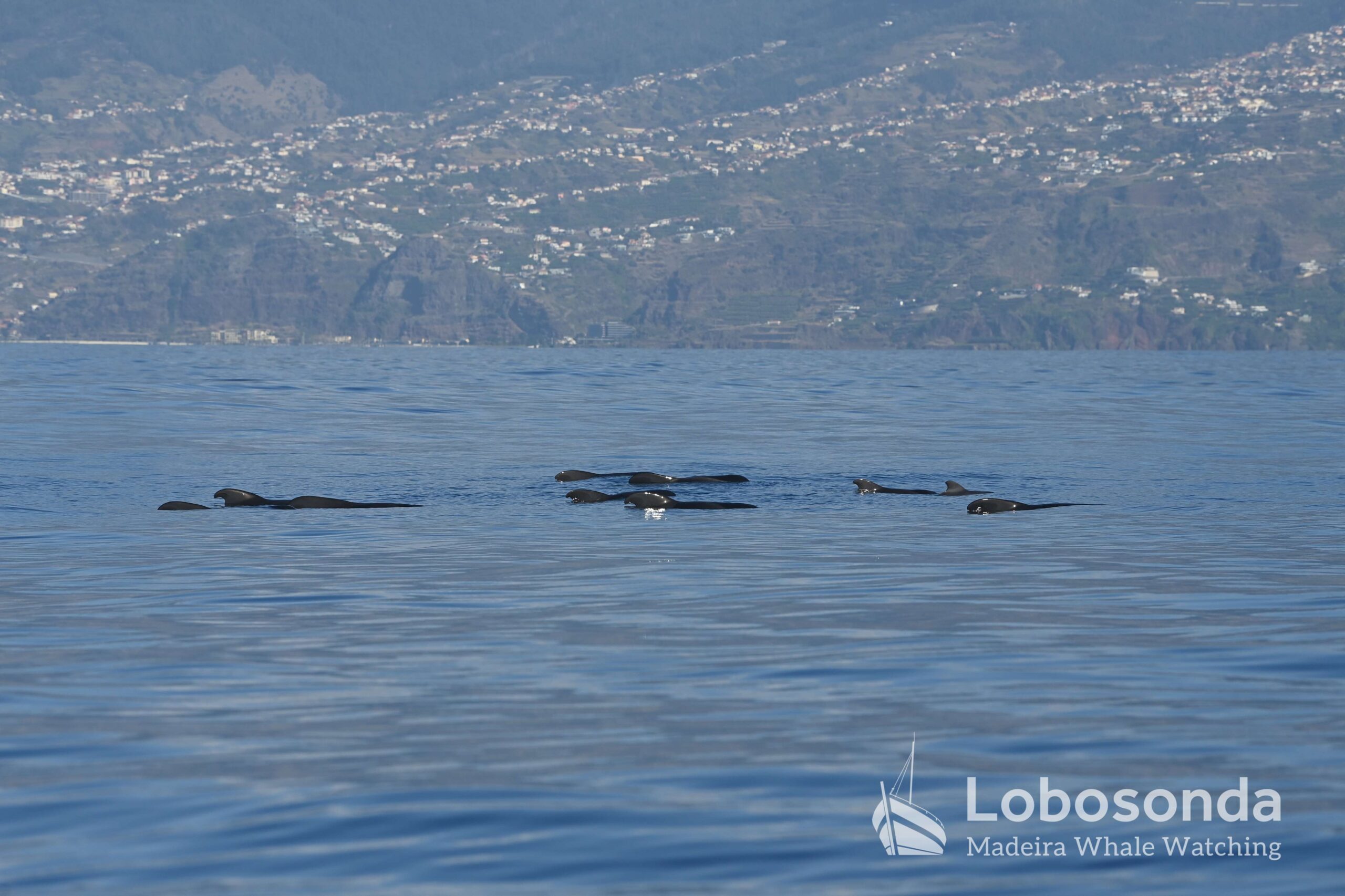
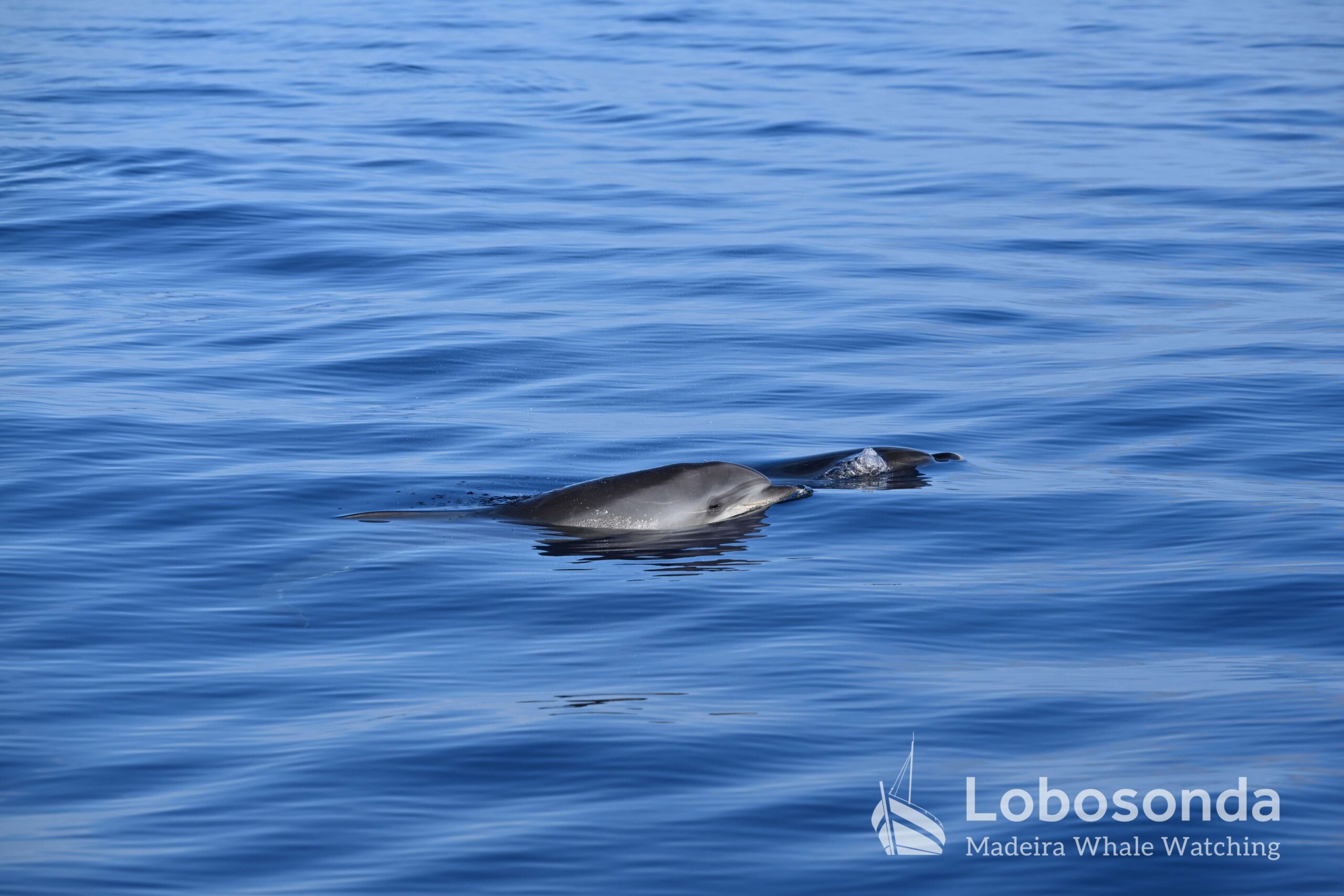
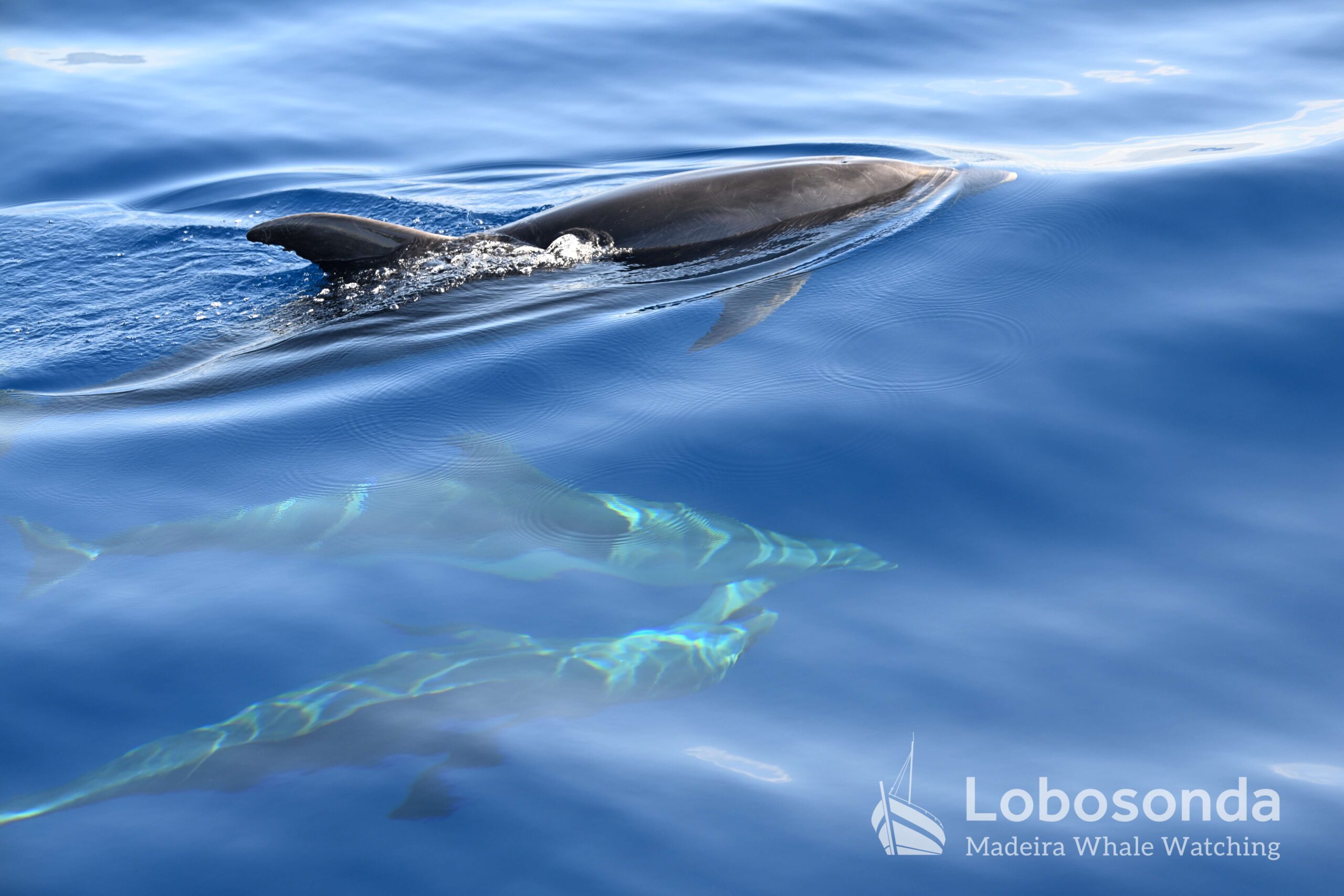
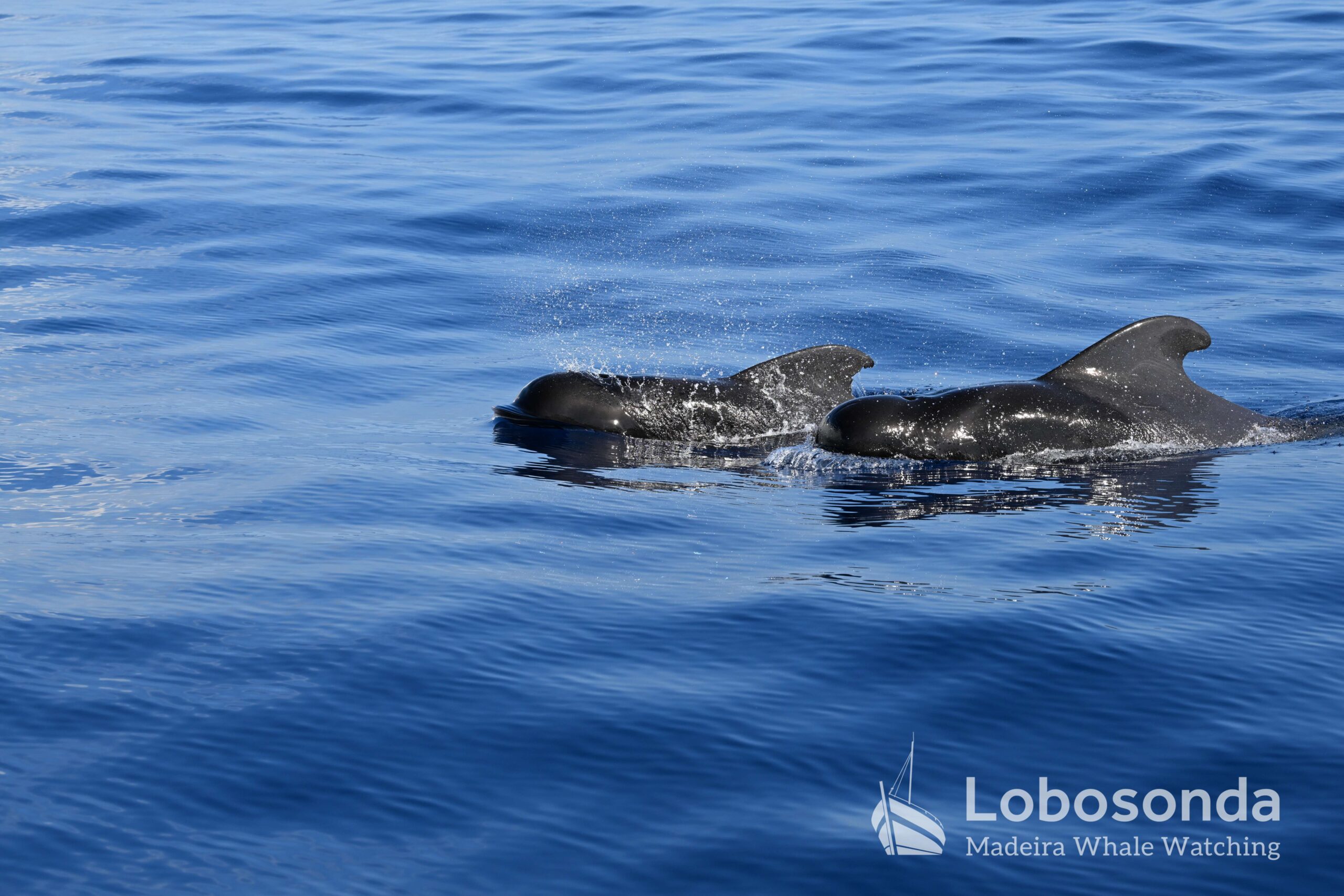
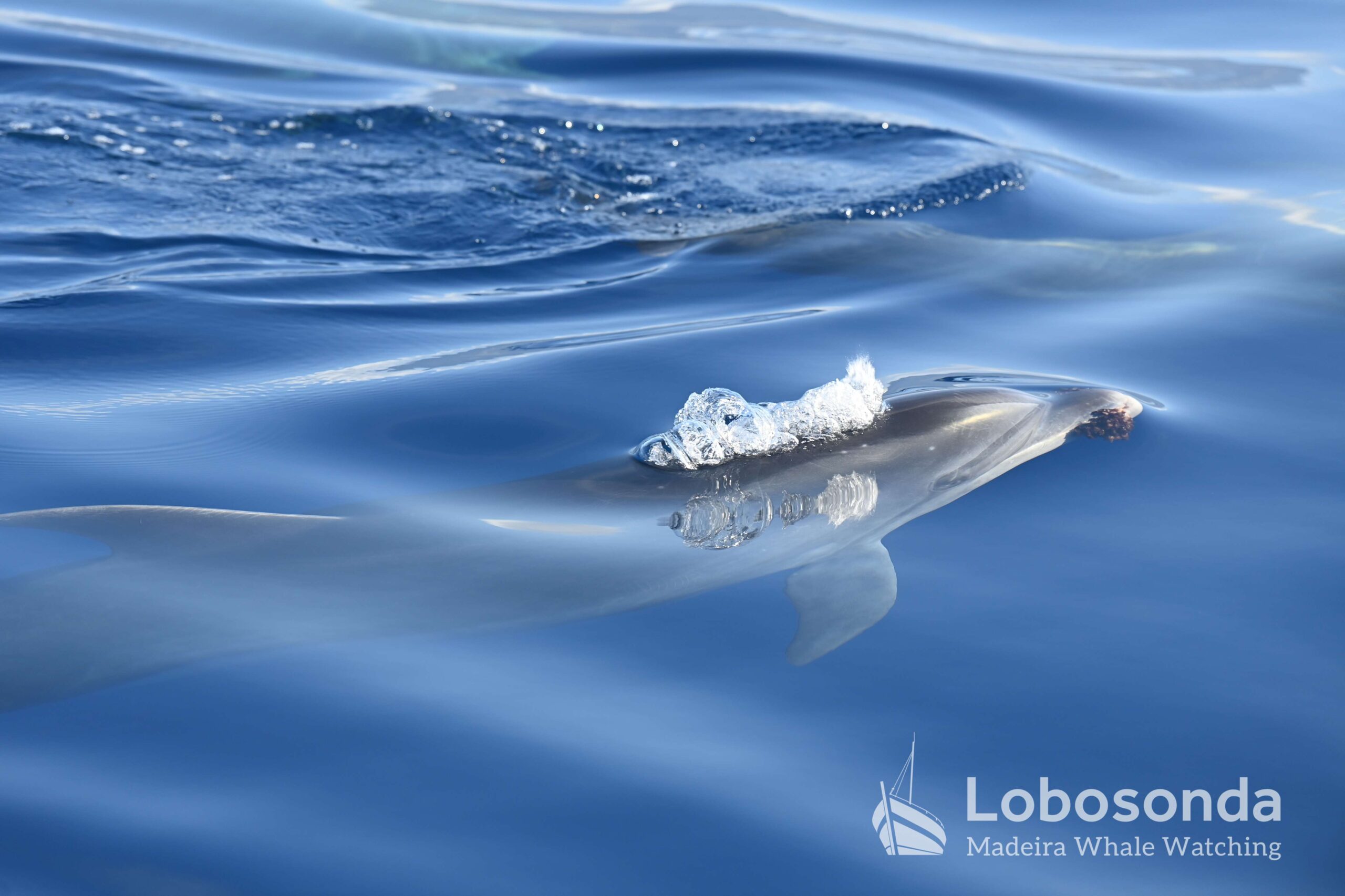
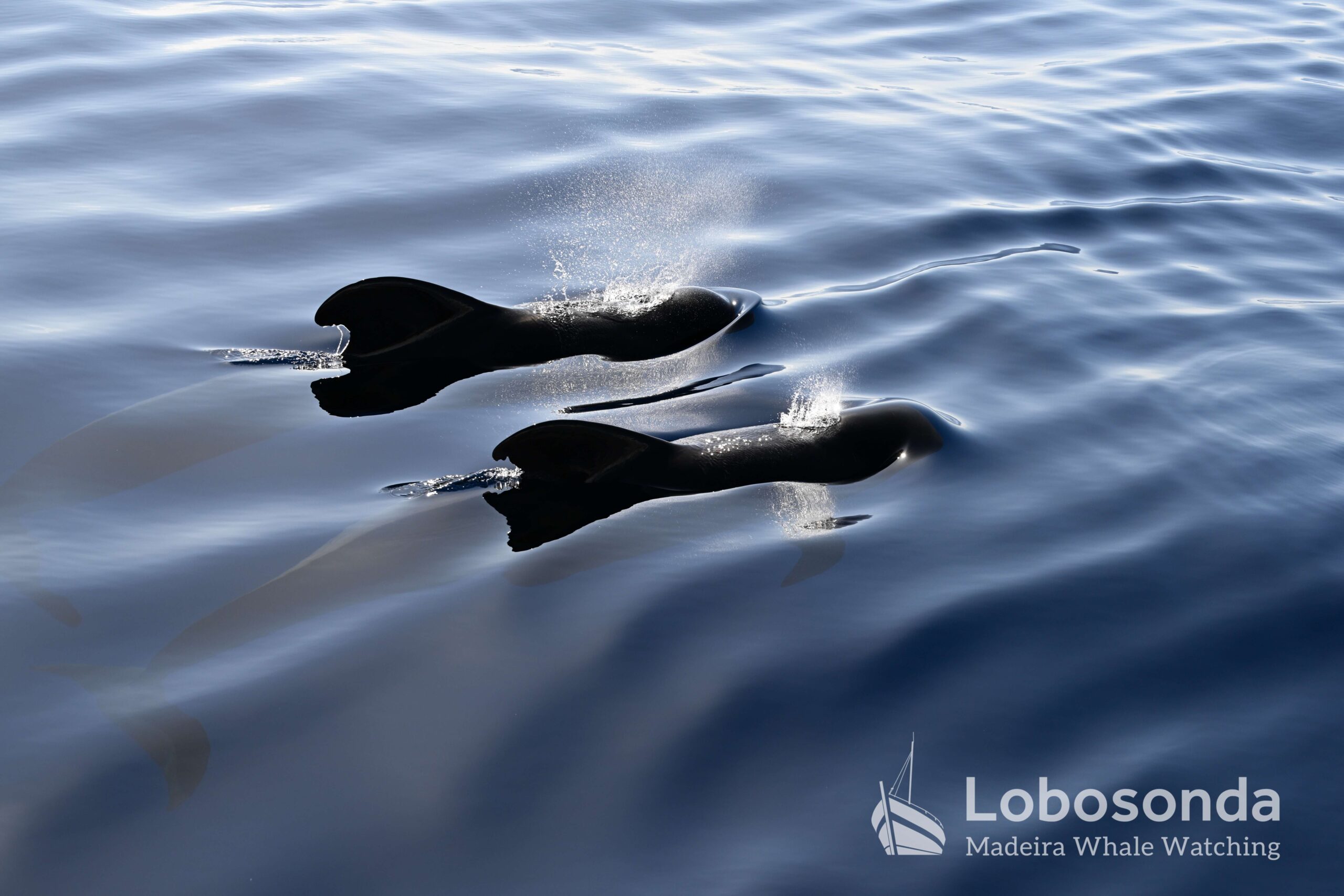
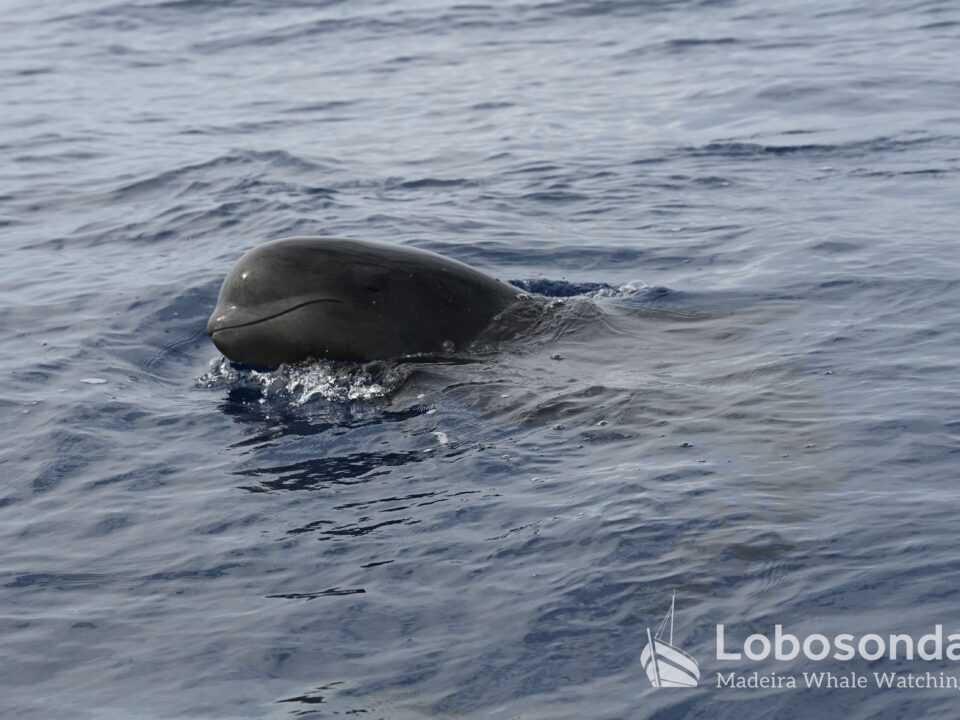
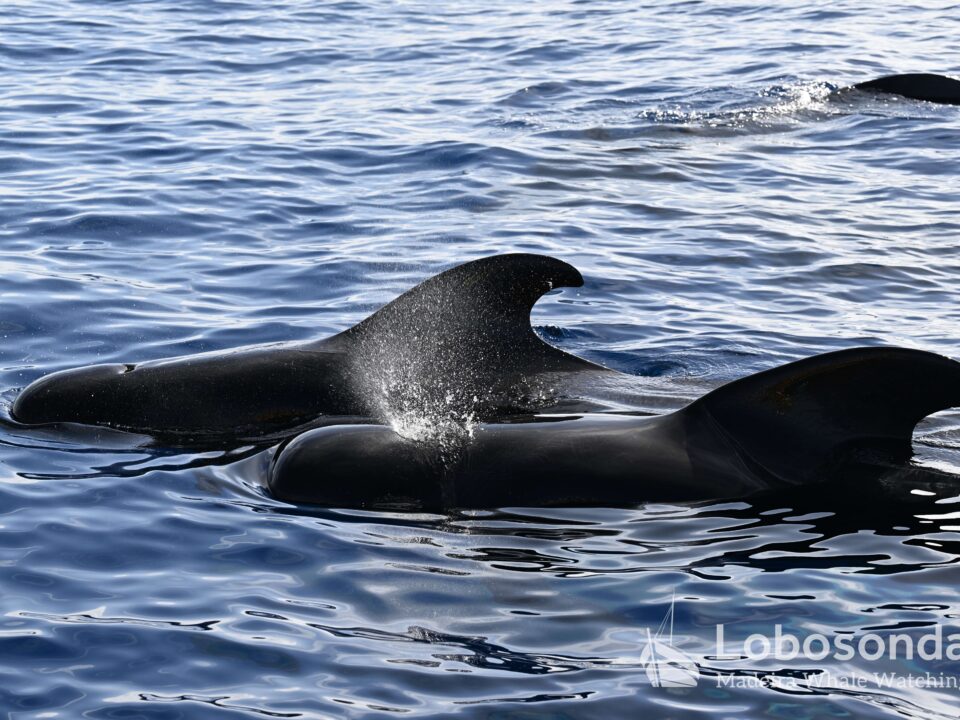
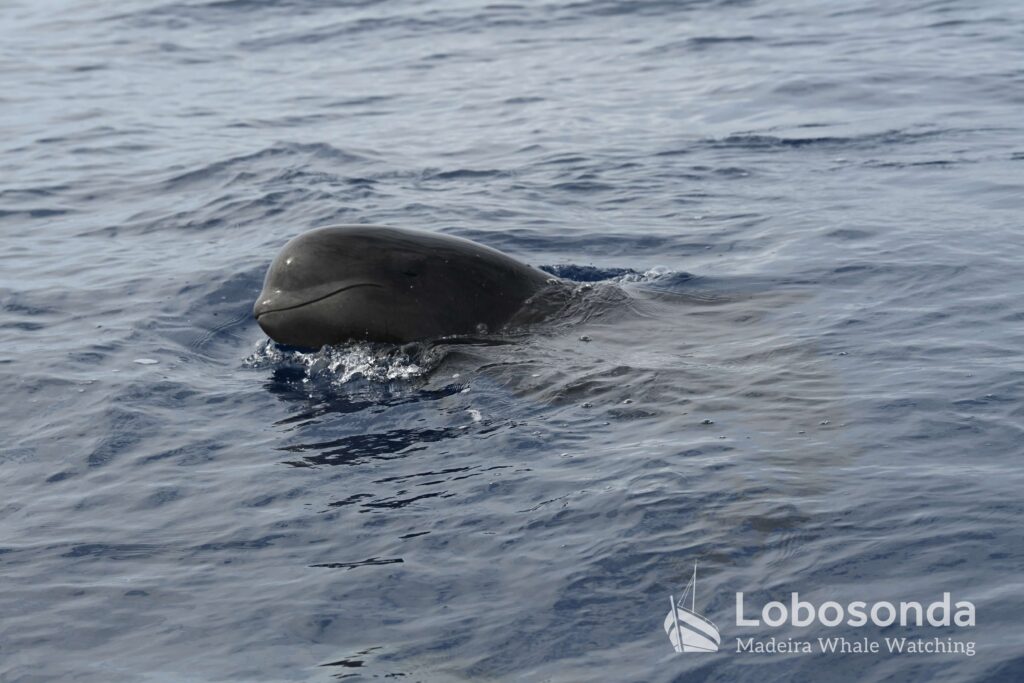
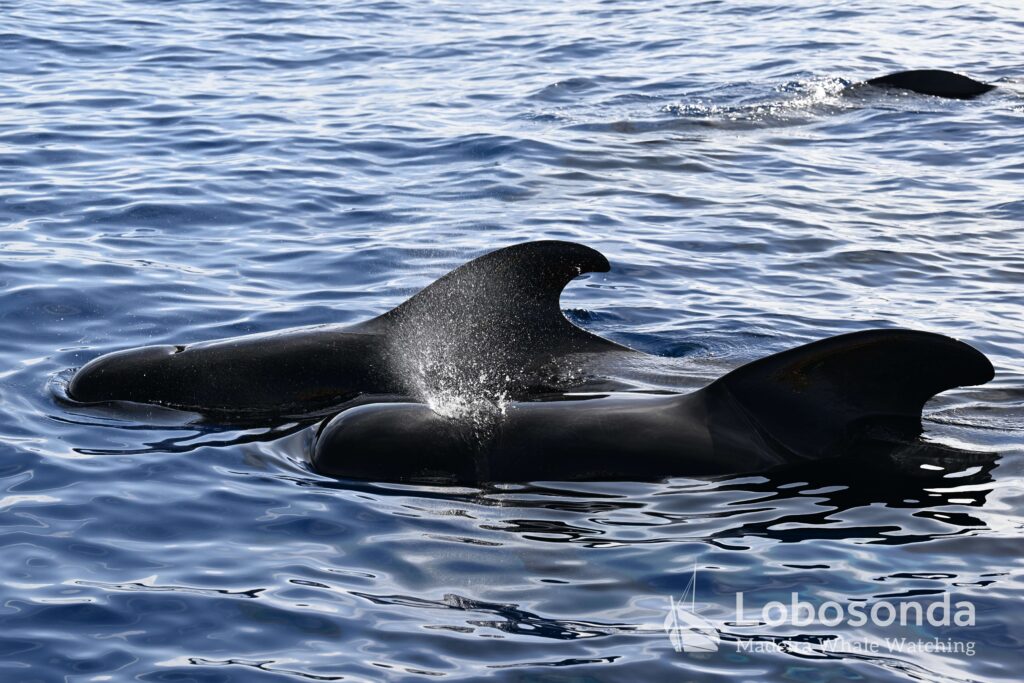
Bottlenose dolphins (Tursiops truncatus) and short-finned pilot whales (Globicephala macrorhynchus) display complex social behaviors, curiosity and intelligence. We could witness such behaviours with young calves interacting at the surface.
Between land animals and aquatic animals, research on tool-use techniques has focused more on land animals (for example primates). Some studies on aquatic animals showed the use of tools for foraging, even if its rare some cases exist. One of the best known case of cetacean on that topic is the bottlenose dolphins from Shark bay, Australia. They collect sponges and wear them on their beak for protection when they are hunting on the seabed. Dolphins that use sponges as tools typically learn this behaviour from their mothers and continue to rely on this technique throughout their lives. Their foraging skills improve with experience, reaching their highest efficiency in mid-adulthood. Other use of sponges have been observed : dolphins will block the entrance of a coral cave. Individuals will then flush the fish out of another place and the sponge will block the escape route of the poor fish ! These animals never cease to amaze me !
By Juliette Colançon
Sightings of the day
Ribeira brava
09:00 Bottlenose dolphin, Short-finned pilot whale
13:00 Short-finned pilot whale
Steno
09:30 Bottlenose dolphin, Short-finned pilot whale
13:30 Short-finned pilot whale