27.09.2026 – Deep divers
October 5, 2026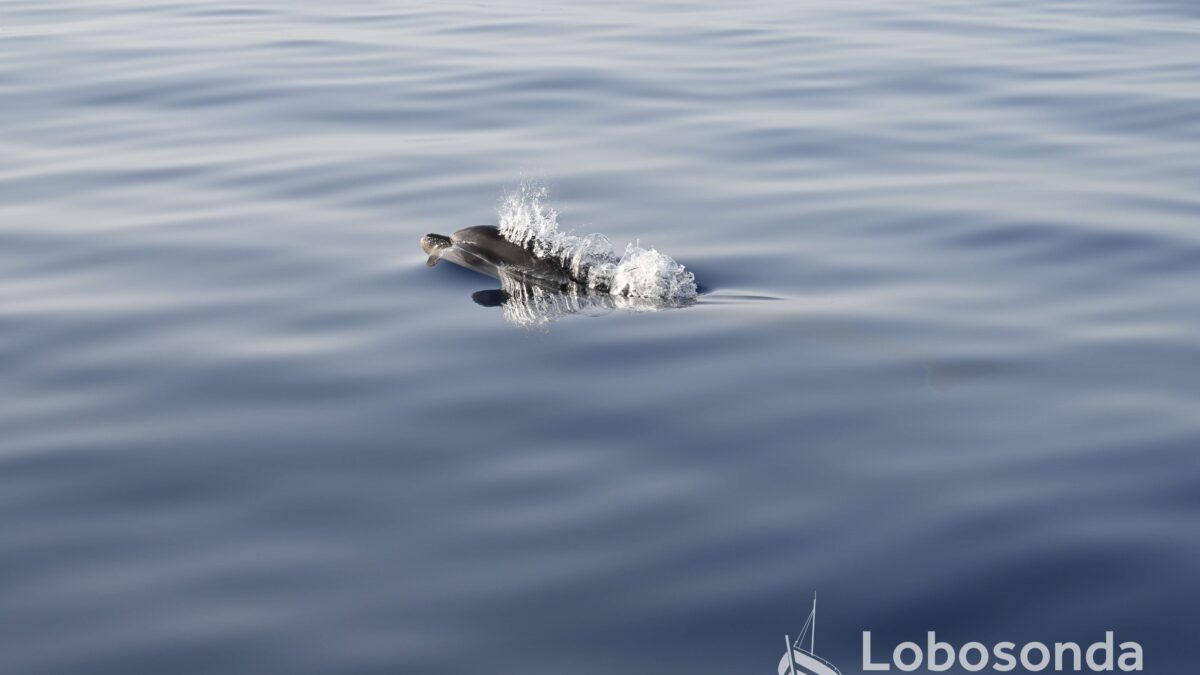
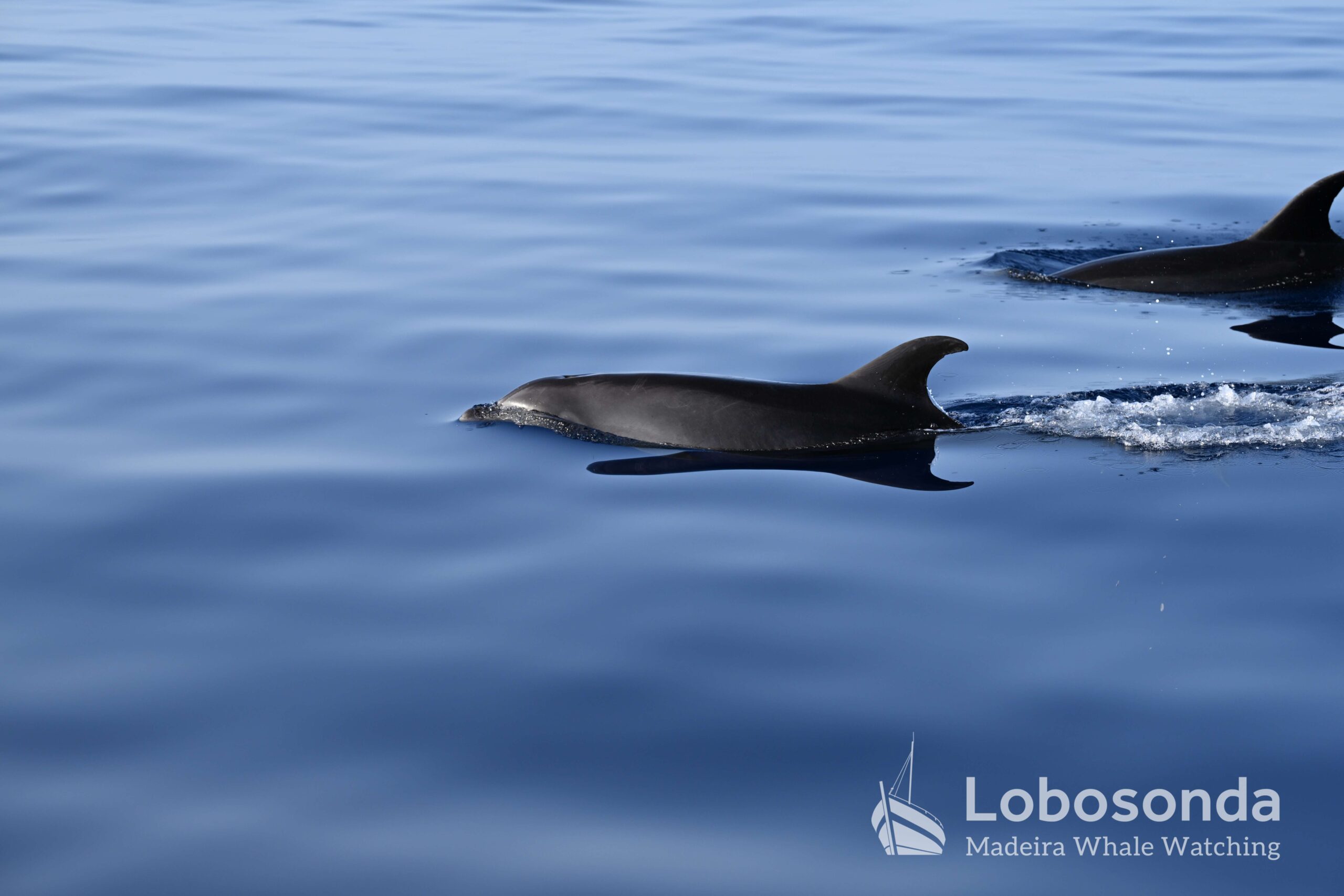
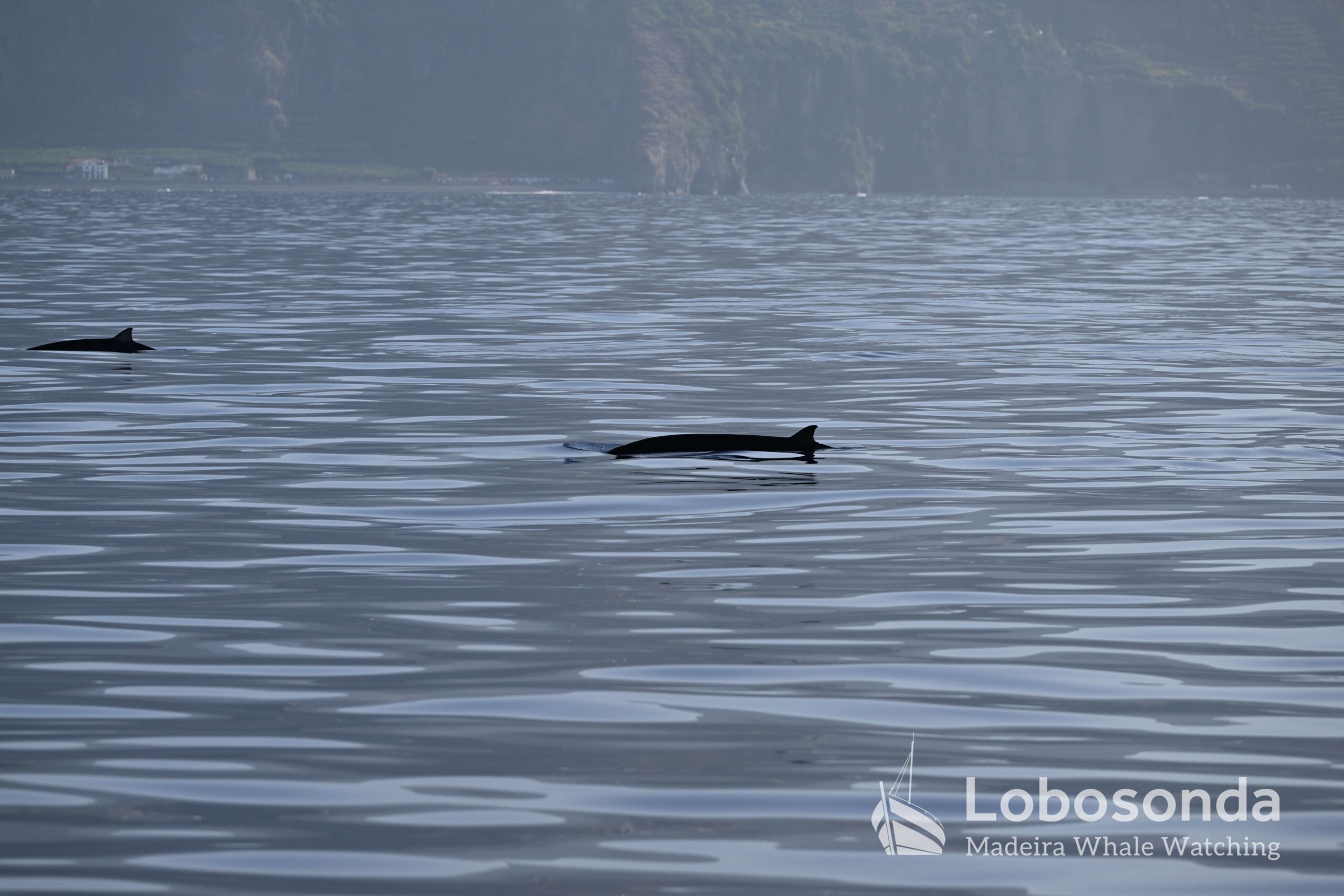
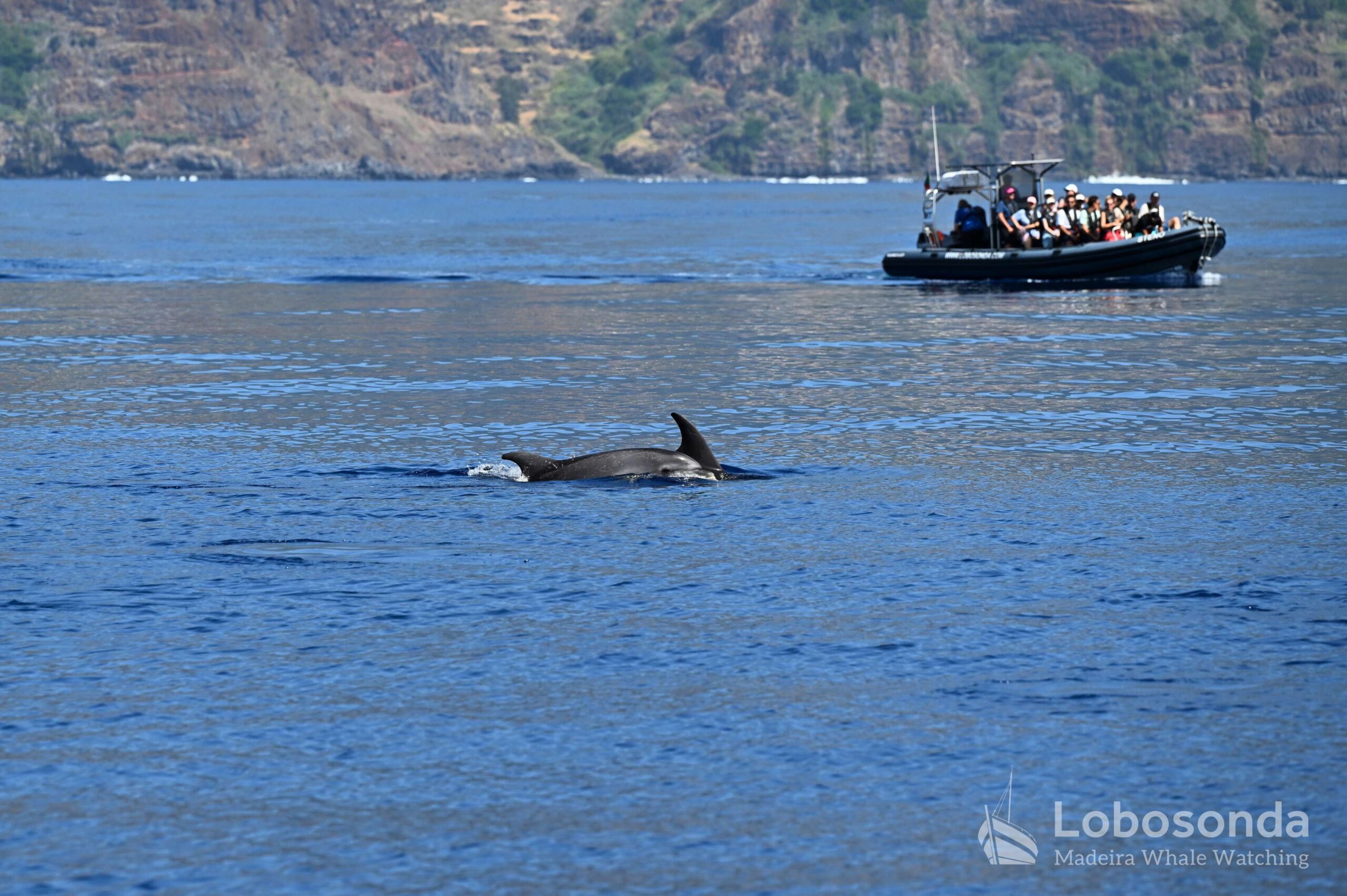
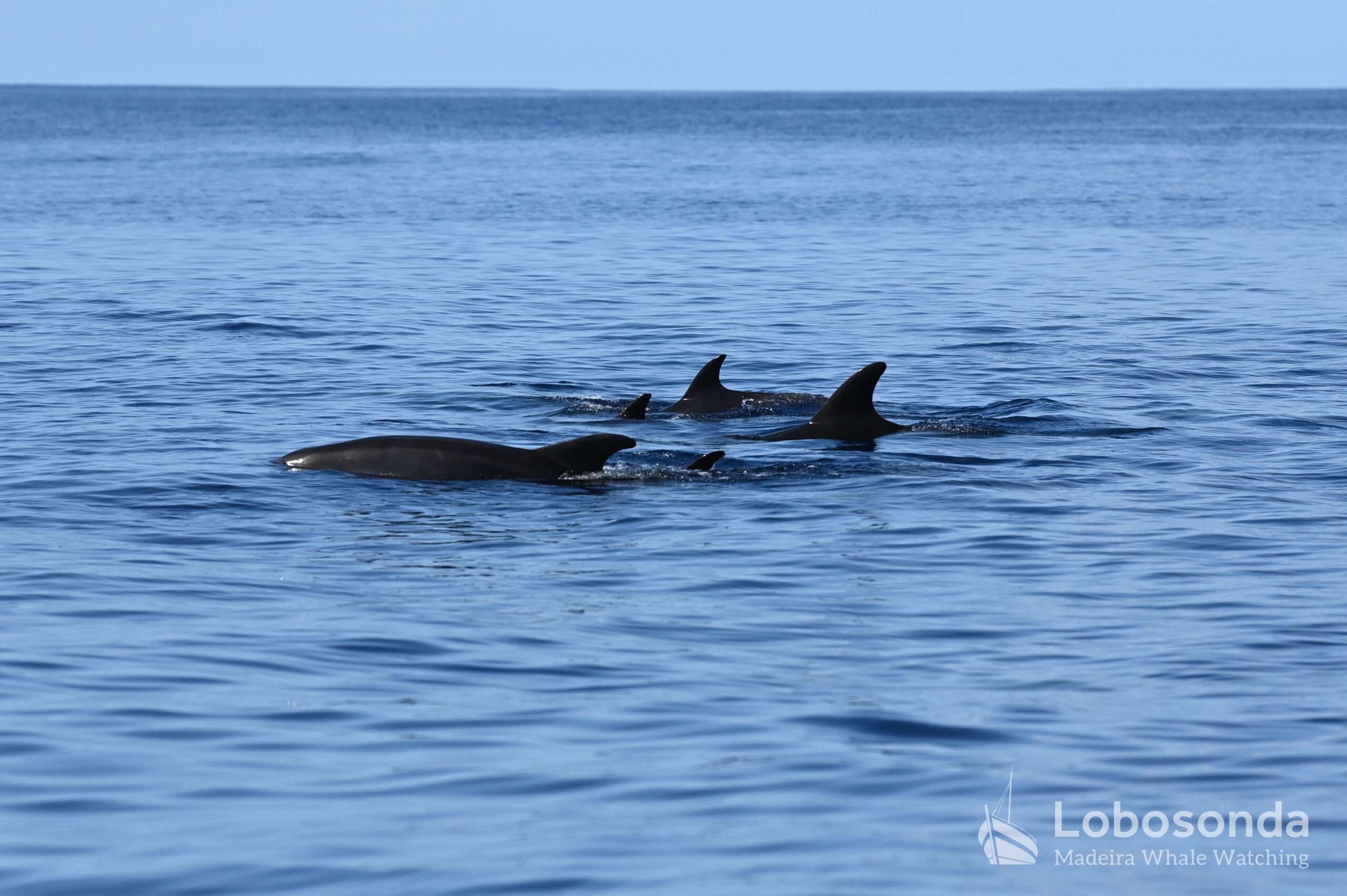
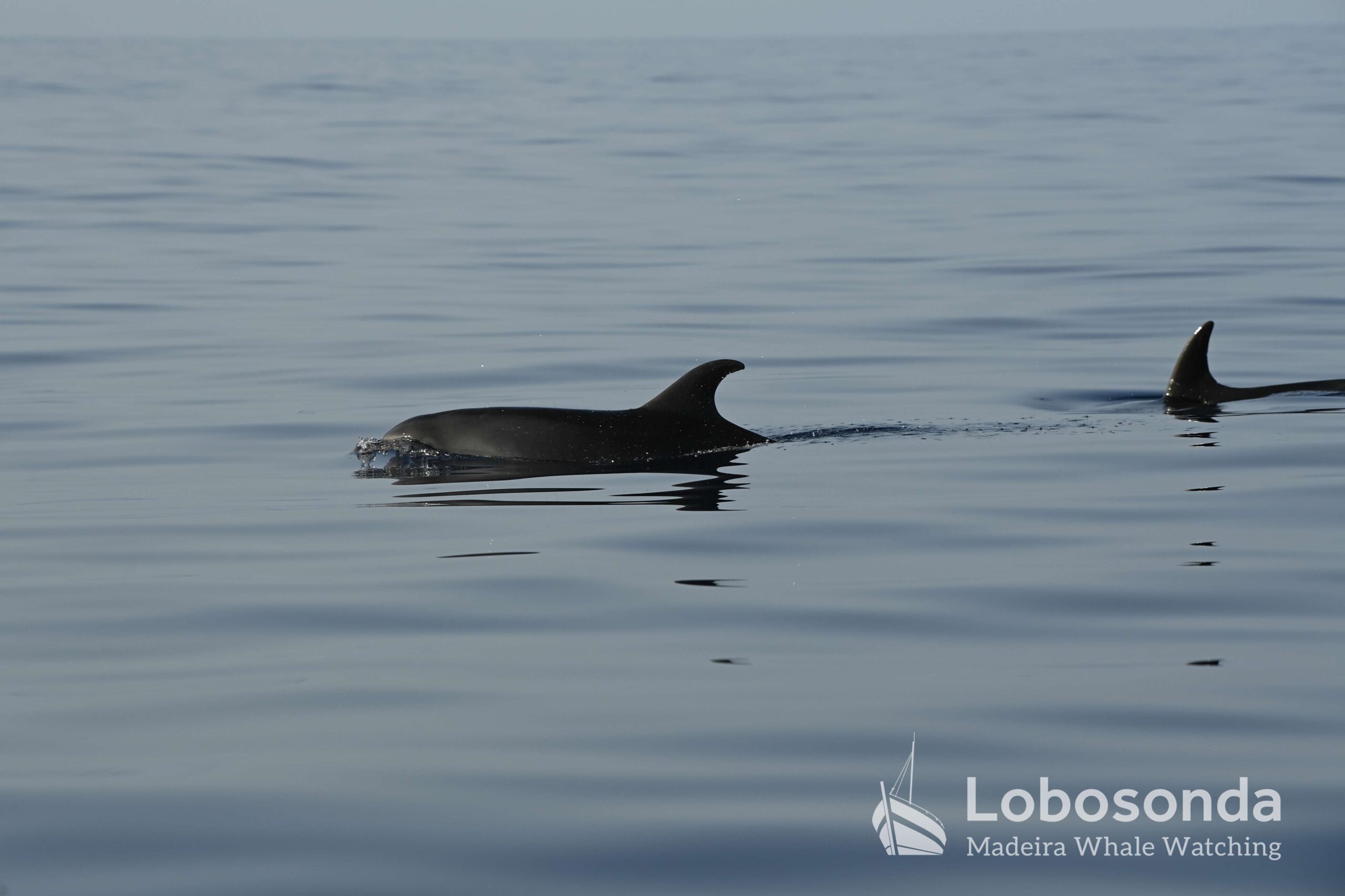
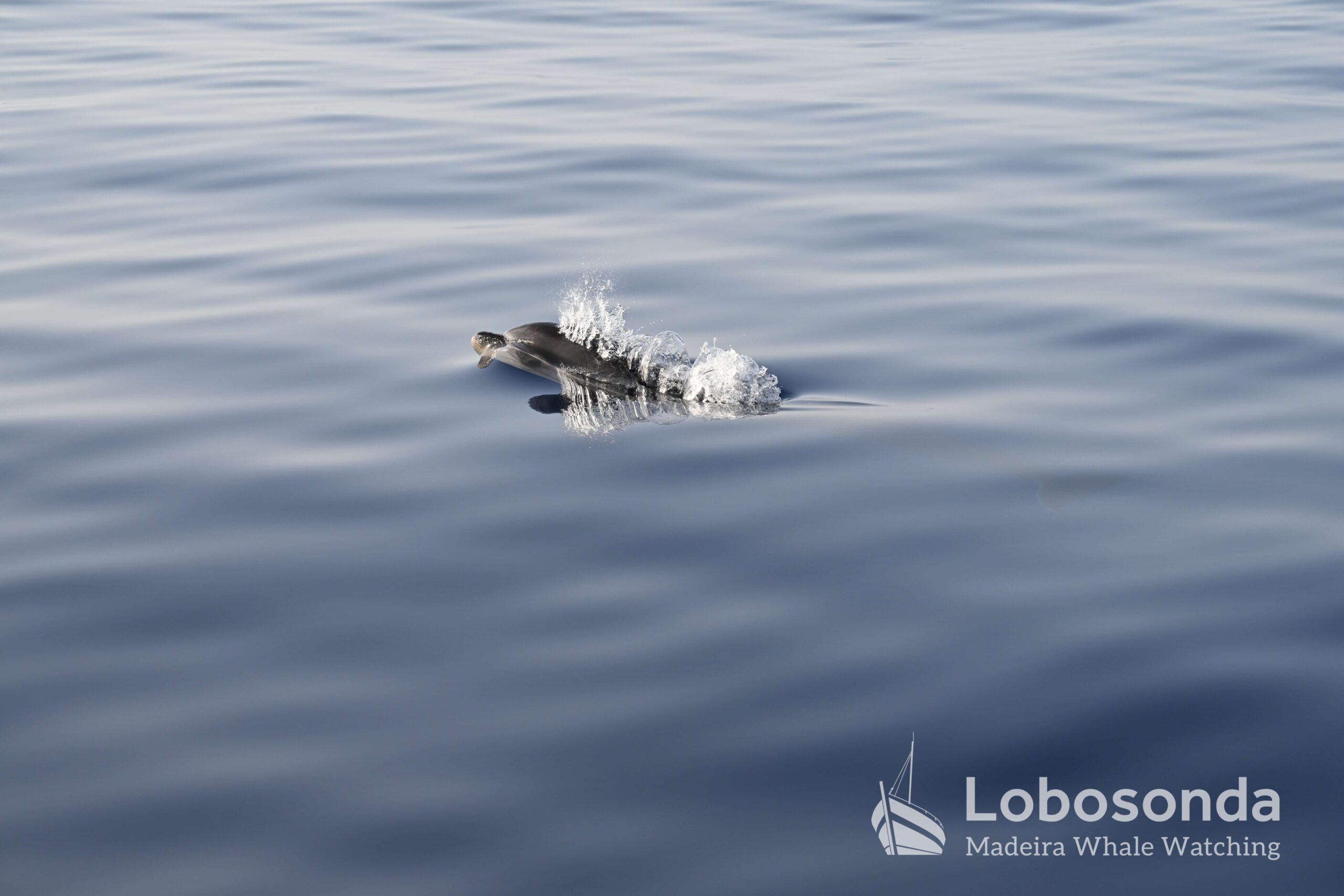
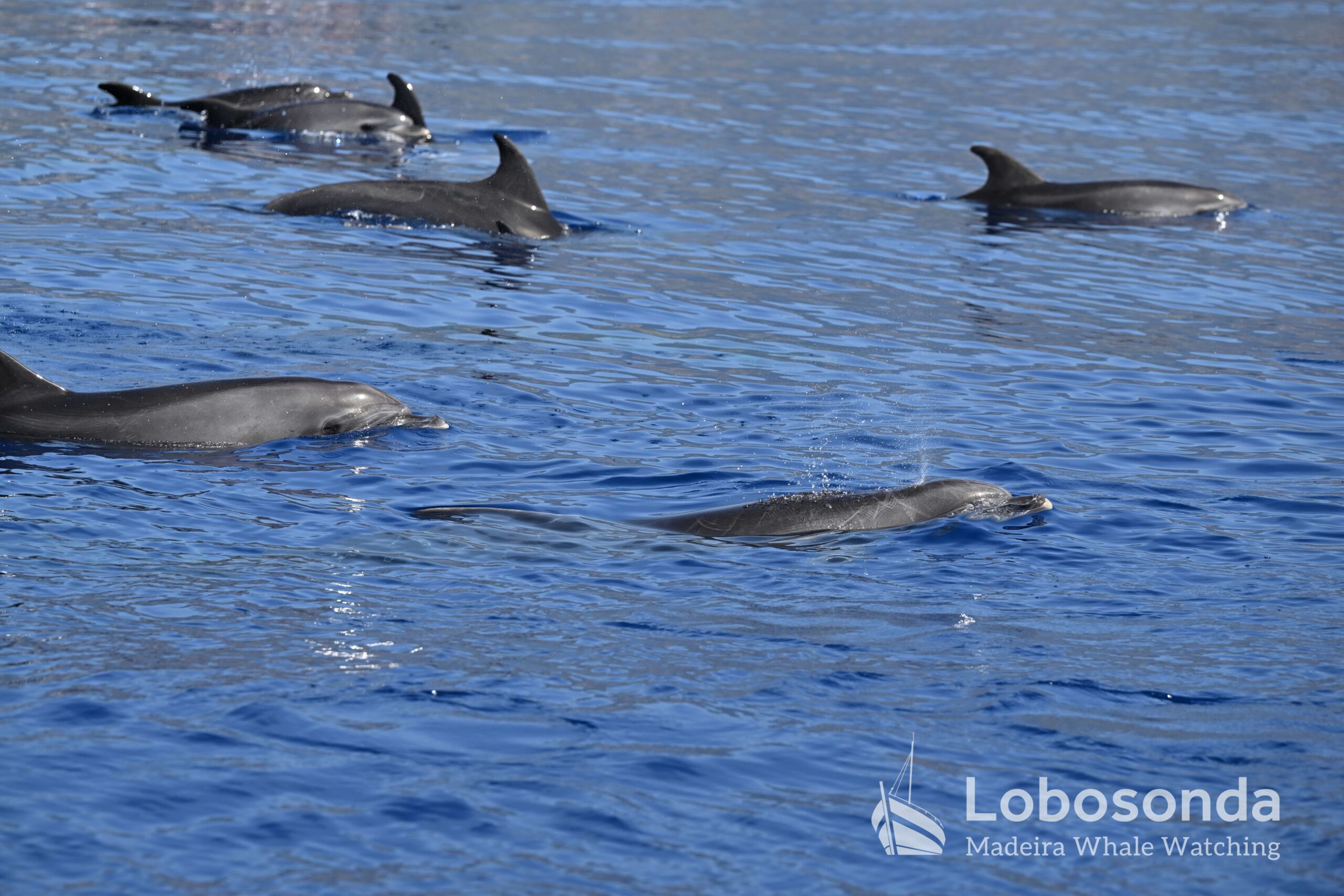
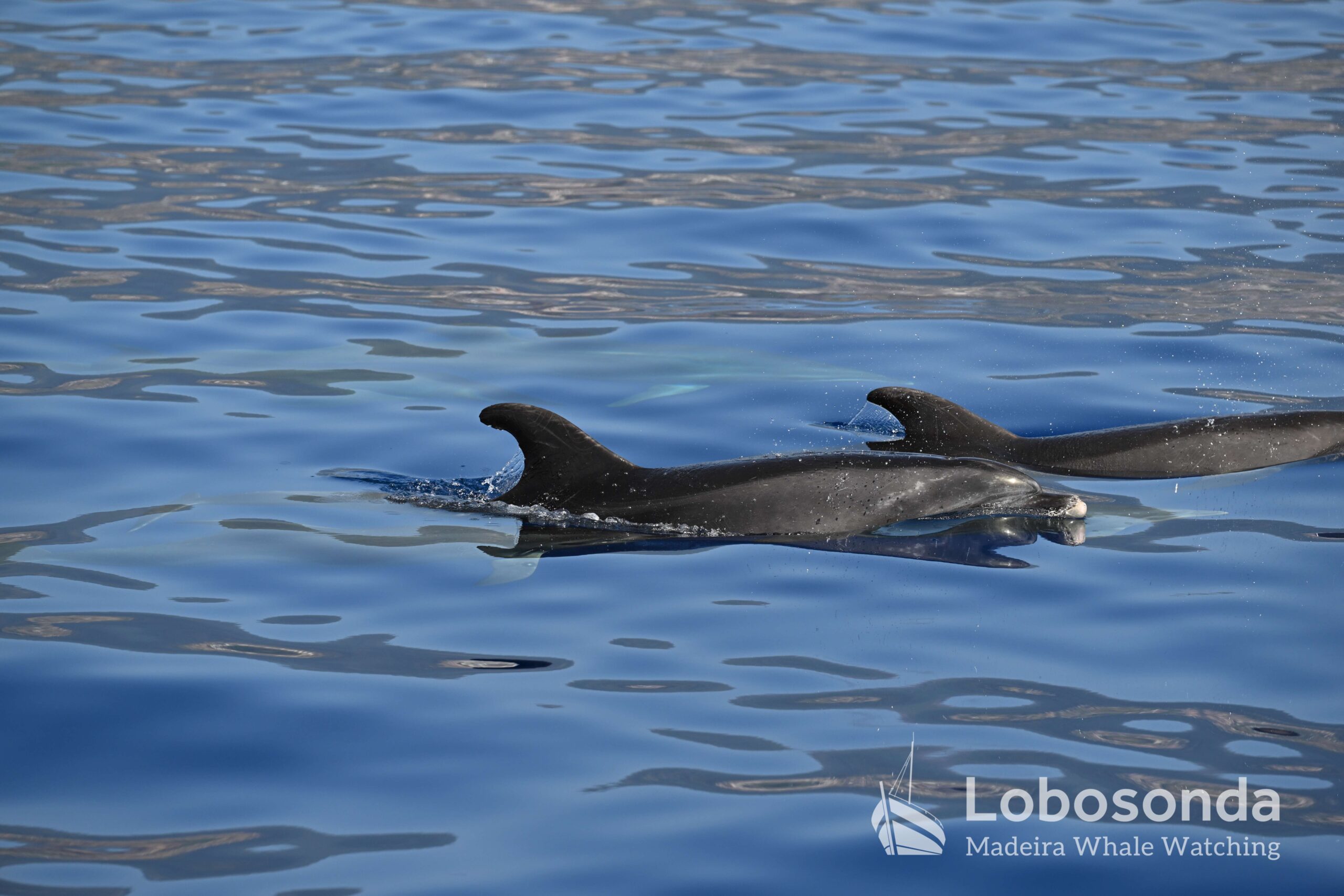
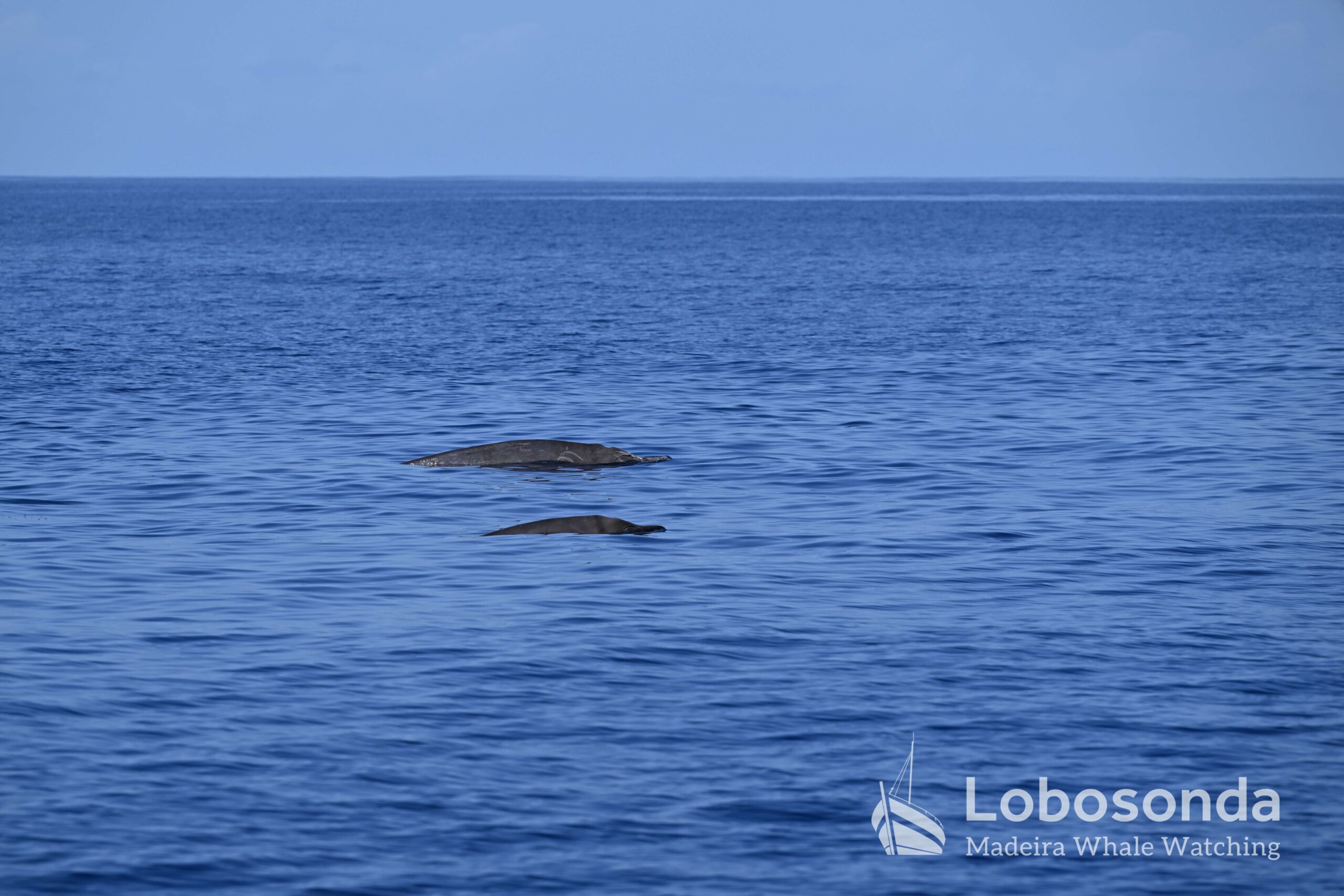
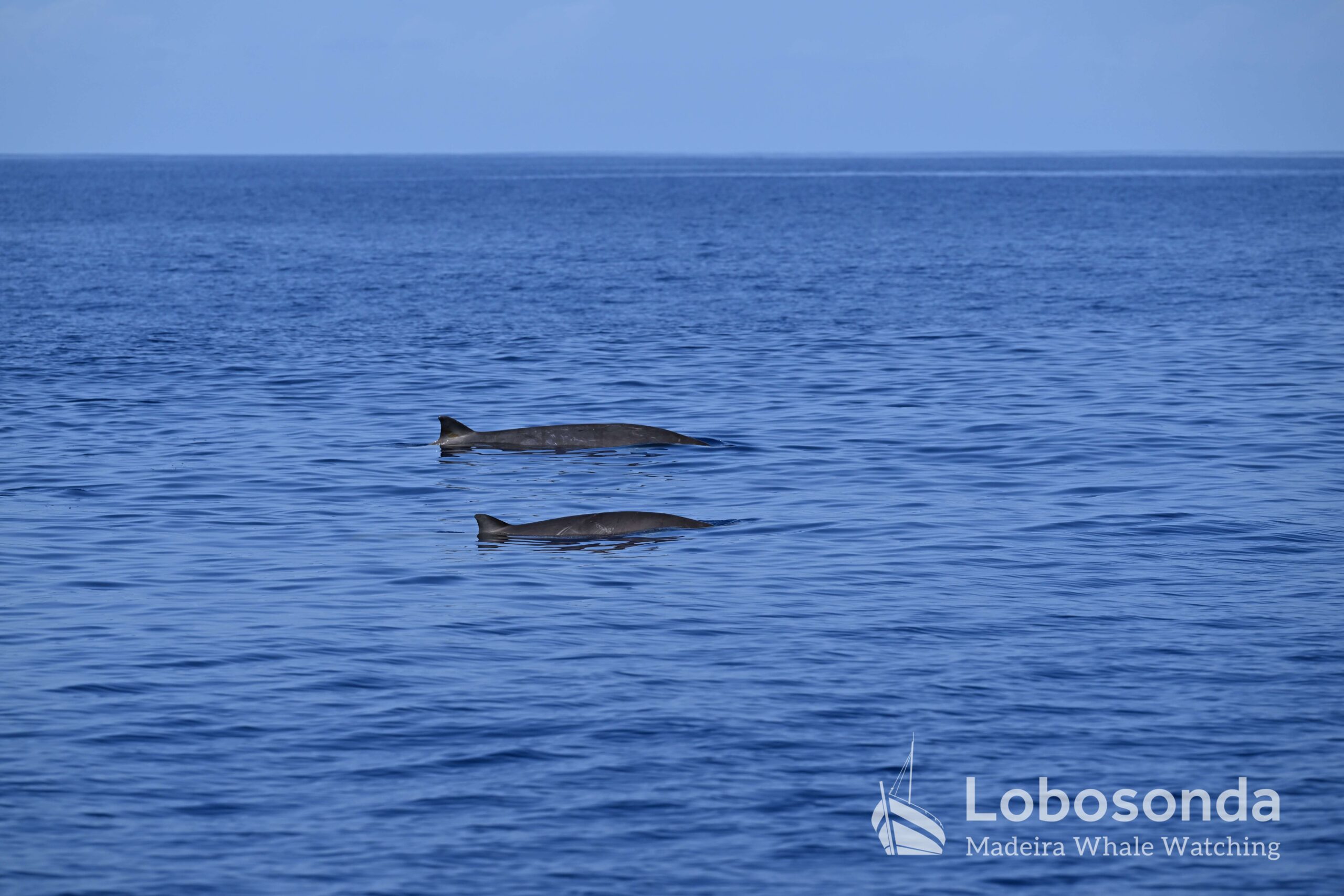
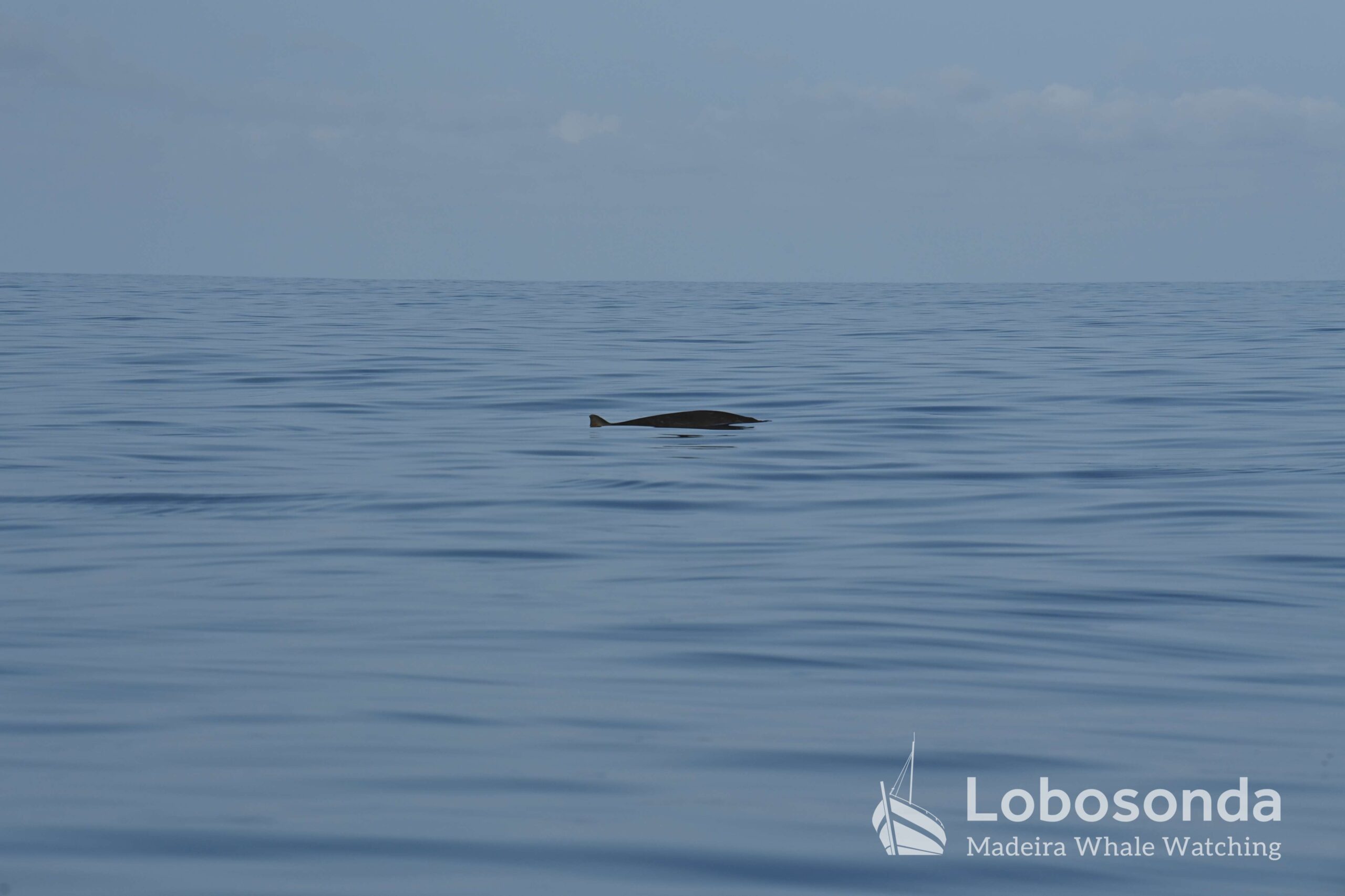
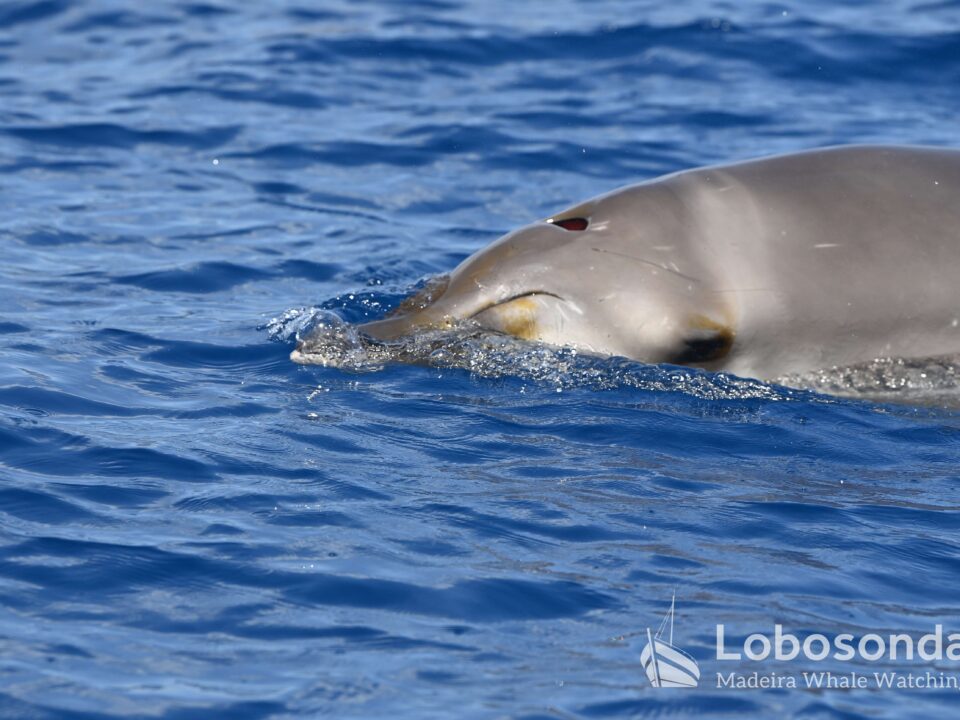
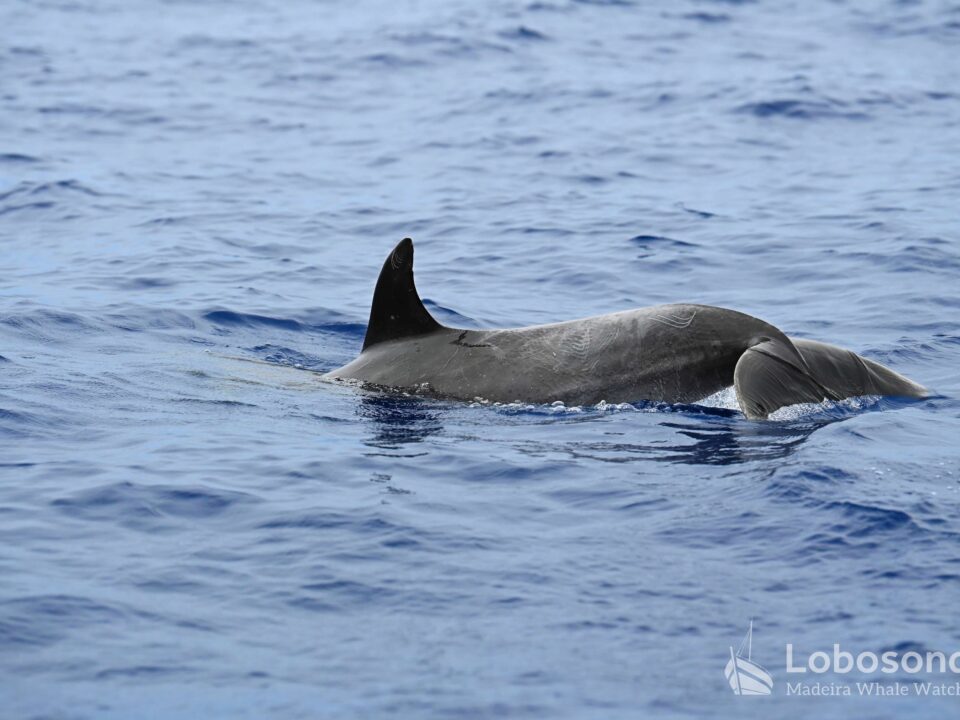
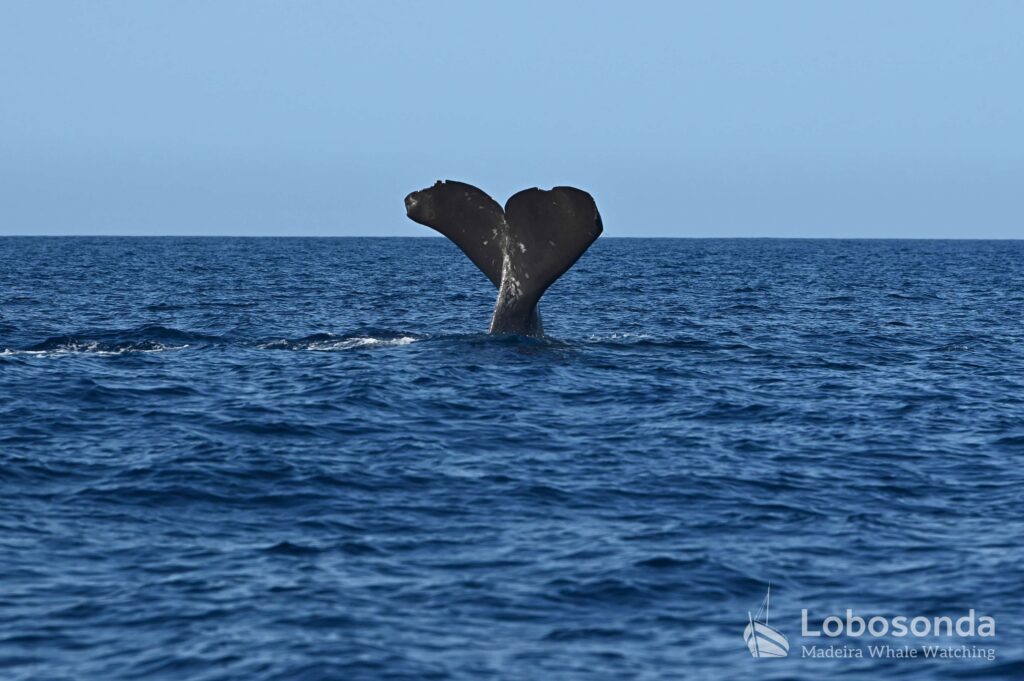
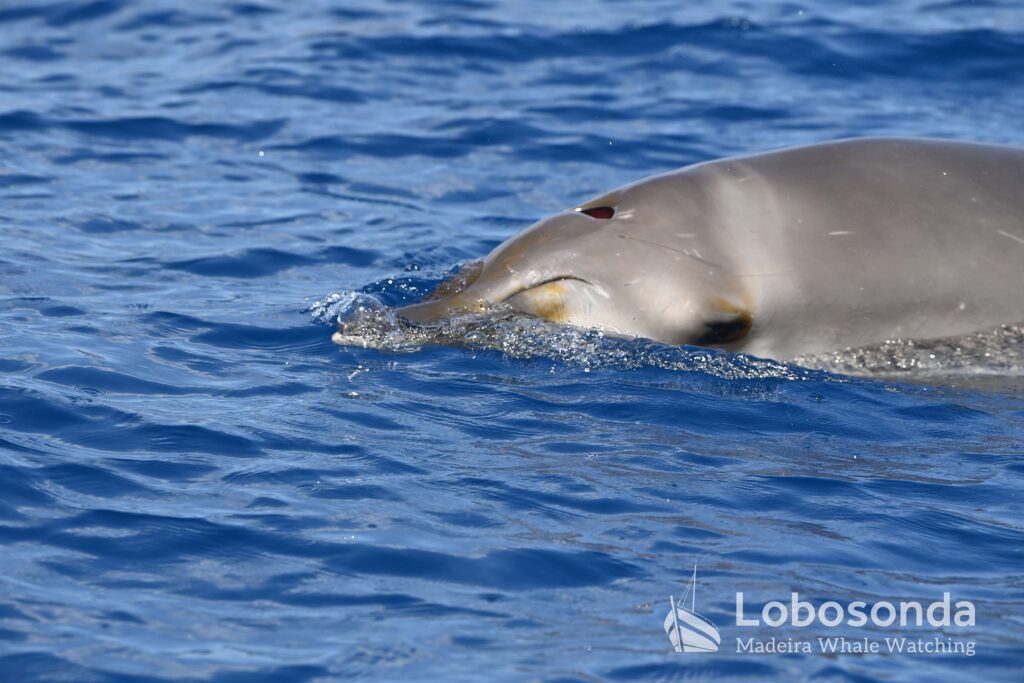
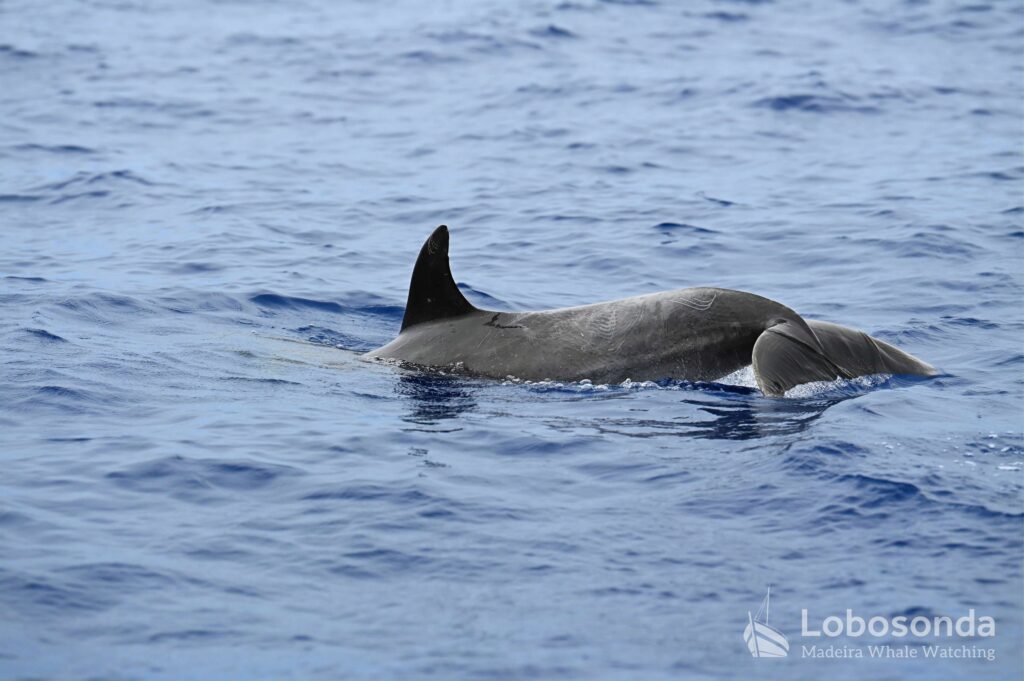
Today our boats managed sightings with two species that each share their own unique relationship with Madeira as an oceanic habitat; the Bottlenose dolphin (Tursiops truncatus) and the Blainville’s beaked whale (Mesoplodon densirostris). With both, scientists are speaking of a resident population yet the dynamics of this relationship is entirely different.
The coastal ecotype Bottlenose dolphin population inhabits the coastal waters of the Madeira and Canary Island archipelagos, with individuals crossing hundreds of km within this larger home range. The population consists of loosely structured, ever-changing entities – a so-called fission/fusion society. Within these changing entities, bottlenose pairs and trios switch groups together, creating a constant within the population. Bottlenose dolphin pods generally consist of one gender.
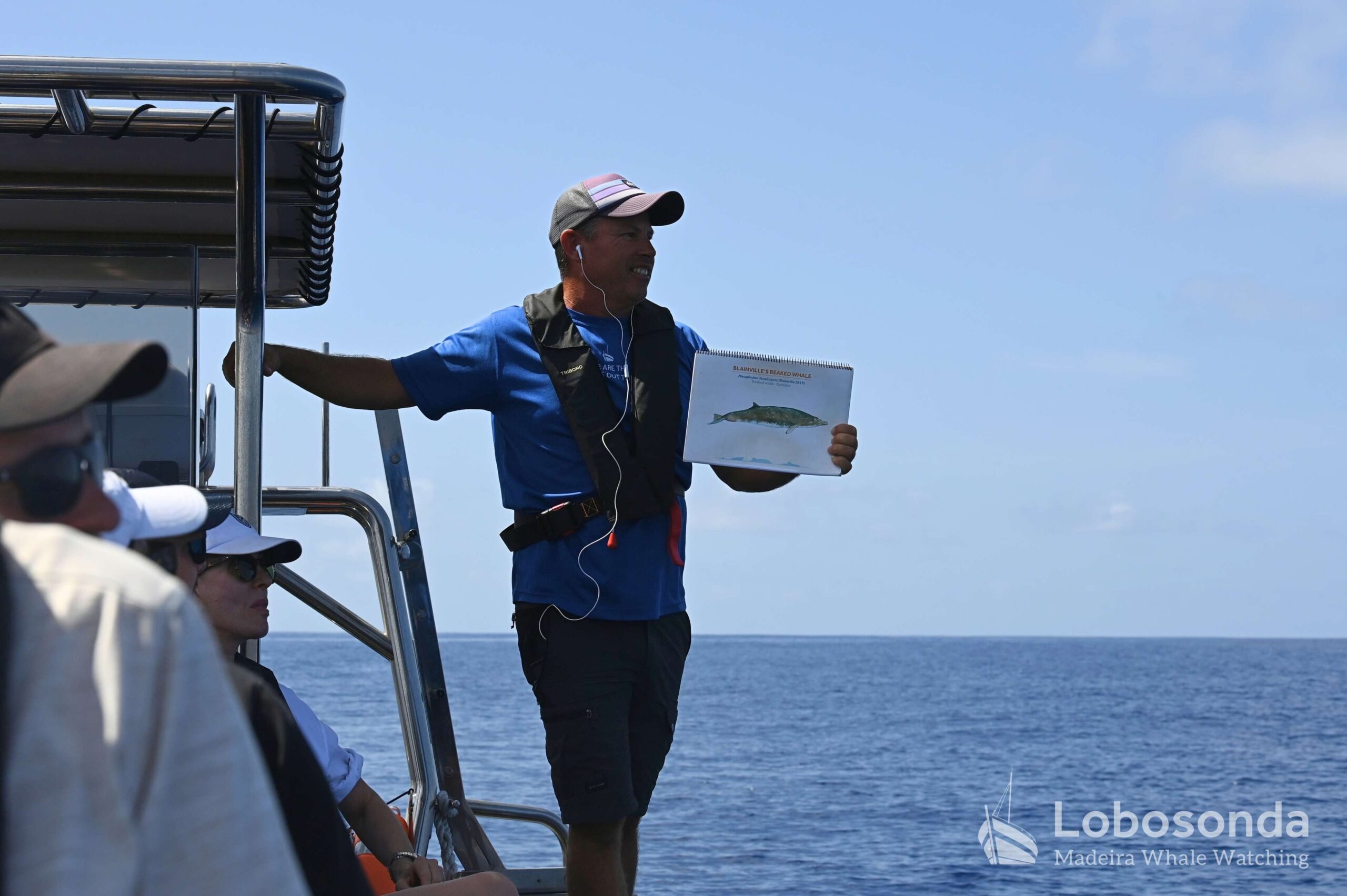
The story is entirely different with Blainville’s beaked whales and it begins with the fact that we actually know quite little about the, and even less about other beaked whale species. Beaked whales are the air breathing creatures of the deep sea – they come up to breathe and that’s it. Everything else happens in the abyss. What we do know about Blainville beaked whale societies here in Madeira is that they have a sort of harem structure, with a consistent structure in female group members and a scarred alpha male dominating the posse. While the females are thought to remain in their stable groups in the region, males keep the gene pool healthy by migrating from female group to female group across Macaronesia. The species is easily recognised through its golden brown skin colour, which it has thanks to diatom deposits on the skin.
Both so different, yet both so fascinating. How lucky we were today!
By Paula Thake
Sightings of the day
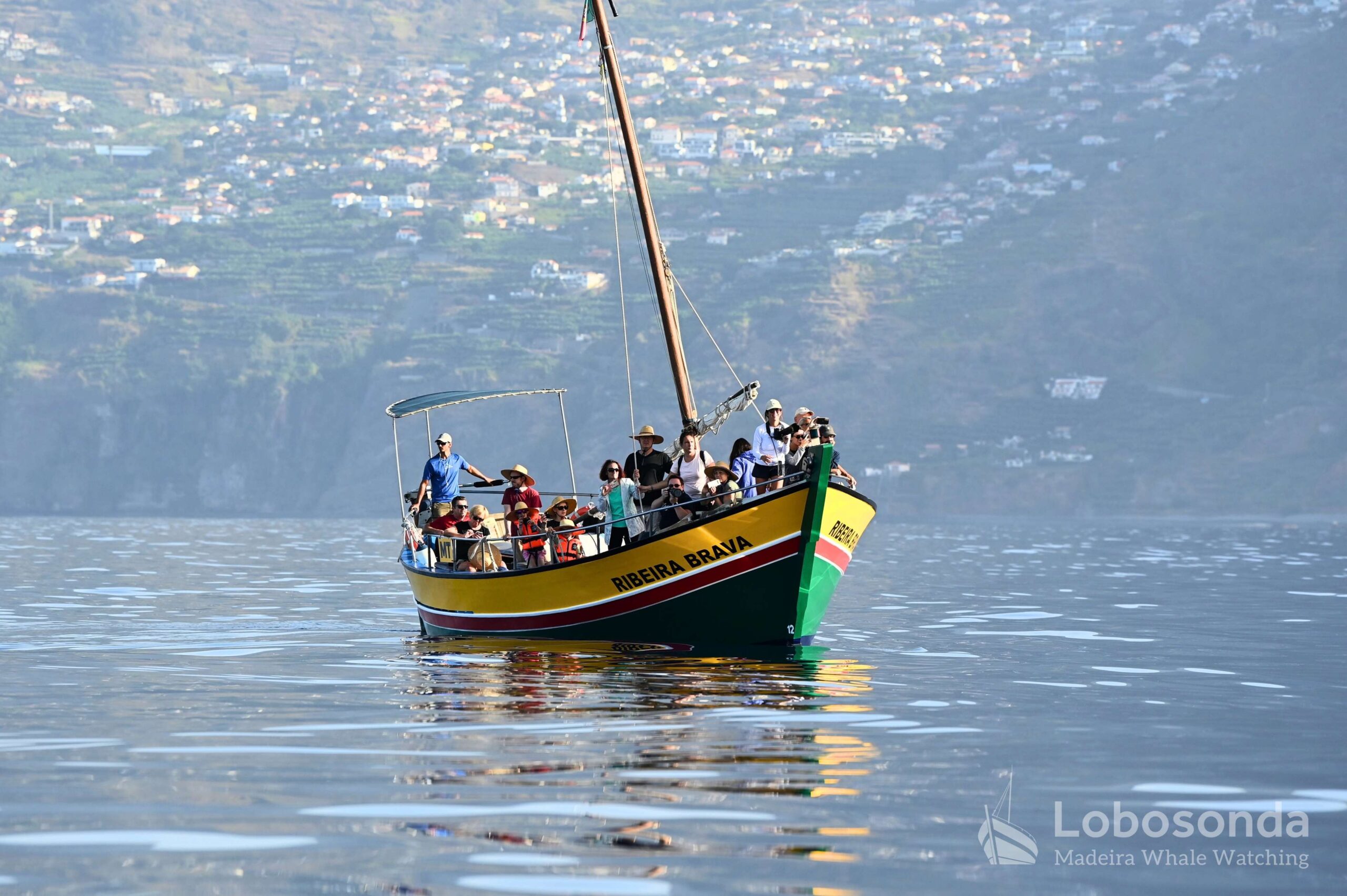
Ribeira Brava
09:00 Bottlenose dolphin, Blainville’s beaked whale
13:00 Bottlenose dolphin, Blainville’s beaked whale
Steno
09:30 Bottlenose dolphin, Blainville’s beaked whale
13:30 Bottlenose dolphin, Blainville’s beaked whale