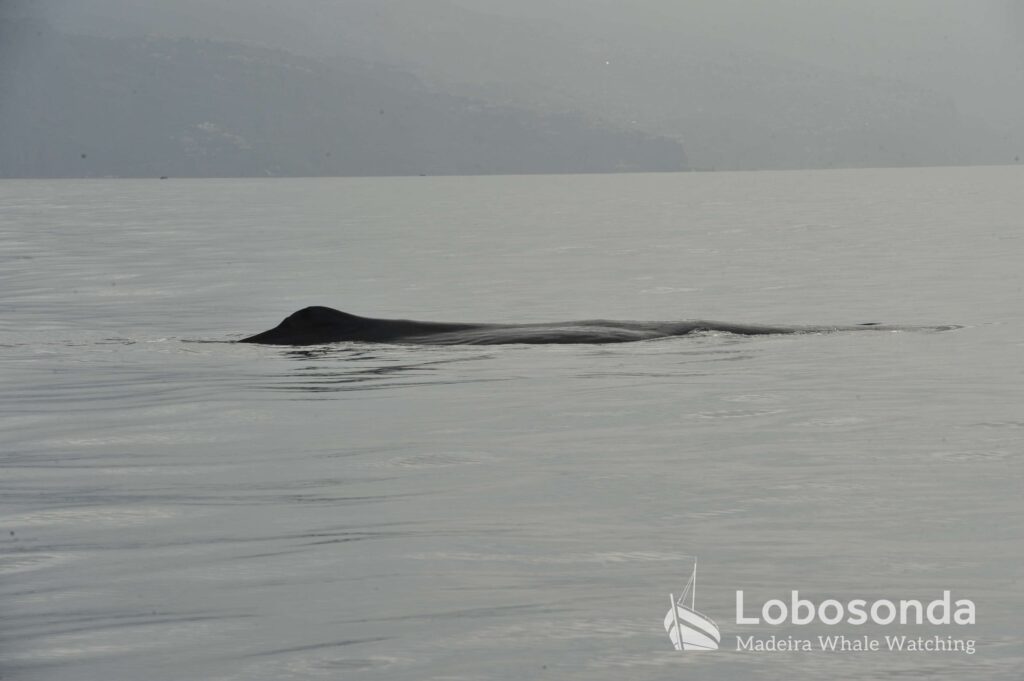
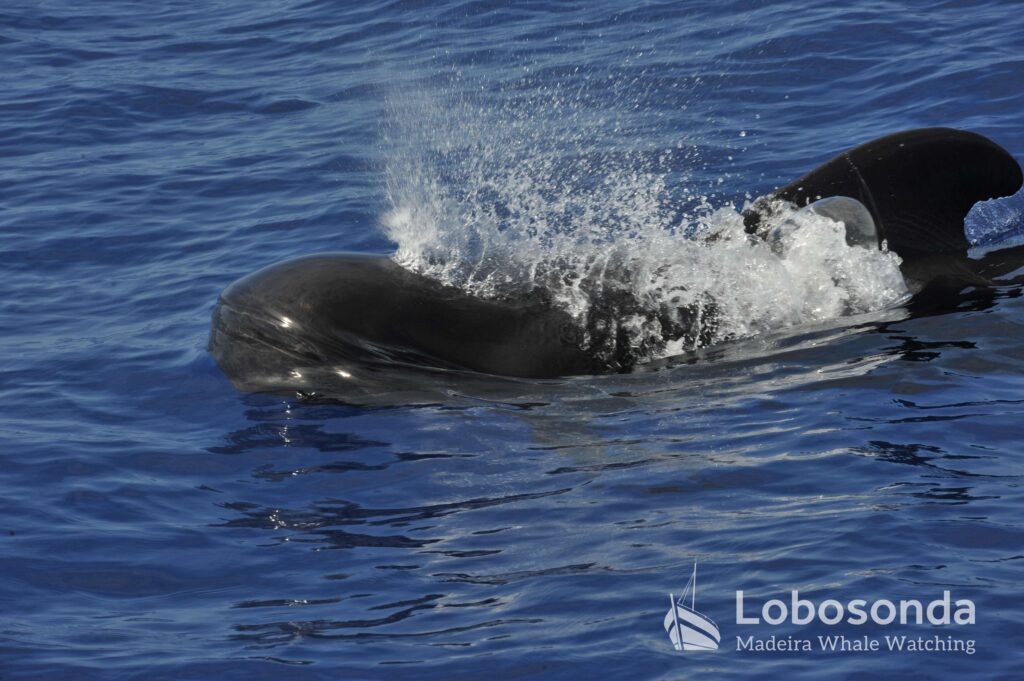
09.08.2026 – Babies
August 16, 2026
11.08.2026 – Bond
August 18, 2026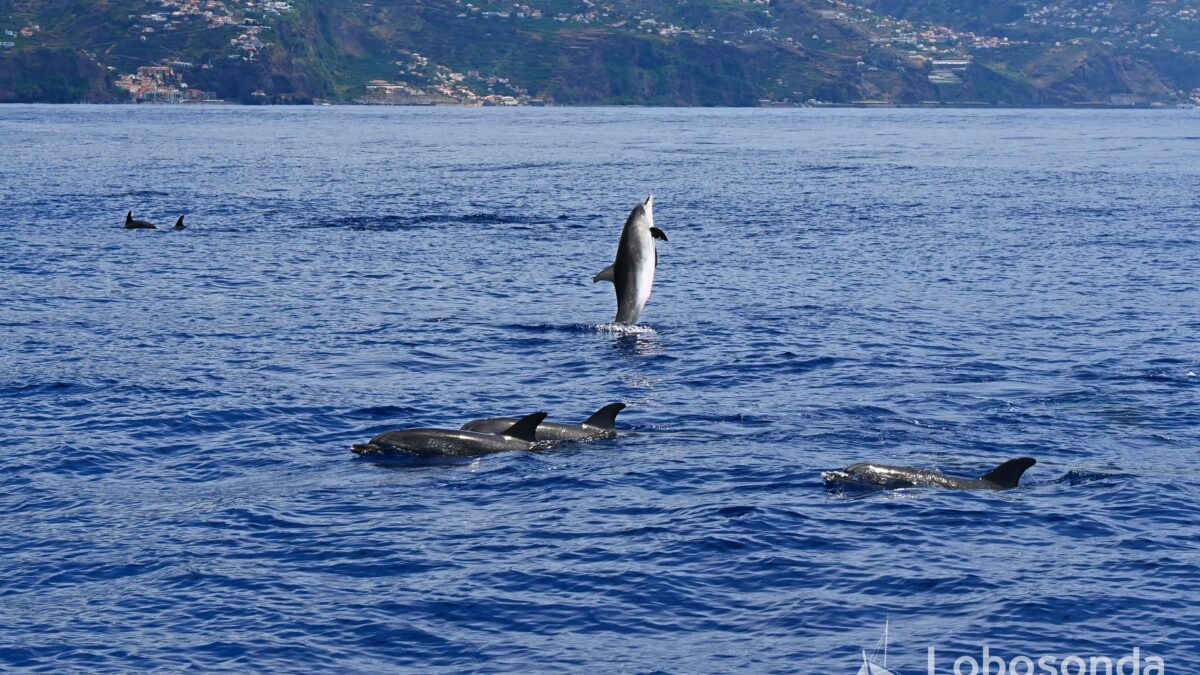
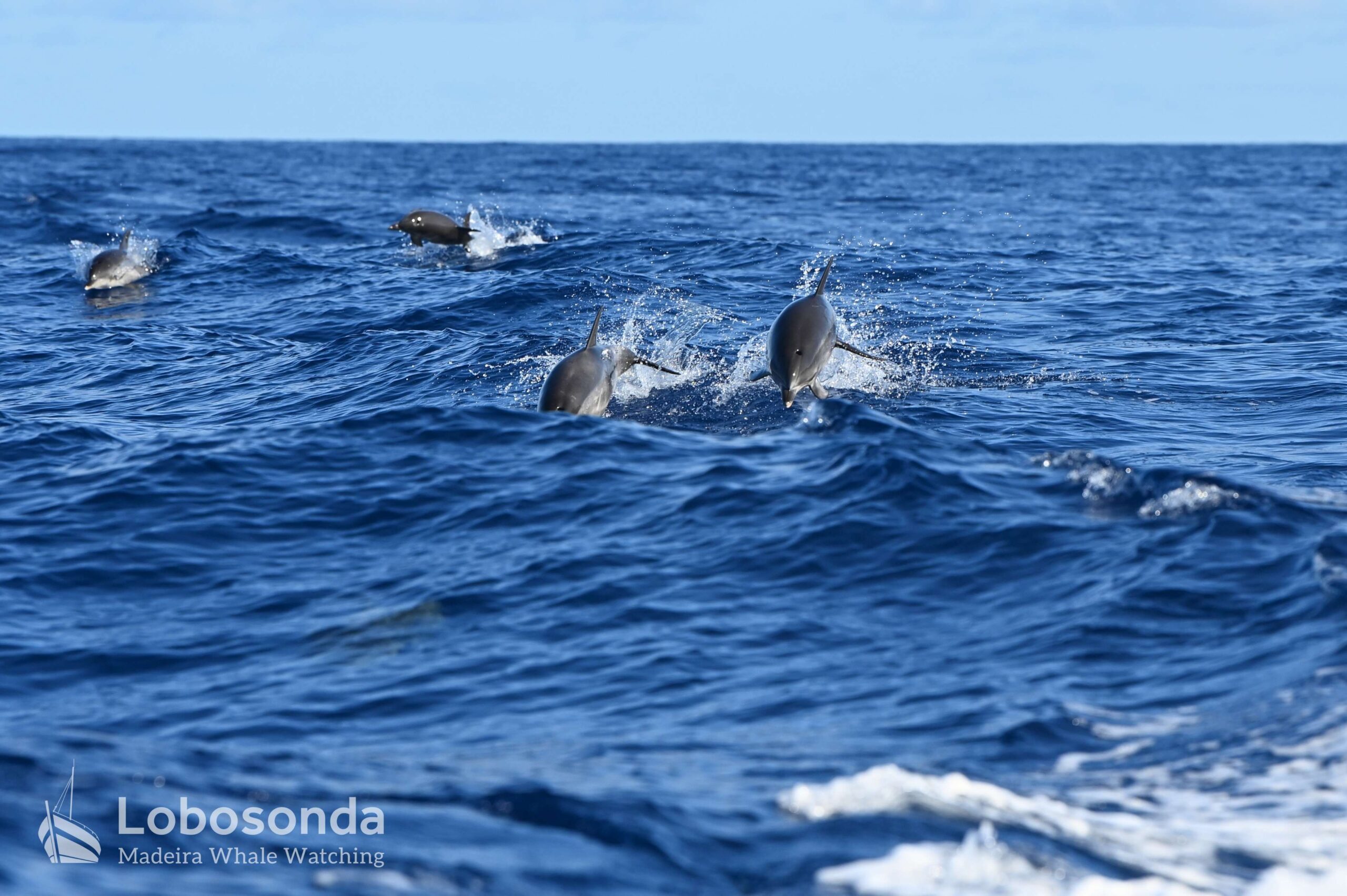
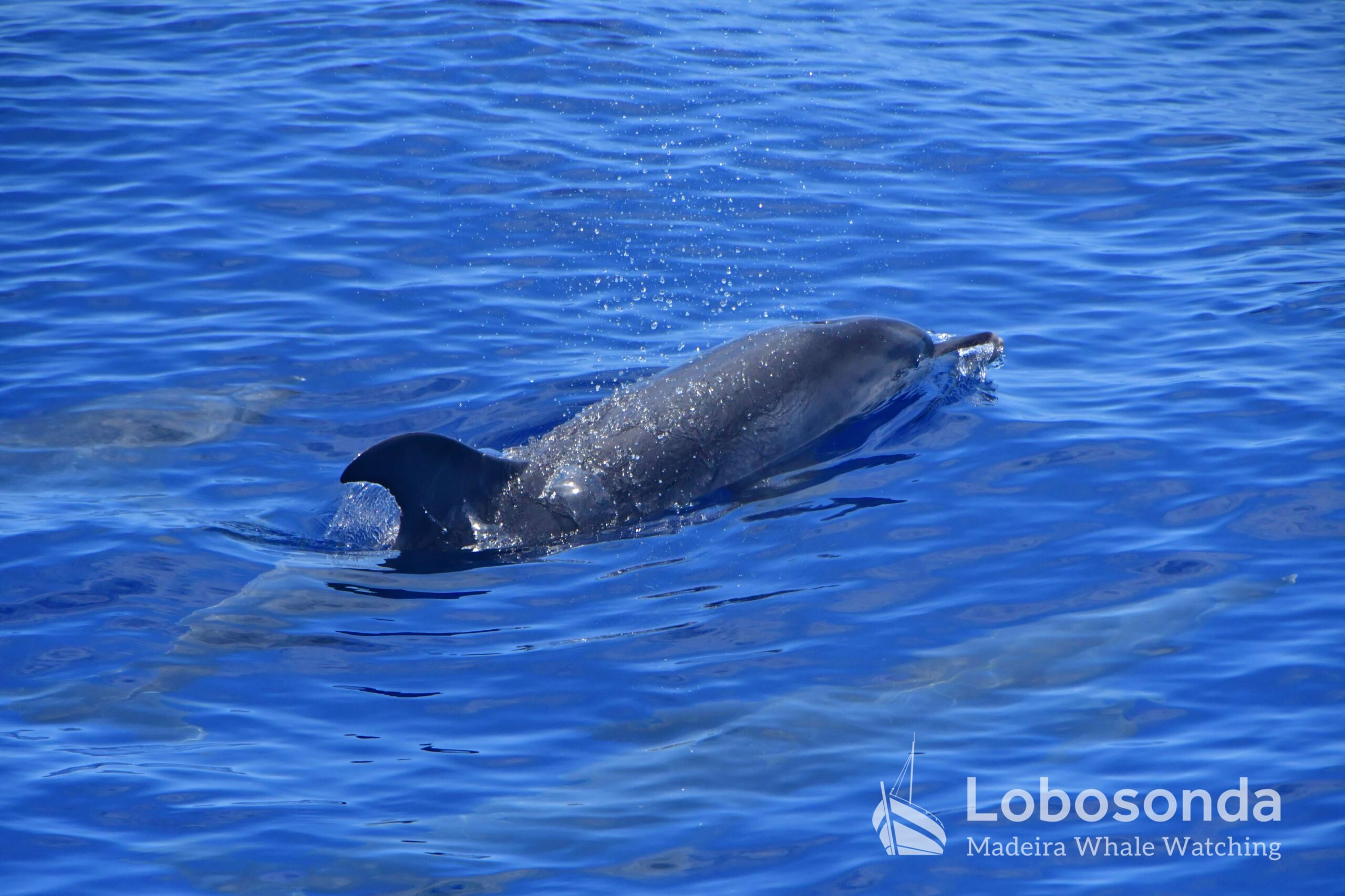
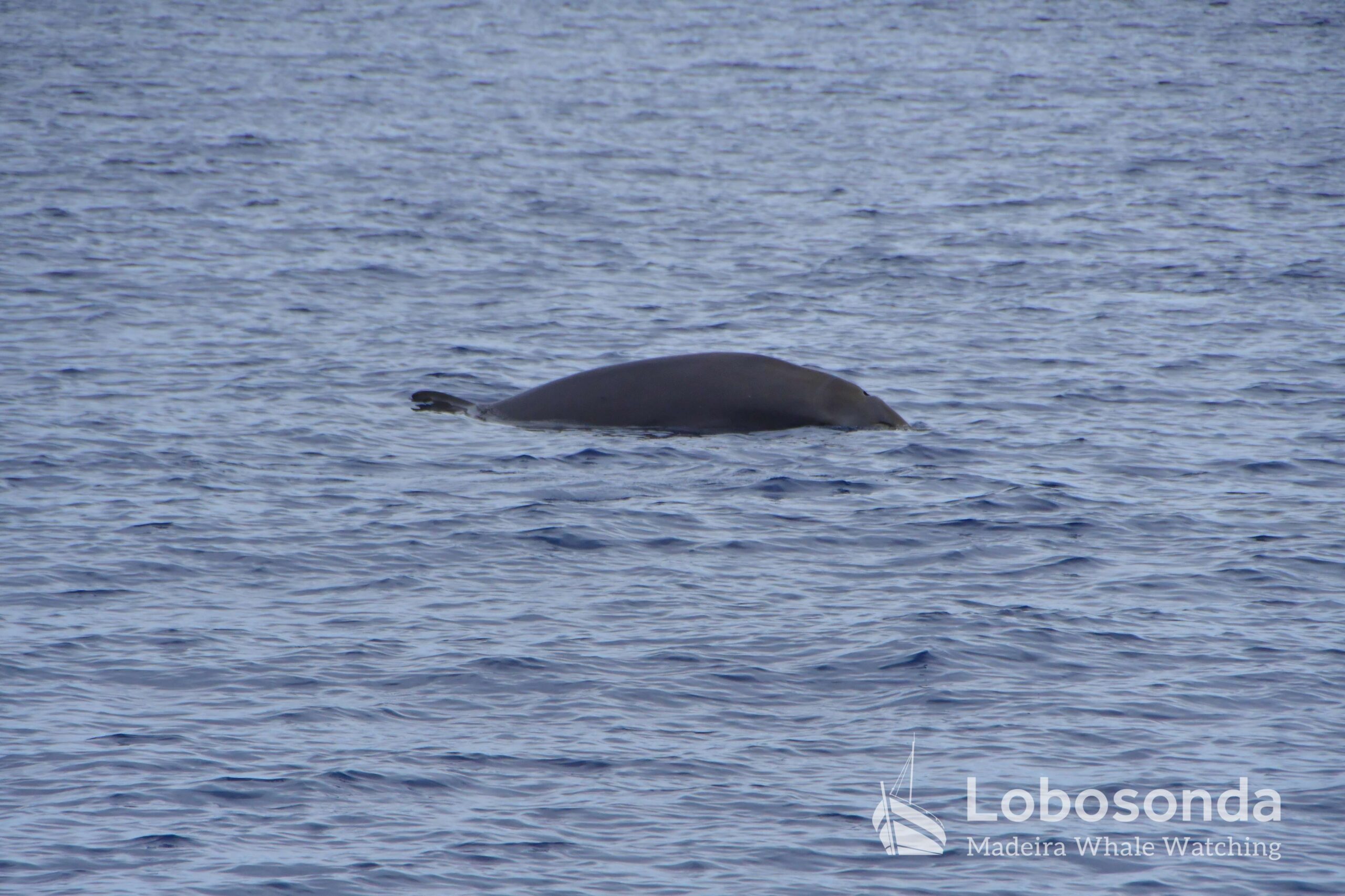
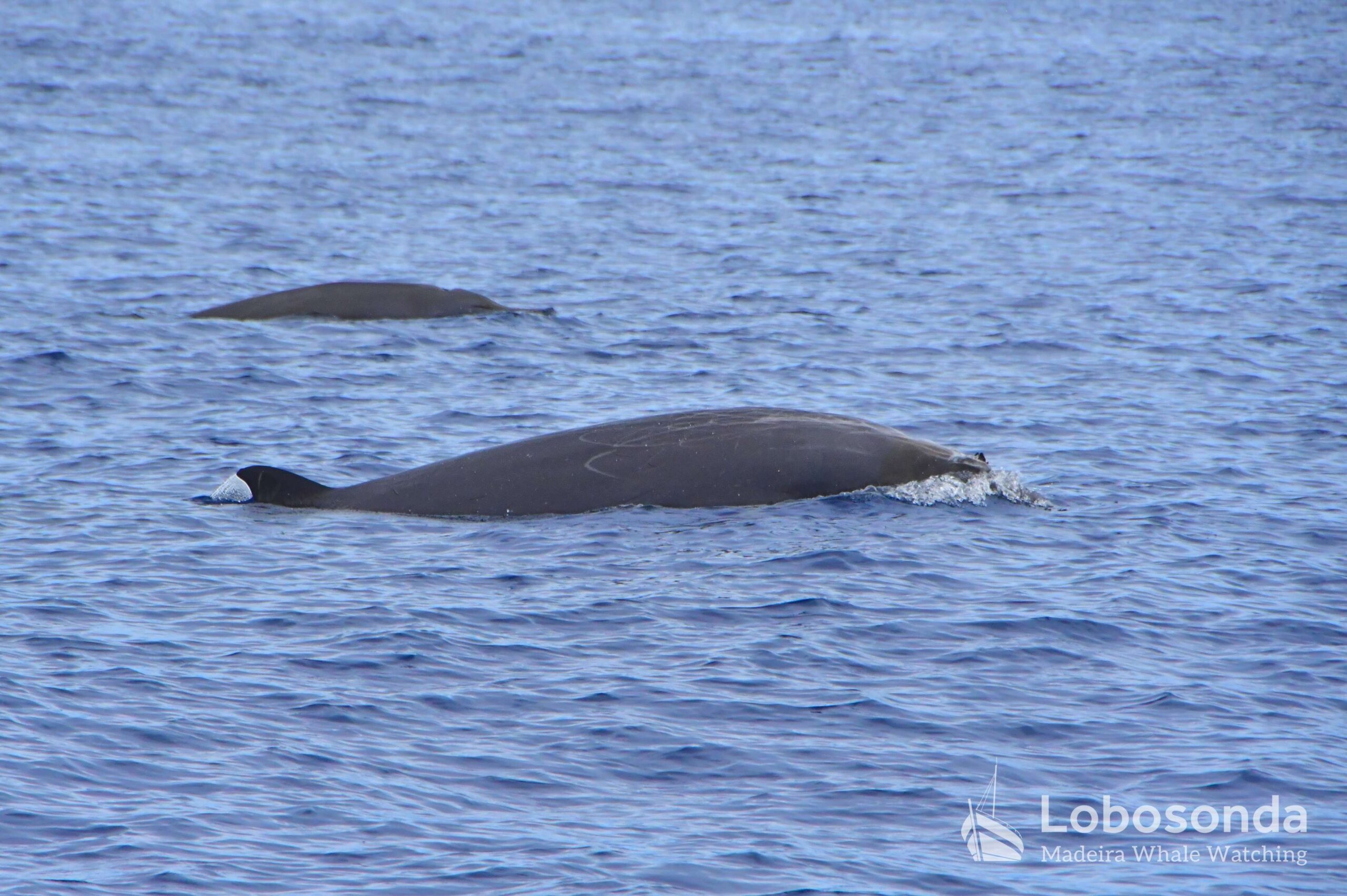
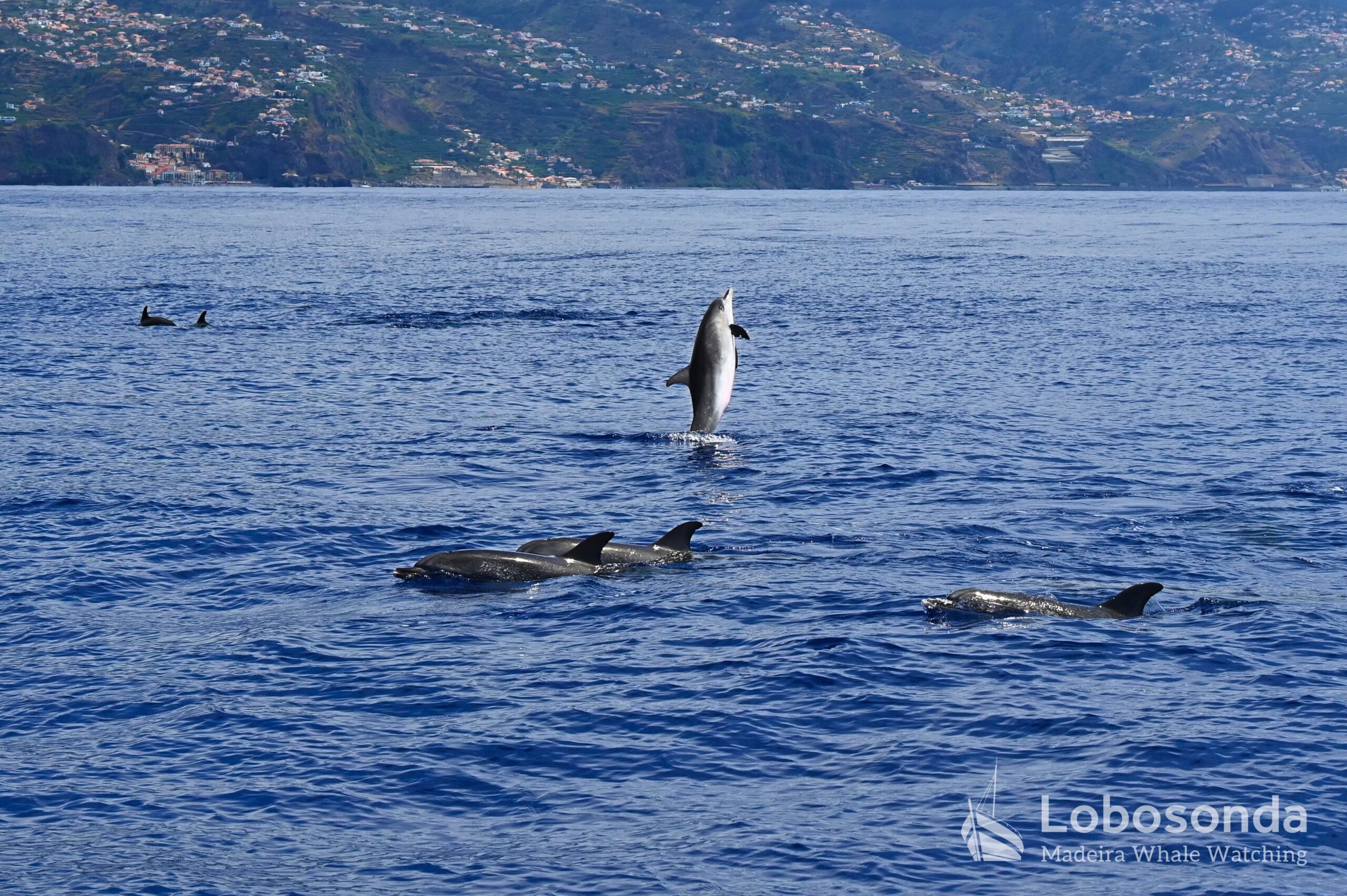
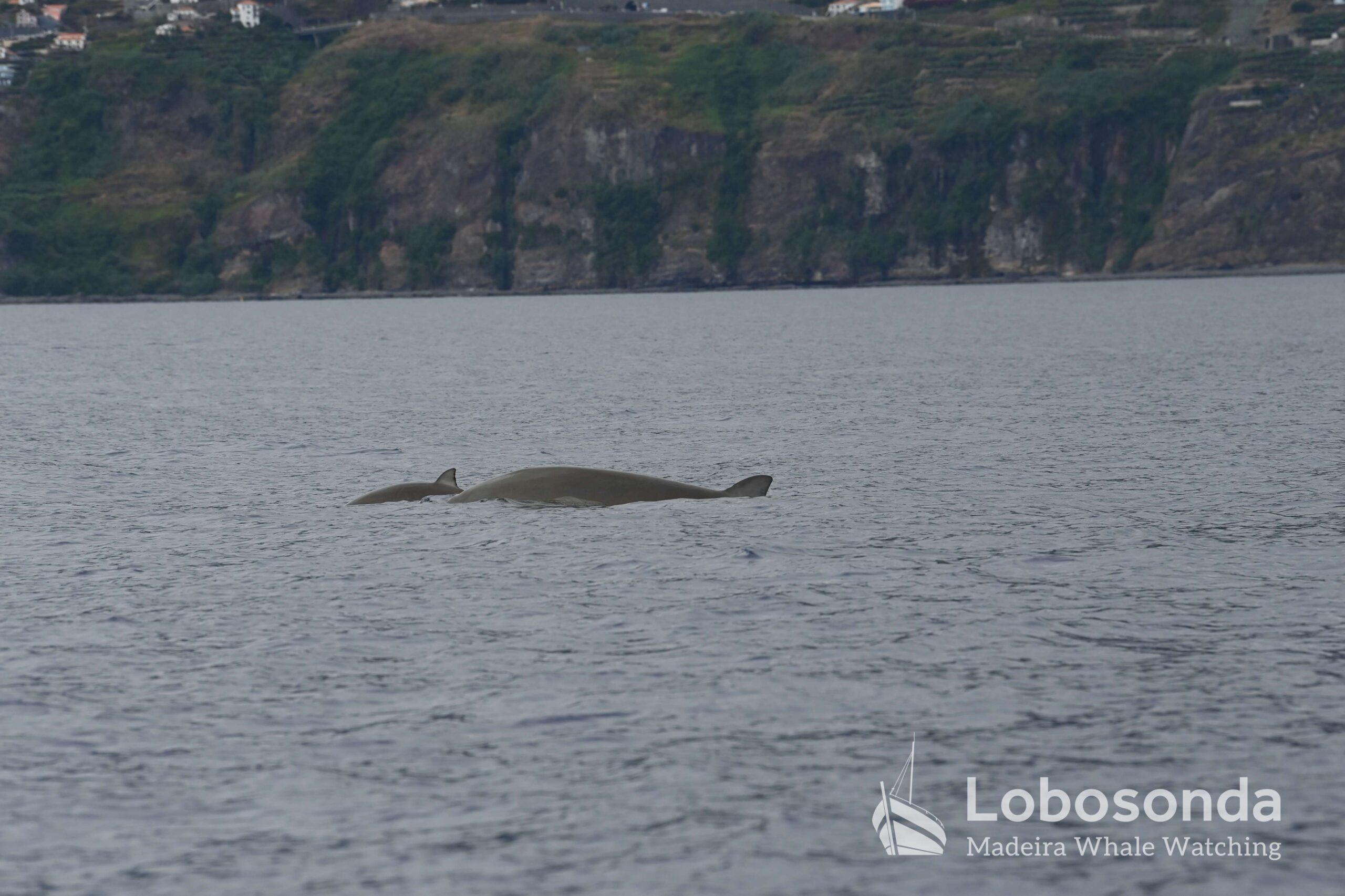
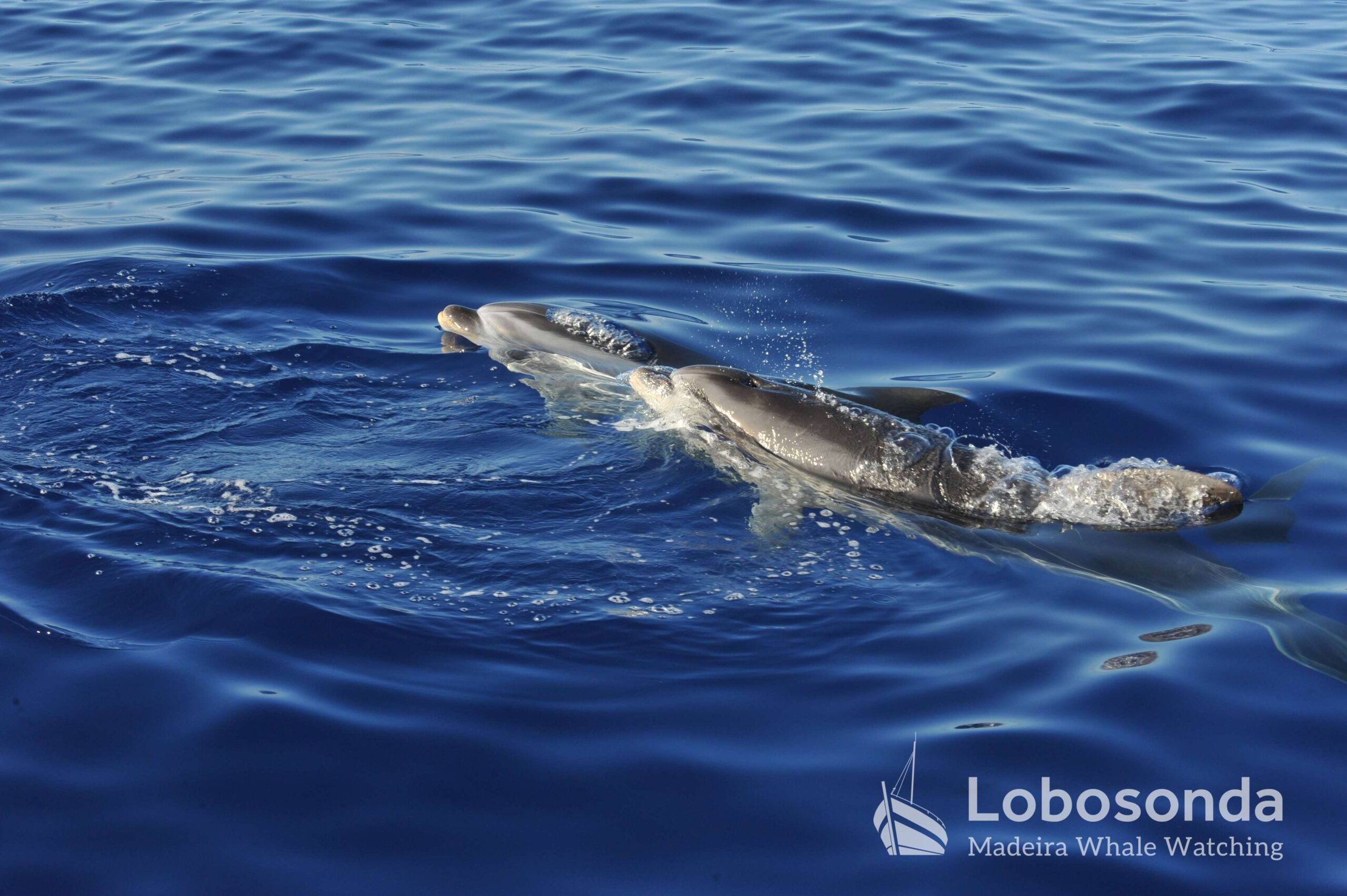
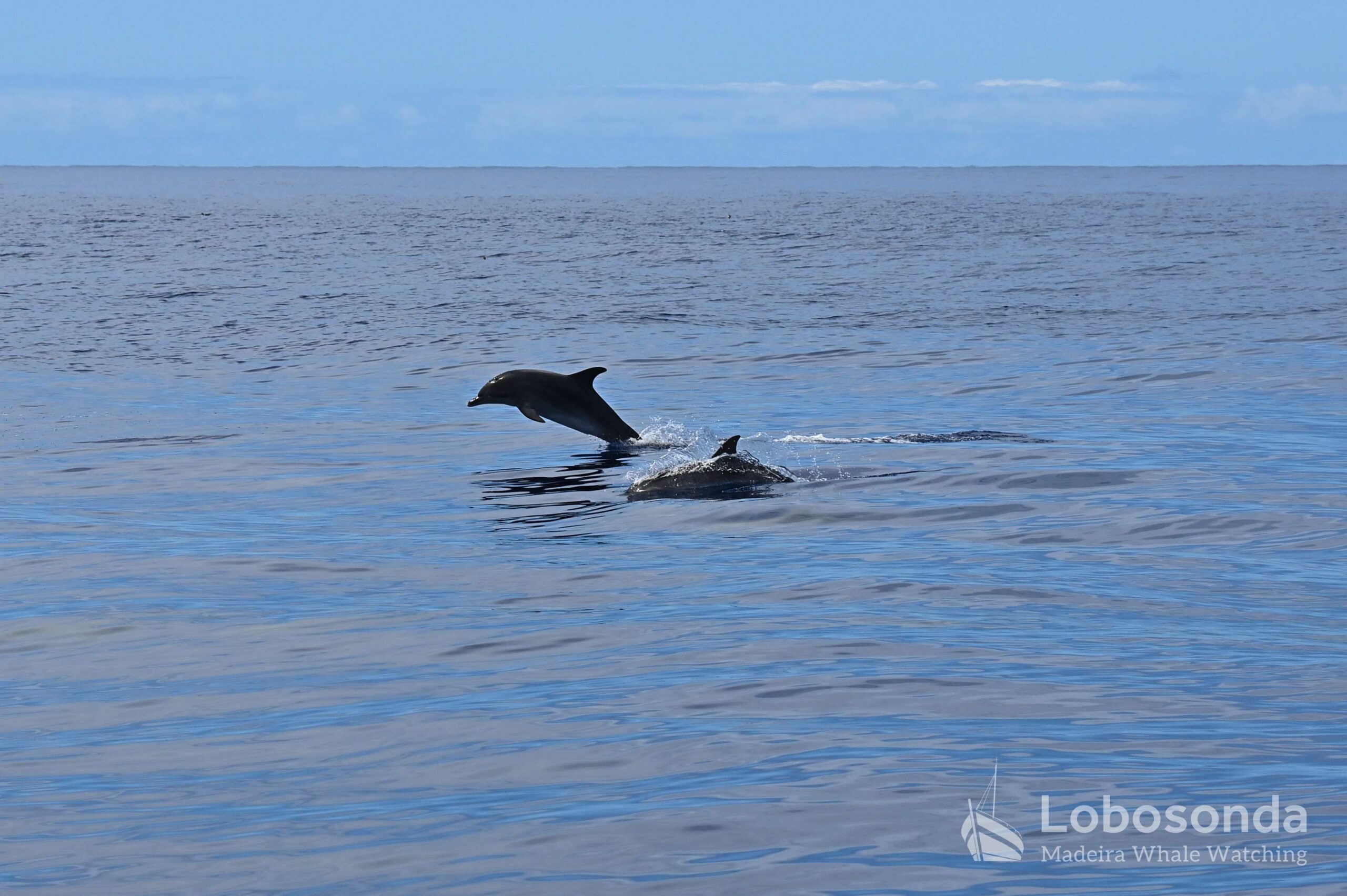
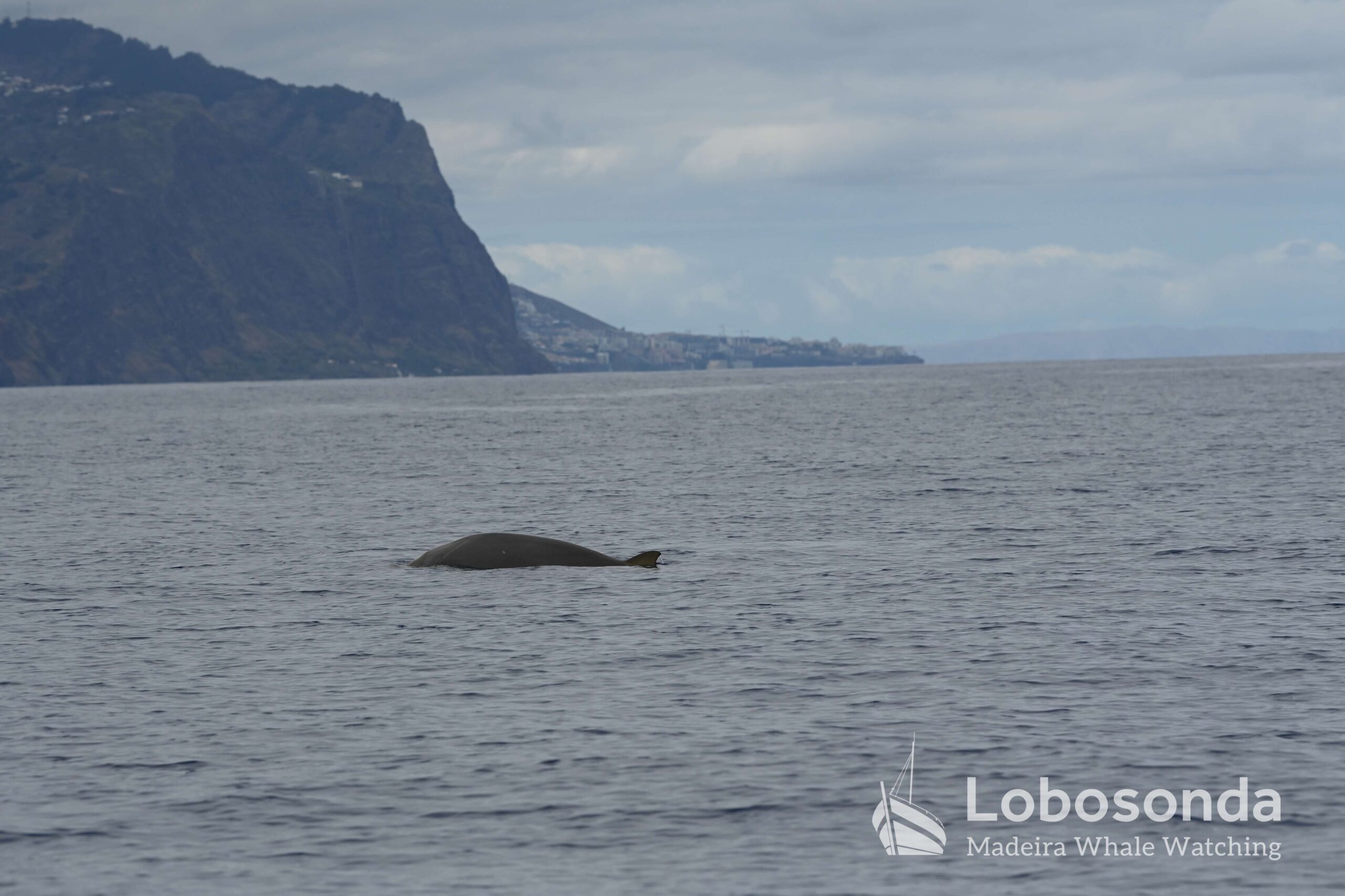
Over the past few days, we have repeatedly witnessed some impressive leaps – especially from Atlantic spotted dolphins (Stenella frontalis), but even from a Blainville’s beaked whale (Mesoplodon densirostris). A perfect opportunity to take a closer look at an interesting question: Why do marine mammals jump?
There can be many different reasons. For fast-swimming dolphins, leaping can help them move forward quickly. Water creates considerably more resistance than air, so at high speeds it can be advantageous to cover part of the distance above the surface. This type of movement, known as “porpoising”, can often be observed when dolphins are travelling at speed.
But leaping can serve many other purposes as well. It may be a form of communication, as the powerful impact when an animal hits the surface creates a sound that can be perceived over considerable distances. Leaping can also be part of social behaviour, for example as a display of dominance or an attempt to impress other members of the group. It may also play a role during hunting, play, body care, or possibly in helping to remove parasites.
And sometimes, it certainly gives us the impression of pure joy: dolphins leap again and again, chase one another, surf the waves and seem to play with their surroundings. Of course, we cannot know whether they actually experience something equivalent to our human sense of “joy of life” – but play behaviour in dolphins is well documented.
With rarely observed species such as Blainville’s beaked whales, we know considerably less about what a leap might mean in a particular situation. This is why it is always worth looking at the wider context: Is the animal alone or part of a group? Is it travelling quickly? Are there social interactions taking place, or could there possibly be some kind of disturbance?
A leap can therefore mean many things: travelling, communication, play, displays of dominance or impressing others, body care – and perhaps, sometimes, simply an expression of joy. Ultimately, only the animals themselves know exactly what lies behind it.
By Fatima Kutzschbach
Sightings of the day
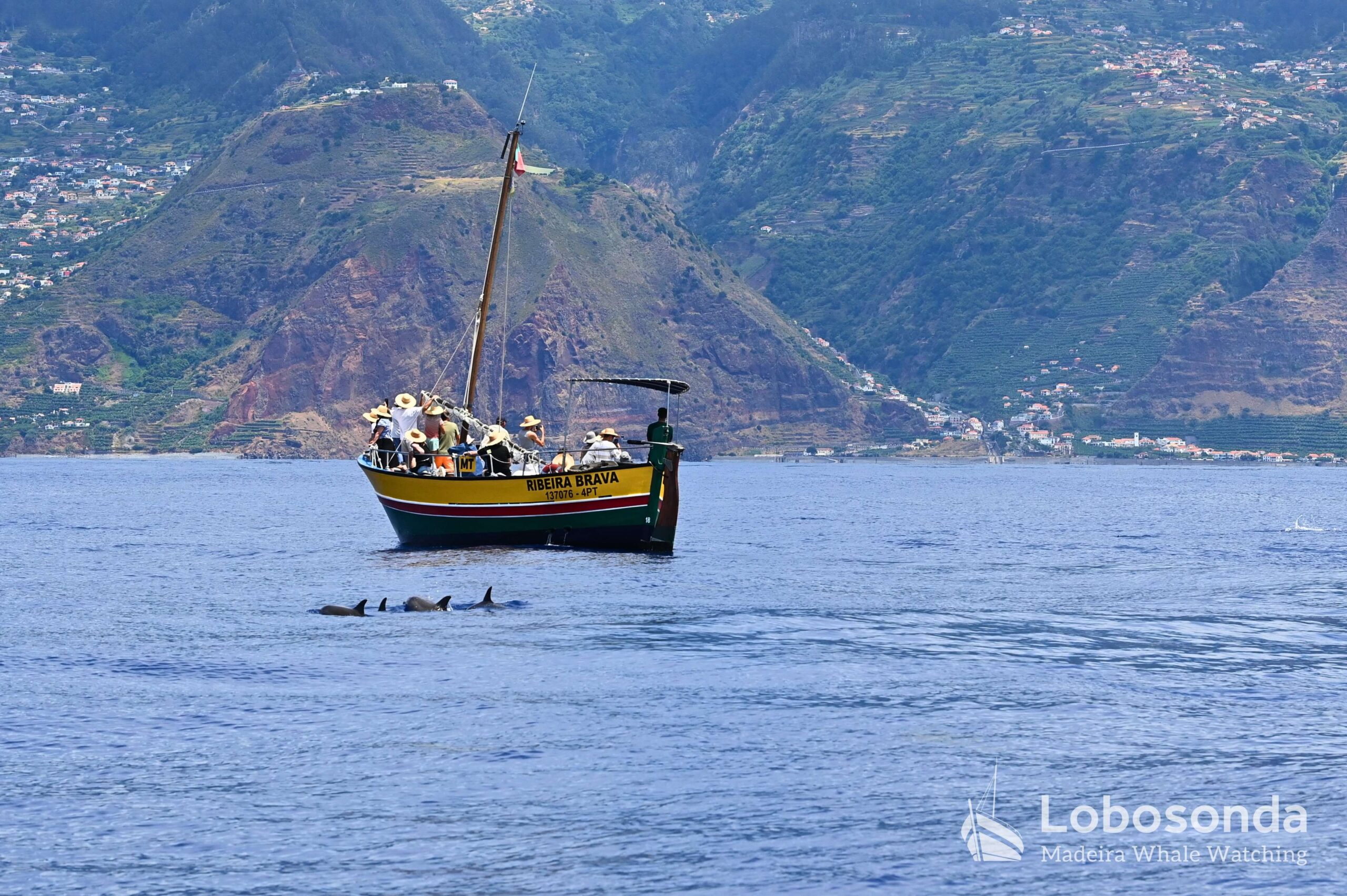
Ribeira Brava
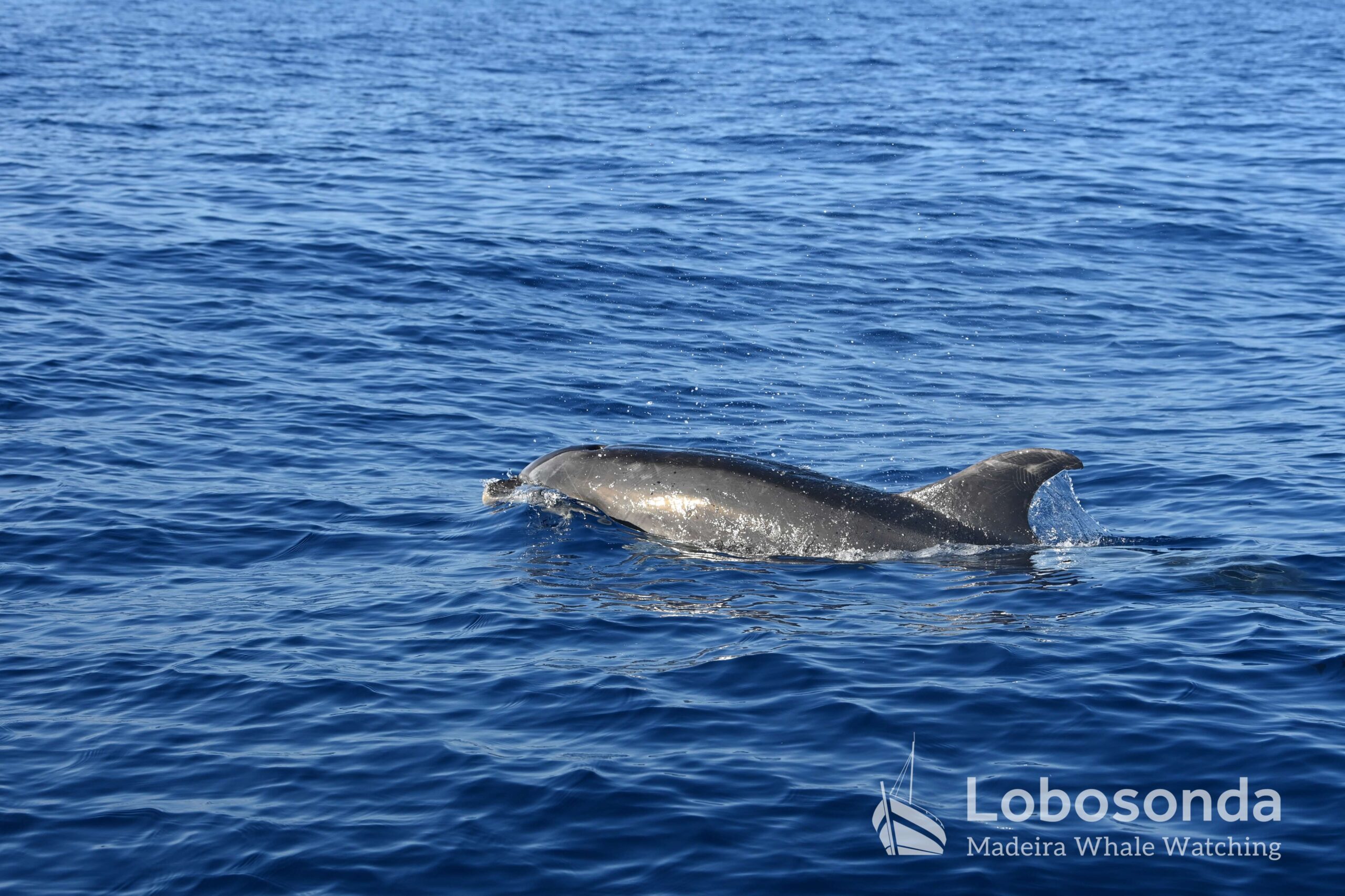
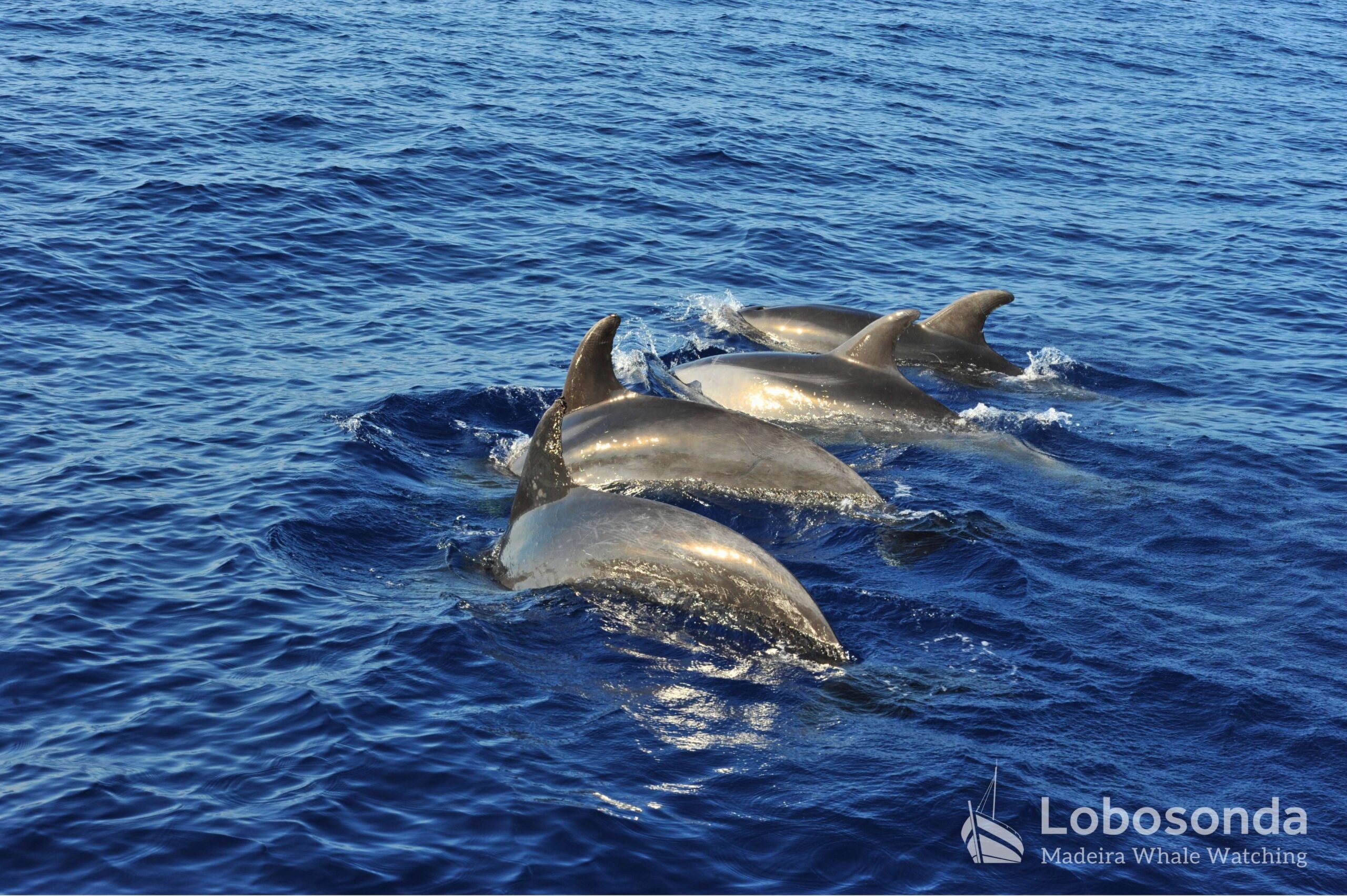
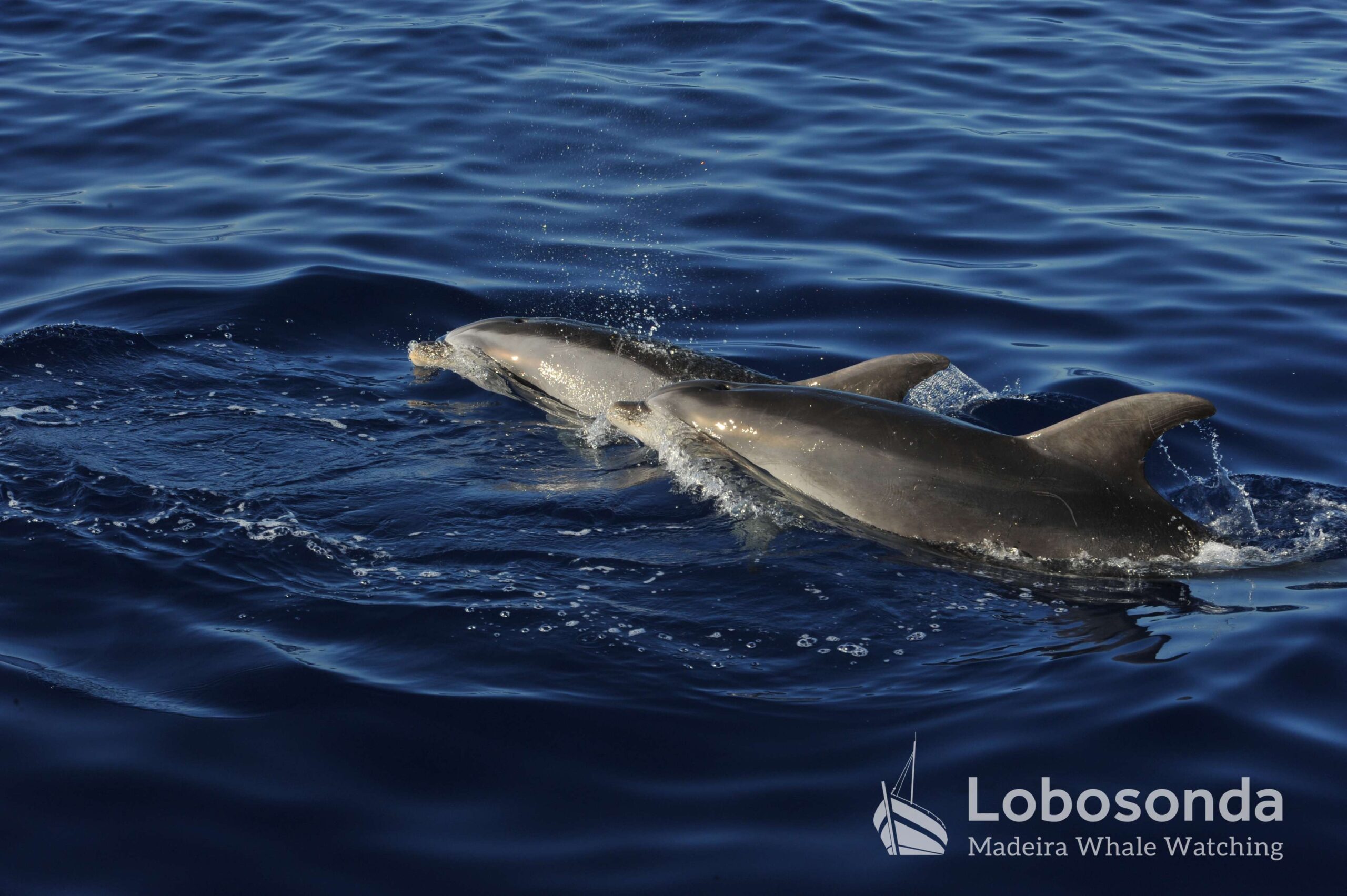
09:00 Atlantic spotted dolphins, Bottlenose dolphins
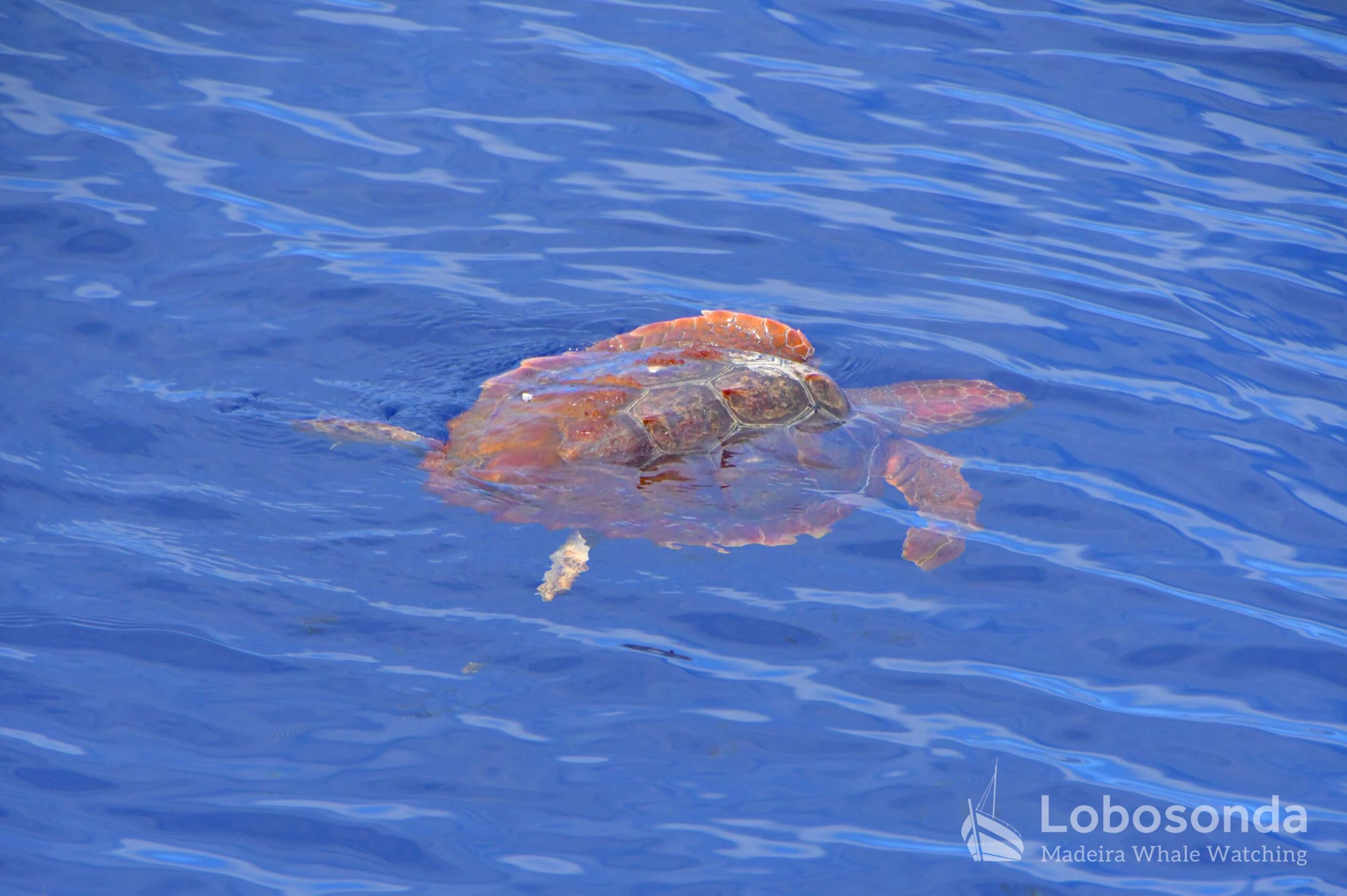
13:00 Atlantic spotted dolphins, Loggerhead turtle
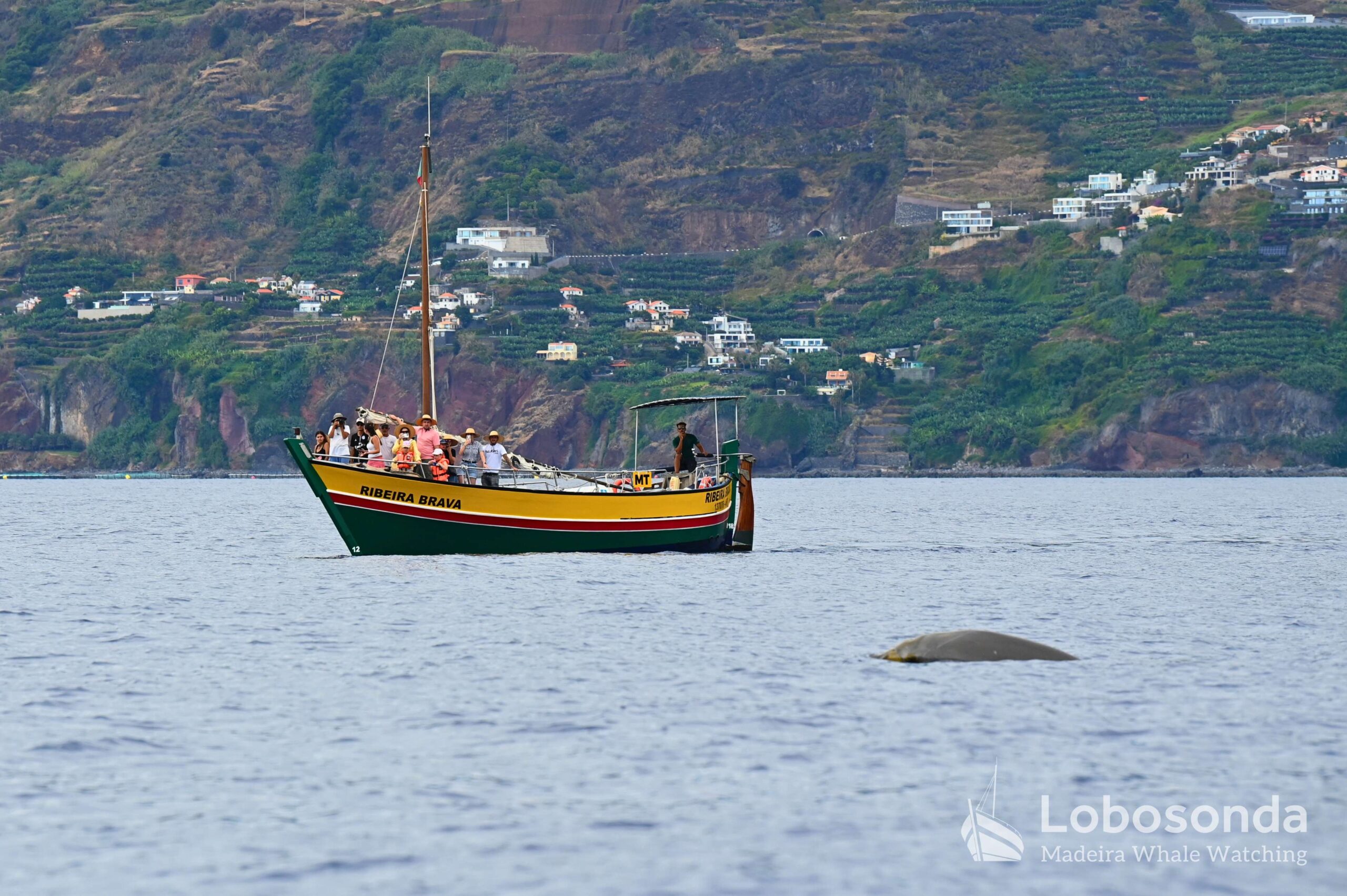
16:30 Atlantic spotted dolphins, Blainville’s beaked whales
Steno
09:30 Atlantic spotted dolphins, Bottlenose dolphins
13:30 Atlantic spotted dolphins, Loggerhead turtle
16:30 Atlantic spotted dolphins, Blainville’s beaked whales