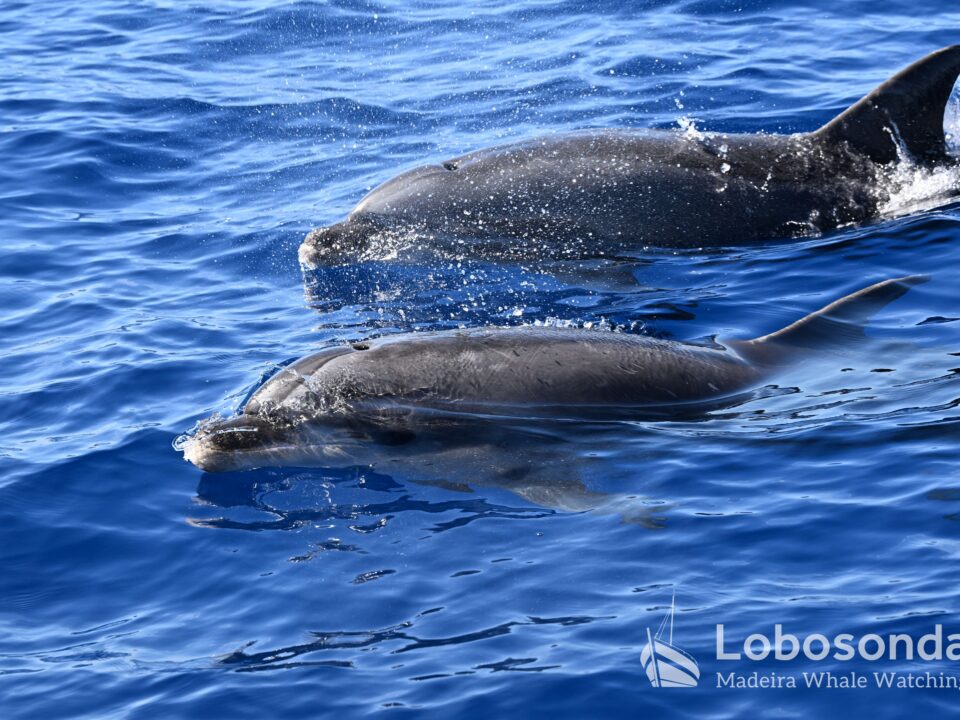
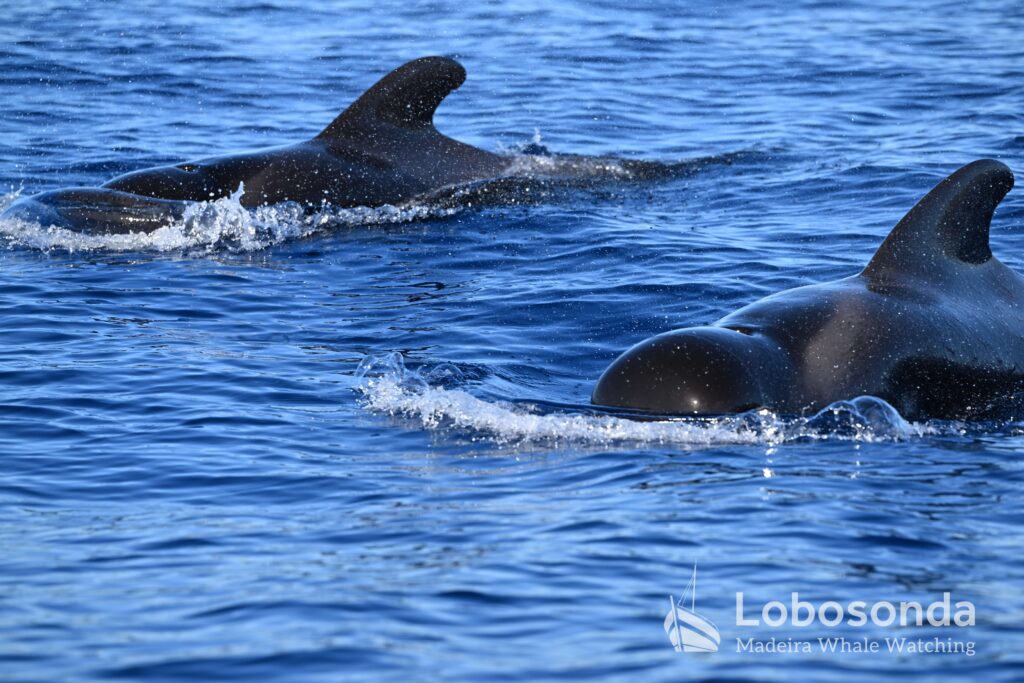
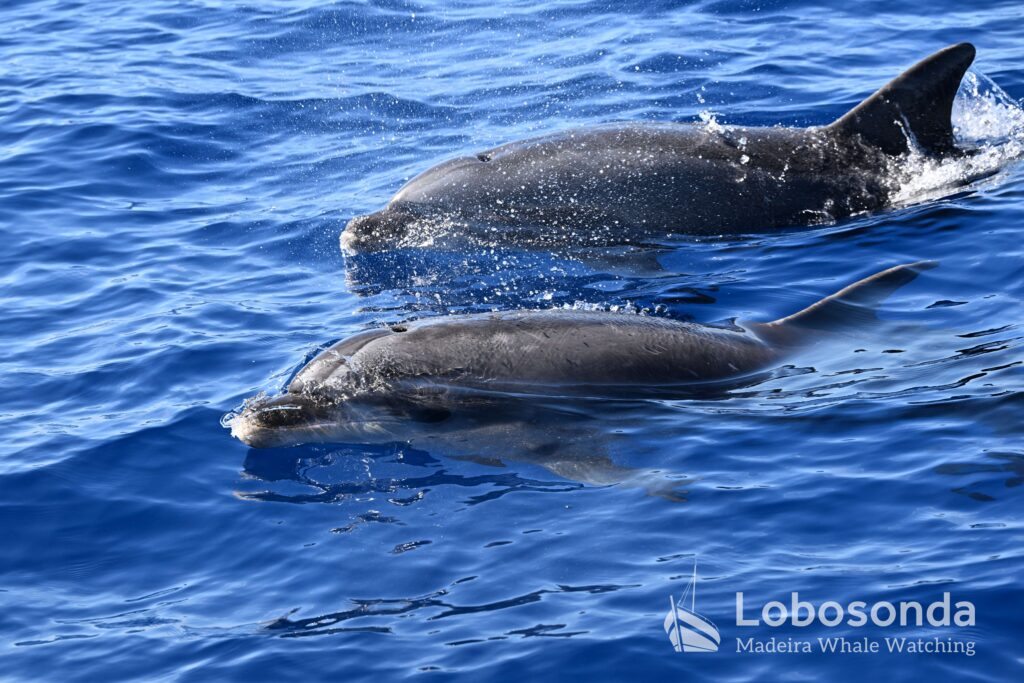
07.07.2026 – Bottlenose dolphins
July 13, 2026
09.07.2026 – Familiar faces in far away places
July 15, 2026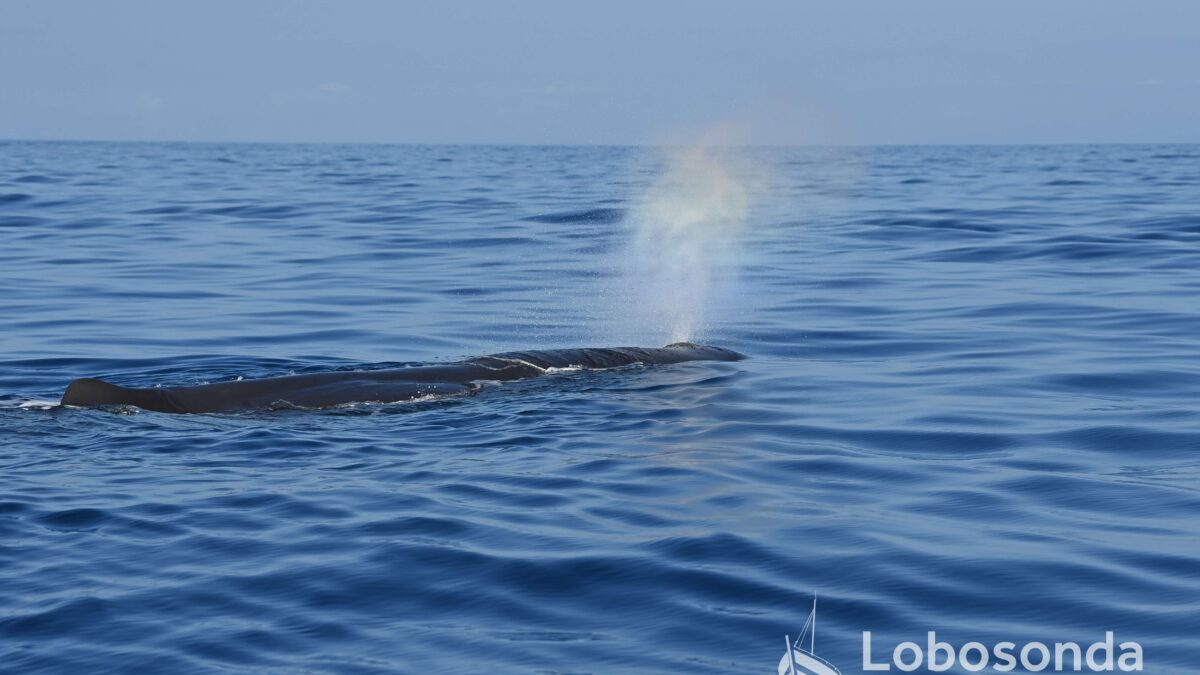
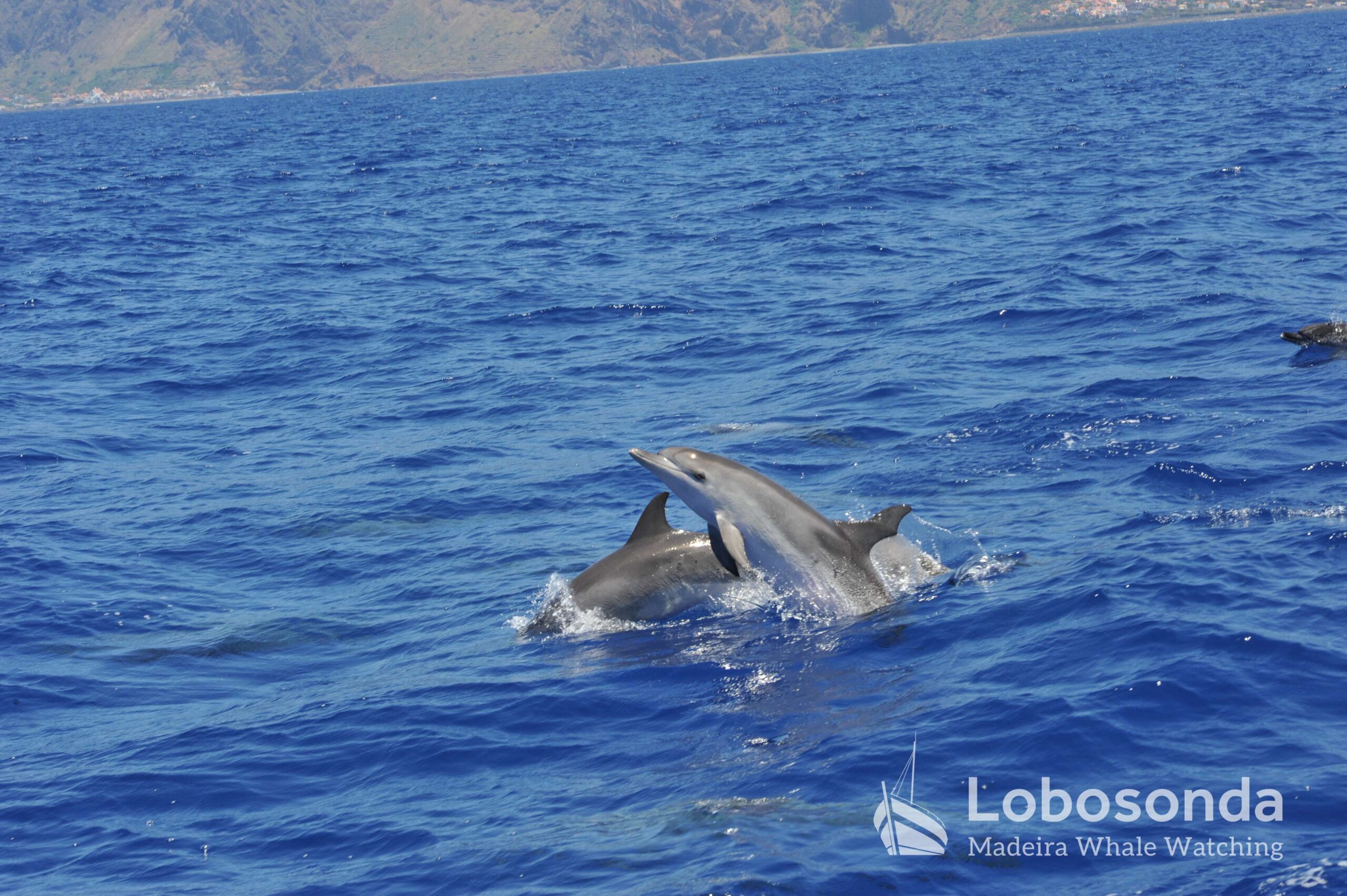
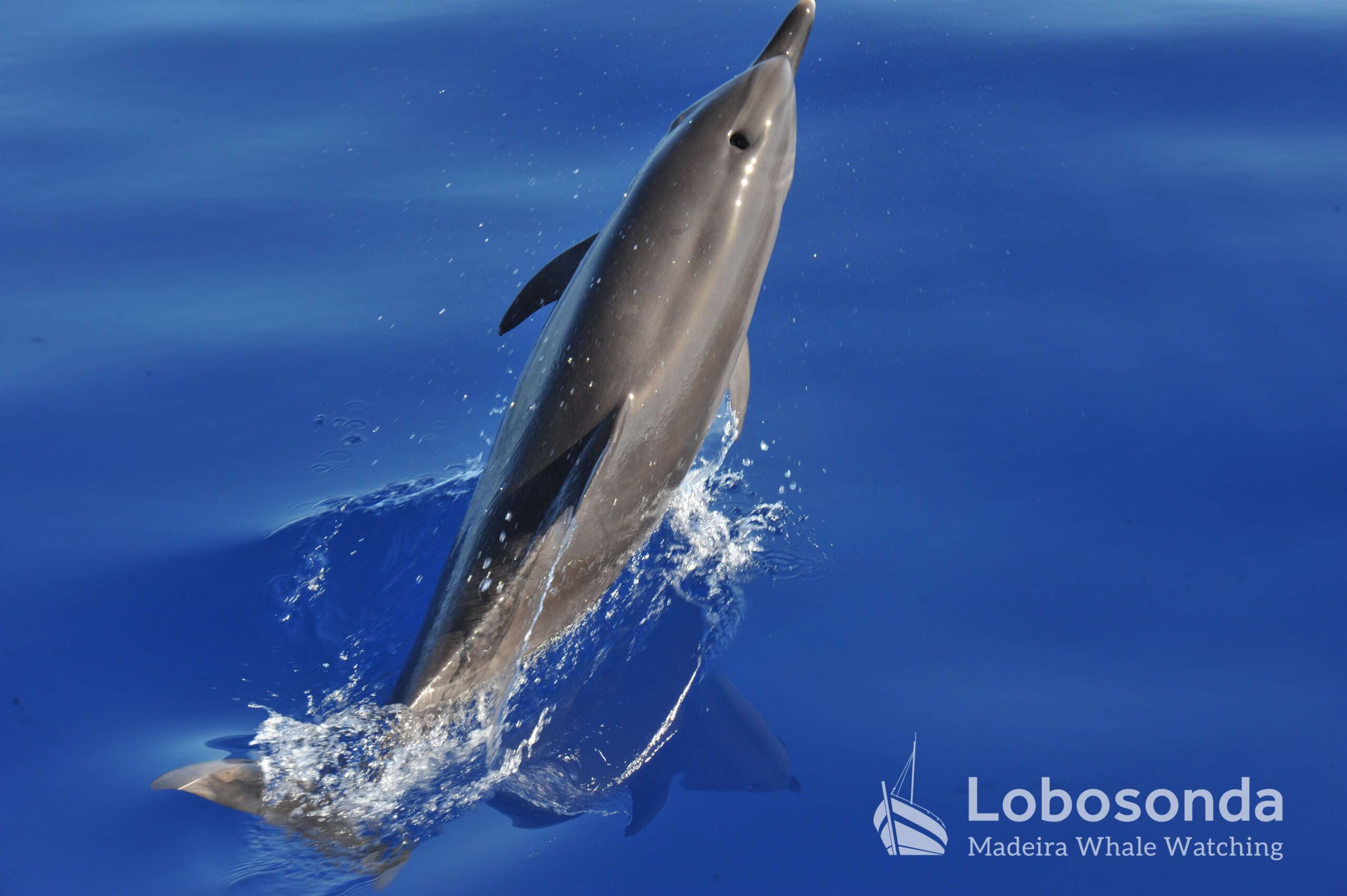
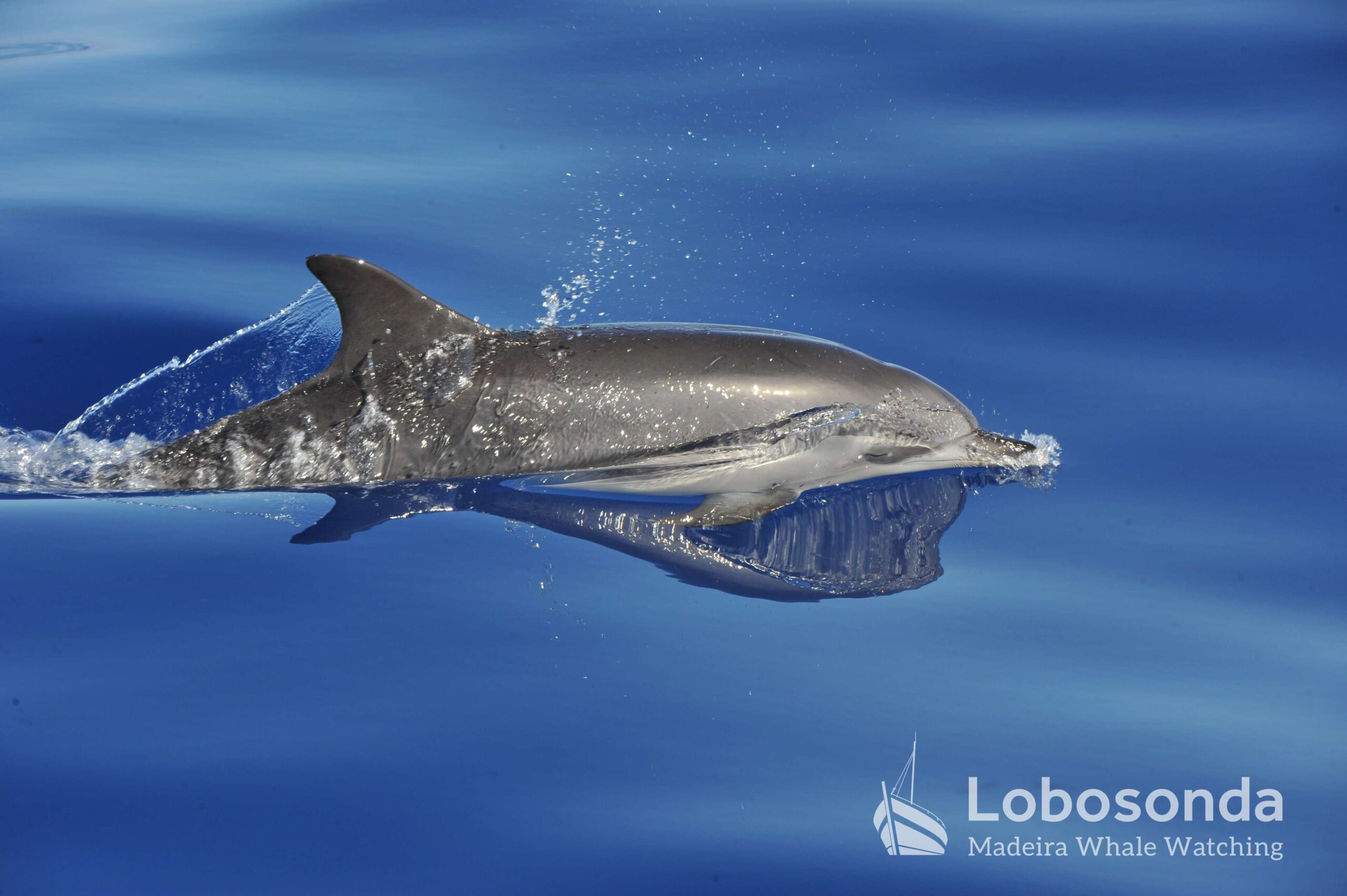
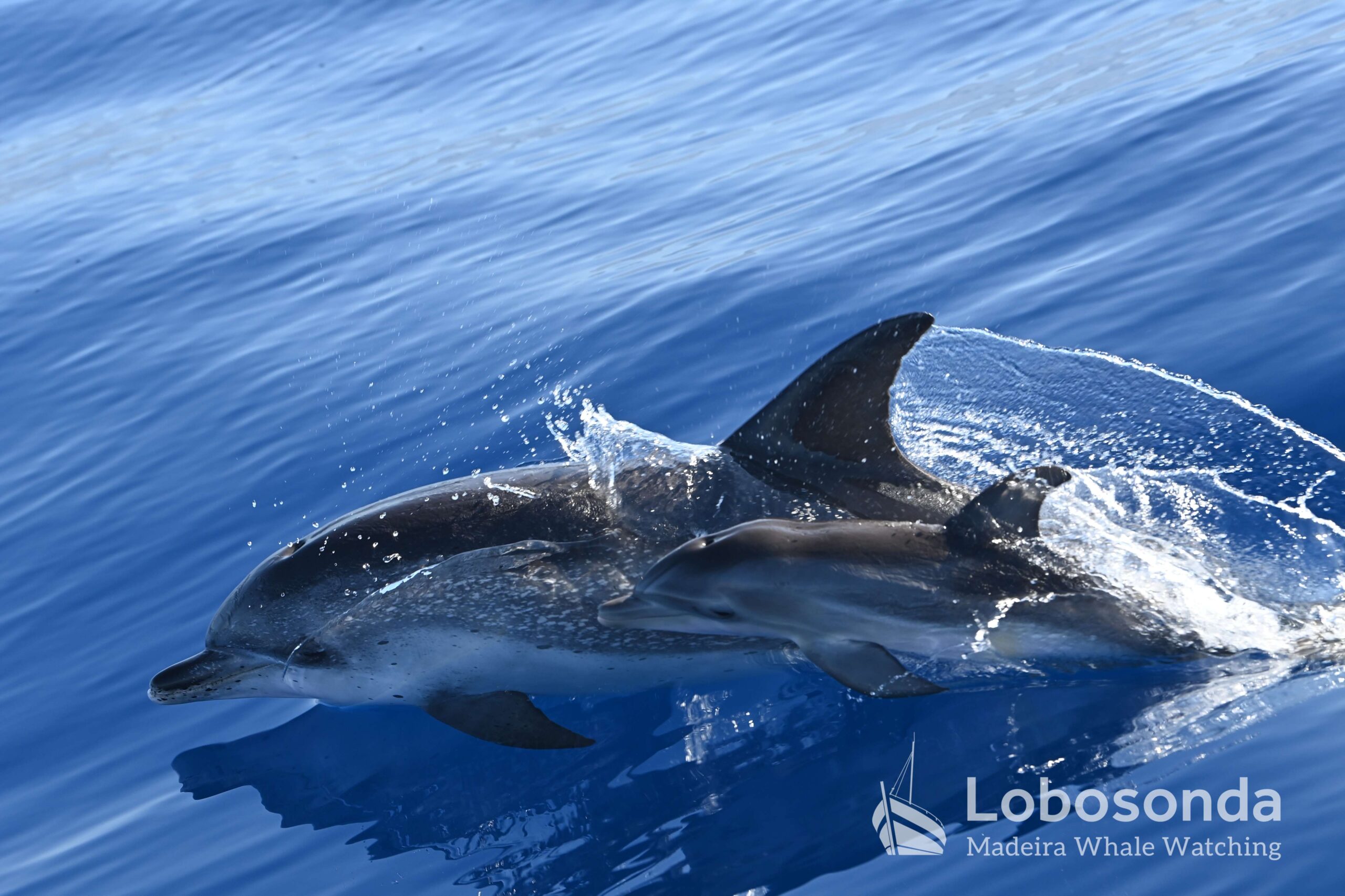
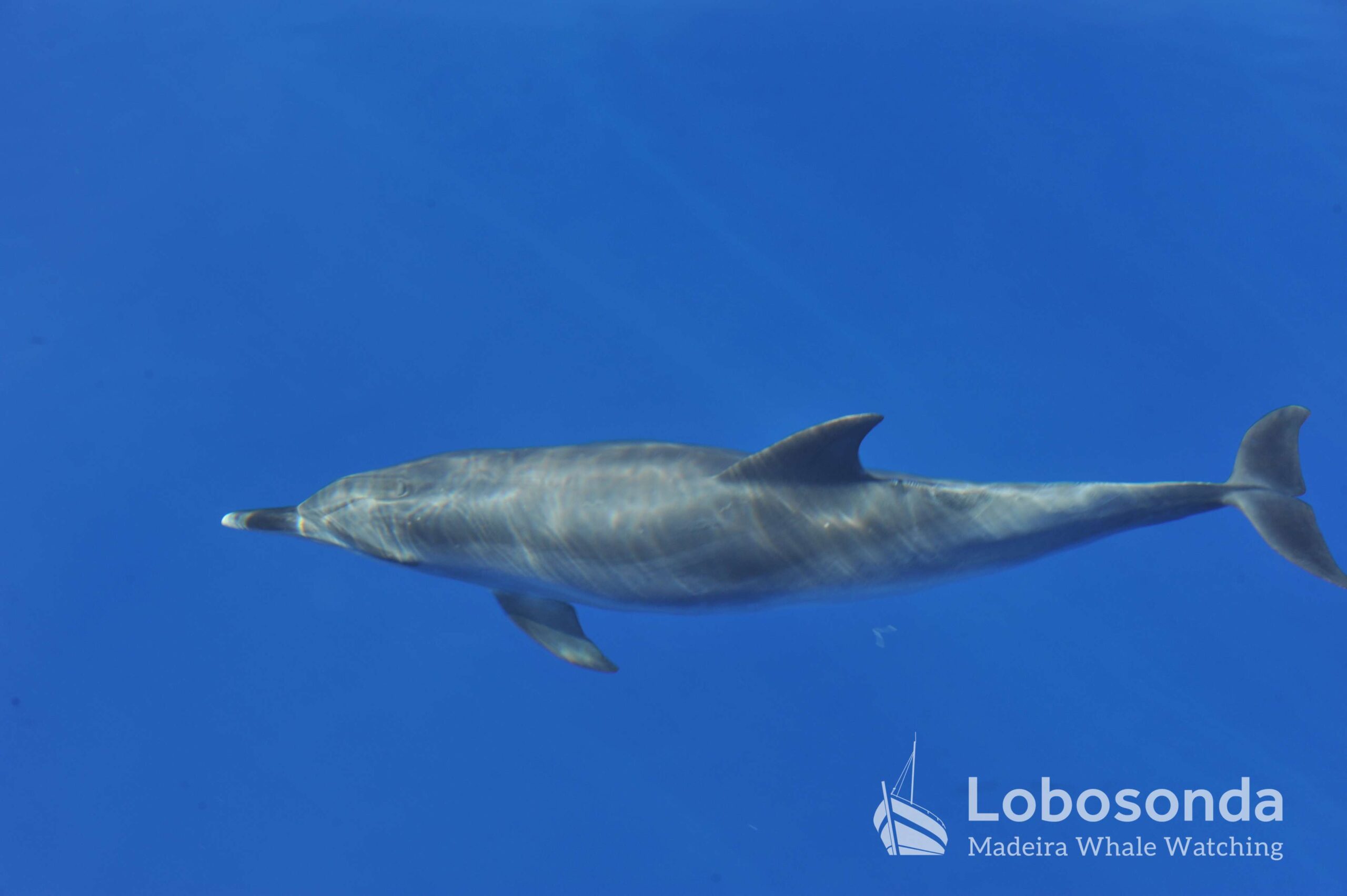
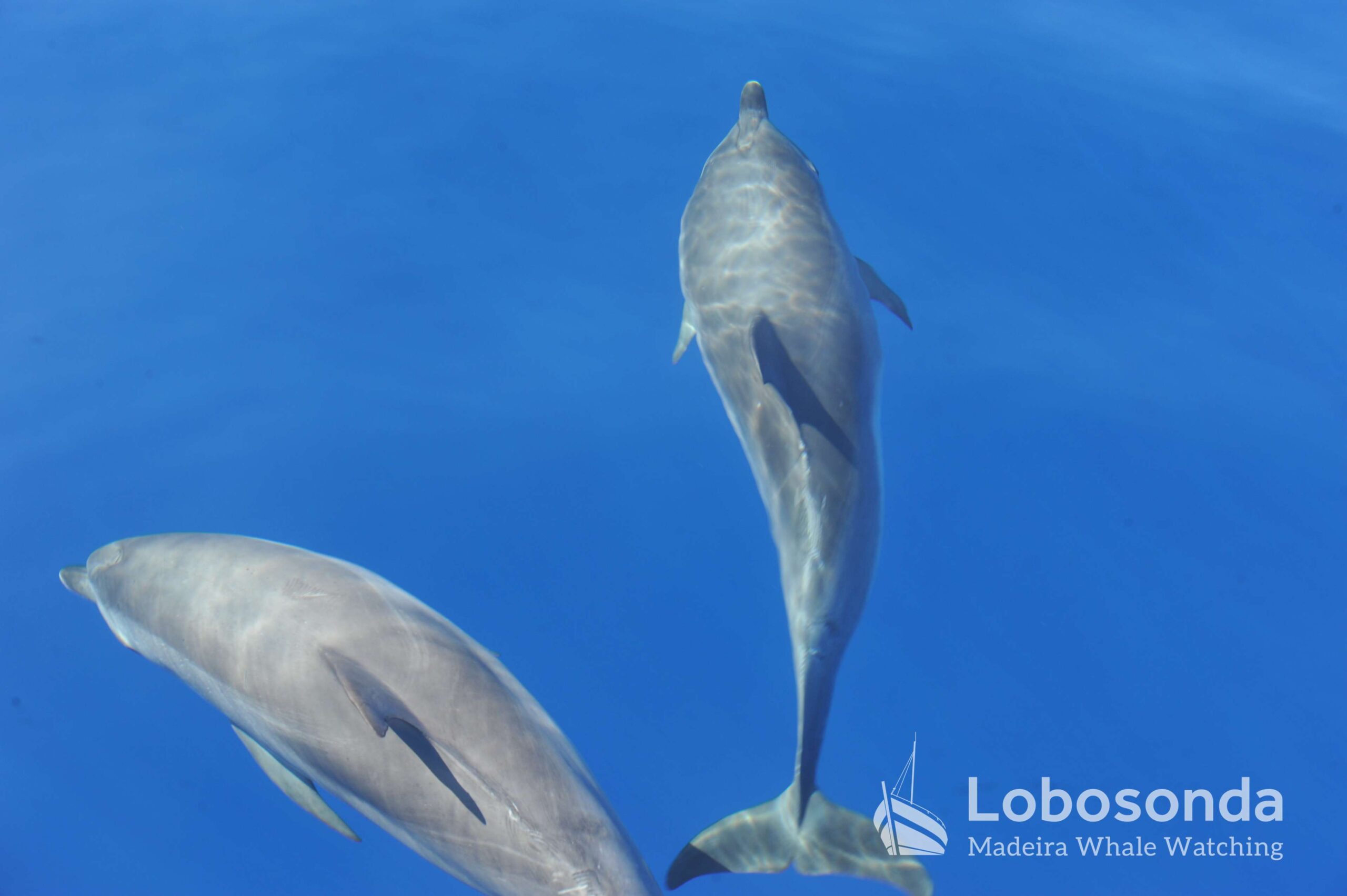
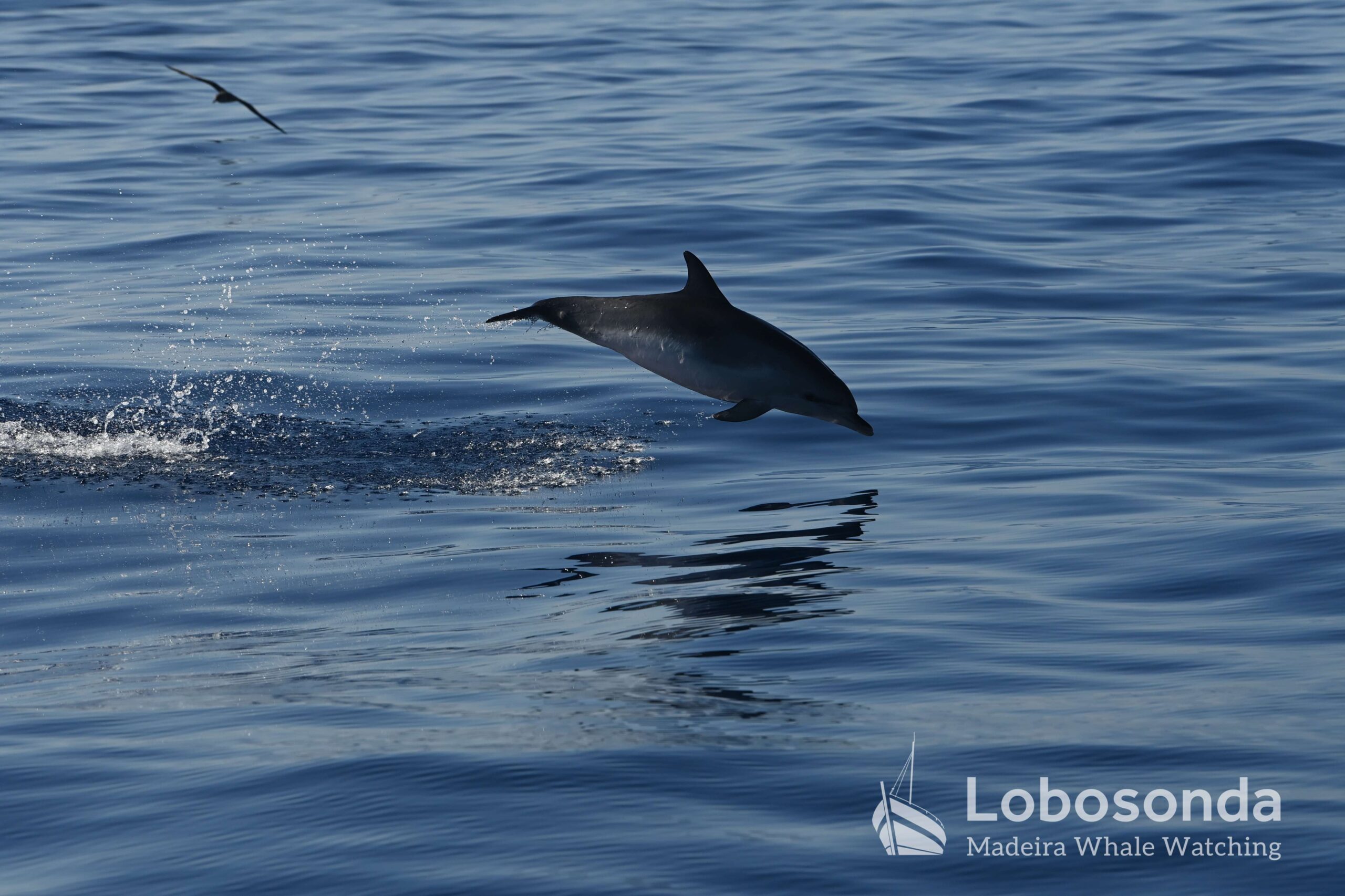
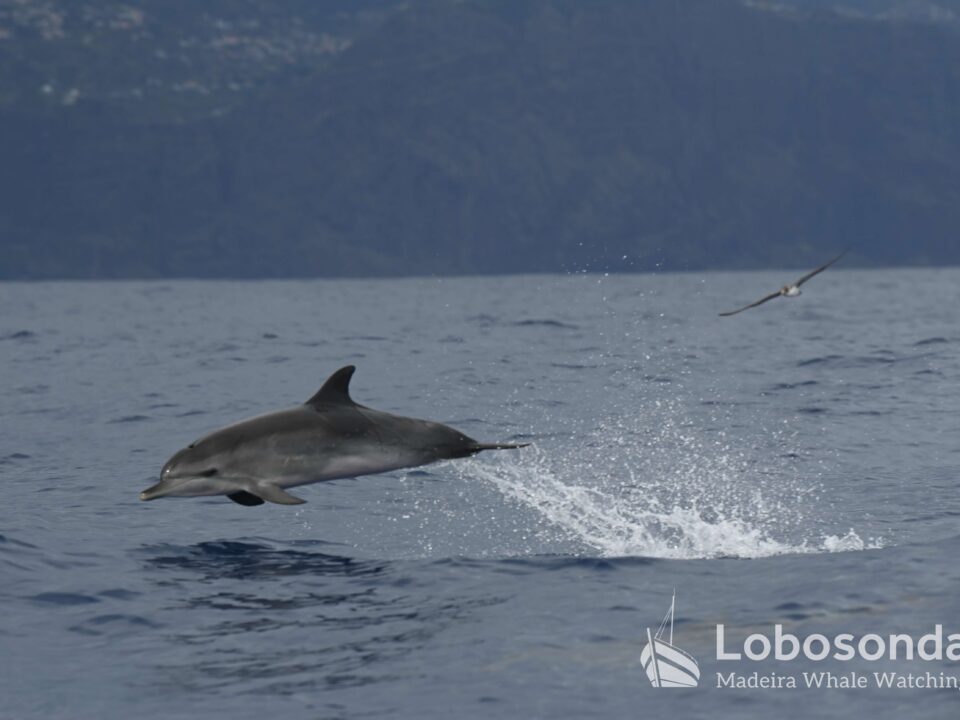
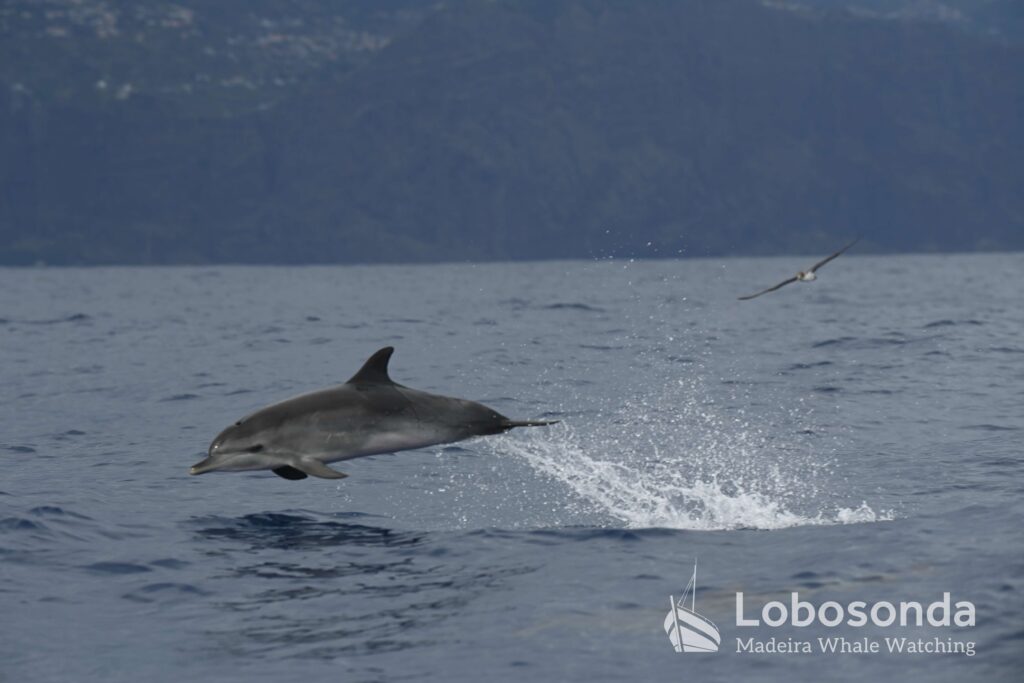
After a lovely ride on a flat ocean, we found a rather large group of Atlantic spotted dolphins (Stenella frontalis). Juveniles approached our boat and played around it. These very curious fast-swimming dolphins interact often with our boat. Their average pod size is between 20-60 individuals. The spot pattern on their body is an indication of age class. Young individuals don’t have spots yet which can make them look like slender bottlenose dolphins. Dark spots will appear on the belly (speckled), followed by lights spots on the dorsal part of the body (mottled). Then, dark spots merge on the belly and the lighter spots fuse on the back (fused).
Dolphins live in a sound-shaped world and acoustic signals are a vital component of their life. Studies have categorised three main types of sounds: signature whistles, burst pulses and echolocation clicks.
One guest asked if their frequencies could overlap with maritime traffic? Studies on common dolphin (Delphinus delphis) and bottlenose dolphins (Tursiops truncatus) show that whistles frequency is varying between 0.8 kHz and 38 kHz. Vessels have usually low-frequency broadband noise between 0.02 kHz and 5 kHz. Even if dolphins are mostly producing high-frequency sounds, they still rely on low- frequency whistles and so there can be some overlap, masking the animals’ signals. To overcame that, they can shift their frequencies, or emit longer calls.
By Juliette Colançon
Sightings of the day
Ribeira Brava
09:00 Atlantic spotted dolphins
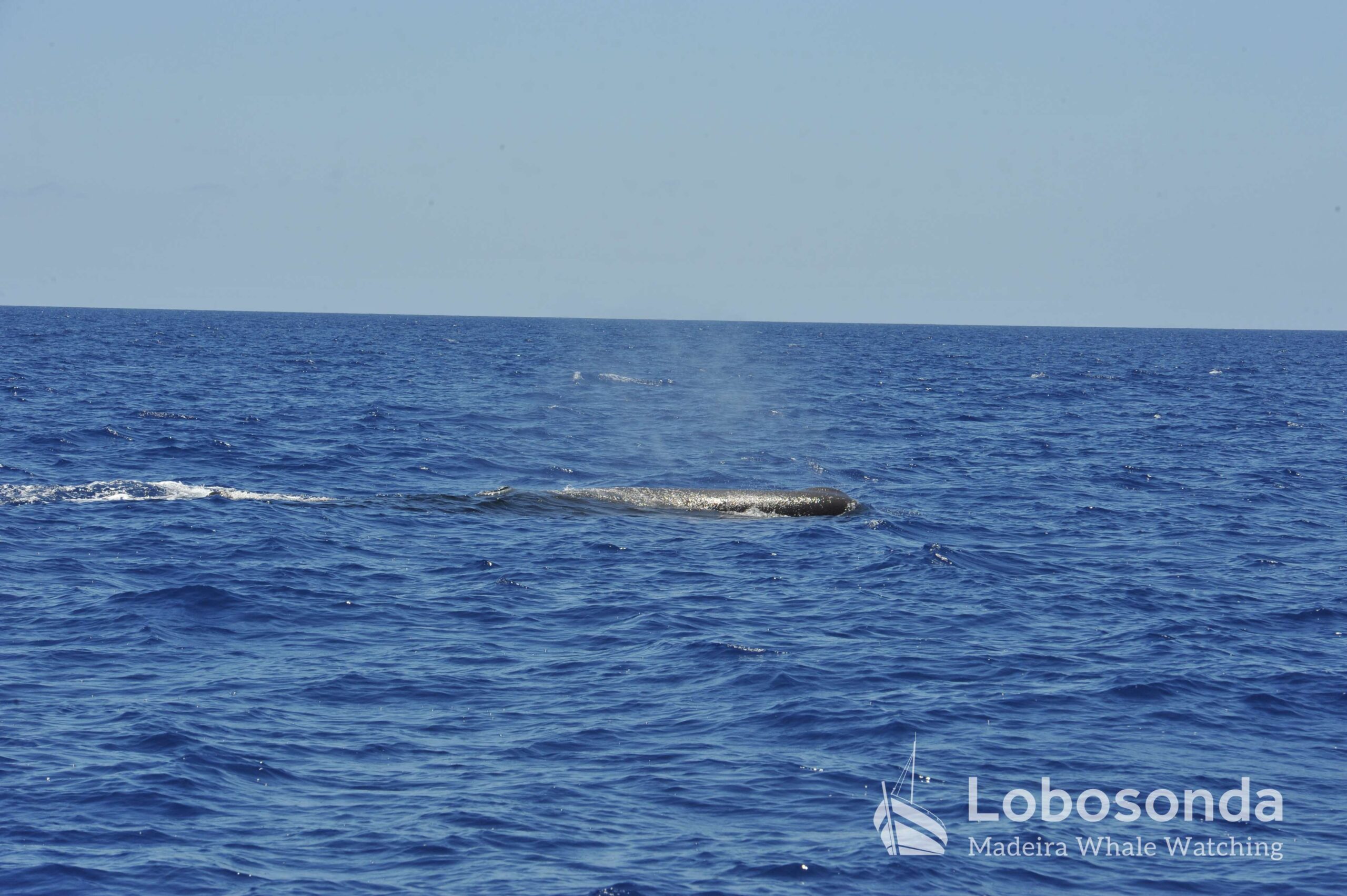
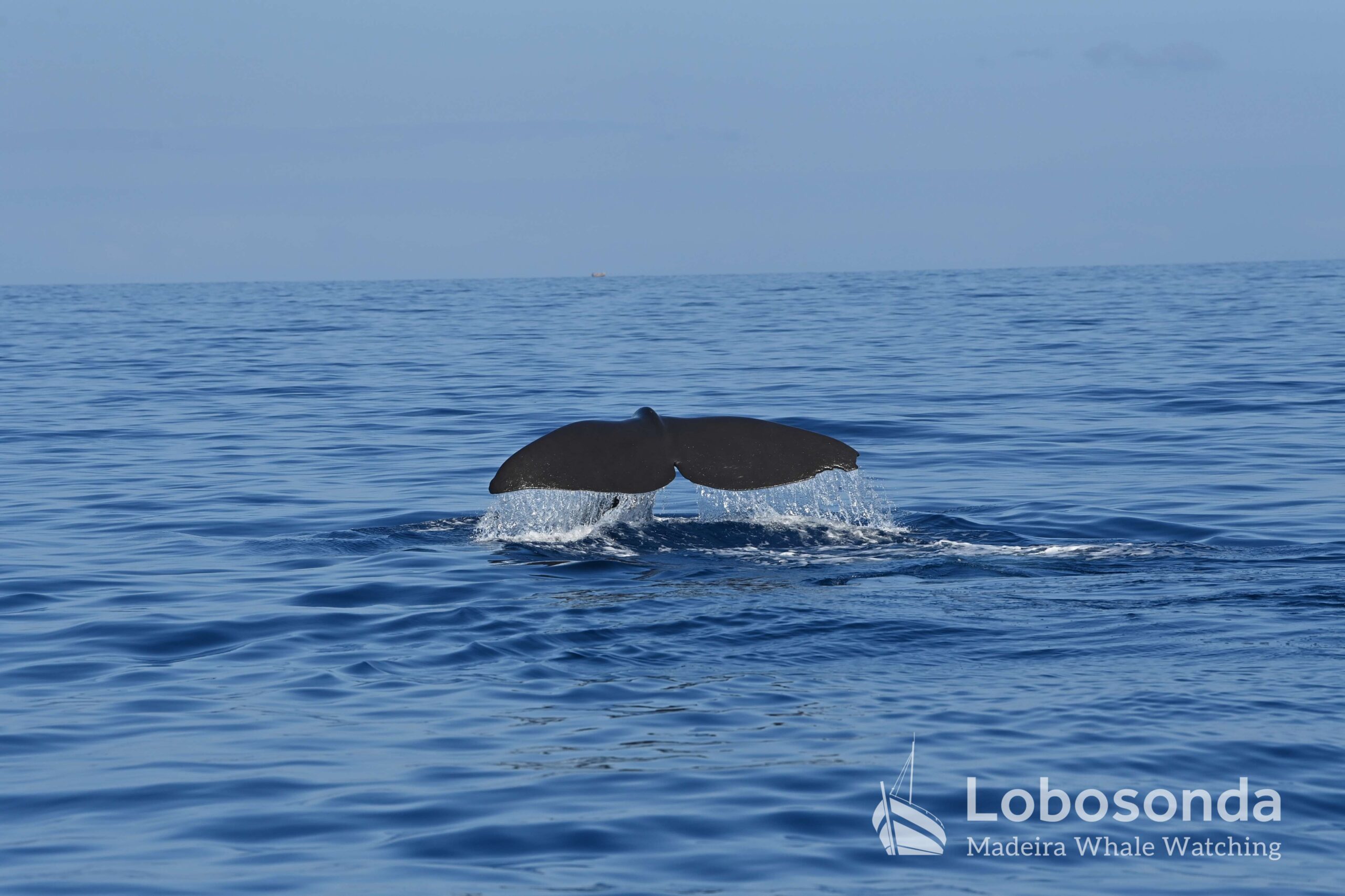
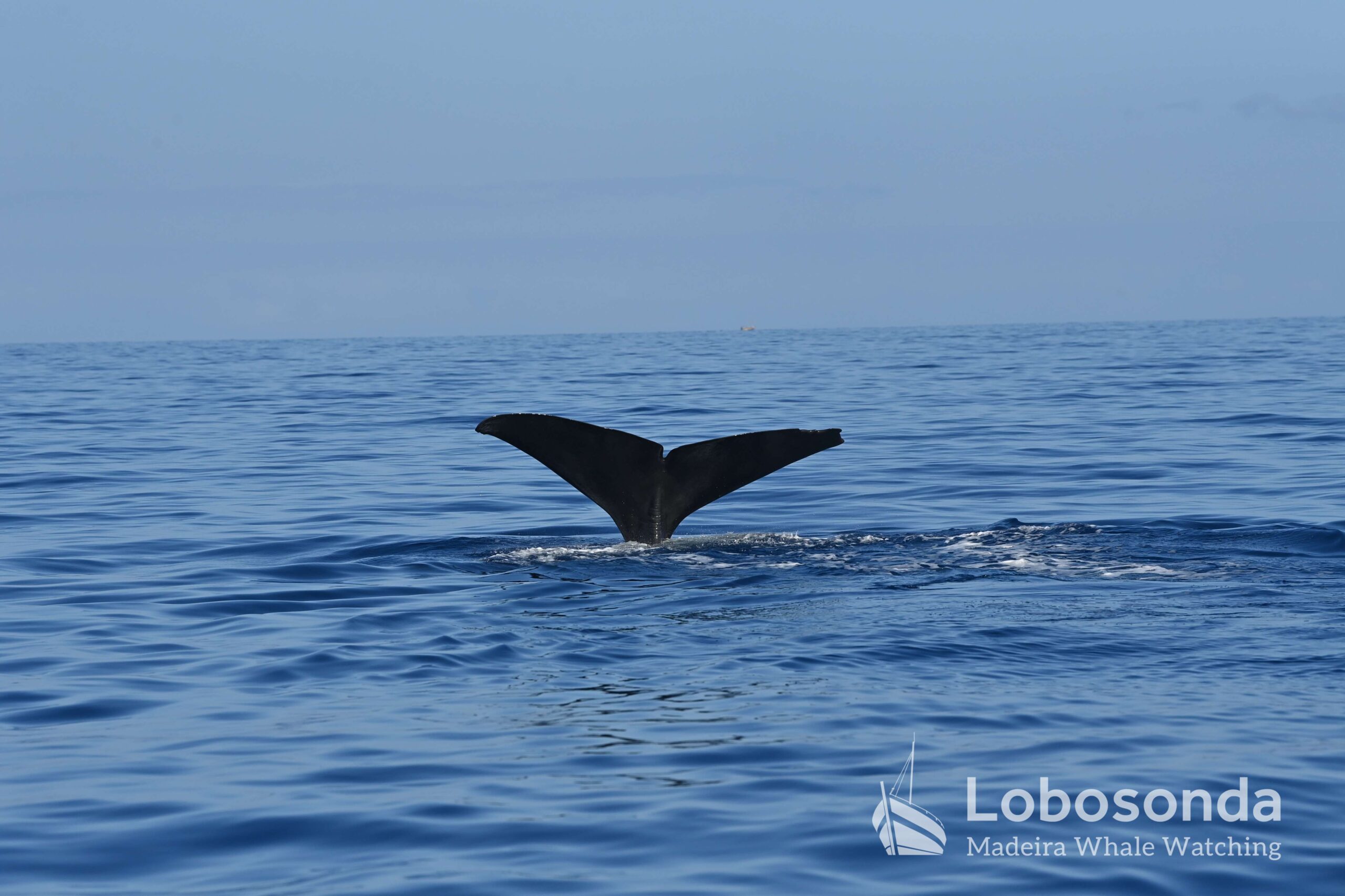
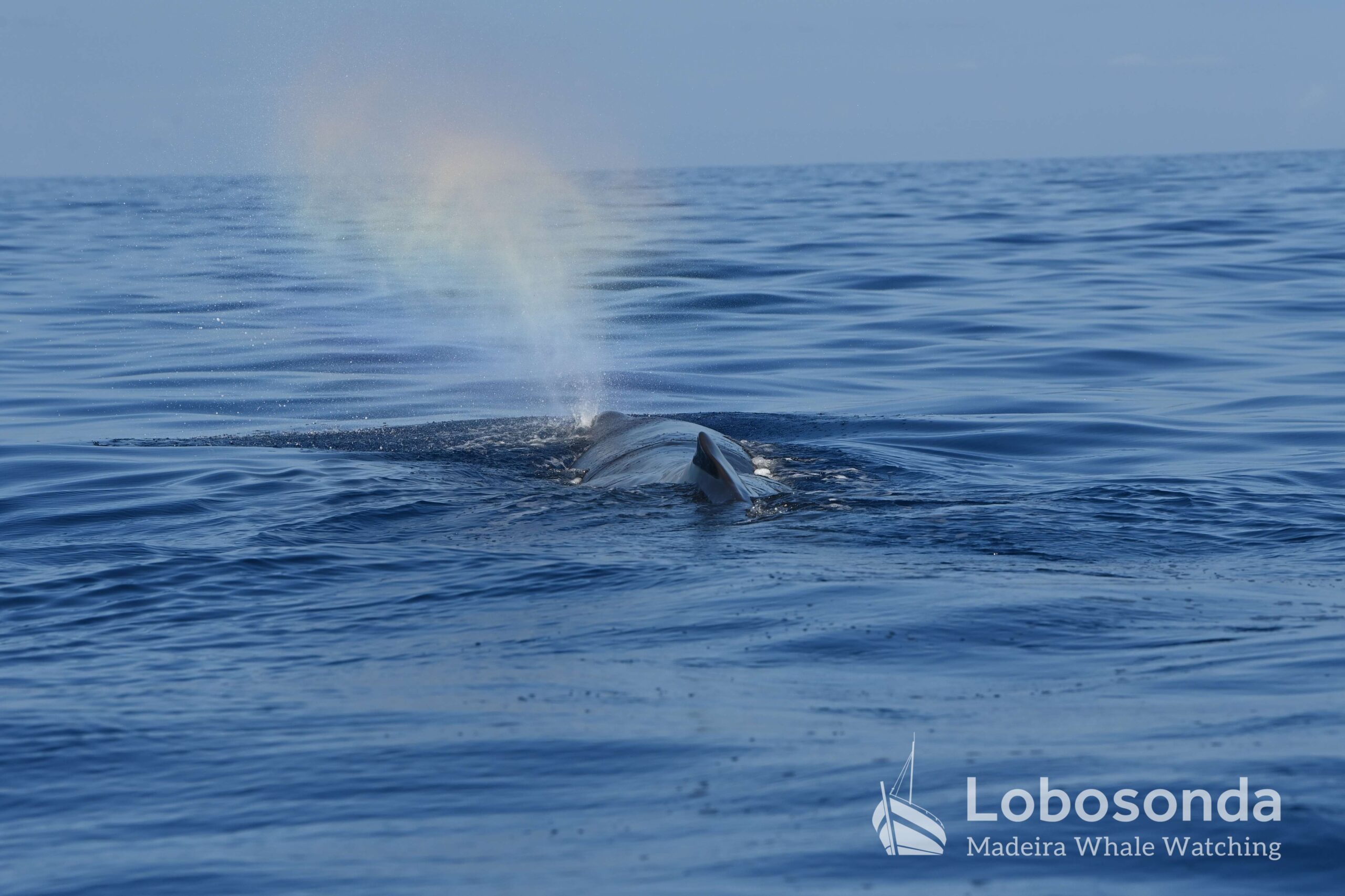
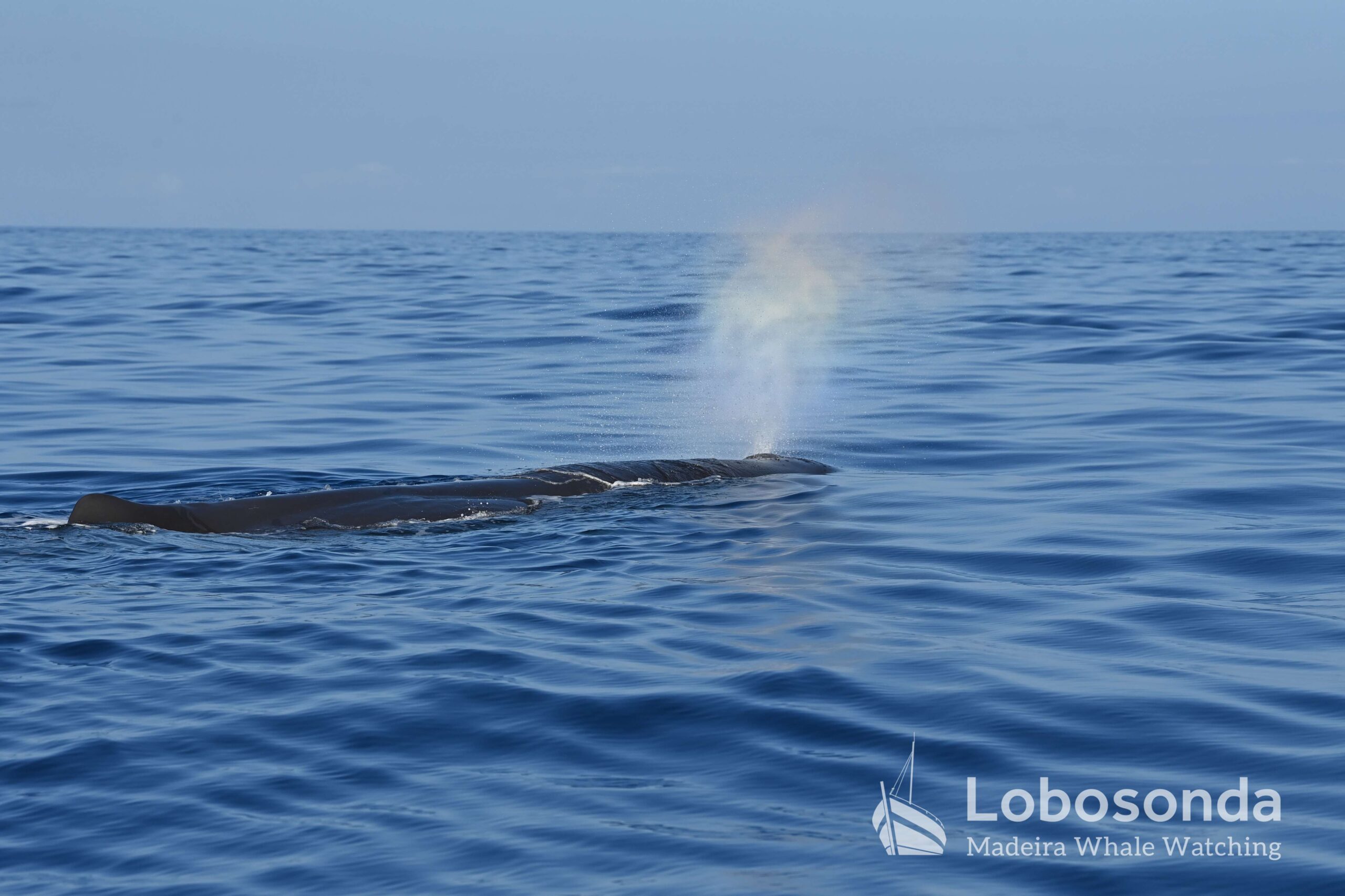
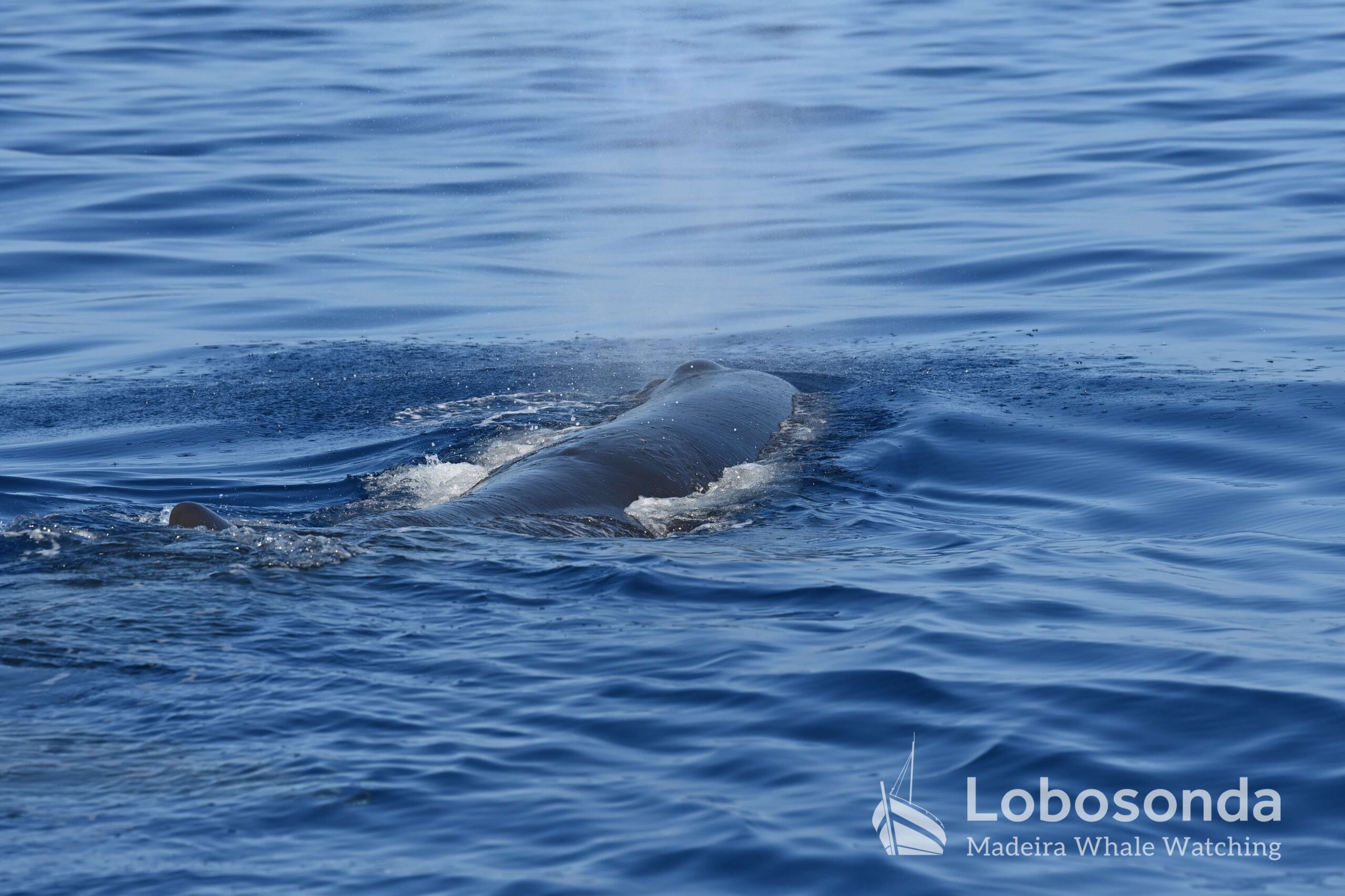
13:00 Atlantic spotted dolphins, Sperm whales
Steno
09:30 Atlantic spotted dolphins, Sperm whales