


19.04.2025 – In the spirit of compassion
April 26, 2025
22.04.2025 – Dolphin day
April 28, 2025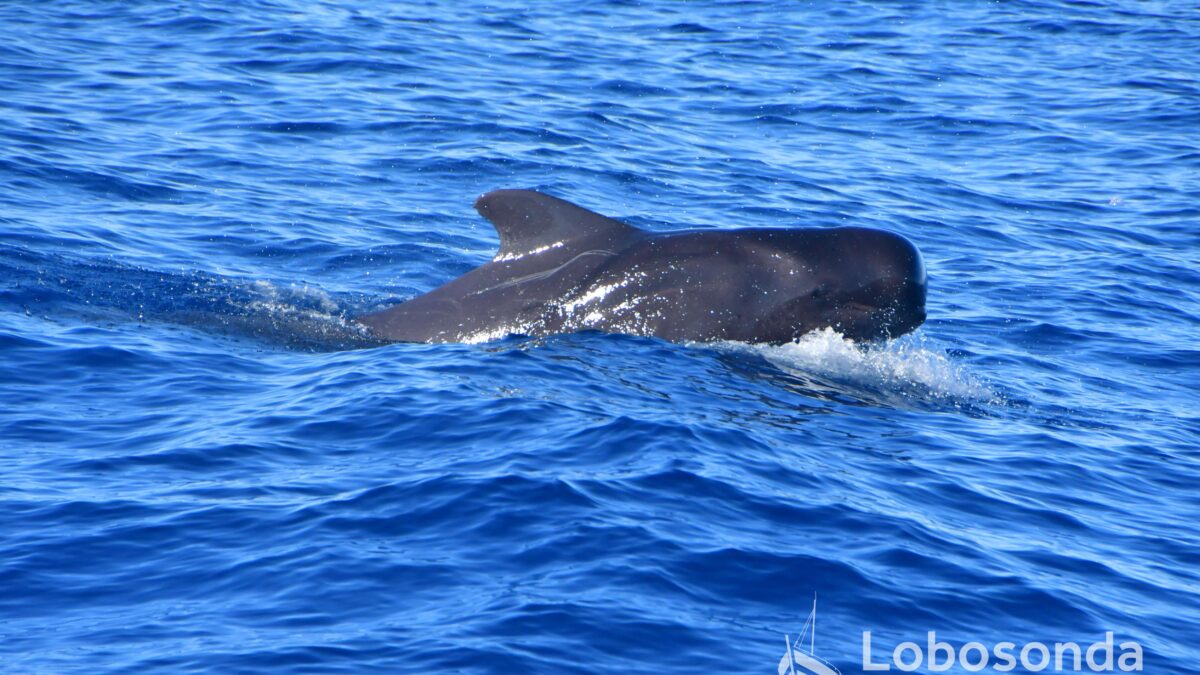
It’s so fascinating to imagine what the world must look like for a dolphin…and it’s a lot more complicated that you’d think. While dolphins do perceive their surroundings through vision, their primary perception of the environment is auditory. Toothed whales are particularly interesting in this aspect and rely on their bio sonar, an auditory tool that allows the animals to communicate, navigate and even hunt in their vast ocean habitat.
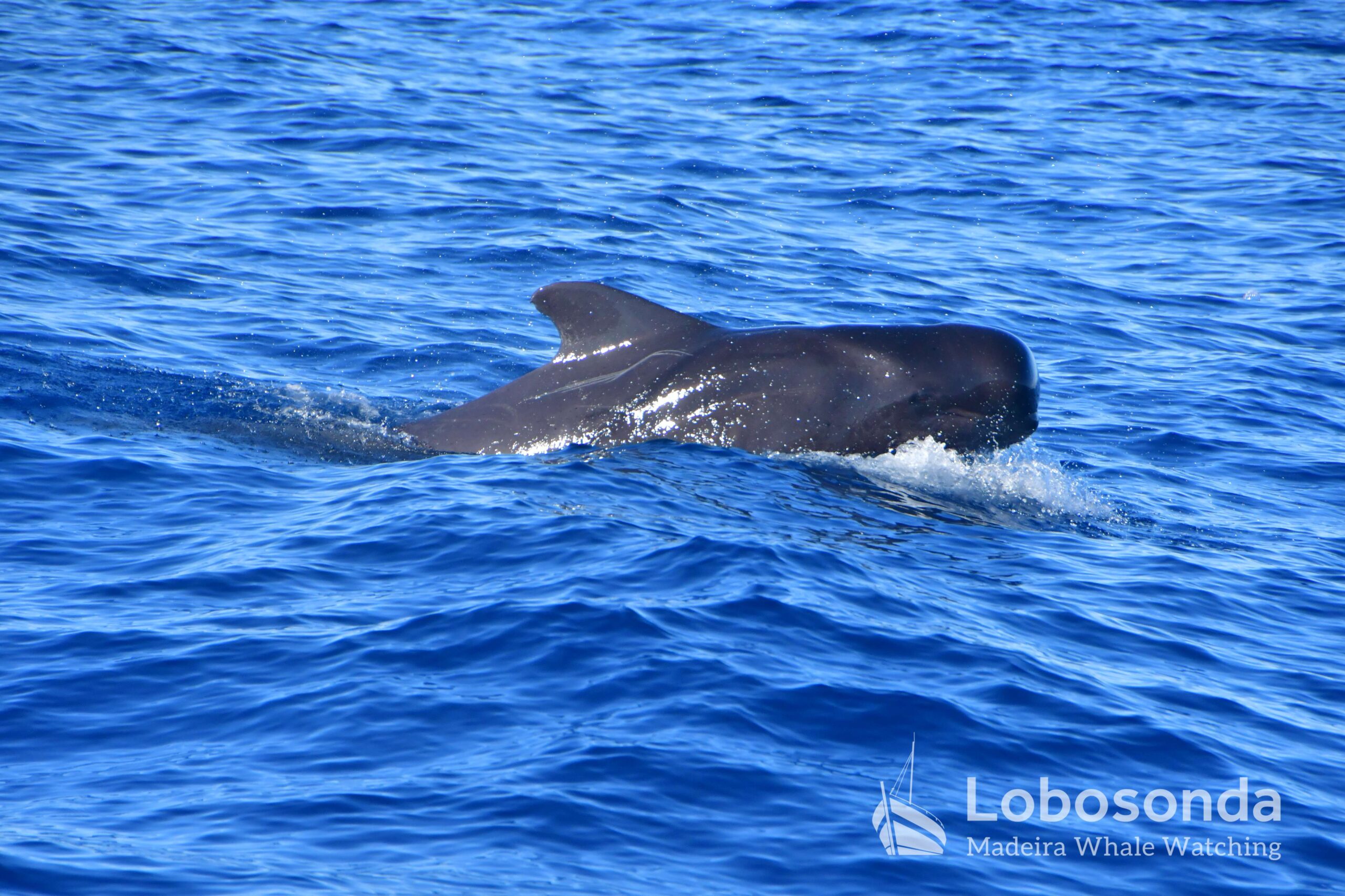
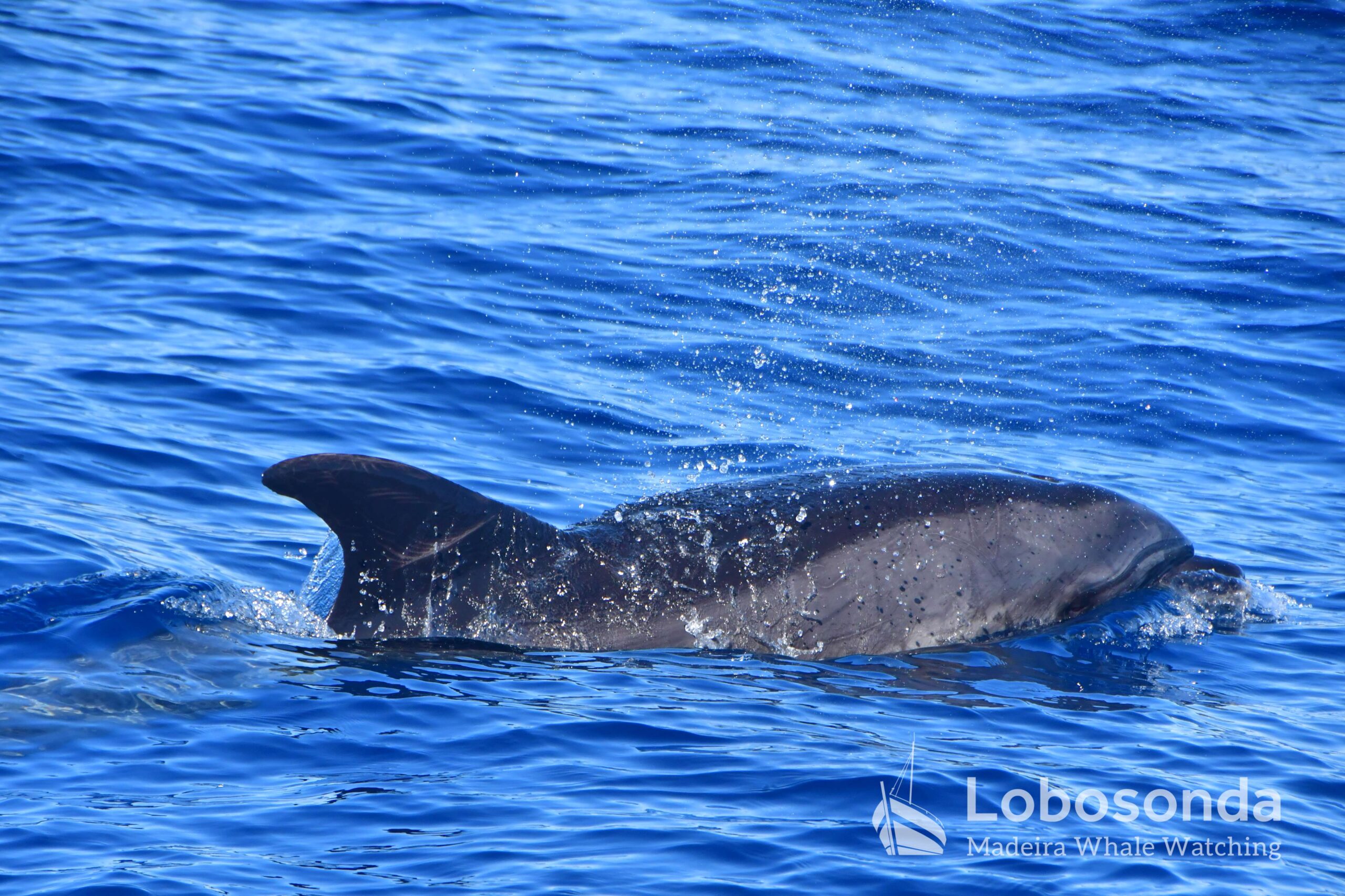
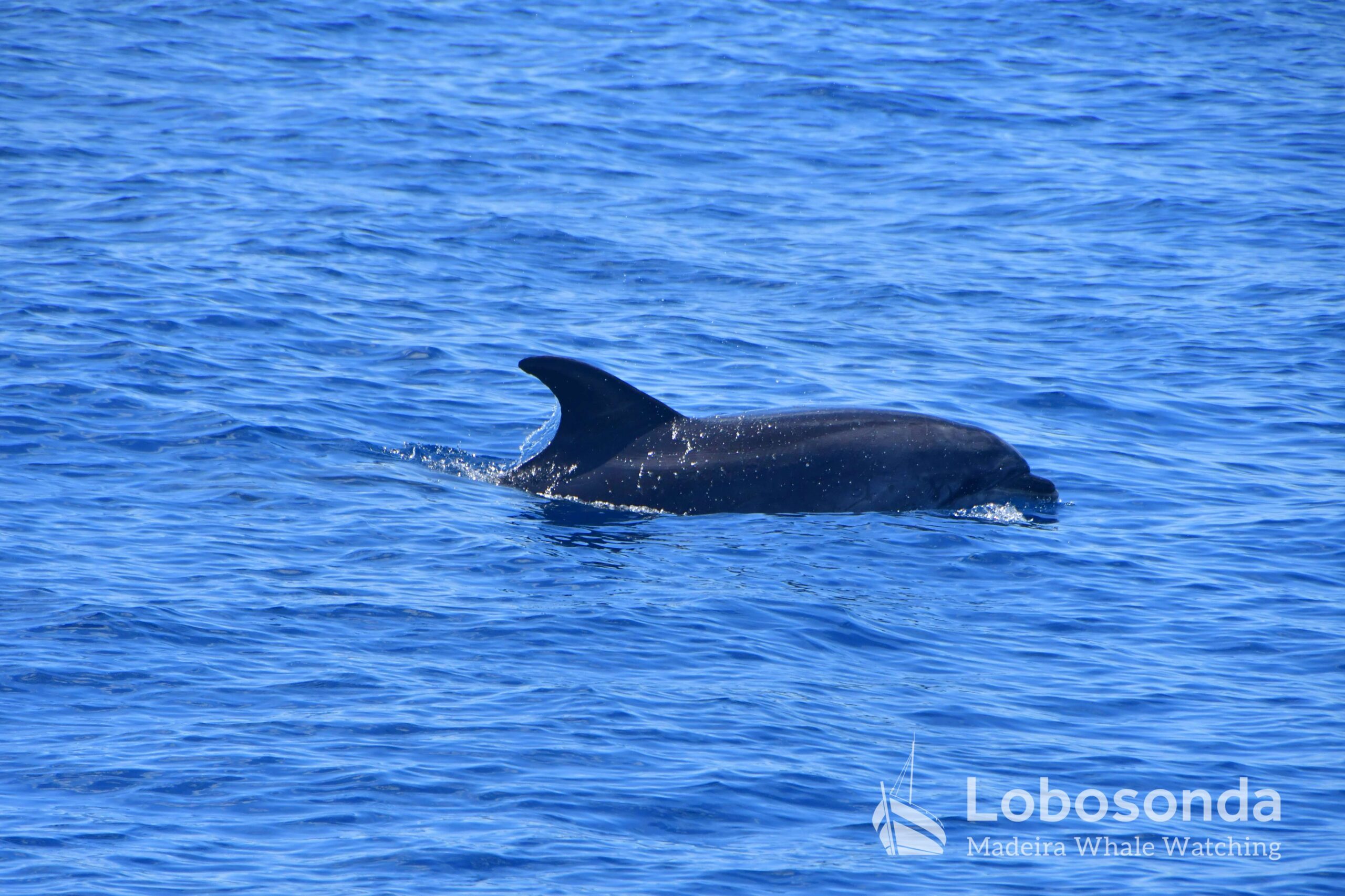
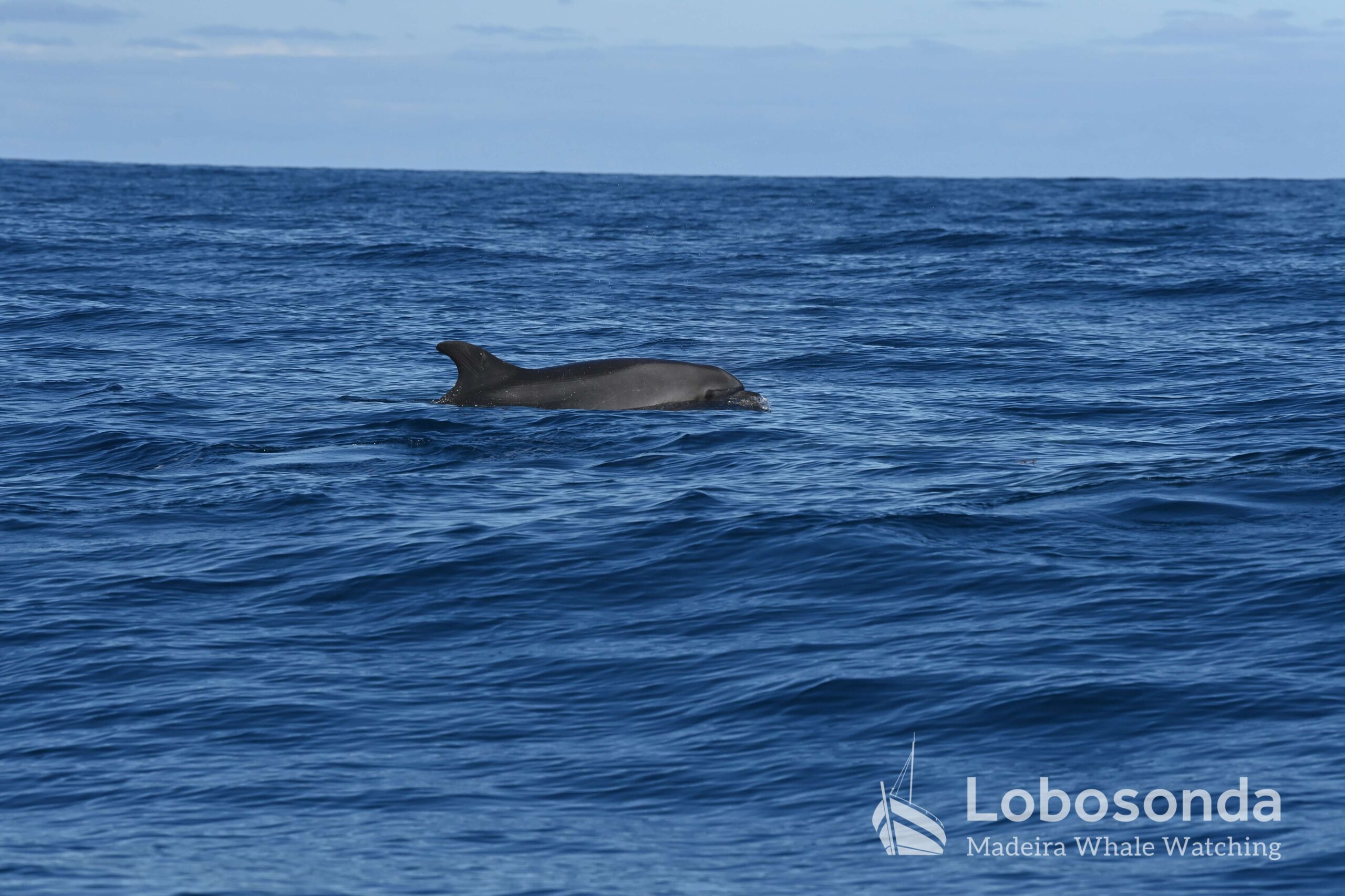
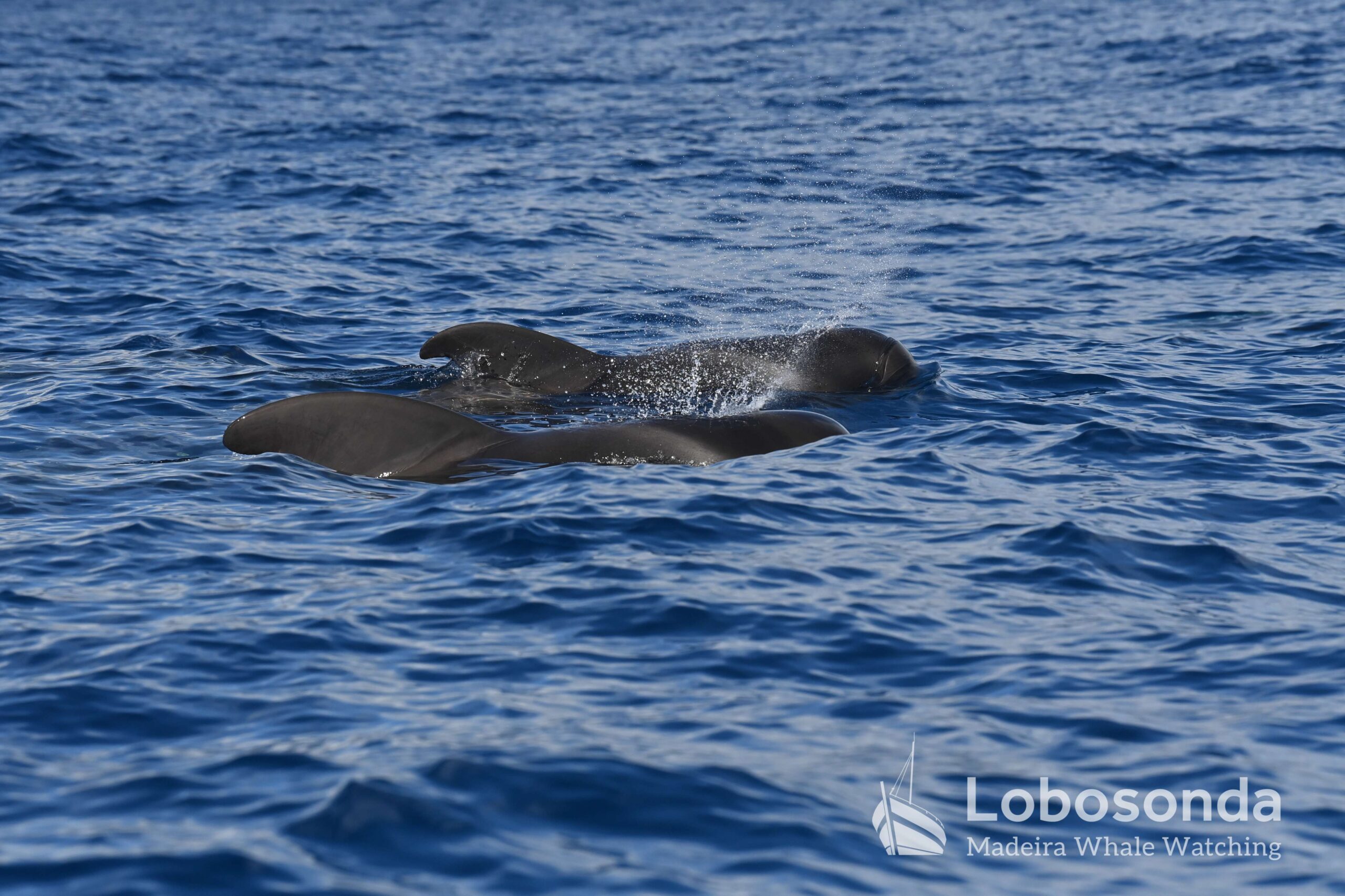
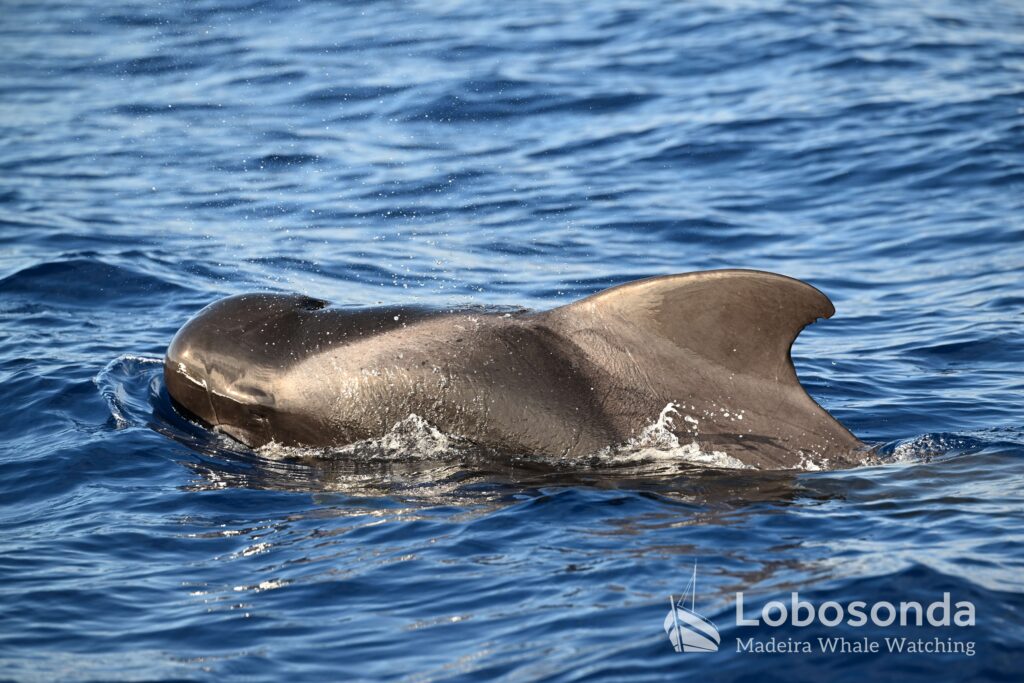
In dolphins, such as the Striped dolphin (Stenella frontalis), Bottlenose dolphin (Tursiops truncatus) and Short-finned pilot whales (Globicephala macrorhyhnchus), the organ responsible for this is known as the melon. This globular, fatty organ is located in the head of the cetaceans and acts as a sound-focusing lens for the sonar that allows the animals to echolocate and communicate. In Sperm whales (Physeter macrocephalus) the organ is called the spermaceti and is much larger, stretching over the length of their enormous heads. While both the melon and the spermaceti share the same function, their makeup is slightly different. The spermaceti is filled with a waxy-like substance whose density is temperature dependent; it solidifies at room temperature and is liquid at the whales body temperature. The melon, is made of adipose or fatty tissue, which increases in density towards the outer layers allowing the cetacean to focus its sonar.
So if you ever wondered why Sperm whales heads are so bulky or pilot whales heads so globular, you are now aware of the remarkable reason for this.
By Paula Thake
Sightings of the day
Ribeira Brava
09:00 Bottlenose dolphins, Short-finned pilot whales, Sperm whales
13:00 Bottlenose dolphins, Short-finned pilot whales
Stenella
09:30 Bottlenose dolphins, Short-finned pilot whales, Sperm whales
13:30 Bottlenose dolphins, Short-finned pilot whales
16:00 Bottlenose dolphins, Short-finned pilot whales














3 Comments
I always thought of dolphins as just visually-oriented creatures, but this really sheds light on how vital their auditory abilities are. The fact that they can echolocate and even communicate using these complex biological structures is mind-blowing!
Glad I stumbled upon this article!
Paula, this is such a clear breakdown of the melon versus the spermaceti — I had never considered that the density gradient in the melon actually functions like a lens for focusing sonar. The detail about the spermaceti solidifying at room temperature is the kind of fact that makes you look at a Sperm whale’s head completely differently. It also makes you realise how vulnerable toothed whales are to ship noise and seismic surveys, since sound is essentially their whole world. On a lighter note, I sometimes explore how animal perception and narrative intersect in interactive media, and I found some nicely written free visual novel games that touch on ocean themes and creature perspectives. Thanks for another genuinely informative entry from the Ribeira Brava trips.