19.01.2026 – Afternoon reunion
January 26, 2026
BWB – The Tropical Gardens of Madeira
January 29, 2026
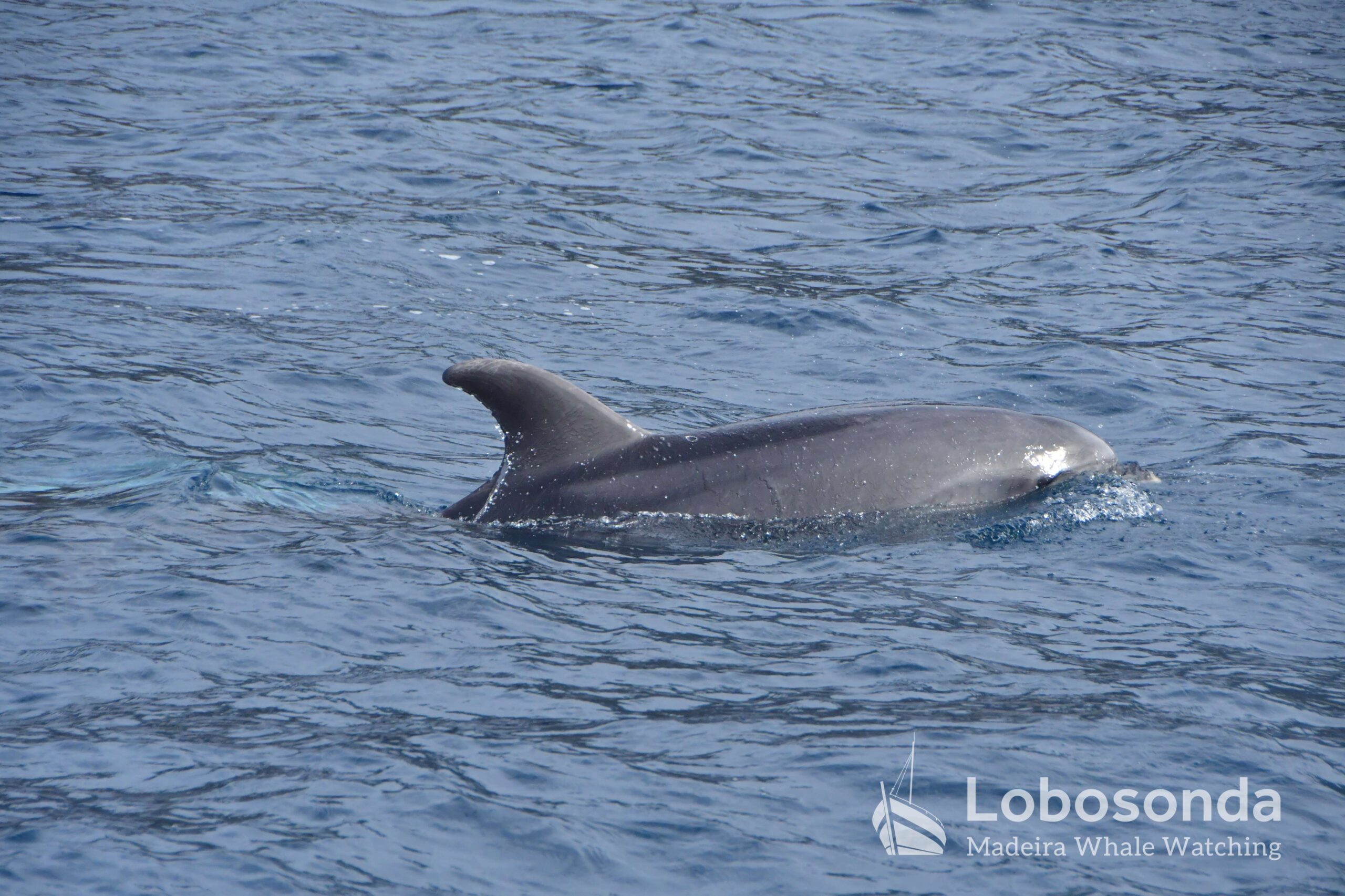
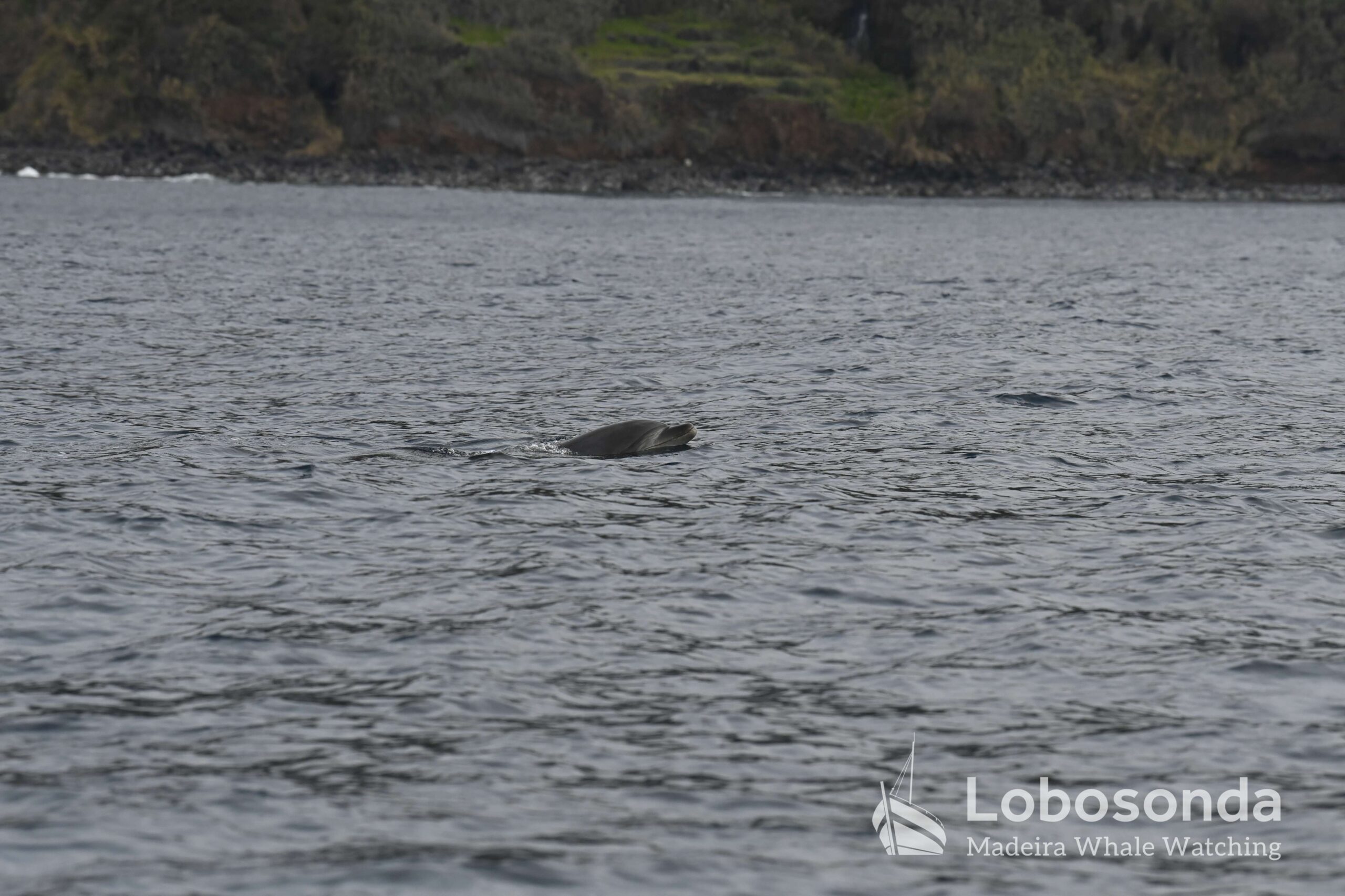
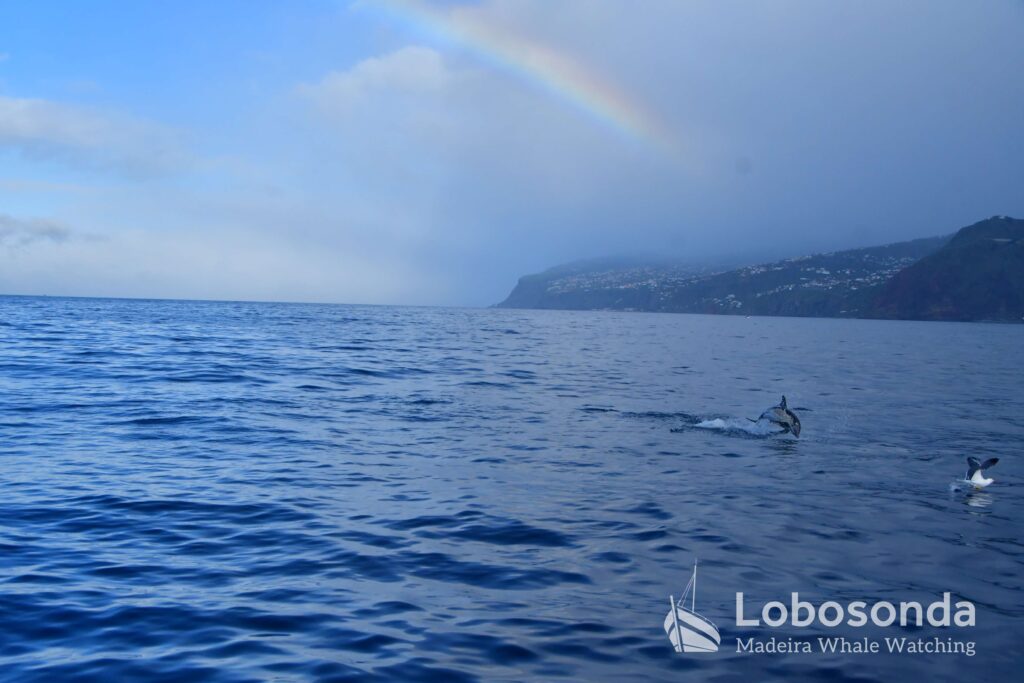
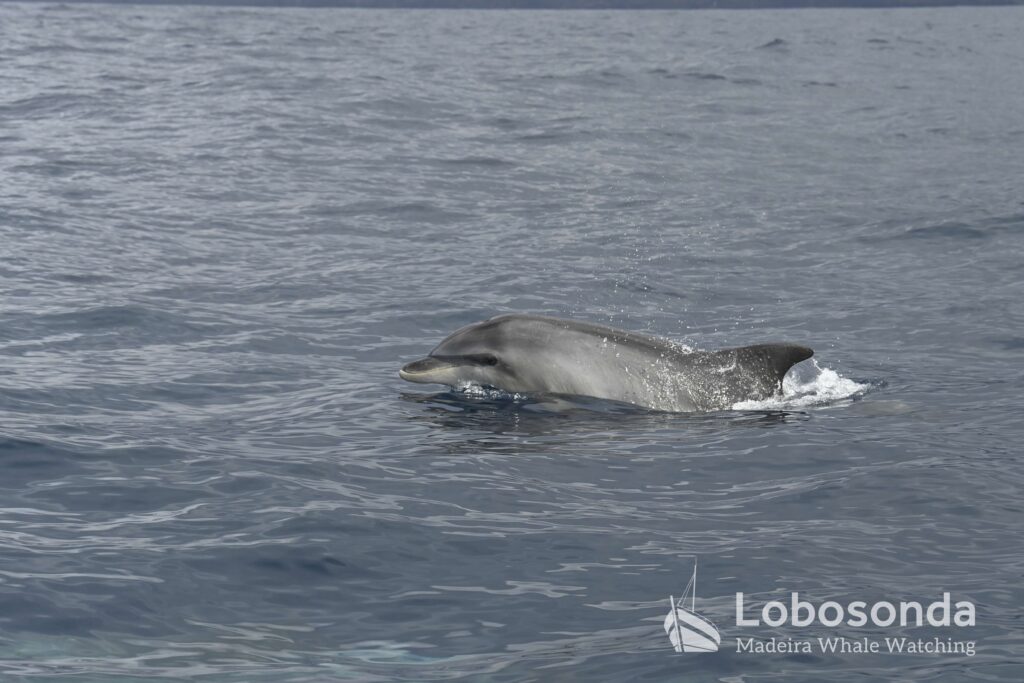
In addition to our more common recent sightings, such as Bottlenose dolphins (Tursiops truncatus), we observed Atlantic puffins (Fratercula arctica) today and yesterday as well. These small creatures have something deeply touching about them. They are shy and not easy to observe.
The Atlantic puffin is a seabird mainly distributed across the North Atlantic. It lives along rocky coastlines and on islands, where it breeds in colonies. A characteristic feature is its strong, triangular bill, which becomes brightly colored during the breeding season. Outside of this period, the bill loses part of its colorful horny layers and appears much plainer.
Atlantic puffins are excellent divers. They use their wings to swim underwater and can reach considerable depths in search of small fish. Puffins can dive to depths of up to approximately 60 meters.
On land, their movements appear rather clumsy, but in the air they beat their wings rapidly to stay aloft. They spend most of their lives on the open sea and return to land only during the breeding season. Atlantic puffins return to the same breeding site every year, even after long periods at sea. For reproduction, they dig burrows in the ground or use rock crevices. Nest building is shared by both partners. Together, they excavate burrows using their bills and feet in soft, grass-covered soil or occupy existing rock fissures. The burrows can be up to one meter long and end in a small chamber where the egg is laid. Both adult birds take part in nest care, incubation of the egg, and later in feeding the chick. Typically, one chick is raised per year. The parents feed it small fish. With the help of small backward-facing barbs on their bills, puffins can carry several fish at the same time.
Atlantic puffins usually form long-term pair bonds and show strong fidelity to their breeding sites. Many pairs remain together for several years and return to the same location together year after year.
By Fatima Kutzschbach
Sightings of the day
Ribeira Brava
09:00 Bottelnose dolphins, Puffin
Stenella
09:30 Bottelnose dolphins