17.04.2026 – Hope for hope
April 24, 2026
20.04.2026 – Animal Regatta
April 27, 2026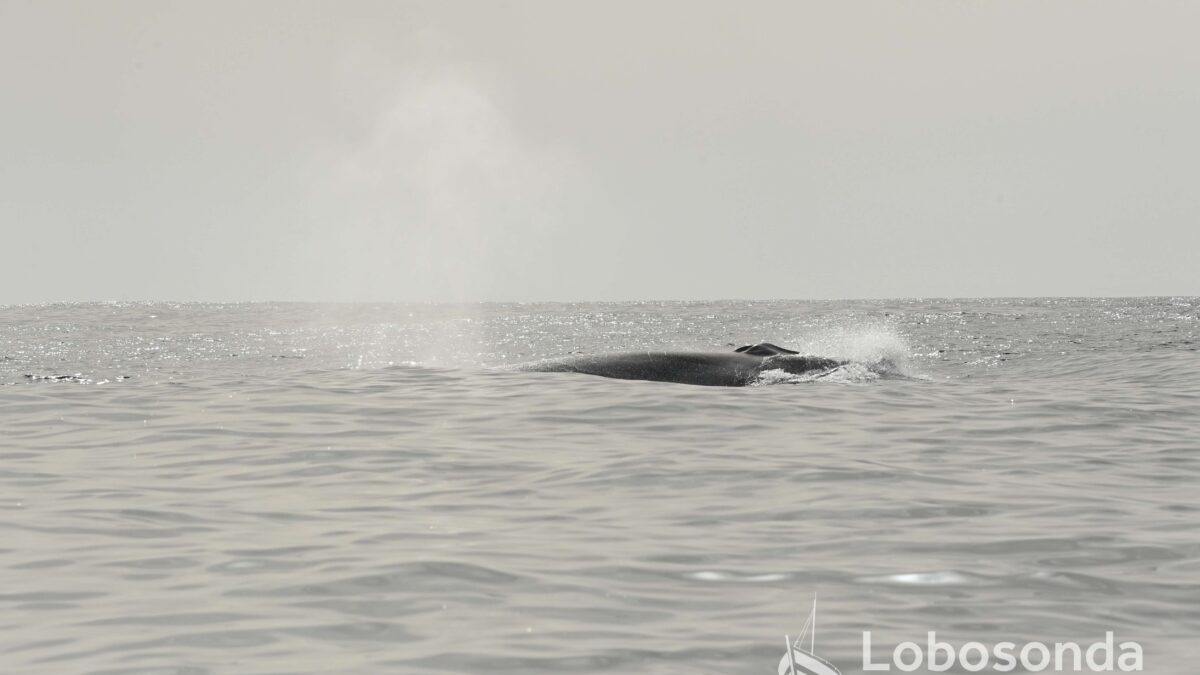
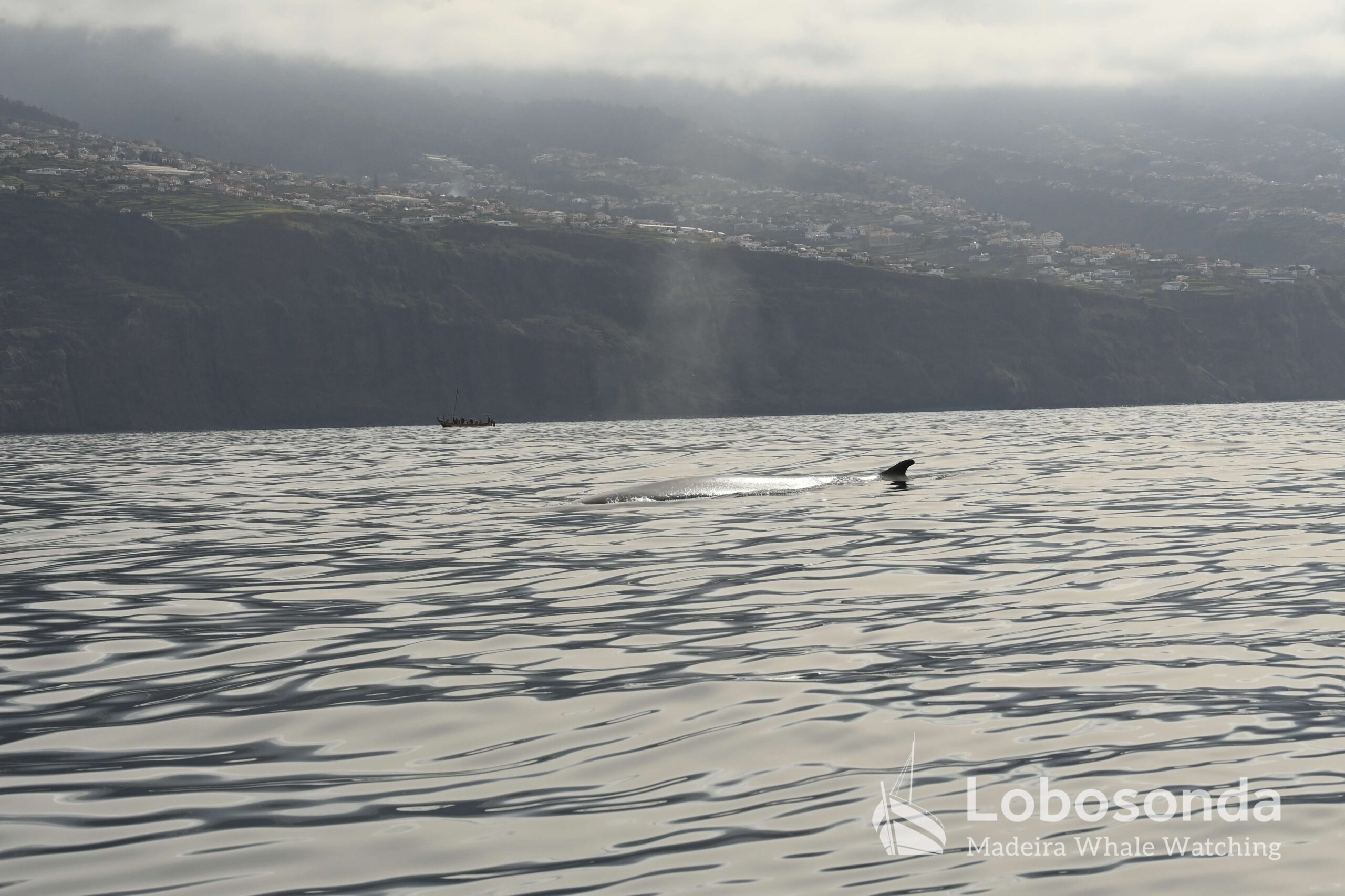
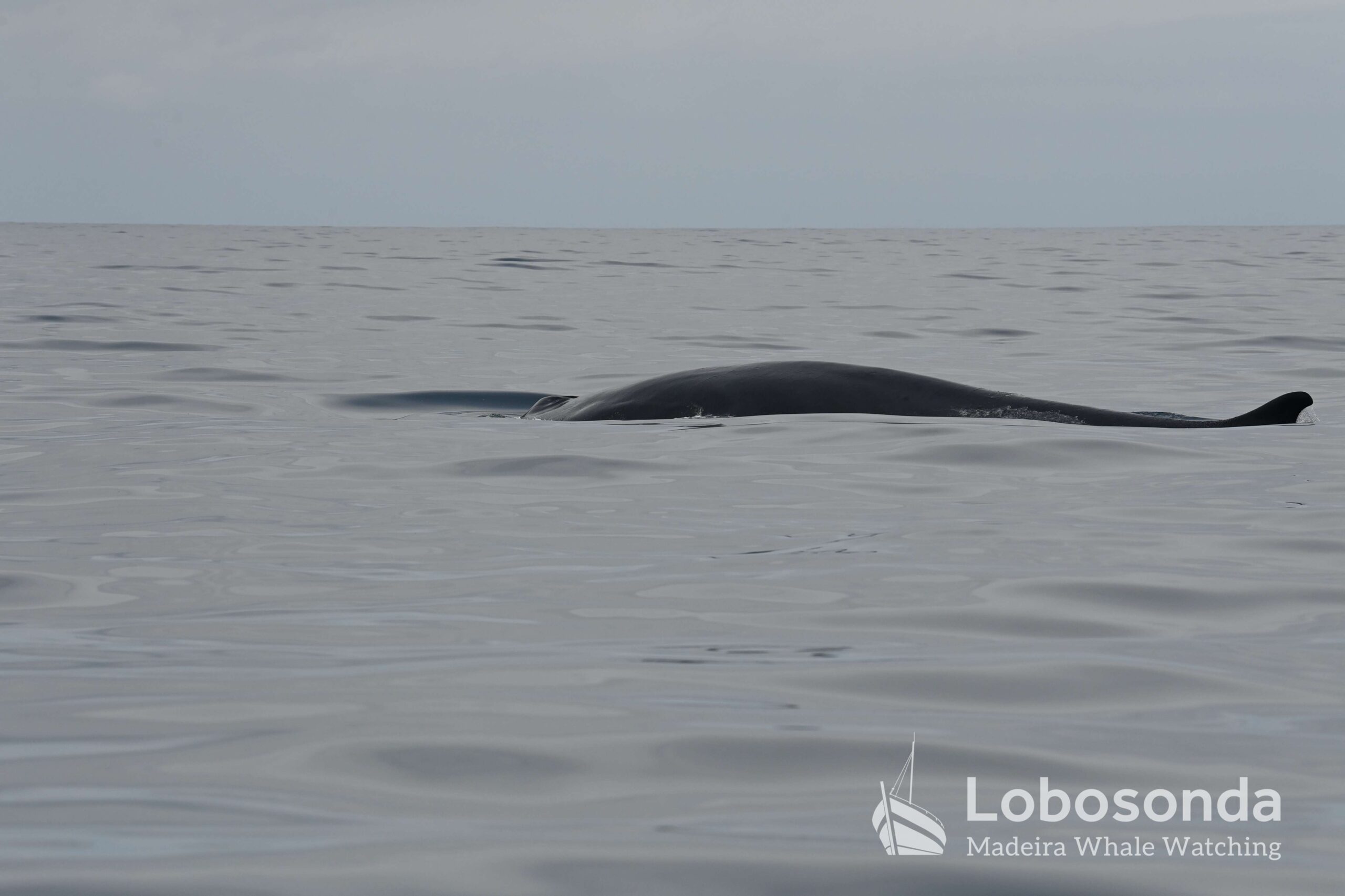
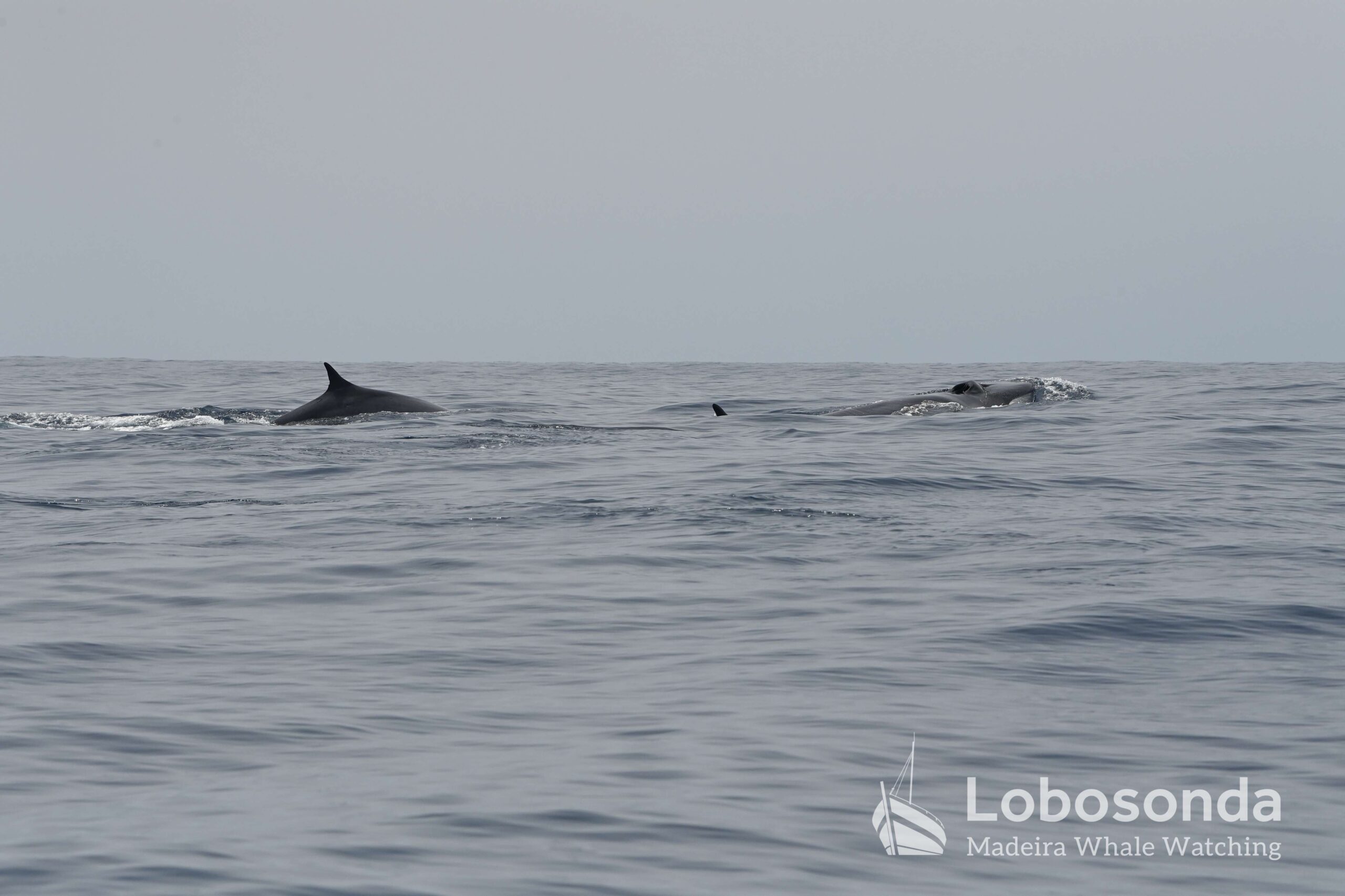
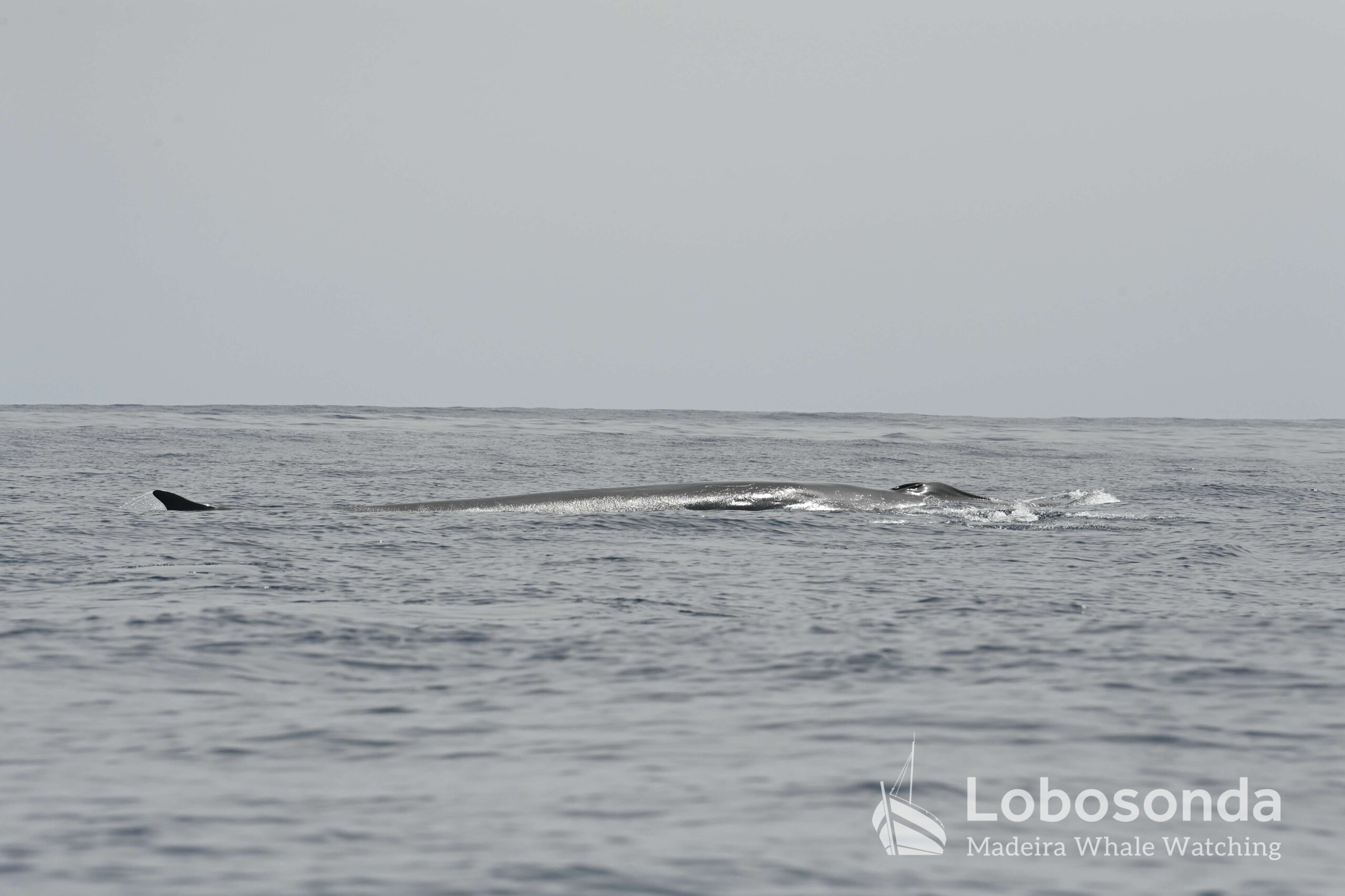
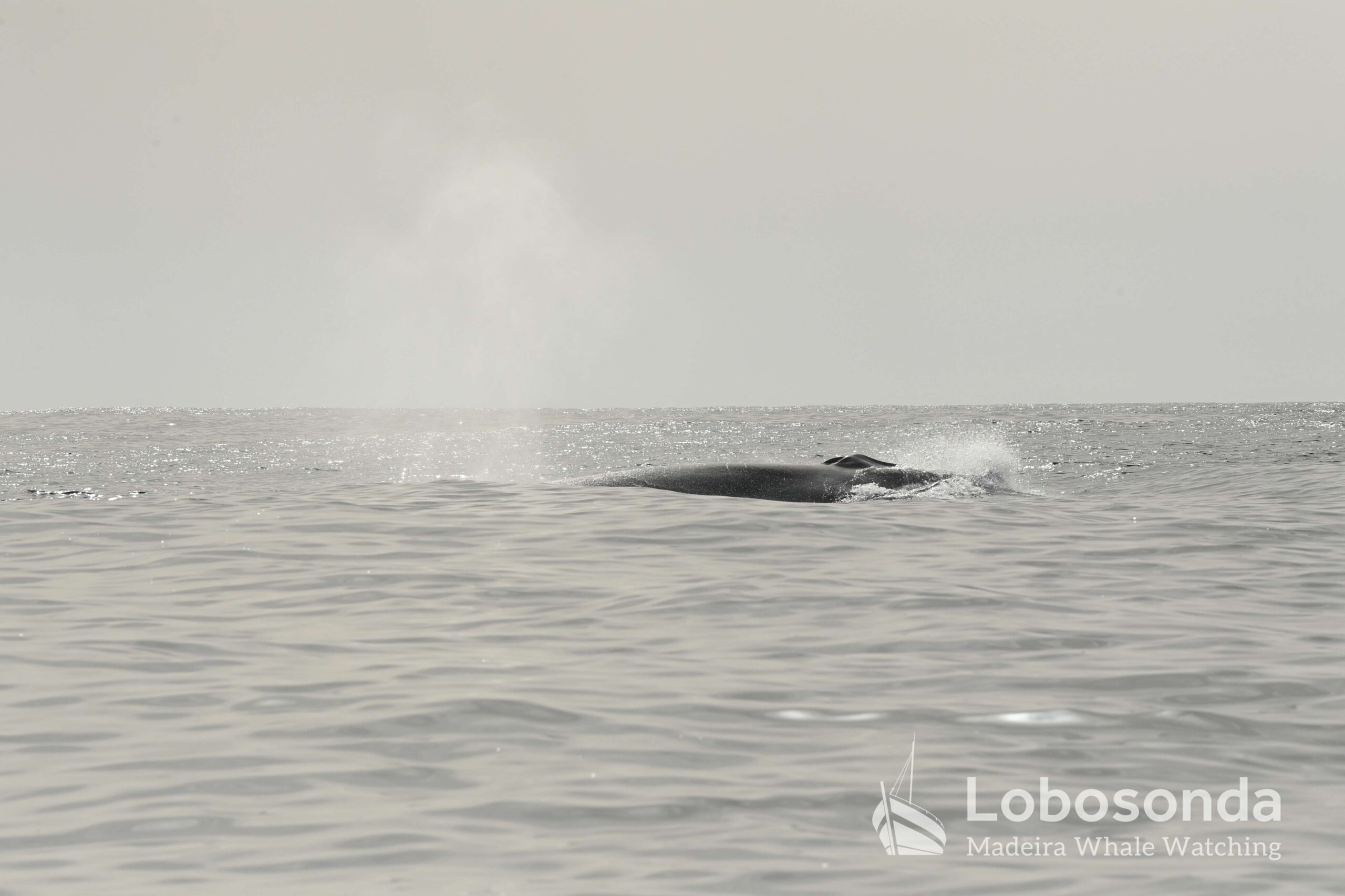
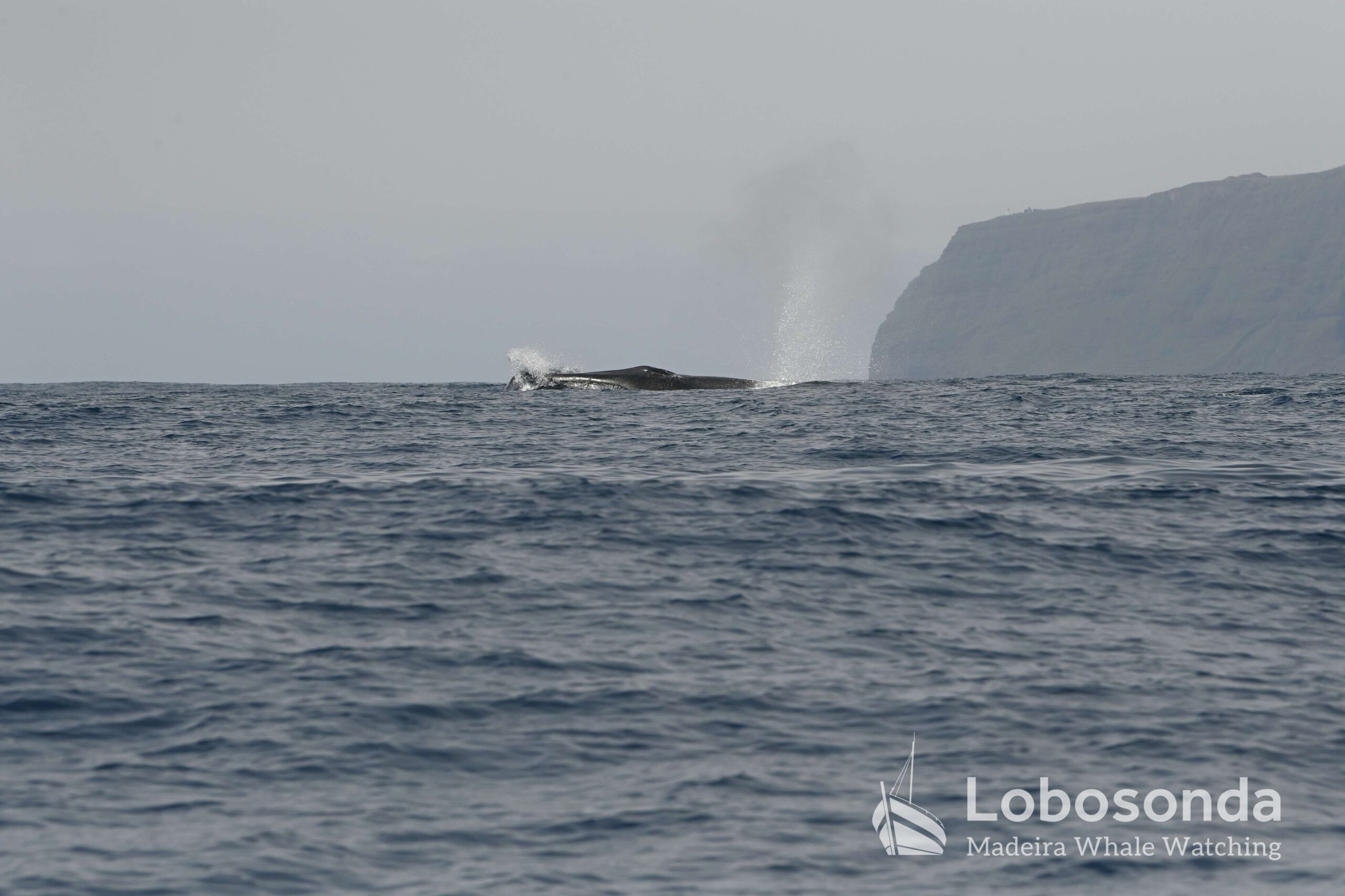
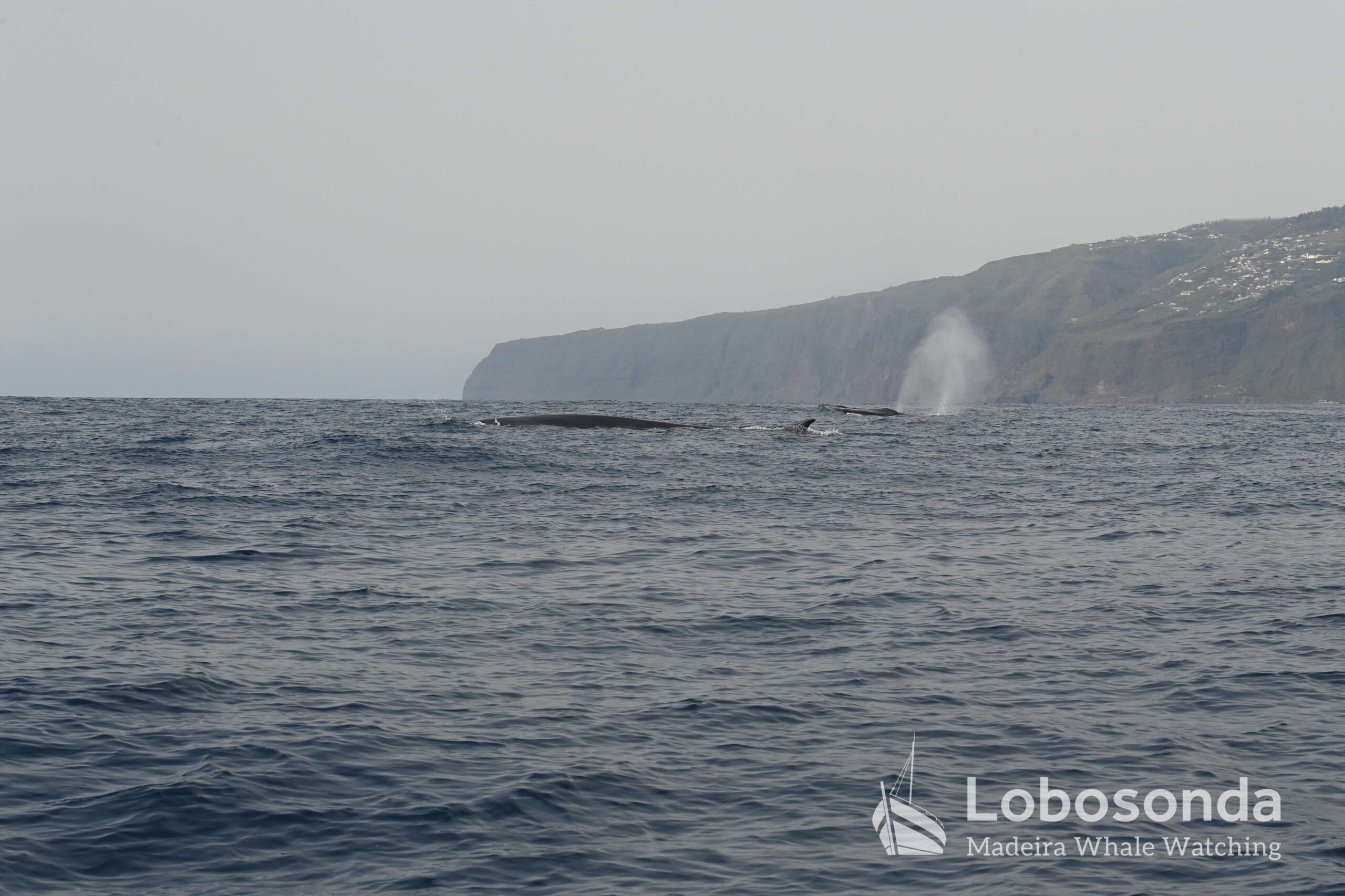
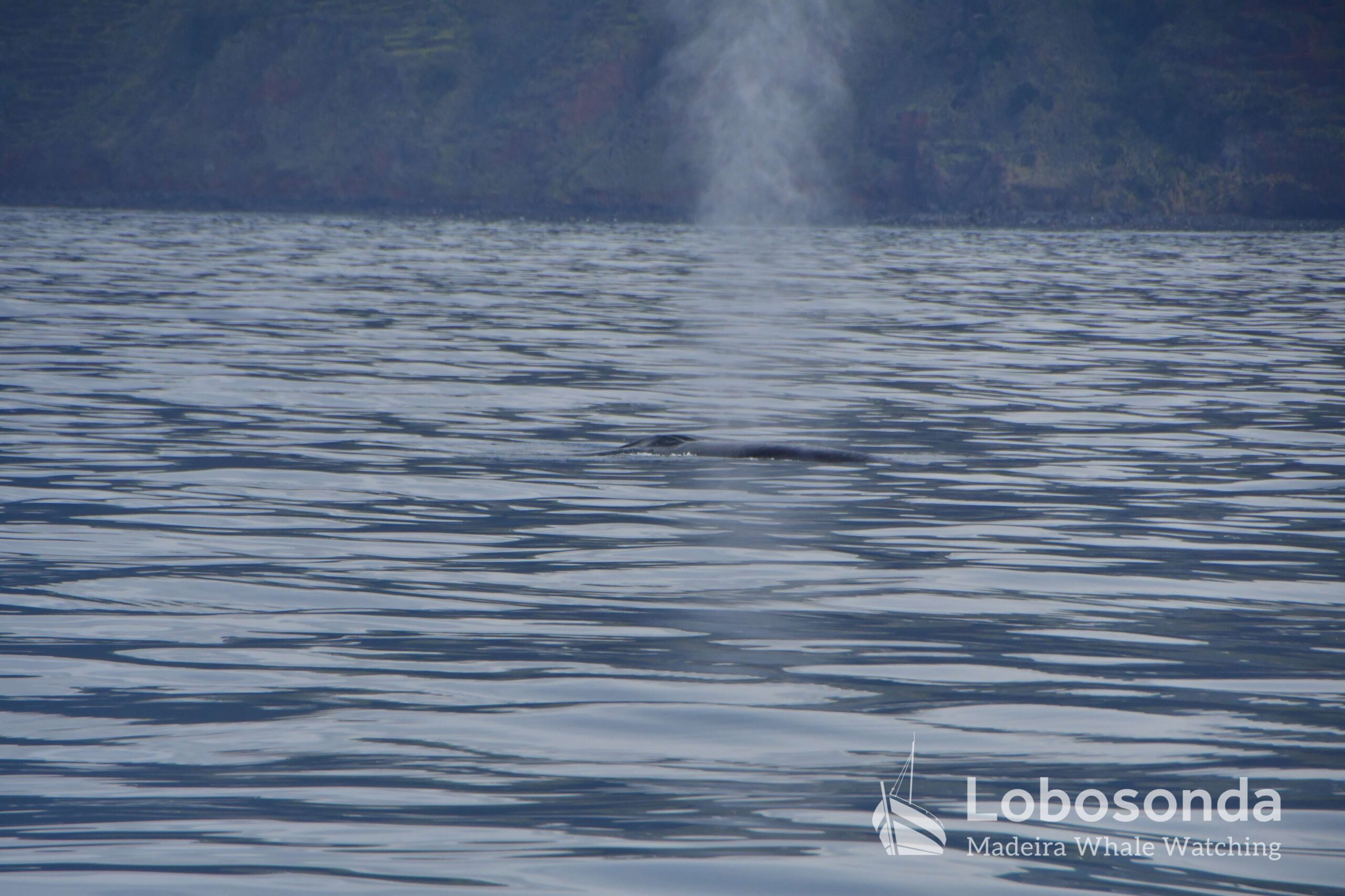
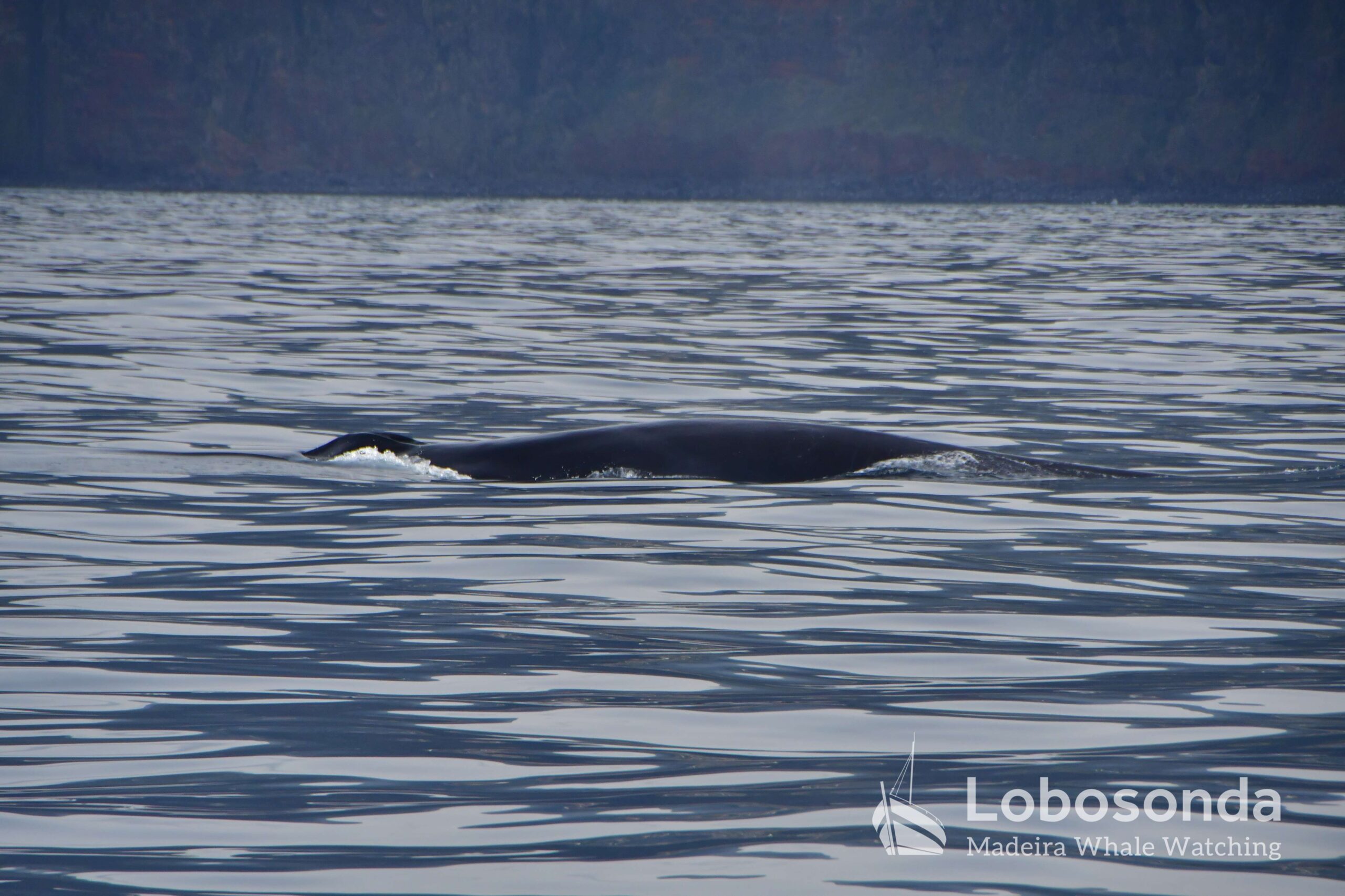
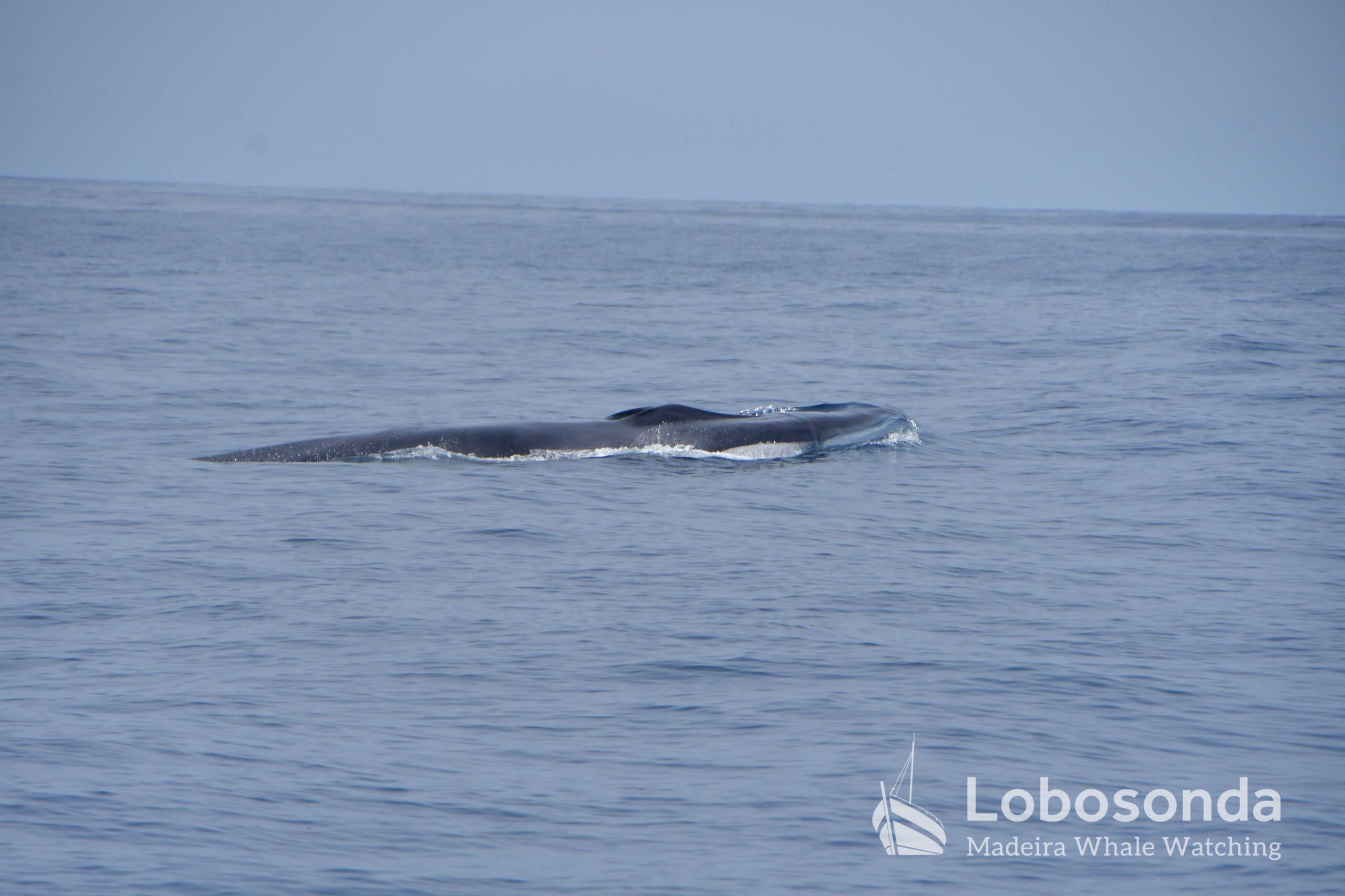
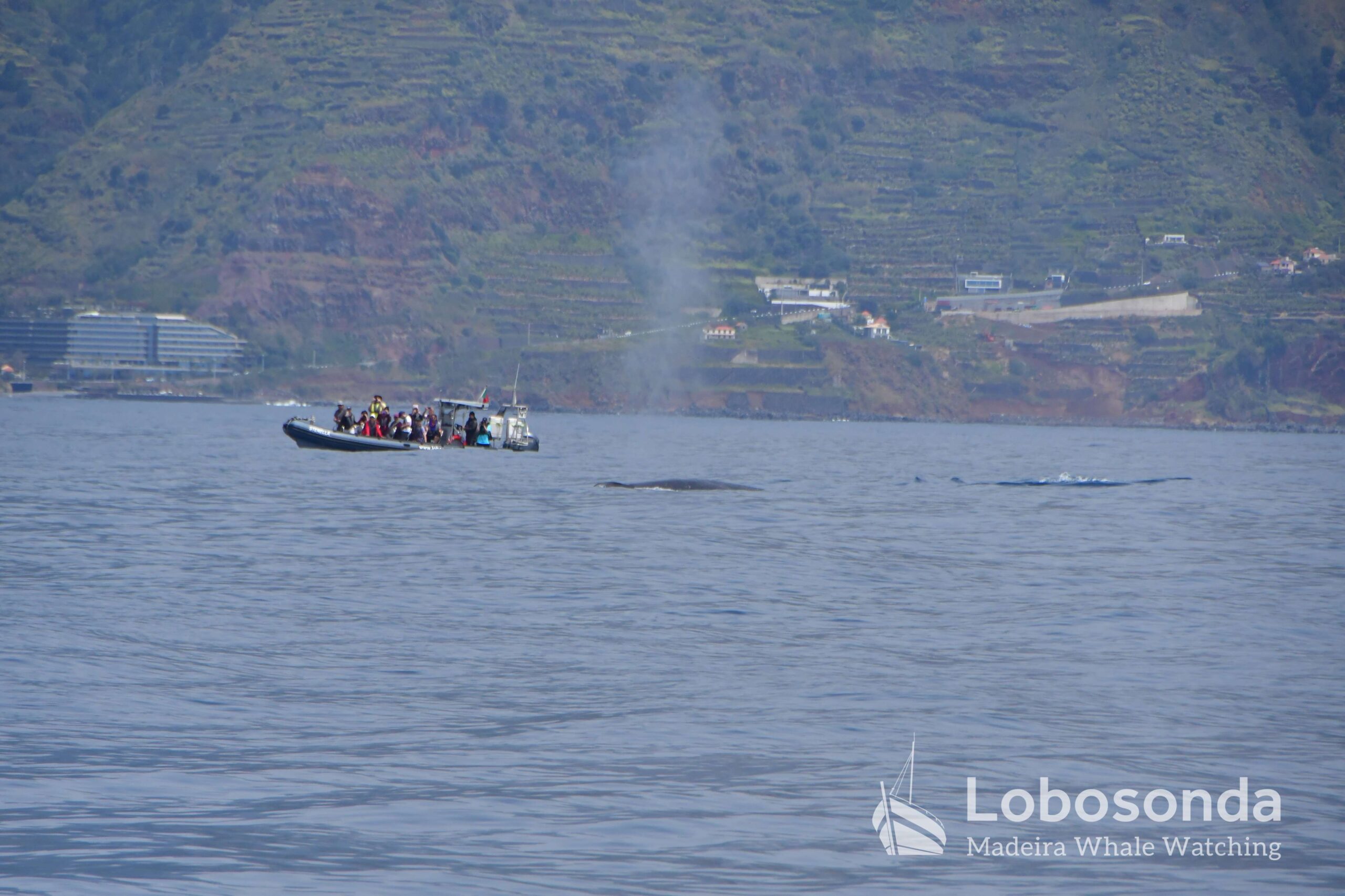
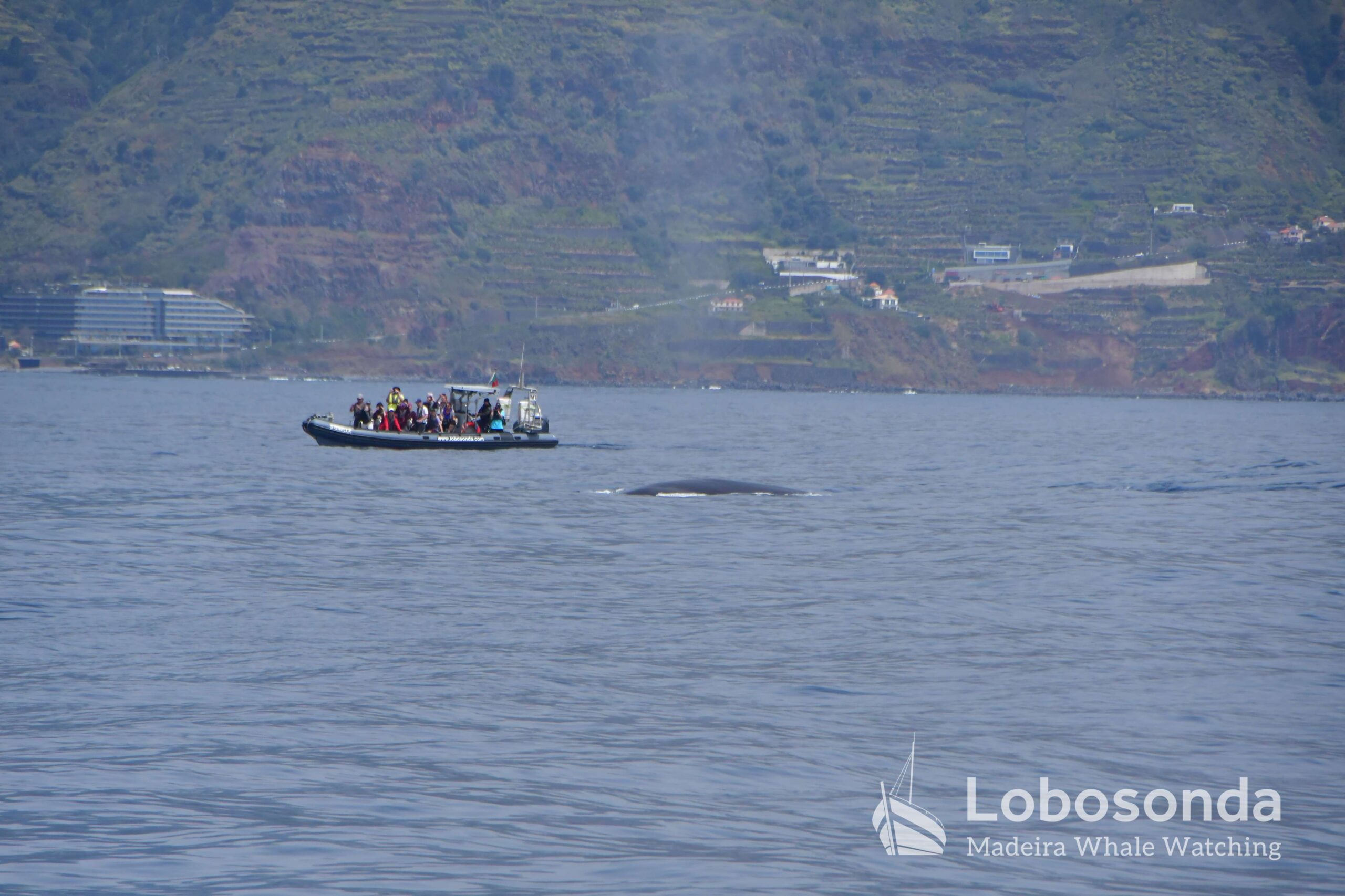
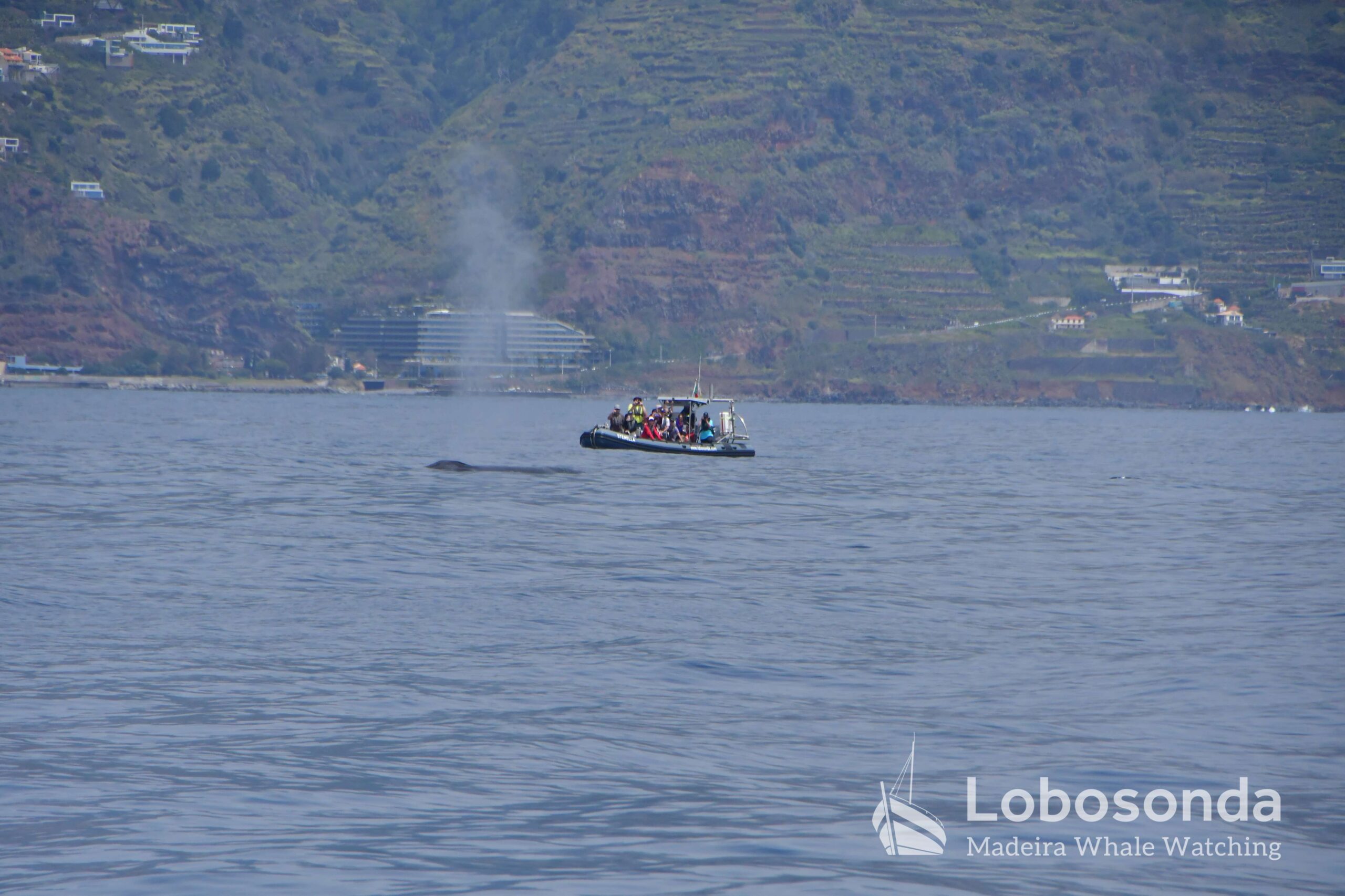
Today it turned out to be the grand finale of a week of multiple Fin whale (Balaenoptera physalus) sightings per trip.
It seemed like they were gathering even closer together, as we encountered two or three whales a few hundred meters apart.
These large creatures – the second largest animals to have ever lived on this planet – are incredibly important on a global ecosystem scale. They are sometimes called “the farmers of the sea.” With their daily activities, such as feeding and excretion, they support a whole array of ecosystems over large distances.
While feasting in the nutrient-rich waters of the North Atlantic, they migrate to warmer tropical Atlantic regions to breed, where they fast but still excrete waste, effectively transporting nutrients into ecosystems thousands of kilometers away. This process is part of what scientists call the whale pump, and more broadly a kind of oceanic “conveyor belt” of nutrients. Through this process, whales recycle key nutrients like nitrogen and iron, boosting phytoplankton growth, supporting entire food webs, and even influencing carbon cycling in the ocean. Because phytoplankton form the base of the marine food chain, this means that potentially thousands of species are indirectly supported by this nutrient transport.
However, they also do this on a smaller scale. It has been discovered that krill abundance is strongly linked to the presence of large whales. Krill feed primarily on phytoplankton, making it their main source of food, especially during seasonal blooms. By feeding at depth and releasing nutrients near the surface, whales effectively make these nutrients accessible to phytoplankton, which in turn supports krill populations. In a way, it closes a circle: the largest animals in the ocean help sustain the very base of the food web that ultimately feeds them.
By Eva Köhle
Sightings of the day
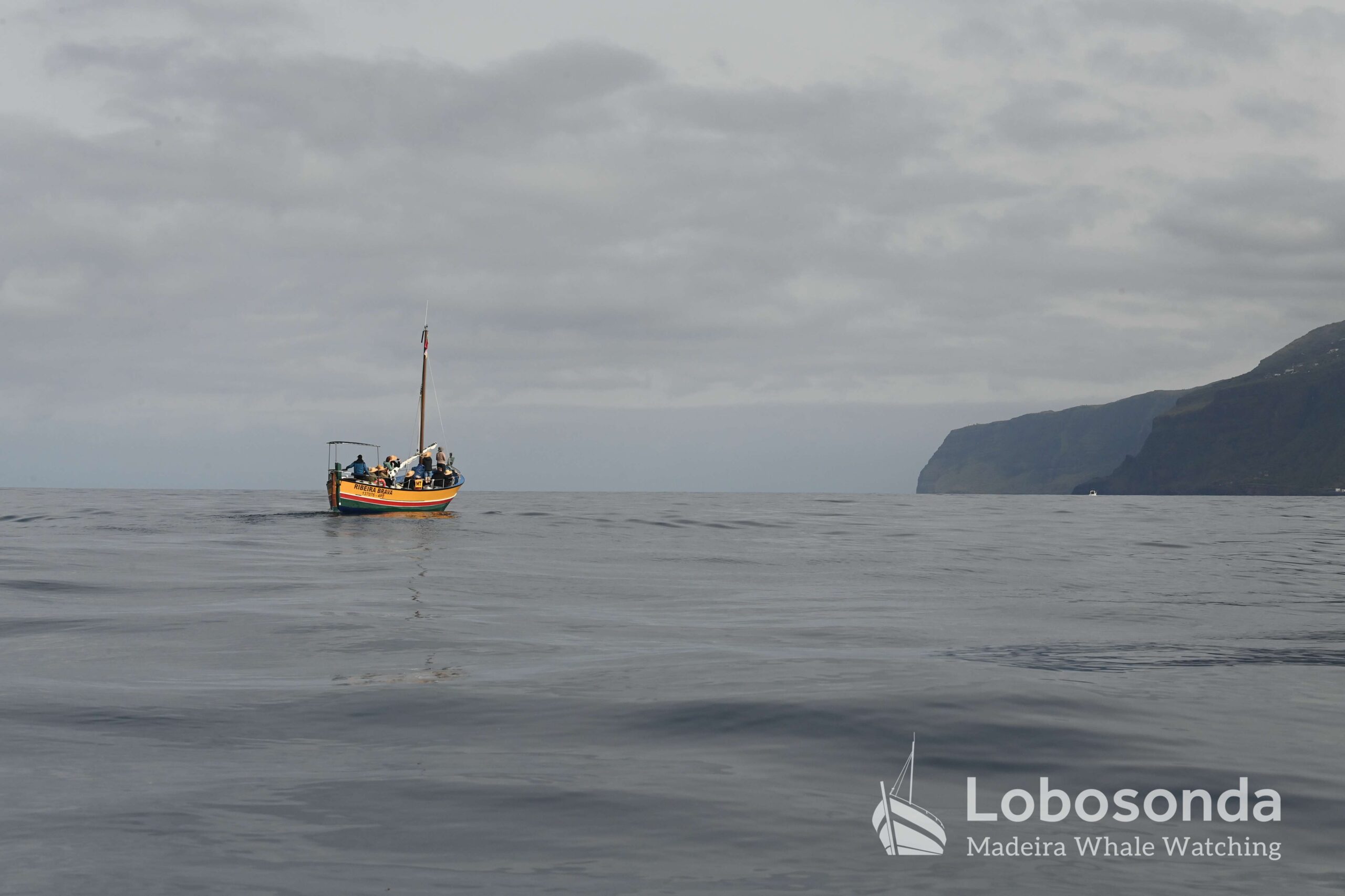
Ribeira Brava
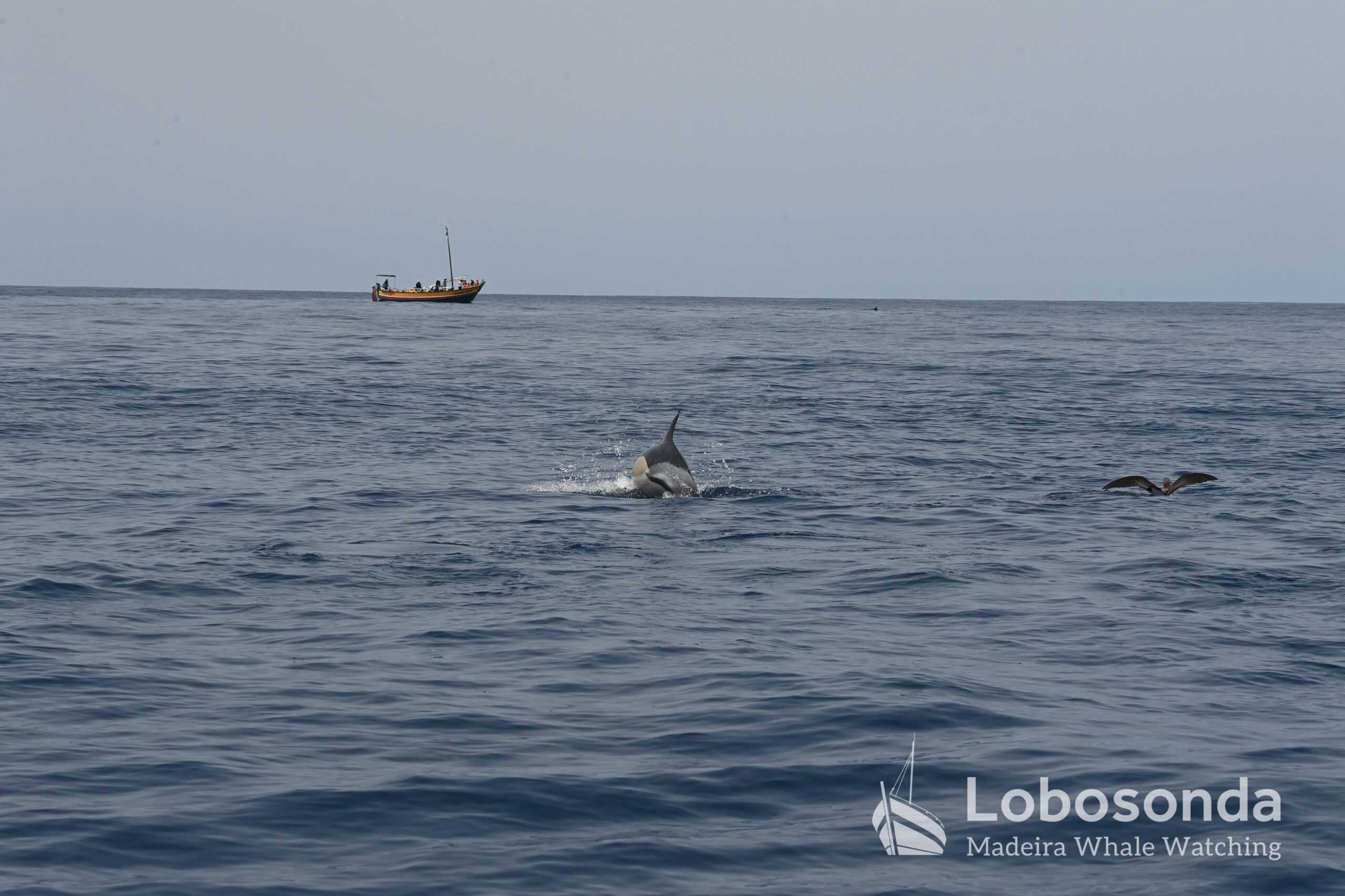
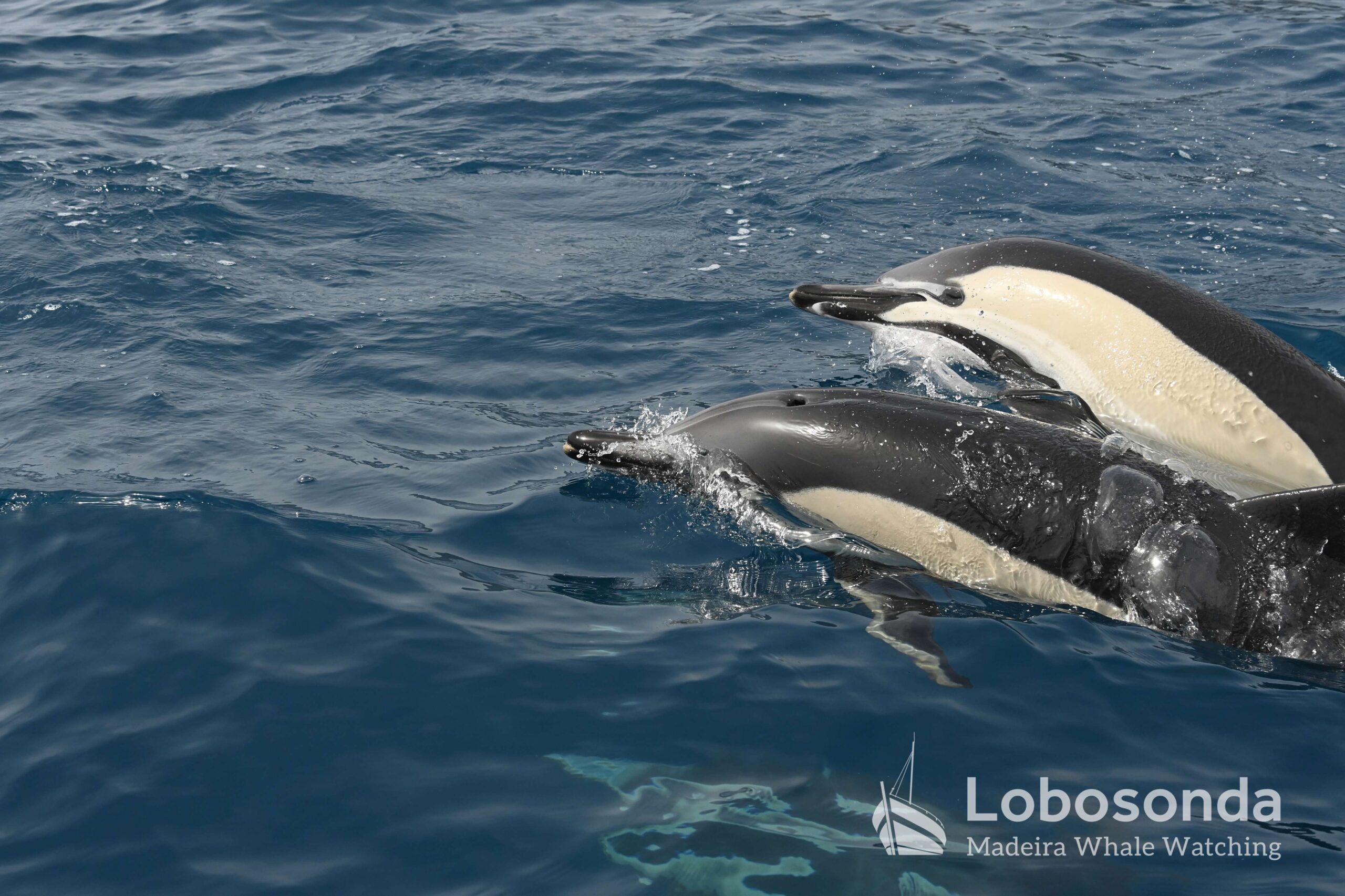
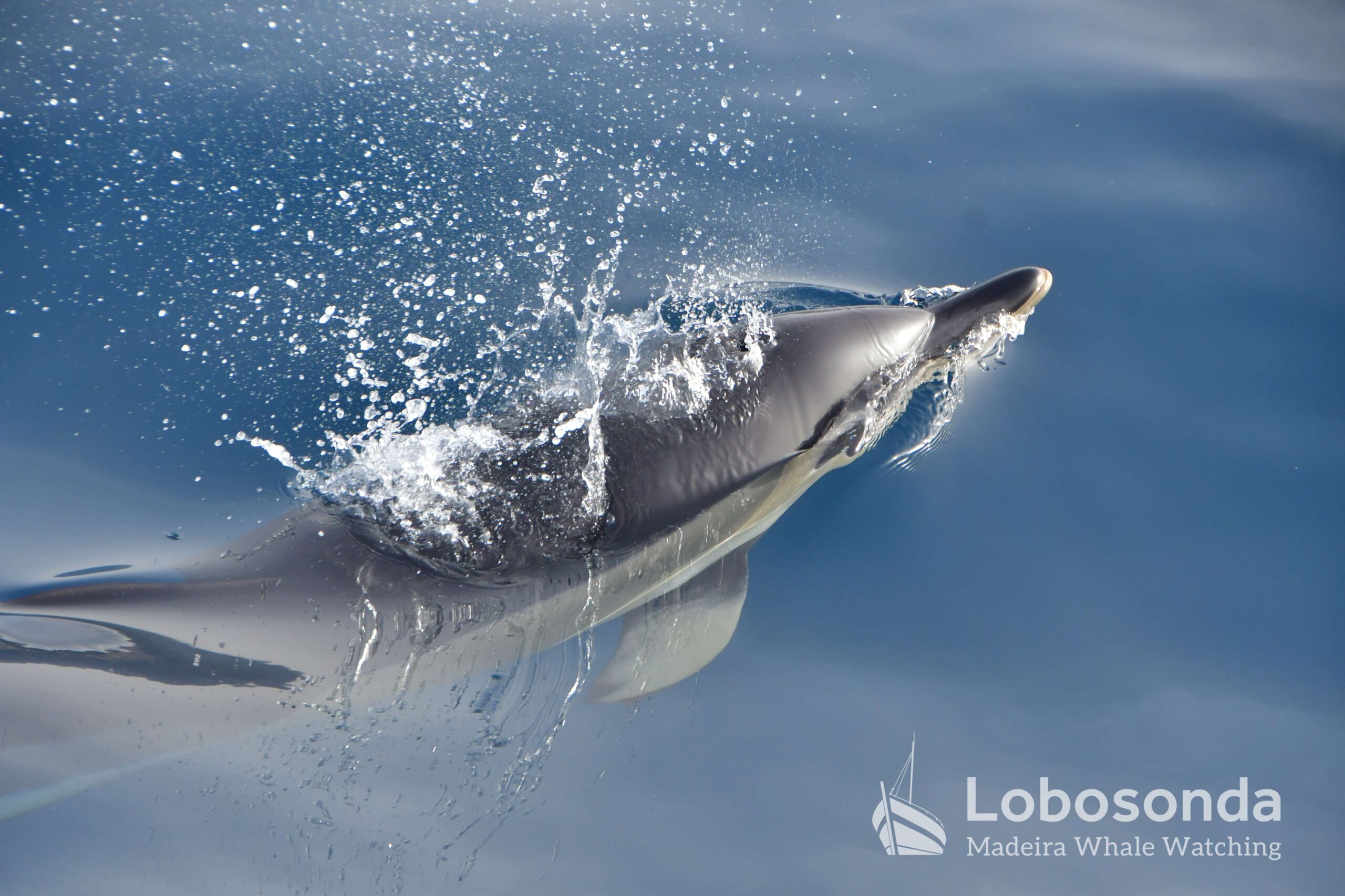
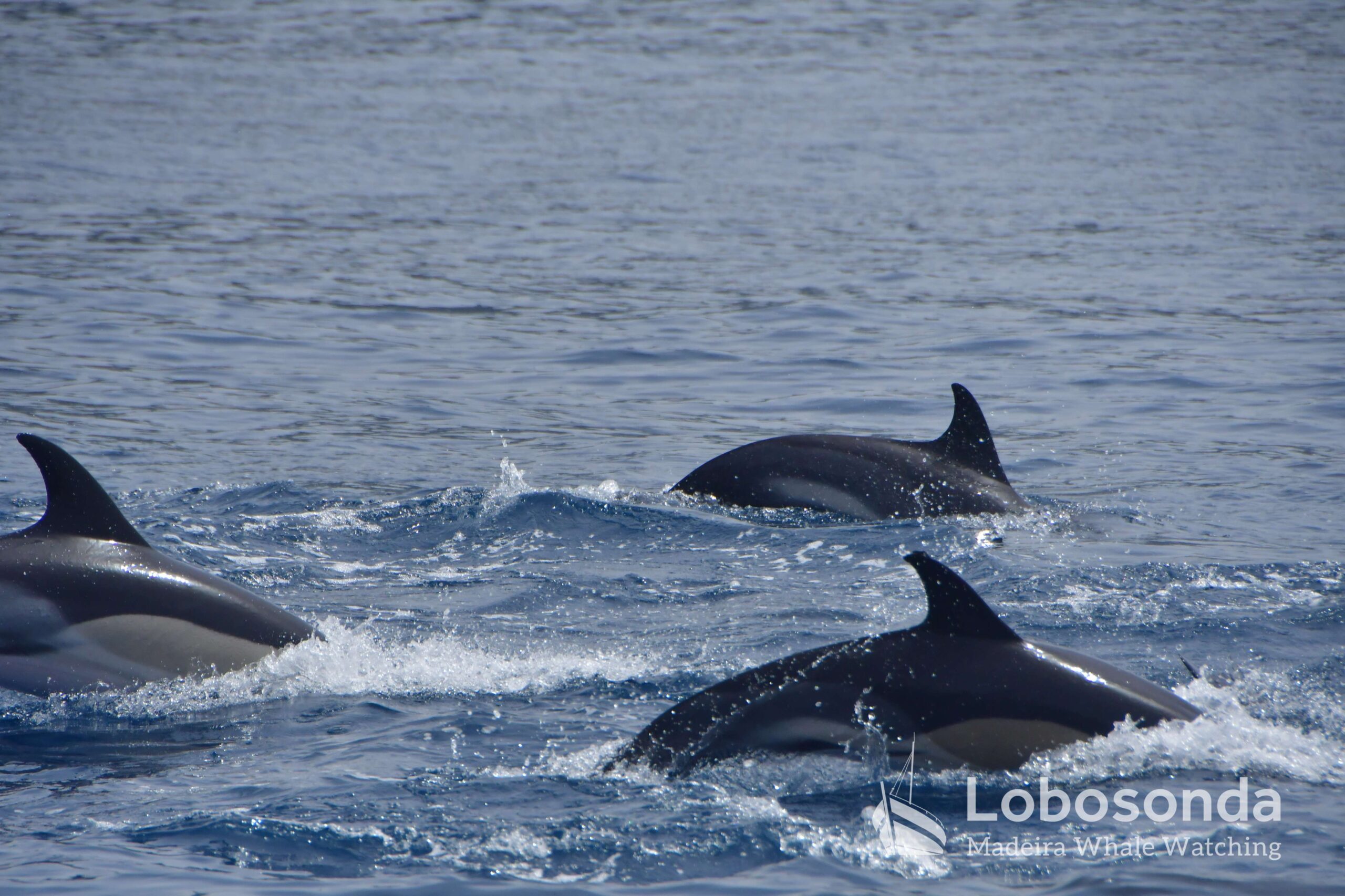
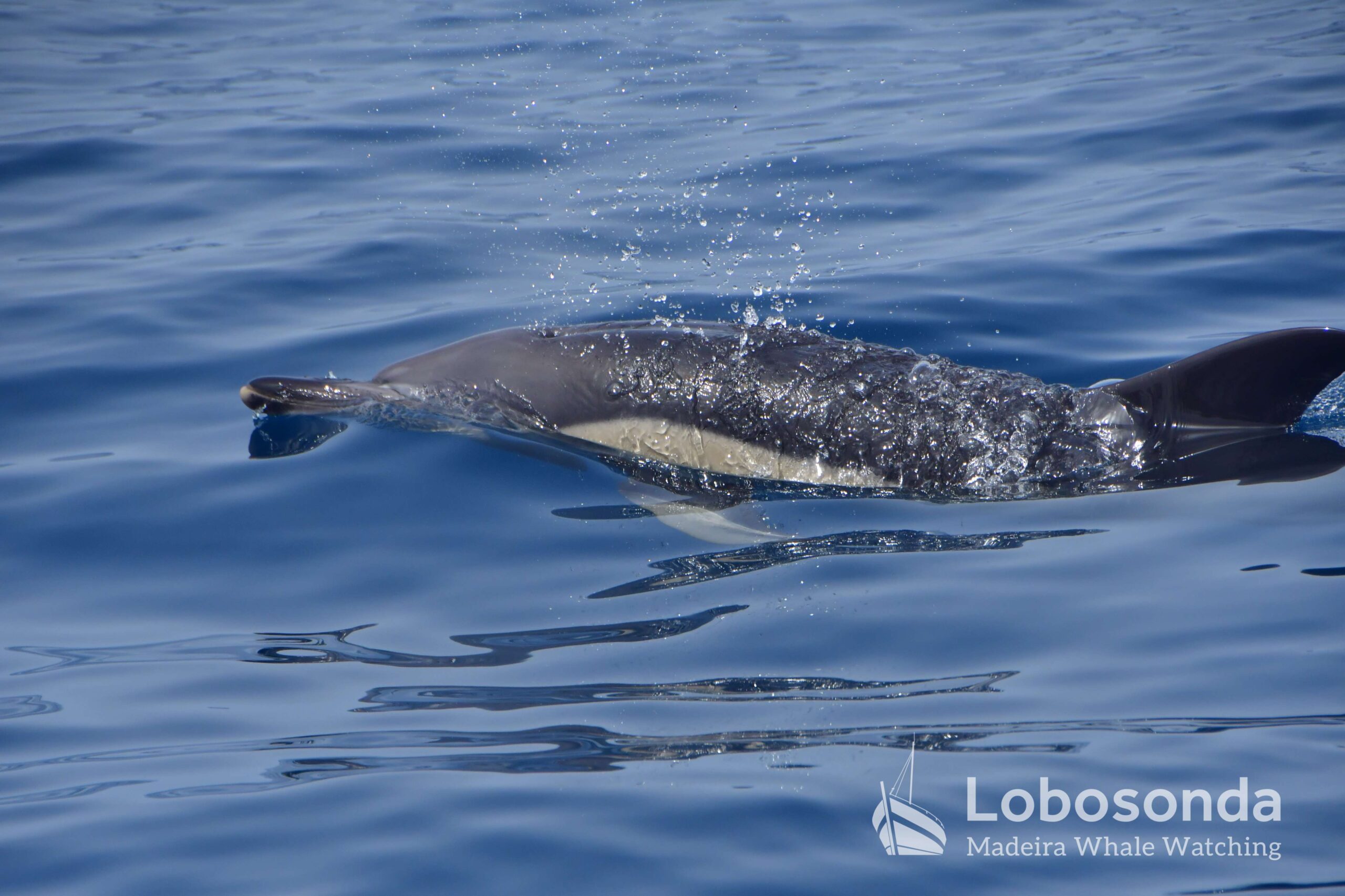
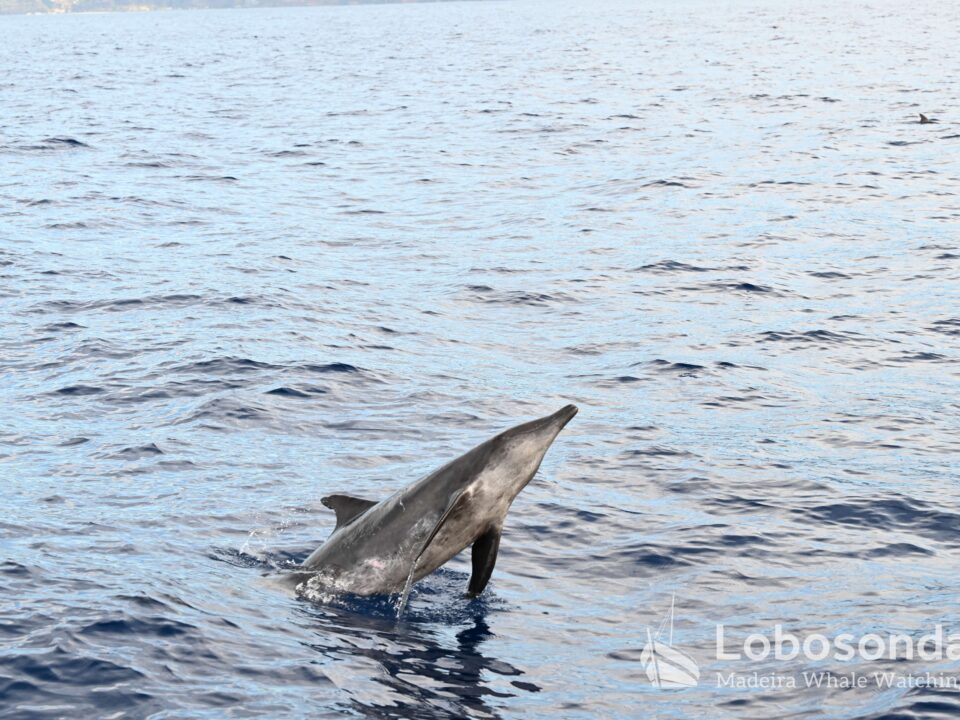
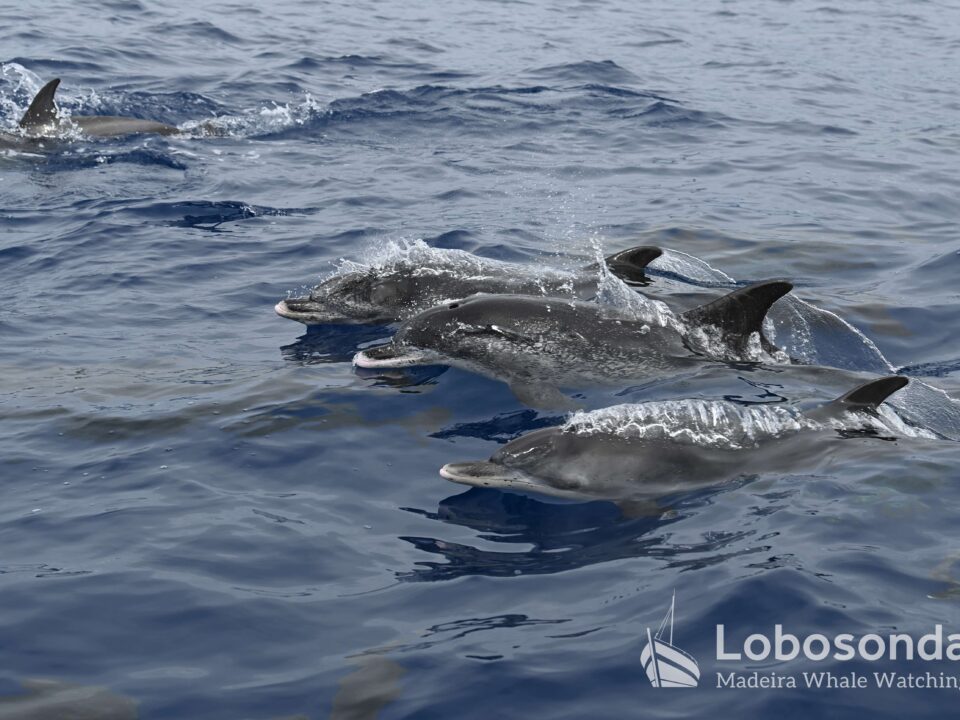
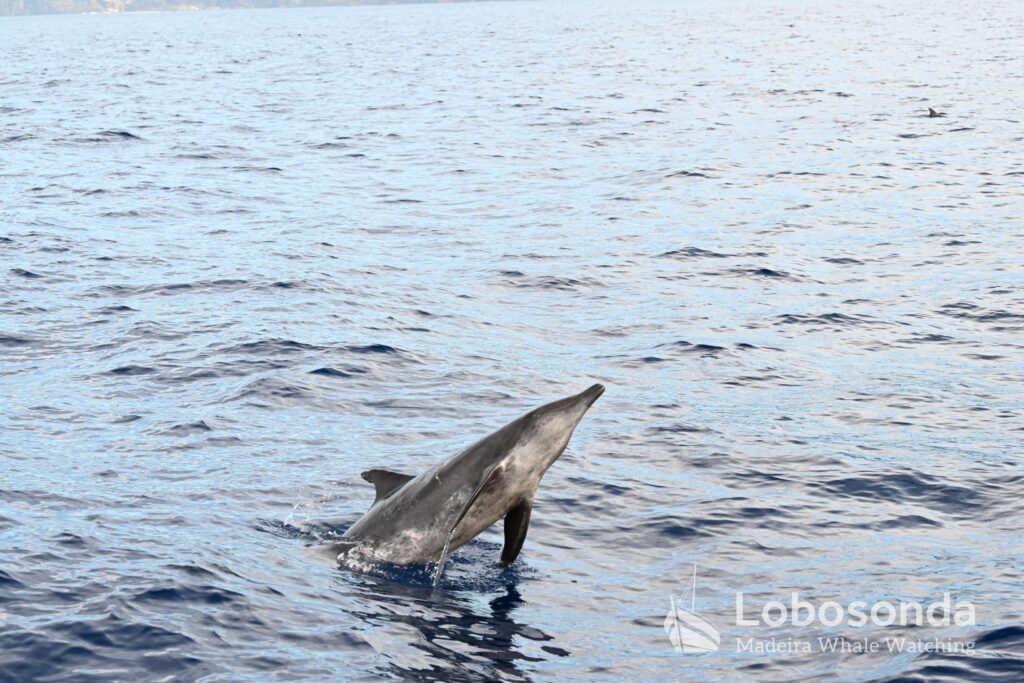
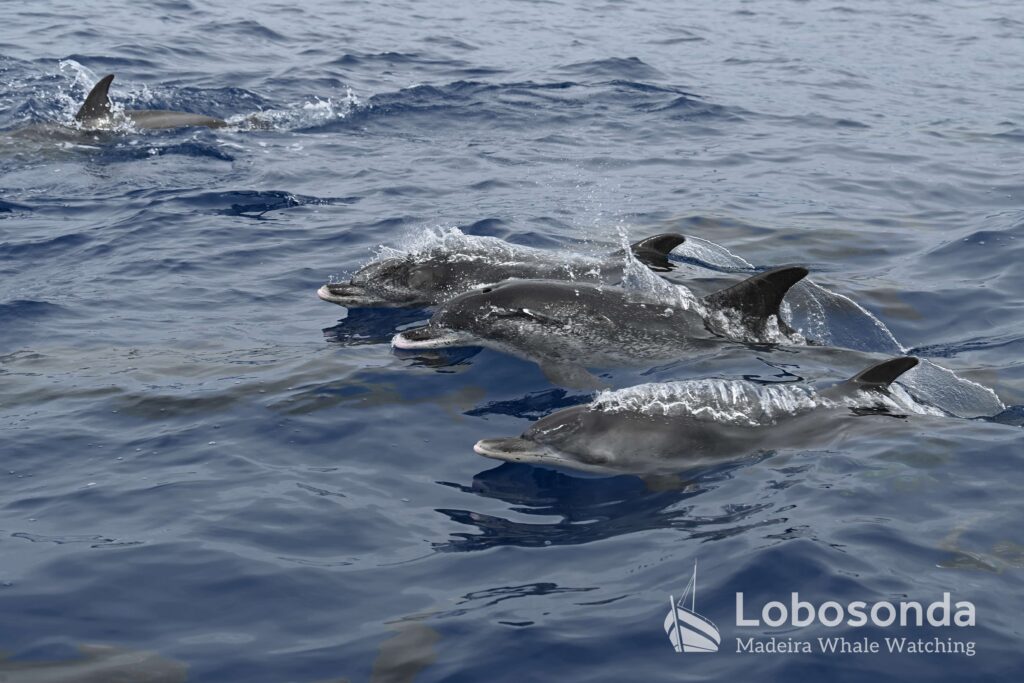
09:00 Fin whale, Short-beaked common dolphin
13:00 Fin whale, Short-beaked common dolphin
Stenella
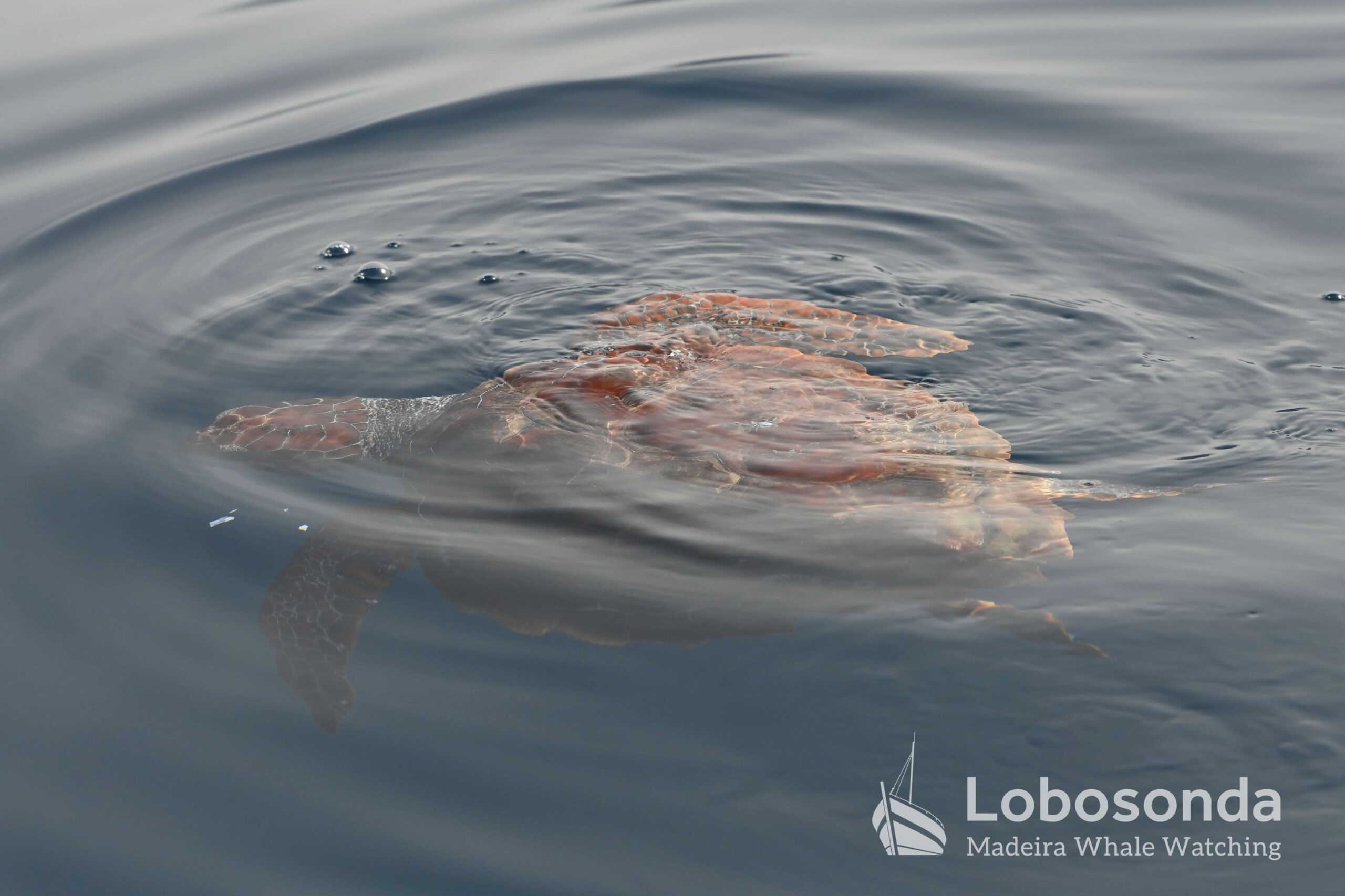
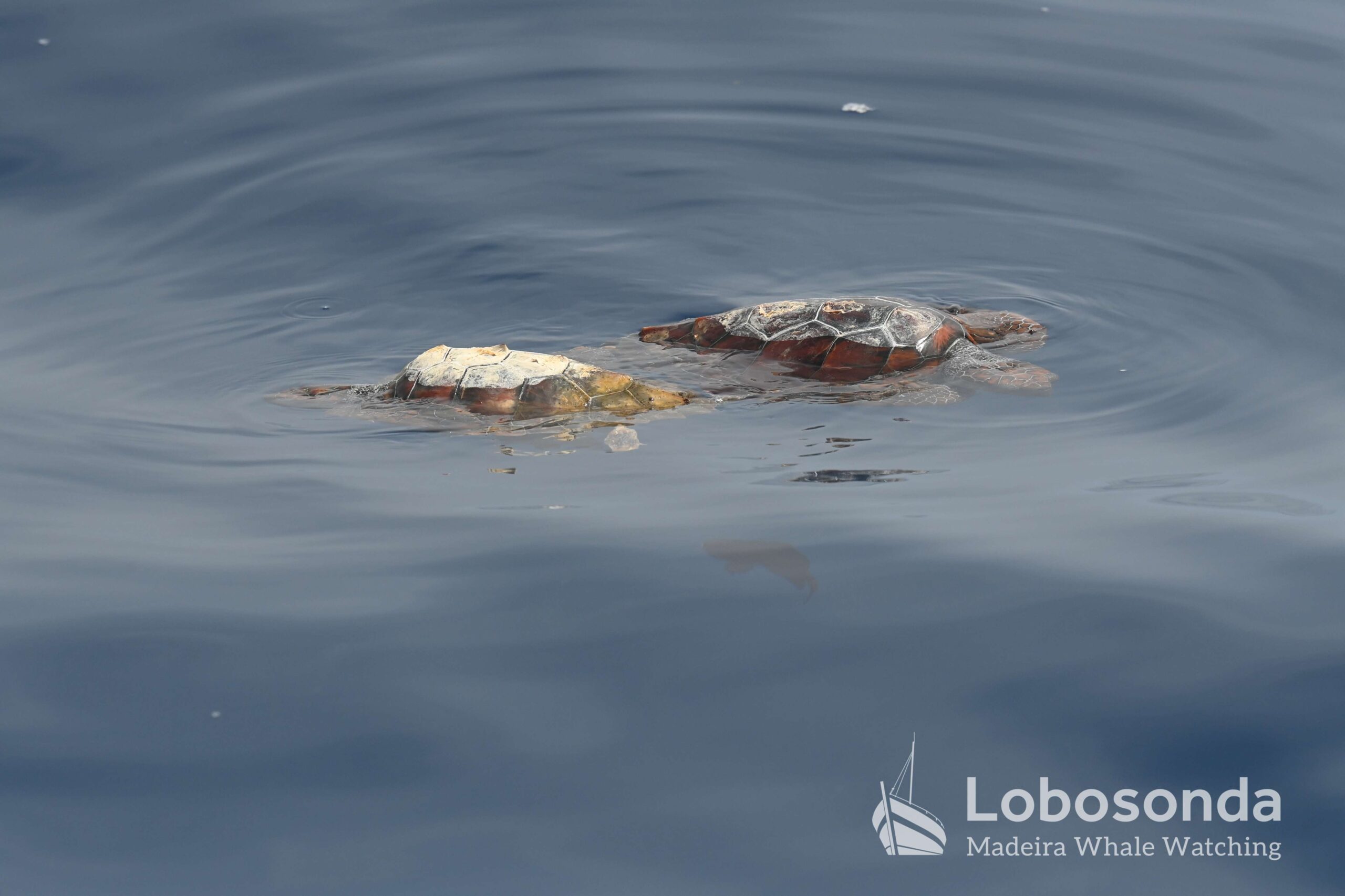
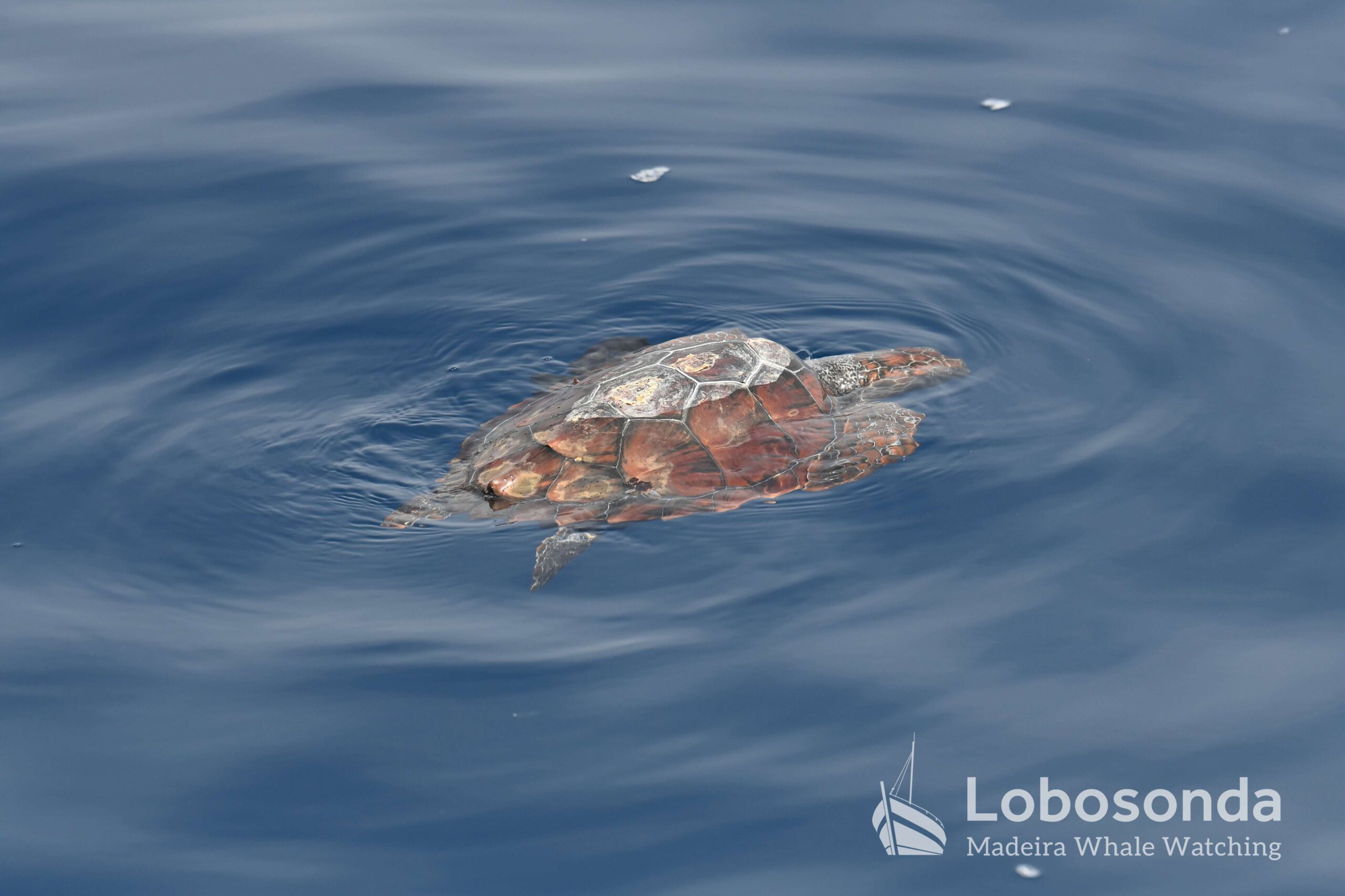
09:30 Fin whale, Short-beaked common dolphin, Loggerhead Turtle
13:30 Fin whale, Short-beaked common dolphin, Blainville’s Beaked Whale, Loggerhead Turtle
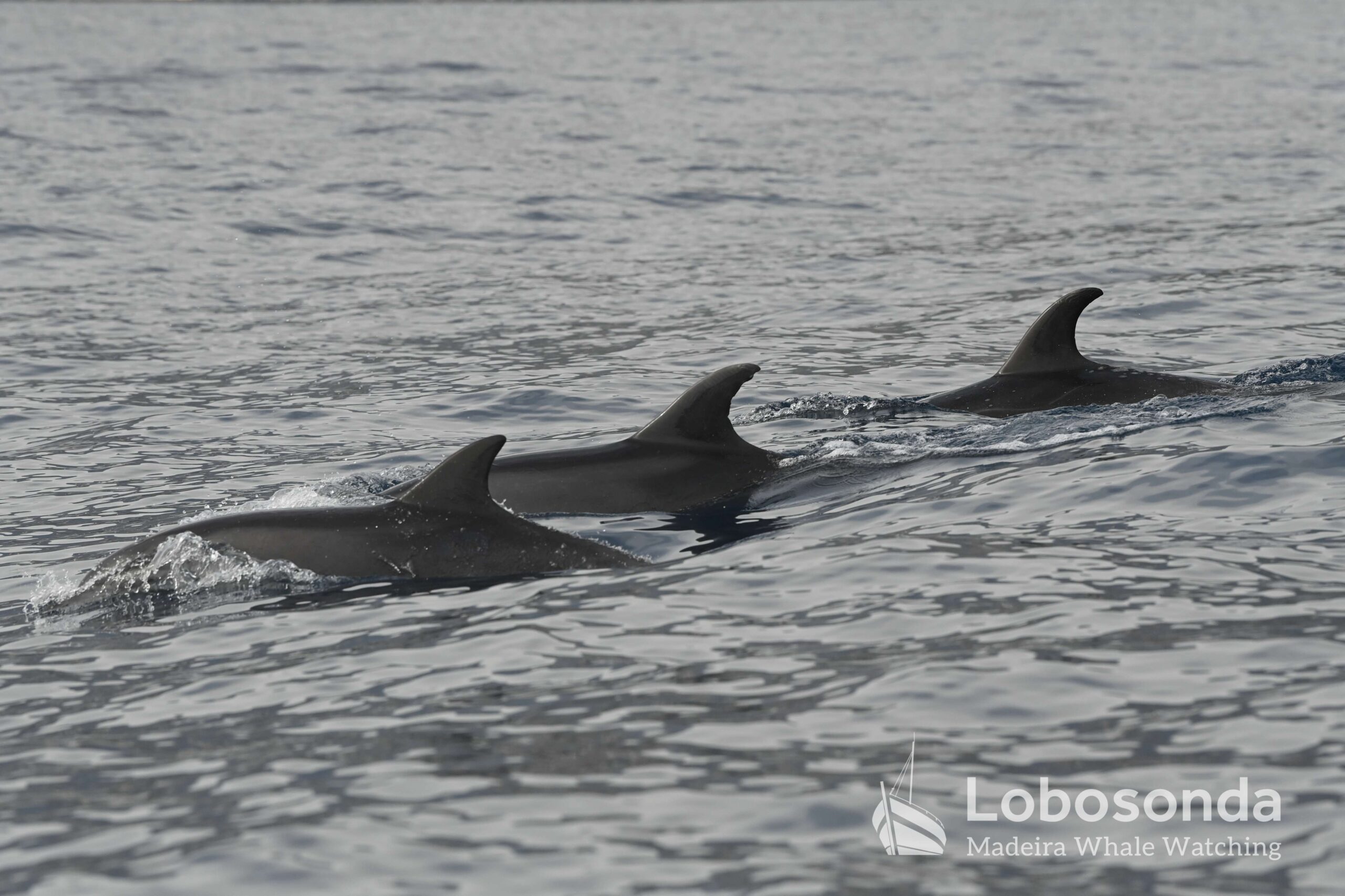
16:00 Fin whale, Short-beaked common dolphin, Bottlenose Dolphin