12.01.2026 – La armada invencible
January 19, 2026# Construir o Futuro
January 22, 2026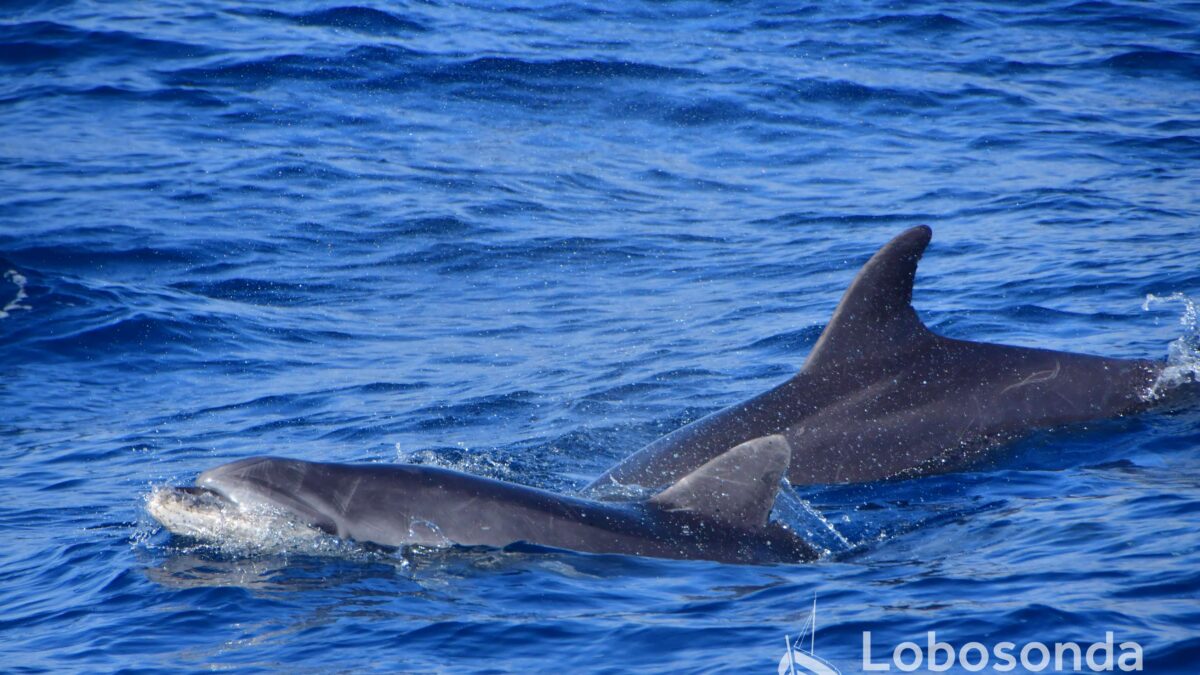
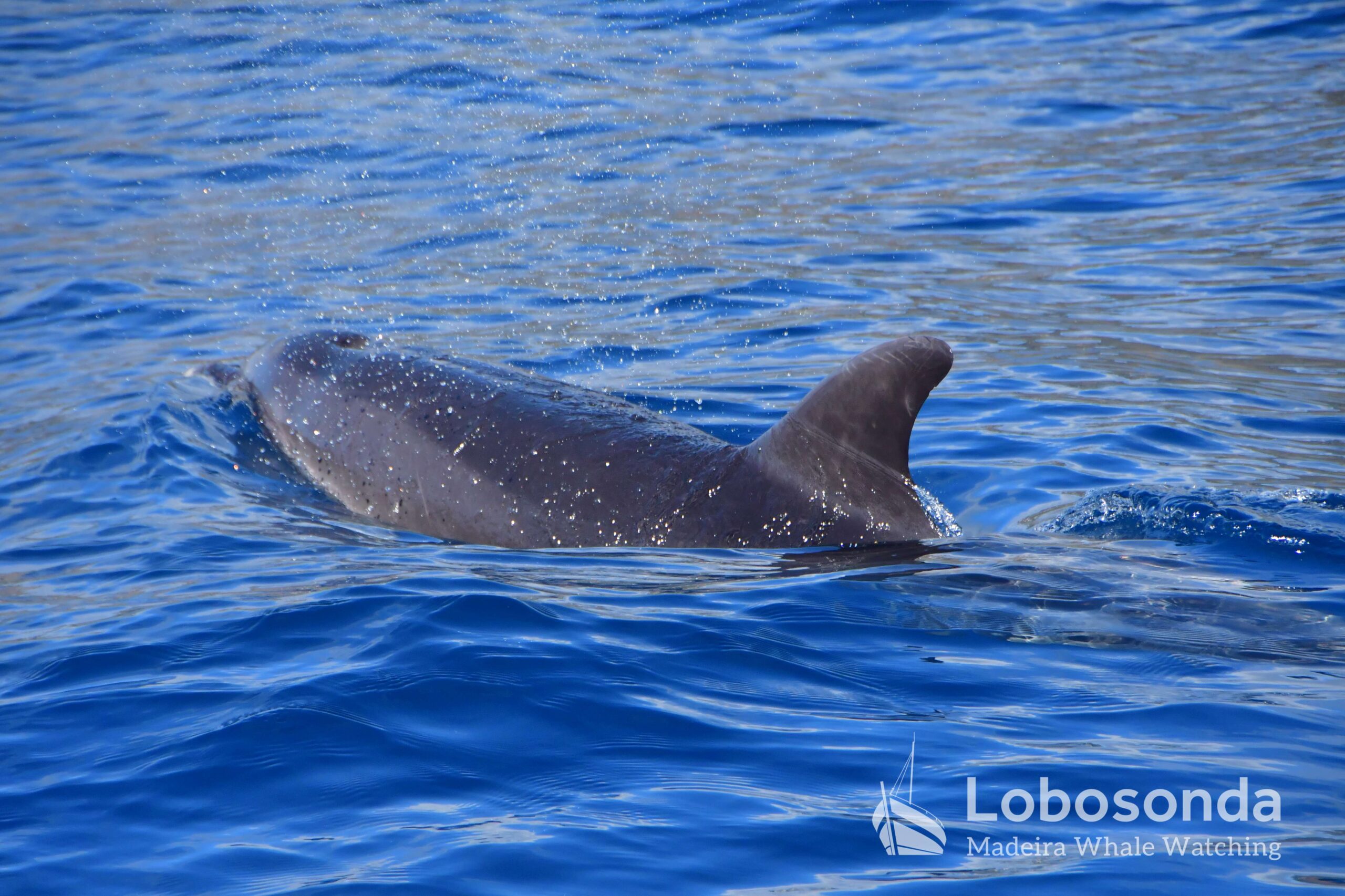
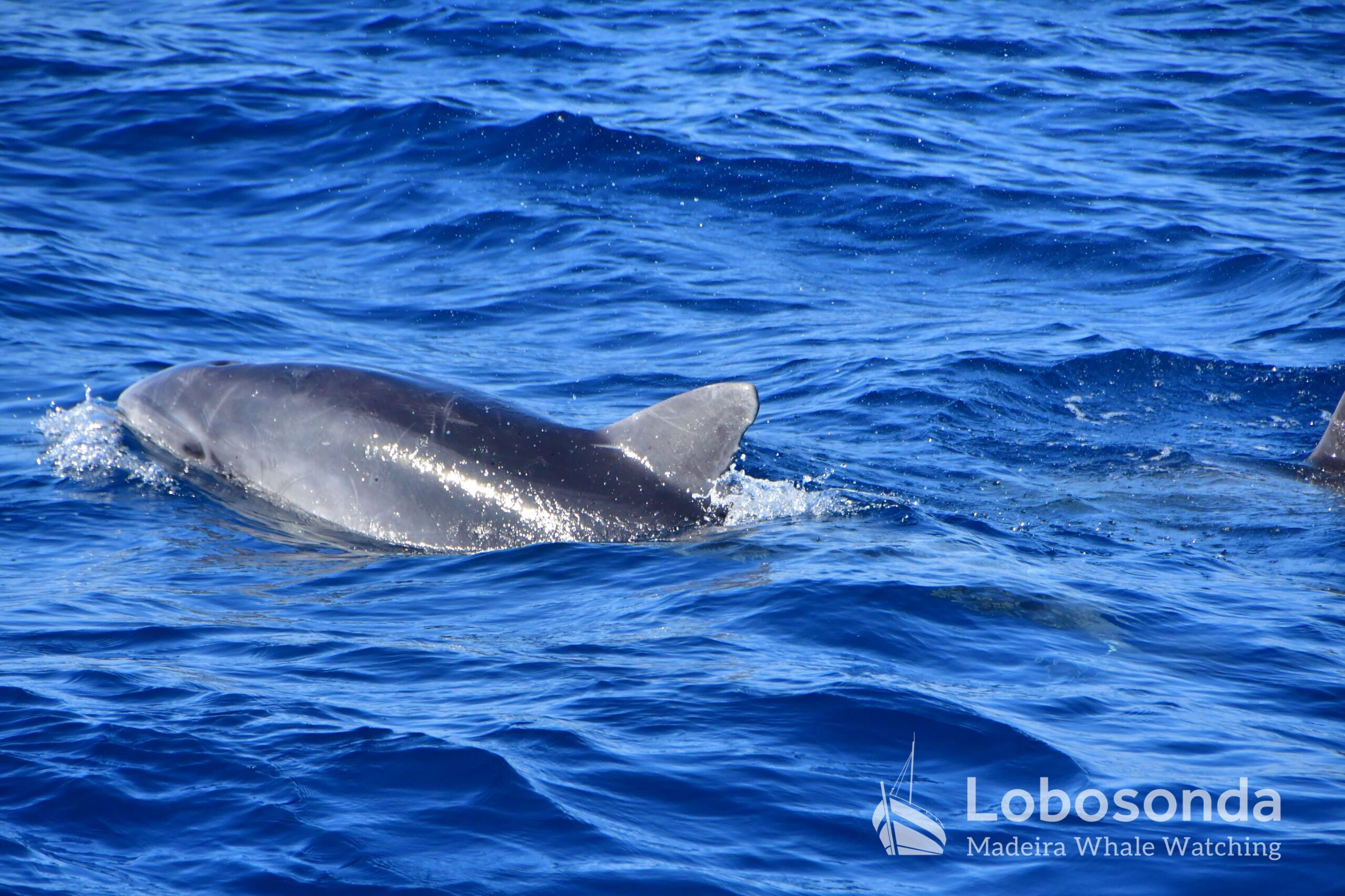
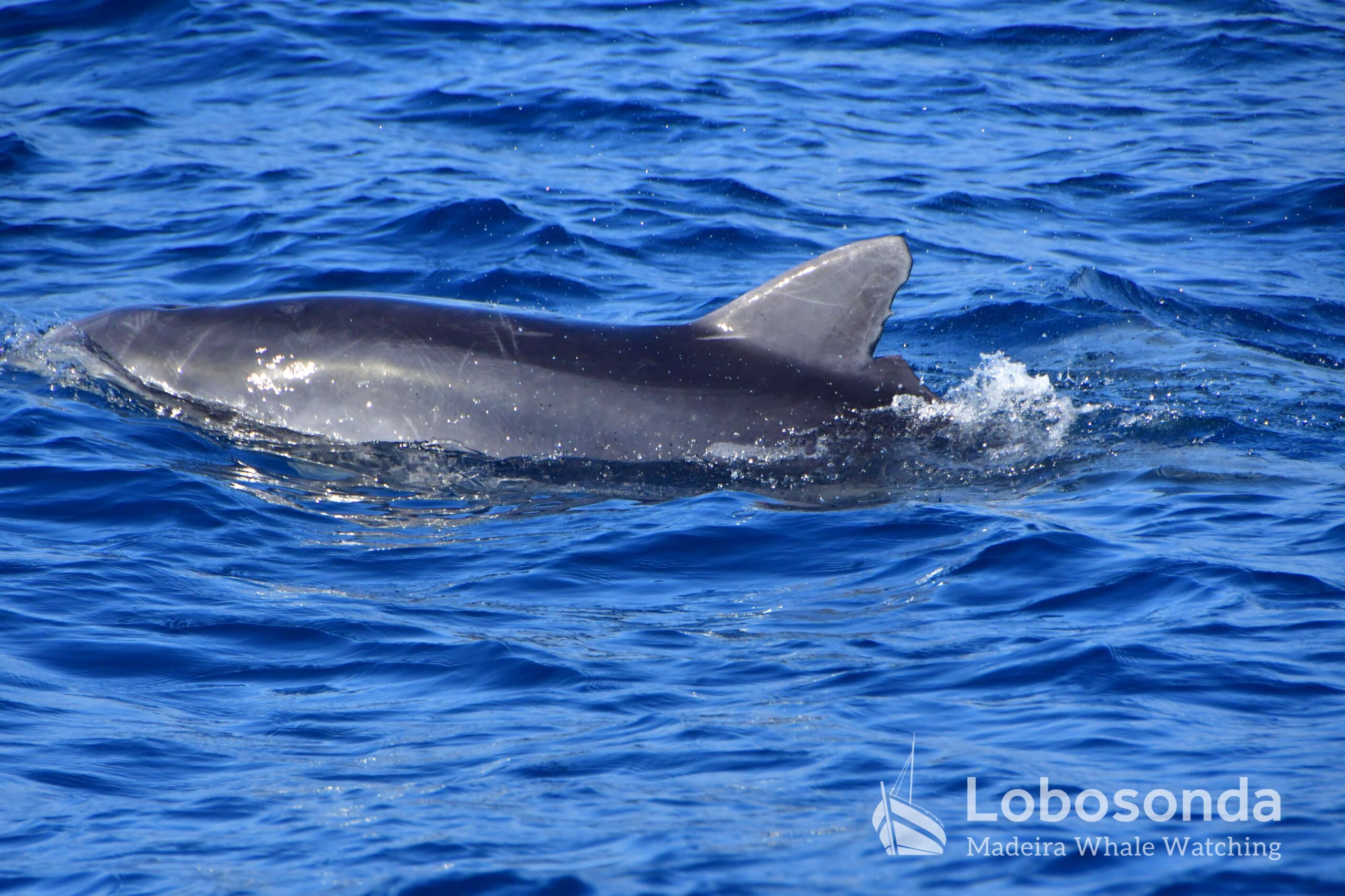
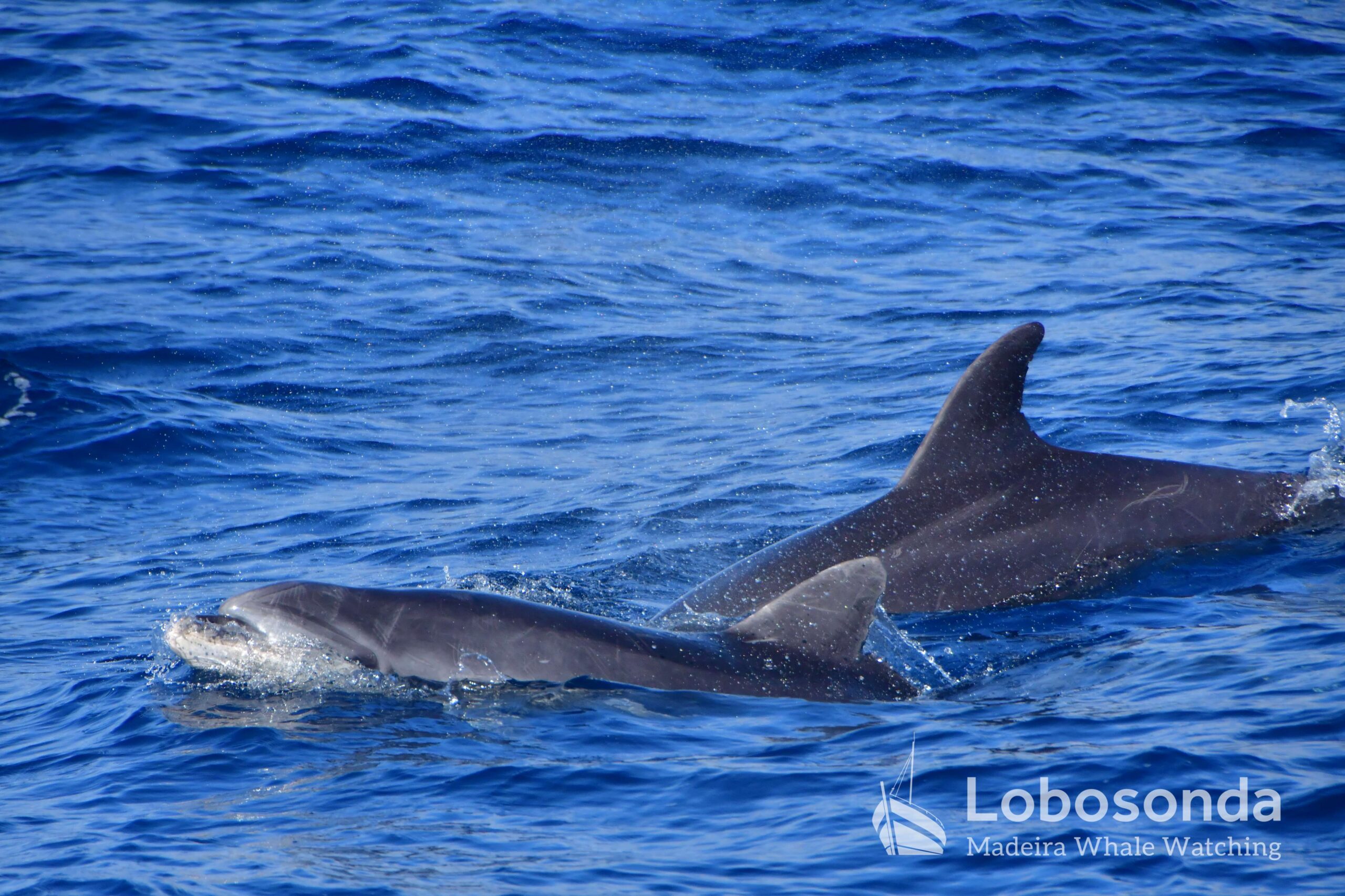
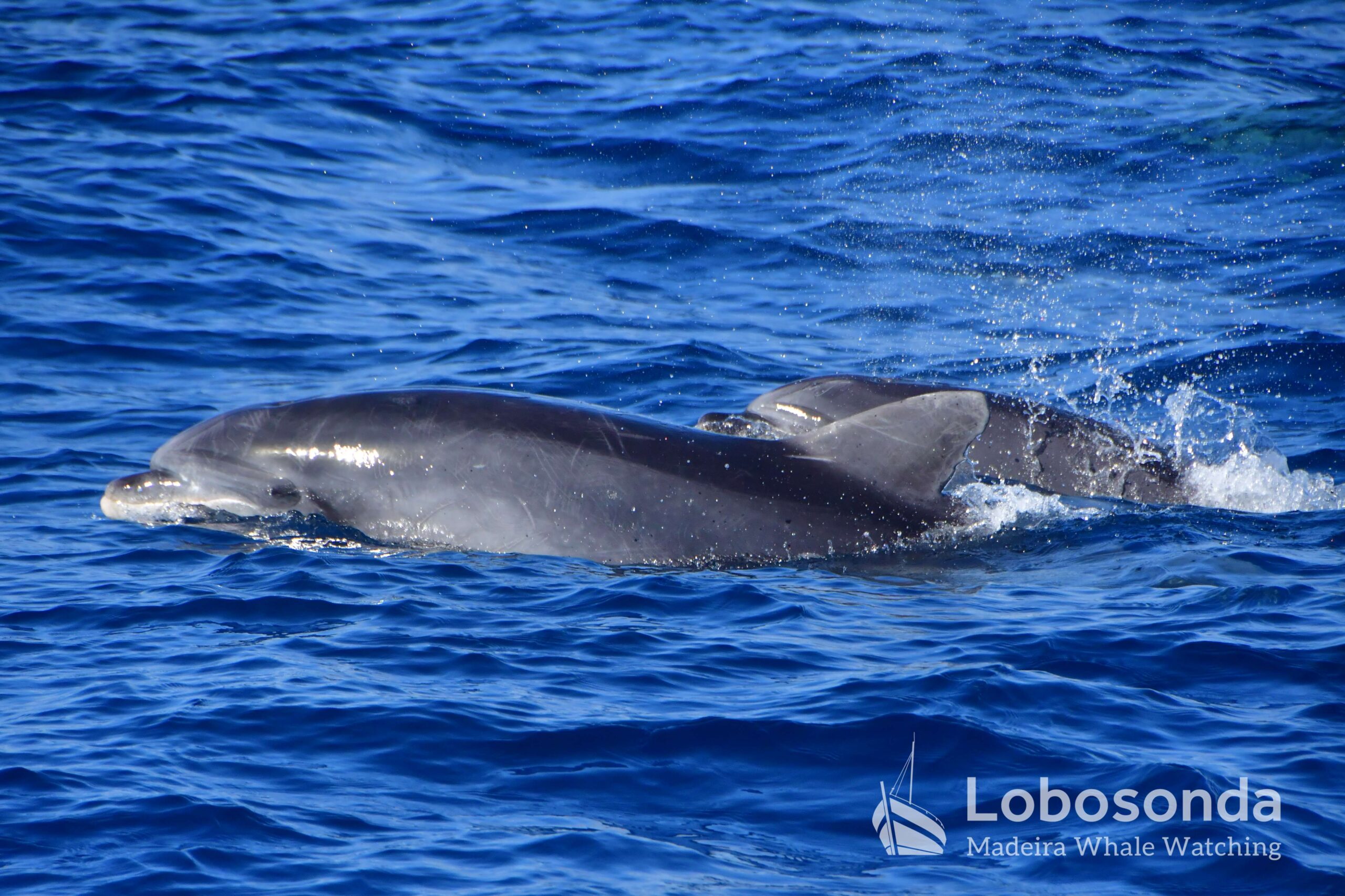
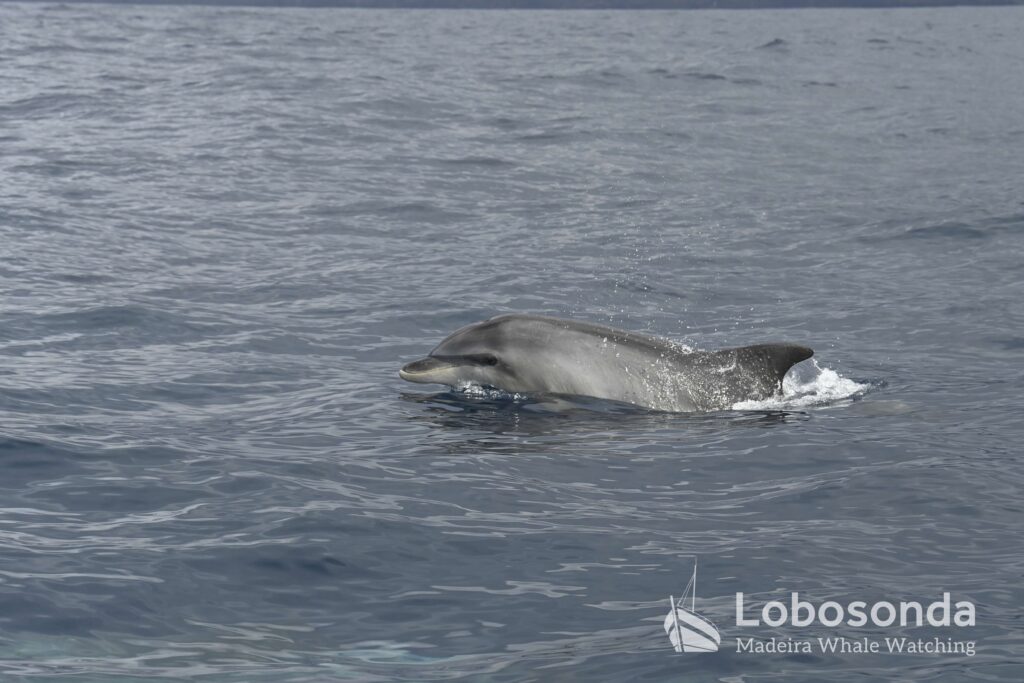
Life on the ocean isn’t easy, a constant rush for survival. For prey this means escaping from predators and for predators it means finding prey….which can be tricky on an increasingly overfished ocean. Often, intelligent predators like Bottlenose dolphins (Tursiops truncatus) resort to other means and become opportunists in our ever-changing oceans.
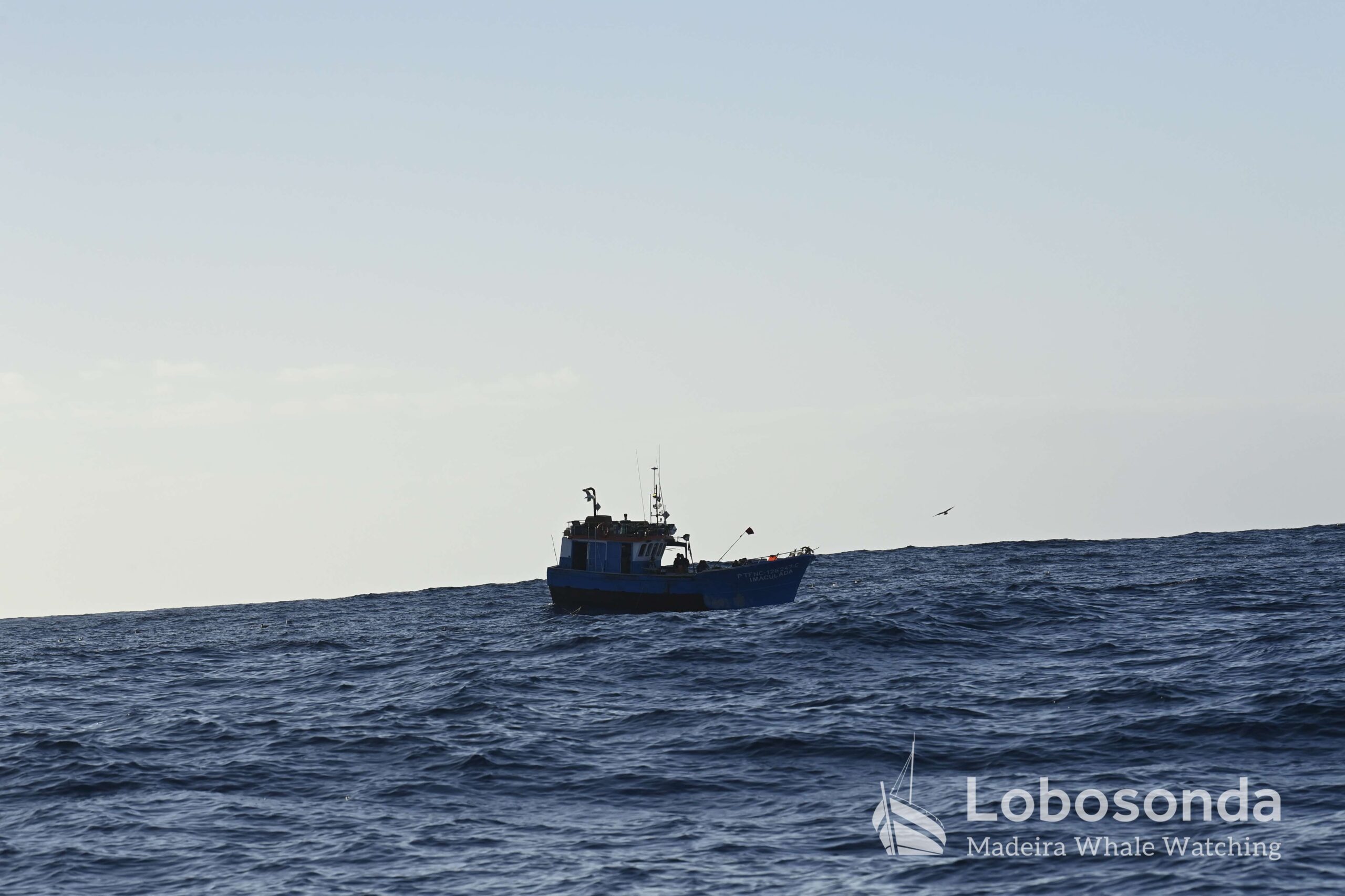
Our intelligent Bottlenose are the cetaceans we most often see interacting with fishing gear and these usually involve either the Espada fishing boats or the fish farm enclosures. The Black scabbard fish (Aphanopus carbo) is a bathypelagic fish that inhabits the deep waters around the region and has gained increased value as a commercial fish. The scabbards are caught with long lines attached to buoys that are left 18 hours at sea before being reeled in by the fishermen. The noise of the giant reel to collect the lines is like a dinner bell for the bottlenose who then approach the vessels to steal fish from the lines. This obviously can be dangerous for the dolphins and also have disastrous consequences for the fishermen, encouraging them to cast lines again into the deep to catch more espada along with the inevitable bycatch.
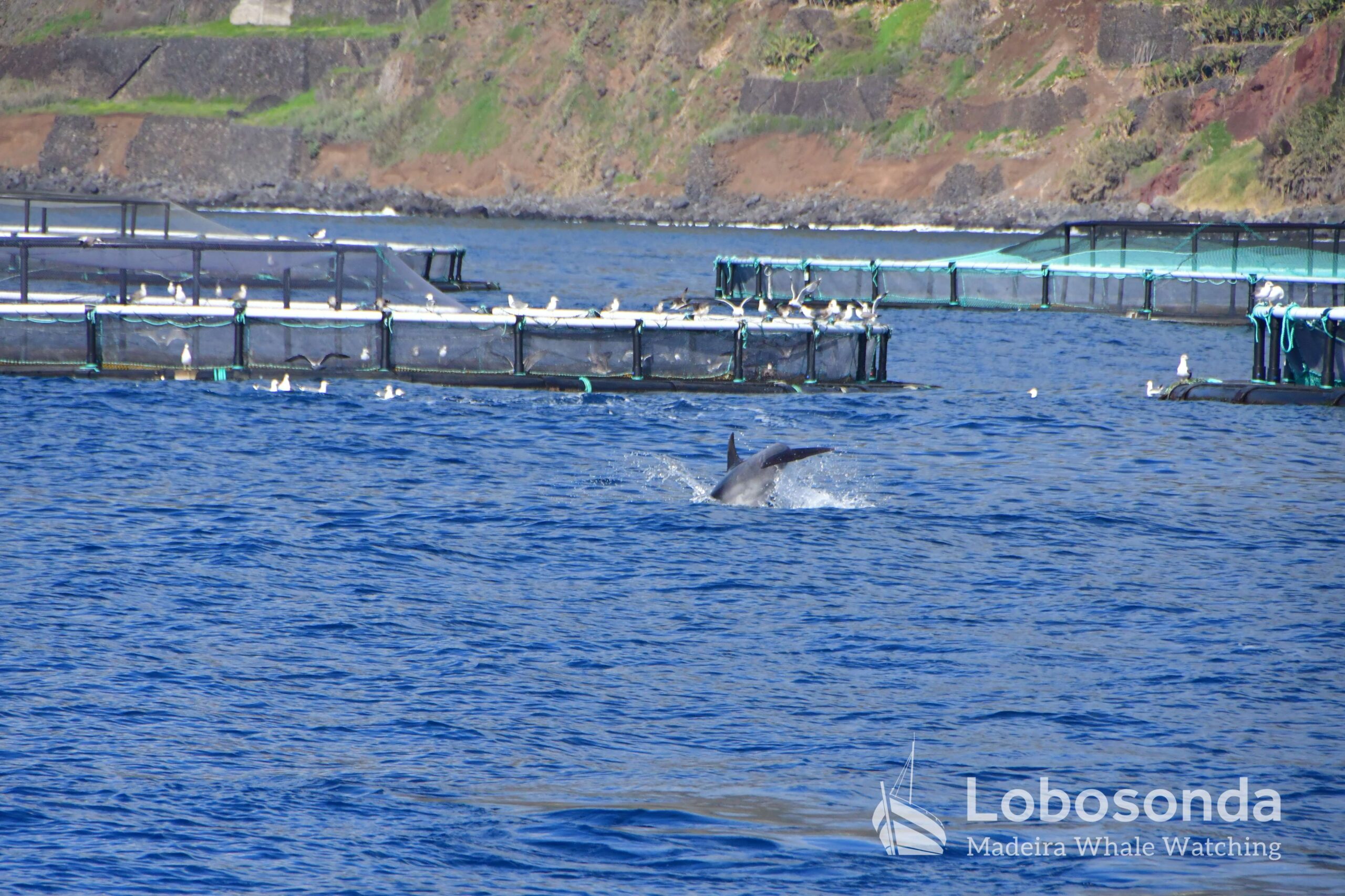
The fish farms are filled with Gilt headed breams (Sparus aurata) a popular cuisine fish that naturally occurs in the Mediterranean Sea and exists exclusively in fish farms in the North Atlantic. While we often see dolphins and other predators foraging around the nets, a recent storm has accentuated this activity by tearing up one of the nets releasing a swarm of breams into the Atlantic. Fishermen on the coastline and marine predators have been gorging on the fish this past week, including Bottlenose dolphins.
Witnessing this behaviour is just proof of how cetaceans are adapting to a changing ocean. Keeping this in mind, what more can we expect from our favourite marine mammals in future?
By Paula Thake
Sightings of the day
Ribeira Brava
13:00 Bottlenose dolphins
Stenella
09:30 Bottlenose dolphins