BWB – The highest mountain in Madeira
February 14, 2026
11.02.2026 – A cute snout and cool whales
February 17, 2026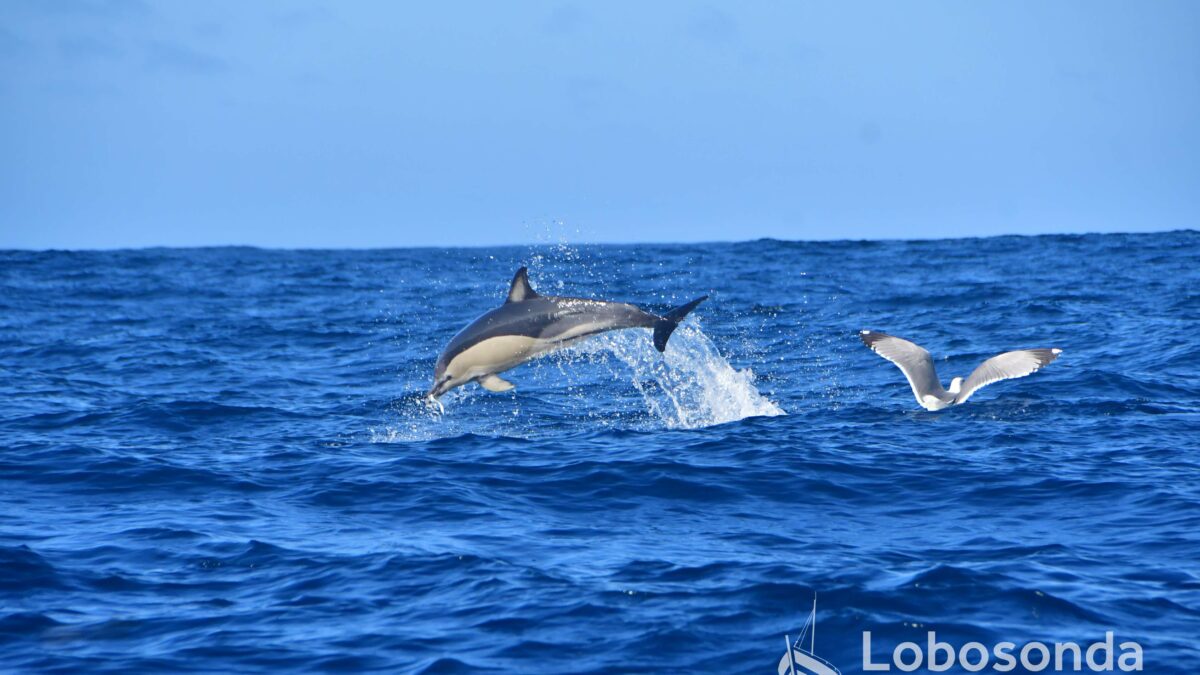
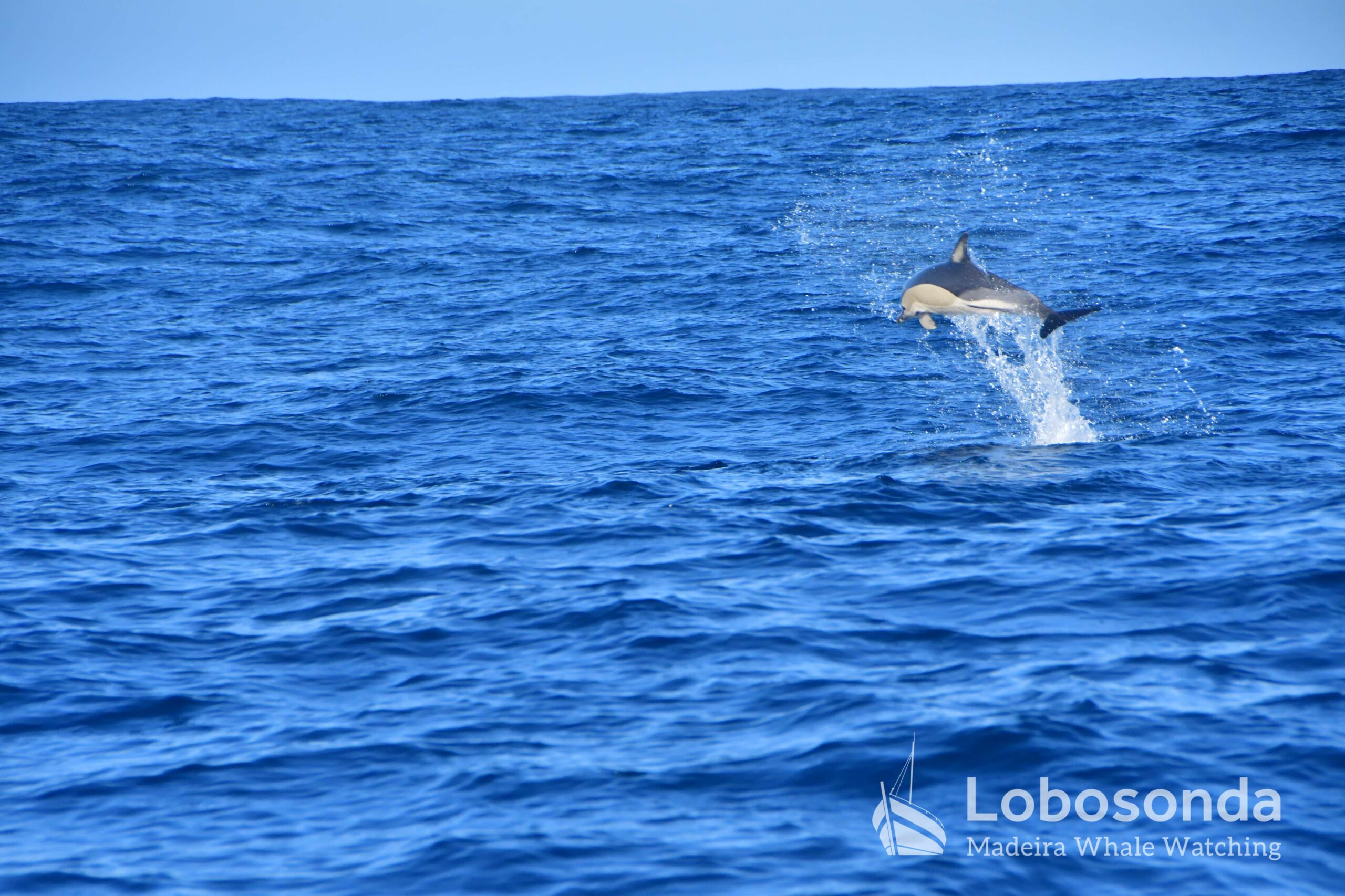
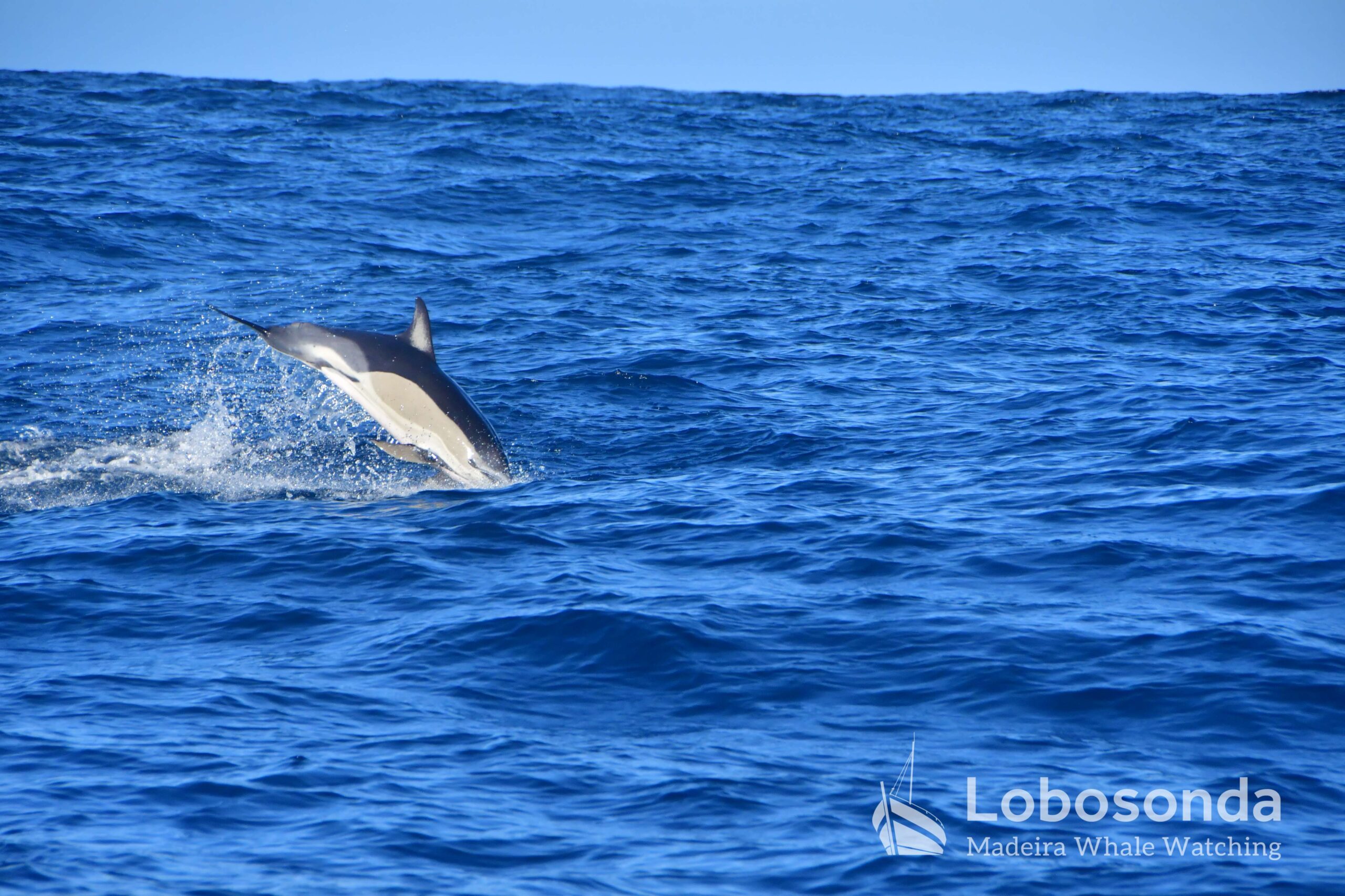
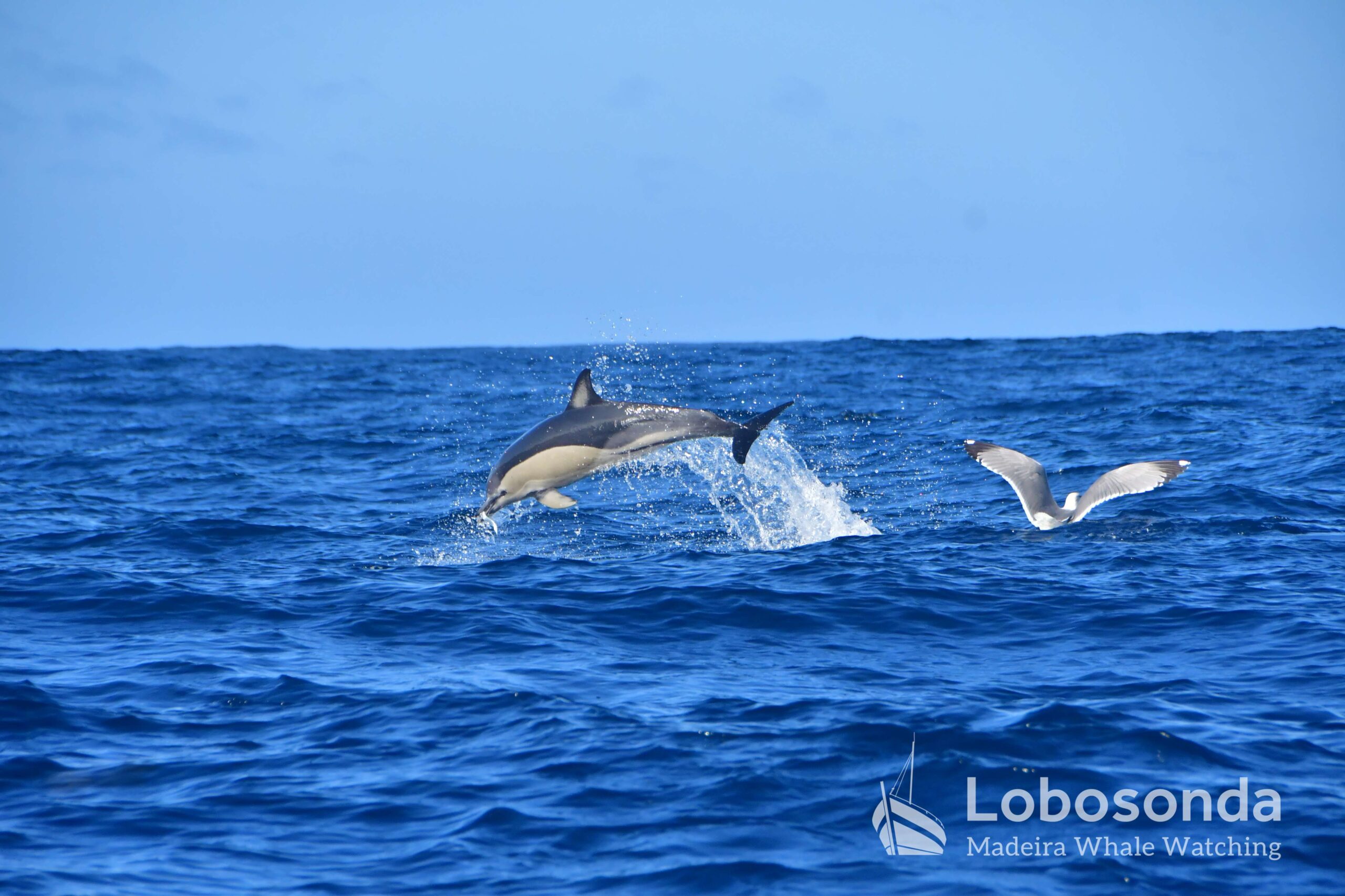
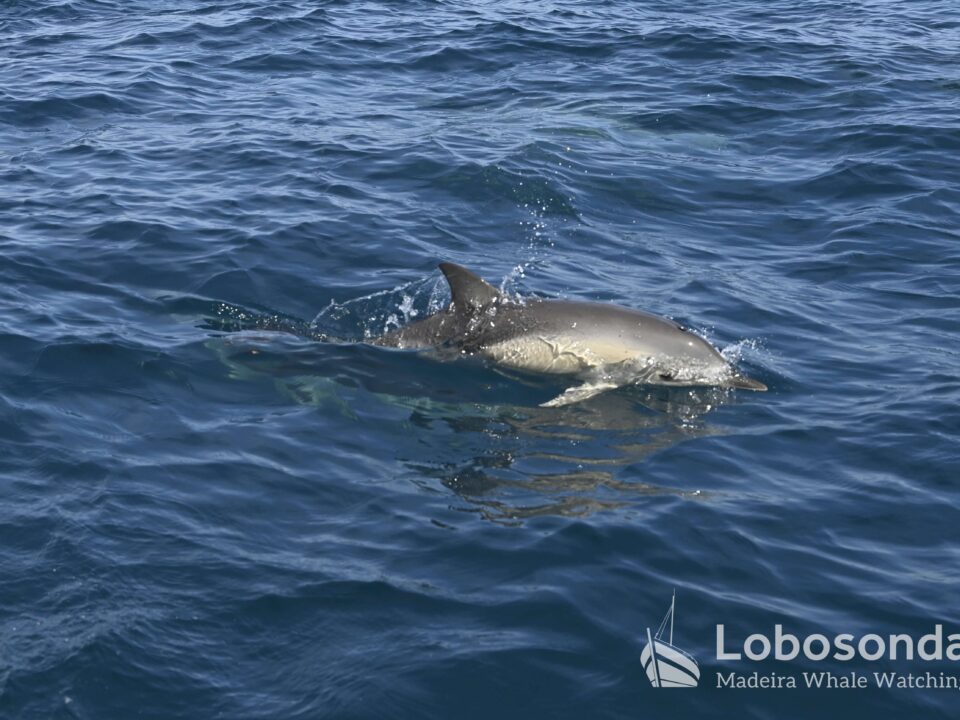
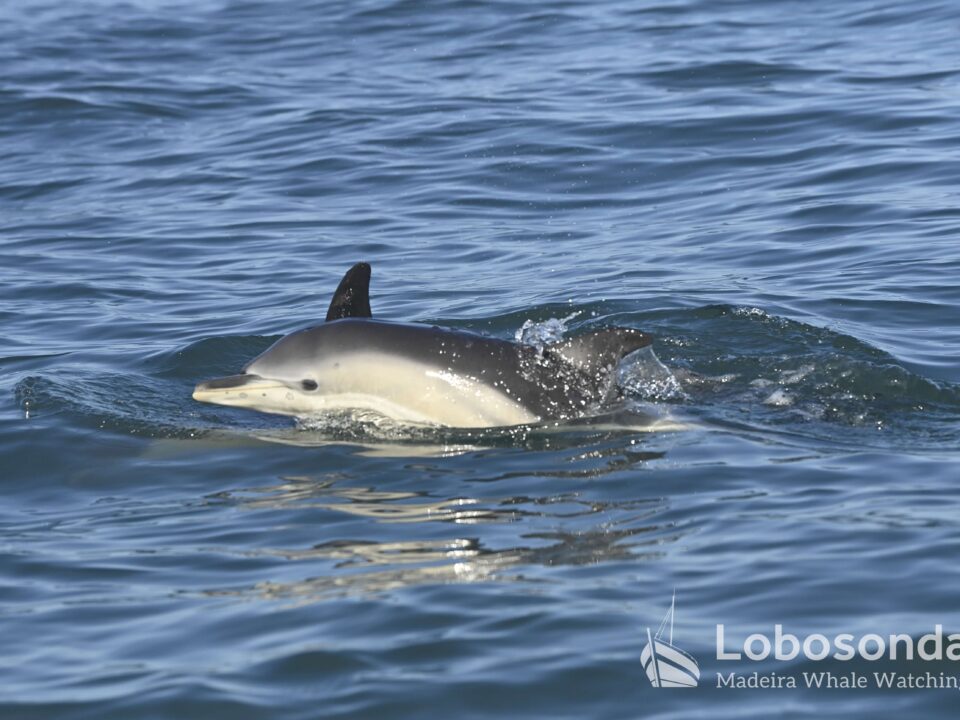
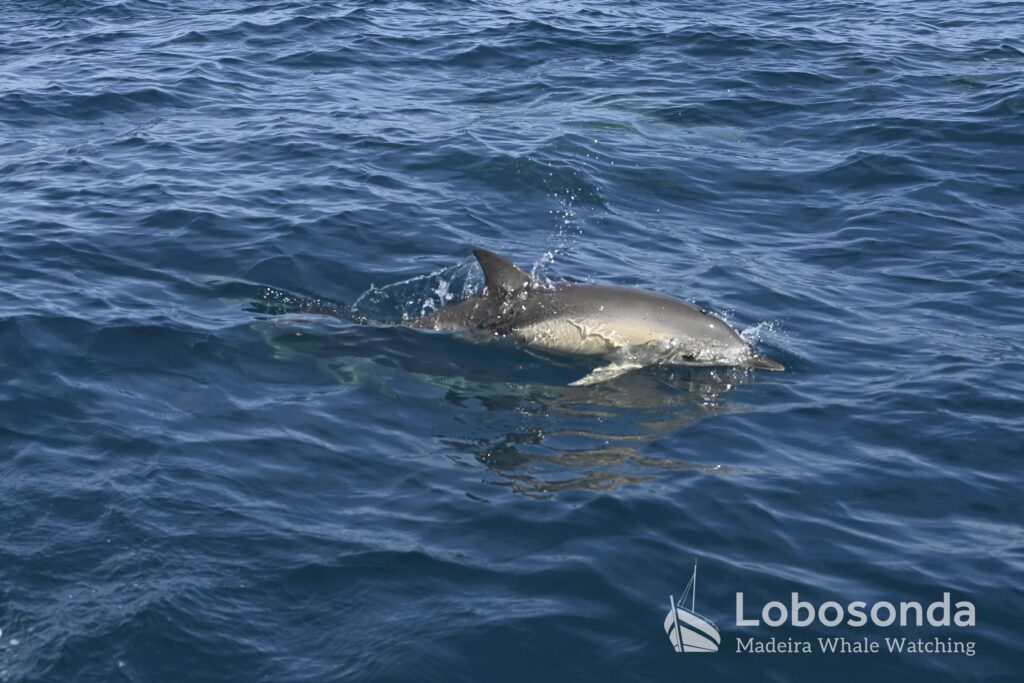
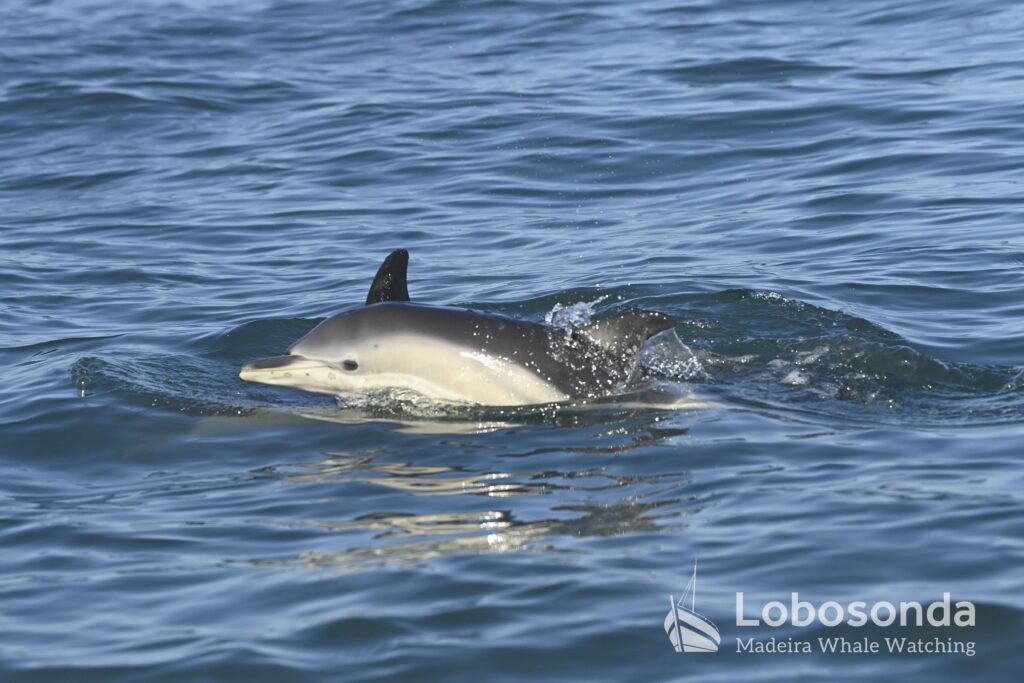
Today we left the harbor heading west, setting course into the still strong swell. Our journey took us offshore into waters more than 3,000 meters deep. Twice we encountered a small group of Short-beaked common dolphins (Delphinus delphis). While one individual was still actively hunting, the rest of the group moved calmly and relaxed through the sea.
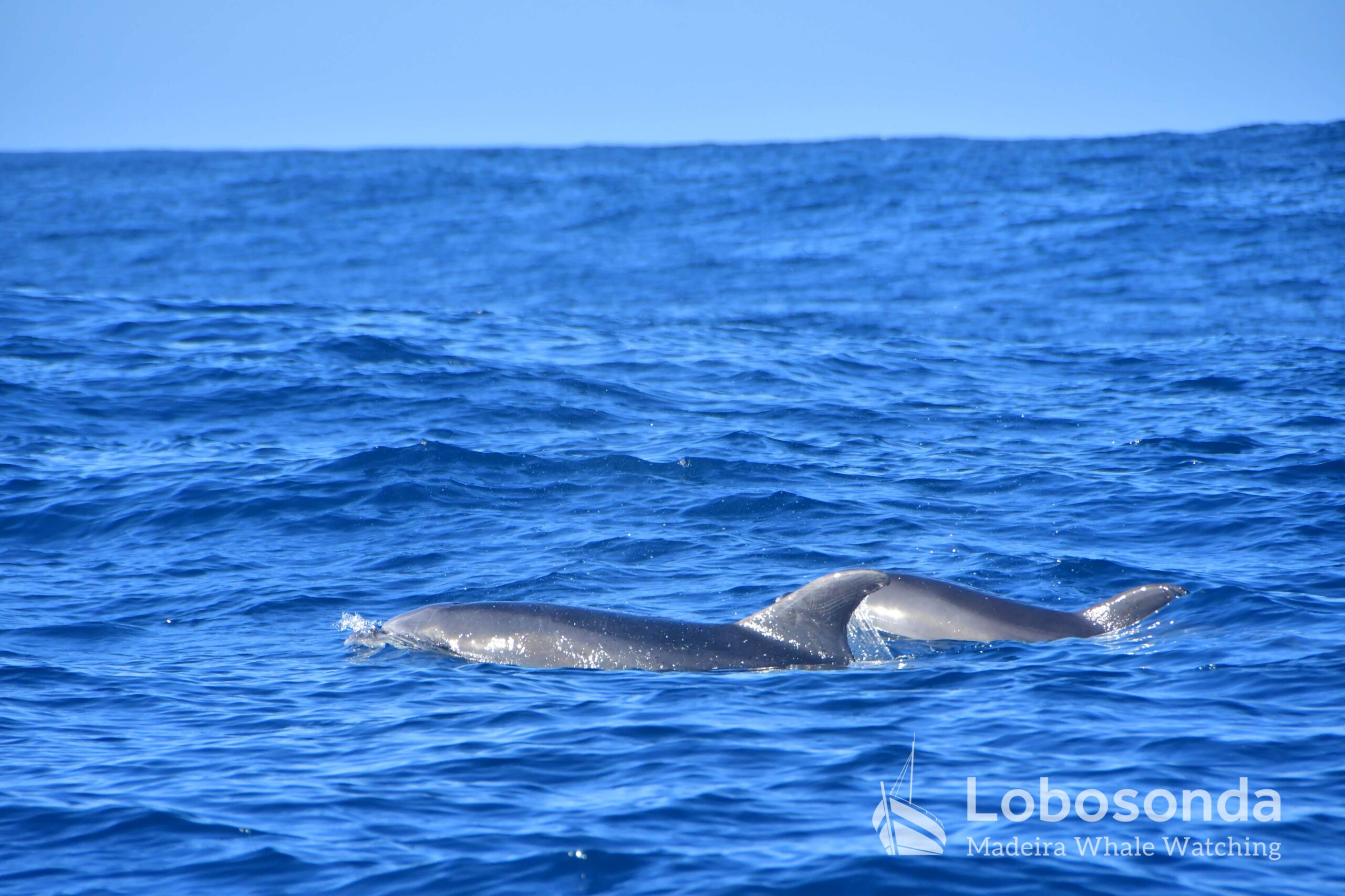
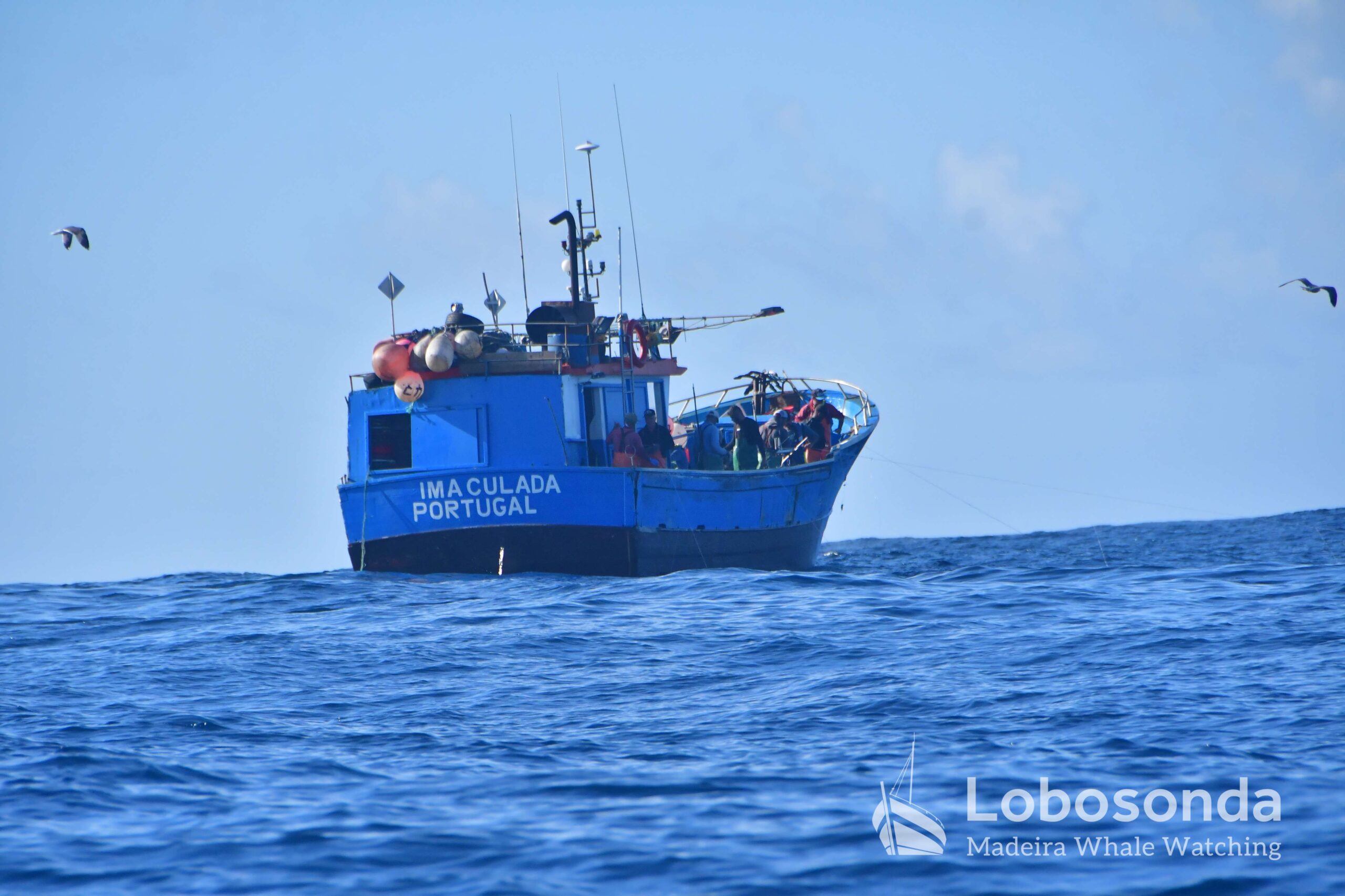
Farther offshore, Bottlenose dolphins (Tursiops truncatus) were observed near a fishing boat, which was going about its work and, indirectly, ensuring fresh scabbardfish on the plates of our guests.
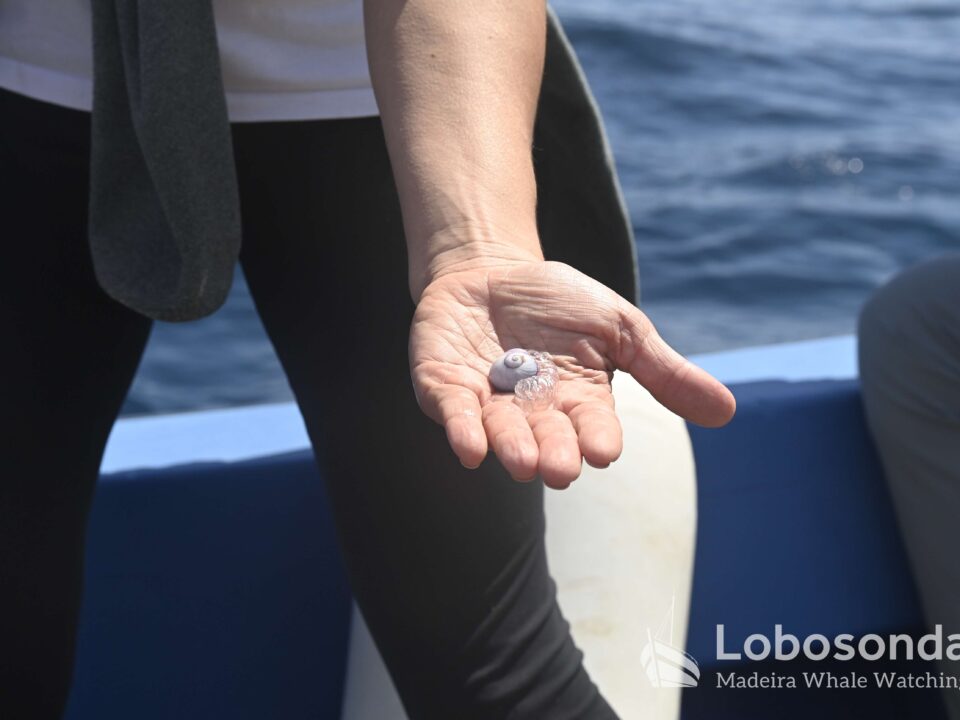
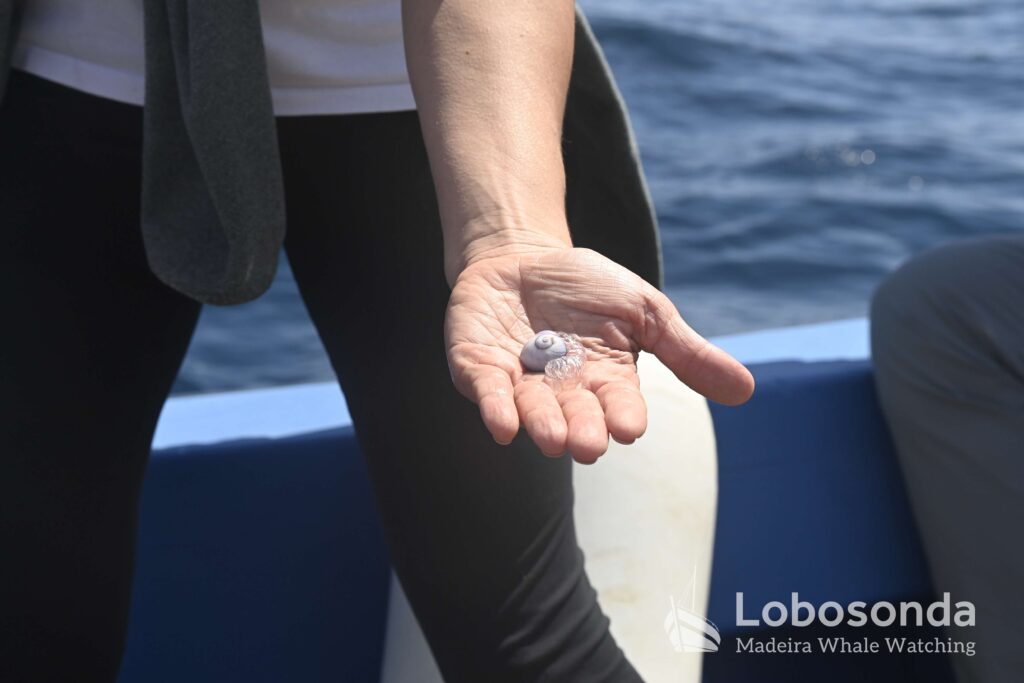
Then came a special observation: the first sighting of the year of a Portuguese man o’ war (Physalia physalis). It sailed confidently across the high swell — a clear sign that they are returning.
The Portuguese man o’ war is not a single organism but a colony of highly specialized polyps that function together as a single unit. It belongs to the class Hydrozoa within the phylum Cnidaria. Its most distinctive feature is the gas-filled float, known as the pneumatophore, which allows it to drift passively on the ocean surface.
Below this float hang long tentacles that can reach several meters in length, sometimes extending beyond 15 meters. These tentacles are equipped with numerous stinging cells (nematocysts) that deliver a potent venom used to paralyze prey such as small fish and plankton. The clear division of labor within the colony — including feeding, digestion, defense, and reproduction — makes the Portuguese man o’ war a striking example of cooperative life in the open ocean.
By Fatima Kutzschbach
Sightings of the day
Stenella
09:30 Common dolphins, Bottlenose dolphin, Portuguese man o’ war