30.09.2026 – Preserving our favorites
October 8, 2026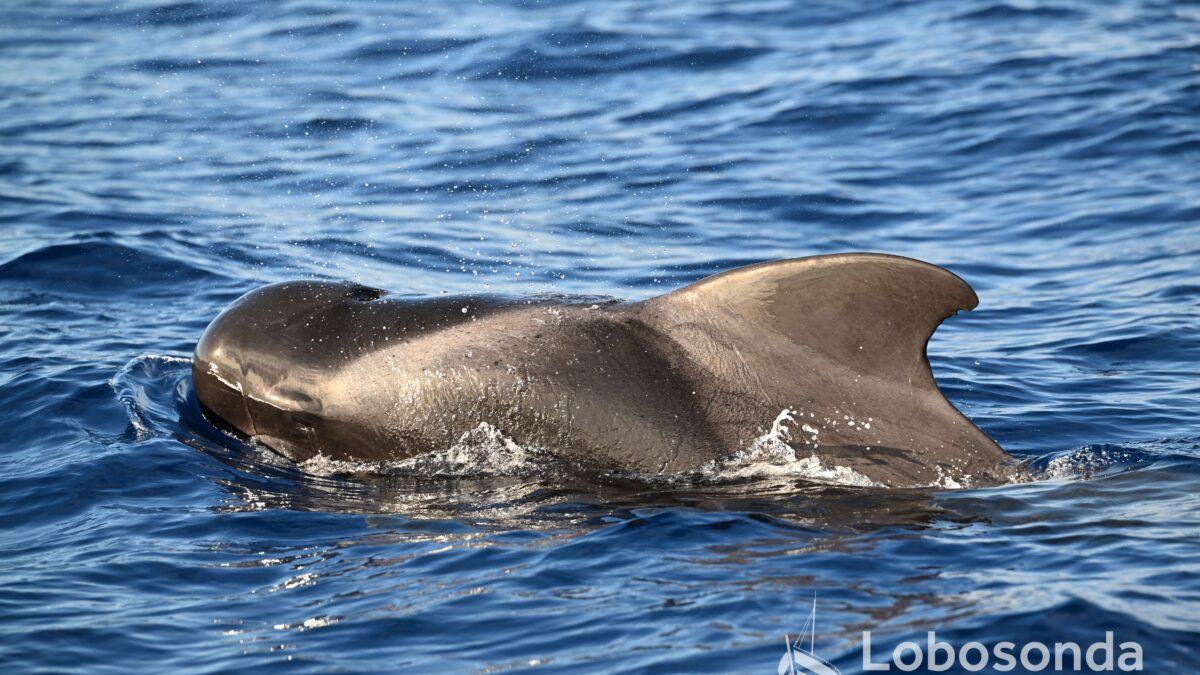
Madeira is an important place for several species of the cetaceans, some using the island as a pitstop, others staying longer. Unfortunately, nowadays the marine environment is experience several climate-related changes. It can affect cetaceans through both direct and indirect pathways. Direct effects may result from changes in environmental conditions, such as rising water temperatures that can cause physiological stress, while indirect effects may occur through alterations in prey availability. These changes can ultimately influence cetacean distribution and abundance, migration patterns, interactions with predators and competitors, community composition, as well as the timing and success of reproduction and overall survival.
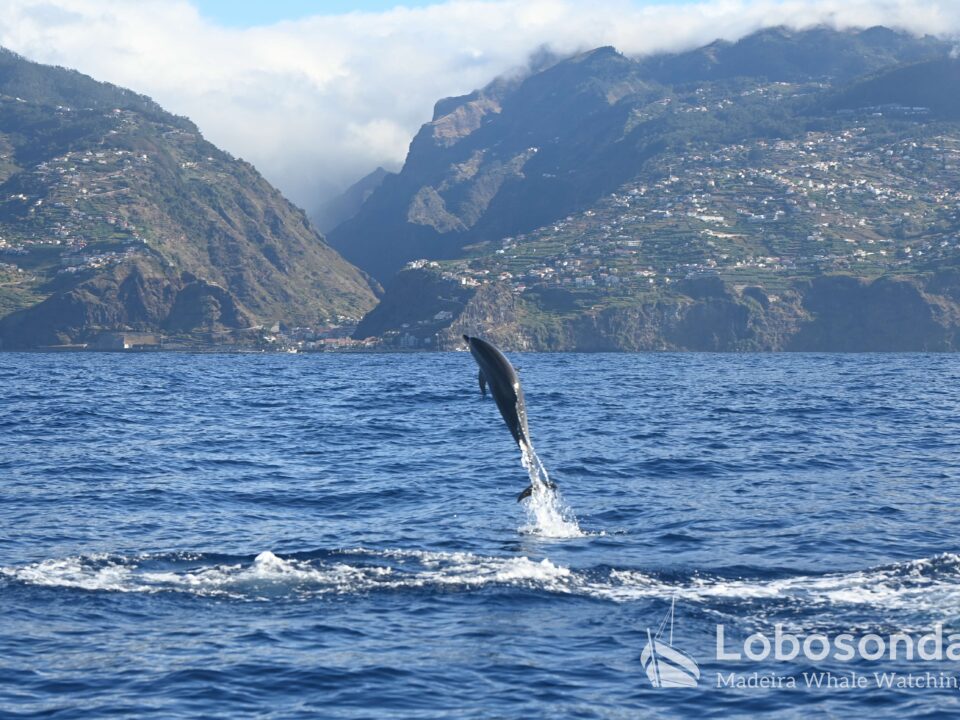
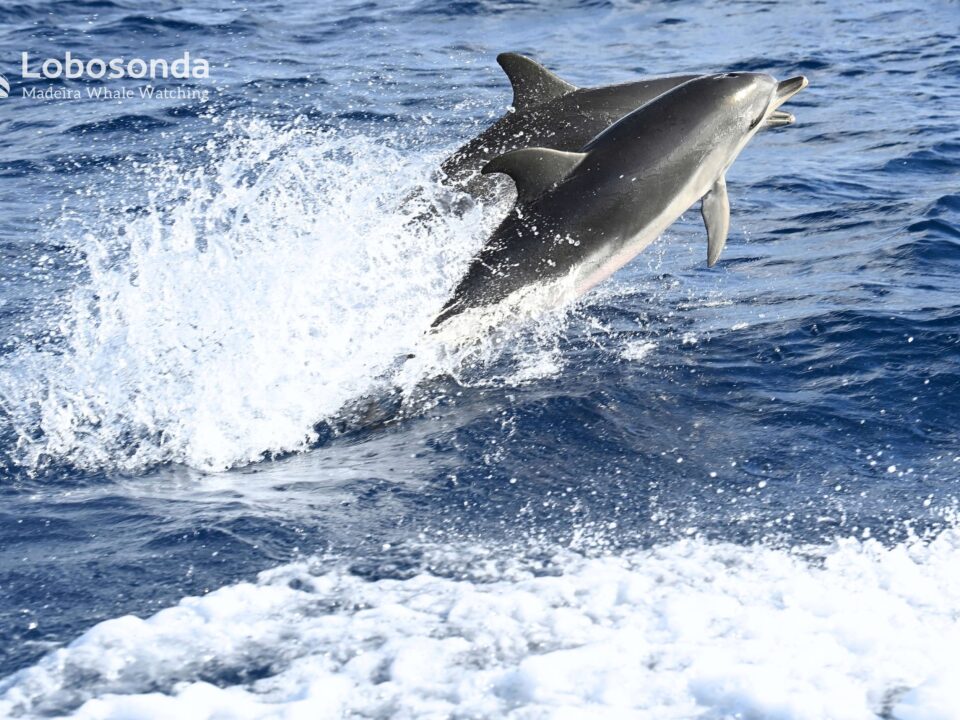
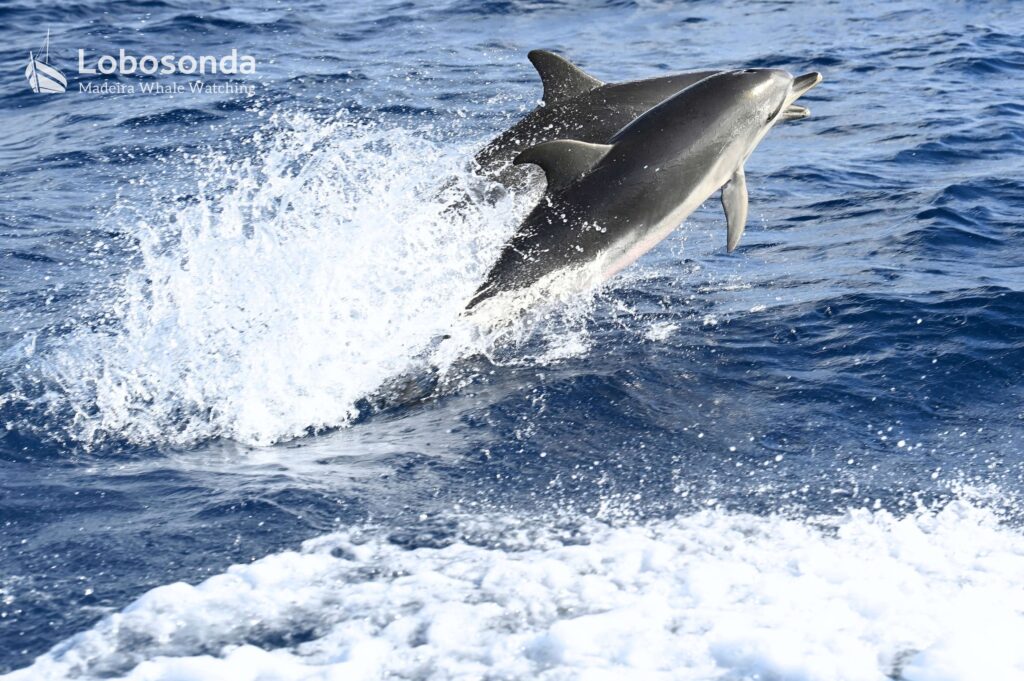
A question I get regularly is if climate change has an effect on the species around Madeira and if we see more or less species of cetaceans with the years. It is not an easy question to answer as multiple years of data collection are needed. We do know that climate change is affecting the ocean around Madeira, particularly temperature and productivity, and this can influence where cetaceans and their prey are found. Some species have different diets, habitats and so they won’t all respond to warming oceans in the same way. A study of Madeira’s waters showed which species may be more susceptible to future climate-related changes based on their ecological characteristics. Sperm whales, fin whales, the oceanic population of bottlenose dolphins, and Bryde’s whales were shown to be more vulnerable. Short-beaked common dolphins, the island-associated bottlenose dolphins, and Atlantic spotted dolphins shown less vulnerability to climate change.
Continued monitoring and conservation efforts can help us better understand and protect cetaceans, ensuring that Madeira’s waters remain a thriving home for whales and dolphins !
By Juliette Colançon
Sightings of the day
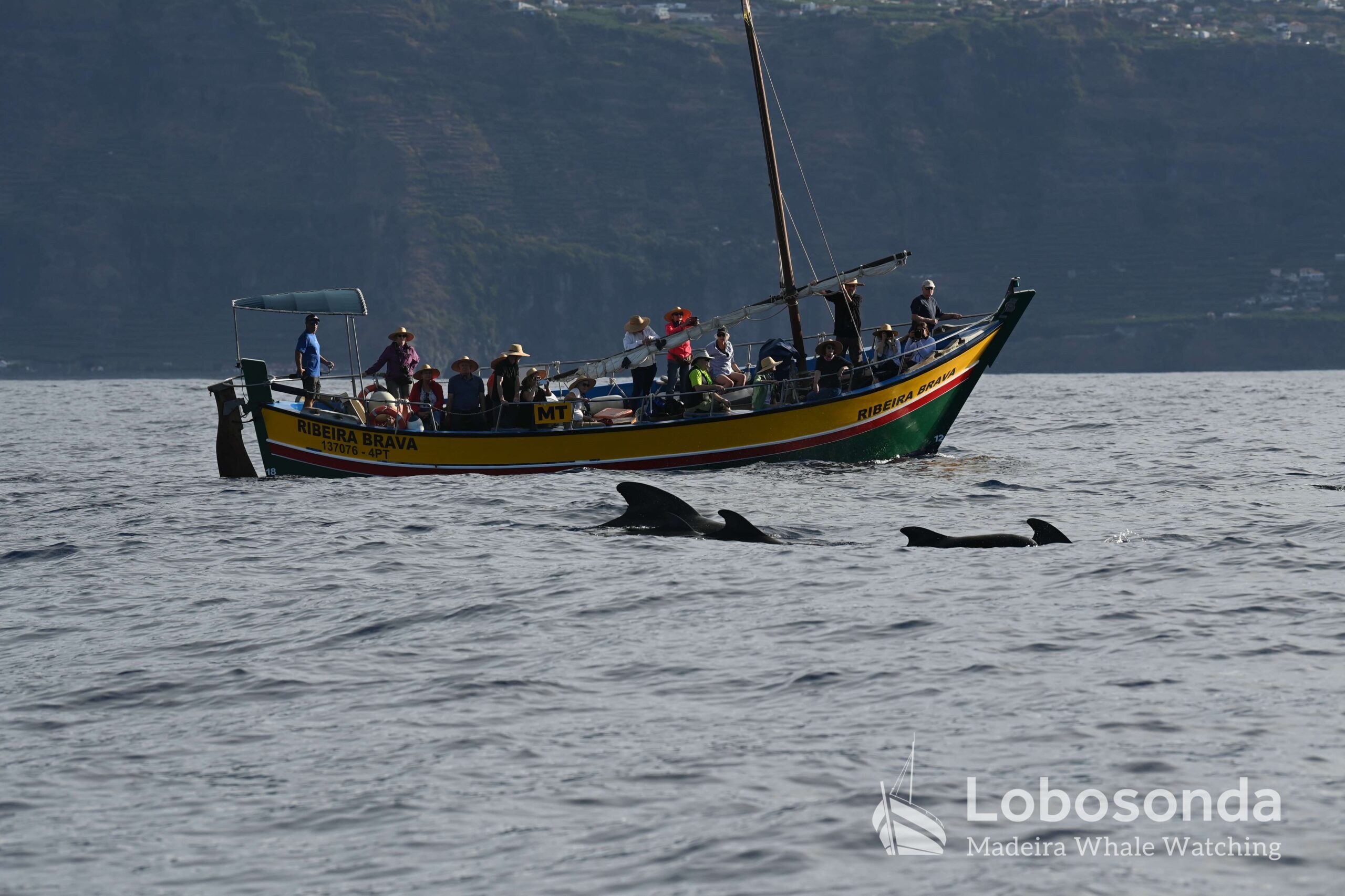
Ribeira Brava
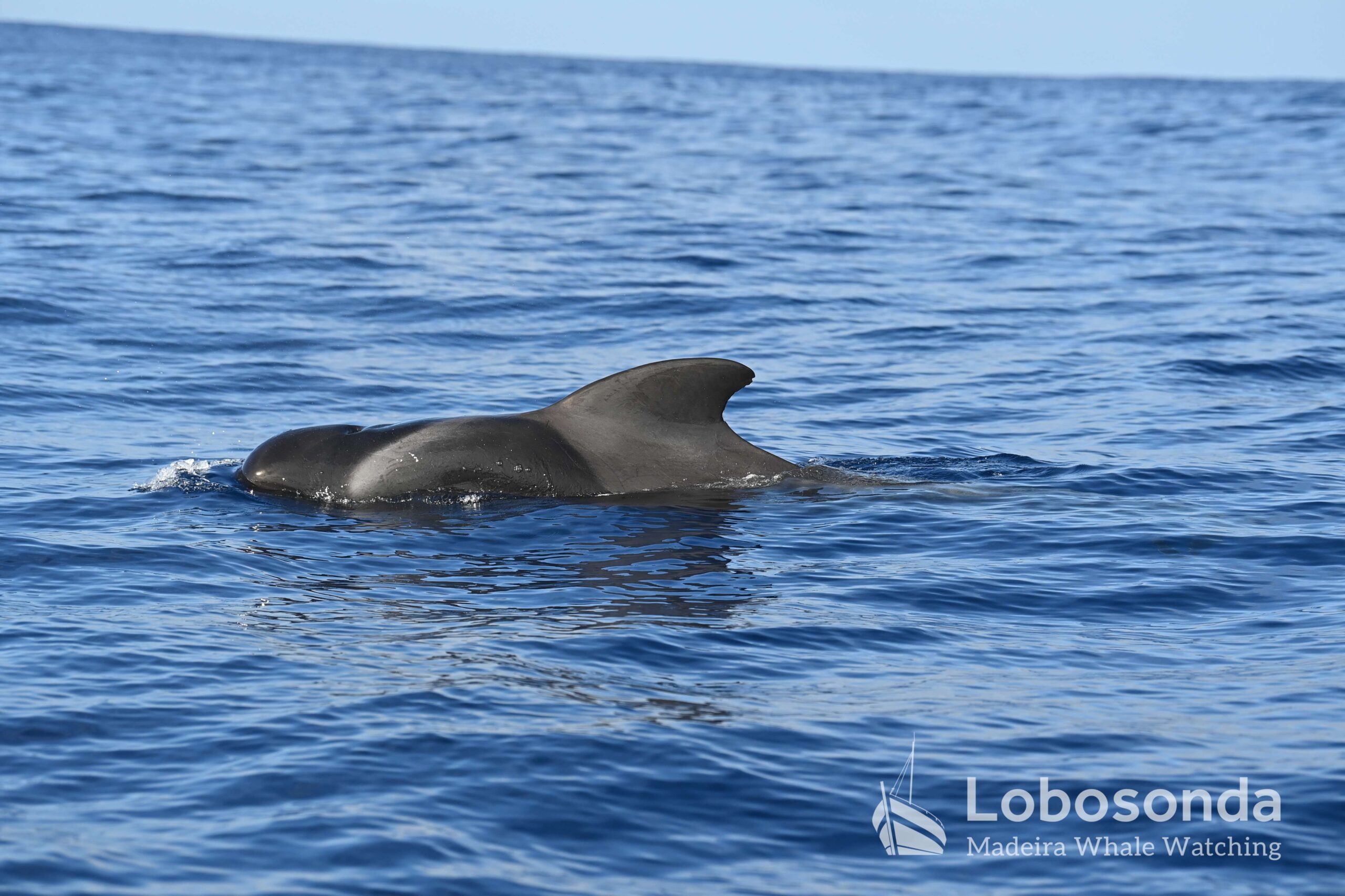
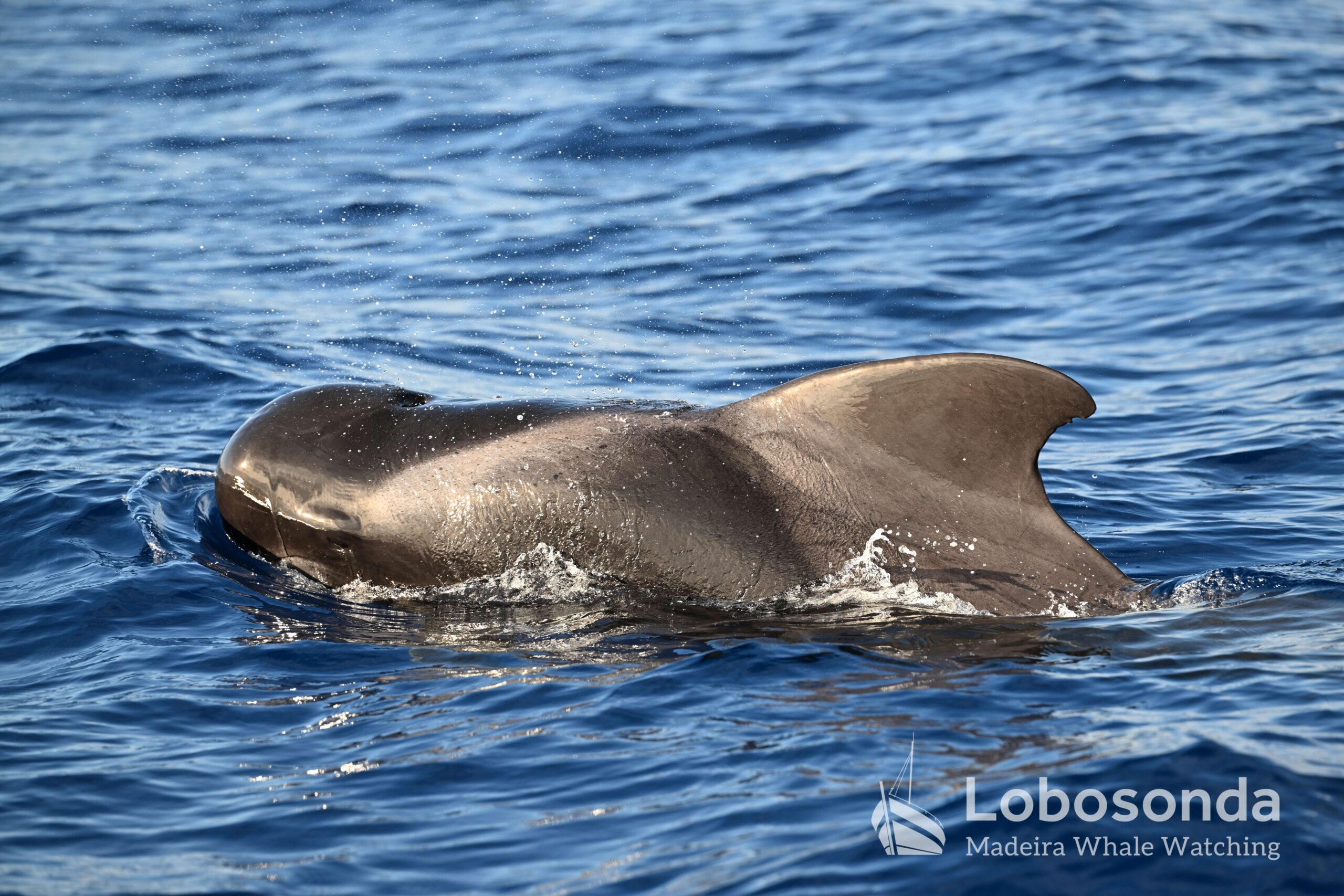
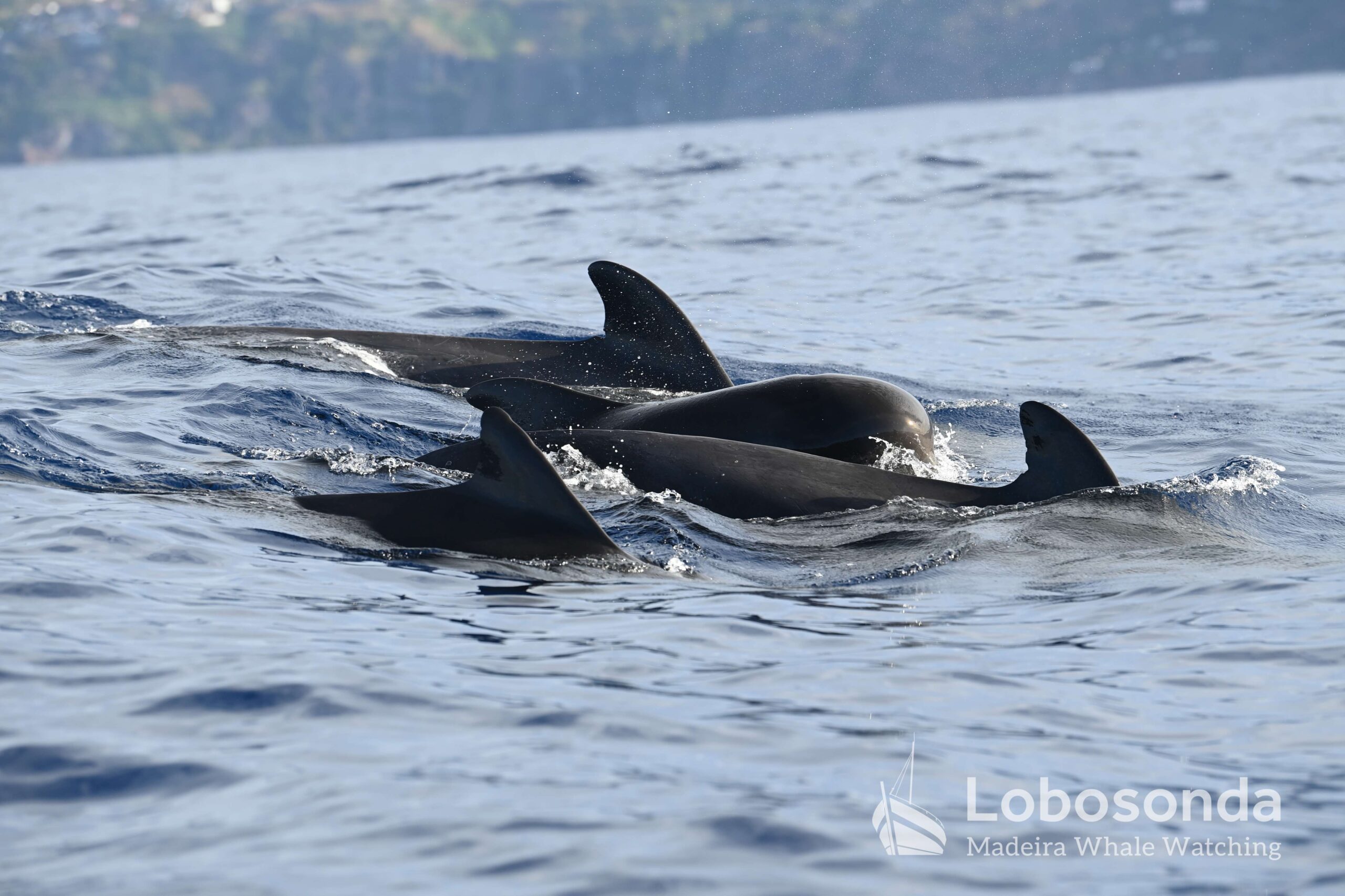
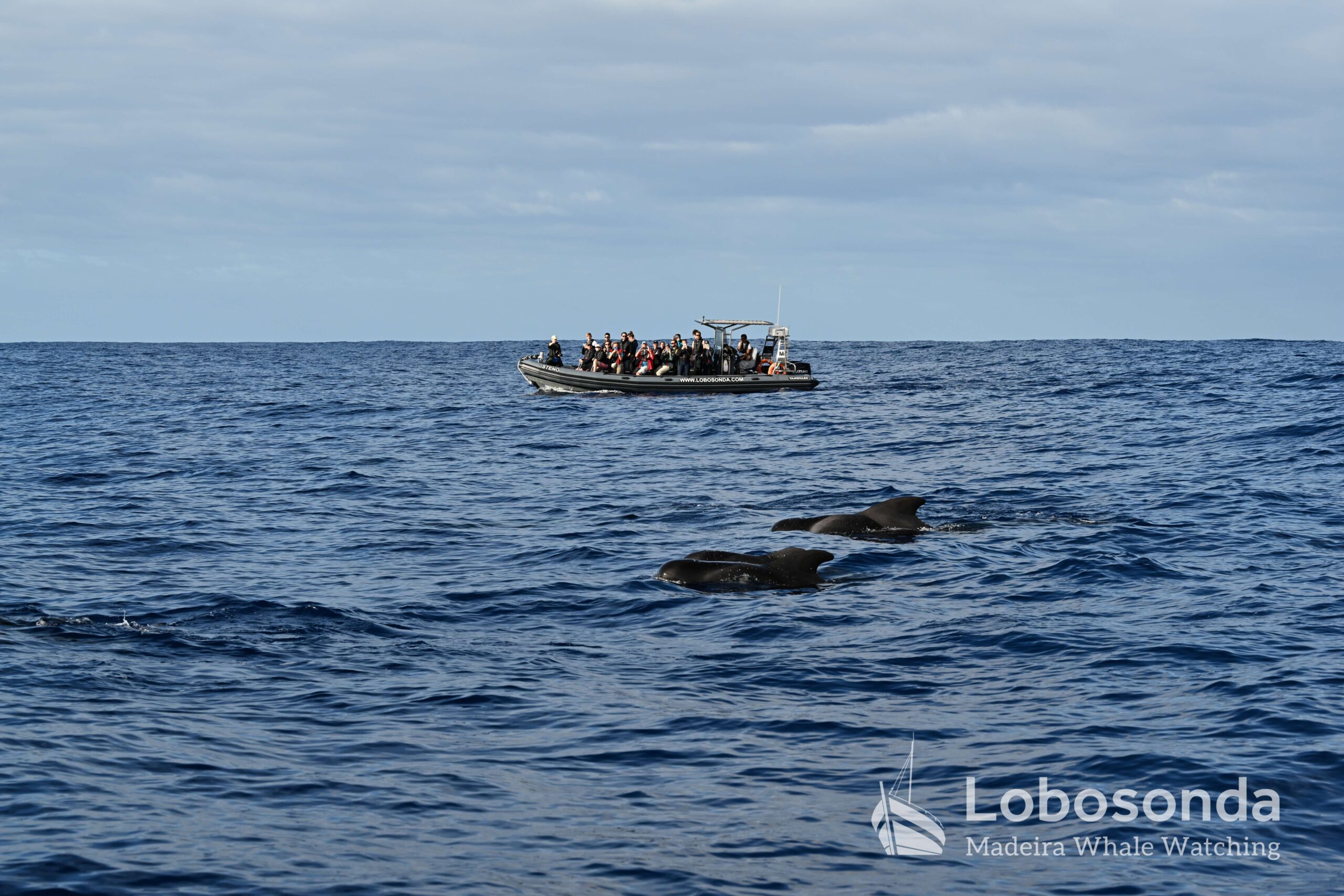
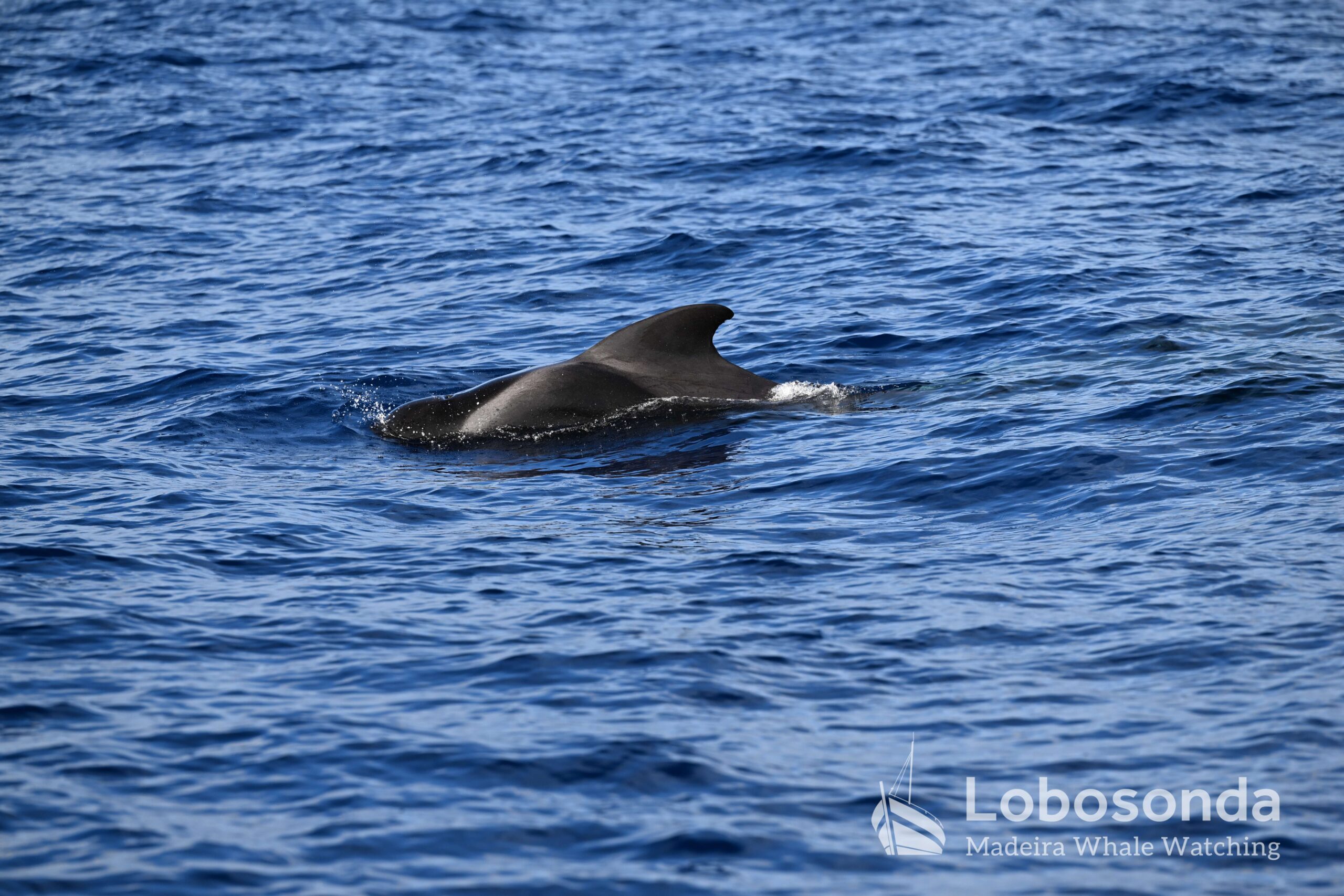
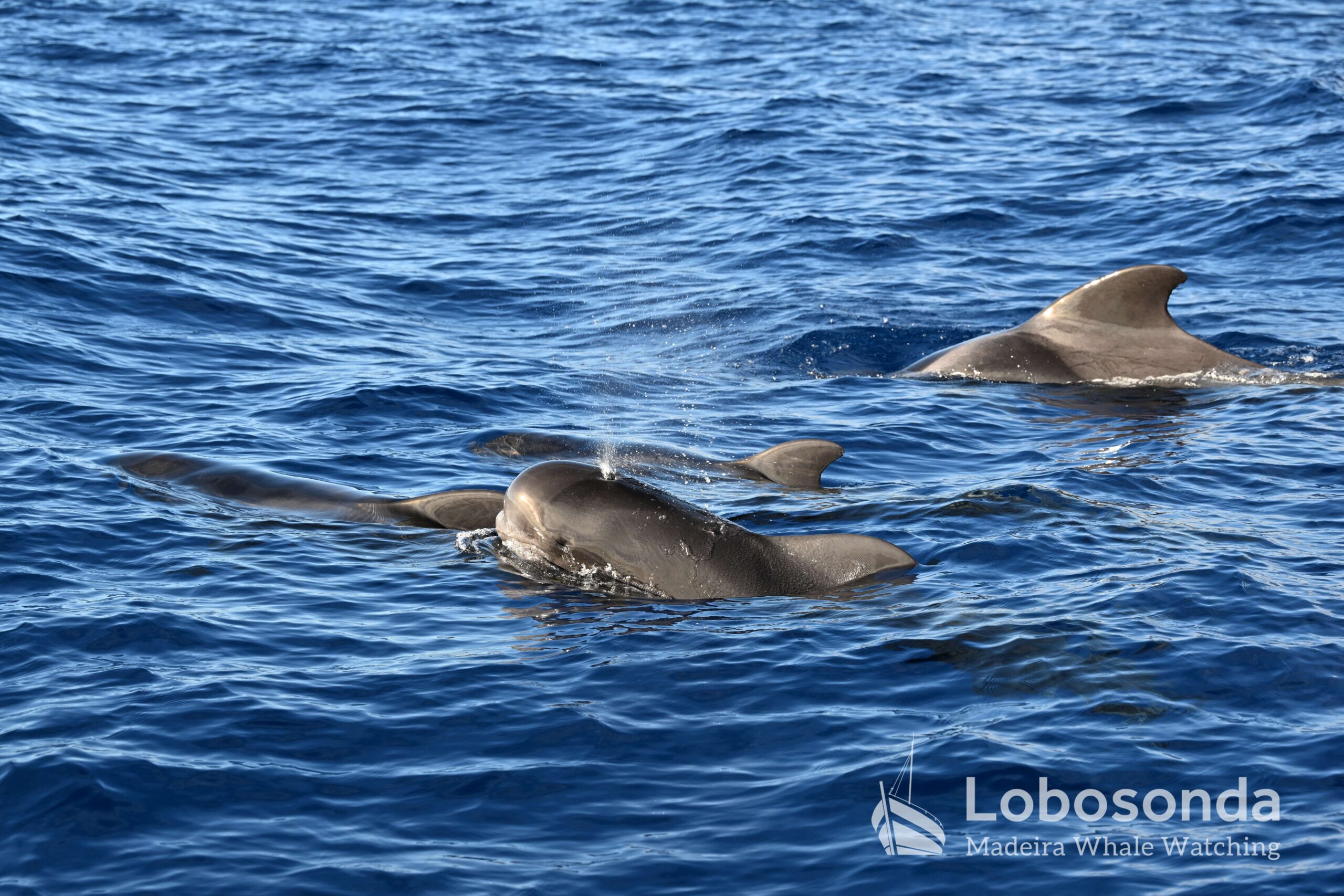
09:00 Short-finned pilot whale
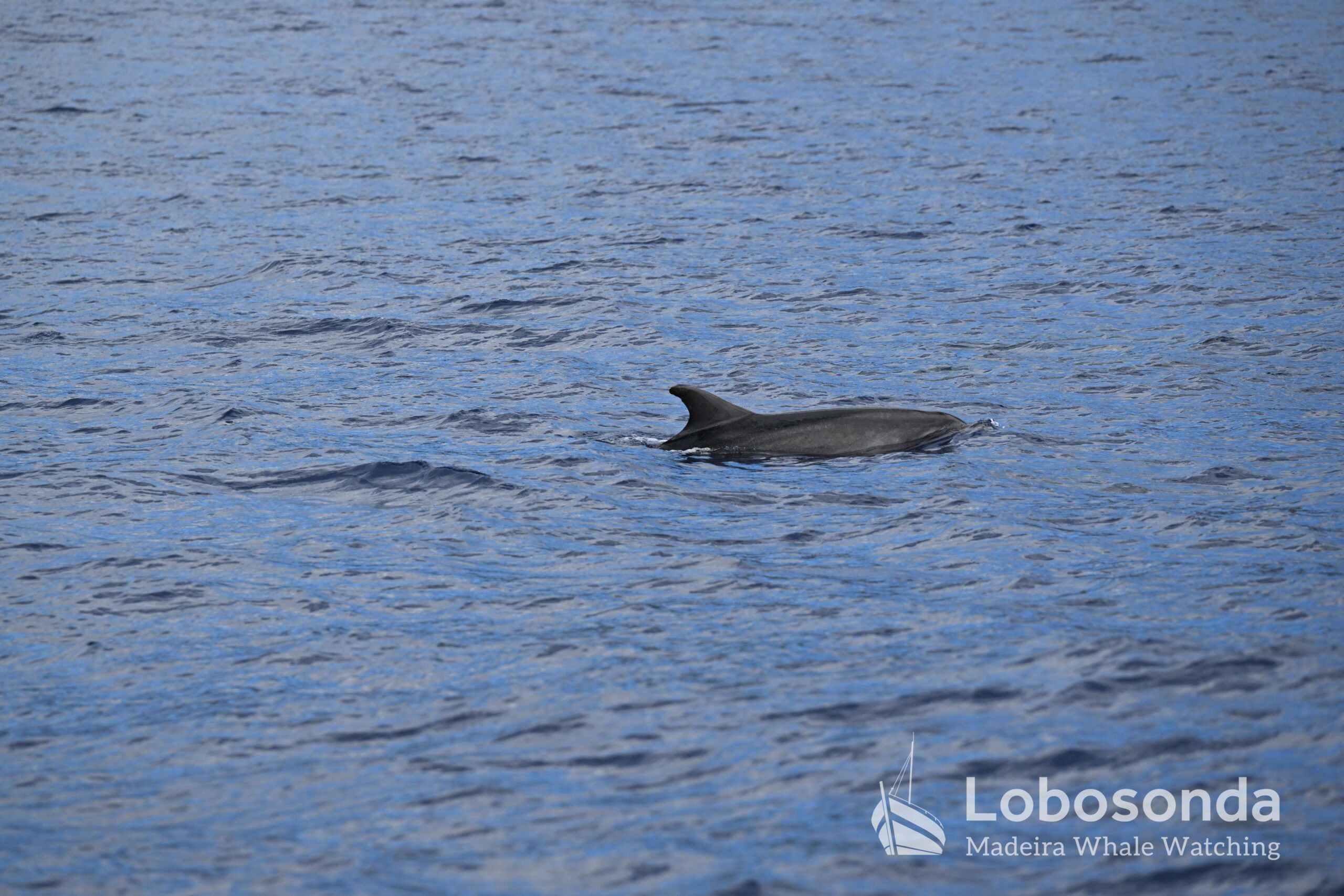
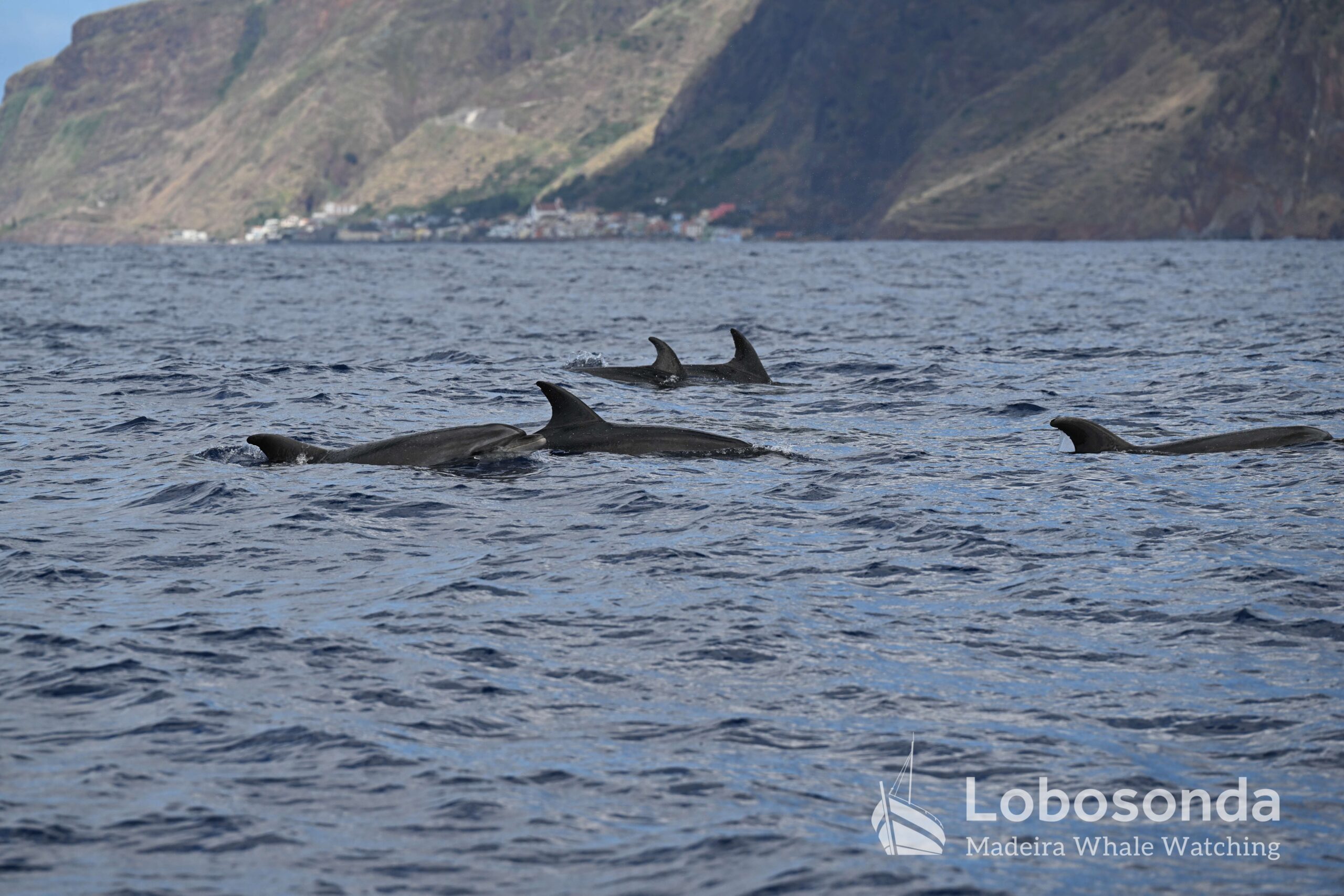
13:00 Bottlenose dolphin, Short-finned pilot whale
Steno
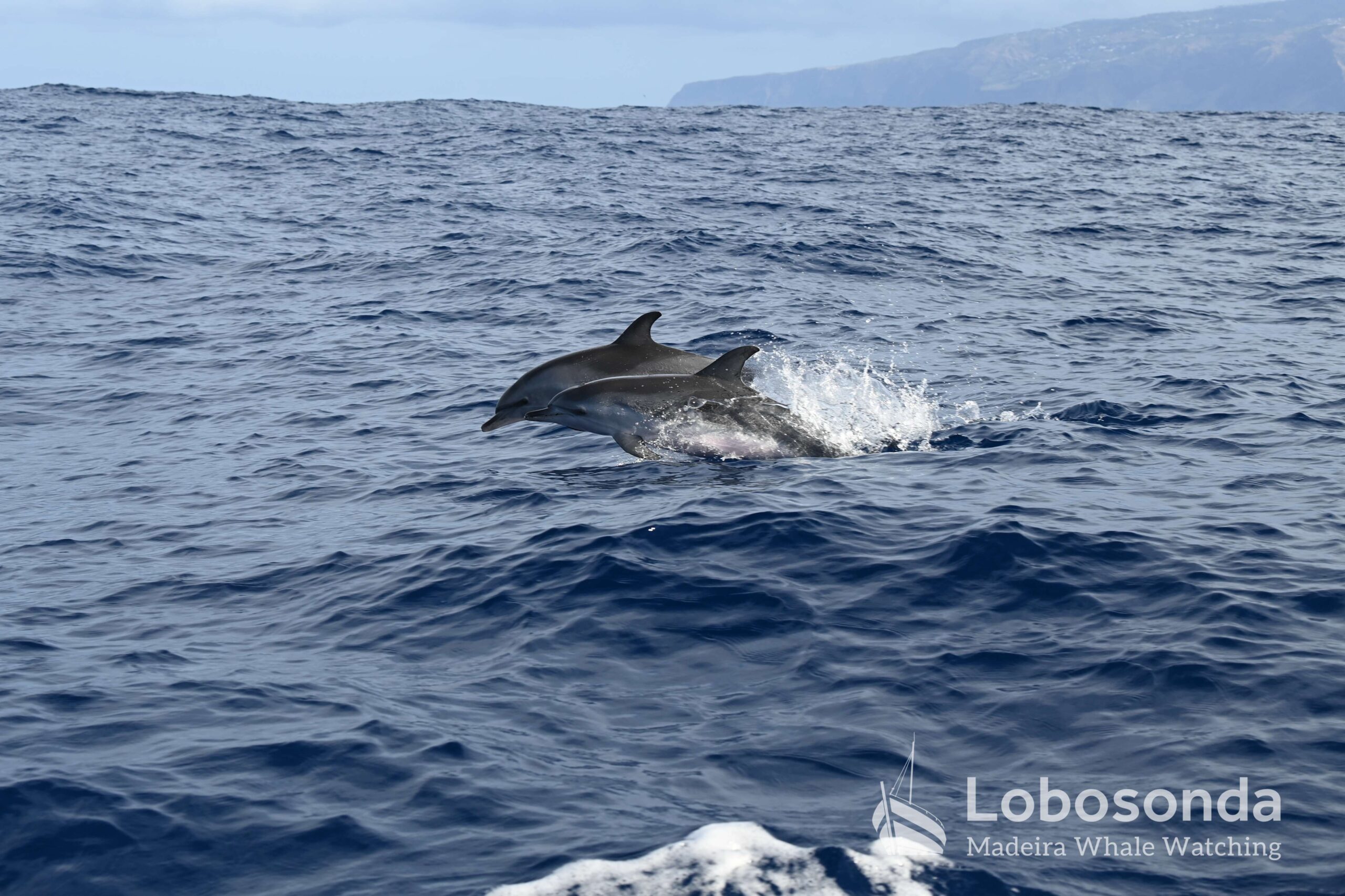
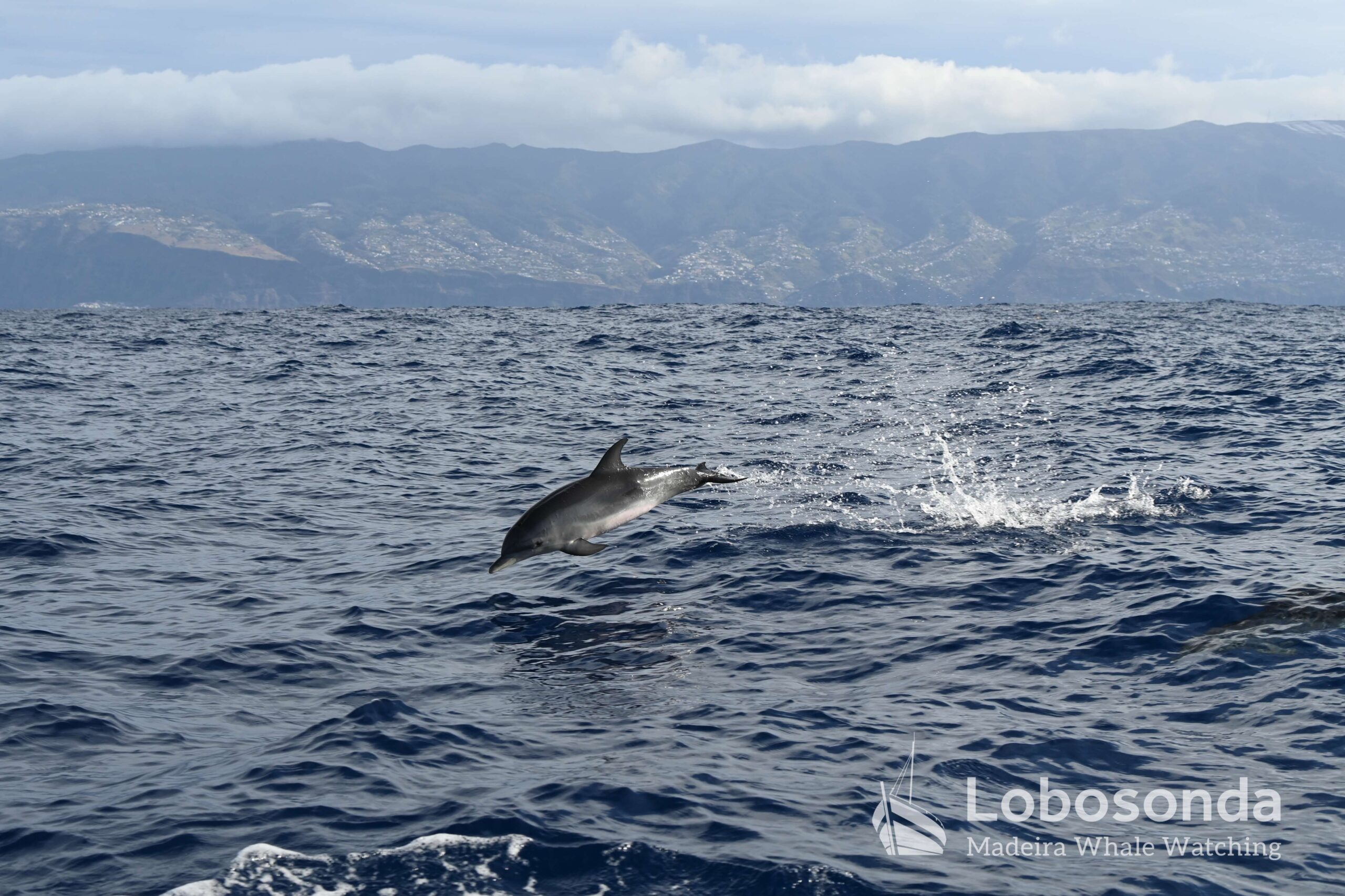
09:30 Short-finned pilot whale, Atlantic spotted dolphin