24.09.2026 – Neptuna madeirensis
October 2, 2026
26.09.2026 – Life in the dark
October 4, 2026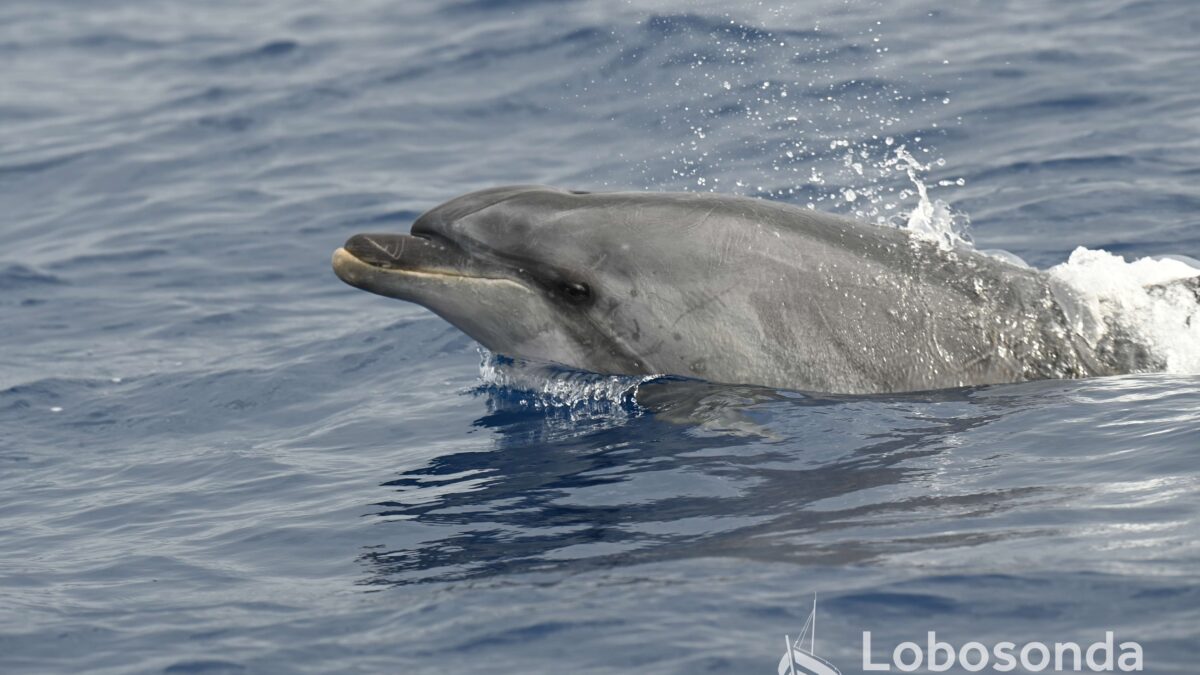
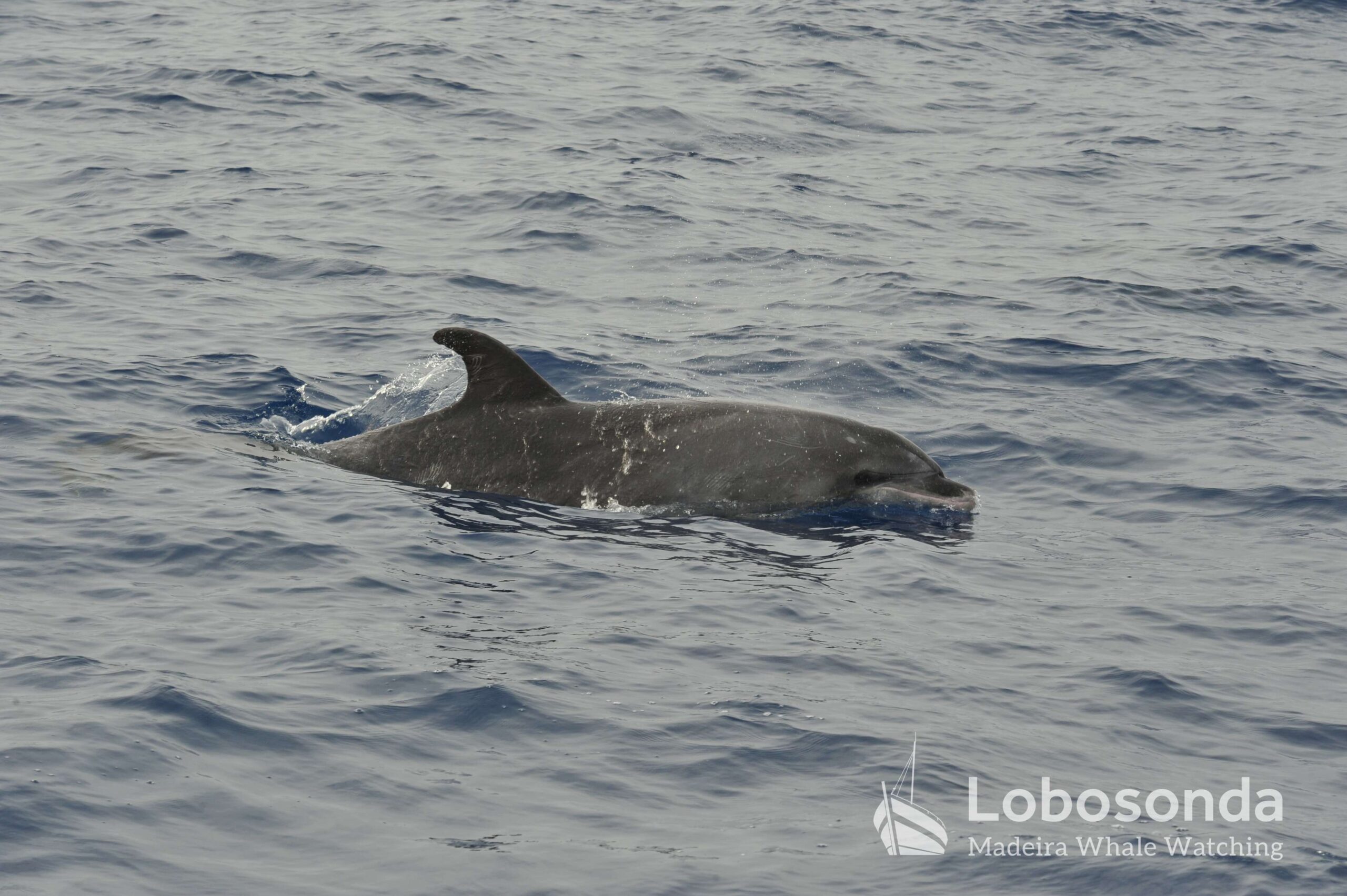
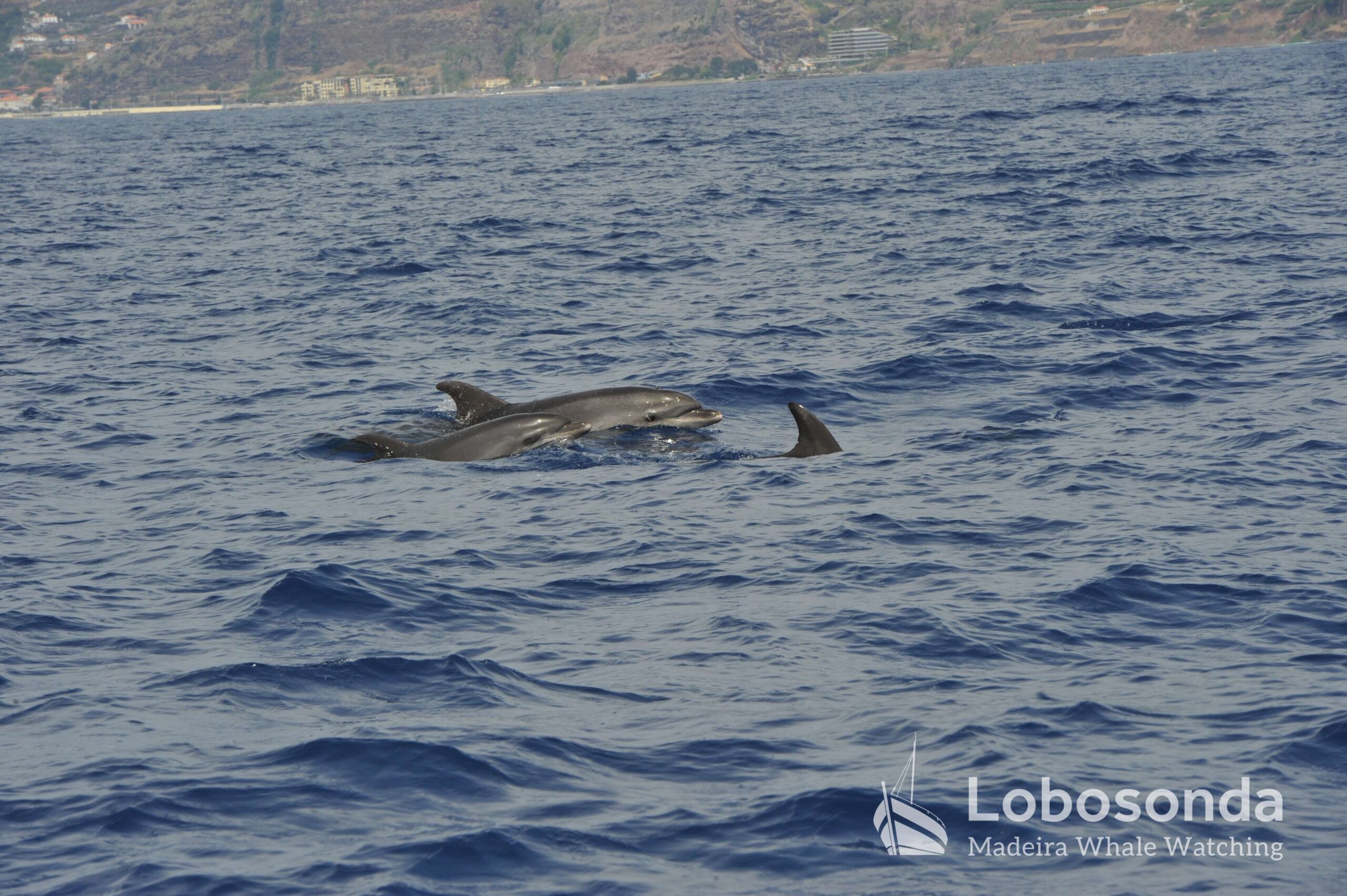
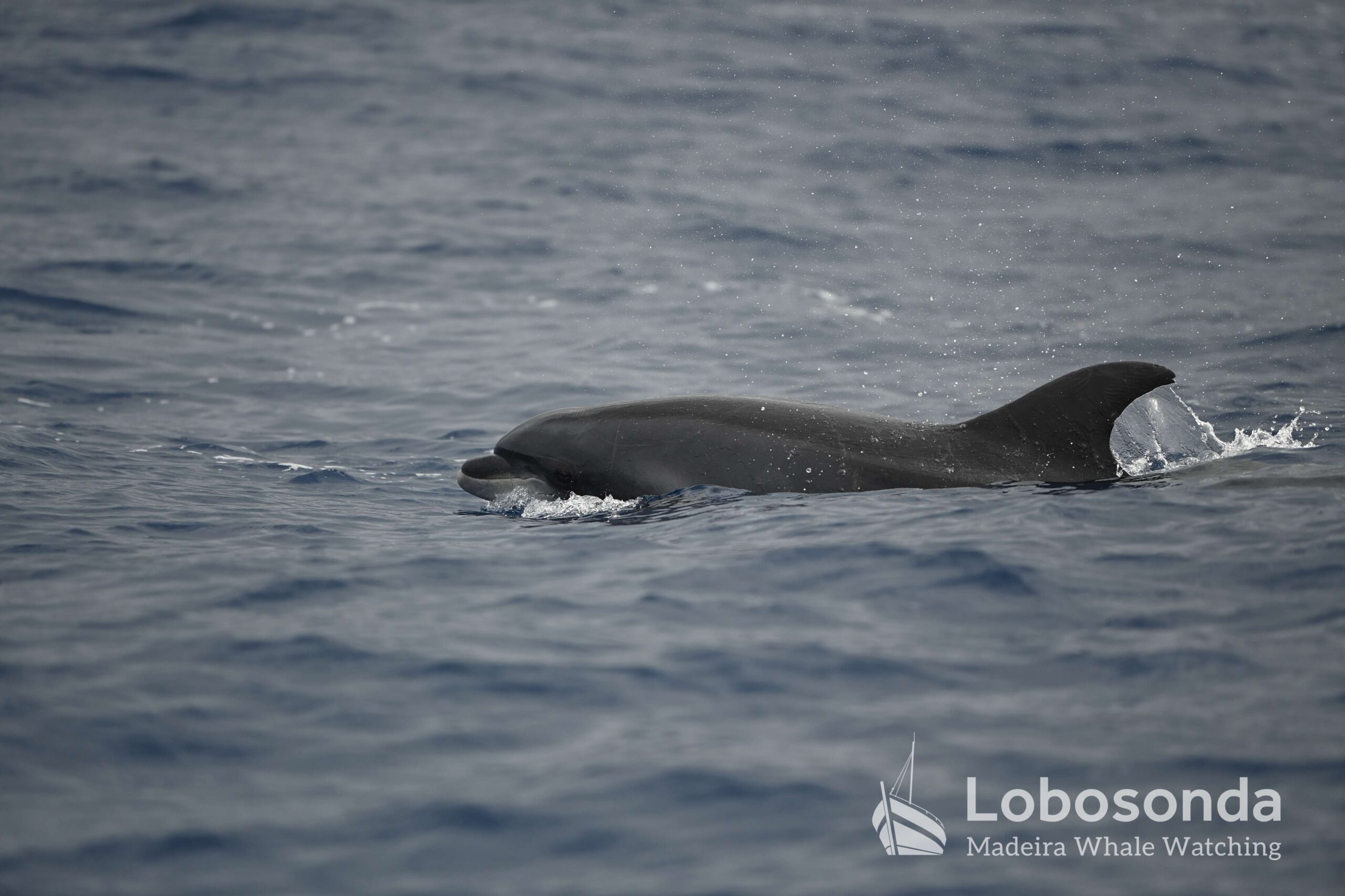
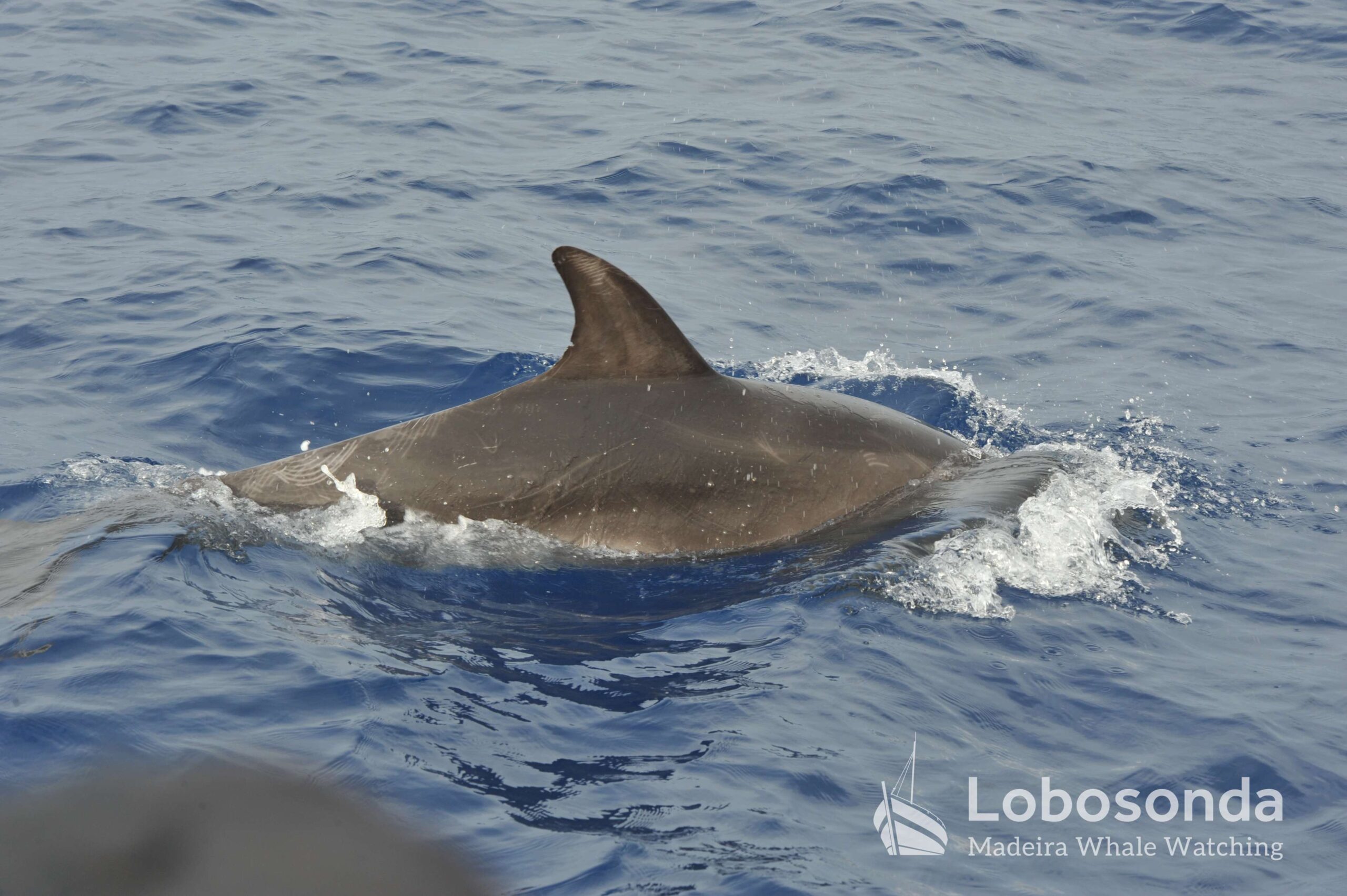
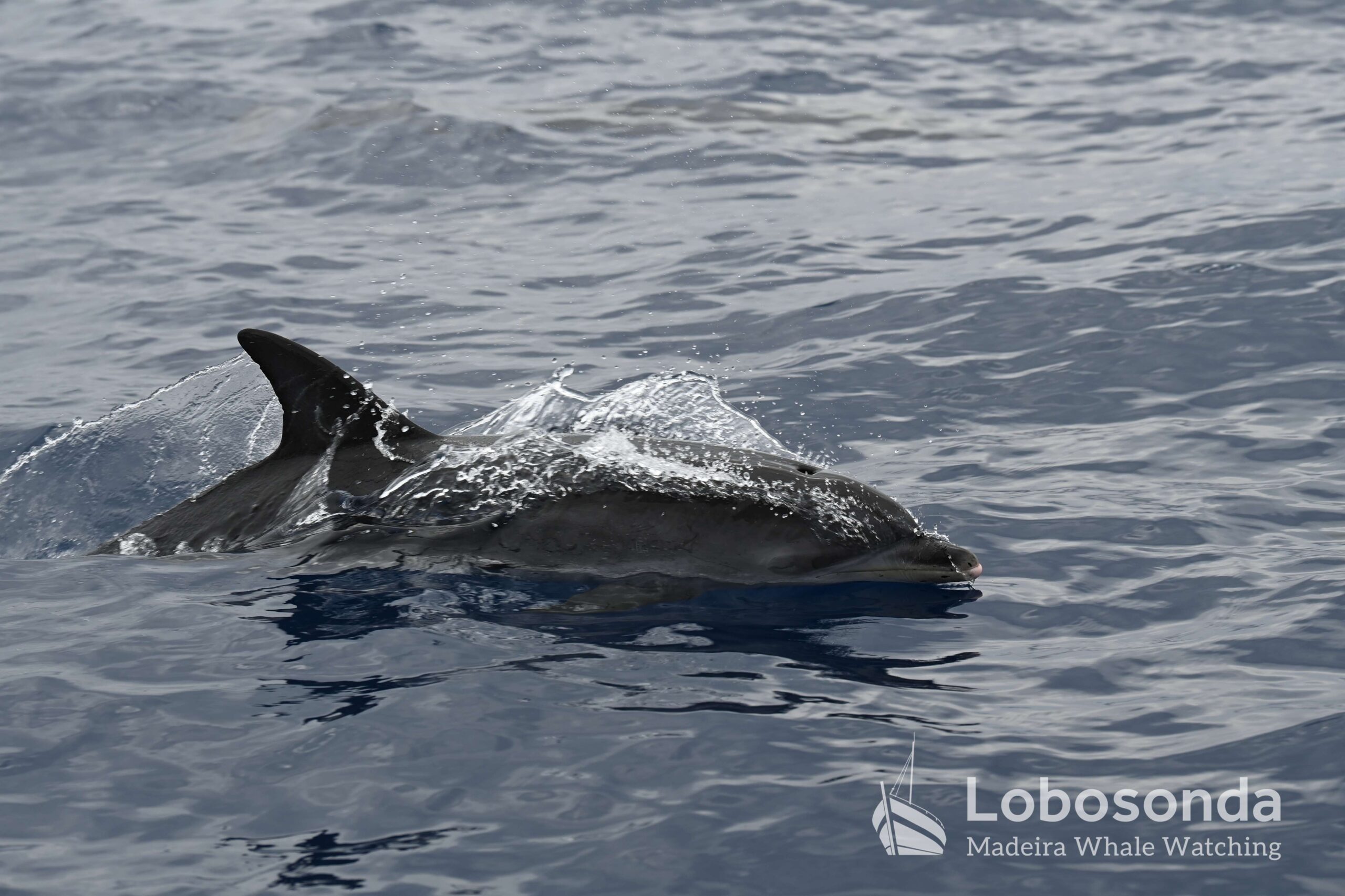
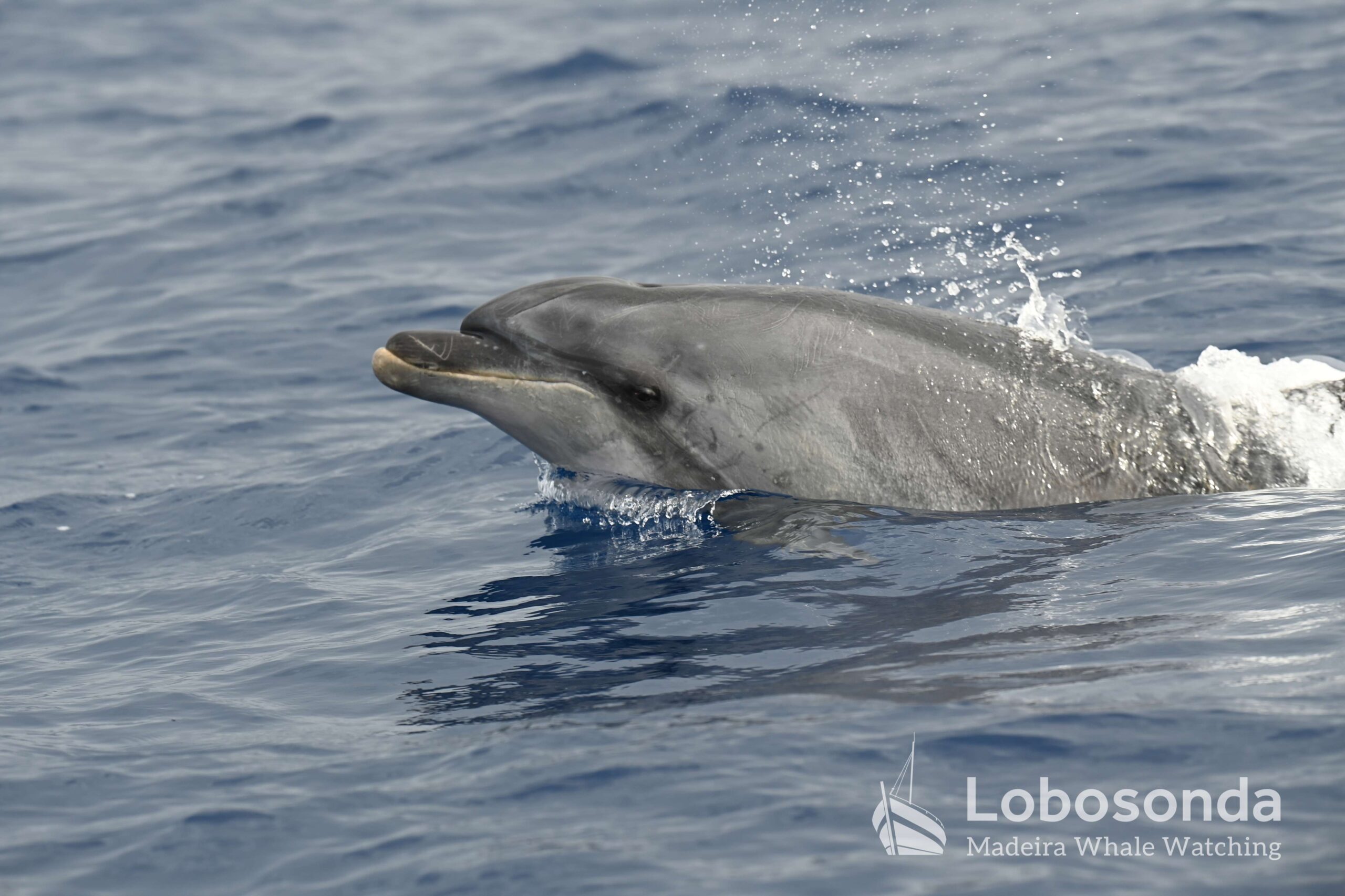
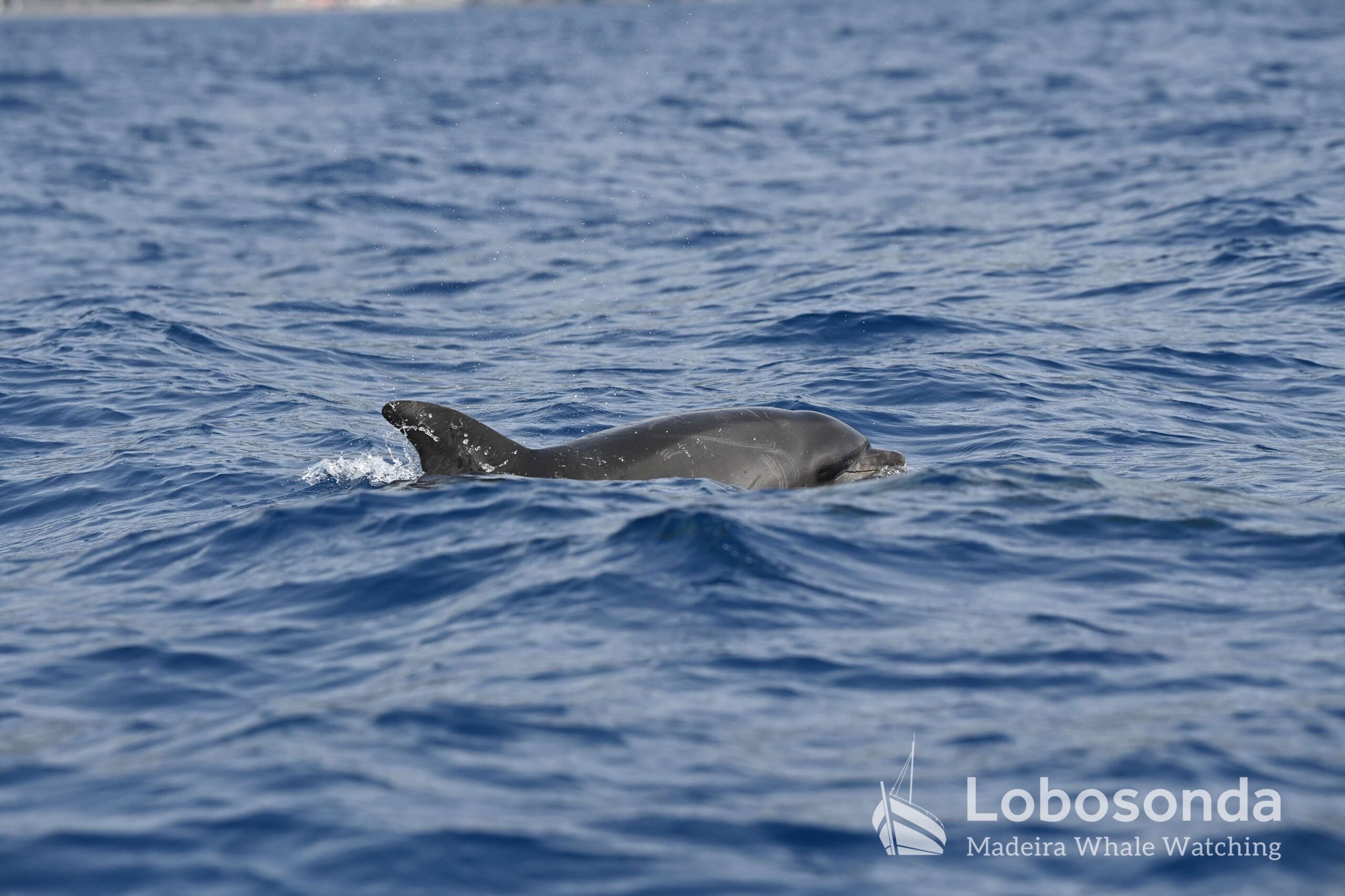
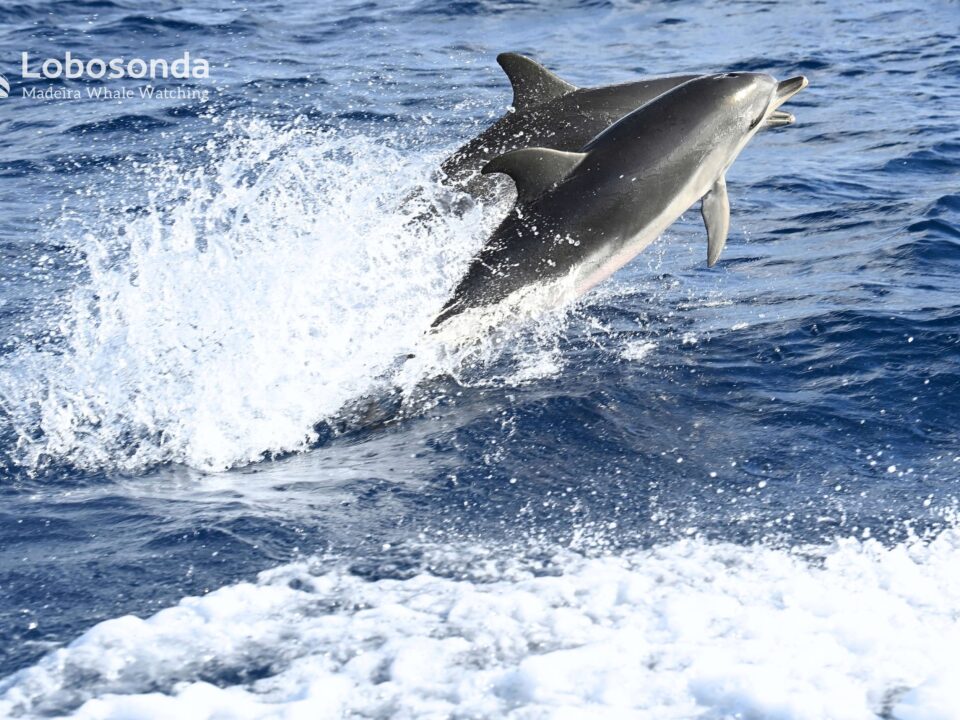
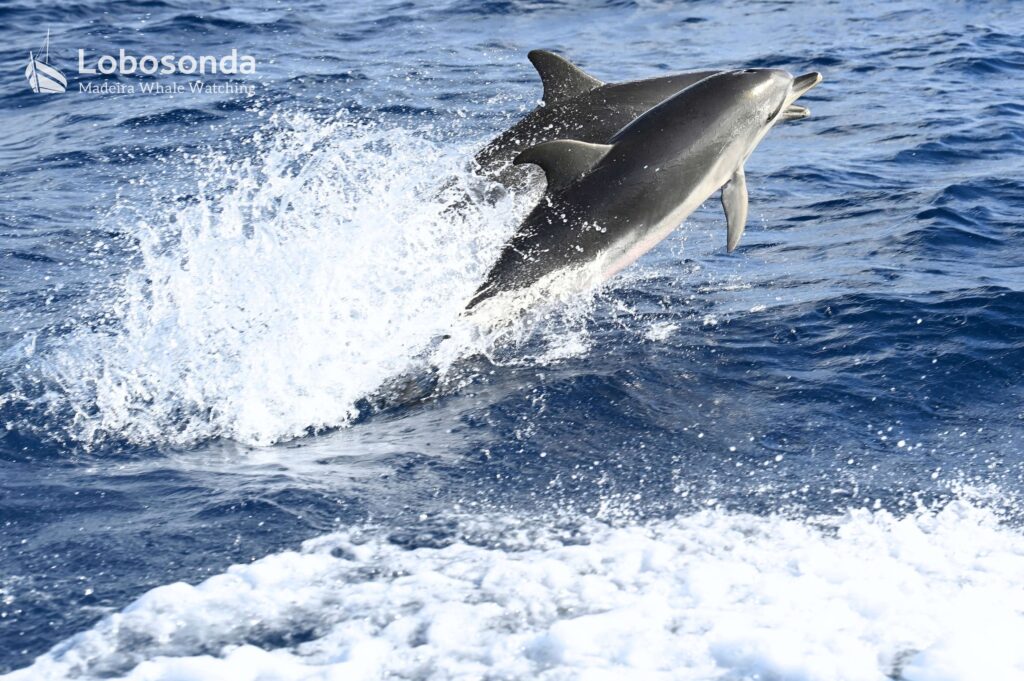
Often us biologists jut out words during trips which are not immediately understood during our trips and, even if explained, whose meaning get lost amongst all the other explanations they receive from us during observations. One of those is the term ecotype – an incredibly important term when it comes to oceanic dolphins, particularly the Bottlenose dolphin (Tursiops truncatus).
Bottlenose dolphins may be a single species but they come in different shapes and sizes that are scattered across their different habitats across the globe. So far three different subspecies of the Common Bottlenose dolphin have been discovered other than the “classic form”. The Black Sea bottlenose dolphin (Tursiops truncatus ponticus) is found in the isolated Black Sea waters, while the Lahille’s bottlenose dolphin (Tursiops truncatus gephyreus) can be encountered in the coastal waters of South America. The newly discovered Eastern Tropical Pacific bottlenose dolphin (Tursiops truncatus nuuanu) can be found in the warm, distinct oceanic conditions of the eastern tropical Pacific.
These new subspecies may have evolved from ecotypes, which describe distinct geographic varieties, populations or races within a single species. These different ecotypes can interbreed and often develop their own unique morphological features and behavioural patterns, suited to best survive in their unique habitat. With Bottlenose dolphins and with Atlantic spotted dolphins (Stenella frontalis), scientists distinguish oceanic and coastal ecotypes which are distinct populations adapted to deep offshore waters or shallower coastal waters, respectively. Eventually, differences between ecotypes can be so distinct that these are reflected in their genetics, leading to a new subspecies.
This may all still sound complicated but getting familiar with these terms is vital to understanding intelligent marine animals in an ever changing ocean. They will change with their surroundings, so understanding these terms is the first step to navigating through what that may mean to these populations in future.
By Paula Thake
Sightings of the day
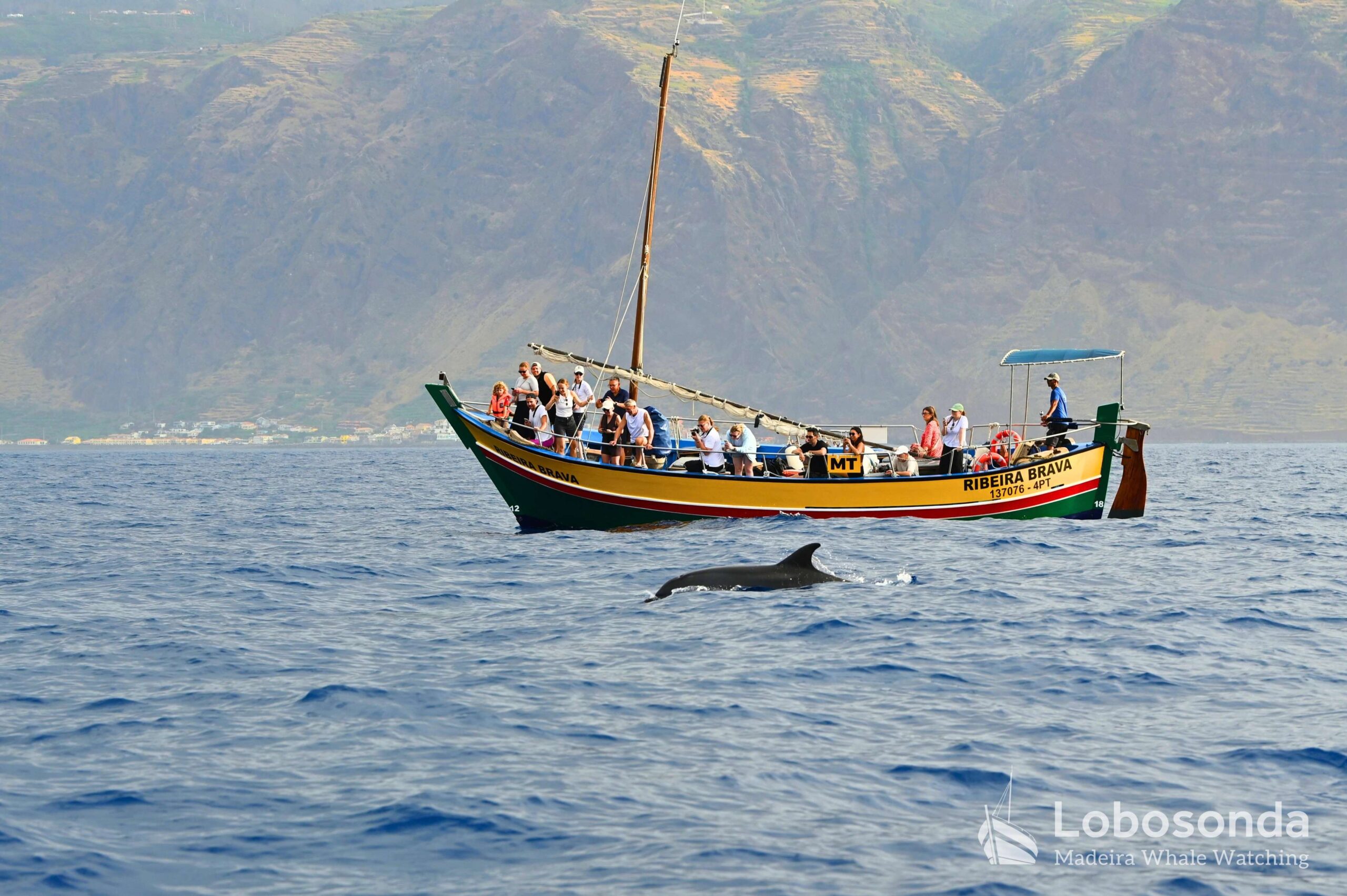
Ribeira Brava
09:00 Bottlenose dolphins
13:00 Bottlenose dolphins
16:30 No Sightings
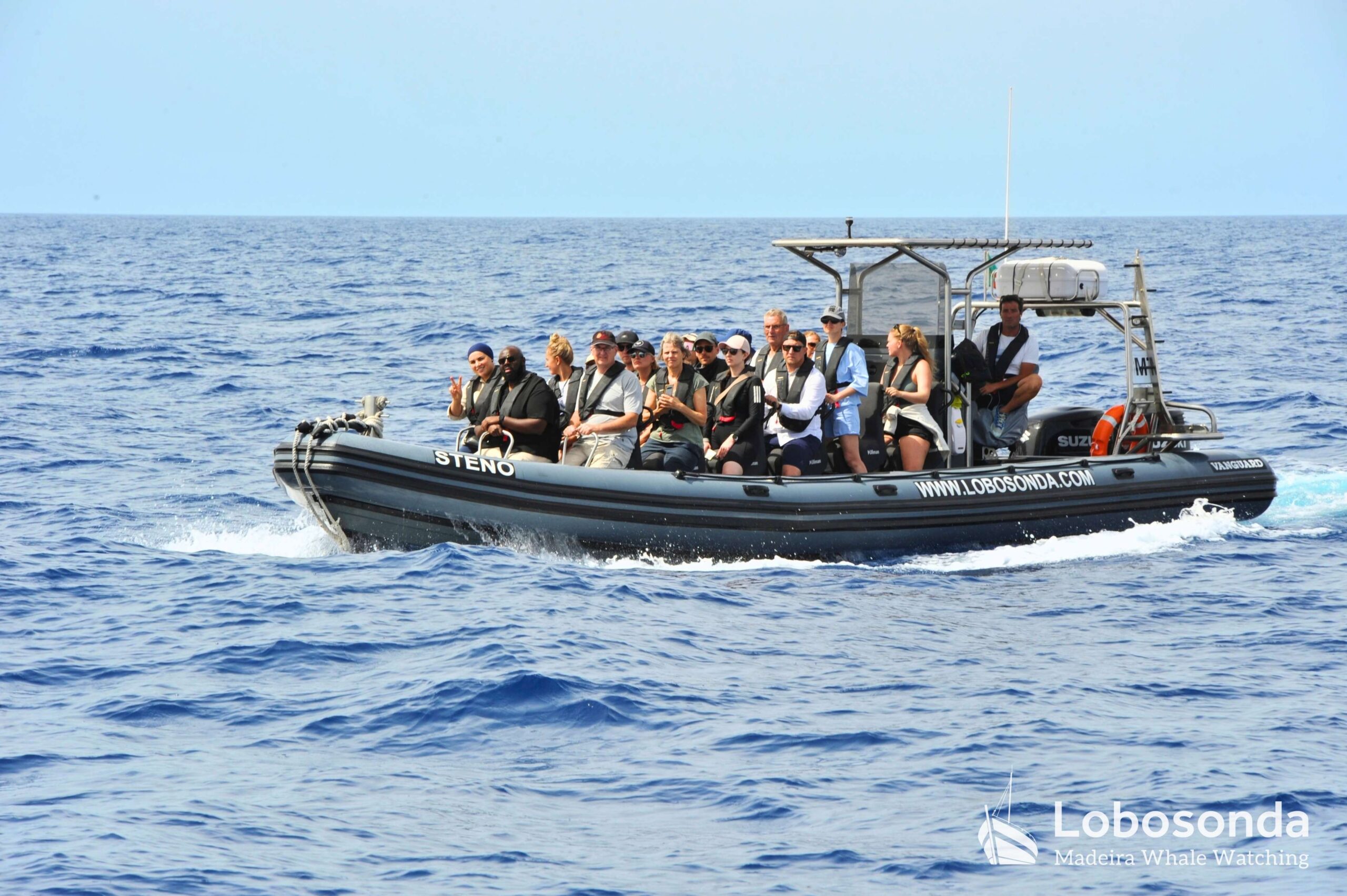
Steno
09:30 Bottlenose dolphins
13:30 Bottlenose dolphins, Atlantic spotted dolphins