13.05.2026 – Breach and Splash
May 19, 2026
15.05.2026 – Together
May 22, 2026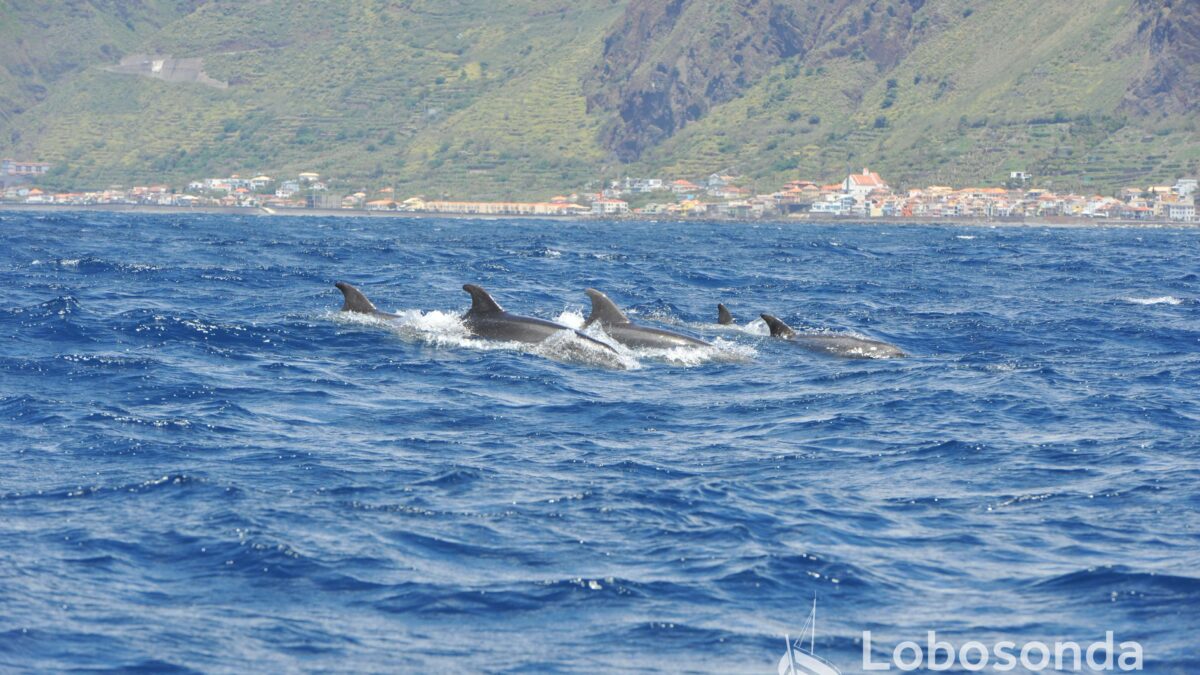
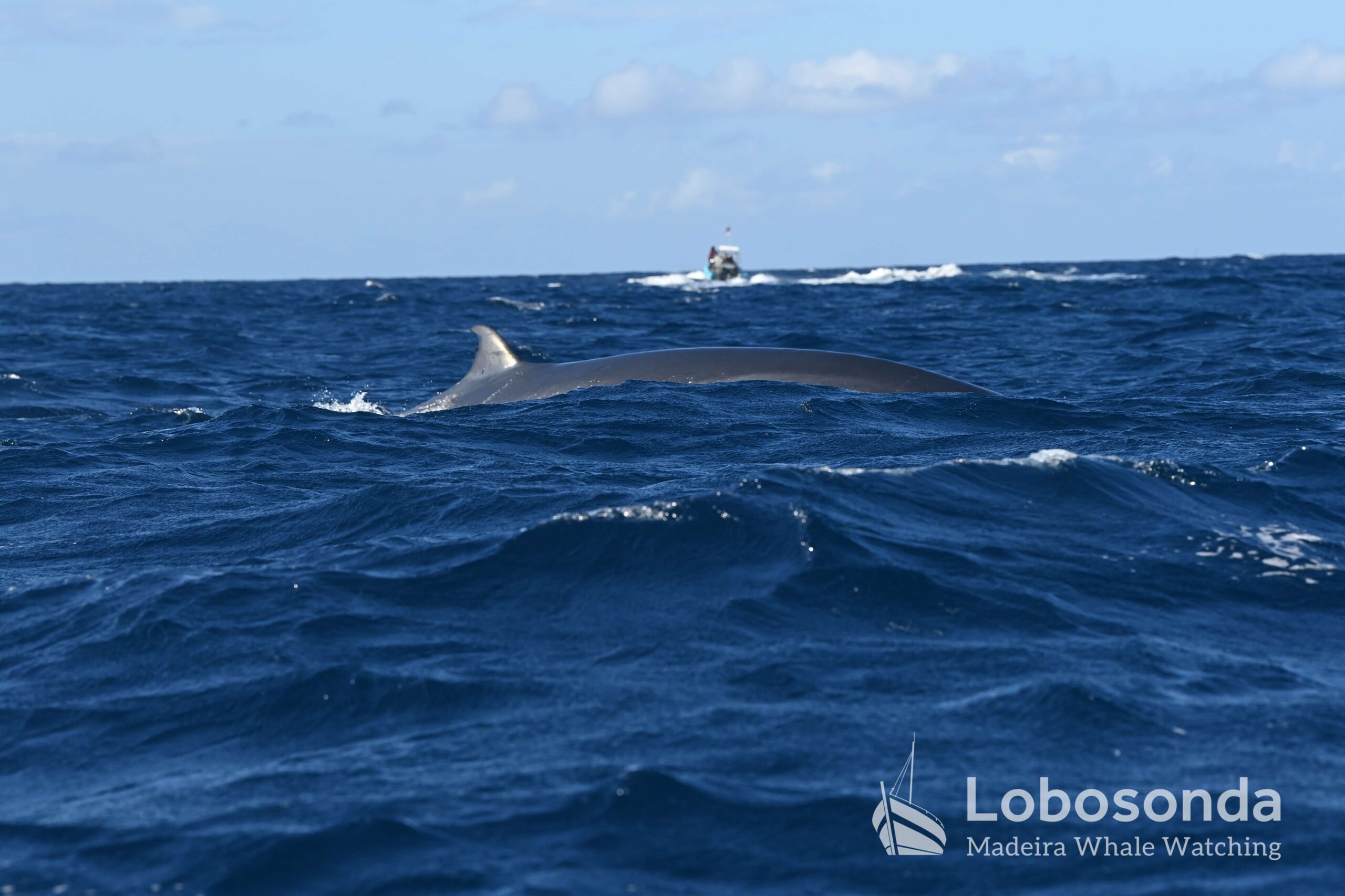
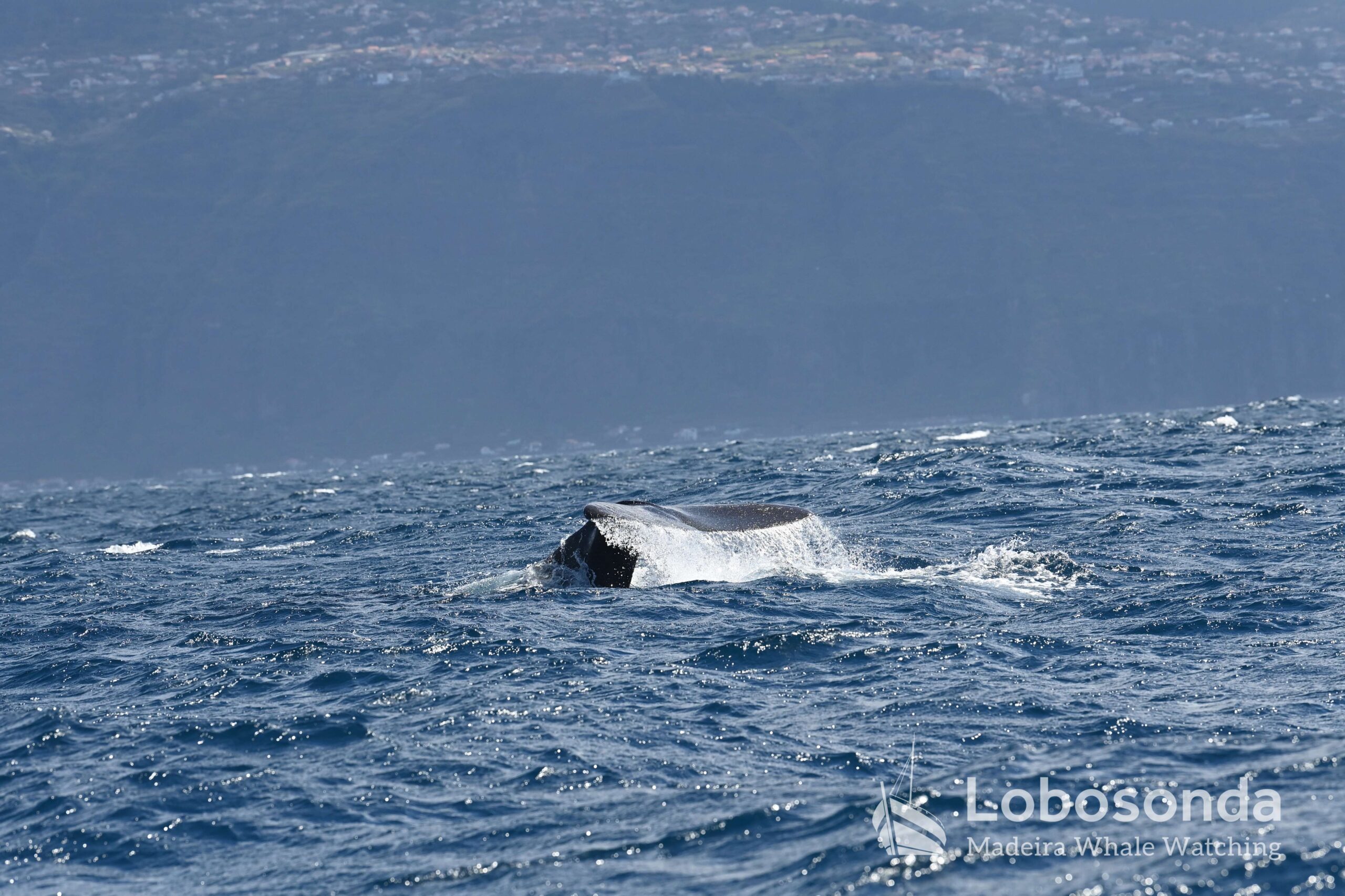
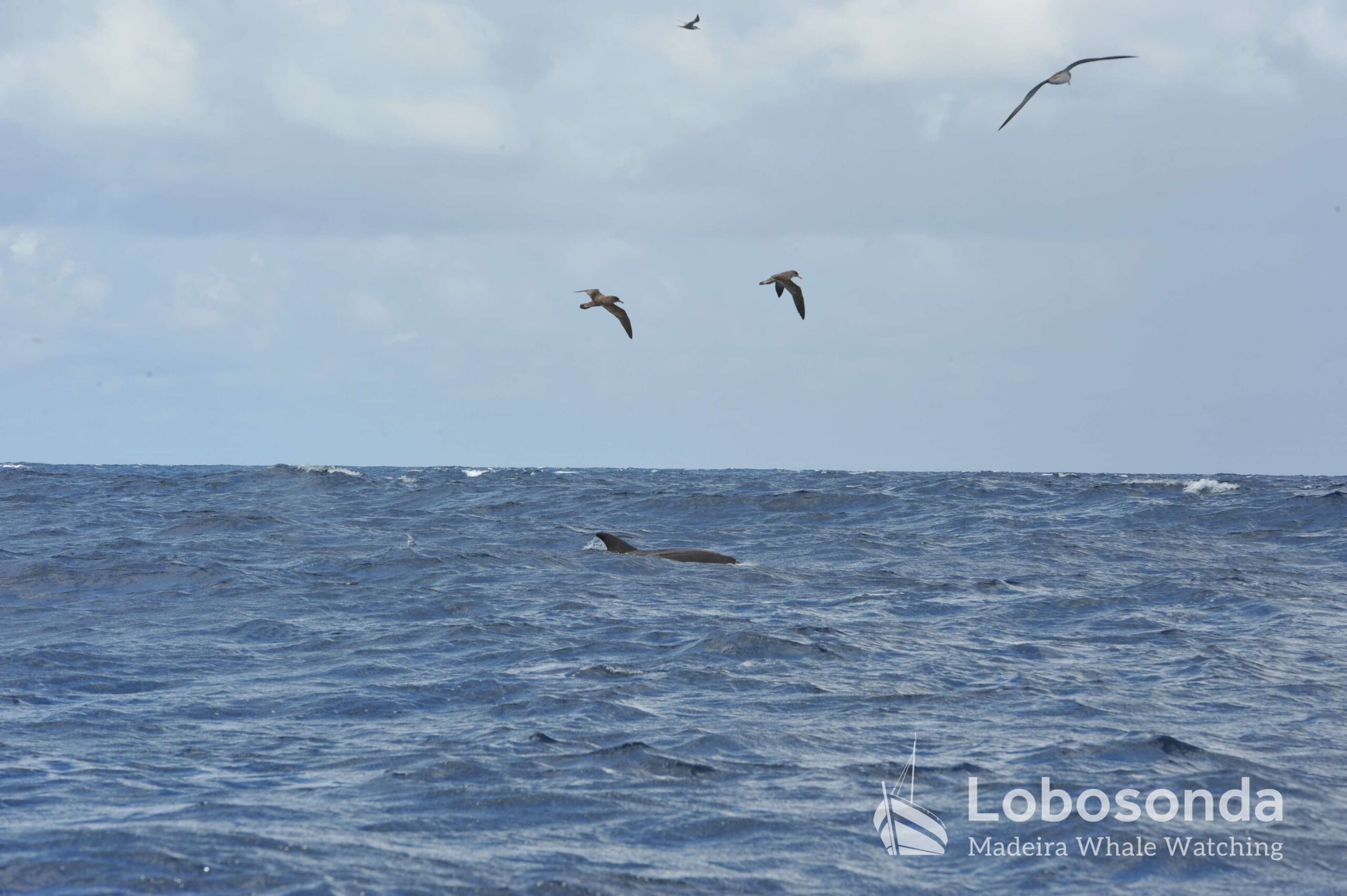
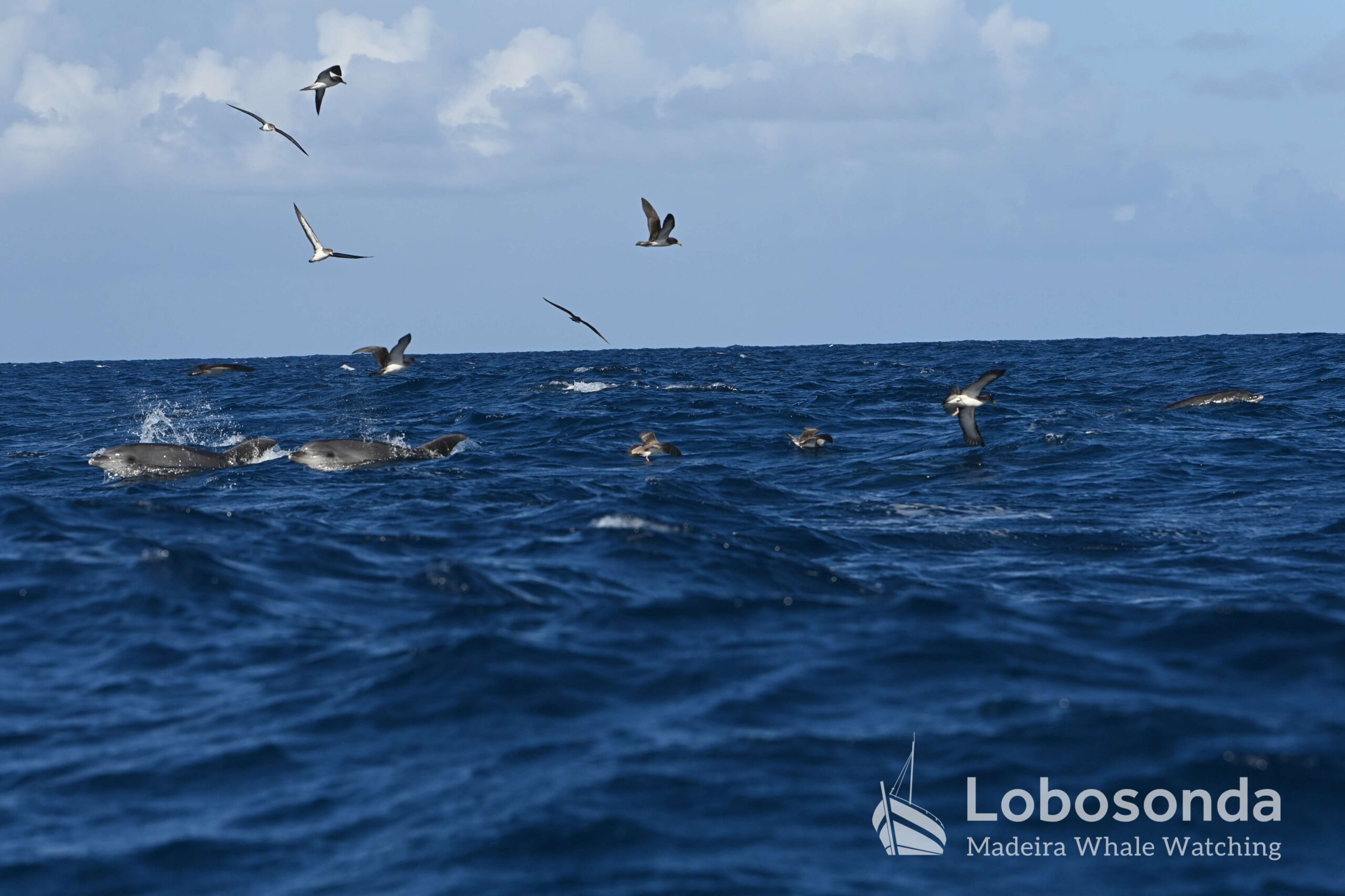
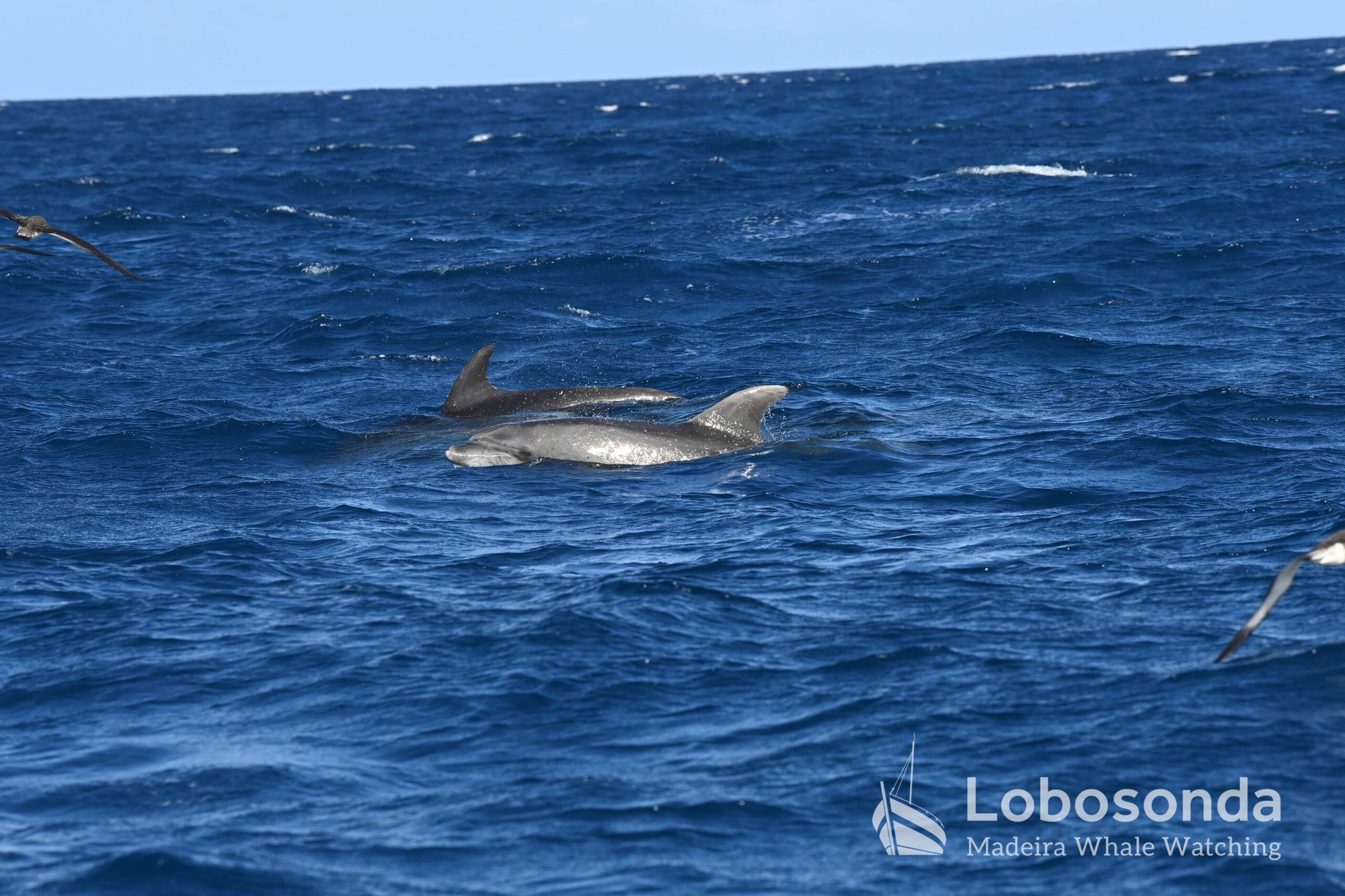
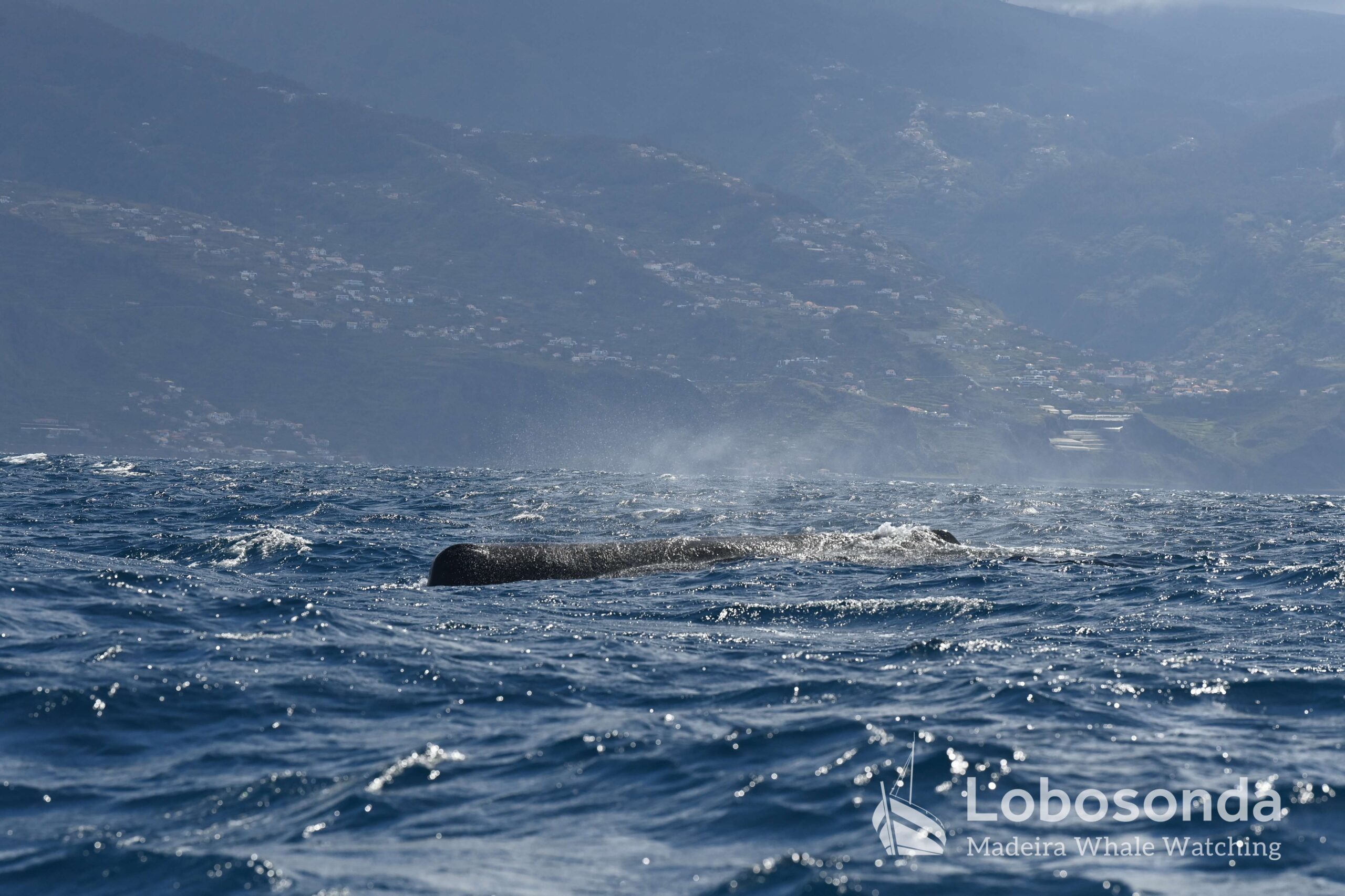
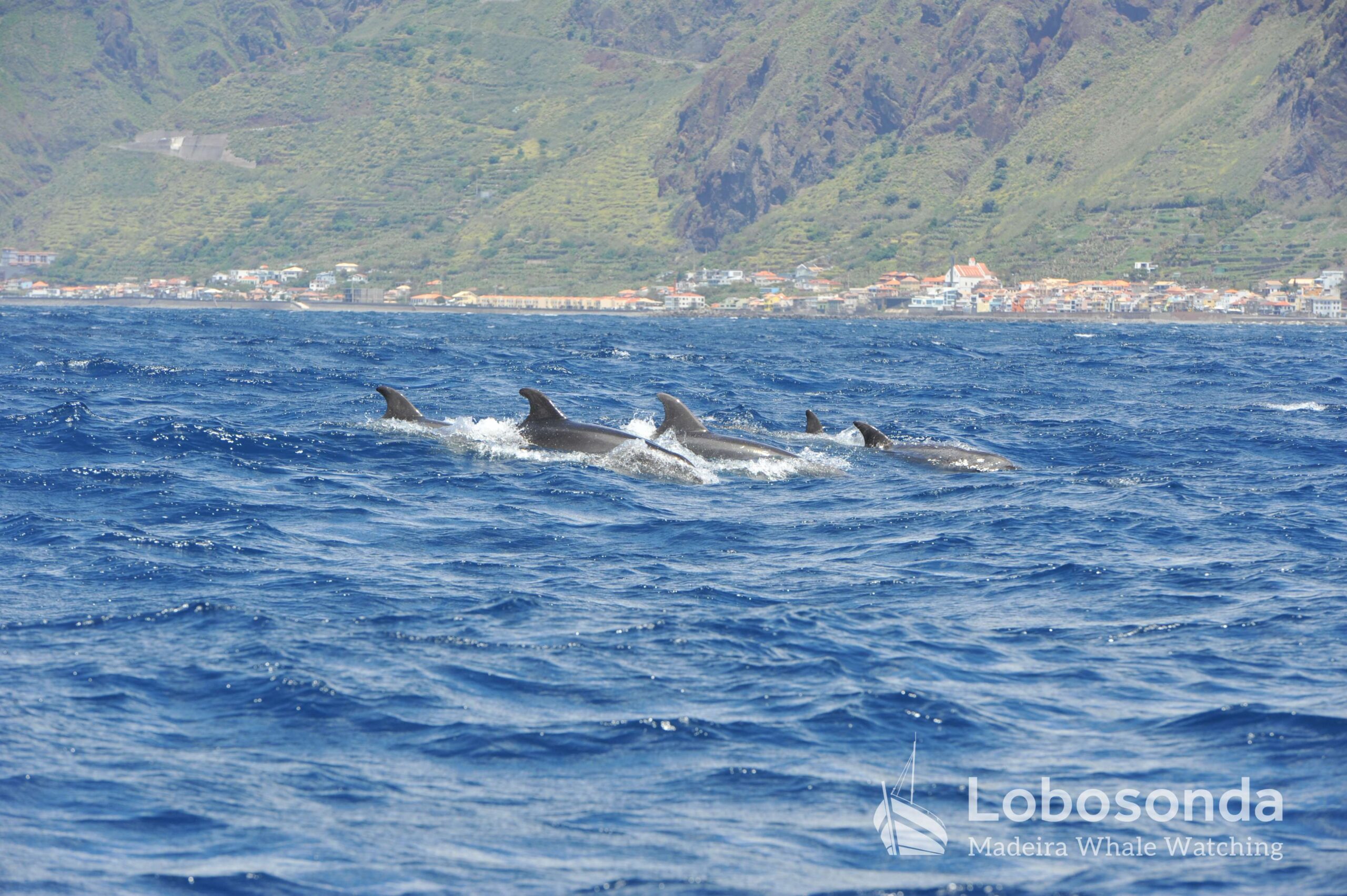
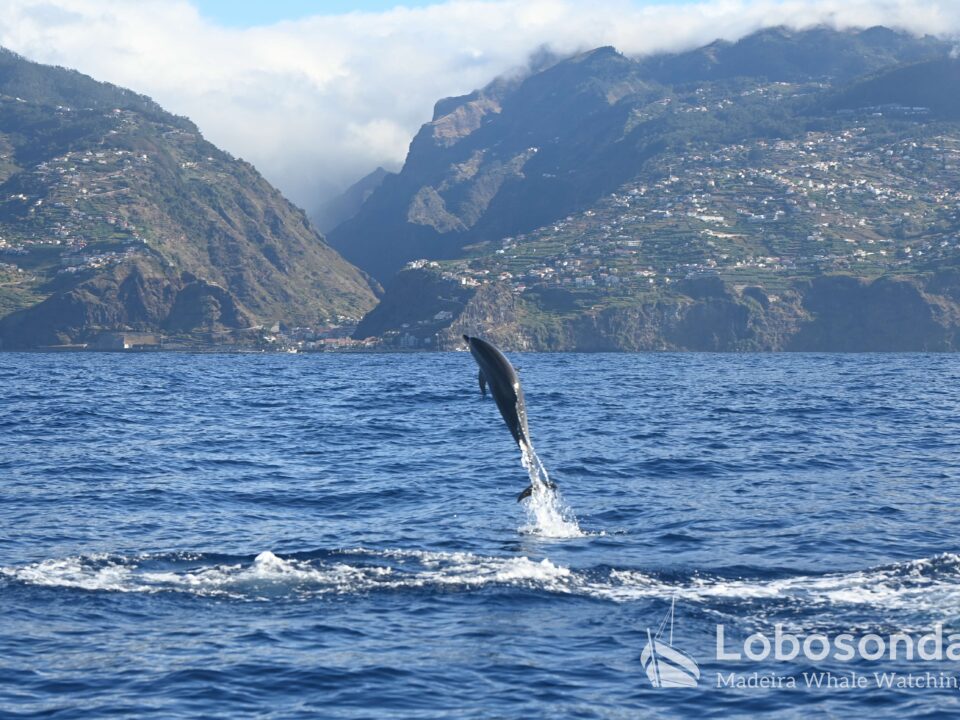
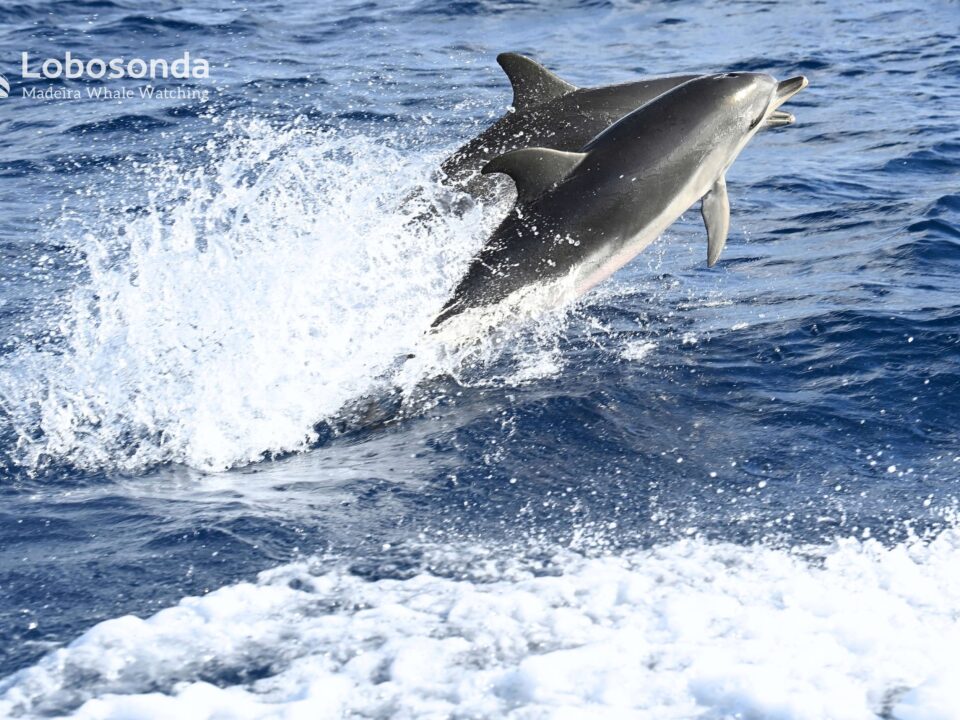
A very wild ride! However, we did have incredible sightings of bottlenose dolphins (Tursiops truncatus) and a tropical whale, also known as a Bryde’s whale (Balaenoptera edeni), hunting together. They were joined by lots of Cory’s shearwaters (Calonectris borealis), Manx shearwaters (Puffinus puffinus), and common terns (Sterna hirundo). After a short search, our spotter was able to find a few dispersed sperm whales (Physeter macrocephalus); one mother even had a small calf with her.
The sperm whale is the largest toothed predator on Earth. Females can reach up to 12 meters in length and males up to 18 meters. They possess the largest brain in the animal kingdom, weighing roughly 7.8 kilograms (17 pounds), and can reach a maximum body weight of about 50 tonnes.
Adult males are usually solitary or live in bachelor groups, while females form strong matriarchal pods. Sperm whale births are highly collaborative team efforts. A newborn calf is 3.5 to 4.5 meters long, weighs about 1 tonne, and needs the group’s support to reach the surface and take its first breath. Females give birth every 5 to 7 years, and a single calf can be nursed for up to 5 years. Nursing itself is quite interesting: due to the calf’s mouth being anatomically unsuited to suckle, the mother actively injects thick, nutrient-rich milk directly into the calf’s mouth using her mammary slits.
By Eva Köhle
Sightings of the day
Steno
09:30 Tropical Whale, Bottlenose Dolphin, Sperm Whale
Stenella
09:30 Tropical Whale, Bottlenose Dolphin, Sperm Whale
13:30 Bottlenose Dolphin